
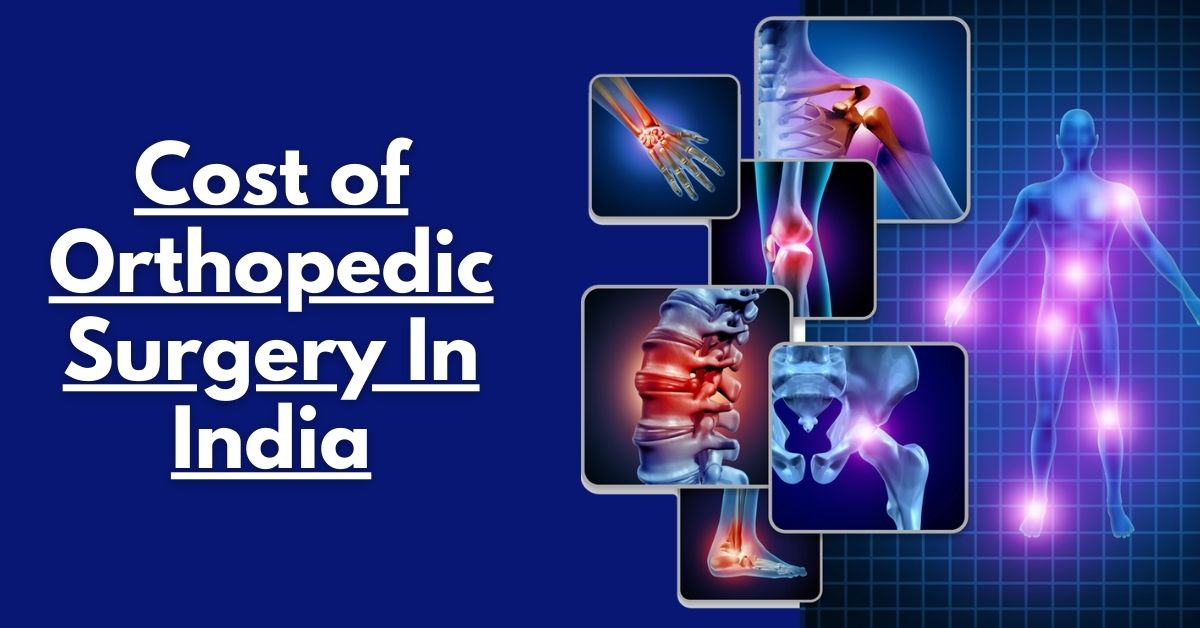
Orthopedic surgery is a specialized field of medicine focused on diagnosing, treating, and rehabilitating musculoskeletal disorders, which include injuries and diseases affecting bones, joints, ligaments, tendons, and muscles.
One of the significant advantages of seeking orthopedic care in India is the cost-effectiveness; the cost of orthopedic surgery in India is often substantially lower than in many Western countries, without compromising on the quality of care.
This affordability, combined with the availability of state-of-the-art technology and a growing number of internationally accredited hospitals, makes India an appealing option for individuals seeking orthopedic interventions.
What is Orthopedic Surgery?
Orthopedic surgery is a specialized branch of medicine focused on diagnosing, treating, and rehabilitating musculoskeletal disorders. This field encompasses a wide range of conditions affecting bones, joints, ligaments, tendons, and muscles, often resulting from injuries, degenerative diseases, or congenital issues.
Top Orthopedic surgeons employ both surgical and non-surgical techniques to restore function and alleviate pain, utilizing advanced technologies and methods to enhance patient outcomes. Through comprehensive assessments and tailored treatment plans, they aim to improve mobility and quality of life for individuals suffering from various orthopedic ailments.
Types of Orthopedic Surgery performed
As of 2026, the most common procedures are:
1. Joint Replacements (Arthroplasty)
These surgeries involve replacing a damaged joint with artificial metal or plastic components to relieve pain from arthritis or injury.
- Knee Replacement: Replacing the entire (total) or part (partial) of the knee joint.
- Hip Replacement: Replacing the ball and socket joint of the hip.
- Shoulder Replacement: Replacing damaged parts of the shoulder joint.
2. Minimally Invasive Surgeries (Arthroscopy)
Surgeons use a tiny camera (arthroscope) and small incisions to diagnose and repair joint issues with faster recovery times.
- ACL Reconstruction: Repairing the major knee ligament using a graft from another part of the body.
- Meniscus Repair: Trimming or repairing torn knee cartilage.
- Rotator Cuff Repair: Reattaching torn tendons in the shoulder.
3. Spine Surgeries
Performed to stabilize the back or neck and relieve pressure on nerves.
- Spinal Fusion: Joining two or more vertebrae together to stop painful movement.
- Laminectomy/Discectomy: Removing part of a bone or a herniated disc to relieve nerve pressure.
4. Fracture & Trauma Care
- Internal Fixation: Using metal plates, screws, rods, or pins to stabilize and hold broken bones in place while they heal.
5. Specialized Hand & Foot Surgeries
- Carpal Tunnel Release: Cutting the ligament in the wrist to relieve pressure on the median nerve.
- Trigger Finger Release: Freeing a finger that is stuck in a bent position.
- Ankle Repair: Stabilizing or fusing the complex bones of the ankle after severe injury or arthritis.
6. Joint Fusion (Arthrodesis)
For joints too damaged for replacement, surgeons may “weld” bones together to create a single, solid bone, which eliminates pain but reduces mobility.
How Much Does a Orthopedic Surgery Cost in India?
The cost of orthopedic surgery in India can vary significantly based on several factors, including the type of procedure, the complexity of the case, the hospital’s location, and the surgeon’s expertise. Generally, the price range for orthopedic surgeries can be anywhere from INR 50,000 to INR 3,00,000 or more.
For instance, common procedures such as knee arthroscopy or hip replacement may fall within the lower to mid-range of this spectrum, while more complex surgeries, like spinal fusion or joint reconstruction, could reach the higher end. Additionally, the overall expenses may also encompass pre-operative assessments, post-operative care, and rehabilitation services, which are crucial for a successful recovery.
Factors that affect Cost of Orthopedic Surgery in India
In 2026, the cost of orthopedic surgery in India is influenced by several critical factors:
- Type of Procedure: Complex surgeries like bilateral or revision procedures are significantly more expensive than standard primary surgeries.
- Implant Selection: The brand, material, and technology of an implant drastically affect the final bill.
- Surgical Technique: Advanced methods such as robotic-assisted or minimally invasive surgeries typically cost 15–30% more than traditional open surgeries due to specialized equipment and expertise required.
- Hospital Category & Location: Treatment in premium private hospitals in Tier-1 cities is more expensive than in smaller towns or government facilities due to higher overheads and advanced infrastructure.
- Surgeon’s Expertise: Highly experienced or world-renowned specialists often charge higher consultation and surgical fees based on their skill and success rates.
What is the Cost of Orthopedic Surgery in Different Cities in India?
| City | Starting Price (₹) | Average Cost (₹) | Price Upto (₹) |
| New Delhi | 2,47,000 | 3,30,000 | 4,12,000 |
| Mumbai | 2,36,000 | 3,15,000 | 3,93,000 |
| Bangalore | 2,25,000 | 3,00,000 | 3,75,000 |
| Hyderabad | 2,13,000 | 2,85,000 | 3,56,000 |
| Chennai | 2,02,000 | 2,70,000 | 3,37,000 |
| Pune | 2,02,000 | 2,70,000 | 3,37,000 |
| Kolkata | 1,85,000 | 2,65,000 | 3,25,000 |
Detailed Breakdown of Orthopedic Surgery Cost in India
1. Pre-Operative Costs
Before surgery, patients undergo several diagnostic tests and consultations to ensure surgical readiness.
- Specialist Consultations: Fees for the orthopedic surgeon, cardiologist, and anesthesiologist.
- Imaging & Diagnostics:
- X-rays: Essential for assessing bone alignment.
- MRI/CT Scans: Detailed views of soft tissues or complex fractures.
- Blood Tests & Joint Aspiration: Checking for infection or inflammation.
- Pre-Anesthesia Check-up (PAC): Standard evaluation to determine surgical fitness.
2. Surgical Costs
This phase represents the bulk of the expenditure and is highly dependent on the chosen technology and hospital.
- Surgeon’s Fees: Ranges based on experience.
- Implant Charges
- Operating Theater (OT) & Anesthesia:
- Anesthesia
- OT Charges
- Technology Surcharge: Robotic-assisted procedures typically add a premium over conventional surgery.
3. Post-Operative Costs
Recovery expenses are crucial for a successful surgical outcome.
- Physical Therapy: Essential for restoring mobility; a full course typically costs.
- Follow-up Visits: Periodic consultations to monitor healing.
- Assistive Devices: Walkers, braces, or crutches needed during early recovery
Average Costs of Common Orthopedic Surgeries in India Approximate Range
Knee Replacement (Unilateral): ₹1,50,000 – ₹6,00,000
Hip Replacement: ₹2,00,000 – ₹6,00,000
Shoulder Replacement: ₹1,50,000 – ₹5,00,000
ACL Reconstruction: ₹1,50,000 – ₹3,50,000
Robotic Knee Replacement: ₹2,50,000 – ₹7,00,000
Robotic Hip Replacement: ₹2,20,000 – ₹6,00,000
Shoulder Fracture Surgery (ORIF): ₹90,000 – ₹1,80,000
Orthopedic surgeries vary in cost depending on the specific procedure and the healthcare facility. Common surgeries such as knee replacements, hip replacements, and arthroscopic surgeries can range significantly in price, often influenced by factors such as the surgeon’s expertise, the complexity of the surgery, and the geographic location of the hospital.
Patients should be aware that additional expenses may arise from pre-operative assessments, post-operative care, and rehabilitation services, which can further impact the overall financial commitment required for these procedures. It is advisable for individuals to consult with their healthcare providers and insurance companies to obtain a comprehensive understanding of the potential costs involved.
Why Medical Tourist Prefer Orthopedic Surgery in India?
Orthopedic surgery in India has gained significant recognition for its advanced medical practices, skilled professionals, and cost-effective treatment options. The country boasts a plethora of well-equipped hospitals and clinics that adhere to international standards, making it an attractive destination for both domestic and international patients seeking orthopedic care.
Renowned orthopedic surgeons in India are often trained in prestigious institutions worldwide, bringing a wealth of expertise and innovative techniques to their practice. Additionally, the affordability of surgical procedures, coupled with the availability of cutting-edge technology, allows patients to receive high-quality care without the financial burden often associated with similar treatments in Western countries.
Conclusion
Orthopedic surgery plays a crucial role in diagnosing, treating, and rehabilitating musculoskeletal disorders. This specialized field encompasses a wide range of procedures aimed at restoring function and alleviating pain in bones, joints, ligaments, and muscles. Advances in technology and surgical techniques have significantly improved patient outcomes, allowing for minimally invasive options that reduce recovery time and enhance overall quality of life. As the demand for orthopedic interventions continues to grow, ongoing research and innovation remain essential to further refine these practices and address the evolving needs of patients.
Reference link
https://my.clevelandclinic.org/health/treatments/24801-orthopaedic-surgery