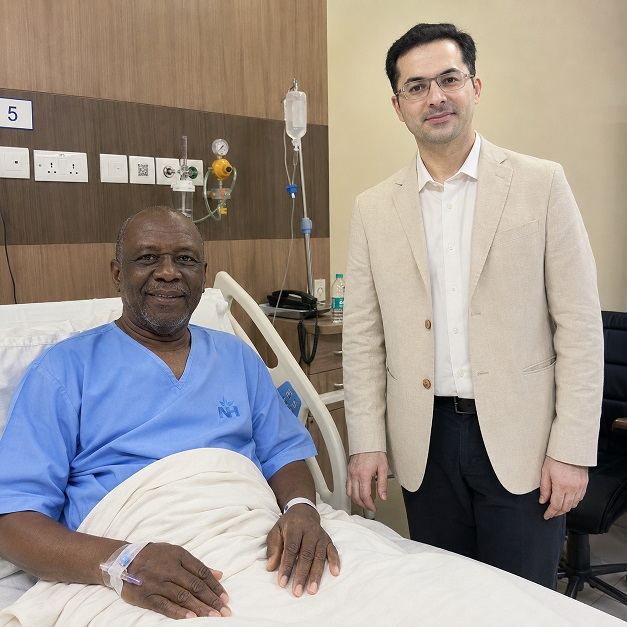
Special Surgery Packages for Australian Patients In India
Affordable Knee, Hip Replacement, Spine, Neurosurgery, Dental, Cosmetic, Weight Loss & Eye "Surgery Packages for Australian Patients in India"
Tour2India4Health Consultants helps patients from Australia access affordable, high-quality treatment in India through a trusted network of leading hospitals and experienced specialists. We offer personalized treatment packages for Knee Replacement, Hip Surgery , Spine Surgery, Neurosurgery, Cosmetic and Weight Loss Surgery, Dental Care, Eye Surgery and many other advanced medical procedures.
Our team provides end-to-end support, including specialist consultations, hospital selection, treatment planning, transparent cost estimates, medical visa guidance, travel arrangements, accommodation, and post-treatment follow-up. We are committed to making your medical journey to India safe, seamless, and stress-free while ensuring you receive world-class healthcare at exceptional value.
Australia is among the developed countries whose residents travel to India for elective and specialized medical care, particularly when seeking shorter waiting times or more affordable treatment options.
Australian patients commonly travel to India for orthopedic surgery, cardiac procedures, cancer treatment, spine surgery, robotic surgery, IVF, cosmetic surgery, dental care, and advanced health check-ups.
India welcomes more than 600,000 international medical travellers annually, making it one of the world's leading destinations for affordable, high-quality healthcare.
Many medical procedures in India can cost 50–80% less than in Australia, while maintaining internationally recognized standards of care and access to experienced specialists.
Australian patients often choose India for access to robotic-assisted surgery, minimally invasive procedures, advanced cancer therapies, organ transplantation, and personalized rehabilitation programs.
Australia has convenient air connectivity to major Indian cities, including New Delhi, Mumbai, Chennai, Bengaluru, and Hyderabad, making medical travel more accessible.
Most Indian hospitals allow Australian patients to submit their medical reports online before travelling, enabling specialists to provide a preliminary medical opinion and estimated treatment plan in advance.
Eligible international patients applying for an Indian Medical Visa may be permitted to travel with accompanying attendants, subject to the applicable visa regulations.
Leading Indian hospitals offer advanced technologies including robotic surgery, PET-CT imaging, 3T MRI, proton therapy, minimally invasive procedures, precision diagnostics, and comprehensive multidisciplinary care.
Experienced specialists, internationally accredited hospitals, shorter waiting periods, personalized international patient services, and significant cost savings continue to make India a preferred destination for Australian patients seeking medical treatment.
Patient Testimonials from Australia
Over the years, Tour2India4Health Consultants has had the privilege of assisting many patients from Australia in accessing advanced medical treatment in India. Their success stories reflect our commitment to personalized care, transparent guidance, and end-to-end support throughout the medical journey.
Read firsthand experiences from Australian patients who trusted us for their treatment in India and successfully returned home with renewed health, confidence, and peace of mind.
Mr. Liam Jones
Bilateral Knee Replacement in India
Australia
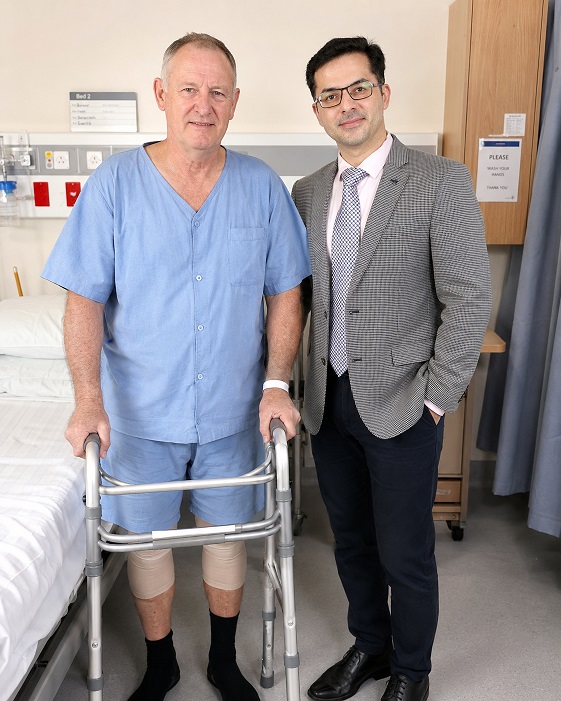
"Living with pain in both knees, Mr. Liam Jones, 60, travelled from Australia to India for a Bilateral Knee Replacement with Tour2India4Health Consultants. Supported through surgery and recovery, he returned home with balanced strength and mobility. “Both my knees finally work the way they should,” he shared."
"After years of unsuccessful weight-loss attempts, Mr. Jack Smith, 52, travelled from Australia to India for a Sleeve Gastrectomy Surgery with Tour2India4Health Consultants. With consistent guidance through surgery and recovery, he returned home with renewed control over his health. “I finally feel like I'm moving in the right direction,” he shared."
"Self-conscious about her smile for years, Ms. Olivia Brown, 24, travelled from Australia to India for a Smile Makeover with Dental Veneers through Tour2India4Health Consultants. Guided through every appointment, she returned home with newfound confidence. “I finally feel confident about something I used to hide,” she shared."
"After years of focusing on her family, Ms. Emma Wilson from Australia chose herself, travelling to Mumbai for a Mommy Makeover Surgery with Tour2India4Health Consultants. Guided every step of the way, she returned home confident and renewed. “I finally feel like myself again,” she shared, grateful for the care and support throughout her journey."
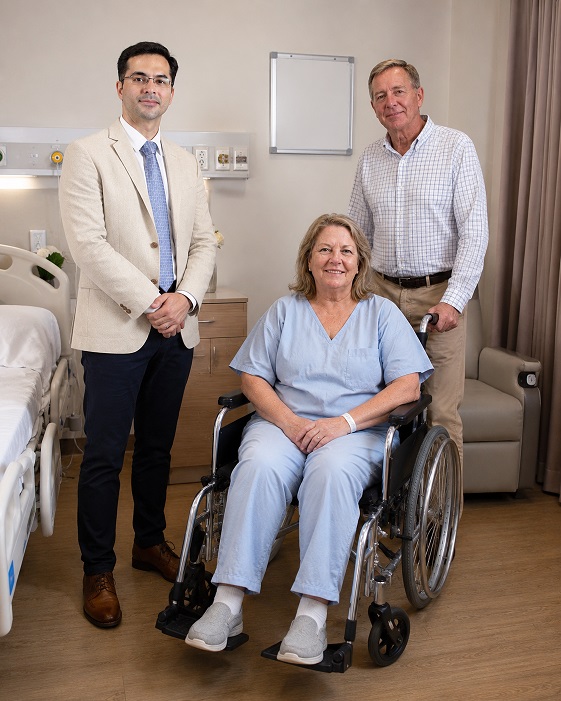
"After years of hip pain limiting her daily life, Ms. Charlotte Wilson, 58, travelled from Australia to India for a Single Hip Surgery with Tour2India4Health Consultants. Closely supported through surgery and recovery, she returned home moving with renewed ease. “I'm finally back in the garden,” she shared gratefully."
"Living with persistent back pain, Mr. Thomas Taylor, 38, travelled from Australia to India for a Robotic Spine Surgery with Tour2India4Health Consultants. Closely guided through surgery and recovery, he returned home with renewed mobility. “The pain that used to follow me everywhere is finally gone,” he shared."
"Facing a shoulder replacement at just 36, Mr. James Williams from Australia turned to Tour2India4Health Consultants. His Shoulder Replacement Surgery in India was followed by structured rehab and consistent support. “I can use my shoulder properly again, and that changes things significantly,” he shared."
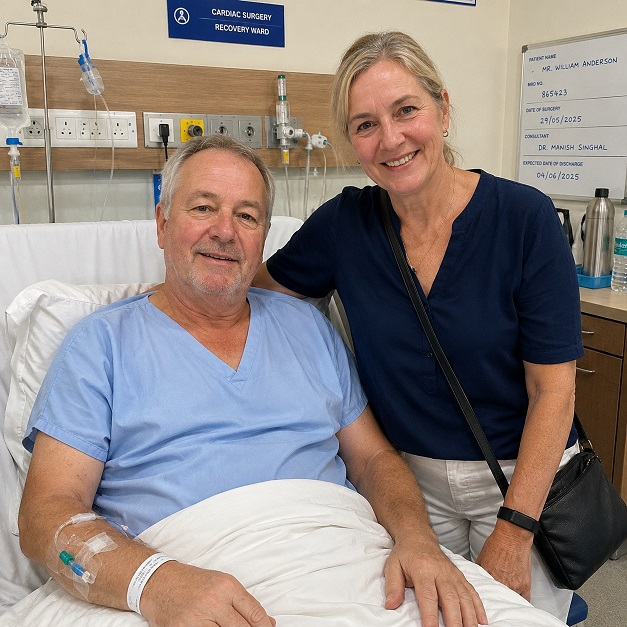
"His energy had been fading for months before a blocked coronary artery explained why. Mr. William Anderson, 59, chose Tour2India4Health Consultants for his Robotic Cardiac Bypass Surgery in India and recovered faster than his family had hoped. “My energy is back, and so is my confidence in my own health,” he shared."
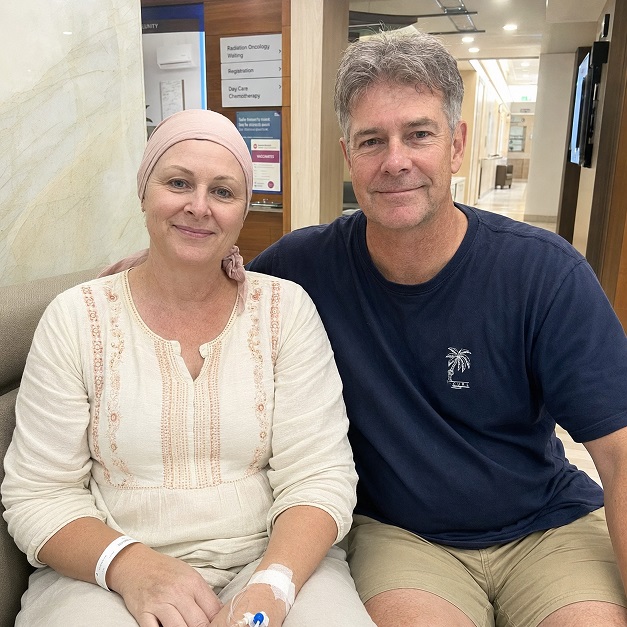
"Approaching her ovarian cancer treatment with quiet resolve, Ms. Amelia Campbell, 47, chose Tour2India4Health Consultants for Radiation Treatment for Ovarian Cancer in India. Honest, consistent care carried her through. “I came home feeling like I had made the right decision,” she shared"
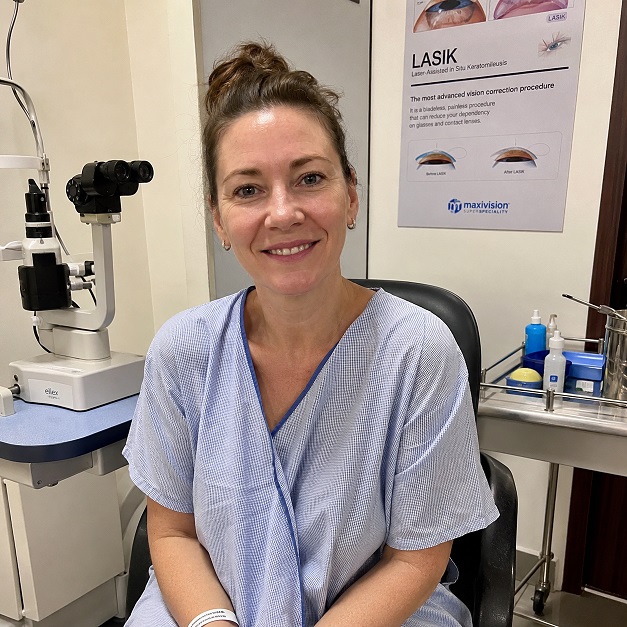
"After years of putting it off, Ms. Isla Mitchell, 42, decided the time was right and chose Tour2India4Health Consultants for her LASIK Eye Surgery in India. The assessment, procedure, and aftercare all exceeded expectations. “Waking up and being able to read the time without my glasses felt genuinely significant,” she shared."
When it comes to healthcare, patients deserve both quality and affordability—without compromising on either.
At Tour2India4Health Consultants , we have been helping patients from Australia and around the world access advanced, cost-effective medical treatment in India through a trusted network of leading hospitals and experienced specialists. As one of India's pioneering Government-registered medical travel facilitators, we provide personalized treatment solutions tailored to each patient's medical condition, budget, and healthcare needs. With a network of 5,000+ doctors and surgeons across 15+ major cities, we connect patients with internationally recognized hospitals equipped with advanced medical technology and world-class clinical expertise.
From medical opinions and hospital selection to travel planning, accommodation, and post-treatment support, our dedicated team manages every aspect of your healthcare journey. This page has been specially created for patients from Australia, providing all the information needed to confidently plan your medical treatment in India.
What Makes Tour2India4Health Consultants the Trusted Choice for International Patients?
Australia has a well-developed healthcare system, yet many patients continue to face challenges such as long waiting times for elective procedures, rising treatment costs, and limited access to certain highly specialized treatments. As a result, many Australians choose to travel overseas for timely, affordable, and high-quality medical care.
India has become one of the world's leading medical tourism destinations, offering internationally accredited hospitals, experienced specialists, advanced medical technology, and significantly lower treatment costs without compromising on quality. At Tour2India4Health Consultants , we help Australian patients access the best healthcare solutions through personalized medical travel services and end-to-end support.
Why Patients Choose Tour2India4Health Consultants
Personalized treatment planning tailored to your medical condition and budget.
Access to India's leading hospitals and internationally experienced specialists.
Free expert medical second opinions to help you make informed decisions.
Comprehensive support with medical visas, travel, accommodation, and local logistics.
Dedicated patient coordinators available before, during, and after treatment.
Assistance with advanced diagnostics, scans, and specialist consultations.
High standards of patient safety and internationally accepted clinical protocols.
Affordable treatment options that offer excellent value without compromising quality.
Seamless coordination from your first enquiry through recovery and follow-up.
Compassionate, patient-first care focused on making your medical journey safe, comfortable, and stress-free.
Fast specialist appointments with minimal waiting times.
Transparent treatment costs with no hidden charges.
About India
India is one of the world's oldest civilizations and today stands as a global leader in healthcare, technology, culture, and innovation. Renowned for its rich heritage, diverse landscapes, and warm hospitality, India welcomes millions of international visitors every year, including patients seeking advanced medical care
As one of the fastest-growing economies and the world's largest democracy, India offers a unique blend of modern infrastructure and centuries-old traditions. From the majestic Himalayas in the north to the tranquil beaches in the south, the country is known for its remarkable cultural diversity, historic landmarks, vibrant festivals, and world-famous cuisine.
As the renowned author Mark Twain beautifully observed:
"India is the cradle of the human race, the birthplace of human speech, the mother of history, the grandmother of legend, and the great-grandmother of tradition."
Whether you visit for healthcare, business, or tourism, India offers an unforgettable experience built on excellence, diversity, and hospitality.
About Australia
Australia is one of the world's most developed nations, known for its excellent quality of life, multicultural society, strong economy, and breathtaking natural landscapes. Comprising the Australian mainland, Tasmania, and numerous smaller islands, it is the largest country in Oceania and home to world-famous landmarks such as the Sydney Opera House, Sydney Harbour Bridge, and the Great Barrier Reef. Australians enjoy a high standard of living, a robust education system, and a modern healthcare infrastructure, making the country one of the most desirable places to live.
Why Are More Australians Choosing India for Medical Treatment?
India has become one of the world's leading medical tourism destinations, offering Australian patients an excellent combination of medical expertise, affordability, accessibility, and personalized care. Every year, thousands of international patients travel to India to receive advanced treatment from internationally trained specialists at modern, accredited hospitals.
Australian patients choose India because they benefit from:
Significantly lower treatment costs, often saving up to 60–80% compared to similar procedures in Australia, depending on the treatment.
Minimal waiting times, allowing patients to receive consultations, investigations, and surgery much sooner.
Internationally accredited hospitals equipped with advanced diagnostic and surgical technology.
Highly experienced specialists trained in complex procedures across multiple medical specialties.
Comprehensive medical travel support, including treatment planning, visa assistance, accommodation, airport transfers, and post-treatment follow-up.
English-speaking doctors and healthcare professionals, making communication comfortable and convenient.
Personalized treatment plans designed around each patient's medical condition, recovery goals, and budget.
A wide range of specialties, including cardiology, cancer care, orthopedics, spine surgery, neurosurgery, organ transplantation, fertility treatment, cosmetic surgery, ophthalmology, dental care, and minimally invasive robotic procedures.
For many Australians, choosing India is not only about reducing medical expenses—it is about gaining timely access to world-class healthcare without compromising on quality or patient safety.
At Tour2India4Health Consultants , we help Australian patients throughout their medical journey by connecting them with India's leading hospitals and specialists while providing end-to-end support from the first enquiry through treatment, recovery, and follow-up care. Our goal is to make your healthcare journey to India safe, transparent, and completely stress-free.
Why Choose Tour2India4Health Consultants ?
At Tour2India4Health Consultants , we believe that international patients deserve more than just access to excellent medical care—they deserve trusted guidance and personalized support throughout their healthcare journey. Our comprehensive services are designed to make medical travel from Australia to India simple, transparent, and stress-free.
1. Free Medical Second Opinion
Before making any treatment decisions, you can receive a free expert second opinion from experienced specialists at India's leading hospitals, helping you understand your diagnosis and available treatment options with confidence.
2. Personalized Treatment Planning
Every patient is unique. We create customized treatment plans based on your medical condition, healthcare goals, budget, and preferred hospital, ensuring the most appropriate care for your needs.
3. Affordable & Transparent Treatment Packages
We provide personalized treatment packages with clear, transparent pricing and no hidden costs, helping patients access world-class healthcare at an affordable price.
4. Language & Patient Support
Our team ensures smooth communication between patients and healthcare providers. Interpreter services can be arranged whenever required, making every stage of treatment comfortable and hassle-free.
5. Post-Treatment Follow-Up
Our support continues even after you return to Australia. We help coordinate follow-up consultations, medical reports, and ongoing communication with your treating specialists in India.
6. Fast Medical Visa & Travel Assistance
From hospital invitation letters and medical visa documentation to travel planning, accommodation, and airport transfers, our dedicated team provides end-to-end assistance to ensure a smooth and well-organized medical journey.
Our Network of Leading Hospitals in India
Choosing the right hospital is one of the most important decisions when planning medical treatment abroad. At Tour2India4Health Consultants , we help Australian patients find the hospital that best matches their medical needs, treatment goals, and budget.
Our trusted network includes leading multi-specialty hospitals, specialty centres, nursing homes, and accredited healthcare facilities across more than 15 major cities in India. After carefully reviewing your medical reports, our healthcare experts recommend the most suitable hospital and specialist based on your diagnosis, preferred location, treatment complexity, budget, expected duration of stay, and travel convenience from Australia.
We work with internationally recognized hospitals as well as high-quality, cost-effective healthcare centres, ensuring patients from all backgrounds have access to safe, advanced, and affordable medical care. Whether you require a complex surgery, specialized treatment, or an elective procedure, we connect you with the right medical team while providing complete support throughout your treatment journey in India.
The success of any medical treatment depends not only on the hospital but also on the expertise of the doctors providing your care. At Tour2India4Health Consultants , we connect Australian patients with some of India's most experienced surgeons, physicians, and medical specialists across every major healthcare specialty.
Our extensive network includes more than 5,000 highly qualified doctors and surgeons, many of whom have international training and extensive experience in treating complex medical conditions. Whether you require heart surgery, cancer treatment, orthopedic surgery, neurosurgery, organ transplantation, fertility treatment, or another specialized procedure, we carefully match you with the right specialist based on your diagnosis and treatment needs.
We believe every patient deserves access to the best possible medical expertise. That's why we carefully evaluate your medical reports before recommending the most appropriate doctor and hospital, ensuring personalized care, high clinical standards, and the best possible treatment outcomes.
Explore the profiles of our leading surgeons and specialists to learn more about their expertise and experience before planning your treatment in India.
Medical Visa for Australian Patients Travelling to India
Australian citizens planning to travel to India for medical treatment must obtain a valid Indian Medical Visa before departure. The visa application process is straightforward, and Tour2India4Health Consultants provides complete guidance to help patients prepare the necessary documentation and complete the process smoothly.
Documents Generally Required
A valid passport with sufficient validity and blank pages.
A completed Indian Medical Visa application form.
Recent passport-sized photographs.
Return or onward travel details, if applicable.
Any additional documents requested by the Indian authorities during the visa process.
A hospital invitation or appointment confirmation from the treating hospital in India.
Medical records supporting the need for treatment in India.
Visa Validity
The validity of a Medical Visa depends on the patient's treatment plan and may be granted for an appropriate duration as determined by the Indian authorities. If further treatment or follow-up care is required, the visa may be extended in accordance with applicable Indian immigration regulations.
Our team assists Australian patients with hospital invitation letters, required documentation, and step-by-step visa guidance, ensuring a smooth and hassle-free medical travel experience.
Indian E-Medical Visa for Australian Patients
The Indian E-Medical Visa offers Australian patients a convenient way to travel to India for planned medical treatment. It is designed for patients seeking consultations, specialized procedures, surgeries, or short-term medical care at recognized hospitals in India.
A valid Australian passport with at least 6 months' validity and two blank pages.
A recent passport-style digital photograph.
Medical records and a referral letter from your treating doctor in Australia (where applicable).
An official appointment confirmation or invitation letter from the recognized hospital in India where treatment is planned.
Additional supporting documents requested during the visa application process.
Medical Attendant Visa
Patients may be accompanied by up to two family members or caregivers, who can apply for an E-Medical Attendant Visa linked to the patient's Medical Visa.
Application Process
Complete the online application through the official Indian e-Visa portal.
Upload the required documents and pay the applicable visa fee.
Most applications are processed within 24 to 72 hours, although processing times may vary.
Once approved, download and print your Electronic Travel Authorization (ETA) and carry it with you while travelling to India.
Need assistance with your Medical Visa from Australian to India?
At Tour2India4Health Consultants , we provide complete guidance throughout the Medical Visa process, including hospital invitation letters, appointment confirmations, documentation support, and travel coordination, making your medical journey to India smooth, hassle-free, and well-organized.
In-Patient Logistics & Support Services
From the moment you arrive in India, Tour2India4Health Consultants ensures a smooth and well-coordinated medical journey. We arrange priority appointments with experienced specialists, provide 24/7 patient support, assist with comfortable accommodation, airport transfers, local transportation, and coordinate every aspect of your hospital stay.
Our goal is to let you focus entirely on your treatment and recovery while we take care of the logistics, ensuring a safe, comfortable, and stress-free healthcare experience at India's leading hospitals
Areas We Serve
This resource has been thoughtfully prepared for patients from Australia who are considering medical treatment in India. We also welcome patients from the wider region in the countries mentioned below-
We regularly assist patients from:
New Zealand
Fiji
Solomon Islands
Vanuatu
Samoa
Tonga
Kiribati
Nauru
Tuvalu
Papua New Guinea
Many of the insights, treatment pathways, hospital recommendations, travel guidance, and patient support services described here are equally relevant and may be used as a reference when planning treatment in India.
Dr. Dheeraj Bojwani is a Medical Travel Advisor with over 24 years of experience assisting international patients seeking treatment in India. He has helped more than 5,000 patients from Africa, Middle East, Europe, USA, Asia and other regions get treatment in leading hospitals, with specialists, and treatment programs across India. His core work focuses on Patient Education, Medical Second Opinions, Treatment Planning, and Healthcare Travel Coordination.
Our Happy Patient Testimonials from All Over the World
Mrs. Denise Edna Reid, New Zealand
Knee Replacement Surgery in India
Mr. Uchenna, Nigerian
Prosthesis Surgery for Artificial Limbs
Mrs. Marlene Mccanne, Australia
Total Knee Replacement Surgery
Mr. Henry Ume, Nigeria
Hip Replacement Surgery
Page Summary
Tour2India4Health Consultants helps Australian patients access advanced, affordable, and trusted medical treatment in India through personalized medical travel assistance. The service connects patients with leading hospitals, experienced specialists, and modern medical technology across specialties such as cosmetic surgery, bariatric surgery, spine surgery, neurosurgery, dental care, eye surgery, cardiac care, oncology, orthopedics, fertility treatment, and more. Australian patients benefit from lower treatment costs, shorter waiting times, expert second opinions, customized treatment packages, and end-to-end support. Services include hospital selection, specialist appointments, treatment planning, medical visa guidance, travel arrangements, accommodation, airport transfers, interpreter assistance, and post-treatment follow-up. The goal is to make medical travel to India safe, transparent, affordable, and stress-free.
Frequently Asked Questions (FAQs)
Many Australian patients choose India for affordable treatment costs, shorter waiting times, advanced hospitals, and experienced specialists. India offers high-quality care across many medical specialties.
Patients can access cosmetic surgery, bariatric surgery, spine surgery, neurosurgery, dental care, eye surgery, cardiac care, cancer treatment, orthopedics, IVF, and other advanced procedures.
Yes. Many procedures in India cost significantly less than in Australia while still offering modern hospitals, experienced doctors, and strong patient safety standards.
The team assists with medical opinions, hospital selection, doctor appointments, treatment planning, medical visa guidance, travel, accommodation, airport transfers, and follow-up care.
Yes. You can share your medical reports and receive an expert second opinion from experienced Indian specialists before deciding on treatment.
After reviewing your medical condition, budget, treatment needs, and preferred location, suitable hospitals and specialists are recommended for your case.
Yes. Australian patients travelling for treatment need an Indian Medical Visa or E-Medical Visa, depending on the treatment duration and visa eligibility.
Yes. Family members or caregivers can apply for a Medical Attendant Visa and accompany the patient during treatment in India.
The stay depends on the treatment type, recovery period, and follow-up requirements. A tentative treatment timeline is usually shared before travel.
Yes. Many leading Indian hospitals use advanced technology, modern operation theatres, robotic systems, intensive care units, and internationally accepted clinical protocols.
Most doctors and hospital teams communicate in English. Interpreter support can also be arranged whenever required.
Yes. After reviewing your medical reports, you can receive an estimated treatment cost and hospital recommendation before planning your journey.
Yes. India is a popular destination for elective procedures such as cosmetic surgery, dental care, eye surgery, bariatric surgery, and orthopedic treatments.
Appointments can usually be arranged quickly after reviewing your medical reports, depending on doctor availability and the urgency of your condition.
You should share recent medical reports, prescriptions, scans, test results, discharge summaries, and any previous treatment history.
Yes. Assistance is provided for airport transfers, accommodation, local transportation, hospital admission, and in-patient logistics.
Post-treatment support includes follow-up coordination, communication with doctors, medical report assistance, and recovery guidance after returning to Australia.
Yes. Initial case review, preliminary treatment guidance, and estimated treatment options can be provided free of charge and without obligation.
Dr. Dheeraj Bojwani Consultants helps compare options, identify suitable specialists, understand costs, coordinate logistics, and support patients throughout the complete journey.
Simply share your medical reports and a short description of your condition. The team will review your case and guide you with treatment options, hospitals, costs, and next steps.
Ready to Take the First Step?
Share your Medical Reports with our Healthcare Managers Today and Get a FREE CONSULTATION, a Personalized Treatment Plan, and Complete Support from Arrival to Recovery.