

Frequently Asked Questions by Australia Patients seeking medical treatment and Surgery in India
Planning medical treatment in India from Australia involves many important questions. Whether you are considering surgery, a specialist consultation, or advanced medical care, accurate information helps you make the right decision. This page has been created specifically for patients from Australia and provides answers to the most frequently asked questions about medical treatment in India.
Our mission is to help you plan your treatment with confidence and make your journey to India as simple and stress-free as possible. If you need further assistance, our team is ready to provide personalized guidance based on your medical requirements.
Many Australian patients choose India because it offers experienced specialists, internationally recognized hospitals, advanced medical technology, shorter waiting times for selected procedures, and significant cost savings for many elective and complex treatments.
Yes. Most Indian hospitals accept digital copies of MRI scans, CT scans, X-rays, pathology reports, laboratory investigations, prescriptions, and previous medical records for an initial medical review before you travel.
Patients from Australia frequently travel to India for orthopedic and joint replacement surgery, heart surgery, cancer treatment, spine surgery, robotic surgery, IVF and fertility treatment, cosmetic surgery, dental procedures, urology, neurology, and comprehensive health check-ups.
Not always. While a referral letter can be helpful, many Indian hospitals can evaluate your condition directly using your medical reports, imaging studies, laboratory investigations, and previous treatment history before recommending the most appropriate treatment.
The duration depends on the type of treatment. Diagnostic evaluations may require only a few days, while major surgeries, cancer treatment, joint replacement, or rehabilitation may require several weeks for treatment, recovery, and follow-up.
Yes. One or more close family members can usually accompany the patient after obtaining the appropriate Indian Medical Attendant Visa, subject to the latest Indian visa regulations.
Yes. Many leading hospitals in India regularly treat patients from Australia and have dedicated international patient departments that assist with appointments, airport transfers, accommodation, interpreter services, billing, and post-treatment coordination.
Carry your passport, Indian Medical Visa, previous medical records, MRI or CT scan images, laboratory reports, pathology reports, prescriptions, current medications, travel insurance documents (if applicable), and emergency contact information.
Yes. Many Indian specialists provide online follow-up consultations after treatment. They can review new investigation reports, monitor your recovery, recommend medication adjustments when appropriate, and coordinate with your healthcare provider in Australia whenever necessary.
Share your complete medical records before travelling, obtain the correct Medical Visa, confirm hospital appointments in advance, carry all original medical documents, and allow sufficient time for investigations, treatment, and recovery to ensure a smooth and well-planned medical journey.
Yes. Medical records issued by Australian hospitals, diagnostic centres, and specialists are generally accepted by Indian hospitals. Providing complete and clearly organised records before travel helps specialists review your condition accurately and recommend an appropriate treatment plan.
Yes. After reviewing your medical reports, many Indian hospitals can provide a preliminary treatment opinion, estimated costs, expected length of stay, and possible treatment options. This helps patients compare choices and plan their medical journey with greater confidence.
This depends on the type of treatment and your recovery. Your treating specialist will advise when it is medically safe to fly long distances. Some patients can travel within a week, while others undergoing major surgery may need additional recovery time before returning home.
Yes. Many hospitals assist international patients in arranging nearby hotels, serviced apartments, or guest houses suitable for post-treatment recovery. Accommodation options can often be selected according to the patient's medical needs, budget, and the accompanying family's requirements.
Most major hospitals accept international credit and debit cards, bank transfers, and other approved digital payment methods. Patients are encouraged to confirm accepted payment options and any advance deposit requirements before travelling.
Sometimes further investigations may reveal that a different or more comprehensive treatment approach is appropriate. Your specialist will discuss the findings, explain all available options, obtain your consent, and update your treatment plan accordingly before proceeding.
Yes. If you would like additional reassurance before making a treatment decision, most leading hospitals can arrange consultations with another experienced specialist. Seeking a second opinion is common and allows patients to make informed healthcare decisions.
Yes. Hospitals usually provide discharge summaries, operative notes (where applicable), investigation reports, imaging records, prescriptions, and follow-up instructions. These documents can be shared with your doctor in Australia for ongoing medical care.
Before leaving India, discuss your recovery plan with your treating specialist, understand any activity restrictions, arrange follow-up consultations if needed, and keep copies of all medical records. Planning rehabilitation and follow-up care in Australia can help support a smoother recovery.
It is generally advisable to begin planning several weeks before your intended travel date. This allows sufficient time for medical report review, specialist consultations, visa processing, travel arrangements, hospital scheduling, and organising accommodation for both the patient and accompanying family members.


Our Mission Statement
Our mission is to place patients at the centre of every healthcare decision by providing trustworthy, evidence-based, and unbiased medical information. We believe that informed patients make better decisions. Backed by personalised guidance from our experienced advisory team, we help patients understand their treatment options, compare them objectively, and confidently choose the path that best suits their medical needs and personal circumstances.
Patient Testimonials from Australia
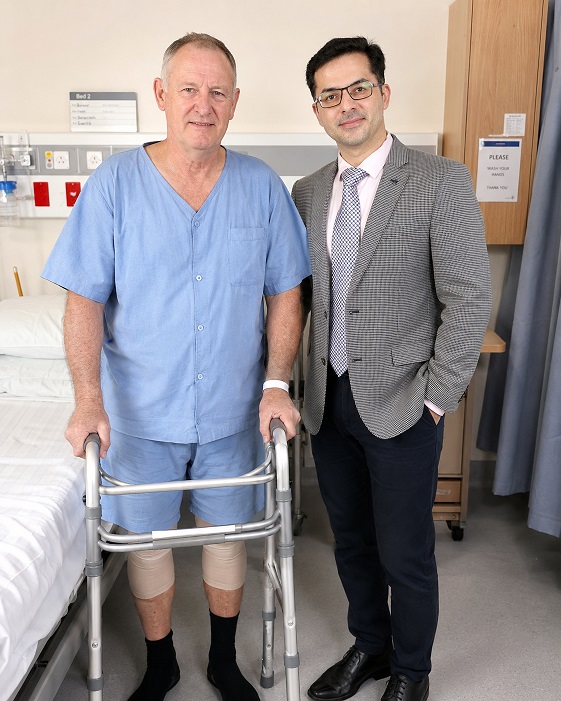




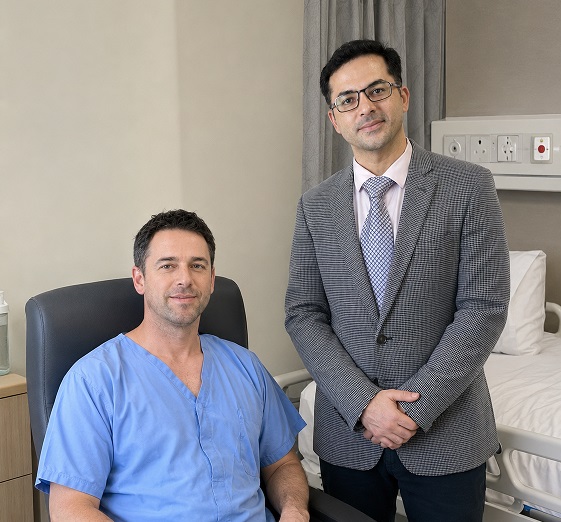

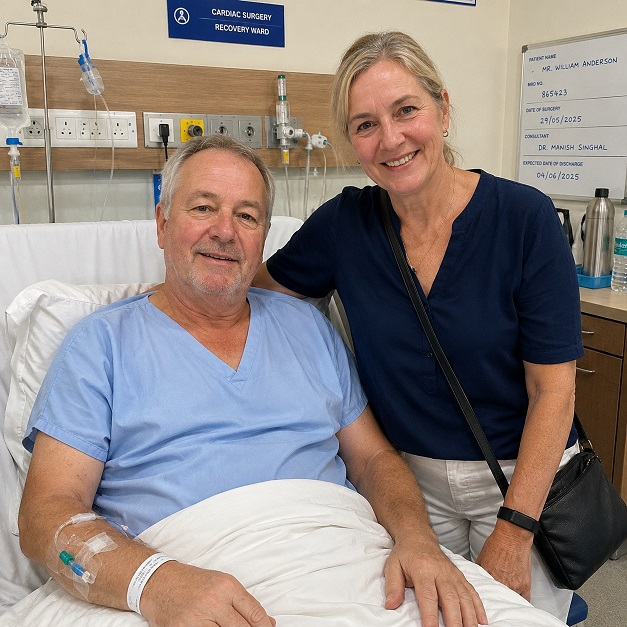
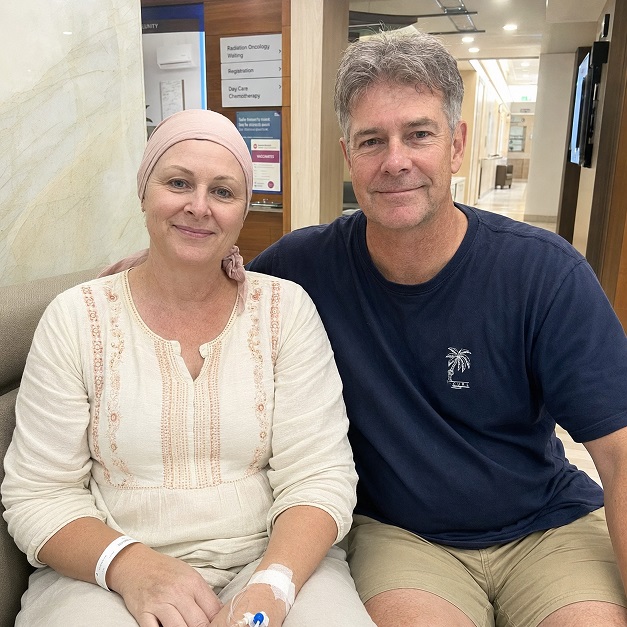

Ready to Take the First Step?
Share your Medical Reports with our Healthcare Managers Today and Get a FREE CONSULTATION, a Personalized Treatment Plan, and Complete Support from Arrival to Recovery.
Get Your Free ConsultationAreas We Serve
This resource has been thoughtfully prepared for patients from Australia who are considering medical treatment in India. We also welcome patients from the wider region in the countries mentioned below-
We regularly assist patients from:
- Fiji
- Vanuatu
- Samoa
- Tonga
- Kiribati
- Nauru
- Tuvalu
- New Zealand
- Solomon Islands
- Papua New Guinea
Many of the insights, treatment pathways, hospital recommendations, travel guidance, and patient support services described here are equally relevant and may be used as a reference when planning treatment in India.
From Australia to India: Your Complete Patient Support Guide
- Cancer Treatment in India for Australian Patients: PBS Gap & Drug Costs
- Cardiac Surgery in India for Australian Patients: TAVI Access & Costs
- Dental Treatment & Surgery in India for Australian Patients
- Hip Surgery in India for Australian Patients: Costs, Waits & Implant Choice
- Knee Surgery in India for Australian Patients: Costs, Waits & Implants
- Neurosurgery in India for Australian Patients: Volume, Costs & When Not to Travel
- Spine Surgery in India for Australian Patients: Costs, Indications & Second Opinions (2026)
- Best Bariatric & Weight Loss Surgeons in India for Australian Patients
- Best Cancer Surgeons & Hospitals in India for Australian Patients
- Best Cardiac Surgeons & Hospitals in India for Australian Patients
- Best Cosmetic Surgeons & Hospitals in India for Australian Patients
- Best Dental Surgeons & Clinics in India for Australian Patients
- Best Hip Surgeons & Hospitals in India for Australian Patients
- Best Knee Surgeons & Hospitals in India for Australian Patients
- Best Scoliosis Surgeons & Hospitals in India for Australian Patients
- Best Spine Surgeons & Hospitals in India for Australian Patients
- Selecting the Best Urosurgery and Reconstructive Urology Centres in India for Australian Patients
- Selecting the Best Bone Marrow Transplant Centres in India for Australian Patients