

Cardiac Surgery in India for Australian Patients
If your heart problem is urgent, stay in Australia — it will treat you superbly and for nothing. This briefing is for the stable patient who has discovered that the option they were offered depends less on their anatomy than on their insurance.
A 74-year-old retired shearer near Wagga. Severe aortic stenosis, breathless climbing the back steps, otherwise in reasonable order for his age. His cardiologist explains there are two ways to fix the valve: open his chest, or thread a new valve up through the groin. He is told he is a candidate for either. He is then told that in his state, as a public patient, the second option is not readily available to him. Nobody has behaved improperly. He is simply on the wrong side of a funding line he did not know existed.
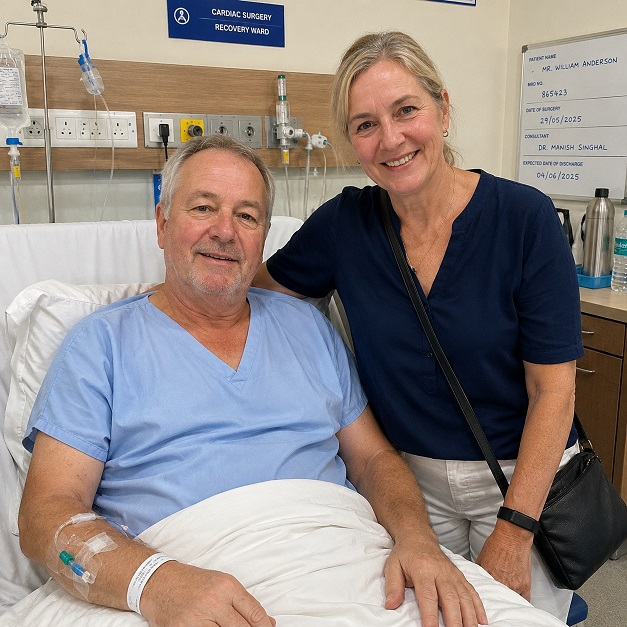
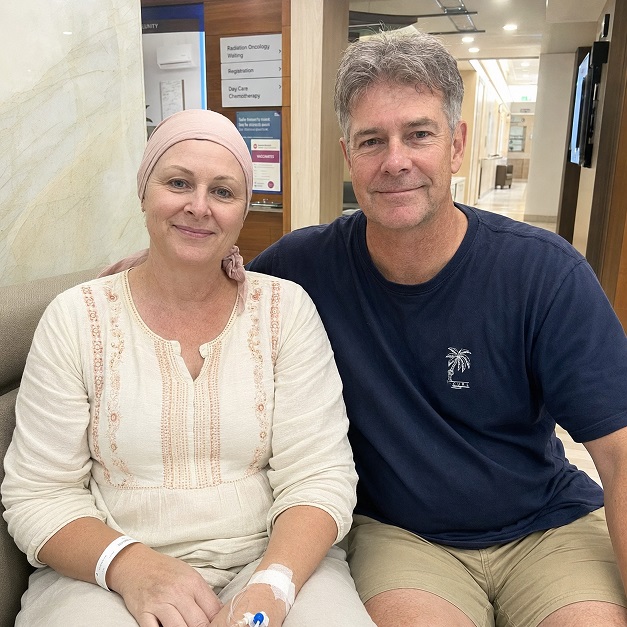
Healing Journeys of Australian Patients


Key Takeaways
- Australia provides excellent and publicly funded care for urgent cardiac conditions. Patients with acute coronary syndrome, unstable angina, critical coronary disease, endocarditis, aortic dissection, decompensated heart failure, or sudden deterioration should receive immediate treatment in Australia rather than travel.
- For stable Australian patients, the briefing focuses particularly on an access gap for transcatheter aortic valve implantation (TAVI). Access for public patients may depend on the state and the services it funds, while privately insured patients may have broader access.
- The choice between TAVI and open valve surgery should be based on anatomy, age, associated coronary disease, aortic anatomy, and overall medical condition rather than insurance status or postcode.
- For degenerative mitral valve disease, repair may be preferable to replacement when technically appropriate. Patients are encouraged to ask the surgeon for their own mitral valve repair rate and annual procedure volume.
- If valve replacement is required, the choice between a mechanical and tissue valve should consider not only age but also bleeding risk and practical access to lifelong INR monitoring.
- The briefing’s cost comparison shows substantial differences between self-funded Australian private treatment and Indian surgical packages. Its chart lists Approximately $12,800 for CABG, Approximately $14,200 for open aortic valve replacement, Approximately $26,500 for TAVI, Approximately $15,600 for mitral valve repair, and Approximately $10,400 for complex AF ablation in India, before relevant travel and accommodation costs.
- The briefing estimates an all-in TAVI treatment journey in India at Approximately $33,000, compared with around $68,000 for self-funded TAVI in Australia.
- Australian patients should arrange their cardiologist, cardiac rehabilitation, anticoagulation management, and other follow-up care at home before travelling to India.
Quick Facts
- Conditions covered
- Aortic stenosis, mitral regurgitation, coronary artery disease, stable multivessel disease, atrial fibrillation, and selected structural heart conditions
- Procedures mentioned
- TAVI, coronary artery bypass grafting (CABG), open aortic valve replacement, mitral valve repair, valve replacement, complex atrial fibrillation ablation
- Target audience
- Stable Australian patients considering elective cardiac surgery or structural heart treatment in India
- Author/Advisor
- Dr. Dheeraj Bojwani, Independent Medical Travel Advisor, 24+ years of experience
- Treatment highlights
- Heart-team assessment, high-volume cardiac programmes, structural heart specialists, TAVI, mitral valve repair, accredited hospitals, cardiac rehabilitation, pre-operative optimisation, and structured post-operative care
- Indicative India procedure costs
- CABG: Approximately $12,800; open aortic valve replacement: Approximately $14,200; TAVI: Approximately $26,500; mitral valve repair: Approximately $15,600; complex AF ablation: Approximately $10,400
- Indicative TAVI all-in cost
- Approximately $33,000 including the Indian package and indicative travel-related expenses
- Self-funded Australian TAVI cost
- Approximately $68,000 in the briefing comparison
- Elective treatment access in India
- Approximately 1–3 weeks
- Typical stay in India
- Approximately three weeks for open cardiac surgery and 10–14 days for a transcatheter procedure
- Cardiac rehabilitation
- Supervised rehabilitation begins during recovery in India and should continue in Australia
- Medical travel preparation
- Echocardiogram, coronary angiogram where indicated, heart-team review, itemised quotation, valve/device details, medical visa arrangements, fit-to-fly assessment, and Australian follow-up planning
- Follow-up
- Australian cardiologist, cardiac rehabilitation, rhythm monitoring, and anticoagulation management should be arranged before departure
- Important safety warning
- Acute coronary syndromes, unstable angina, endocarditis, aortic dissection, decompensated heart failure, and other urgent cardiac presentations should be treated immediately in Australia rather than through overseas medical travel.
In Brief
India may be considered by stable Australian cardiac patients when the clinically preferred treatment is unavailable through their local public service or would require substantial self-funded private expenditure. The briefing focuses particularly on TAVI, where access for Australian public patients can vary by state. Indian cardiac centres may provide TAVI, bypass surgery, open valve replacement, mitral valve repair, and other structural heart procedures through high-volume cardiac programmes. Treatment decisions should be made through a heart-team assessment involving both an interventional cardiologist and cardiac surgeon, while long-term cardiology, anticoagulation, and cardiac rehabilitation arrangements should be established in Australia before travel. Urgent cardiac conditions should be treated immediately in Australia and are not appropriate for medical travel.
First, the part where I tell you to stay
If your heart problem is urgent, Australia is one of the best places on earth to have it. Chest pain with rising troponin, unstable angina, critical left main disease, endocarditis, an aortic dissection, decompensated heart failure — these belong in an Australian hospital tonight. The public system treats them quickly, treats them well, and treats them for nothing. In 24 years of guiding international patients into Indian hospitals I have never once suggested an Australian with an acute cardiac presentation should get on a plane, and I never will.
What follows concerns the other patient entirely: the one who is stable, whose problem is real but not immediate, and who has been given a choice that turns out to be narrower than it first appeared.
| Which Cardiac Patient are You? | ||
|---|---|---|
| Do not travel | Weeks, not months | Time to choose well |
| Acute coronary syndrome, unstable angina, critical left main or severe triple-vessel disease with symptoms, endocarditis, aortic dissection or aneurysm at risk, decompensated heart failure, syncope with severe aortic stenosis. Present to an Australian emergency department Delay is measured in outcomes, not dollars. | Symptomatic severe aortic stenosis, severe mitral regurgitation with early ventricular change, stable multi-vessel disease awaiting bypass. Time exists but it is finite, and the whole plan must be settled before a ticket is bought. | Asymptomatic severe valve disease under surveillance, stable angina on good medical therapy, atrial fibrillation being considered for ablation, and any patient who has been told the preferred option is not funded or not available where they live. |
The Australian pattern nobody puts in front of you
Cardiac medicine has moved. A great deal of what once required a sternotomy is now done through a catheter, and the transcatheter aortic valve is the clearest example. Federal funding followed the evidence: the Medicare Benefits Schedule was extended to cover TAVI for high surgical risk patients in 2017, for intermediate risk in March 2022 and for low risk in July 2022.
State-funded public services did not move at the same pace, and they were never obliged to. The result is an access gap that has been described plainly in the medical literature rather than whispered about.
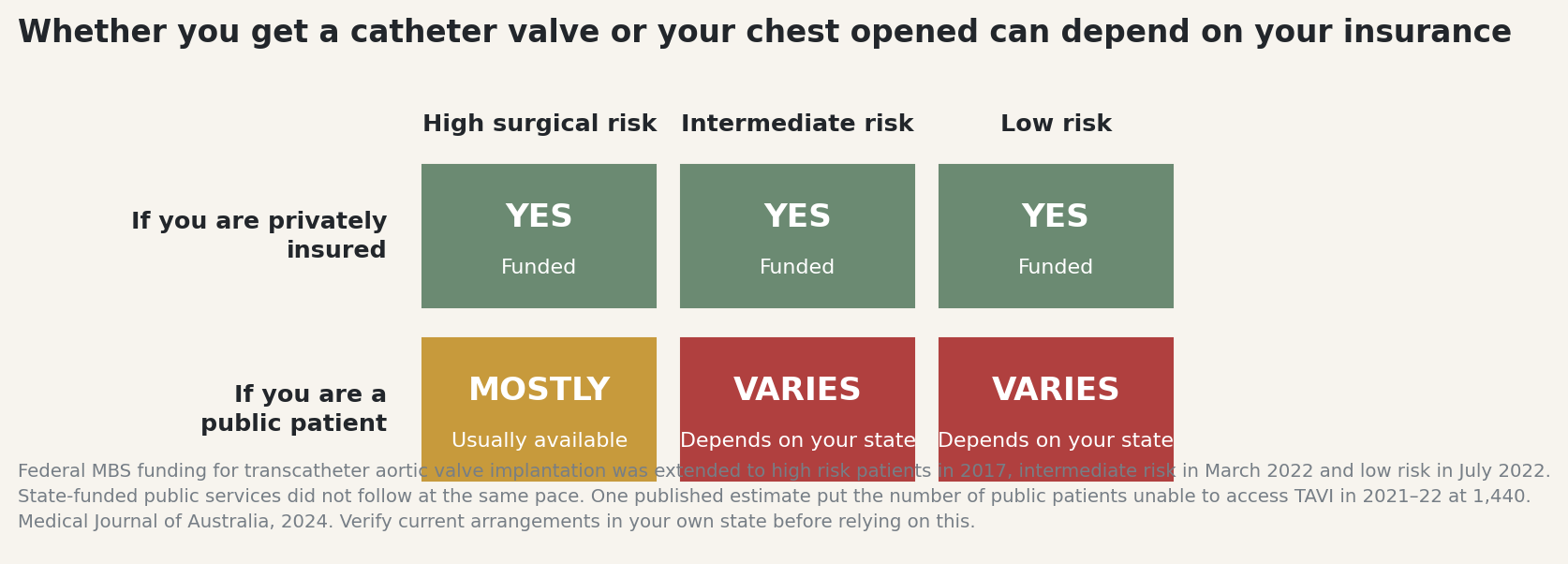
An Australian with gold or silver hospital cover is effectively guaranteed access to a federally subsidised transcatheter valve. A public patient’s access depends on which state they live in and which service that state has funded. One published estimate placed the number of public patients unable to access TAVI in a single year at around 1,440.
I am not asking you to be angry about this. Australia is a federation, funding follows complicated paths, and every health system rations something. I am asking you to notice that the question “catheter or open chest?” may be answered for you by your insurance status and your postcode before any cardiologist reaches a clinical view — and that if you are on the wrong side of that line, you have more options than you have been told.
Decision one: does anything need doing yet, and what?
Before comparing countries, establish what the intervention actually is. Cardiac quotes are often for the wrong operation, because the workup was incomplete.
You want a recent echocardiogram with the valve gradient and area stated numerically, not described. You want a coronary angiogram if any intervention is contemplated, because coronary disease found on the table changes the plan entirely. If a valve is in question you want an assessment of ventricular function, and if the aorta is dilated you want that measured. Get these done in Australia, where Medicare pays for them, and take the results with you.
| ASK FOR THIS | DO NOT ACCEPT THIS |
|---|---|
| Numbers rather than adjectives: gradient, valve area, ejection fraction, aortic root diameter, and which vessels are diseased and by how much. | A price for cardiac surgery before an angiogram has been done and read. Nobody can quote what has not been established. |
Decision two: catheter or open chest?
This is the decision with the most at stake and the one most distorted by funding. Both options are legitimate; they suit different patients.
A transcatheter valve avoids sternotomy, needs no cardiopulmonary bypass, and usually means a far shorter stay — Australian data on a low-risk cohort recorded around three days in hospital for TAVI against about seven for open surgery, with no intensive care requirement for the catheter group. Open surgery remains preferable for younger patients, for bicuspid anatomy in many cases, where the aorta also needs attention, and where coronary disease means the chest is being opened regardless.
What should decide it is your anatomy, your age and your other disease. What should not decide it is whether the state you live in has funded a service.
| ASK FOR THIS | DO NOT ACCEPT THIS |
|---|---|
| A heart team assessment — an interventional cardiologist and a cardiac surgeon considering your case together — and the reasons for the recommendation in writing. | “We do it this way here” as a clinical justification, or a recommendation from only one of the two specialties. |
Decision three: repair or replace, and if replace, with what?
For a leaking mitral valve caused by degenerative disease, repair is usually better than replacement — your own valve, no lifelong warfarin, better long-term function. But repair is harder than replacement, and the proportion of valves a surgeon successfully repairs varies enormously with how many they do. High- volume mitral surgeons repair the great majority; occasional operators replace far more often. This is a number, and you are entitled to ask for it.
In 24 years I have watched more Australians accept a valve replacement they did not need than almost any other avoidable outcome in this field, and it is nearly always because nobody was asked the repair-rate question early enough.
If a valve must be replaced, the mechanical-versus-tissue decision is not simply about age. A mechanical valve lasts longer but commits you to warfarin and regular INR monitoring for life. For an Australian in a capital city that is a minor inconvenience; for someone on a property four hours from the nearest pathology collection point it is a genuine consideration, and it should be discussed in those terms rather than by a rule of thumb.
| ASK FOR THIS | DO NOT ACCEPT THIS |
|---|---|
| The surgeon’s own mitral repair rate for degenerative disease, their annual volume in your specific operation, and a frank discussion of INR access where you actually live. | A plan to replace a repairable valve for convenience, or a valve choice made on your birth year alone. |
Decision four: who does it, and who looks after you afterwards?
Cardiac surgery has an unusually long tail. The operation is days; the recovery is months, and the anticoagulation, rhythm monitoring and rehabilitation are all delivered at home.
Arrange that before you go, not after you land. Speak to your GP and your cardiologist, give them the dates, and book your cardiac rehabilitation programme in advance — it is one of the few interventions in this field with a genuine evidence base behind it, and Australians routinely skip it. If a mechanical valve is planned, establish who will manage your INR and how often, and do not fly home until the anticoagulation is stable and the plan is written down.
| ASK FOR THIS | DO NOT ACCEPT THIS |
|---|---|
| A named Australian cardiologist who has agreed to take over, a written anticoagulation plan, and a cardiac rehabilitation place booked before departure. | A discharge summary handed over at the airport, or a departure date fixed before your INR is stable. |
What the money actually looks like
If you are publicly treated in Australia, your cardiac surgery costs you nothing, and that remains the best deal available to anyone anywhere. This section is for those outside that: patients facing a self-funded private procedure, or a technology their public service does not provide.
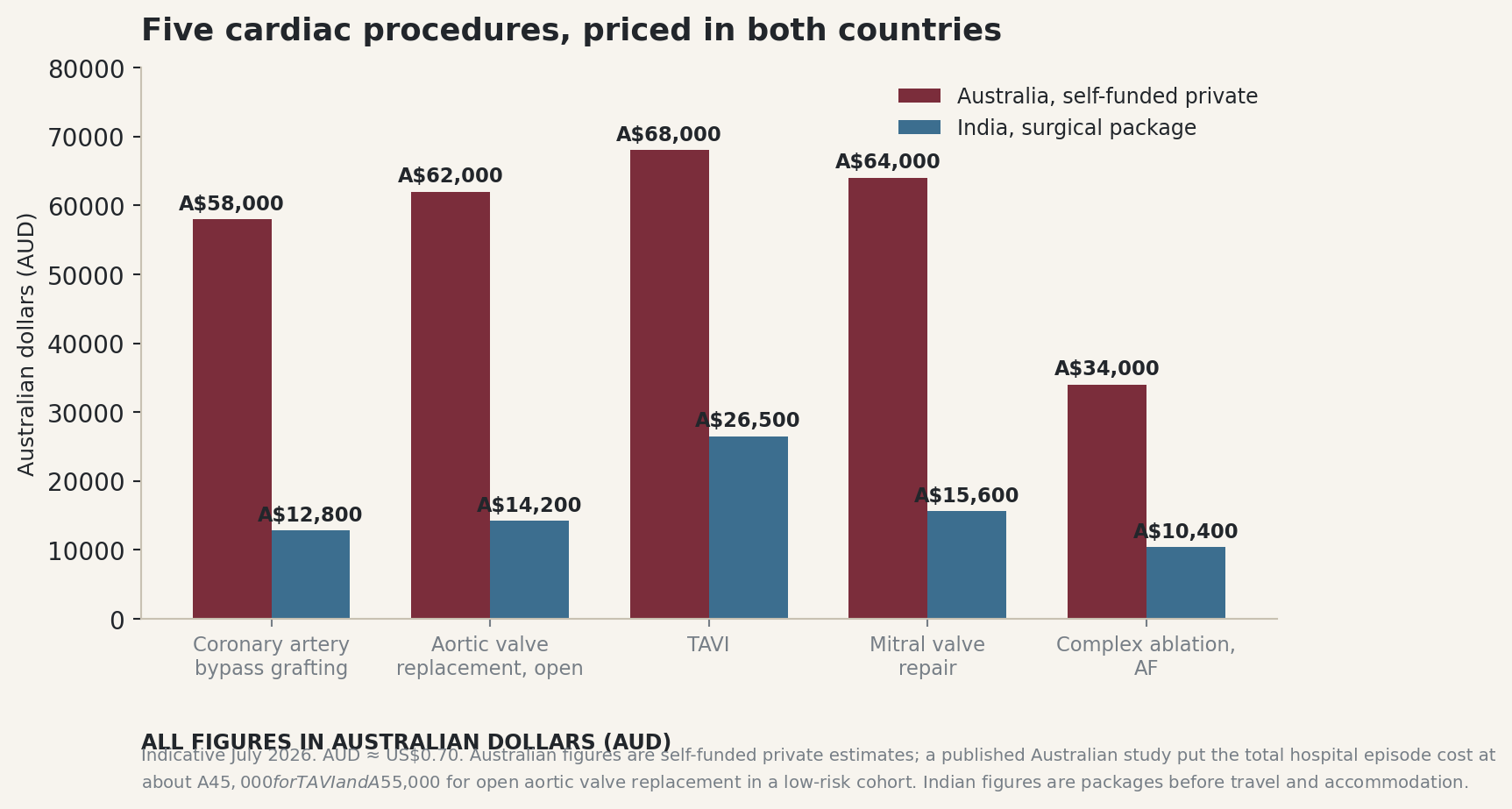
The device-heavy procedures show the widest gaps, because the valve or the ablation catheter is a large share of the bill. A transcatheter valve is the starkest example, and it is also the procedure most likely to be unavailable to a public patient.
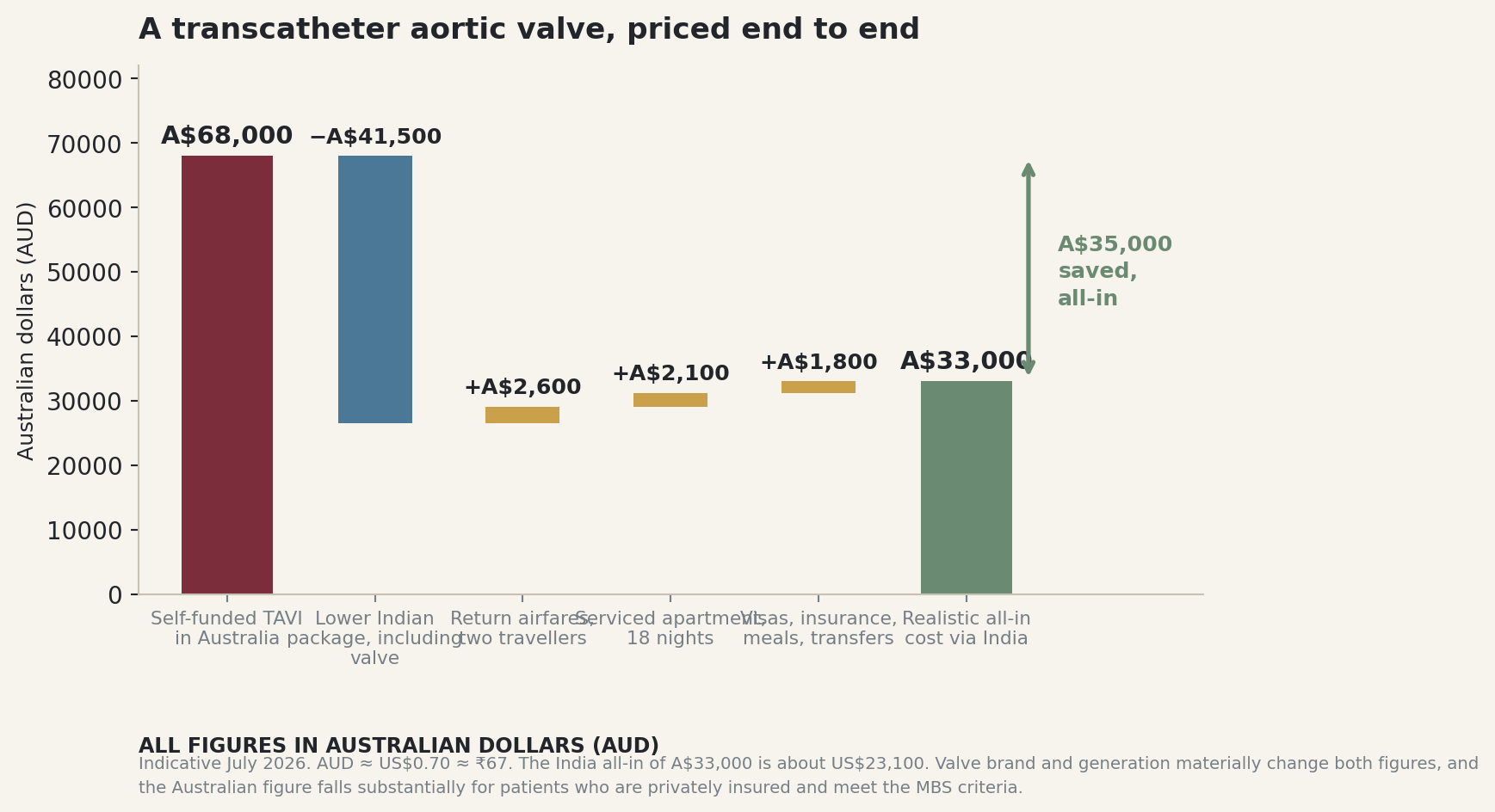
Even after airfares, accommodation, visas and transfers, a transcatheter valve undertaken in India comes to roughly $33,000 — about US$23,100 — against Approximately $68,000 self-funded at home. What does not travel with you is reimbursement: Medicare does not pay for treatment overseas and fund rebates apply to Australian admissions. Insist on a written, itemised quote naming the valve brand and generation, the number of intensive care days assumed, and what exceeding them costs.
Your four options, side by side
| Public list | Private, insured | Private, self-funded | India | |
|---|---|---|---|---|
| Urgent disease | Fast and excellent | Fast | Fast | Do not travel |
| Elective valve surgery | Weeks to months | 2–6 weeks | 2–6 weeks | 1–3 weeks |
| TAVI access | Depends on your state | Funded, all risk groups | $60,000–$75,000 | About $33,000 all-in (US$23,100) |
| Choice of surgeon | No | Yes | Yes | Yes |
| Mitral repair rate disclosed | Rarely | Rarely | Rarely | Ask, and get it in writing |
| Heart team review | Usually | Usually | Usually | Confirm in writing |
| Cardiac rehabilitation and INR | Built in | Built in | Built in | Arrange before you fly |
All dollar figures are Australian dollars (AUD) unless marked US$. Times and costs indicative, July 2026.
What you are actually getting for it
Volume, which in cardiac surgery is not a marketing claim. India’s major cardiac institutions perform bypass and valve operations in numbers that no Australian unit approaches, because the disease burden is enormous and coronary disease presents a decade earlier there than it does here. Their senior surgeons frequently hold fellowships from the United Kingdom, Australia or the United States, and they operate several times a day rather than several times a week.
Structural heart programmes that run continuously. Transcatheter valves, mitral clips and left atrial appendage occlusion are routine work at the larger centres rather than rationed procedures, which is precisely the gap this briefing is about.
Accreditation that means something specific. JCI is the international arm of the body accrediting hospitals across the United States; NABH is India’s national equivalent, recognised by the same global standards authority. Either means an external inspector has audited infection control, surgical checklists and record-keeping against a published standard, and you can verify it independently.
Cardiac rehabilitation from day one. Supervised, daily, in the hospital, rather than a referral you chase from home after discharge.
Optimisation before the knife. A quality unit insists on dental clearance before any valve procedure, because oral bacteria are a recognised route to prosthetic valve endocarditis. It will also check your HbA1c, review antiplatelets and anticoagulants carefully, and ask about smoking. A hospital raising these things is prioritising your heart over its booking.
Why India rather than Bangkok, Kuala Lumpur or Istanbul
Australians exploring medical travel are shown Thailand, Malaysia and Turkey first, because those destinations market hard here. India competes on caseload and on depth: the volumes described above, dedicated structural heart teams, mature paediatric cardiac services, and neuro-cardiac intensive care of genuine quality. Its entire medical record is produced in English, so your Australian cardiologist can read every word without a translator. Its costs remain the lowest of the serious destinations. And a large, settled Indian community at home means family, language and familiarity are closer to India than to anywhere else on that list.
What to say to your family
The objection nobody writes about is not clinical. It is the phone call in which you tell your daughter you are having heart surgery in India, and the silence that follows.
Give her specifics rather than reassurance. Name the hospital and its accreditation and invite her to verify it. Name the surgeon and how many of your exact operation he performed last year. Explain that your case has been through a heart team, not one enthusiast. Tell her the reason you are going is that the less invasive option is not available to you here — which is usually the point at which the conversation stops being about India and starts being about the Australian funding system. Tell her your cardiologist at home already has the dates. And bring someone with you; after cardiac surgery a second set of ears in every consultation is not a luxury.
The shape of the trip
Allow three weeks for open surgery and ten to fourteen days for a transcatheter procedure. Do not book a
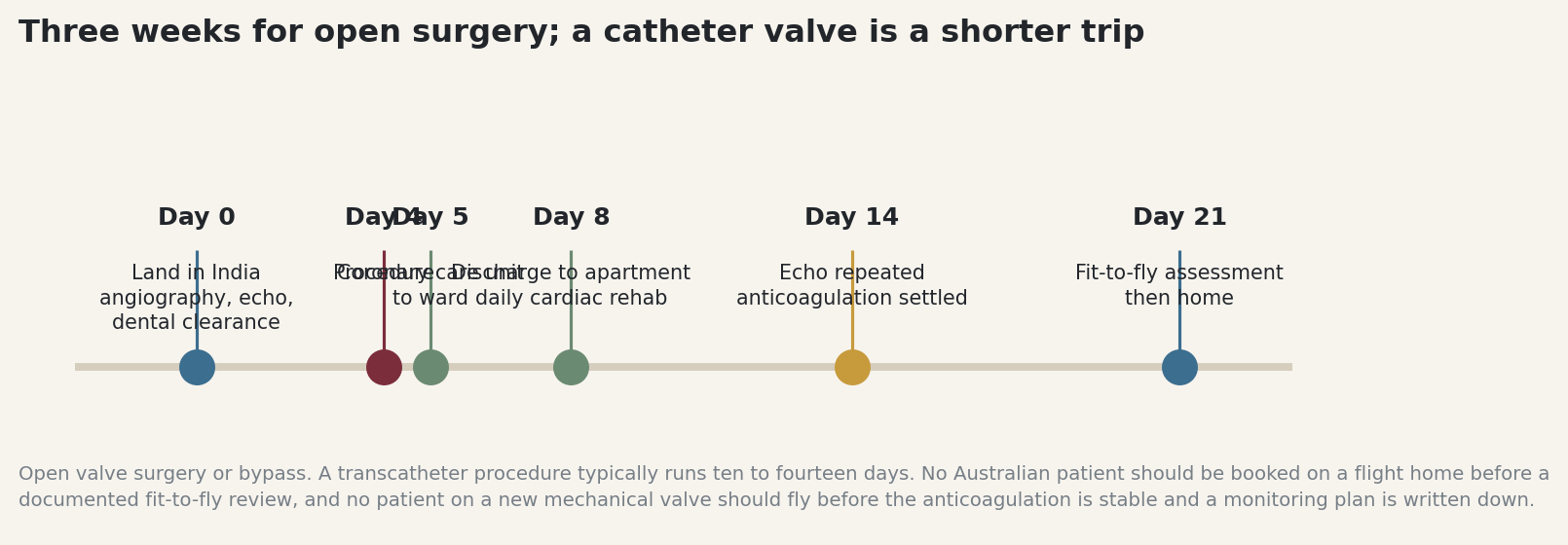
fixed return.
Flying after cardiac surgery carries specific considerations around oxygenation, arrhythmia and sternal healing, and the decision should follow a documented fit-to-fly assessment. If you have a new mechanical valve, do not leave until the anticoagulation is stable and you carry a written plan naming your target range and who will monitor it in Australia. Ask for a valve identification card and keep it in your wallet permanently — you will be asked for it before every dental appointment for the rest of your life.
A closing word
Australian cardiac surgery is excellent and, for most people, free. If you are acutely unwell, or if the public system will treat you promptly with the operation you actually need, stay where you are and let it. But if you have been told that the less invasive option exists, that you are a candidate for it, and that you cannot have it here without finding sixty or seventy thousand dollars — that is a funding boundary rather than a medical one, and it is worth knowing that the same valve, implanted by a team that places them daily, is available elsewhere for a fraction of that. Send me your echocardiogram, your angiogram report and whatever quote you are holding, and I will give you an honest view, including telling you to stay in Australia if that is the right answer.
Sources
- 🌐 “Who should get the last TAVI valve? Public versus private access to disruptive technologies in the Australian health care system”, Medical Journal of Australia , 2024
- 🌐 Medicare Benefits Schedule items 38495, 38514 and 38522 and associated TAVI factsheets, Australian Government Department of Health
- 🌐 Australian cost and length-of-stay analysis of TAVI compared with surgical aortic valve replacement in a low-risk cohort, Heart, Lung and Circulation
- 🌐 Australian private hospital and health fund published procedure costs, 2026
- 🌐 High Commission of India, e-Visa categories and eligibility
Frequently Asked Questions by Australian Patients about Cardiac Surgery in India
Should Australian patients travel to India for urgent heart disease?
No. The briefing specifically states that acute coronary syndrome, unstable angina, critical coronary disease, endocarditis, aortic dissection, decompensated heart failure and other urgent cardiac conditions should be treated immediately in Australia rather than through medical travel.
Why might an Australian patient consider cardiac surgery in India?
Stable patients may consider India when the clinically appropriate treatment is not readily available through their state public service or when self-funded private treatment in Australia is expensive. The briefing focuses particularly on differences in access to TAVI for Australian public patients.
Is TAVI available in India for Australian patients?
Yes. The briefing describes TAVI as routinely performed at larger Indian structural heart programmes. However, suitability for TAVI should be determined through a heart-team assessment involving an interventional cardiologist and cardiac surgeon.
How much does TAVI cost in India compared with Australia?
The briefing's procedure chart lists an Indian TAVI surgical package at Approximately $26,500. After indicative airfares, accommodation, visas and transfers, it estimates the total journey at Approximately $33,000, compared with around $68,000 for self-funded TAVI in Australia.
How much does bypass surgery cost in India for Australian patients?
The cost chart on page 5 gives an indicative Indian surgical package price of Approximately $12,800 for coronary artery bypass grafting (CABG), compared with Approximately $58,000 for self-funded private treatment in Australia. Costs are indicative and can vary according to the patient's condition and treatment requirements.
Is TAVI better than open aortic valve replacement?
Not for every patient. According to the briefing, the decision should depend on anatomy, age, associated coronary disease, aortic involvement and other medical factors. TAVI avoids sternotomy and generally allows a shorter hospital stay, while open surgery may remain preferable in certain younger patients, bicuspid anatomy and cases requiring additional cardiac surgery.
Is mitral valve repair better than valve replacement?
For degenerative mitral valve disease, the briefing states that repair is usually preferable when technically possible. Patients should ask the surgeon about their own mitral repair rate and annual experience with the specific operation before making a decision.
How long should Australian patients stay in India after heart surgery?
The briefing recommends allowing approximately three weeks after open cardiac surgery and 10–14 days after a transcatheter procedure. A fixed return flight should be avoided, and patients should undergo a documented fit-to-fly assessment before travelling home.
Will Medicare or private health insurance reimburse cardiac surgery in India?
No, according to the briefing. Medicare does not cover treatment performed overseas, and Australian health-fund benefits apply to Australian admissions. Patients with appropriate private hospital cover should first check whether their required treatment is available to them in Australia.
What follow-up should be arranged before returning to Australia?
Patients should have a named Australian cardiologist for follow-up and arrange cardiac rehabilitation before travelling. If a mechanical valve is implanted, anticoagulation should be stable before flying, with a written INR target and monitoring plan in place. The briefing also recommends obtaining a valve identification card.
Should I travel for urgent heart disease?
No. Acute coronary syndromes, endocarditis, dissection and decompensated heart failure belong in an Australian hospital immediately. Nothing in this briefing applies to you if you are unwell now.
I am a public patient and TAVI is not offered in my state. What are my options?
Ask your cardiologist directly whether you meet the MBS criteria and whether referral to another state’s service is possible, since arrangements differ and change. If neither is available, self-funding in Australia or travelling become the remaining choices, and the cost difference between them is substantial.
Will Medicare or my health fund reimburse any of this?
No — Medicare does not cover treatment overseas and fund benefits apply to Australian admissions. If you hold gold or silver hospital cover, check what you are entitled to at home first, because it may make this entire discussion unnecessary.
Mechanical or tissue valve?
It depends on your age, your bleeding risk and, importantly, your practical access to INR monitoring where you live. A mechanical valve lasts longer but commits you to lifelong warfarin. Have that conversation in terms of your actual circumstances rather than a rule of thumb.
How long before I can fly home?
About three weeks after open surgery and ten to fourteen days after a transcatheter procedure, on a changeable ticket, following a documented fit-to-fly assessment and, where relevant, stable anticoagulation.
Can I have my coronary bypass and valve done together?
Frequently yes, and where both are needed it is usually preferable to one anaesthetic and one recovery. This is exactly the decision a heart team should make rather than a single operator.
Page Summary
This guide explains cardiac surgery and structural heart treatment in India for Australian patients, focused on stable patients whose preferred treatment may not be readily available through their state public system — particularly TAVI, where access varies by state despite expanded federal MBS funding. It compares options such as TAVI versus open valve surgery, mitral repair versus replacement, and mechanical versus tissue valves, alongside surgeon volume, hospital accreditation and rehabilitation. An all-in Indian TAVI journey is estimated at approximately Approximately $33,000 against around $68,000 self-funded in Australia, with Australian cardiology follow-up and fit-to-fly clearance advised before and after travel. Patients with urgent or unstable heart disease should seek immediate treatment in Australia rather than travel overseas.
Citation Block
| Topic | Information |
|---|---|
| Topic Information | Details |
| Procedure | Cardiac Surgery & Structural Heart Treatment |
| Country | India |
| Intended Audience | Australian Patients |
| Conditions Covered | Aortic Stenosis, Mitral Regurgitation, Coronary Artery Disease, Stable Multivessel Disease, Atrial Fibrillation |
| Procedures | TAVI, CABG, Aortic Valve Replacement, Mitral Valve Repair/Replacement, Complex AF Ablation |
| Typical Stay | Approximately 3 Weeks for Open Surgery; 10–14 Days for Transcatheter Procedure |
| Hospital Stay | Procedure and recovery dependent |
| Recovery | Continues after return to Australia with cardiac rehabilitation and cardiology follow-up |
| Indicative CABG Cost in India | Approximately $12,800 |
| Indicative Open Aortic Valve Replacement Cost | Approximately $14,200 |
| Elective Treatment Access | Approximately 1–3 Weeks |
| Author | Dr. Dheeraj Bojwani |
| Experience | 24+ Years as a Medical Travel Advisor |


Our Mission Statement
Our mission is to place patients at the centre of every healthcare decision by providing trustworthy, evidence-based, and unbiased medical information. We believe that informed patients make better decisions. Backed by personalised guidance from our experienced advisory team, we help patients understand their treatment options, compare them objectively, and confidently choose the path that best suits their medical needs and personal circumstances.
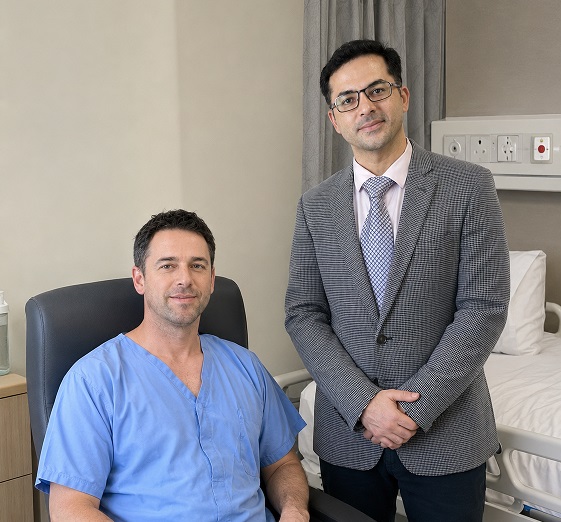
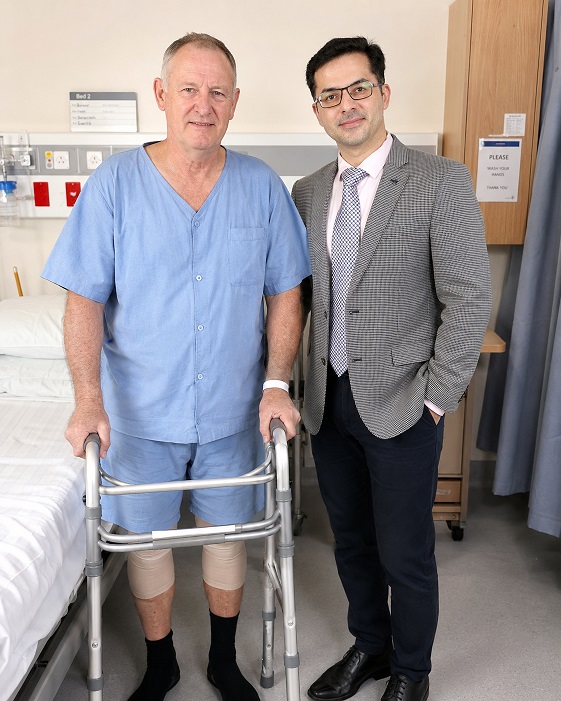
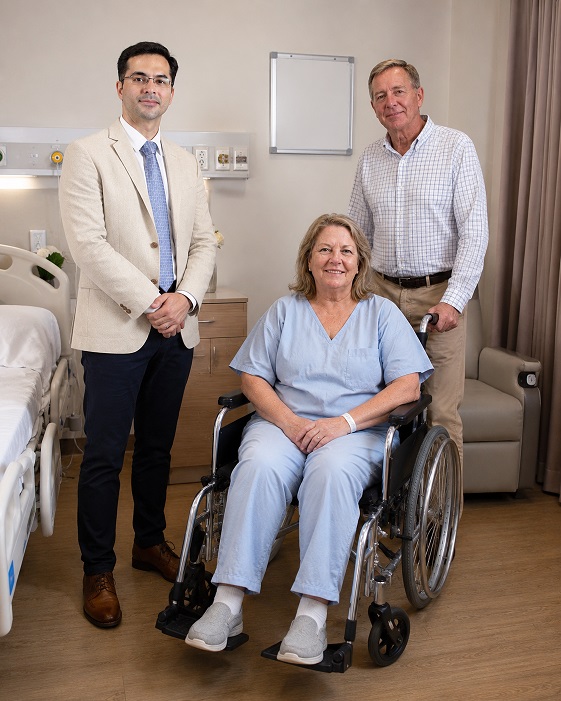
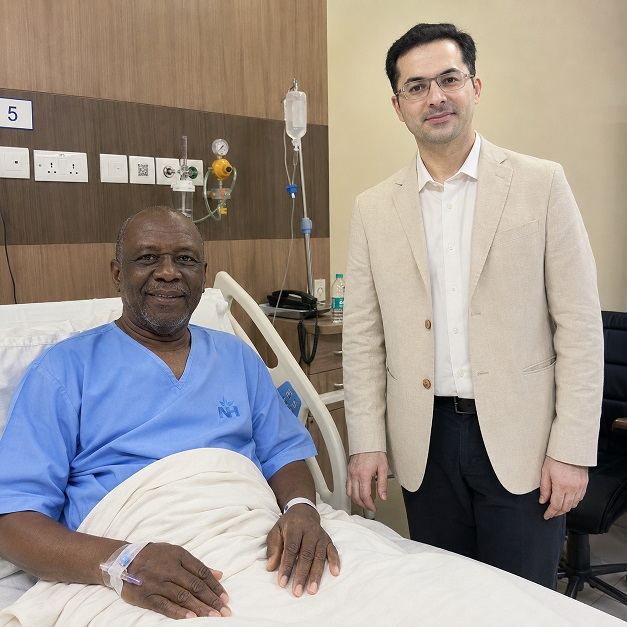
Patient Testimonials from Australia




Ready to Take the First Step?
Share your Medical Reports with our Healthcare Managers Today and Get a FREE CONSULTATION, a Personalized Treatment Plan, and Complete Support from Arrival to Recovery.
Get Your Free ConsultationAreas We Serve
This resource has been thoughtfully prepared for patients from Australia who are considering medical treatment in India. We also welcome patients from the wider region in the countries mentioned below-
We regularly assist patients from:
- Fiji
- Vanuatu
- Samoa
- Tonga
- Kiribati
- Nauru
- Tuvalu
- New Zealand
- Solomon Islands
- Papua New Guinea
Many of the insights, treatment pathways, hospital recommendations, travel guidance, and patient support services described here are equally relevant and may be used as a reference when planning treatment in India.
From Australia to India: Your Complete Patient Support Guide
- Cancer Treatment in India for Australian Patients: PBS Gap & Drug Costs
- Cardiac Surgery in India for Australian Patients: TAVI Access & Costs
- Dental Treatment & Surgery in India for Australian Patients
- Hip Surgery in India for Australian Patients: Costs, Waits & Implant Choice
- Knee Surgery in India for Australian Patients: Costs, Waits & Implants
- Neurosurgery in India for Australian Patients: Volume, Costs & When Not to Travel
- Spine Surgery in India for Australian Patients: Costs, Indications & Second Opinions (2026)
- Best Bariatric & Weight Loss Surgeons in India for Australian Patients
- Best Cancer Surgeons & Hospitals in India for Australian Patients
- Best Cardiac Surgeons & Hospitals in India for Australian Patients
- Best Cosmetic Surgeons & Hospitals in India for Australian Patients
- Best Dental Surgeons & Clinics in India for Australian Patients
- Best Hip Surgeons & Hospitals in India for Australian Patients
- Best Knee Surgeons & Hospitals in India for Australian Patients
- Best Scoliosis Surgeons & Hospitals in India for Australian Patients
- Best Spine Surgeons & Hospitals in India for Australian Patients
- Selecting the Best Urosurgery and Reconstructive Urology Centres in India for Australian Patients
- Selecting the Best Bone Marrow Transplant Centres in India for Australian Patients