

Knee Surgery in India for Australian Patients
What this decision actually turns on when the operation is available at home, the date is not, and nobody is going to reimburse you.
A 61-year-old carpenter in Geelong, still working, still climbing ladders. Bone-on-bone in both knees, the right one worse. His public list gives him a date past next winter. The private quote, because he let his cover lapse in 2019, is $29,000 for one knee. Two years of anti- inflammatories, one of broken sleep. He does not want a discount. He wants to know whether the alternative is any good.
Healing Journeys of Australian Patients


Key Takeaways
- Australia performs knee replacement to a high standard, but the briefing identifies waiting time rather than surgical capability as the main reason some Australian patients consider treatment in India.
- The 2024–25 figures cited in the briefing place the median Australian public wait for knee replacement at approximately 209 days, while some patients across elective surgery wait considerably longer.
- For Australians without appropriate private insurance, self-funded knee replacement in Australia is described as costing Approximately $23,000–$35,000, including hospital, prosthesis, surgeon, anaesthetist and inpatient physiotherapy costs.
- The briefing estimates the complete India treatment journey at Approximately $15,000 all-in (US$10,000–US$11,000), including indicative surgery, airfare, accommodation, visa and transfer expenses.
- Indian knee replacement packages may include surgeon and anaesthetist fees, the specified implant, inpatient accommodation, daily one-on-one physiotherapy, post-operative imaging, blood tests, medication and travel coordination.
- Australian patients have an important advantage when evaluating implants: the Australian Orthopaedic Association National Joint Replacement Registry allows them to review survivorship data for specific implant brands and models.
- The briefing cites pooled Australian registry figures showing approximately 5% revision at 10 years, 8.9% at 15 years and 14.6% at 20 years after primary knee replacement.
- Patients should plan approximately 21 days in India for a single knee replacement, allowing time for supervised rehabilitation, wound review, suture removal and a documented fit-to-fly assessment.
- Australian GP review and physiotherapy should be arranged before departure so that follow-up care is already established when the patient returns home.
Quick Facts
- Conditions covered
- Advanced knee arthritis, bone-on-bone knee degeneration, severe knee pain, bilateral knee degeneration, stiff or deformed knee, post-traumatic knee disease
- Procedure mentioned
- Total knee replacement / total knee arthroplasty
- Target audience
- Australian patients considering elective knee replacement surgery in India
- Author/Advisor
- Dr. Dheeraj Bojwani, Independent Medical Travel Advisor, 24+ years of experience
- Treatment highlights
- High-volume arthroplasty surgeons, specified implants, robotic or computer-navigated surgery where appropriate, accredited hospitals, daily one-on-one physiotherapy, infection prevention and supervised rehabilitation
- Australian public waiting time
- Approximately 209 days median for knee replacement in the figures cited
- Australian self-funded cost
- Approximately $23,000–$35,000
- Indicative India all-in cost
- Approximately $15,000 / US$10,000–US$11,000
- Treatment access in India
- Approximately 1–3 weeks from a confirmed treatment date
- Typical stay in India
- Approximately 21 days for a single knee replacement
- Implant information to confirm
- Brand and model of femoral and tibial components, bearing type, cemented or cementless fixation and whether the patella will be resurfaced
- Discharge documentation
- Operation note, implant card with lot number, post-operative imaging, culture results, anticoagulation plan and rehabilitation protocol
- Reimbursement
- The briefing states that Medicare does not cover treatment overseas and Australian fund hospital benefits apply to Australian admissions.
- Important travel consideration
- Return travel should follow a documented fit-to-fly assessment because venous thromboembolism risk remains elevated after knee replacement.
In Brief
India may be considered by Australian patients who need knee replacement but face a lengthy public waiting period or substantial self-funded private costs. The briefing reports a median Australian public wait of approximately 209 days and private self-funded costs of Approximately $23,000–$35,000, compared with an estimated all-in India journey of Approximately $15,000. Beyond cost and scheduling, patients are encouraged to verify their proposed implant against the Australian Orthopaedic Association National Joint Replacement Registry. Treatment planning should also include a named operating surgeon, an itemised quotation, supervised rehabilitation, infection and thrombosis precautions, approximately three weeks in India, documented fit-to-fly clearance and Australian follow-up arranged before departure.
The question is the calendar, not the capability
Australia performs knee replacement extremely well. Its surgeons are excellent, its hospitals are safe, and its national joint registry is one of the finest in the world. In 24 years of guiding international patients into Indian hospitals, I have never once told an Australian that their own system cannot do this operation. It can. The problem an Australian patient actually brings me is different, and it is almost always the same: the operation exists, but the date does not.
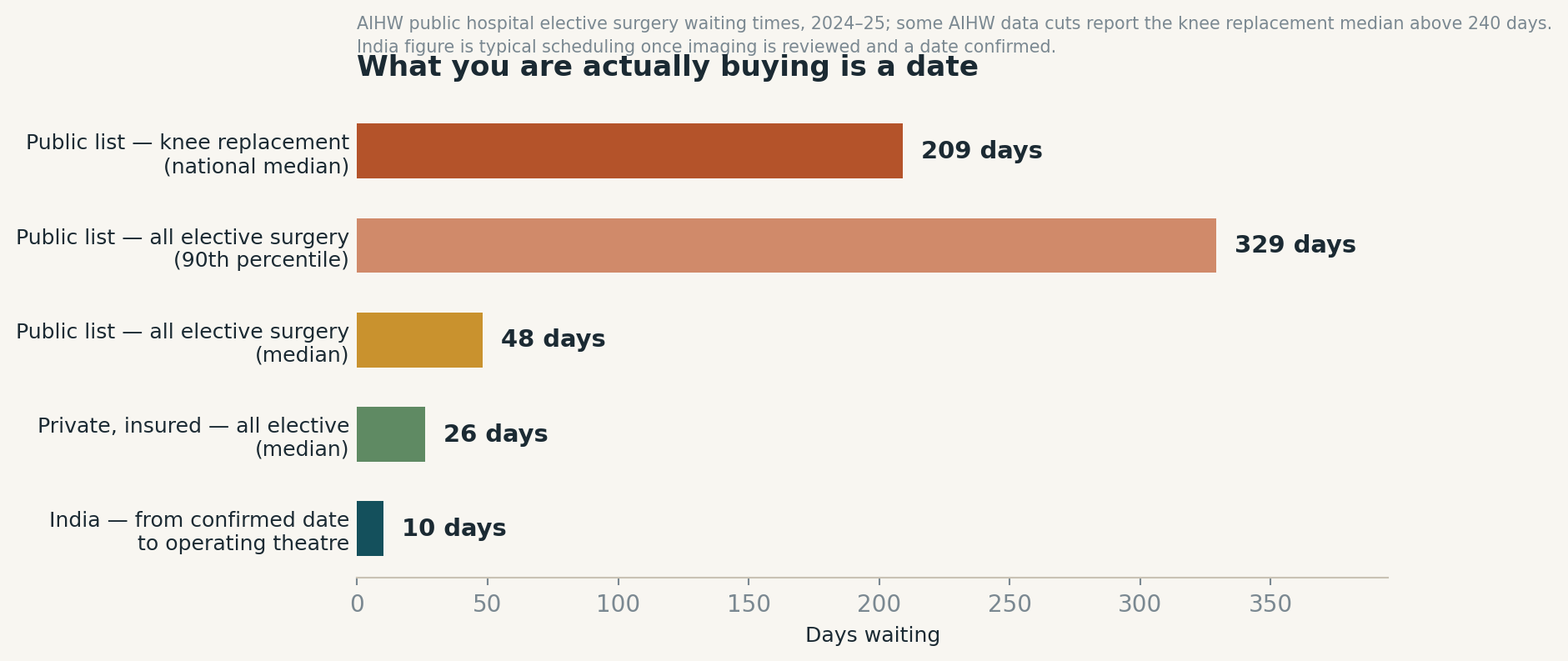
On the 2024–25 national figures the median public wait for a knee replacement runs to roughly seven months, and some cuts of the data put it past eight; across elective surgery, one patient in ten waited beyond 329 days. Tasmania and Western Australia sit at the longer end, Queensland and New South Wales at the shorter. If you hold Gold cover and have served your waiting periods, none of this concerns you — you will be admitted privately within weeks. This briefing is for Australians outside that: no cover, a policy excluding joint replacement, or Gold cover bought after the knee began to fail.
| 209+ | ~⅔ | 21 |
|---|---|---|
| days — median public wait for a knee replacement in Australia | less for the surgery itself at an accredited Indian hospital | days in India, with daily one-on-one physiotherapy throughout |
What the waiting itself costs
Cost comparisons almost always omit the most expensive item, which is the wait. For the carpenter in Geelong, eight months at even two lost days a week costs a good share of the entire difference between the Australian and Indian quotes. That figure appears on no invoice, but it is real money and it is being spent now.
There is a clinical cost too. Patients waiting beyond six months show measurable deterioration in quality of life and increased frailty before they reach theatre, and prospective work has found worse function and satisfaction a full year after surgery among those who waited longest. The post-operative evidence is not unanimous — one large meta-analysis found the pre-operative decline much clearer — but nobody argues that a year of guarding a painful knee does the other knee, the hip or the heart any favours.
What the money actually looks like
A self-funded private knee replacement in Australia is commonly quoted between $23,000 and $35,000 once hospital, prosthesis, surgeon, anaesthetist and inpatient physiotherapy are counted. The same operation, by a fellowship-trained arthroplasty surgeon at an accredited Indian hospital using an implant from the same global manufacturer, typically costs around two-thirds less. Even after airfares, three weeks of accommodation, visas and transfers, the whole undertaking comes to roughly $15,000 — about US$10,000 to US$11,000 — which is close to half the Australian self-funded figure.
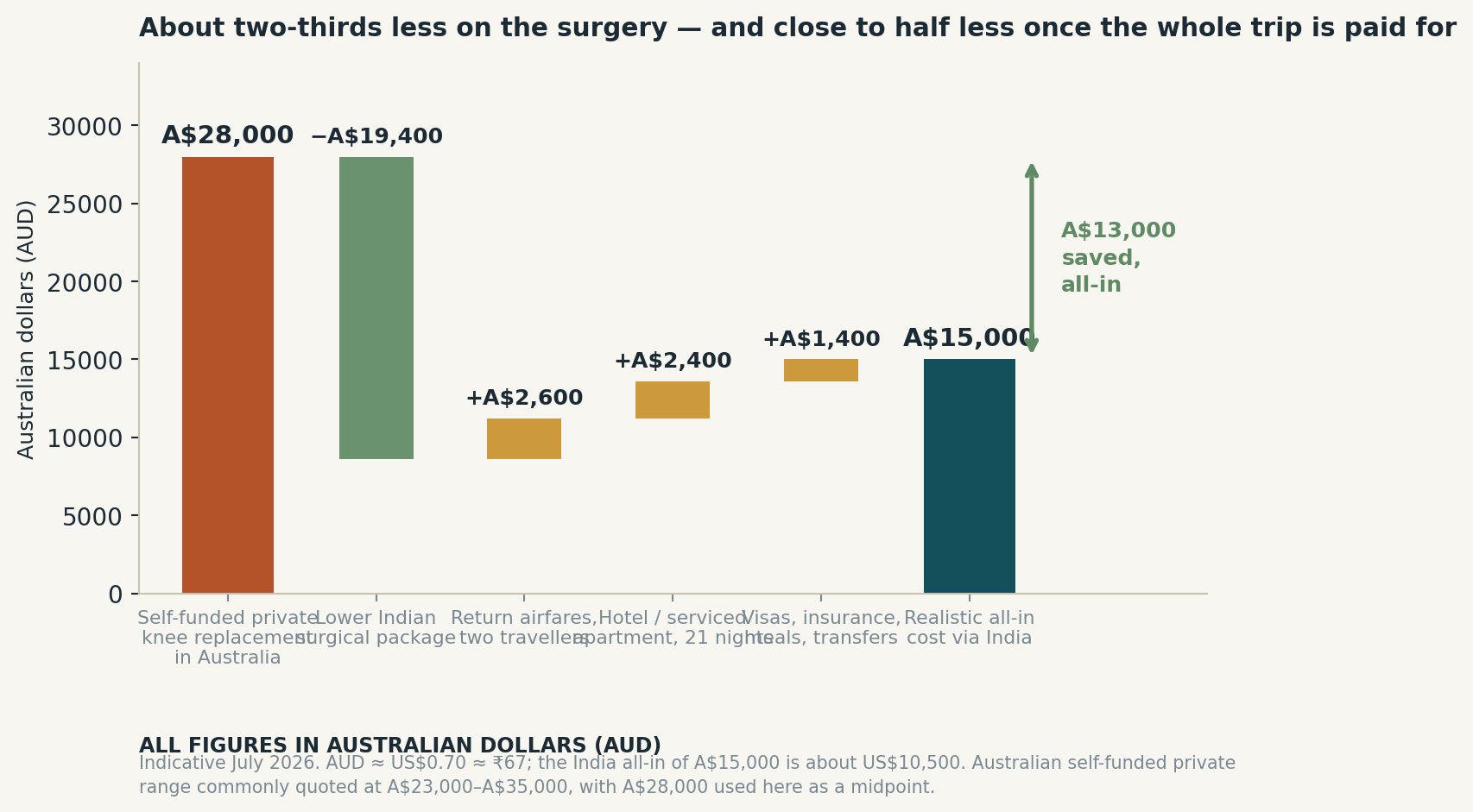
The comparison is better than it first appears, because the two quotes measure different things. Australian pricing is assembled from separate accounts; a good Indian package is a single number.
Your four options, side by side
| Public list | Private, insured | Private, self-funded | India | |
|---|---|---|---|---|
| Time to surgery | 7–11 months | 2–6 weeks | 2–6 weeks | 1–3 weeks |
| Your out-of-pocket | Nil | Excess plus gap (US$10,000–11,000) | $23,000–$35,000 | About $15,000 all-in |
| Choice of surgeon | No | Yes | Yes | Yes |
| Choice of implant | Rarely discussed | Sometimes | Sometimes | Specified in writing |
| Physiotherapy | Bought separately | Bought separately | Bought separately | Daily, included |
| Robotic assistance | Uncommon | Often an extra | Often an extra | Widely available |
| Follow-up at home | Built in | Built in | Built in | Arrange before you fly |
All dollar figures are Australian dollars (AUD) unless marked US$. Times and costs indicative, July 2026. The final row is the one requiring work from you, and the sections below explain how.
What you are actually getting for it
Volume, and the sub-specialisation that comes with it. Leading Indian centres perform knee arthroplasty in numbers few individual hospitals anywhere can match, and their senior surgeons frequently do nothing else — hips and knees, every day, many with fellowships from the United Kingdom, Australia or the United States. Volume is among the more reliable predictors of outcome in joint surgery, and it is why these units treat the severely deformed or stiff post-traumatic knee as routine. Robotic and computer- navigated systems are widely available and generally included rather than charged as an upgrade, where in Australia they are often an out-of-pocket extra.
Accreditation that means something specific. JCI is the international arm of the body that accredits hospitals across the United States; NABH is India’s national equivalent, recognised by the same global standards authority. When a hospital holds either, an external inspector has audited its infection control, surgical checklists, medication safety and record-keeping against a published standard. It is not a marketing badge, and you can verify it independently.
Rehabilitation that is genuinely supervised. This is the difference Australians notice most and expect least. You are not discharged on day two to arrange your own physiotherapy; you are walking under supervision, working one-on-one with a physiotherapist daily, and reviewed throughout by the surgeon who operated.
Optimisation before the knife. A quality unit insists on dental clearance, checks your HbA1c and discusses weight before booking a theatre date, because each materially affects prosthetic joint infection risk. When a hospital raises these things it is not obstructing you — it is the clearest signal that it is prioritising your knee over its booking. These centres also carry serious revision capability, which is what you want behind you if a straightforward case proves otherwise.
The advantage you have that almost no other medical traveller does
Here is the most useful thing an Australian can do before paying anything, and no brochure will mention it. Your country runs the Australian Orthopaedic Association National Joint Replacement Registry, which has tracked essentially every joint replacement performed here for over two decades and publishes survivorship by implant brand and model.
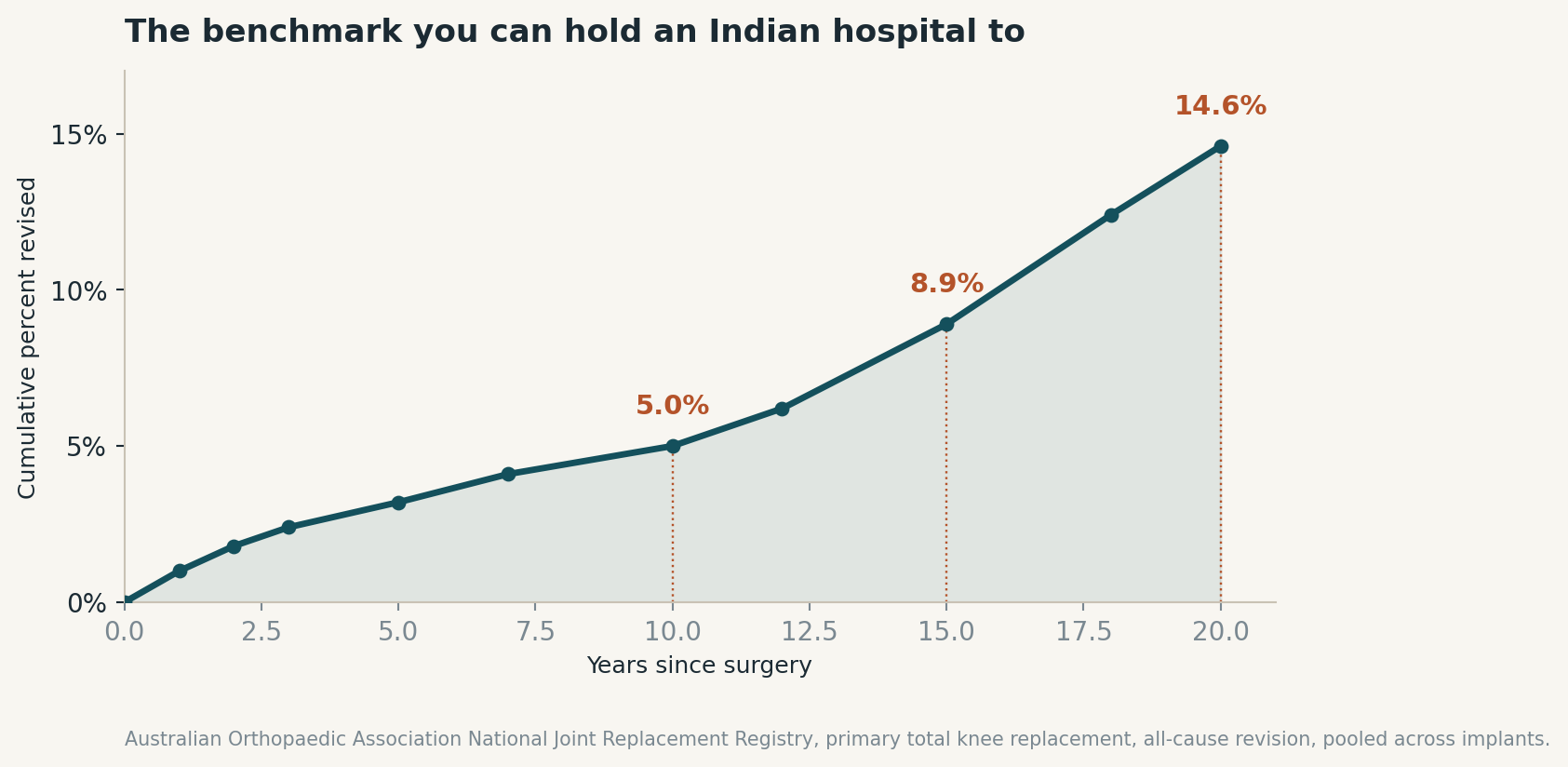
Pooled across implants, roughly 5 per cent of Australian primary knee replacements have been revised by ten years, around 9 per cent by fifteen and 14 to 15 per cent by twenty. That curve is your benchmark, and you can hold any hospital in the world to it. Ask the Indian unit in writing for four specifics: brand and model of the femoral and tibial components, bearing type, cemented or cementless fixation, and whether the patella will be resurfaced. Then look that combination up in your own registry.
In 24 years I have not met a patient group better equipped to audit its own hardware than Australians — and remarkably few use the instrument sitting in their own country. It turns the decision from an act of trust into an act of verification.
Why India rather than Bangkok, Kuala Lumpur or Istanbul
Australians exploring medical travel are usually shown Thailand, Malaysia and Turkey first, because those destinations market hard here. India competes on substance: the volumes, the sub-specialised surgeons and the revision depth described above. Its entire medical record is produced in English, so nothing needs translating before your GP can read it. Its costs remain the lowest of the serious destinations. And a large, settled Indian community at home means family, language and familiarity are closer to India than to anywhere else on that list.
Two questions everyone asks, answered properly
Who looks after me when I get home? Arrange it before you go rather than after you land. Speak to your GP, give them the dates, book your physiotherapy course in advance. Most GPs are willing once brought in early and given a proper handover, and the discharge pack described below is what makes that handover easy.
What about infection? Prosthetic joint infection is the complication that matters in knee replacement anywhere in the world, and good units manage it actively rather than hope. Ask for the unit’s surgical site infection rate for primary knee arthroplasty and whether it screens before joint surgery; strong centres share these figures readily. Ask for any culture result in writing, and tell your GP on return that you have had surgery overseas. Handled this way it is a managed variable, not a reason to stay home.
What to say to your family
The objection nobody writes about is not clinical. It is the phone call in which you tell your daughter you are having surgery in India, and the pause that follows. That pause has changed more minds than any medical argument, so prepare for it.
What settles it is specifics rather than reassurance. Name the hospital and its accreditation and invite her to look it up. Name the surgeon, his training, his annual knee volume. Name the implant, and show her the Australian registry page for it. Explain that you are staying three weeks precisely so nothing is rushed, and that your GP already has the dates. Families do not object to India; they object to the sense that a relative is taking an unresearched gamble with something irreversible. Show them the research and the objection generally dissolves. Better still, bring one of them — the attendant visa exists for this, and a second set of ears is worth more than any brochure.
Three supervised weeks
Sydney or Melbourne to Delhi is a long sector, usually with one stop. Plan three weeks for a single knee, not ten days. That is not dead time: it is daily supervised rehabilitation, a wound reviewed by the surgeon who made it, sutures removed under supervision and a formal fit-to-fly assessment before you board.
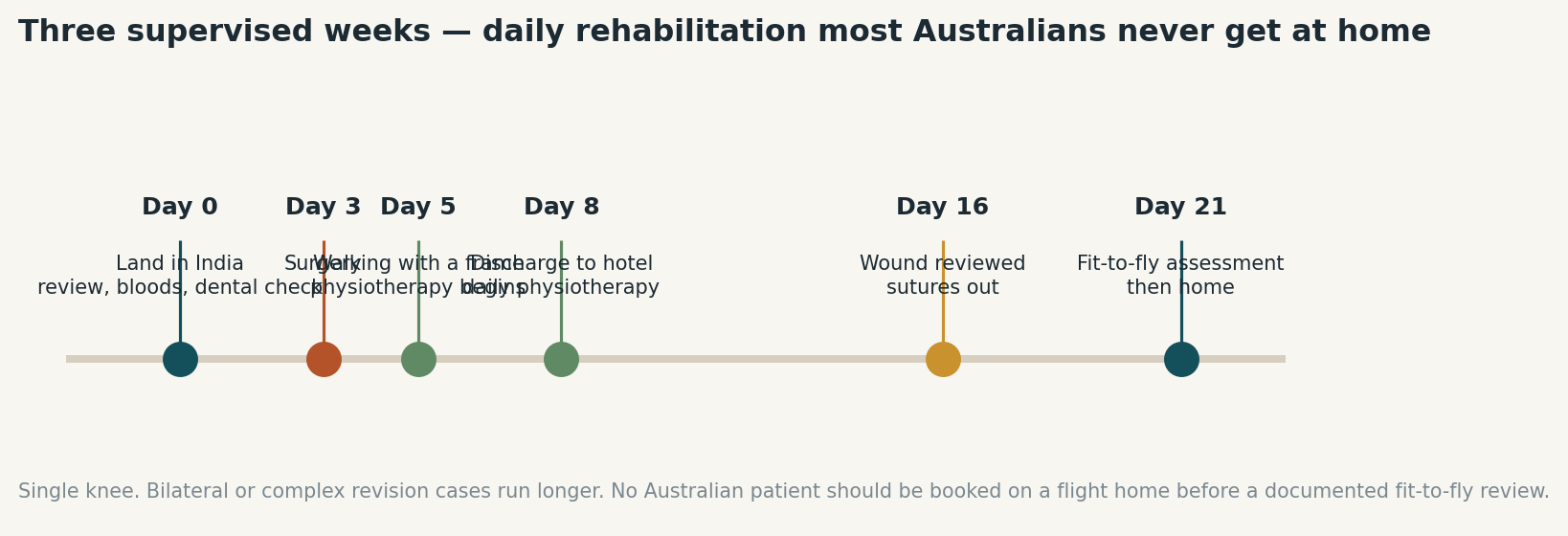
Because venous thromboembolism risk stays elevated for weeks after knee arthroplasty and long-haul immobility compounds it, book a changeable return, ask for a written thromboprophylaxis plan covering the flight, take an aisle seat, wear the stockings and move regularly. A unit that builds the three weeks in from the start takes the whole episode of care seriously, not just the operation.
Five Things to Have in Writing Before You FLY
1. The implant, fully specified. Brand, model, bearing, fixation and patella — the one question that lets you verify the most important choice in the operation against your own registry.
2. An itemised, all-inclusive price, with physiotherapy, imaging and inpatient nights clearly inside or outside the number, and the cost of extra nights stated.
3. The named operating surgeon, and a video consultation with them — not a coordinator, and before any deposit.
4. What the hospital covers if you need a return to theatre during your stay.
5. Your Australian follow-up, already booked: a GP review and physiotherapy course confirmed before you leave.
Practicalities for Australians
Australian passport holders are eligible for India’s electronic medical visa, issued against an invitation letter from the hospital, with an e-medical attendant visa for whoever travels with you — apply for both in the same batch. Send the imaging study itself, not only the radiologist’s report: weight-bearing X-rays are what the surgeon needs to plan. Before flying home, collect a discharge pack — operation note, implant card with lot number, post-operative films, culture results, anticoagulation plan and rehabilitation protocol. That pack is what lets your GP and physiotherapist pick up your care confidently, and it is far easier to assemble in the hospital corridor than by email from Perth.
A closing word
Knee replacement is one of the most successful operations in modern surgery, and for an Australian facing most of a year on a list or a $30,000 quote, having it done promptly and well at a high-volume Indian centre is a thoroughly reasonable decision. The difference between a good experience and a poor one lies almost entirely in preparation, which is why this briefing has given you questions rather than reassurance. If you would like a second opinion on your imaging, or a review of a quote you hold, send the films and I will look at them properly.
Sources
- 🌐 Australian Institute of Health and Welfare, Elective surgery waiting times , 2024–25
- 🌐 Australian Orthopaedic Association National Joint Replacement Registry, Annual Report , 2025
- 🌐 Lizaur-Utrilla et al., “Negative impact of waiting time for primary total knee arthroplasty”, International Orthopaedics , 2016
- 🌐 Clement et al., Bone & Joint Journal , 2022, on deterioration and frailty beyond six months’ wait
- 🌐 Australian private hospital and health fund published pricing, 2026
- 🌐 High Commission of India, e- Visa categories and eligibility
Frequently Asked Questions by Australian Patients about Knee Surgery in India
Why do Australian patients consider knee replacement surgery in India?
The briefing says the main issue is usually timing rather than the quality of Australian surgery. It cites a median Australian public wait of approximately 209 days for knee replacement, while treatment in India may be scheduled within approximately 1–3 weeks after the treatment date is confirmed.
How much does knee replacement cost in India for Australian patients?
The briefing estimates the complete India treatment journey at Approximately $15,000 all-in (US$10,000–US$11,000), including indicative surgery and travel-related expenses. By comparison, self-funded private knee replacement in Australia is described as commonly costing around Approximately $23,000–$35,000.
What is usually included in an Indian knee replacement package?
According to the briefing, a good package may include surgeon, anaesthetist and assistant fees, the specified knee implant, inpatient nights, daily one-on-one physiotherapy, post-operative imaging, blood tests, medication, airport transfers and accommodation coordination. Patients should obtain an itemised quotation before paying a deposit.
How can Australians check the quality of the knee implant offered in India?
The briefing recommends obtaining the implant details in writing and checking them against the Australian Orthopaedic Association National Joint Replacement Registry. Patients should confirm the brand and model of the femoral and tibial components, bearing type, fixation method and whether the patella will be resurfaced.
How long do knee replacements last?
The Australian registry figures cited in the briefing show approximately 5% of primary knee replacements revised by 10 years, 8.9% by 15 years and 14.6% by 20 years, pooled across implants. These figures provide a useful benchmark when evaluating a proposed implant.
Is robotic knee replacement available in India?
Yes. The briefing states that robotic and computer-navigated systems are widely available at leading Indian knee replacement centres and may be included rather than charged separately as an upgrade. Whether robotic assistance is appropriate should be determined for the individual procedure.
How long should Australian patients stay in India after knee replacement?
The briefing recommends approximately three weeks or 21 days for a single knee replacement. This period allows for daily supervised rehabilitation, wound review, suture removal and a formal fit-to-fly assessment before the long journey back to Australia.
Can Australian patients have both knees replaced during the same trip?
The briefing says this is often possible for suitable patients and can provide the advantage of one anaesthetic, one rehabilitation period and one medical trip. However, staged procedures may be more appropriate for patients with significant cardiac or respiratory disease.
Will Medicare or Australian health insurance reimburse knee replacement in India?
The briefing states that Medicare does not cover treatment overseas, while Australian health-fund hospital benefits apply to Australian admissions. A small number of corporate or international policies may provide overseas benefits, so patients should check their individual policy in writing.
What should patients arrange before returning to Australia?
Patients should arrange GP review and physiotherapy in Australia before travelling. Before leaving India, they should collect their operation note, implant card with lot number, post-operative imaging, culture results, anticoagulation plan and rehabilitation protocol. The briefing also recommends a documented fit-to-fly assessment and a written thromboprophylaxis plan for the return flight.
Will Medicare or my health fund reimburse any of this?
No — Medicare does not cover treatment overseas and fund hospital benefits apply to Australian admissions. A small number of corporate and international policies carry overseas benefits, so ask your fund in writing rather than assuming.
How long before I can fly home?
About three weeks for a single knee, and book a changeable return. The decision should follow a documented fit-to-fly assessment rather than a ticket bought in advance.
Can I have both knees done on the same trip?
Often yes, and for suitable patients it is a real advantage of travelling — one anaesthetic, one rehabilitation period, one trip. Where significant cardiac or respiratory disease exists, staging is better. A good unit examines that with you rather than simply agreeing.
Will my Australian GP see me afterwards?
Almost always, provided you bring them in before you travel and return with a complete discharge pack.
Is the implant the same as I would get in Australia?
It can be, and it should be. The major manufacturers supply India. Ask for the specific brand, model and bearing, then check its survivorship in the Australian registry before you commit.
Page Summary
This guide explains knee surgery in India for Australian patients considering alternatives to a lengthy public wait or expensive self-funded private replacement. The Australian median public wait is approximately 209 days, against self-funded costs of around $23,000–$35,000 versus a representative India estimate of Approximately $15,000 all-in. Patients are encouraged to verify the proposed implant against Australia's joint replacement registry and obtain the exact components, bearing and fixation method in writing, alongside surgeon volume, accreditation and rehabilitation. For a single knee replacement, approximately three supervised weeks in India is advised, followed by fit-to-fly assessment and Australian GP and physiotherapy follow-up.
Citation Block
| Topic | Information |
|---|---|
| Topic Information | Details |
| Procedure | Total Knee Replacement / Total Knee Arthroplasty |
| Country | India |
| Intended Audience | Australian Patients |
| Conditions Covered | Advanced Knee Arthritis, Bone-on-Bone Degeneration, Bilateral Knee Disease, Post-Traumatic Knee Disease |
| Procedures | Total Knee Replacement, Selected Bilateral Knee Replacement |
| Typical Stay | Approximately 21 Days for a Single Knee |
| Hospital Stay | Depends on Individual Procedure and Recovery |
| Recovery | Early mobilisation with supervised physiotherapy followed by continued rehabilitation in Australia |
| Australian Median Public Wait | Approximately 209 Days |
| Australian Self-Funded Cost | Approximately $23,000–$35,000 |
| Implant Verification | Australian Orthopaedic Association National Joint Replacement Registry |
| Author | Dr. Dheeraj Bojwani |
| Experience | 24+ Years as a Medical Travel Advisor |


Our Mission Statement
Our mission is to place patients at the centre of every healthcare decision by providing trustworthy, evidence-based, and unbiased medical information. We believe that informed patients make better decisions. Backed by personalised guidance from our experienced advisory team, we help patients understand their treatment options, compare them objectively, and confidently choose the path that best suits their medical needs and personal circumstances.
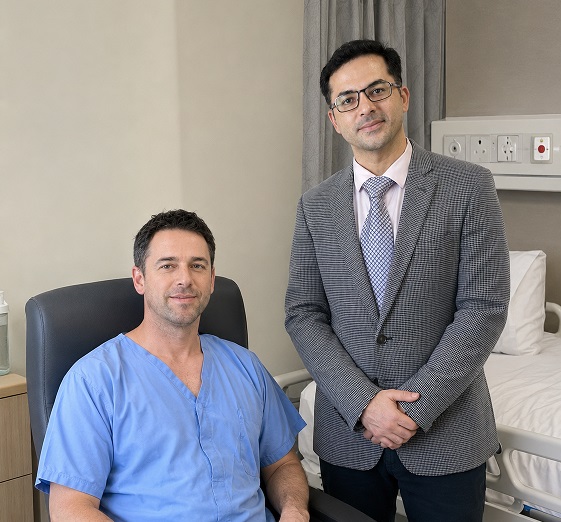
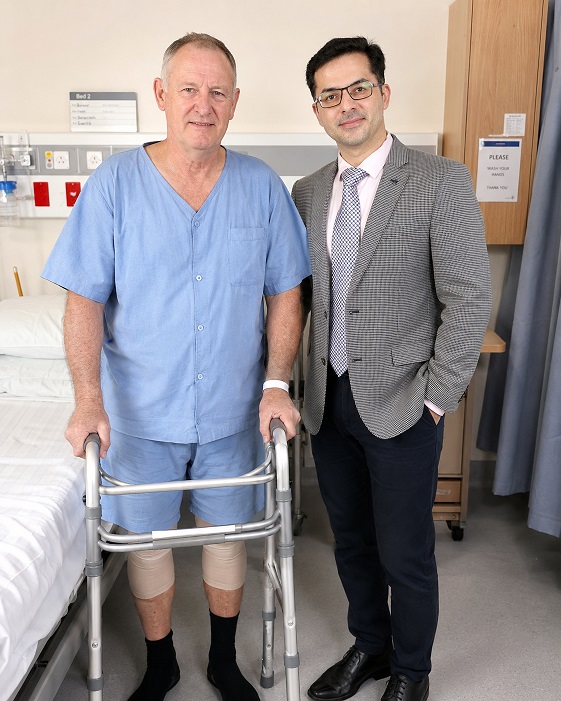
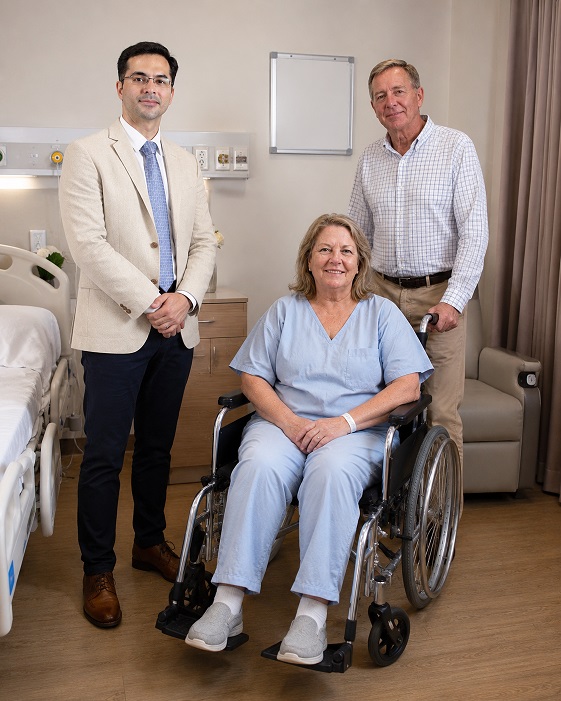
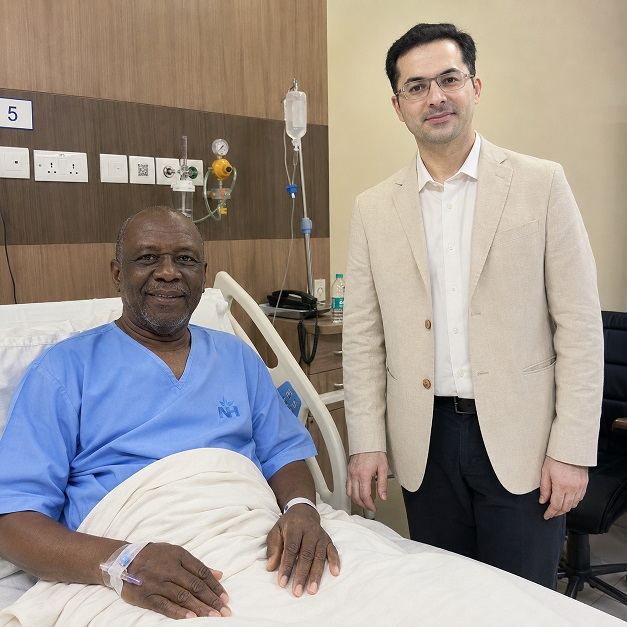
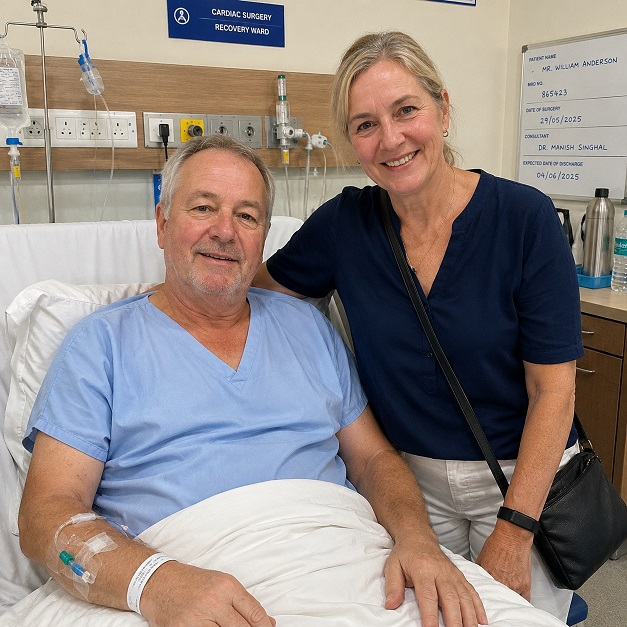
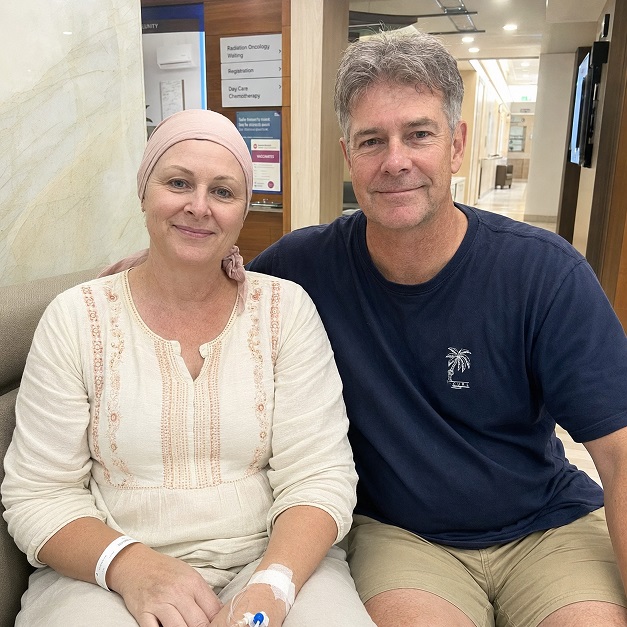
Patient Testimonials from Australia




Ready to Take the First Step?
Share your Medical Reports with our Healthcare Managers Today and Get a FREE CONSULTATION, a Personalized Treatment Plan, and Complete Support from Arrival to Recovery.
Get Your Free ConsultationAreas We Serve
This resource has been thoughtfully prepared for patients from Australia who are considering medical treatment in India. We also welcome patients from the wider region in the countries mentioned below-
We regularly assist patients from:
- Fiji
- Vanuatu
- Samoa
- Tonga
- Kiribati
- Nauru
- Tuvalu
- New Zealand
- Solomon Islands
- Papua New Guinea
Many of the insights, treatment pathways, hospital recommendations, travel guidance, and patient support services described here are equally relevant and may be used as a reference when planning treatment in India.
From Australia to India: Your Complete Patient Support Guide
- Cancer Treatment in India for Australian Patients: PBS Gap & Drug Costs
- Cardiac Surgery in India for Australian Patients: TAVI Access & Costs
- Dental Treatment & Surgery in India for Australian Patients
- Hip Surgery in India for Australian Patients: Costs, Waits & Implant Choice
- Knee Surgery in India for Australian Patients: Costs, Waits & Implants
- Neurosurgery in India for Australian Patients: Volume, Costs & When Not to Travel
- Spine Surgery in India for Australian Patients: Costs, Indications & Second Opinions (2026)
- Best Bariatric & Weight Loss Surgeons in India for Australian Patients
- Best Cancer Surgeons & Hospitals in India for Australian Patients
- Best Cardiac Surgeons & Hospitals in India for Australian Patients
- Best Cosmetic Surgeons & Hospitals in India for Australian Patients
- Best Dental Surgeons & Clinics in India for Australian Patients
- Best Hip Surgeons & Hospitals in India for Australian Patients
- Best Knee Surgeons & Hospitals in India for Australian Patients
- Best Scoliosis Surgeons & Hospitals in India for Australian Patients
- Best Spine Surgeons & Hospitals in India for Australian Patients
- Selecting the Best Urosurgery and Reconstructive Urology Centres in India for Australian Patients
- Selecting the Best Bone Marrow Transplant Centres in India for Australian Patients