

Selecting the Best Cardiac Surgeons and Hospitals in India for Australian Patients
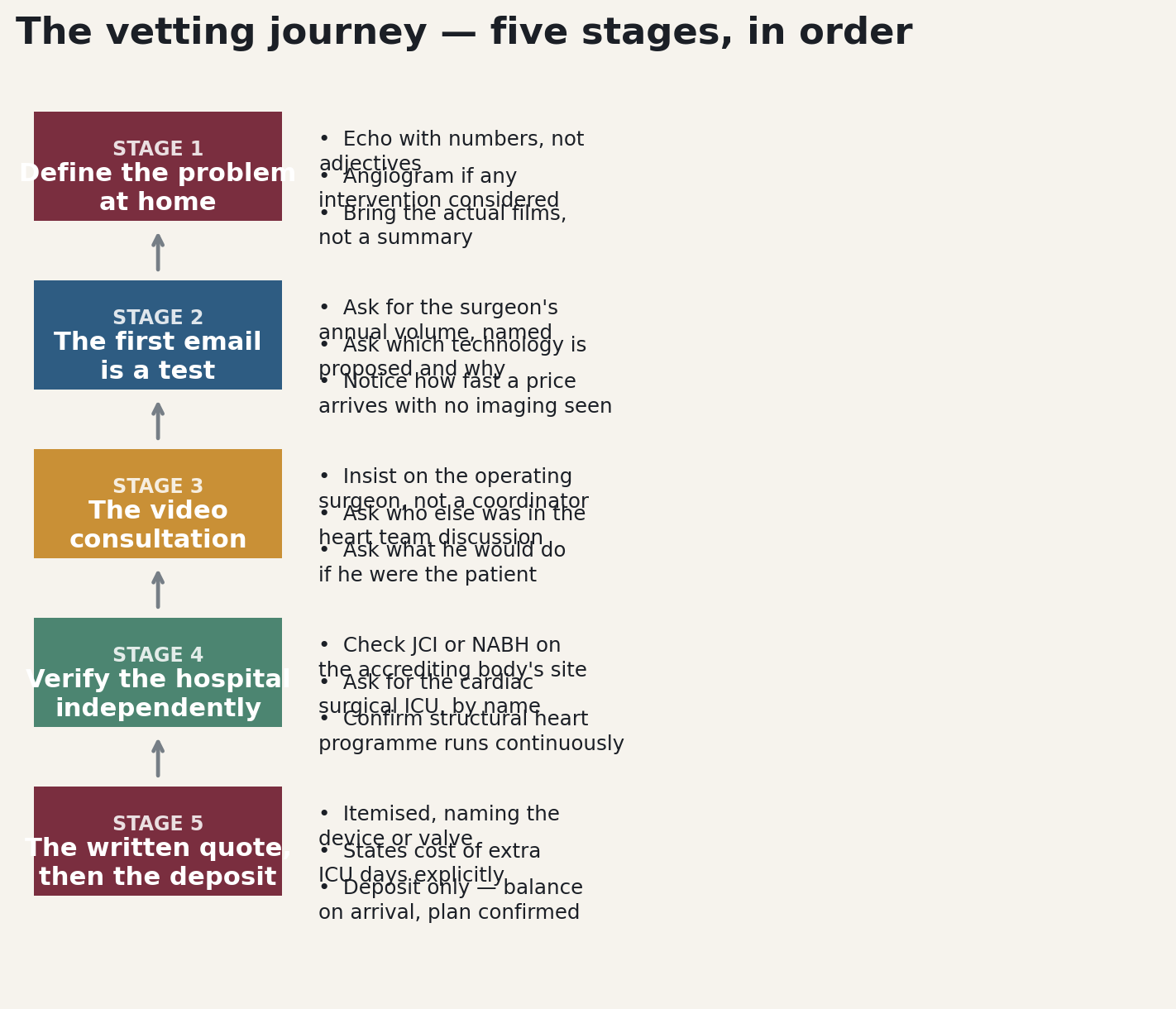
Not a scorecard this time, but a journey. Five stages, in a specific order — because in cardiac surgery, verifying the surgeon and verifying the hospital are not two halves of one decision. They are two decisions, made at different moments, and the order is the whole of the argument.
The other guides in this series ask you to weigh the surgeon against the hospital, criterion by criterion, and choose accordingly. Cardiac deserves a different approach, because in this specialty the two are rarely separable decisions made at the same moment — they are separable decisions made at different moments, in a specific order, and getting the order wrong is where Australians come unstuck.
So this guide is organised as a journey rather than a scorecard: five stages, each with its own questions, each best completed before the next begins. In 24 years of guiding international patients into Indian hospitals, the disappointments I have seen almost always trace back to a stage skipped rather than a stage done badly.
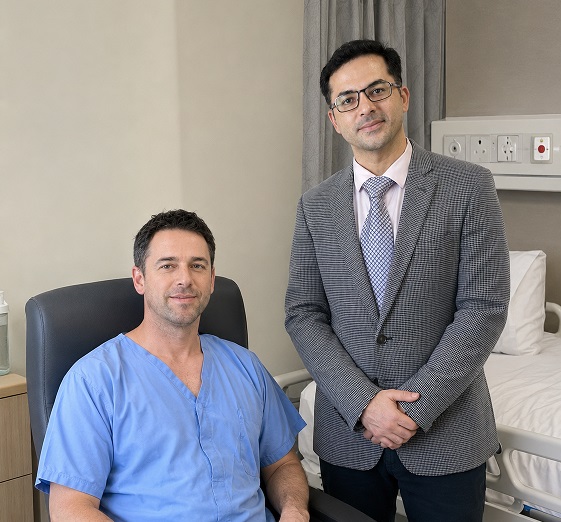
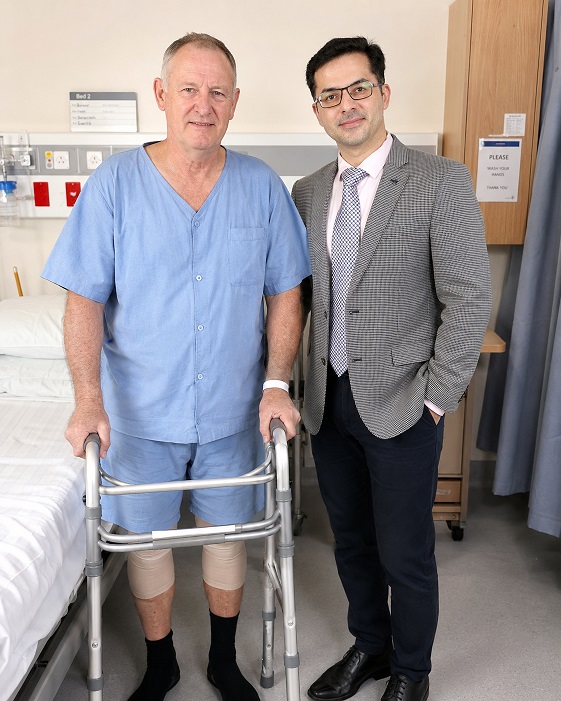
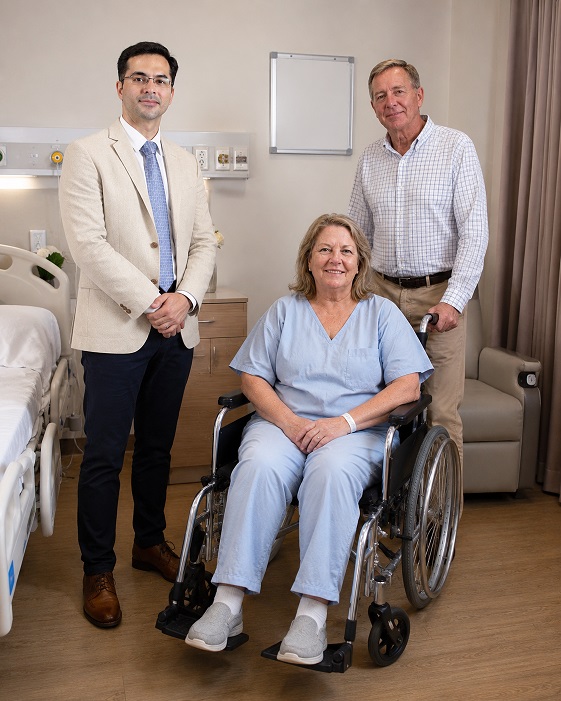
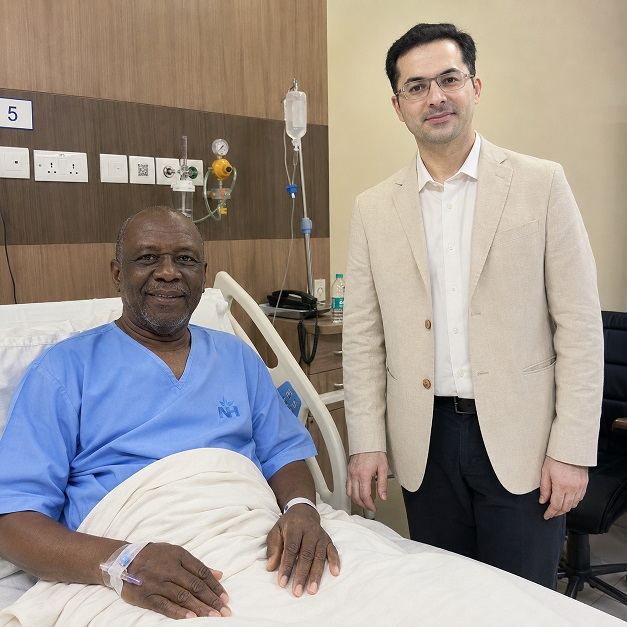
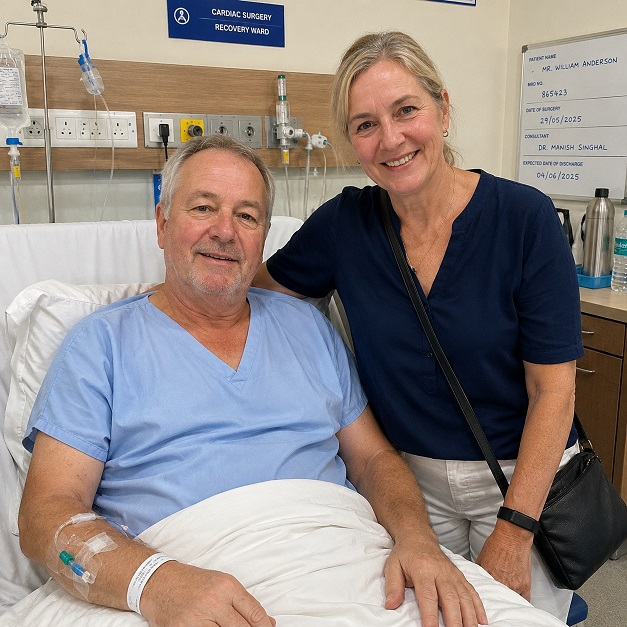
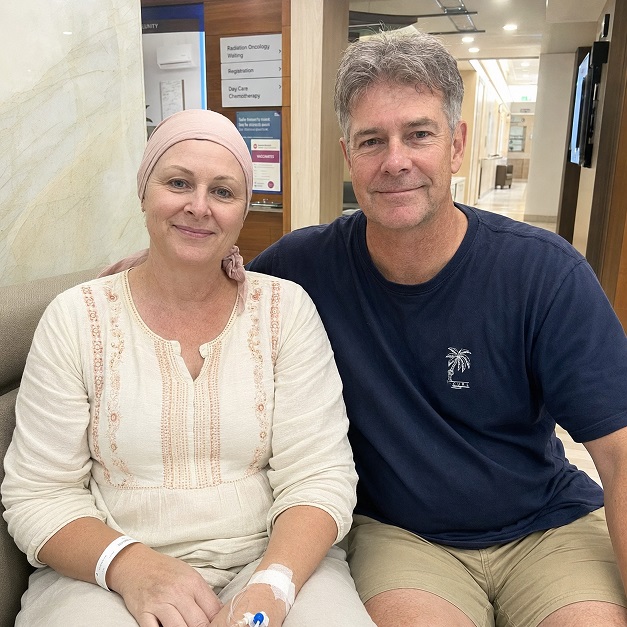
Healing Journeys of Australian Patients


Key Takeaways
- Australian patients considering cardiac surgery in India should first complete the necessary cardiac workup in Australia, including a recent echocardiogram with specific measurements and, when an intervention is being considered, a coronary angiogram.
- Choosing a cardiac surgeon and hospital should follow a structured sequence: define the cardiac problem at home, evaluate the hospital’s first response, speak directly with the operating surgeon, independently verify the hospital, and obtain a written itemised quote before paying a deposit.
- Patients should assess the surgeon’s annual volume in the exact cardiac procedure required, because experience in CABG, open valve replacement, TAVI, mitral valve repair and complex ablation should not be treated as interchangeable.
- For decisions involving catheter-based versus open-heart treatment, the guide recommends a heart team approach, involving both an interventional cardiologist and cardiac surgeon rather than relying on one specialist’s preference.
- For mitral valve disease, patients should ask specifically about the surgeon’s repair rate for degenerative disease compared with replacement, because successful valve repair depends substantially on procedure-specific experience.
- The specialist pathway discussed for cardiac surgeons in India includes MCh (Cardiothoracic and Vascular Surgery) or equivalent DrNB, while interventional cardiologists performing procedures such as TAVI generally follow the DM (Cardiology) pathway.
- Hospital assessment should include independently verified JCI or NABH accreditation, a dedicated cardiac surgical ICU, continuous structural heart programme activity, procedure-specific institutional volume and disclosure of cardiac surgical-site infection rates.
- The guide uses TAVI as an indicative cost example, showing approximately Approximately $33,000 all-in for India, including the procedure, flights and a two-to-three-week stay. This is an illustrative figure rather than a guaranteed treatment price.
- For return travel, the guide suggests allowing approximately three weeks after open cardiac surgery and 10–14 days after a transcatheter procedure, subject to medical clearance and a documented fit-to-fly assessment.
- Australian patients should arrange cardiology follow-up and cardiac rehabilitation before travelling and, when a mechanical valve is planned, establish an INR and anticoagulation monitoring plan with an Australian clinician.
Quick Facts
- Conditions/Health Factors Covered
- Heart valve disease, coronary artery disease, mitral valve disease and cardiac conditions requiring surgical or structural heart intervention
- Procedures Mentioned
- CABG, open valve replacement, mitral valve repair, TAVI and complex ablation
- Target Audience
- Australian patients considering elective cardiac surgery or structural heart treatment in India
- Author/Advisor
- Dr. Dheeraj Bojwani, Independent Medical Travel Advisor, 24 years of experience guiding international patients
- Surgeon Selection Highlights
- Procedure-specific annual surgical volume, MCh/DrNB Cardiothoracic and Vascular Surgery qualifications, relevant structural or minimally invasive cardiac surgery fellowship, direct surgeon consultation and transparent discussion of procedure-specific experience
- Heart Team Highlights
- Catheter-based versus open-heart treatment should be considered through collaborative assessment involving an interventional cardiologist and cardiac surgeon where appropriate.
- Hospital Selection Highlights
- Independently verified JCI or NABH accreditation, dedicated cardiac surgical ICU, continuous structural heart programme, institutional volume for the proposed technology and disclosure of cardiac surgical-site infection rates
- Diagnostic Workup
- Recent echocardiogram with measurements such as gradient, valve area, ejection fraction and aortic root diameter; coronary angiogram when an intervention is being considered
- Indicative Cost Example
- Approximately $33,000 all-in for TAVI in India, including the procedure, flights and a two-to-three-week stay. The guide presents this as an indicative July 2026 example.
- Typical Stay in India
- Approximately 3 weeks after open surgery; around 10–14 days before return travel after a transcatheter procedure, subject to medical clearance
- Hospital Stay
- No single standard hospital-stay duration is stated. The written quote should specify the assumed number of ICU and ward nights.
- Medical Travel Considerations
- Hospital invitation letter, Indian e-medical visa, e-medical attendant visa where applicable, changeable return flight, fit-to-fly assessment and post-treatment follow-up planning
- Accreditation Discussed
- JCI and NABH
- Partner Hospital Cities
- Specific partner hospital cities are not listed in the guide and therefore should not be added as source-derived information.
In Brief
Australian patients considering cardiac surgery or structural heart treatment in India should evaluate the decision through a staged vetting process rather than selecting a surgeon or hospital on price alone. The guide recommends completing cardiac investigations in Australia first, comparing procedure-specific surgeon volumes, obtaining a direct video consultation with the operating specialist, confirming heart team decision-making, and independently checking hospital accreditation, cardiac ICU facilities and structural heart programme activity. Procedures discussed include CABG, open valve surgery, mitral valve repair, and TAVI and complex ablation, with Australian cardiology follow-up, rehabilitation and safe return-flight planning forming an important part of the overall treatment pathway.
Before you choose anyone: should you be choosing at all?
Australia treats cardiac disease very well, and urgent presentations belong here without question. If you hold Gold or silver hospital cover and meet the relevant Medicare Benefits Schedule criteria for your procedure, you will be treated promptly and your fund will absorb most of the cost.
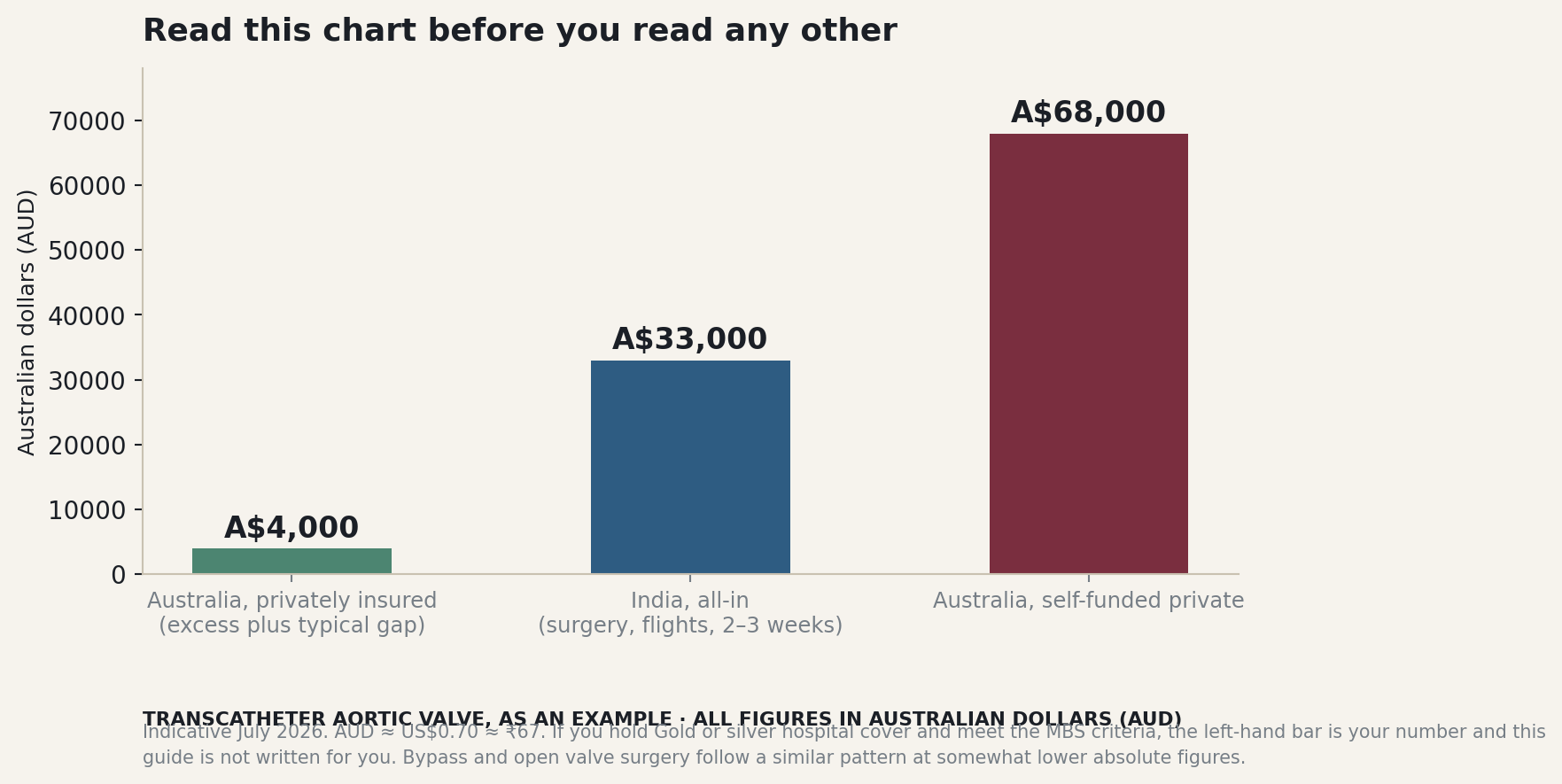
Stop reading if that is you. This guide is for Australians facing a self-funded private bill, or those who have been told the less invasive option they qualify for clinically is not funded where they live.
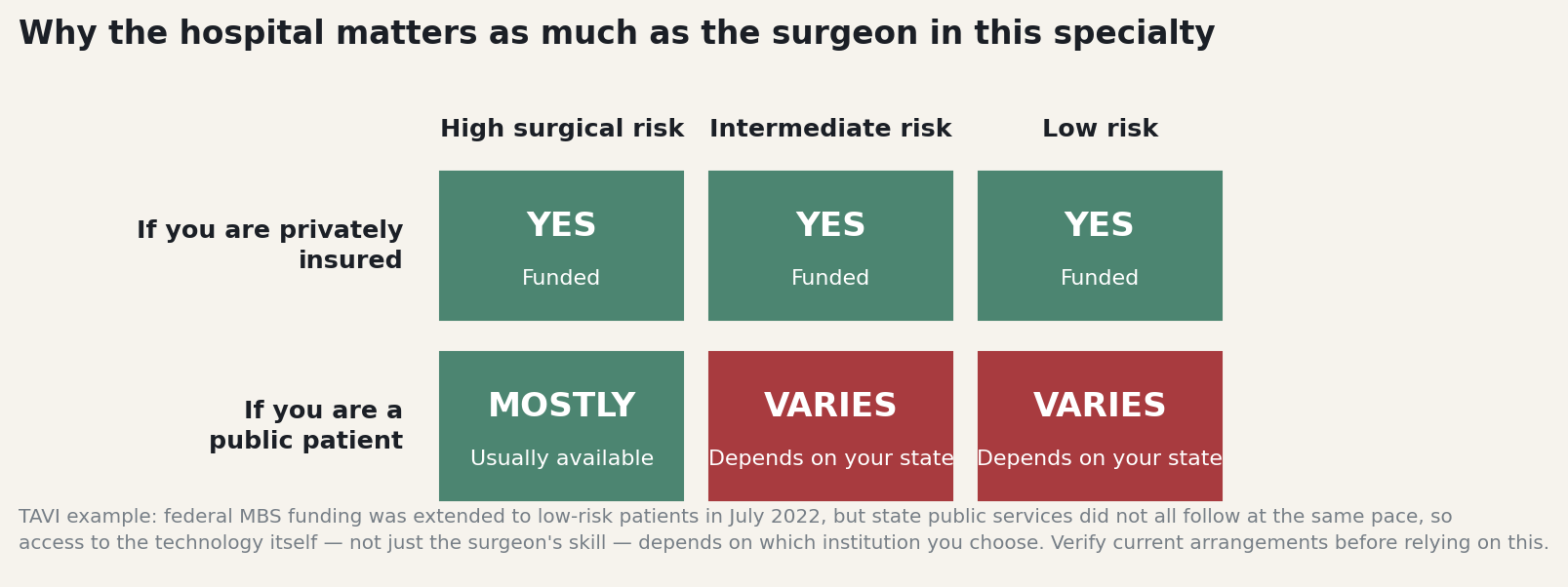
This is the reason cardiac earns its own structure in this series. In hip and knee replacement, the hospital is largely a setting for a decision the surgeon makes. In cardiac, the hospital’s own technology and funded services can determine which operation you are even offered — so verifying the institution is not a secondary step behind choosing the surgeon. It runs in parallel, from stage one.
Stage one: define the problem at home, where Medicare pays for it
Cardiac quotes are frequently for the wrong operation, because the workup behind them was incomplete. Before you contact anyone overseas, get a recent echocardiogram with the numbers stated explicitly — gradient, valve area, ejection fraction, aortic root diameter — not described in adjectives. If any intervention is being considered, get a coronary angiogram, because disease found on the table changes the plan entirely.
Do this in Australia, where Medicare covers it, and take the actual images with you into every conversation that follows. A quote produced from a written summary rather than the films themselves is a guess wearing the clothes of a quote.
If a valve is in question, establish whether coronary disease coexists, because disease found during a valve workup often changes whether the operation is done through a catheter, through the chest, or as a combined procedure. If your case is complex, ask your Australian cardiologist for a written summary of the anatomy and the options as they see them before you approach anyone overseas — not because you need their permission to seek a second opinion, but because that document becomes the fixed reference point every subsequent quote can be measured against.
Stage two: treat the first email as a test
What a unit does with your first enquiry tells you more than its website ever will. Send your echocardiogram or angiogram and ask three things in the same message: the named surgeon’s annual volume in the specific procedure you need, which technology or device is being proposed and why, and a request for a video consultation with that surgeon before any deposit.
Then watch the response. A serious cardiac unit asks for more detail before it prices anything. A number that arrives within the hour, unaccompanied by a single clinical question, is a marketing figure rather than a considered opinion — and it is the clearest single warning sign in this entire process.
Do this with three units, not one, and compare all three responses side by side before proceeding with any of them. The differences are usually stark: one may ask for your ejection fraction and prior cardiac history within the first reply, another may send a brochure. That contrast, obtained for the cost of three emails, tells you more than a week of website research.
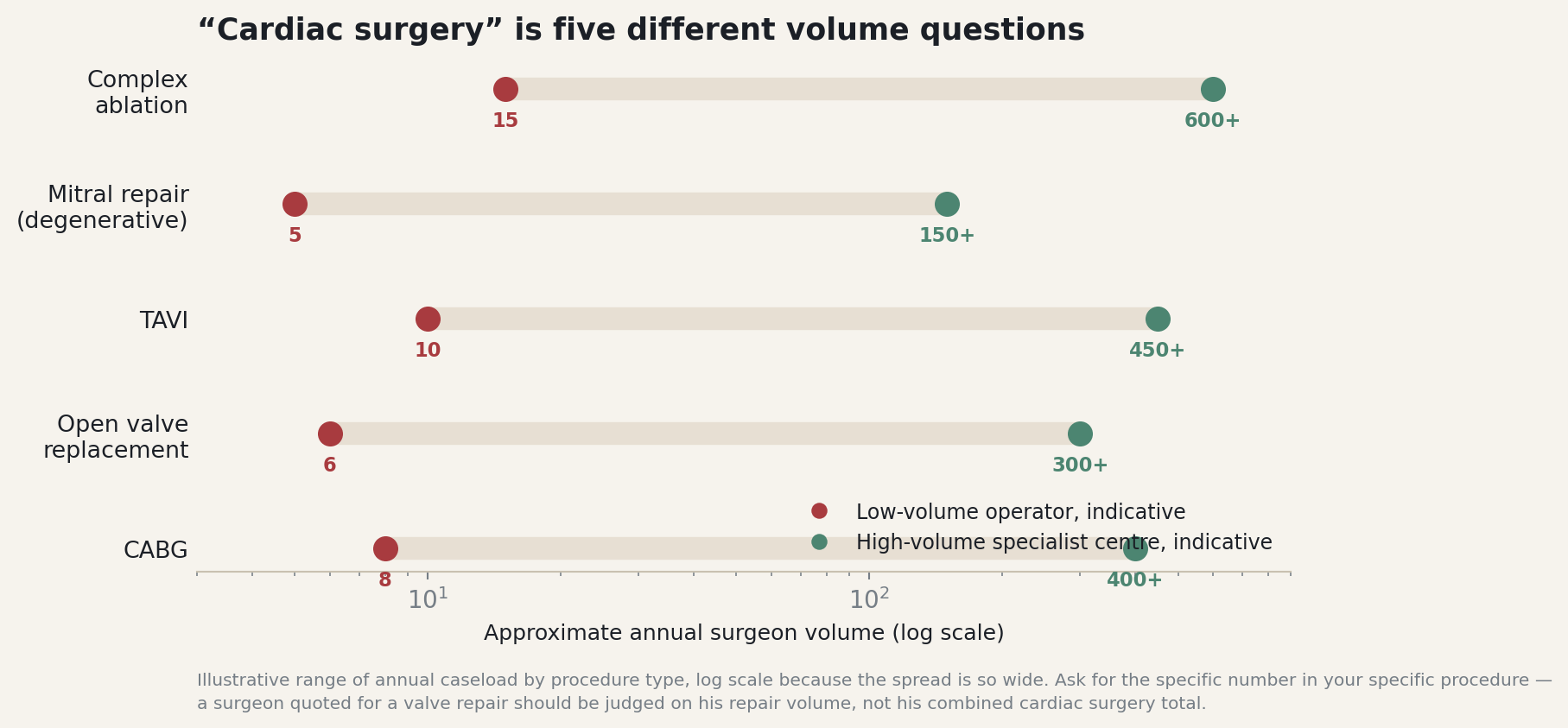
Notice how wide that range is, and notice that it is procedure-specific. A surgeon with an excellent bypass volume may do comparatively few mitral repairs, and the two numbers are not substitutes for each other. Ask for the figure that matches your actual operation, not a combined cardiac surgery total that flatters the smaller number.
Stage three: the video consultation, and what to listen for
Insist on speaking to the surgeon who will actually operate, not a patient coordinator, before any money moves. Two questions do most of the work in this conversation.
First, ask who else was involved in reaching this recommendation — whether an interventional cardiologist and a cardiac surgeon considered your case together as a heart team, rather than one specialist deciding alone. This matters most for the catheter-or-open-chest decision, where the answer should never be “we do it this way here” but a reasoned judgement based on your anatomy, age and other disease.
Second, for mitral valve disease specifically, ask his repair rate for degenerative disease as against replacement. Repair is usually preferable to replacement where feasible — your own valve, no lifelong warfarin — but repair is technically harder, and the proportion a surgeon successfully repairs varies enormously with how many he does. This is a number, and you are entitled to ask for it directly.
On qualifications, India runs a single clear specialist pathway for cardiac surgery: MCh (Cardiothoracic and Vascular Surgery) or the equivalent DrNB , typically three years after MS (General Surgery), is the baseline specialist qualification, with the National Medical Commission treating the two as equivalent. Beyond that, ask specifically whether he holds additional fellowship training in structural or minimally invasive cardiac surgery if that is the technology being proposed for you, and read his stated years of experience from the completion of his MCh or DrNB rather than from his basic medical degree, which typically adds five or six years to the headline figure.
Interventional cardiologists who perform TAVI and similar catheter-based procedures follow a different pathway again — DM (Cardiology), typically three years after MD (General Medicine) — and it is worth knowing which specialty is actually proposing your procedure. For a catheter valve, your primary operator may be an interventional cardiologist working alongside a cardiac surgeon rather than the reverse, and both should be introduced to you before the day of the procedure.
Stage four: verify the hospital independently, not through the surgeon
By this stage you have chosen a surgeon you trust. Now check the institution as though you had never spoken to him, because the two verifications protect against different failures.
Accreditation. JCI is the international arm of the body accrediting hospitals across the United States; NABH is India’s national equivalent, recognised by the same global standards authority. Check either on the accrediting body’s own site, not the hospital’s.
The cardiac surgical intensive care unit, by name. Ask whether cardiac patients recover in a dedicated cardiac surgical ICU staffed by cardiac-trained intensivists and nursing, rather than a general surgical ICU. The first forty-eight hours after cardiac surgery are where this distinction matters most.
Whether the structural heart programme runs continuously. TAVI, mitral clips and similar technologies should be routine ongoing work at a serious centre, not an occasional procedure performed when a visiting proctor is available. Ask how many of the specific device or technology proposed for you the hospital implants in a typical month.
The infection rate, disclosed rather than described. Deep sternal wound infection and prosthetic valve endocarditis are the complications that matter most. Ask for the unit’s surgical site infection rate for cardiac surgery and whether it requires dental clearance before valve procedures — oral bacteria are a recognised route to prosthetic valve infection, and a unit that insists on this is protecting you rather than obstructing you.
Stage five: the written quote, then the deposit
In 24 years I have found that disputes almost never concern the quoted price. They concern what the quote silently omitted.
Insist on a written, itemised figure naming the valve or device by brand and generation where relevant, the number of ICU and ward nights assumed, the physiotherapy and cardiac rehabilitation included, and the explicit cost of exceeding the assumed stay. Ask what the hospital covers if a return to theatre is needed during your admission, and whether the surgeon’s, anaesthetist’s and assistant’s fees sit inside the figure or beside it.
Understand what does not travel with you. Medicare pays nothing for treatment received overseas, your health fund rebate applies to Australian admissions, and standard travel insurance excludes planned surgery and its complications. One rule from this stage is not negotiable: pay a deposit to secure the date, never the full balance in advance. The remainder is settled on arrival, once the surgeon has examined you and confirmed in person that the plan in the quote is still the plan.
Four Signals that Should Make You Pause, at Any Stage
1. A price before your echocardiogram or angiogram has been reviewed. Nobody can price cardiac surgery they have not seen. This is stage two’s test failing.
2. A single specialist deciding catheter versus open chest alone. This decision belongs to a heart team, not one clinician’s preference.
3. Vagueness about the surgeon’s volume in your specific procedure. A confident answer arrives immediately. Hesitation is itself information.
4. No mention of dental clearance before a valve procedure. Its absence tells you the unit is not thinking about prosthetic valve infection as carefully as it should.
Australia-specific considerations most patients miss
Arrange your cardiology follow-up before you leave, not after you land. Speak to your GP and your Australian cardiologist early, give them the dates, and book your cardiac rehabilitation programme in advance — it is one of the few interventions in this field with genuine evidence behind it, and Australians routinely skip it. If a mechanical valve is planned, establish who will manage your INR and how often before you fly, not after.
Treat the flight as a clinical matter. Flying after cardiac surgery carries specific considerations around oxygenation, arrhythmia and sternal healing. Allow three weeks for open surgery and ten to fourteen days for a transcatheter procedure, book a changeable return, and do not leave until you have a documented fit- to-fly assessment and, for a new mechanical valve, stable anticoagulation with a written monitoring plan naming an Australian clinician.
Ask about your fund before you assume anything. If you hold private cover, check exactly what you are entitled to at home first — it may make the entire question unnecessary. If it does not, that written answer is also useful evidence for why you are travelling.
Apply for both visas together. Australian passport holders are eligible for India’s electronic medical visa, issued against an invitation letter from the treating hospital, with an e-medical attendant visa for whoever travels with you.
Get a valve identification card and keep it permanently. You will be asked for it before every dental appointment for the rest of your life, and it is far easier to obtain before you leave the hospital than to request from overseas afterwards.
Ask what happens if you need to come back. Establish before you travel what the unit does if a complication arises after you have returned to Australia, whether it involves further cost, and whether it requires a second trip. Ask an Australian cardiologist the parallel question: would they manage a complication from surgery performed overseas? Both answers, taken together, tell you how comfortable this decision should feel.
| What to Have in Hand by the End of Each Stage | |
|---|---|
| By the end of stage two | By the end of stage four |
| 1. Named surgeon and his annual volume in your specific procedure | 1. Verified accreditation, checked independently |
| 2. The proposed technology or device, and why | 2. Confirmation of a dedicated cardiac surgical ICU |
| 3. A booked video consultation with the operating surgeon | 3. Confirmed monthly volume for the specific technology proposed |
A closing word
Cardiac surgery rewards patients who verify in sequence rather than all at once. Define the problem at home. Let the first email be a test. Speak to the surgeon before anyone else. Check the hospital as though you had never spoken to him. Get the quote in writing, and pay a deposit, never a balance. Follow those five stages in order and the decision becomes far harder to get wrong than it looks from the outside. If you would like a second opinion on your echocardiogram or angiogram, or a review of a quote you are already holding, send them and I will look at them properly — including telling you to check your own health fund first, if that is what I think.
Sources
- 🌐 “Who should get the last TAVI valve? Public versus private access to disruptive technologies in the Australian health care system”, Medical Journal of Australia , 2024
- 🌐 Medicare Benefits Schedule items and associated TAVI factsheets, Australian Government Department of Health
- 🌐 National Medical Commission, recognised postgraduate medical qualifications in cardiothoracic and vascular surgery
- 🌐 Australian private hospital and health fund published procedure costs, 2026
- 🌐 Joint Commission International and National Accreditation Board for Hospitals and Healthcare Providers, accreditation registers
- 🌐 High Commission of India, e-Visa categories and eligibility
Frequently Asked Questions by Australians about Cardiac Surgeons and Hospitals in India
How should Australian patients choose the best cardiac surgeon in India?
Australian patients should assess the surgeon’s annual experience with the exact cardiac procedure they need, rather than relying on a combined cardiac surgery volume. The guide recommends comparing several units, requesting the named surgeon’s procedure-specific volume and having a direct video consultation with the surgeon before paying a deposit.
What cardiac procedures are discussed for Australian patients considering treatment in India?
The guide discusses CABG, open valve replacement, mitral valve repair, TAVI and complex ablation. It emphasises that experience in one cardiac procedure should not automatically be considered evidence of equivalent expertise in another procedure.
What tests should Australian patients complete before seeking cardiac surgery in India?
The guide recommends obtaining a recent echocardiogram with specific measurements such as gradient, valve area, ejection fraction and aortic root diameter. If an intervention is being considered, a coronary angiogram should also be obtained. The actual images should be available for specialist review rather than relying only on a written summary.
How much does cardiac treatment in India cost for Australian patients?
The guide provides TAVI as an illustrative example, with an estimated Approximately $33,000 all-in cost in India, including the procedure, flights and approximately two to three weeks. This is an indicative July 2026 figure rather than a guaranteed treatment price, and actual costs depend on the procedure and individual clinical requirements.
What qualifications should Australian patients look for in a cardiac surgeon in India?
For cardiac surgery, the guide identifies MCh (Cardiothoracic and Vascular Surgery) or the equivalent DrNB as the baseline specialist qualification. If structural or minimally invasive cardiac surgery is proposed, patients should also ask about relevant additional fellowship training.
Why is a heart team important when choosing between TAVI and open-heart surgery?
The guide recommends that decisions between catheter-based and open-heart treatment involve a heart team, particularly an interventional cardiologist and cardiac surgeon. The recommendation should reflect the patient's anatomy, age and other disease rather than simply the preferred technique of one specialist or institution.
What hospital facilities should Australian patients check before cardiac surgery in India?
Patients should independently verify JCI or NABH accreditation and confirm that the hospital has a dedicated cardiac surgical ICU with appropriately trained staff. For TAVI and other structural heart procedures, they should also ask whether the programme operates continuously and how many procedures involving the proposed technology the hospital performs each month.
How long should Australian patients stay in India after cardiac surgery?
The guide suggests allowing approximately three weeks after open cardiac surgery and around 10–14 days after a transcatheter procedure before flying, subject to individual recovery and medical clearance. Patients should obtain a documented fit-to-fly assessment before returning to Australia.
What warning signs should Australian patients watch for when selecting a cardiac surgeon or hospital in India?
The guide identifies four key warning signs: receiving a price before the echocardiogram or angiogram has been reviewed, one specialist deciding between catheter and open surgery without heart-team input, vague answers about the surgeon’s volume in the specific procedure, and no mention of dental clearance before valve surgery.
What follow-up should Australian patients arrange before returning home after heart surgery in India?
Patients should arrange follow-up with their Australian GP and cardiologist and book cardiac rehabilitation before travelling. If a mechanical valve is implanted, the guide recommends establishing who will manage INR and anticoagulation monitoring in Australia. Patients should also obtain a valve identification card and keep it permanently.
Page Summary
This guide explains how Australian patients can evaluate cardiac surgeons and hospitals in India through a five-stage vetting journey. It begins with completing appropriate cardiac investigations in Australia and then covers evaluating the first hospital response, comparing surgeon experience in the exact procedure required, speaking directly with the operating surgeon, confirming multidisciplinary heart team decision-making, independently verifying hospital accreditation and cardiac ICU capabilities, and obtaining a detailed written quote. The guide discusses CABG, TAVI, open valve replacement, mitral valve repair and complex ablation while emphasising that procedure-specific experience matters more than a general cardiac surgery volume. It also addresses Australian cardiology follow-up, cardiac rehabilitation, anticoagulation management, return-flight planning and continuity of care after treatment in India.
Citation Block
| Topic | Information |
|---|---|
| Topic Information | Selecting the Best Cardiac Surgeons and Hospitals in India for Australian Patients |
| Procedure | Cardiac Surgery & Structural Heart Treatment |
| Country | India |
| Intended Audience | Australian Patients |
| Conditions Covered | Heart Valve Disease, Coronary Artery Disease, Mitral Valve Disease and Cardiac Conditions Requiring Surgical or Structural Heart Intervention |
| Procedures | CABG, TAVI, Open Valve Replacement, Mitral Valve Repair and Complex Ablation |
| Typical Stay | Around 3 Weeks After Open Surgery; 10–14 Days Before Return Travel After a Transcatheter Procedure, Subject to Medical Clearance |
| Hospital Stay | Not Specifically Stated; Quote Should Specify Assumed ICU and Ward Nights |
| Recovery | Procedure-Dependent; Fit-to-Fly Assessment Required Before Return Travel |
| Indicative Cost Example | Approximately $33,000 All-In for TAVI in India, Including Procedure, Flights and 2–3 Weeks |
| Author | Dr. Dheeraj Bojwani |
| Experience | 24 Years Guiding International Patients |


Our Mission Statement
Our mission is to place patients at the centre of every healthcare decision by providing trustworthy, evidence-based, and unbiased medical information. We believe that informed patients make better decisions. Backed by personalised guidance from our experienced advisory team, we help patients understand their treatment options, compare them objectively, and confidently choose the path that best suits their medical needs and personal circumstances.
Patient Testimonials from Australia




Ready to Take the First Step?
Share your Medical Reports with our Healthcare Managers Today and Get a FREE CONSULTATION, a Personalized Treatment Plan, and Complete Support from Arrival to Recovery.
Get Your Free ConsultationAreas We Serve
This resource has been thoughtfully prepared for patients from Australia who are considering medical treatment in India. We also welcome patients from the wider region in the countries mentioned below-
We regularly assist patients from:
- Fiji
- Vanuatu
- Samoa
- Tonga
- Kiribati
- Nauru
- Tuvalu
- New Zealand
- Solomon Islands
- Papua New Guinea
Many of the insights, treatment pathways, hospital recommendations, travel guidance, and patient support services described here are equally relevant and may be used as a reference when planning treatment in India.
From Australia to India: Your Complete Patient Support Guide
- Cancer Treatment in India for Australian Patients: PBS Gap & Drug Costs
- Cardiac Surgery in India for Australian Patients: TAVI Access & Costs
- Dental Treatment & Surgery in India for Australian Patients
- Hip Surgery in India for Australian Patients: Costs, Waits & Implant Choice
- Knee Surgery in India for Australian Patients: Costs, Waits & Implants
- Neurosurgery in India for Australian Patients: Volume, Costs & When Not to Travel
- Spine Surgery in India for Australian Patients: Costs, Indications & Second Opinions (2026)
- Best Bariatric & Weight Loss Surgeons in India for Australian Patients
- Best Cancer Surgeons & Hospitals in India for Australian Patients
- Best Cardiac Surgeons & Hospitals in India for Australian Patients
- Best Cosmetic Surgeons & Hospitals in India for Australian Patients
- Best Dental Surgeons & Clinics in India for Australian Patients
- Best Hip Surgeons & Hospitals in India for Australian Patients
- Best Knee Surgeons & Hospitals in India for Australian Patients
- Best Scoliosis Surgeons & Hospitals in India for Australian Patients
- Best Spine Surgeons & Hospitals in India for Australian Patients
- Selecting the Best Urosurgery and Reconstructive Urology Centres in India for Australian Patients
- Selecting the Best Bone Marrow Transplant Centres in India for Australian Patients