

Selecting the Best Dental Surgeons and Dental Surgery Clinics in India for Australian Patients
There is a habit Australians already have and rarely use: checking whether a dentist is a specialist. This guide simply points it at India.
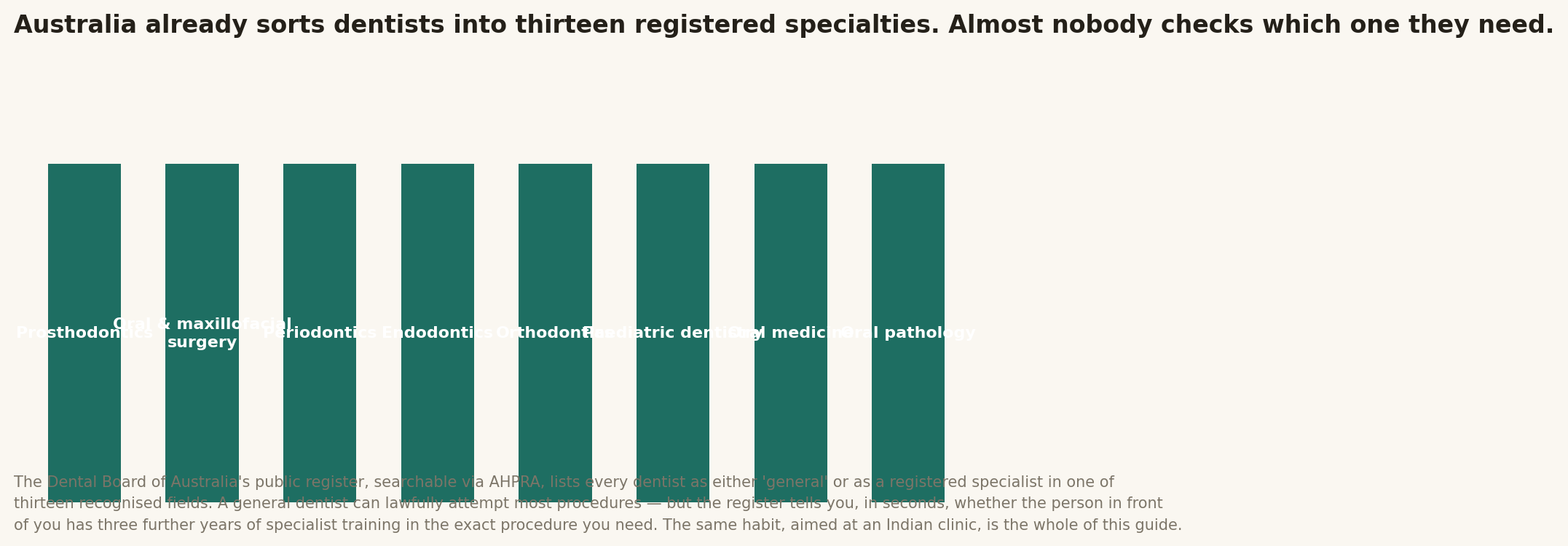
Here is a tool sitting quietly on a government website that almost no Australian has ever used: the Dental Board of Australia’s public register, searchable through AHPRA, which sorts every dentist in the country into “general” or one of thirteen recognised specialties — prosthodontics, oral and maxillofacial surgery, periodontics, endodontics, and more. It has existed for years. Almost nobody checks it before an appointment. That is the instinct this guide asks you to borrow. India runs a parallel system — its own postgraduate specialist qualification, its own recognised fields, its own way of distinguishing a general dentist from someone who spent a further three years training in exactly the procedure you need. You already understand why the distinction matters. This simply shows you where to look for it. In 24 years of guiding international patients into Indian hospitals and clinics, dental is the field where this single habit — ask which specialty, not just which dentist — prevents more disappointment than any other check in this entire series. It costs one direct question, and almost nobody asks it.
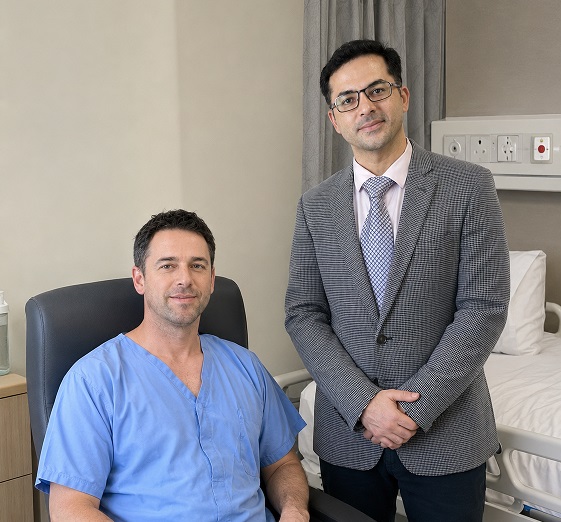
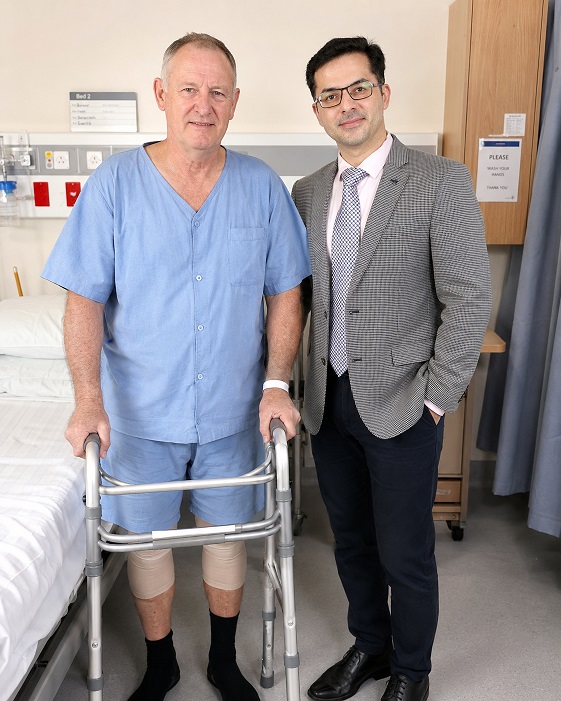
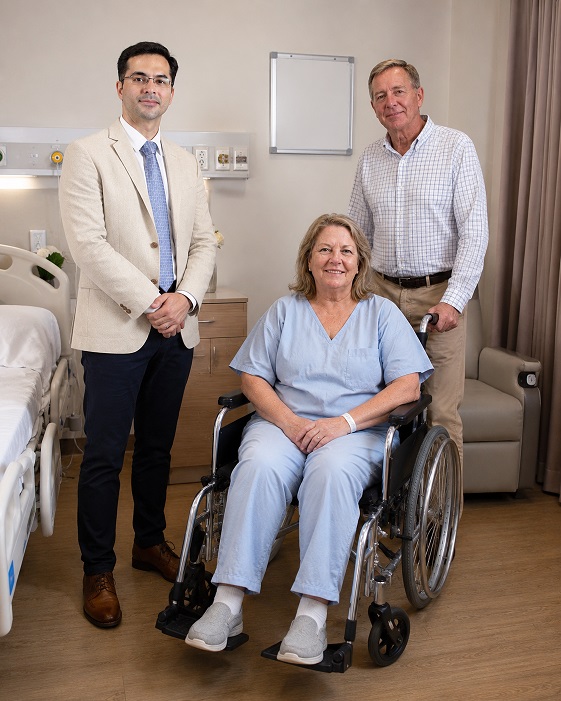
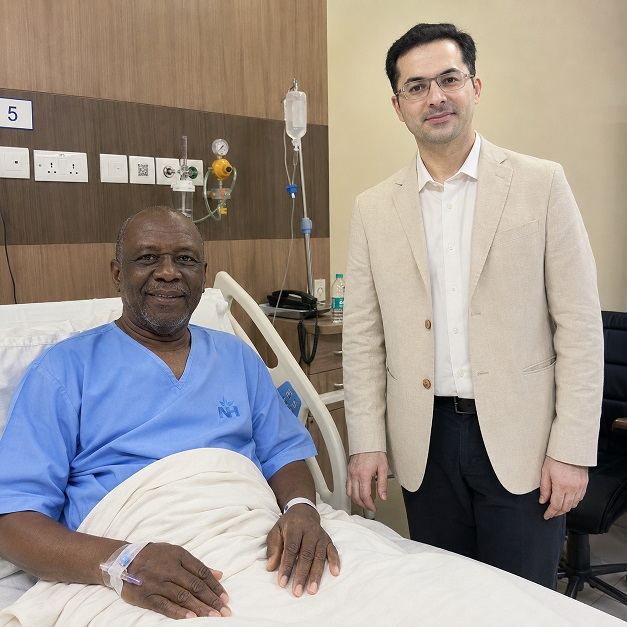
Healing Journeys of Australian Patients


Key Takeaways
- Australian patients considering dental treatment in India should first identify which dental specialty matches the procedure they need, rather than choosing a dentist based only on general experience, clinic reputation or price.
- The guide identifies MDS (Master of Dental Surgery) in a named specialty as India’s key postgraduate specialist dental qualification. Relevant specialties include Prosthodontics, Oral and Maxillofacial Surgery, Periodontics, Endodontics, Orthodontics and Paedodontics.
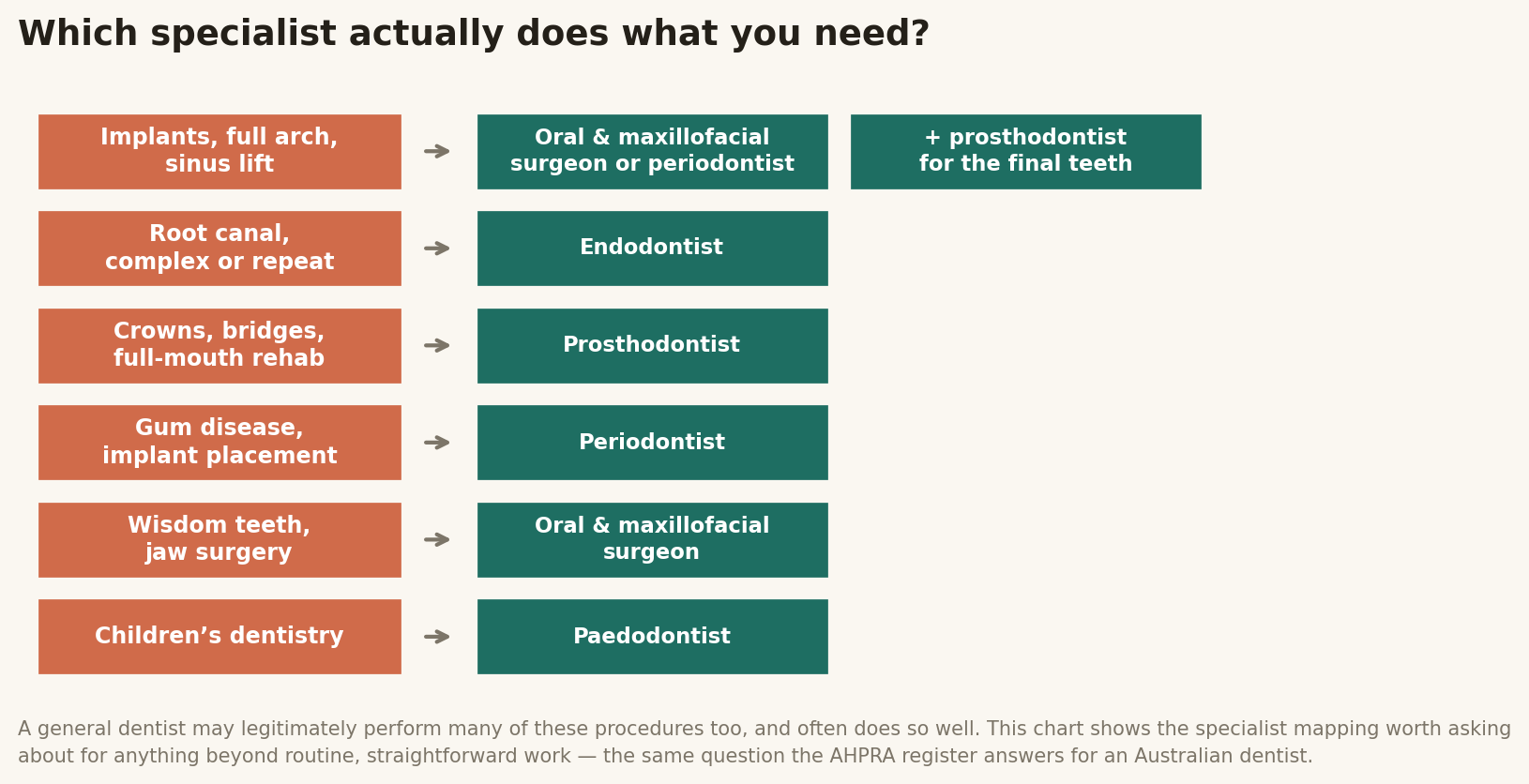
- For complex implant and full-arch cases, the guide maps treatment to an oral and maxillofacial surgeon or periodontist for implant placement, with a prosthodontist responsible for the final teeth. Root canal treatment maps to an endodontist, crowns and bridges to a prosthodontist, and complex wisdom tooth or jaw surgery to an oral and maxillofacial surgeon.
- Before travelling, Australian patients should obtain a written treatment plan tooth by tooth, with a price against each item and a clear explanation of what is and is not included.
- Obtaining plans from two clinics can help identify possible over-treatment. If one clinic recommends substantially more irreversible dental work than another, the difference should be investigated before treatment begins.
- For implant treatment, patients should obtain the implant system and ceramic material by name in writing. Using a major internationally serviceable implant system may make future maintenance in Australia easier.
- The clinic should provide clear information about sterilisation, including autoclave standards, individually pouched instruments and sterilisation of handpieces between patients.
- Patients should independently verify JCI or NABH accreditation and ask whether the clinic uses an in-house or verified external dental laboratory, particularly for complex prosthetic or aesthetic work.
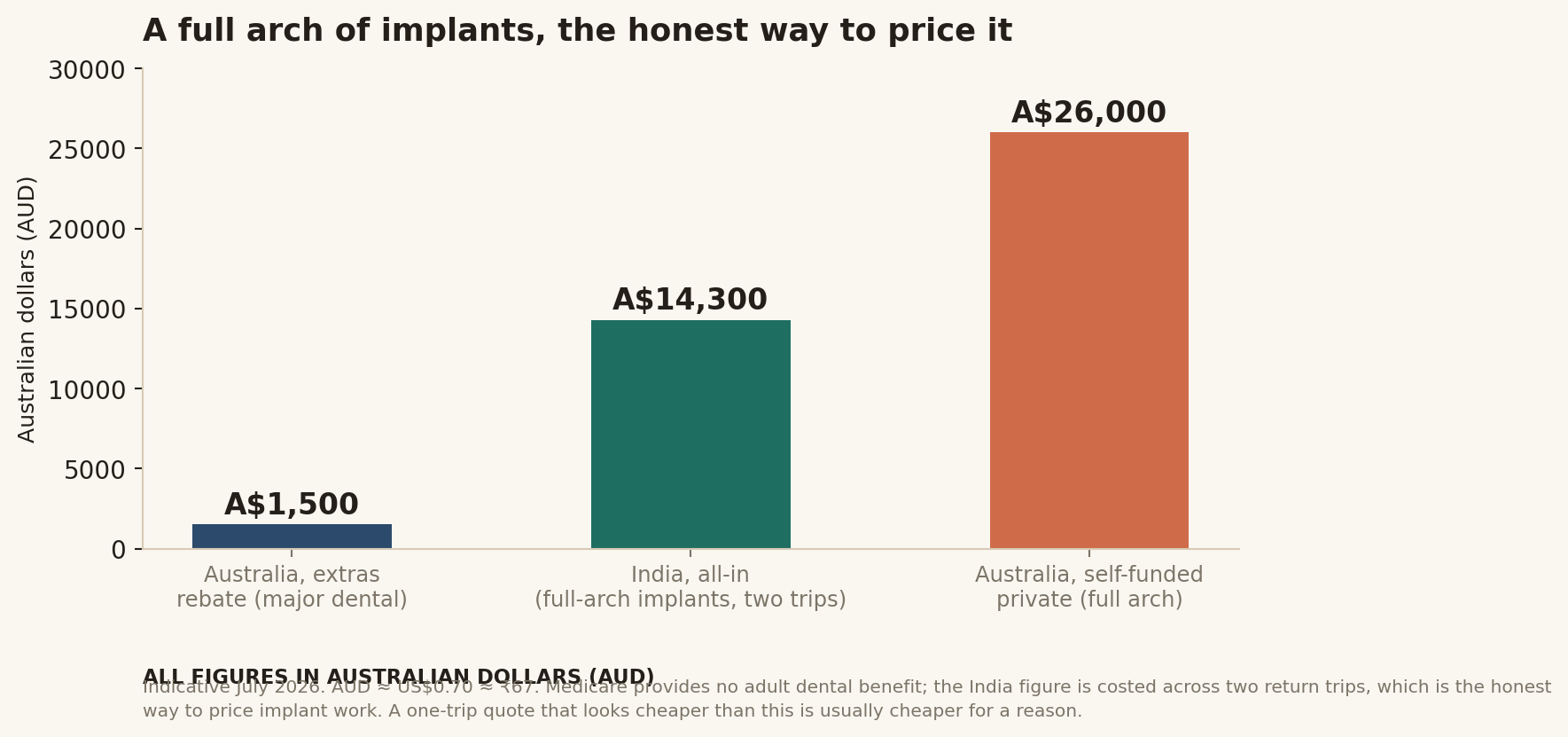
- The guide’s full-arch implant cost comparison shows approximately Approximately $14,300 all-in for treatment in India across two trips, compared with approximately Approximately $26,000 for self-funded treatment in Australia. These are indicative July 2026 figures.
- Implant treatment should generally follow a two-trip pathway: implants and temporary teeth are placed during the first trip, followed by approximately three to six months of healing before the second trip for the final restoration.
Quick Facts
- Conditions/Treatment Areas Covered
- Missing teeth, complex tooth loss, gum disease, root canal problems, damaged teeth requiring crowns or bridges, wisdom teeth, jaw surgery needs, full-mouth rehabilitation and paediatric dental needs
- Procedures Mentioned
- Dental implants, full-arch implants, sinus lift, root canal treatment, crowns, bridges, full-mouth rehabilitation, implant placement, wisdom tooth surgery and jaw surgery
- Target Audience
- Australian patients considering dental treatment, dental implants or oral surgery in India
- Author/Advisor
- Dr. Dheeraj Bojwani, Independent Medical Travel Advisor, 24 years of experience guiding international patients
- Specialist Qualification Highlight
- MDS (Master of Dental Surgery) in a named specialty is the key postgraduate specialist qualification discussed in the guide. BDS is the basic dental degree and is not presented as a specialist qualification.
- Specialties Discussed
- Prosthodontics, Oral and Maxillofacial Surgery, Periodontics, Endodontics/Conservative Dentistry, Orthodontics and Paedodontics
- Procedure-Specialist Mapping
- Implants/full arch/sinus lift – Oral & Maxillofacial Surgeon or Periodontist + Prosthodontist for final teeth; Root Canal – Endodontist; Crowns/Bridges/Full-Mouth Rehabilitation – Prosthodontist; Gum Disease/Implant Placement – Periodontist; Wisdom Teeth/Jaw Surgery – Oral & Maxillofacial Surgeon; Children’s Dentistry – Paedodontist
- Dentist Selection Highlights
- Specialist qualification matching the exact procedure, tooth-by-tooth written plan, willingness to avoid over-treatment, named implant and ceramic system, and transparent complication/remake policy
- Clinic Selection Highlights
- Specific sterilisation standards, in-house or properly verified external laboratory, independently verifiable accreditation, written warranty/remake terms and complete records for the patient's Australian dentist
- Accreditation Discussed
- JCI and NABH
- Indicative Full-Arch Implant Cost
- Approximately $14,300 all-in in India across two trips, compared with approximately Approximately $26,000 self-funded in Australia. The guide presents these as indicative July 2026 figures.
- Medical Considerations
- Blood thinners, bisphosphonates, denosumab and diabetes can affect dental treatment planning, particularly around extractions, and should be disclosed to the Indian clinic before travel.
- Records to Bring Home
- Final treatment record, implant identification cards with system and batch details, digital scans or moulds, and a recommended review schedule
- Medical Travel Considerations
- Indian electronic medical visa, attendant visa where applicable, two-trip implant planning and advance arrangements for adjustments or emergency dental care after returning to Australia
In Brief
Australian patients considering dental treatment or oral surgery in India should match the procedure to the appropriate dental specialty before comparing prices. The guide identifies MDS in a named specialty as the key postgraduate specialist qualification and recommends obtaining a tooth-by-tooth written treatment plan before travelling. For complex dental implants and full-arch rehabilitation, patients should also verify the specialists involved, implant system, ceramic material, sterilisation standards, laboratory arrangements, accreditation and written warranty. Implant cases should respect the normal three-to-six-month integration period between implant placement and final restoration rather than compressing treatment into a single rushed visit.
Why look at all, and what genuine depth actually looks like
Dental is the clearest financial case in this whole series: Medicare provides no benefit for adult dental treatment, and even generous private extras cover rarely stretches past a fraction of a substantial treatment plan. That gap is real and well documented, and it is why so many Australians look overseas in the first
place.
What makes India worth serious consideration is not only the price. It is genuine depth: dental hospitals running separate specialist departments rather than one dentist attempting everything, senior prosthodontists and oral surgeons trained internationally, and modern laboratories producing ceramics to the same standard used in Australian practices — at a fraction of the cost. Done well, this is one of the most straightforwardly rewarding categories in the entire series: real savings, real depth, and a result that changes something people see in the mirror every day. Done poorly, it is expensive to fix and sometimes cannot be fixed at all, because dentistry that removes tooth structure cannot be undone anywhere. That is exactly why the criteria below are worth ten minutes of your time before anything else.
Part one: judging the dentist
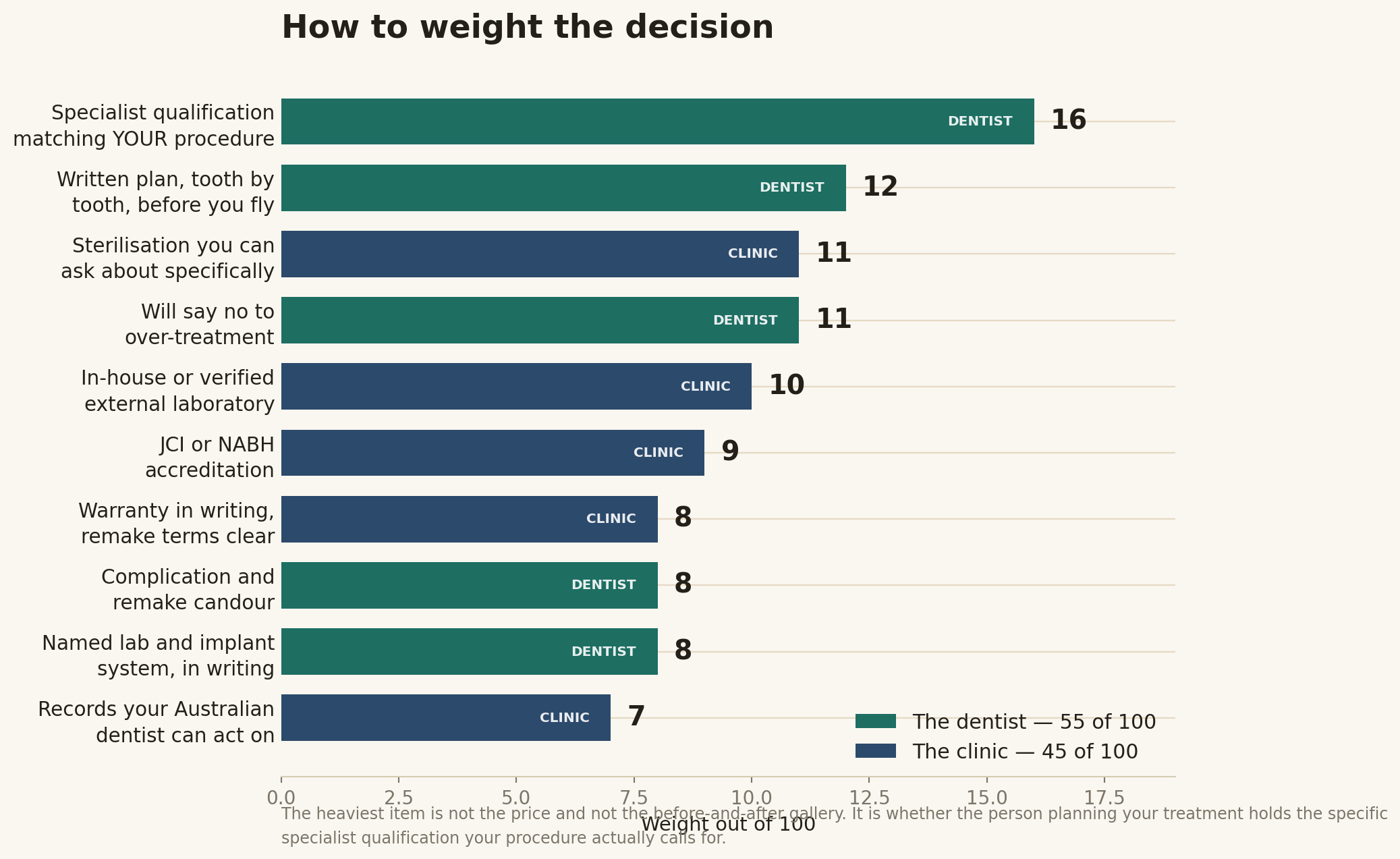
1. A specialist qualification matching your exact procedure. This is the single heaviest criterion in the guide, and it translates directly from the Australian instinct you already have.
| Qualification | Length | What it actually means |
|---|---|---|
| BDS | 5 years | Bachelor of Dental Surgery, India’s basic dental degree, broadly comparable to a general dentistry qualification in Australia. A licence to practise general dentistry, not a specialist qualification. |
| MDS — Master of Dental Surgery, in a named specialty | 3 years, after BDS | This is the one that matters. India’s genuine postgraduate specialist qualification, always earned in a specific named field — Prosthodontics, Oral and Maxillofacial Surgery, Periodontics, Endodontics (Conservative Dentistry), Orthodontics, or Paedodontics among others. The direct equivalent of the specialist registration Australia’s own Dental Board records. |
| Implant or aesthetic fellowship | Varies, after MDS or BDS | Further focused training, common and worth asking about, but not a substitute for the underlying MDS specialty when the procedure calls for one. |
| Overseas fellowship or membership | Varies | International training or professional membership, worth noting but secondary to the core specialist qualification for your specific procedure. |
This matters more than it might first appear, because dentistry is one of the few fields in medical travel where a patient can be sold considerably more than they need, and the treating dentist's own incentive to expand a plan is rarely obvious from the outside. A specialist working within their own trained field, answerable to a professional body and a defined scope of practice, is a structurally different proposition from a general dentist attempting a procedure outside their core training simply because a patient asked for it.
Ask plainly which specialty is planning your treatment, and match it against your procedure. A general dentist can competently perform a great deal of this work, and often does so well — but for anything beyond routine, straightforward treatment, knowing whether a specialist is involved, and in which field, is the same five-minute check the AHPRA register would let you make at home.
Read the years-of-experience figure with the same care worth applying anywhere in this series. A headline number counted from BDS quietly folds in the years spent completing an MDS afterwards. Ask instead for the year the specialist qualification was completed and how long the dentist has practised that specialty independently, particularly for anything complex such as full-arch reconstruction or extensive implant work.
2. A written plan, tooth by tooth, before you fly. Dentistry is the field in this whole series where a patient can be sold considerably more than they arrived needing, and the excess is frequently irreversible — a crown requires cutting down the tooth beneath it, an extraction cannot be reversed by anyone, anywhere. Insist on a plan using tooth notation rather than description, with a price against each item and a clear statement of what is not included, issued before you travel rather than negotiated in the chair.
3. Whether the dentist will say no to over-treatment. Send your X-rays to two clinics and compare the plans. Where they broadly agree, you can be confident. Where one proposes twice the work, you have learned something valuable for the price of an email. A dentist who declines part of what another clinic proposed, or suggests something more conservative, is very often the one worth choosing.
4. A named laboratory and implant system, in writing. Ask for the implant brand and the ceramic material by name before you commit. A major international implant system can be serviced by an
Australian dentist for the rest of your life; an unbranded or locally exclusive system often cannot, and that becomes your problem years later rather than now.
5. Complication and remake candour. Ask what happens if a crown fails within a year, how a case is handled if an implant does not integrate, and how often that occurs in this dentist’s hands. A confident, specific answer is worth more than any gallery of finished smiles.
Ask too what proportion of the dentist’s practice is genuinely built around your type of procedure, as against routine general work carrying occasional complex cases. There is no single correct answer, but a dentist who cannot describe their own practice pattern confidently is telling you that your procedure is one of several things they do, rather than the thing they have built real depth in.
Part two: judging the clinic
6. Sterilisation you can ask about specifically. Ask about autoclave class, whether instruments are individually pouched and dated, and whether handpieces are sterilised between every patient. A serious clinic answers this immediately, often with some pride, because it is the most basic promise dentistry makes to a patient.
7. An in-house or properly verified external laboratory. Ask whether ceramics and prosthetics are produced on site or sent externally, and where. This affects both turnaround time and the remake process if something needs adjusting.
For anything involving colour matching or complex aesthetics, ask whether you will see a shade selection and a trial fitting before the final piece is produced, rather than a single unseen laboratory process between your consultation and the finished result.
8. Accreditation you can verify yourself. JCI is the international arm of the body accrediting hospitals across the United States; NABH is India’s national equivalent, recognised by the same global standards authority. Check either on the accrediting body’s own site rather than accepting the logo on a clinic’s website.
9. A warranty in writing, with the remake terms actually spelled out. Ask specifically whether a remake requires you to return to India, who pays the airfare if so, and what the time limit is. Get this before any deposit moves, not as a verbal reassurance during the consultation.
10. Records your Australian dentist can act on. Before you leave you should hold your final treatment record, implant identification cards with system and batch details, digital scans or moulds, and a recommended review schedule. This is what lets your Australian dentist pick up your ongoing care confidently rather than starting from nothing.
Four Signals that Should Make You Pause
1. Nobody mentions which specialty is planning complex work. If a full-arch or complex rehabilitation case is being handled entirely by one general dentist with no mention of a prosthodontist or oral surgeon, ask directly why.
2. A plan that grows once you are in the chair. Two crowns becoming sixteen veneers is not a clinical discovery made on the day. Decline, and ask for the original written plan.
3. Permanent teeth promised in a single visit for implant work. Implants need three to six months to fuse with bone. A temporary bridge fitted on day one is normal; a final bridge delivered before that healing time is not.
4. No written answer on the implant brand or the warranty. Vagueness here, more than anywhere else, is the clearest signal to look elsewhere.
Australia-specific considerations most patients miss
Tell your Australian dentist what you are planning, before you go. Many will review a proposed plan for a modest fee, and a dentist consulted in advance is far more willing to help with follow-up than one presented with finished work they had no part in.
Understand the two-trip reality for implants. Trip one places the implants and fits a temporary. You return home, live normally, and see your Australian dentist for reviews. Trip two, three to six months later, delivers the final restoration. This costs more than a single rushed visit and is the entire reason the result lasts.
Check your extras cover honestly. Most policies pay nothing toward treatment performed overseas, and annual major dental limits at home rarely exceed a few thousand dollars regardless. Ask your fund in writing rather than assuming either way.
Ask about medical conditions specifically. Blood thinners, bisphosphonates or denosumab for osteoporosis, and diabetes all change a dental treatment plan, particularly around extractions. Tell the clinic well before you travel.
Apply for both visas together. Australian passport holders are eligible for India’s electronic medical visa, issued against a letter from the treating clinic, with an attendant visa for whoever travels with you.
Ask what happens if you need further work after you are home. Establish before you travel whether a remake or adjustment can be arranged locally in Australia in genuine emergencies, or whether it always requires a return trip. Ask an Australian dentist the parallel question: would they see a patient for a problem arising from treatment performed overseas? Both answers, taken together, tell you how comfortable this decision should feel.
| The Questions, in the Order You Should Ask Them | |
|---|---|
| Of the dentist | Of the clinic |
| 1. Which specialty, if any, is planning my treatment, and what is their MDS in? | 1. What sterilisation standard do you follow, specifically? |
| 2. May I have the plan tooth by tooth, in writing, before I travel? | 2. Is your laboratory in-house or external, and where? |
| 3. Is there anything in this plan you would remove or simplify? | 3. Which accreditation do you hold, and when was it last inspected? |
| 4. What implant system and ceramic will be used, by name? | 4. What is your written warranty and remake policy? |
| 5. What happens if a crown fails, or an implant does not integrate? | 5. What records will I receive to give my Australian dentist? |
| 6. Will you personally treat me throughout, or will this be shared? | 6. May I speak to a previous patient, or see a genuine single-procedure portfolio? |
A closing word
In 24 years I have found that dental disputes almost never concern the price. They concern the plan nobody wrote down. Dental is one of the clearest, most defensible reasons to travel in this entire series — a genuine coverage gap at home, met by genuine depth abroad. The only real risk sits in the same place it would at home: trusting a plan, and a person, you have not properly checked. Match the specialty to the procedure, get the plan in writing tooth by tooth, and ask the same direct questions you would already know to ask an Australian dentist. If you would like a second opinion on a treatment plan, or a review of X-rays you already have, send them to me and I will look at them properly — including telling you if I think the plan needs trimming.
Sources
- 🌐 Dental Board of Australia, list of recognised dental specialties and specialist registration standard
- 🌐 Dental Council of India, recognised postgraduate dental qualifications (MDS)
- 🌐 Australian Institute of Health and Welfare, cost-related delay and avoidance of dental care
- 🌐 Australian private dental fee surveys and health fund extras limits, 2026
- 🌐 Joint Commission International and National Accreditation Board for Hospitals and Healthcare Providers, accreditation registers
- 🌐 High Commission of India, e-Visa categories and eligibility
Frequently Asked Questions by Australians about Dental Surgeons and Dental Surgery Clinics in India
How should Australian patients choose the best dental surgeon or clinic in India?
Australian patients should first identify which dental specialty matches the treatment they need. For complex procedures, the guide recommends checking whether an appropriately qualified MDS specialist is involved, obtaining a tooth-by-tooth written treatment plan before travelling, and assessing the clinic’s sterilisation, laboratory, accreditation, warranty and record-keeping standards.
What dental qualification should Australian patients look for in India?
The guide identifies MDS (Master of Dental Surgery) in a named specialty as India’s important postgraduate specialist dental qualification. BDS is the basic dental degree, while MDS involves an additional three years of training in a specific field such as Prosthodontics, Oral and Maxillofacial Surgery, Periodontics, Endodontics or Orthodontics.
Which dental specialist should Australian patients choose for implants in India?
For implants, full-arch treatment and sinus lifts, the guide maps treatment to an oral and maxillofacial surgeon or periodontist, with a prosthodontist involved for the final teeth. For crowns, bridges and full-mouth rehabilitation, a prosthodontist is the relevant specialist identified in the guide.
How much do full-arch dental implants in India cost for Australian patients?
The guide provides an indicative July 2026 comparison of approximately Approximately $14,300 all-in for a full-arch implant case in India across two trips, compared with approximately Approximately $26,000 for self-funded treatment in Australia. These figures are indicative and should be re-verified before making treatment decisions.
Why should Australian patients get a written dental treatment plan before travelling to India?
The guide recommends obtaining a treatment plan using tooth notation, with the proposed treatment and price listed against each item, plus a clear statement of what is not included. This helps patients compare clinics and reduces the risk of the treatment plan expanding after they arrive in India.
Do Australian patients need two trips to India for full dental implant treatment?
For the implant pathway described in the guide, yes. The first trip places the implants and fits a temporary restoration. The patient then returns home while the implants integrate with the bone. Approximately three to six months later, the second trip is used to deliver the final restoration.
What should Australians check about dental implant brands before treatment in India?
Patients should ask for the implant system and ceramic material by name in writing before committing to treatment. The guide notes that a major international implant system may be easier for an Australian dentist to service in the future than an unbranded or locally exclusive system.
How can Australian patients check the safety and quality of a dental clinic in India?
The guide recommends asking specifically about the clinic’s autoclave class, individually pouched and dated instruments, and sterilisation of handpieces between patients. Patients should also assess laboratory arrangements and independently verify any claimed JCI or NABH accreditation.
What warning signs should Australian patients watch for when choosing dental treatment in India?
The guide highlights four warning signs: no clear specialist involvement in complex work, a treatment plan that grows substantially after arrival, promises of permanent final teeth in a single implant visit despite the required healing period, and no written information about the implant brand or warranty.
What dental records should Australian patients bring home after treatment in India?
Before returning to Australia, patients should obtain their final treatment record, implant identification cards with system and batch details, digital scans or moulds, and a recommended review schedule. These records help an Australian dentist understand the treatment performed and continue appropriate long-term care.
Page Summary
This guide explains how Australian patients can select dental surgeons and dental clinics in India by applying the same specialist-focused thinking used within Australia's dental system. It places the greatest emphasis on matching the required procedure to the appropriate MDS-qualified dental specialist and obtaining a detailed tooth-by-tooth written treatment plan before travelling. The guide covers dental implants, full-arch rehabilitation, root canal treatment, crowns, bridges, periodontal treatment and oral surgery while explaining how different specialties contribute to each type of care. It also addresses over-treatment, implant and ceramic identification, sterilisation, dental laboratories, JCI or NABH accreditation, warranties, Australian follow-up and the need for two separate trips for many implant cases.
Citation Block
| Topic | Information |
|---|---|
| Topic Information | Selecting the Best Dental Surgeons and Dental Surgery Clinics in India for Australian Patients |
| Procedure | Dental Treatment & Oral Surgery |
| Country | India |
| Intended Audience | Australian Patients |
| Conditions Covered | Missing Teeth, Complex Tooth Loss, Gum Disease, Root Canal Problems, Damaged Teeth, Wisdom Teeth and Full-Mouth Rehabilitation Needs |
| Procedures | Dental Implants, Full-Arch Implants, Sinus Lift, Root Canal Treatment, Crowns, Bridges, Full-Mouth Rehabilitation, Wisdom Tooth Surgery and Jaw Surgery |
| Typical Stay | Not Specified as a Single Duration; Implant Treatment Generally Requires Two Trips |
| Hospital Stay | No Standard Inpatient Hospital Stay Specified |
| Recovery | Procedure-Dependent; Implant Integration Requires Approximately 3–6 Months Before Final Restoration |
| Indicative Cost Example | Approximately $14,300 All-In for a Full-Arch Implant Case in India Across Two Trips |
| Author | Dr. Dheeraj Bojwani |
| Experience | 24 Years Guiding International Patients |


Our Mission Statement
Our mission is to place patients at the centre of every healthcare decision by providing trustworthy, evidence-based, and unbiased medical information. We believe that informed patients make better decisions. Backed by personalised guidance from our experienced advisory team, we help patients understand their treatment options, compare them objectively, and confidently choose the path that best suits their medical needs and personal circumstances.
Patient Testimonials from Australia
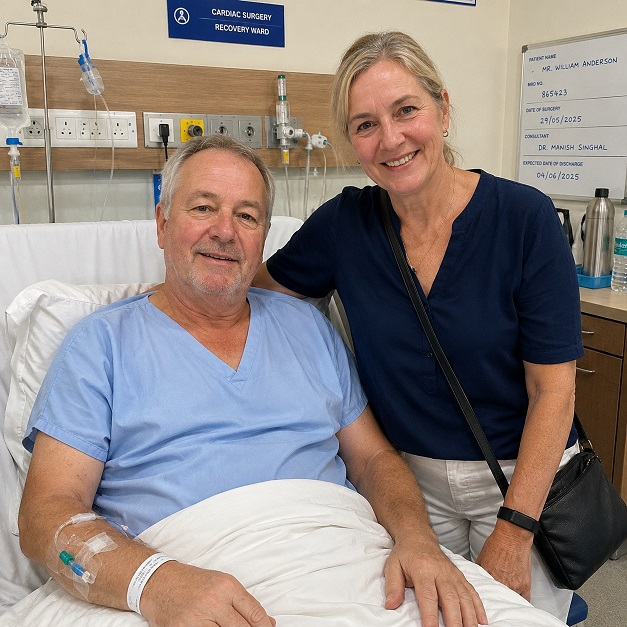
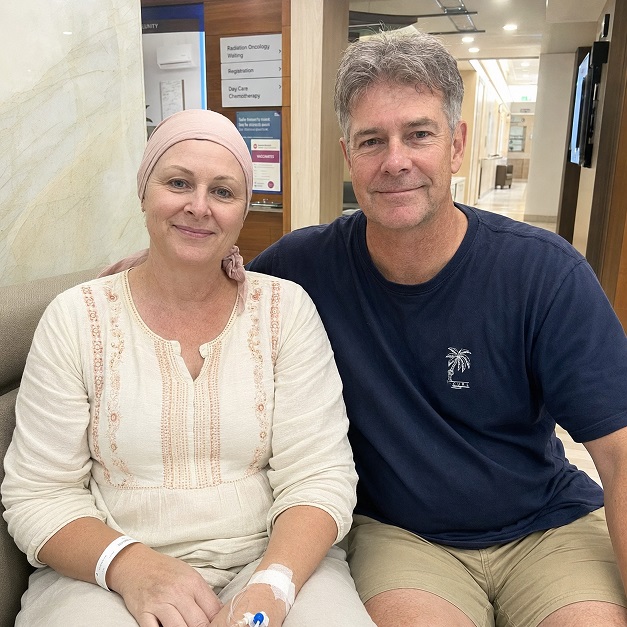
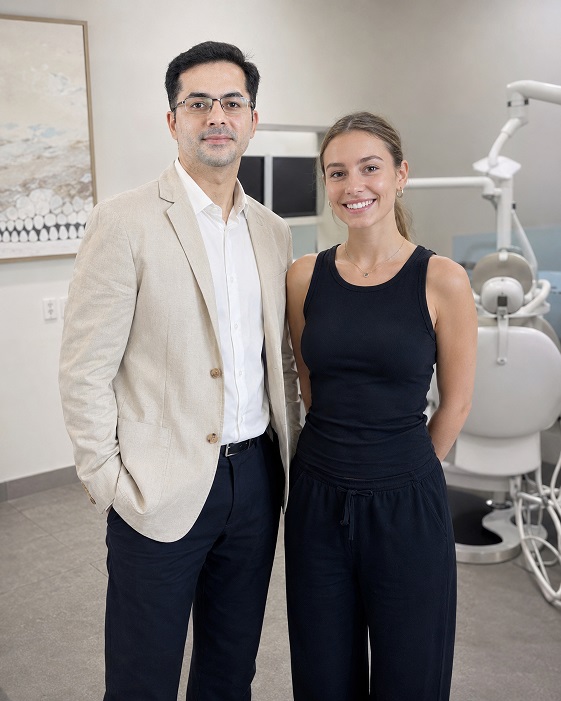
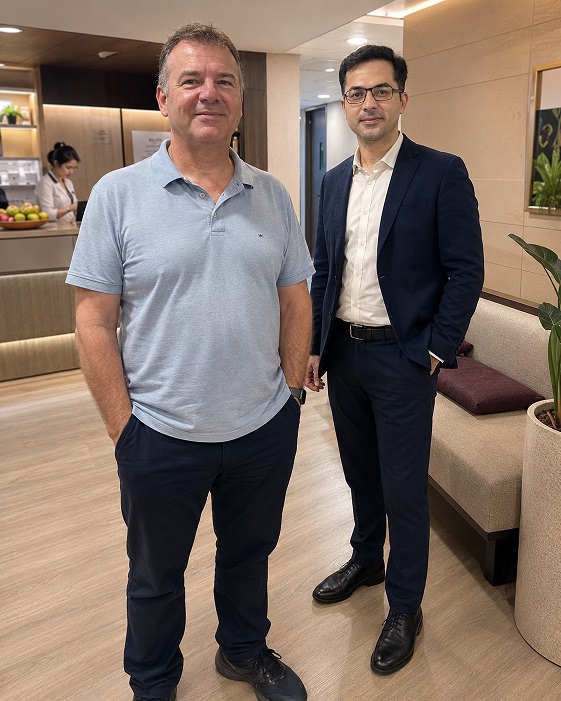
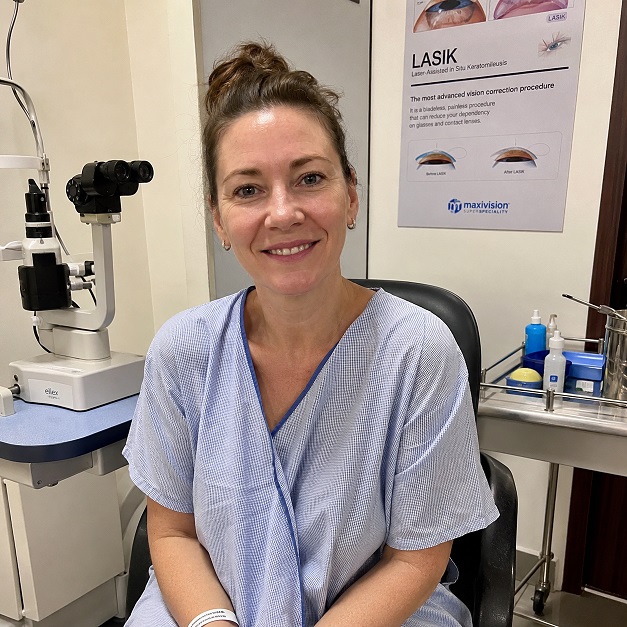
Ready to Take the First Step?
Share your Medical Reports with our Healthcare Managers Today and Get a FREE CONSULTATION, a Personalized Treatment Plan, and Complete Support from Arrival to Recovery.
Get Your Free ConsultationAreas We Serve
This resource has been thoughtfully prepared for patients from Australia who are considering medical treatment in India. We also welcome patients from the wider region in the countries mentioned below-
We regularly assist patients from:
- Fiji
- Vanuatu
- Samoa
- Tonga
- Kiribati
- Nauru
- Tuvalu
- New Zealand
- Solomon Islands
- Papua New Guinea
Many of the insights, treatment pathways, hospital recommendations, travel guidance, and patient support services described here are equally relevant and may be used as a reference when planning treatment in India.
From Australia to India: Your Complete Patient Support Guide
- Cancer Treatment in India for Australian Patients: PBS Gap & Drug Costs
- Cardiac Surgery in India for Australian Patients: TAVI Access & Costs
- Dental Treatment & Surgery in India for Australian Patients
- Hip Surgery in India for Australian Patients: Costs, Waits & Implant Choice
- Knee Surgery in India for Australian Patients: Costs, Waits & Implants
- Neurosurgery in India for Australian Patients: Volume, Costs & When Not to Travel
- Spine Surgery in India for Australian Patients: Costs, Indications & Second Opinions (2026)
- Best Bariatric & Weight Loss Surgeons in India for Australian Patients
- Best Cancer Surgeons & Hospitals in India for Australian Patients
- Best Cardiac Surgeons & Hospitals in India for Australian Patients
- Best Cosmetic Surgeons & Hospitals in India for Australian Patients
- Best Dental Surgeons & Clinics in India for Australian Patients
- Best Hip Surgeons & Hospitals in India for Australian Patients
- Best Knee Surgeons & Hospitals in India for Australian Patients
- Best Scoliosis Surgeons & Hospitals in India for Australian Patients
- Best Spine Surgeons & Hospitals in India for Australian Patients
- Selecting the Best Urosurgery and Reconstructive Urology Centres in India for Australian Patients
- Selecting the Best Bone Marrow Transplant Centres in India for Australian Patients