

Neurosurgery in India for Australian Patients
Some brain surgery should never leave the country, and this briefing will tell you which. For a narrower group, Australia’s limitation is not the skill of its surgeons. It is that 27 million people cannot generate the case volumes that rare cranial surgery rewards.
A 58-year-old teacher in Adelaide. Twelve months of one-sided hearing loss put down to age, then an MRI showing a 22 mm vestibular schwannoma pressing on the brainstem side of the cerebellopontine angle. She has been offered observation, radiosurgery or microsurgery, and given roughly equal weight to each. When she asked her surgeon how many of these he removes in a year, he answered honestly: a handful. He is a good surgeon giving an honest answer. The problem is not him.
Healing Journeys of Australian Patients


Key Takeaways
- Australia provides high-quality urgent neurosurgical care, and the briefing clearly states that conditions such as ruptured aneurysm, acute haemorrhage or trauma, rapid neurological deterioration, and high-grade malignant tumours requiring prompt radiotherapy and chemotherapy should generally be treated in Australia rather than through medical travel.
- The main reason some Australian patients may consider India for rare elective neurosurgery is surgical case volume rather than a lack of Australian surgical expertise.
- The briefing highlights vestibular schwannoma as an example. With an incidence of roughly 3 per 100,000 people annually, Australia's population limits the number of cases available to individual neurosurgical units. Published work cited in the briefing identifies 25 vestibular schwannoma operations per year as a hospital-volume threshold below which outcomes measurably suffer.
- Procedures considered more suitable for carefully planned medical travel include vestibular schwannoma and other skull-base surgery, endoscopic pituitary surgery, stereotactic radiosurgery, microvascular decompression for trigeminal neuralgia, and deep brain stimulation (DBS).
- Deep brain stimulation represents one of the strongest cases for travel discussed in the briefing. Australian DBS patients may face long assessment pathways and substantial out-of-pocket or self-funded costs.
- The briefing estimates an all-in bilateral DBS journey in India at Approximately $35,000 (US$24,500) compared with Approximately $72,000 self-funded in Australia.
- Before travelling, patients should obtain a formal neuroradiology review, multidisciplinary opinion, the surgeon's annual volume for the exact procedure, an itemised quotation, confirmation of a dedicated neurosurgical ICU, and a clear long-term Australian follow-up plan.
- Elective craniotomy generally requires approximately 4–6 weeks in India, while stereotactic radiosurgery may require around two weeks. DBS may require longer because programming sessions follow implantation.
Quick Facts
- Conditions covered
- Vestibular schwannoma, skull-base and cerebellopontine angle tumours, pituitary tumours, trigeminal neuralgia, Parkinson's disease, essential tremor, dystonia, meningioma, selected unruptured aneurysms, Chiari malformation and hydrocephalus
- Procedures mentioned
- Craniotomy, vestibular schwannoma microsurgery, skull-base surgery, endoscopic endonasal pituitary surgery, stereotactic radiosurgery, microvascular decompression and deep brain stimulation (DBS)
- Target audience
- Australian patients considering elective cranial or functional neurosurgery in India
- Author/Advisor
- Dr. Dheeraj Bojwani, Independent Medical Travel Advisor, 24+ years of experience
- Primary treatment principle
- Medical travel is most appropriate for selected rare, elective and technically demanding procedures where specialist case volume may influence outcomes
- Surgical-volume example
- Approximately 25 vestibular schwannoma cases per year is cited as a published hospital-volume threshold
- Treatment access in India
- Approximately 1–3 weeks for elective cranial procedures
- Indicative India procedure costs
- Craniotomy for meningioma: Approximately $11,500; endoscopic pituitary surgery: Approximately $9,800; vestibular schwannoma surgery: Approximately $15,000; stereotactic radiosurgery: Approximately $7,600; bilateral DBS including device: Approximately $26,500
- Indicative India bilateral DBS all-in cost
- Approximately $35,000 / US$24,500
- Indicative Australian self-funded bilateral DBS
- Approximately $60,000–$80,000, with the briefing's comparison using Approximately $72,000
- Typical stay in India
- 4–6 weeks for elective craniotomy; approximately two weeks for stereotactic radiosurgery; potentially longer for DBS because of programming
- DBS consideration
- Confirm in writing before implantation that Australian clinics can programme the specific device model
- Follow-up
- Australian neurologist, neurosurgeon or oncologist and long-term surveillance imaging should be arranged before departure
- Do not travel
- Ruptured aneurysm, acute haemorrhage or trauma, rapid neurological deterioration, suspected high-grade glioma or brain metastases requiring prompt integrated oncology treatment.
In Brief
India may be considered by Australian patients requiring rare, elective and technically demanding cranial or functional neurosurgery where surgical case volume is particularly important. The briefing does not argue that Indian neurosurgeons are better trained than Australian specialists; instead, it focuses on the larger patient catchment available to high-volume Indian centres. Procedures discussed include vestibular schwannoma and skull-base surgery, endoscopic pituitary surgery, stereotactic radiosurgery, trigeminal neuralgia surgery and deep brain stimulation. Urgent neurological conditions and malignant tumours requiring integrated surgery, radiotherapy and chemotherapy should generally remain within the Australian healthcare system.
Start by deciding whether this is a trip at all
I write these briefings to help Australians travel well. This one begins differently, because a significant share of neurosurgery should never leave the country, and any adviser who does not say so plainly is not worth listening to. In 24 years of guiding international patients into Indian hospitals, neurosurgery is the specialty in which I most often tell people to stay where they are.
Australia treats urgent neurosurgical disease quickly and very well. A ruptured aneurysm, an acute subdural, a rapidly deteriorating patient, a high-grade malignant tumour requiring surgery followed within weeks by radiotherapy and chemotherapy — these belong at home, close to your family, your oncologist and your Medicare card. Nothing in this document should persuade you otherwise.
What Australia struggles with is different, and it is not a failure of skill. It is a failure of arithmetic.
| Three Groups, Three Answers | ||
|---|---|---|
| Do not travel | Travel only with careful | Travels well |
| Ruptured aneurysm, acute haemorrhage or trauma, rapid neurological deterioration, suspected high-grade glioma or brain metastases needing prompt radiotherapy and chemotherapy, and any patient whose ongoing oncology care must be delivered in Australia. Go to an Australian hospital today. Distance is the enemy here. | Planning Meningioma with mass effect, large pituitary adenoma, unruptured aneurysm under discussion, epilepsy surgery workup, Chiari and hydrocephalus. Time exists but is not unlimited. The tissue diagnosis, the multidisciplinary plan and the follow-up must all be settled before a ticket is bought. | Vestibular schwannoma, skull base and cerebellopontine angle tumours, endoscopic pituitary surgery, trigeminal neuralgia, stereotactic radiosurgery, and deep brain stimulation for Parkinson’s disease, essential tremor and dystonia. Rare, elective, technically demanding, and rewarded by volume. |
Australia’s real constraint is arithmetic, not skill
Australian neurosurgeons train to a standard as high as anywhere in the world. But neurosurgical outcomes for rare conditions depend heavily on how often a team performs that specific operation, and case volume is a function of population. Australia has 27 million people. That is the whole argument, and it is not one Australian surgeons would dispute in private.
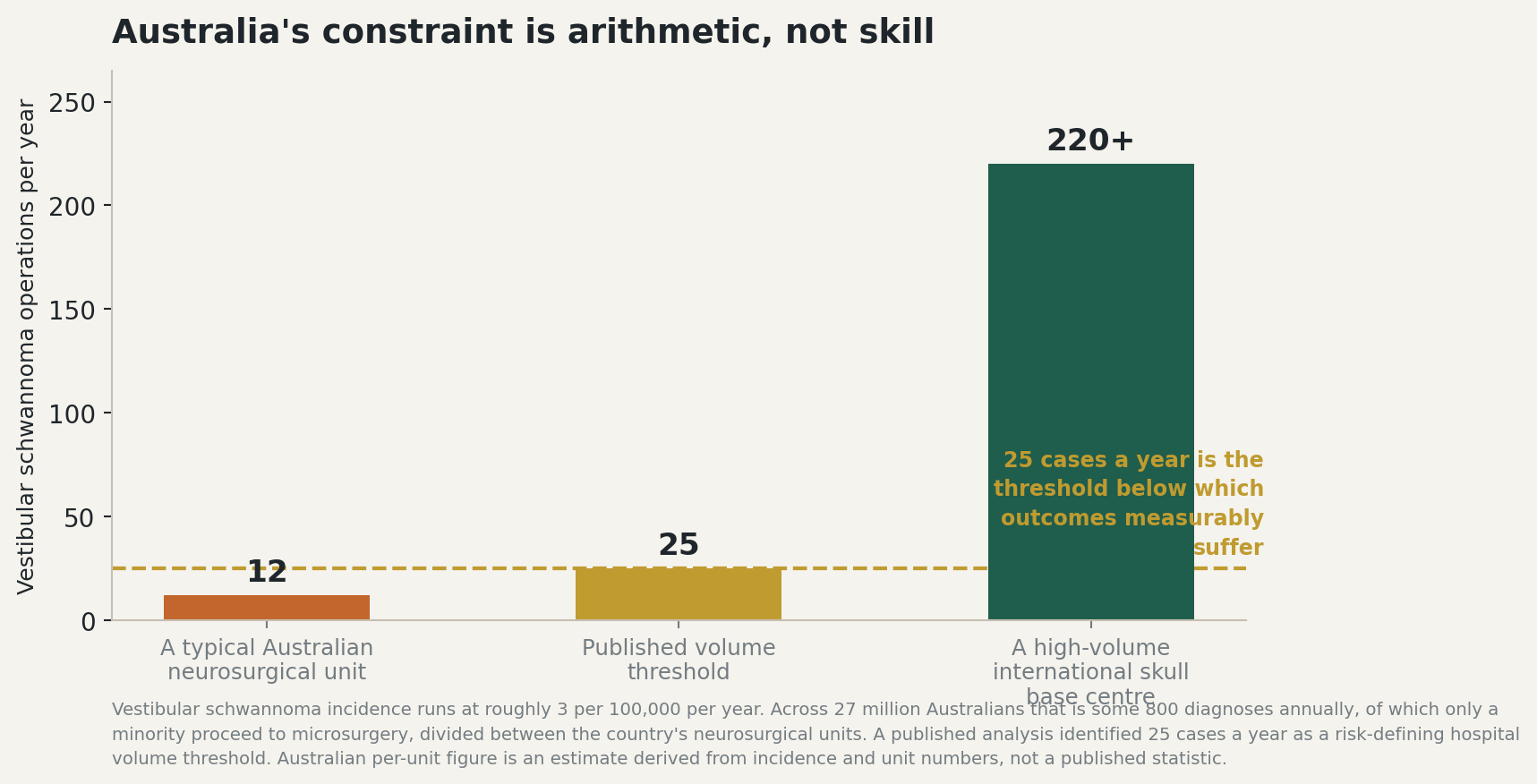
Take the tumour in the vignette. Vestibular schwannoma occurs in roughly three people per 100,000 each year, which across Australia amounts to some eight hundred diagnoses annually. Most are watched or treated with radiosurgery; only a minority proceed to microsurgery, and those are divided among the country’s neurosurgical units. Published work on this operation has identified twenty-five cases a year as a hospital volume threshold below which outcomes measurably suffer. Do the division, and it becomes clear that many Australian units sit under that line — not through any fault of theirs, but because the population cannot supply the cases.
A high-volume international skull base centre drawing on a catchment of hundreds of millions performs the same operation several times a week. In an operation where facial nerve preservation and hearing preservation turn on millimetres and on the surgeon having seen this exact anatomy many times before, that difference is not a marketing point. It is the whole of the matter.
In 24 years I have never argued that Indian surgeons are better trained than Australian ones. For rare cranial work I argue something narrower and harder to dispute: they have done it more often, because far more people walk through their doors.
Where the volume argument bites hardest
Skull base and cerebellopontine angle tumours. Vestibular schwannoma, petroclival meningioma, glomus jugulare. These are the operations where dedicated skull base teams — a neurosurgeon and a neuro-otologist working together, week in and week out — produce results that occasional operators cannot match.
Endoscopic endonasal pituitary surgery. A technique-heavy operation with a genuine learning curve measured in hundreds of cases. High-volume Indian units run dedicated pituitary services with endocrinology alongside.
Deep brain stimulation. Australia has a documented treatment gap: DBS is underused here relative to comparable high-income countries, access runs through a small number of centres with long assessment pathways, and even insured patients commonly face out-of-pocket costs of $7,000 to $25,000. Self-funded, bilateral implantation with the device runs far higher. This is the clearest single case for travel in all of neurosurgery.
Stereotactic radiosurgery. Gamma Knife and equivalent platforms are concentrated in a handful of Australian centres, which means geography and queue position determine access. Indian units run these platforms at high throughput, and for the right lesion this is a two-week trip with no craniotomy at all.
Trigeminal neuralgia. Microvascular decompression is a small operation with a large effect, and its results correlate strongly with how many the surgeon has done.
What must be settled before you fly
Neurosurgery punishes improvisation more than any other specialty, and the errors that hurt patients are almost never technical. They are errors of sequence.
The diagnosis, not the impression. Have the imaging formally reread by a neuroradiologist at the receiving unit, and be clear which findings are certain and which are presumed. Planning cranial surgery from a report alone is the commonest avoidable mistake.
A multidisciplinary opinion, not a surgeon’s opinion. Ask whether your case will go before a tumour board or a movement disorders panel, and ask for that in writing. A unit that offers only a single surgeon’s view on a brain tumour is telling you something.
What happens if the histology surprises everyone. A presumed meningioma is occasionally something else. Ask what the plan becomes on that day, who tells you, and what it costs.
The adjuvant plan, and where it will be delivered. If radiotherapy or chemotherapy may follow, it must be deliverable in Australia and your oncologist must be willing to take it on. Establish this before departure, not after.
Who reads your scans for the next ten years. Cranial follow-up is measured in years. Name the Australian doctor who will do it and give them the dates in advance.
What the money actually looks like
Neurosurgery is not one price any more than it is one operation. A stereotactic radiosurgery session and a bilateral DBS implantation sit at opposite ends of a very wide range, and the first task with any quote is to establish exactly which operation it describes.
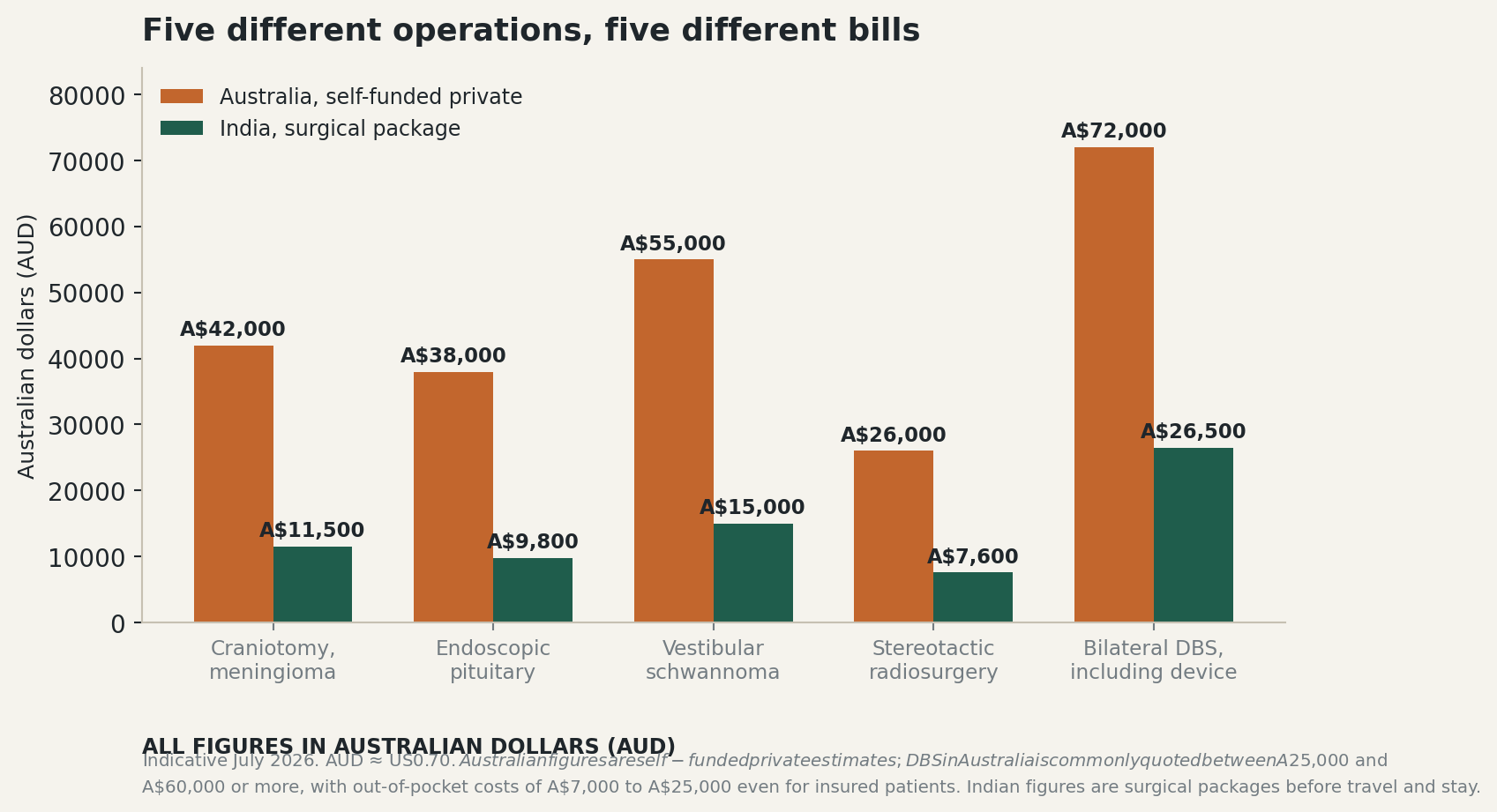
The gaps are wider than in orthopaedics because the implant and technology component is larger, and because Australian private neurosurgery carries substantial surgeon, assistant, anaesthetic and neuromonitoring fees that are billed separately. Deep brain stimulation shows this most starkly: commonly quoted between $25,000 and $60,000 or more in Australia, with the device itself a significant part of the bill.
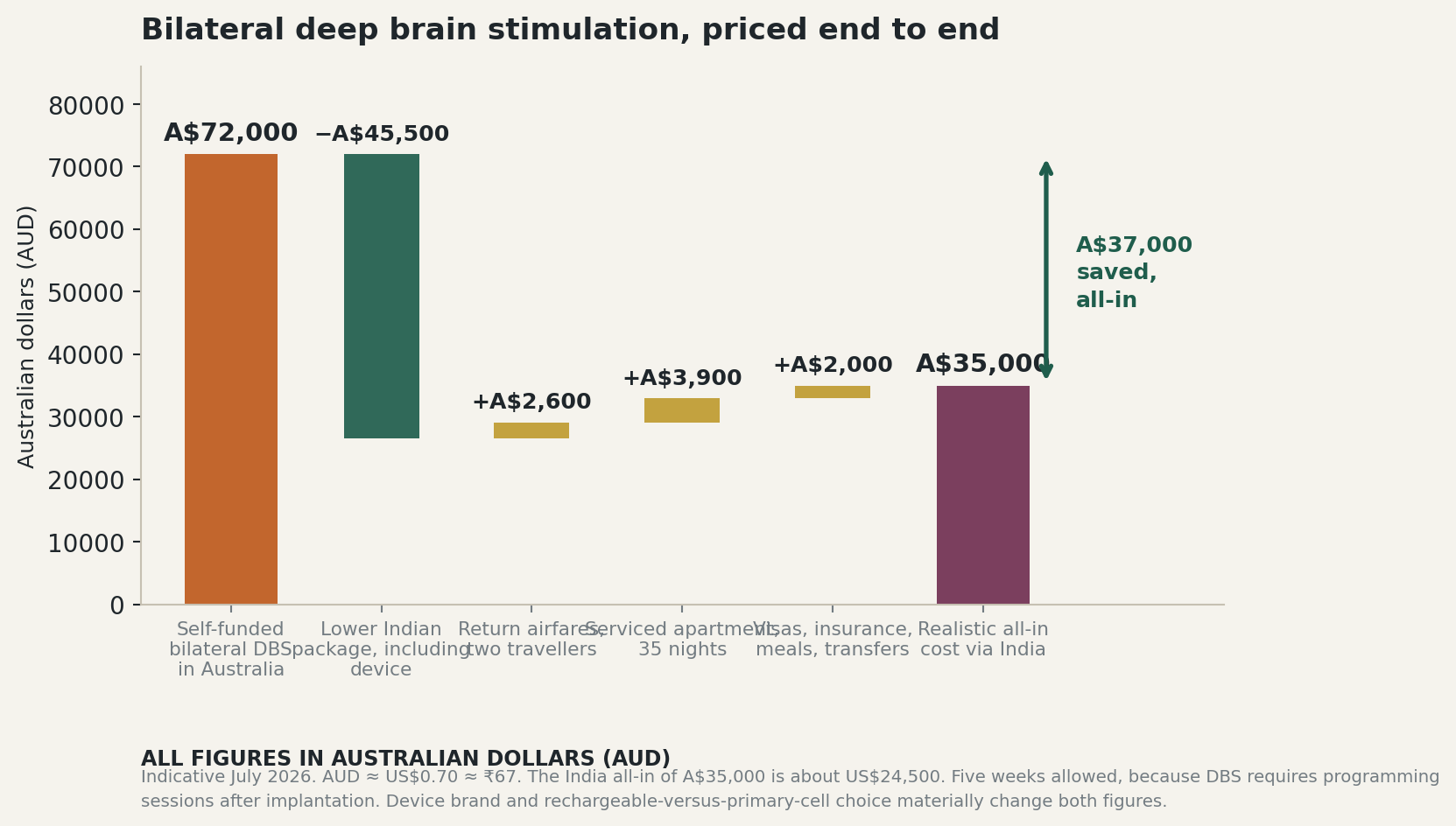
Even after airfares, five weeks of accommodation, visas and transfers, a bilateral DBS undertaken in India comes to roughly $35,000 — about US$24,500 — against Approximately $72,000 self-funded at home. What does not travel with you is reimbursement: Medicare does not pay for treatment overseas and fund rebates apply to Australian admissions. Insist on a written, itemised, all-inclusive quote naming the device brand, the number of programming sessions included and what a longer intensive care stay would cost.
Your four options, side by side
| Public list | Private, insured | Private, self-funded | India | |
|---|---|---|---|---|
| Time to surgery, elective cranial | Many months | 4–12 weeks | 4–12 weeks | 1–3 weeks |
| Out-of-pocket, bilateral DBS | Nil, if accepted | $7,000– $25,000 | $60,000–$80,000 | About $35,000 all-in (US$24,500) |
| Surgeon’s annual volume in your operation | Rarely disclosed | Rarely disclosed | Rarely disclosed | Ask, and get it in writing |
| Choice of surgeon | No | Yes | Yes | Yes |
| Stereotactic radiosurgery access | Few centres, queued | Few centres | Few centres | Routine, high throughput |
| Tumour board review | Yes | Usually | Usually | Confirm in writing |
| Long-term follow-up and adjuvant therapy | Built in | Built in | Built in | Arrange before you fly |
All dollar figures are Australian dollars (AUD) unless marked US$. Times and costs indicative, July 2026.
What you are actually getting for it
Repetition, which is the point. The senior surgeons at India’s major neurosurgical centres operate on volumes that no Australian unit can generate, and in cranial surgery repetition is the closest thing to a guarantee that exists. Ask for the number. A confident unit gives it immediately.
Intraoperative technology as standard rather than as an upgrade. Neuronavigation, intraoperative neurophysiological monitoring, intraoperative MRI in the larger centres, endoscopic skull base platforms, and awake craniotomy with cortical mapping for tumours near eloquent cortex. In good Indian units these are included in the package rather than billed as extras or rationed by availability.
A dedicated neurosurgical intensive care unit. The first seventy-two hours after cranial surgery determine a great deal, and a unit with neurointensivists and neuro-trained nursing is materially different from a general ICU. Ask specifically whether the ICU is neurosurgical.
Accreditation that means something specific. JCI is the international arm of the body accrediting hospitals across the United States; NABH is India’s national equivalent, recognised by the same global standards authority. Either means an external inspector has audited infection control, surgical checklists and record-keeping against a published standard, and you can verify it independently before you travel.
Rehabilitation that is genuinely supervised. Cranial recovery involves physiotherapy, speech therapy and sometimes vestibular rehabilitation, and in India these run daily under one roof rather than as separate appointments you chase from home.
Optimisation before the knife. A quality unit will check your HbA1c, review anticoagulants and antiplatelets carefully, insist on dental clearance where an implant is involved, and ask about smoking. A hospital raising these things is prioritising your outcome over its booking.
Why India rather than Bangkok, Kuala Lumpur or Istanbul
Australians exploring medical travel are shown Thailand, Malaysia and Turkey first, because those destinations market hard here. India competes on exactly the ground this specialty is decided on: catchment. Its major neurosurgical centres draw from a population of over a billion, which produces the case volumes, the sub-specialised skull base and functional teams, and the depth of neuro-anaesthesia and neurocritical care that follow from them. Its entire medical record is produced in English, so nothing needs translating before your Australian neurologist or oncologist can read it. Its costs remain the lowest of the serious destinations. And a large, settled Indian community at home means family, language and familiarity are closer to India than to anywhere else on that list.
Two questions everyone asks, answered properly
Who looks after me when I get home? For neurosurgery this is not a formality, it is the central logistical question, because your care continues for years. Speak to your GP and your neurologist before you go, give them the dates, and confirm who will review your surveillance imaging and on what schedule. If chemotherapy or radiotherapy may follow, get your oncologist’s agreement in advance. Patients who arrange this properly do well; patients who assume it will sort itself out are the ones who struggle.
What about infection? Meningitis, cerebrospinal fluid leak and surgical site infection are the complications that matter after cranial surgery, and good units manage them actively rather than hope. Ask for the unit’s cranial surgical site infection and CSF leak rates, and whether it screens patients beforehand; strong centres share these figures readily. Ask for any culture result in writing, and tell your Australian doctors on return that you have had surgery overseas.
What to say to your family
The objection nobody writes about is not clinical. It is the phone call in which you tell your daughter you are having brain surgery in India, and the silence that follows. With neurosurgery that silence is longer than with any other operation, and it deserves a proper answer rather than reassurance.
Give her specifics. Name the hospital and its accreditation, and invite her to verify it. Name the surgeon, his training, and how many of your exact operation he performed last year — that number is the whole case, and it is usually the moment the conversation turns. Tell her the case is going before a tumour board, not one surgeon. Tell her your Australian neurologist already has the dates and has agreed to take over the follow-up. Explain that you are staying five weeks precisely so that nothing is rushed and the histology is in your hand before you board. Families do not object to India; they object to the sense that someone they love is improvising with something irreversible. Show them the work and the objection generally dissolves. Better still, bring one of them — the attendant visa exists for this, and after cranial surgery a second set of ears in every consultation is not a luxury.
Four to six weeks, and the tail matters more than the operation
Cranial surgery is not a procedure you fly home from quickly. Allow four to six weeks for an elective craniotomy, longer for deep brain stimulation because programming sessions follow implantation, and around two weeks for stereotactic radiosurgery, which involves no craniotomy at all.
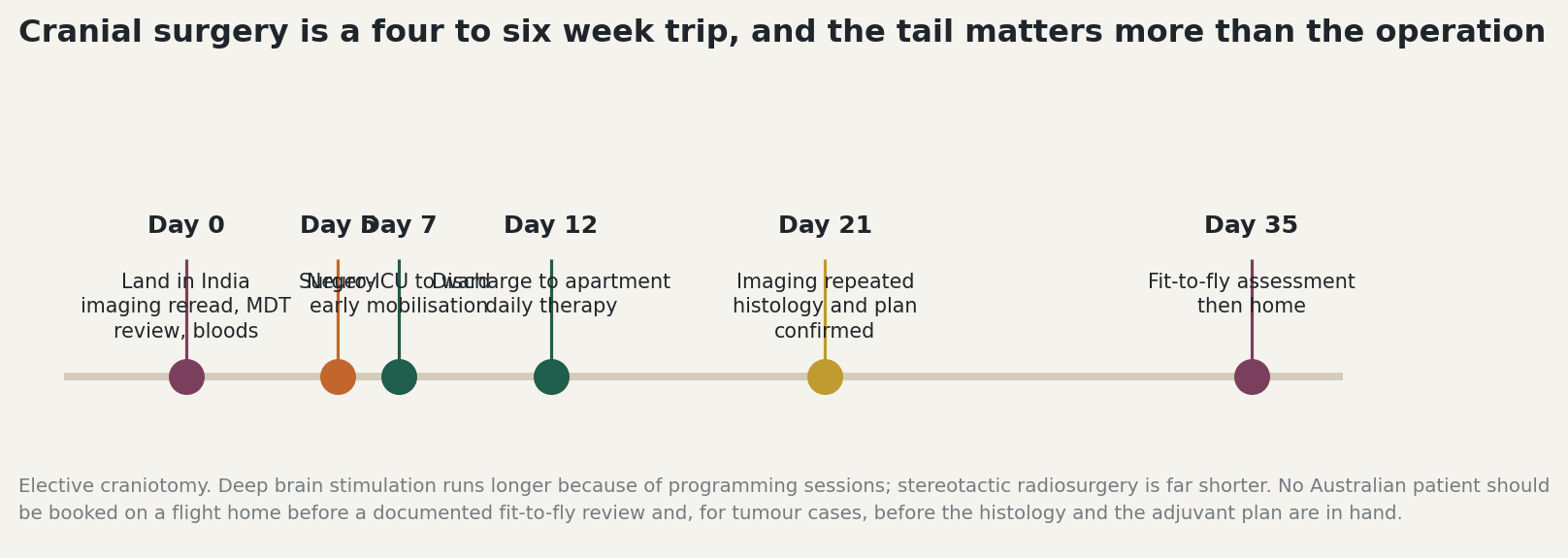
Do not book a fixed return. Air travel after craniotomy carries specific considerations around intracranial air, seizure risk and pressure changes, and the decision to fly should follow a documented fit-to-fly assessment rather than a ticket bought in March. For tumour cases, do not leave before the histology is confirmed and the adjuvant plan is written down, because those two documents determine everything that happens to you for the next year. Ask for a written seizure-precaution and driving-restriction statement as well; Australian licensing authorities will want it.
Seven Things to Have in Writing Before You FLY
1. The surgeon’s annual volume in your specific operation. Not total cases, not the hospital’s figure — his, in your operation, last year. This is the single most predictive question you can ask, and it is the whole reason for travelling.
2. A formal reread of your imaging by a neuroradiologist at the receiving unit, and a written statement of what is certain and what is presumed.
3. Confirmation of multidisciplinary review — tumour board or movement disorders panel, named and dated, rather than a single surgeon’s recommendation.
4. An itemised, all-inclusive price, naming the device or implant where relevant, the number of intensive care days assumed, and the cost of exceeding them.
5. The plan if the histology differs from the expectation, including who informs you and what changes.
6. Confirmation that the intensive care unit is neurosurgical, and that neuromonitoring and navigation will be used.
7. Your Australian aftercare, already agreed: the neurologist or oncologist who will follow you, the surveillance imaging schedule, and where any adjuvant therapy will be delivered.
Practicalities for Australians
Australian passport holders are eligible for India’s electronic medical visa, issued against an invitation letter from the treating hospital, with an e-medical attendant visa for whoever travels with you — apply for both in the same batch, and allow longer than you think, because neurosurgical units often want their own imaging review completed before issuing the invitation. Send the imaging study itself rather than the radiologist’s report; for cranial work the surgeon needs the full sequences, and for suspected tumours any previous scans as well, because growth rate changes the recommendation.
Before flying home, collect a discharge pack: the operation note, histology report, implant or device identification card with serial numbers and programming parameters where relevant, post-operative imaging, culture results, anticoagulation plan, anticonvulsant plan with intended duration, driving restrictions, the surveillance imaging schedule, and a written rehabilitation protocol. For DBS patients, ask additionally for the device manufacturer’s patient identification card and confirmation that Australian clinics can program that model — this is a specific and important question, and the answer should be obtained in writing before implantation rather than after.
A closing word
Neurosurgery rewards two things above all: choosing the right operation, and choosing someone who has done it many times. For urgent disease and for cancers needing integrated treatment, Australia gives you both and you should stay. For a rare, elective, technically demanding operation — a schwannoma at the skull base, a pituitary tumour through the nose, a deep brain stimulator that would otherwise cost you a year on a pathway and tens of thousands of dollars — the honest answer is that a high-volume centre elsewhere may have done your operation two hundred times this year, and your local unit twelve. If you would like a second opinion on your imaging, or a review of a quote you are holding, send the study itself and I will look at it properly, including telling you if I think you should not travel at all.
Sources
- 🌐 Marinelli et al. and Fernández-Méndez et al. on vestibular schwannoma incidence, Acta Neurochirurgica and related epidemiological reviews
- 🌐 Published analysis identifying a 25-case annual hospital volume threshold for vestibular schwannoma surgery
- 🌐 Stein, Higgins, Gajwani and Gericke, “The treatment gap for deep brain stimulation in Parkinson’s disease: a comparative analysis of cost and utilisation in high-income countries”, Australian Health Review , 2024
- 🌐 Parkinson’s Australia, deep brain stimulation care pathway
- 🌐 Australian private hospital and health fund published procedure costs, 2026
- 🌐 High Commission of India, e-Visa categories and eligibility
Frequently Asked Questions by Australian Patients about Neurosurgery in India
Why might Australian patients consider neurosurgery in India?
The briefing’s main argument is surgical case volume, not a lack of expertise in Australia. For rare and technically demanding procedures such as vestibular schwannoma, skull-base surgery, endoscopic pituitary surgery and DBS, high-volume Indian centres may perform substantially more of the same operation because they serve a much larger patient population.
Which neurosurgical conditions should not involve medical travel?
The briefing advises against travel for ruptured aneurysm, acute haemorrhage or trauma, rapid neurological deterioration, suspected high-grade glioma or brain metastases requiring prompt radiotherapy and chemotherapy, and cases where ongoing oncology treatment must be delivered in Australia.
Which neurosurgical procedures may be suitable for treatment in India?
The briefing identifies vestibular schwannoma and other skull-base surgery, endoscopic pituitary surgery, stereotactic radiosurgery, microvascular decompression for trigeminal neuralgia, and deep brain stimulation for Parkinson’s disease, essential tremor and dystonia as procedures that may travel well in appropriately selected patients.
Why is surgeon case volume important for vestibular schwannoma surgery?
The briefing cites published work identifying approximately 25 vestibular schwannoma operations per year as a hospital-volume threshold below which outcomes measurably suffer. It therefore recommends asking for the individual surgeon’s annual volume for the exact procedure rather than relying only on total hospital case numbers.
How much does deep brain stimulation cost in India compared with Australia?
The briefing lists an Indian bilateral DBS surgical package, including the device, at approximately Approximately $26,500. Including indicative flights, accommodation, visas, insurance and transfers, it estimates an all-in cost of Approximately $35,000 (US$24,500), compared with Approximately $72,000 self-funded in Australia in its comparison.
Is stereotactic radiosurgery an alternative to open brain surgery?
For some smaller lesions, yes. The briefing states that stereotactic radiosurgery deserves genuine consideration because it avoids craniotomy. However, it may not be appropriate for large tumours causing mass effect and requires ongoing surveillance because its effect develops more gradually.
How long should Australian patients stay in India after neurosurgery?
The briefing recommends approximately 4–6 weeks after an elective craniotomy, longer for DBS because programming sessions follow implantation, and around two weeks for stereotactic radiosurgery. Patients should not book a fixed return flight and should undergo a documented fit-to-fly assessment.
What should patients confirm before travelling for brain surgery in India?
Patients should obtain the surgeon’s annual volume for their exact operation, a formal neuroradiology reread, confirmation of multidisciplinary review, an itemised all-inclusive quotation, a contingency plan for unexpected histology, confirmation of a dedicated neurosurgical ICU with neuromonitoring and navigation, and an agreed Australian aftercare plan.
Can an Australian neurologist manage a DBS device implanted in India?
Usually, according to the briefing, when the device comes from a major international manufacturer. However, patients should confirm in writing before implantation that Australian clinics can programme the specific device model and use compatible programming systems.
What follow-up should be arranged in Australia before travelling?
Patients should identify the Australian neurologist, neurosurgeon or oncologist who will manage long-term follow-up and establish the surveillance imaging schedule before departure. If radiotherapy or chemotherapy could be required after tumour surgery, the Australian oncology team should agree to the follow-up plan in advance.
My tumour is malignant and I need radiotherapy afterwards. Should I travel?
Generally no. Where surgery must be followed within weeks by radiotherapy and chemotherapy, and where oncological follow-up will run for years, the case for staying in Australia is strong. Travel suits benign, elective and technically demanding work, not integrated cancer pathways.
How do I judge an Indian neurosurgeon from Australia?
Ask for his annual volume in your exact operation, his fellowship training and where it was done, whether he will personally perform the surgery, and whether he will speak to you on video before any deposit. Ask the same questions of your Australian surgeon. The comparison is usually more informative than either answer alone.
Will Medicare or my health fund reimburse any of this?
No — Medicare does not cover treatment overseas and fund hospital benefits apply to Australian admissions. A small number of corporate and international policies carry overseas benefits, so ask your fund in writing rather than assuming.
Is radiosurgery an alternative to opening my skull?
For many smaller lesions, yes, and it deserves genuine consideration rather than a passing mention. It is not suitable for large tumours causing mass effect, and it trades an immediate surgical risk for a slower response and long-term surveillance. Ask for both options to be put to you with their respective trade- offs.
How long before I can fly home after a craniotomy?
Four to six weeks is the usual planning assumption, on a changeable ticket, following a documented fit- to-fly assessment. For tumour cases, also wait for the histology and the written adjuvant plan.
Can my Australian neurologist manage a DBS device implanted in India?
Usually yes where the device is from a major international manufacturer, but confirm it specifically and in writing before implantation, including which programming systems Australian clinics use. This is not a question to discover the answer to after you land home.
What if something goes wrong while I am there?
Choose a unit with a dedicated neurosurgical intensive care unit and establish in writing what the hospital covers if you need a return to theatre or a longer intensive care stay during your admission. Good units set this out in advance without being pressed.
Page Summary
This guide explains when neurosurgery in India may—and may not—be appropriate for Australian patients, centred on surgical case volume for rare procedures such as vestibular schwannoma surgery, endoscopic pituitary surgery, stereotactic radiosurgery and deep brain stimulation, where Australia's smaller population limits how often individual centres operate. Ruptured aneurysms, acute haemorrhage, neurological deterioration and malignant tumours needing rapid oncology treatment should stay in Australia. For suitable elective patients, it covers surgeon-volume verification, neuro-ICU facilities and long-term Australian follow-up. An all-in bilateral DBS journey in India is estimated at Approximately $35,000 against around $72,000 self-funded in Australia, and Medicare does not reimburse overseas treatment.
Citation Block
| Topic | Information |
|---|---|
| Topic Information | Details |
| Procedure | Cranial & Functional Neurosurgery |
| Country | India |
| Intended Audience | Australian Patients |
| Conditions Covered | Vestibular Schwannoma, Skull-Base Tumours, Pituitary Tumours, Trigeminal Neuralgia, Parkinson's Disease, Essential Tremor, Dystonia |
| Procedures | Craniotomy, Skull-Base Surgery, Endoscopic Pituitary Surgery, Radiosurgery, Microvascular Decompression, DBS |
| Typical Stay | 4–6 Weeks for Elective Craniotomy; Around 2 Weeks for Radiosurgery |
| DBS Stay | May Be Longer Due to Programming Sessions |
| Elective Treatment Access | Approximately 1–3 Weeks |
| Vestibular Schwannoma Volume Threshold Cited | 25 Cases Per Year |
| India Bilateral DBS Package | Approximately $26,500 |
| Follow-Up | Long-Term Australian Neurology/Oncology Follow-Up Should Be Arranged Before Travel |
| Author | Dr. Dheeraj Bojwani |
| Experience | 24+ Years as a Medical Travel Advisor |

Our Mission Statement
Our mission is to place patients at the centre of every healthcare decision by providing trustworthy, evidence-based, and unbiased medical information. We believe that informed patients make better decisions. Backed by personalised guidance from our experienced advisory team, we help patients understand their treatment options, compare them objectively, and confidently choose the path that best suits their medical needs and personal circumstances.
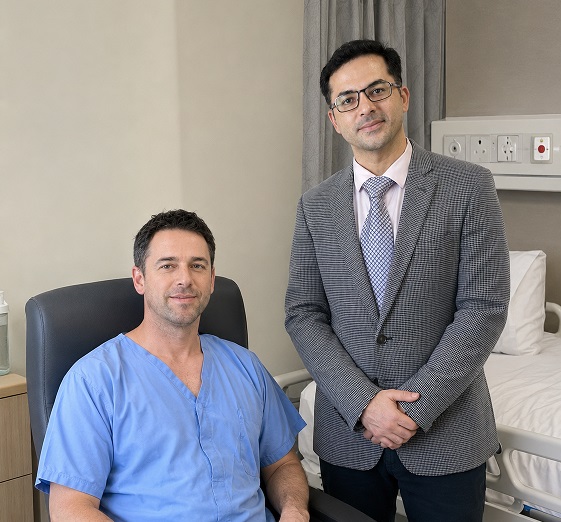
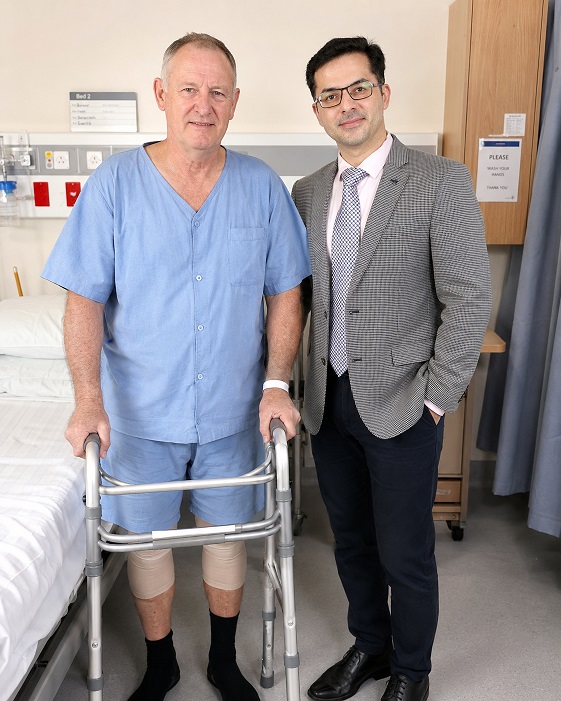
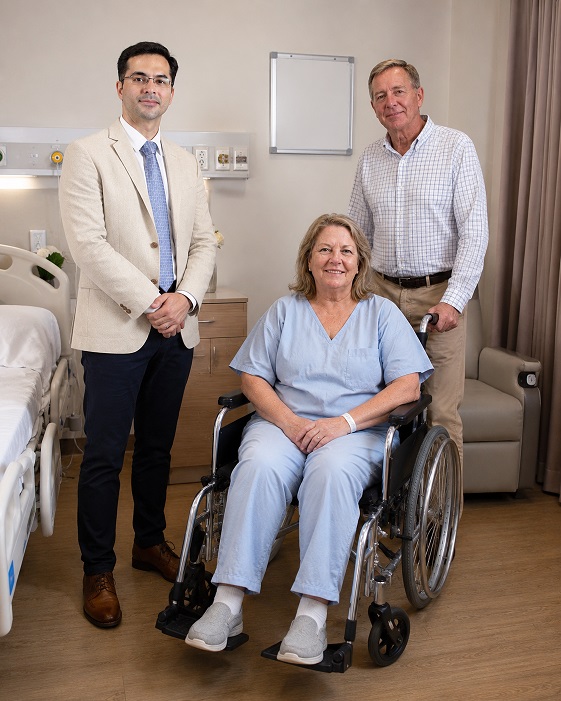
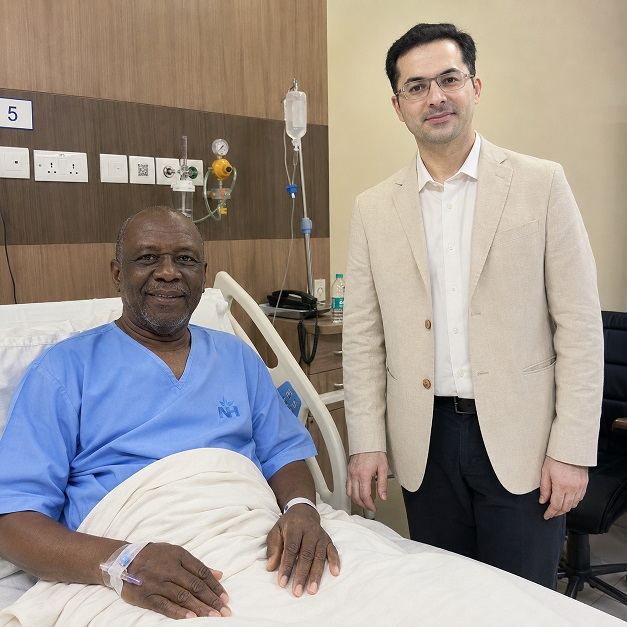
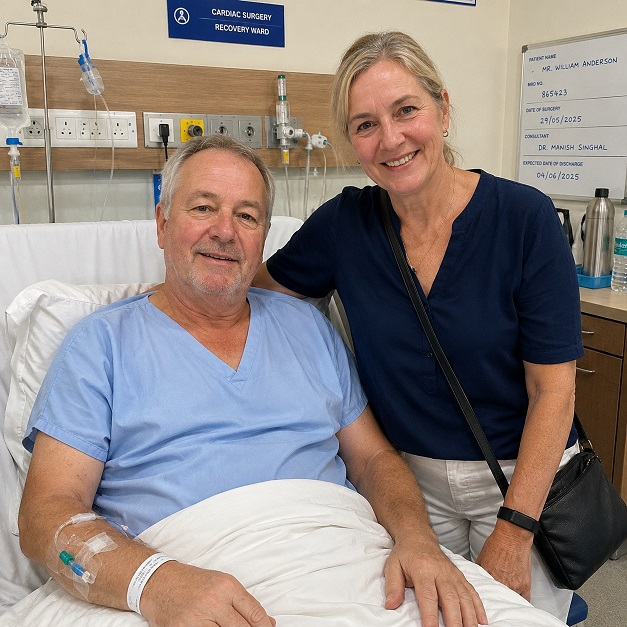
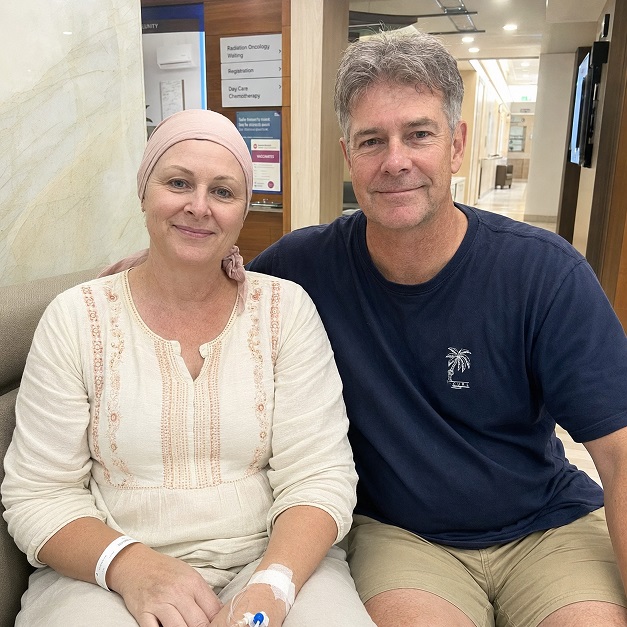
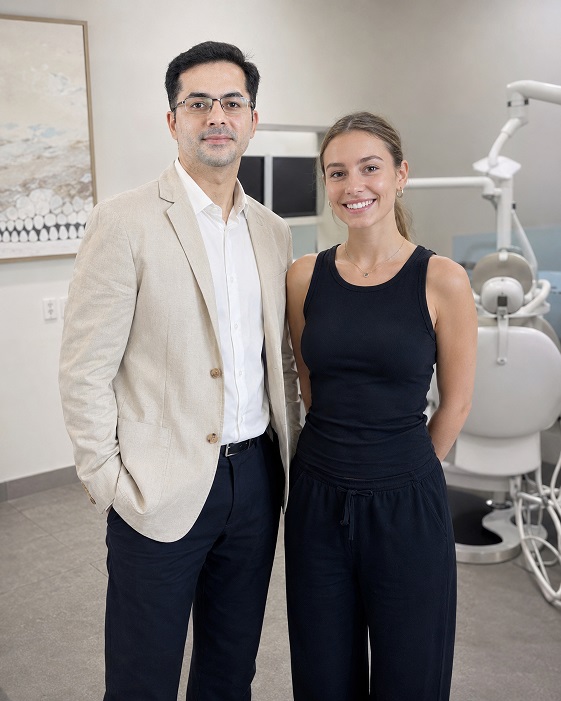
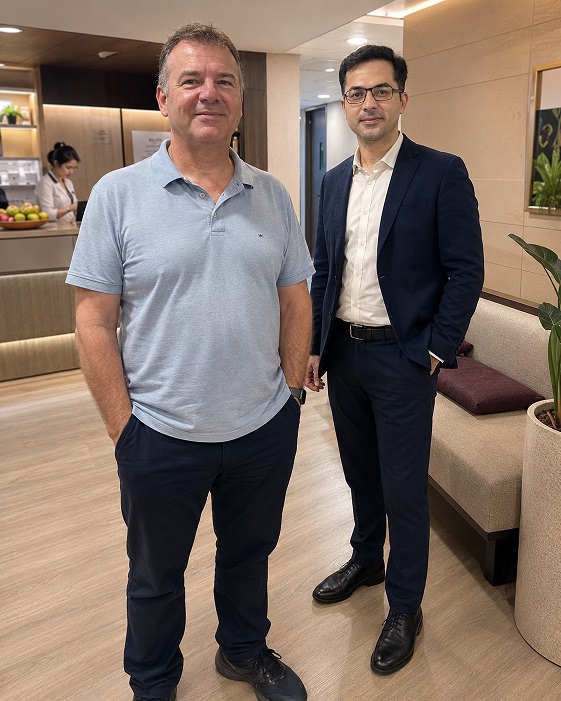
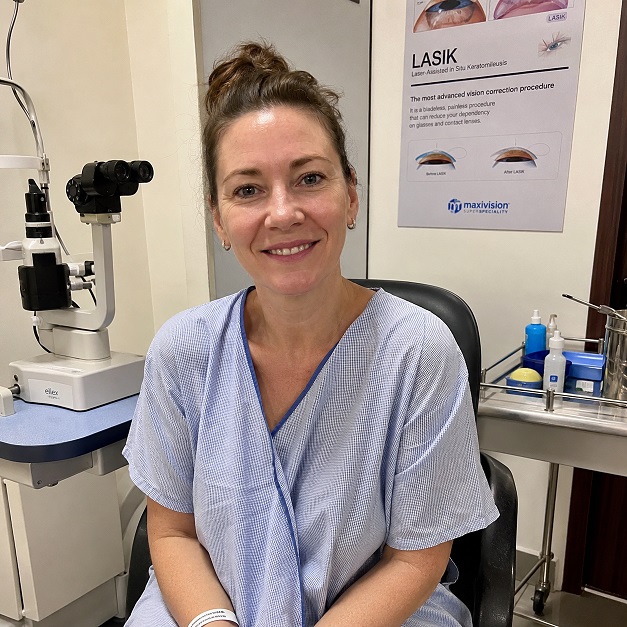
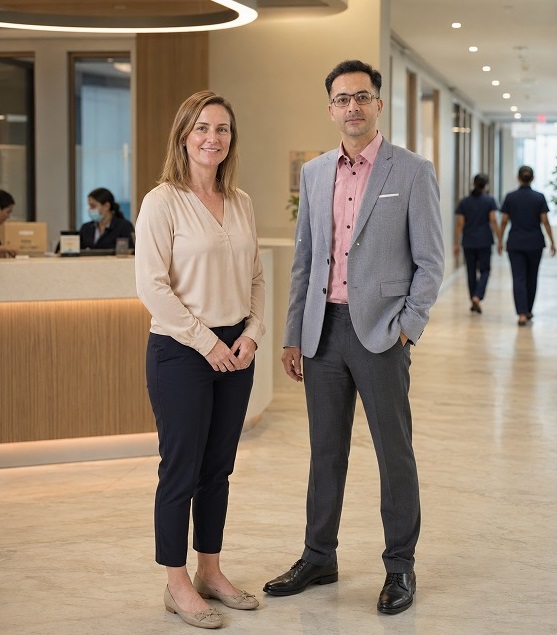
Patient Testimonials from Australia
Ready to Take the First Step?
Share your Medical Reports with our Healthcare Managers Today and Get a FREE CONSULTATION, a Personalized Treatment Plan, and Complete Support from Arrival to Recovery.
Get Your Free ConsultationAreas We Serve
This resource has been thoughtfully prepared for patients from Australia who are considering medical treatment in India. We also welcome patients from the wider region in the countries mentioned below-
We regularly assist patients from:
- Fiji
- Vanuatu
- Samoa
- Tonga
- Kiribati
- Nauru
- Tuvalu
- New Zealand
- Solomon Islands
- Papua New Guinea
Many of the insights, treatment pathways, hospital recommendations, travel guidance, and patient support services described here are equally relevant and may be used as a reference when planning treatment in India.
From Australia to India: Your Complete Patient Support Guide
- Cancer Treatment in India for Australian Patients: PBS Gap & Drug Costs
- Cardiac Surgery in India for Australian Patients: TAVI Access & Costs
- Dental Treatment & Surgery in India for Australian Patients
- Hip Surgery in India for Australian Patients: Costs, Waits & Implant Choice
- Knee Surgery in India for Australian Patients: Costs, Waits & Implants
- Neurosurgery in India for Australian Patients: Volume, Costs & When Not to Travel
- Spine Surgery in India for Australian Patients: Costs, Indications & Second Opinions (2026)
- Best Bariatric & Weight Loss Surgeons in India for Australian Patients
- Best Cancer Surgeons & Hospitals in India for Australian Patients
- Best Cardiac Surgeons & Hospitals in India for Australian Patients
- Best Cosmetic Surgeons & Hospitals in India for Australian Patients
- Best Dental Surgeons & Clinics in India for Australian Patients
- Best Hip Surgeons & Hospitals in India for Australian Patients
- Best Knee Surgeons & Hospitals in India for Australian Patients
- Best Scoliosis Surgeons & Hospitals in India for Australian Patients
- Best Spine Surgeons & Hospitals in India for Australian Patients
- Selecting the Best Urosurgery and Reconstructive Urology Centres in India for Australian Patients
- Selecting the Best Bone Marrow Transplant Centres in India for Australian Patients