

Selecting the Best Bariatric and Weight Loss Surgeons and Hospitals in India for Australian Patients
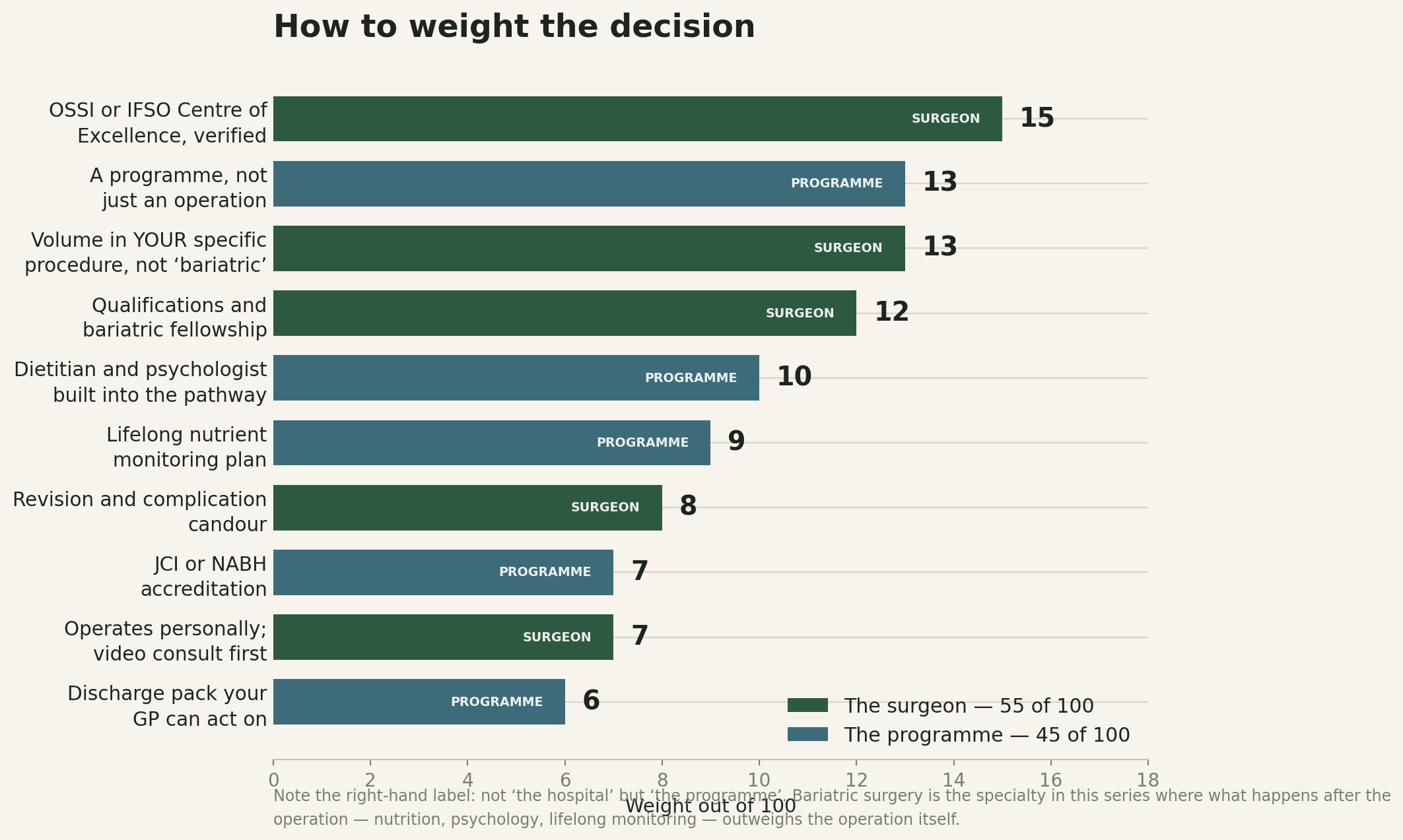
Ten criteria, weighted — but the biggest one is not about the operation at all. It is whether the follow-up still exists in three years, long after the flight home.
Every other guide in this series is about choosing someone to perform an operation. This one is different, and it is worth saying so plainly before anything else: bariatric surgery is not an event you select a surgeon for. It is the opening step of a programme you will live inside for the rest of your life — and the criteria that matter most are not all about the person holding the instruments.
In 24 years of guiding international patients into Indian hospitals, the bariatric patients who do well are almost never the ones who found the cheapest sleeve gastrectomy. They are the ones who found a programme that was still checking their vitamin levels three years later.
This matters because bariatric surgery, unlike most operations in this series, changes your body’s basic physiology in ways that require active management for the rest of your life. A knee replacement, once healed, is largely finished business. A gastric bypass is the beginning of a different relationship with food, nutrition and your own metabolism, and the surgeon who performs it is only ever one part of managing that relationship well.
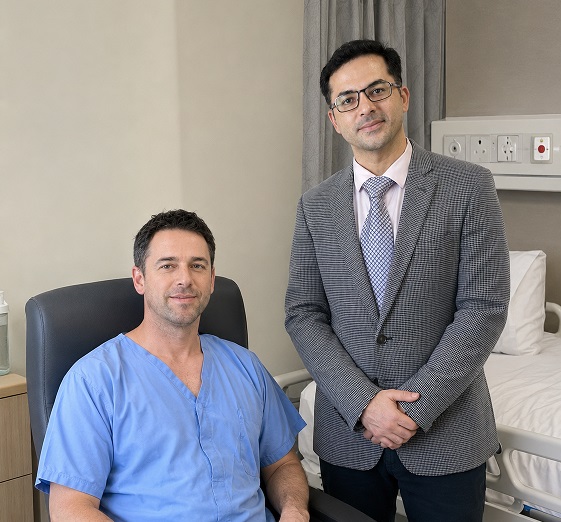
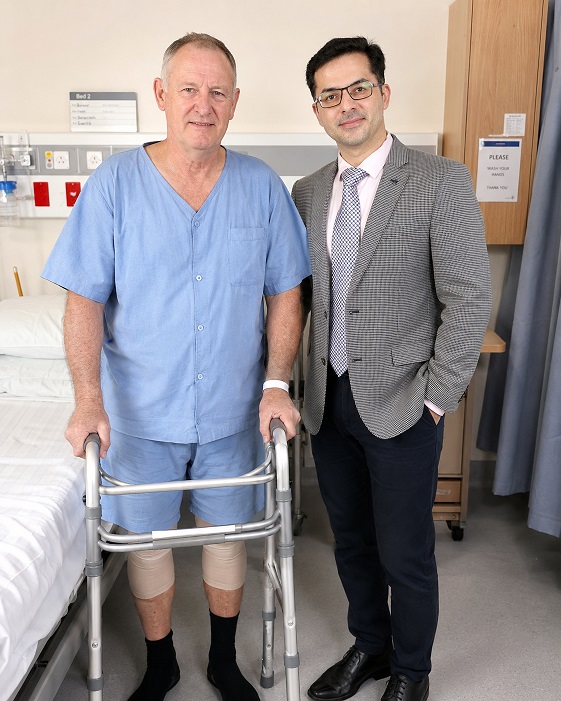
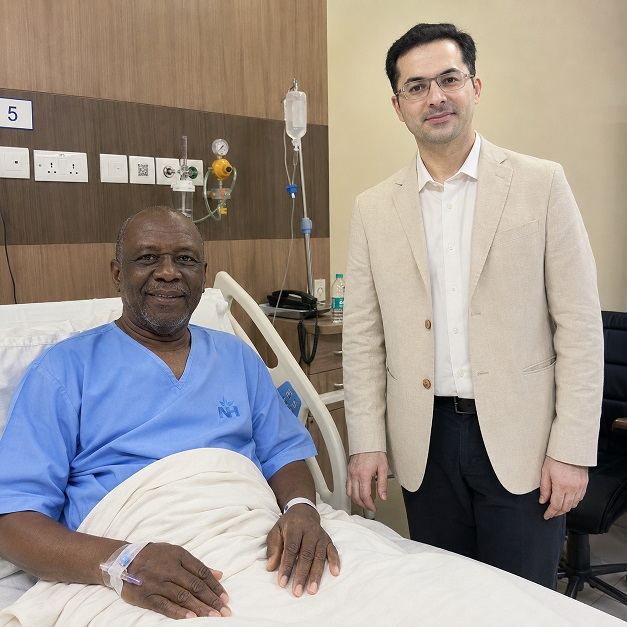
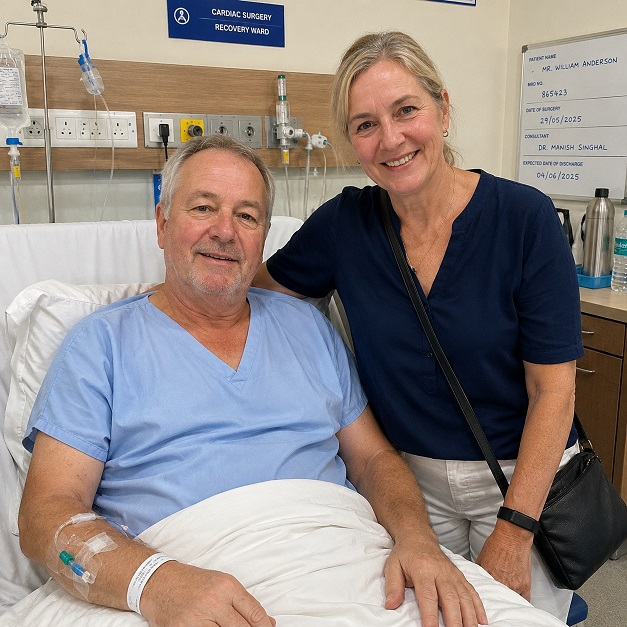
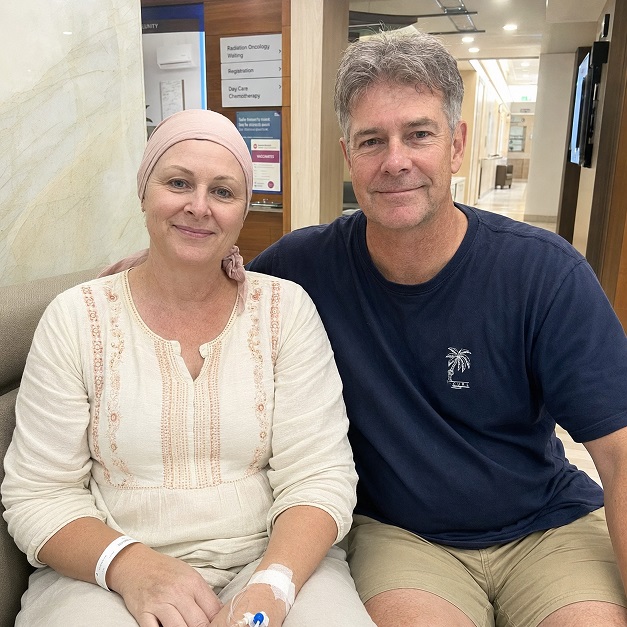
Healing Journeys of Australian Patients


Key Takeaways
- Bariatric surgery should be evaluated as a long-term weight management programme rather than a one-time operation, because nutritional monitoring, dietary support and follow-up continue long after surgery.
- Australian patients considering bariatric surgery in India should verify whether the surgeon or bariatric unit holds OSSI or IFSO Centre of Excellence status and should independently confirm these credentials.
- Important surgeon-selection criteria include dedicated bariatric or metabolic surgery training, experience with the specific procedure being recommended, willingness to discuss complication and revision rates, and a direct consultation with the surgeon before treatment.
- Common procedures discussed include sleeve gastrectomy, Roux-en-Y gastric bypass, mini/one-anastomosis bypass and duodenal switch. Gastric banding is highlighted as a procedure that many high-volume centres have moved away from because of its comparatively high long-term revision rate.
- A strong bariatric programme should include a dietitian and psychologist, structured postoperative follow-up, lifelong vitamin and mineral monitoring, and clear dietary and supplement instructions.
- Patients undergoing bariatric surgery, particularly bypass procedures, require long-term monitoring for deficiencies involving nutrients such as vitamin B12, iron, calcium and vitamin D.
- For a straightforward laparoscopic bariatric procedure, the guide recommends allowing around two weeks in India, with a longer stay potentially required for revision surgery.
- Australian patients should arrange a GP shared-care plan before travelling, obtain their operative report and nutrient-monitoring schedule, and discuss how postoperative blood tests and long-term follow-up will be managed after returning home.
Quick Facts
- Conditions/Health Factors Covered
- Obesity, higher BMI, type 2 diabetes, sleep apnoea, significant joint disease, reflux, weight regain, nutritional deficiencies and metabolic health concerns
- Procedures Mentioned
- Sleeve gastrectomy, Roux-en-Y gastric bypass, mini/one-anastomosis bypass, duodenal switch, gastric banding and revision bariatric surgery
- Target Audience
- Australian patients considering bariatric or weight loss surgery in India
- Author/Advisor
- Dr. Dheeraj Bojwani, Independent Medical Travel Advisor, 24 years of experience guiding international patients
- Surgeon Selection Highlights
- OSSI or IFSO Centre of Excellence verification, dedicated bariatric/metabolic fellowship, procedure-specific surgical volume, direct surgeon consultation, complication and leak-rate transparency, and confirmation that the chosen surgeon personally performs the operation
- Programme Selection Highlights
- Dietitian and psychologist involvement, structured long-term follow-up, lifelong nutrient monitoring, verifiable JCI or NABH hospital accreditation, and a comprehensive discharge pack for the Australian GP
- Procedures Favoured in the Guide
- Sleeve gastrectomy and Roux-en-Y gastric bypass are described as established procedures; the guide cautions patients about gastric banding because of its comparatively high long-term revision rate.
- Indicative Cost Example
- The guide’s sleeve gastrectomy comparison illustrates approximately Approximately $9,800 all-in for India, including surgery, flights and a two-week stay. This is presented as an indicative example rather than a guaranteed treatment price.
- Typical Stay in India
- Around 2 weeks for a straightforward laparoscopic bariatric procedure; potentially longer for revision surgery
- Hospital Stay
- A specific standard hospital-stay duration is not stated in the guide.
- Long-Term Monitoring
- Vitamin B12, iron, calcium, vitamin D and other nutritional markers should be monitored according to an individualised lifelong plan.
- Medical Travel Considerations
- Hospital invitation letter, Indian e-medical visa, e-medical attendant visa where applicable, postoperative flight clearance and a documented thromboprophylaxis plan
- Accreditation Discussed
- OSSI, IFSO, JCI and NABH
- Partner Hospital Cities
- Specific partner hospital cities are not listed in this PDF, so they should not be added to this schema as source-derived information.
In Brief
Australian patients considering bariatric and weight loss surgery in India should assess more than the surgeon or price of the operation. A reliable bariatric programme combines an appropriately trained, procedure-experienced surgeon with independently verifiable OSSI or IFSO credentials, dietitian and psychological support, structured postoperative reviews, and lifelong nutrient monitoring. Sleeve gastrectomy and Roux-en-Y gastric bypass are among the established procedures discussed in the guide, while the appropriate operation depends on individual anatomy, eating patterns, reflux, BMI, comorbidities and medical history. Australian patients should also establish GP-led shared care before travelling so that nutritional monitoring and long-term follow-up can continue after returning home.
Before you choose anyone: should you be choosing at all?
Australia treats bariatric surgery well within the private system, and if you qualify medically — typically a BMI of 35 or above with a related health condition, or 40 or above on its own — and hold Gold-tier hospital cover with your waiting period served, you have a genuine local pathway.
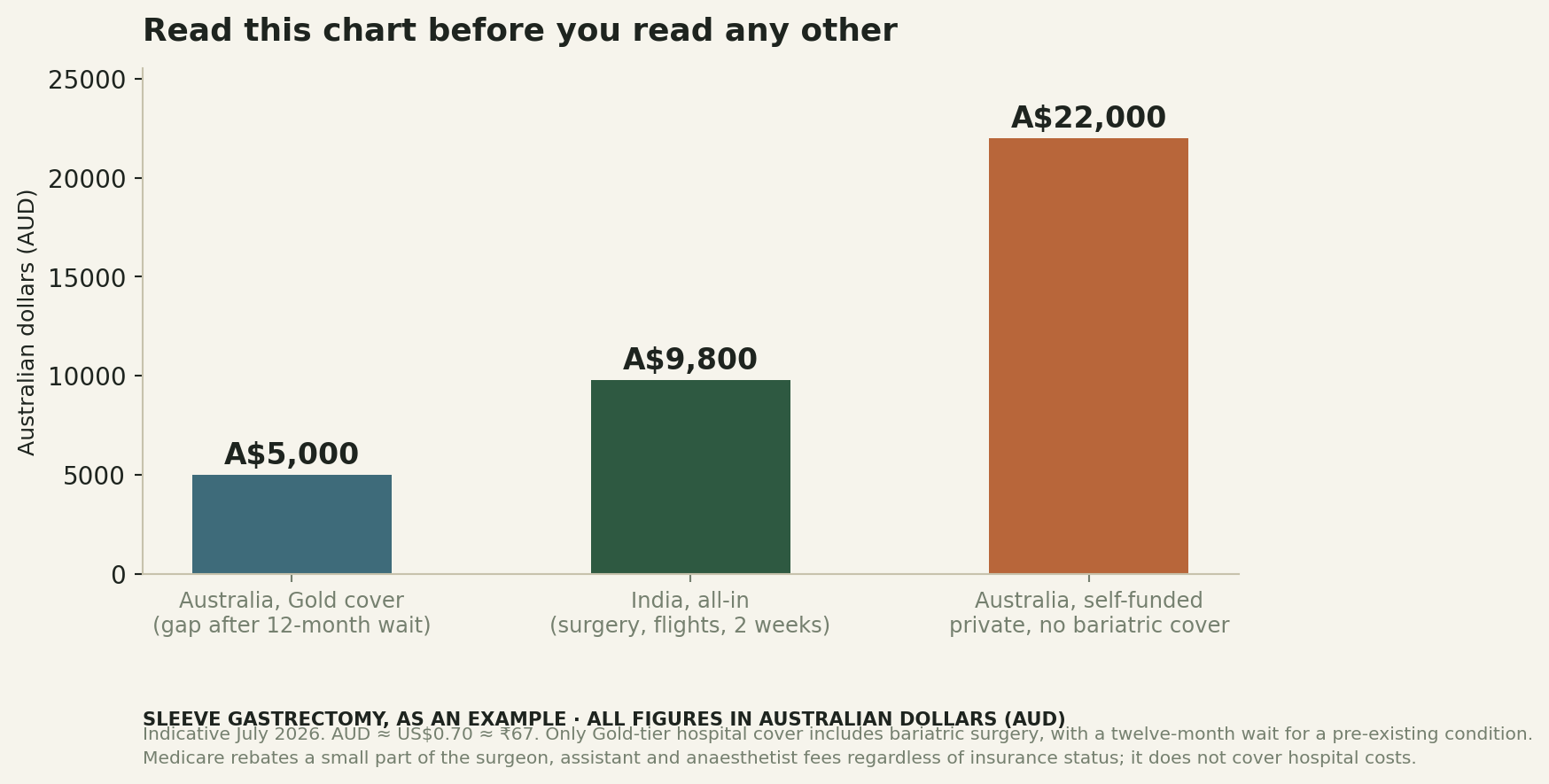
Stop reading if that is you, and your fund’s gap is manageable. This guide is for Australians without bariatric-inclusive cover, those still serving the twelve-month waiting period, and those facing the self- funded reality that only Gold-tier policies include this surgery at all — a narrower slice of the market than most people realise until they call their fund and ask.
A word on GLP-1 medications, honestly
No bariatric guide written in 2026 can skip this, so here is the straight version. Medications such as semaglutide and tirzepatide produce genuine, substantial weight loss for many patients and are a reasonable first step for some, particularly at lower BMI ranges without severe comorbidities. They are not currently PBS-listed for weight loss alone in Australia, which means the ongoing private cost is significant and indefinite — the weight tends to return once the medication stops, because unlike surgery, nothing about the anatomy has changed.
For higher BMI categories, particularly with type 2 diabetes, sleep apnoea or significant joint disease, surgery generally produces larger and more durable weight loss and comorbidity resolution than medication alone, and the two are not always alternatives — some patients use medication before surgery to reduce risk, or afterwards to manage a plateau. Ask your Australian GP or endocrinologist for a candid view on where you sit before assuming either path is the obvious answer.
Part one: judging the surgeon
1. OSSI or IFSO Centre of Excellence status, verified independently. This is the heaviest single criterion in the guide, and unlike general surgery it has a specific, checkable answer. The Obesity and Metabolic Surgery Society of India runs its own Centre of Excellence in Metabolic and Bariatric Surgery accreditation for Indian units, and internationally the International Federation for the Surgery of Obesity and Metabolic Disorders accredits both institutions and individual surgeons through its Centre of Excellence and Surgeon of Excellence programmes. Ask directly whether the unit and the surgeon hold either designation, and verify it independently rather than accepting a claim on a website — both bodies maintain their own records.
This is genuinely useful, because these accreditations are not honorary. Both require the unit to submit outcome data on an ongoing basis — complication rates, revision rates, mortality — to an independent registry, reviewed periodically rather than granted once and forgotten. A unit willing to be measured this way is telling you something concrete about how it operates day to day.
2. Qualifications and bariatric fellowship. Bariatric surgery in India runs through general surgical training into a specific further fellowship, and the pathway is worth understanding before you evaluate anyone against it.
| Qualification | Length | What it actually means |
|---|---|---|
| MBBS | 5½ years | The basic medical degree. A licence to practise, not a specialist qualification. |
| MS (General Surgery) DNB (General Surgery) | or 3 years | Completed general surgical training. The gateway into bariatric practice, but not the specialist credential itself. |
| Fellowship in Minimal Access Surgery (FMAS) equivalent laparoscopic fellowship | 1 year, after or MS/DNB | Advanced laparoscopic training. Bariatric surgery is performed almost exclusively laparoscopically, and this is the foundational skill it depends on. |
| Dedicated bariatric or metabolic surgery fellowship | 1–2 years, after FMAS | This is the one that matters. Sub-specialty training specific to bariatric and metabolic procedures, ideally at a high-volume centre, and the credential to ask for by name. |
| IFSO or OSSI membership and certification | Ongoing | Professional accreditation specific to this field, distinct from and additional to the academic qualifications above. |
3. Volume in your specific procedure, not ‘bariatric surgery’ in general. A sleeve gastrectomy and a duodenal switch are not the same operation performed on a different-sized stomach; they carry different complexity and different long-term management. Ask for his annual volume in the exact procedure being
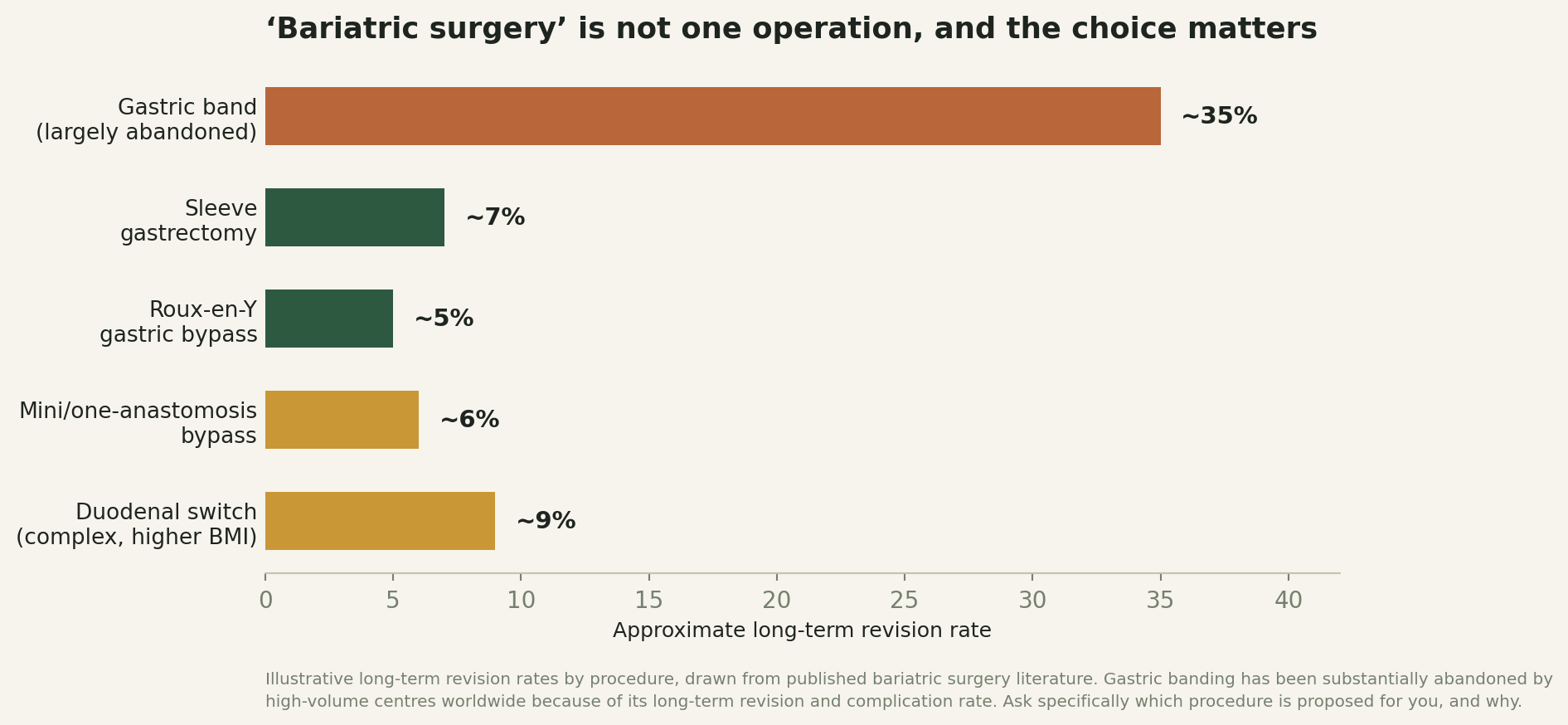
proposed for you, not a combined bariatric total.
This is also where an honest conversation about procedure choice matters. Gastric banding has been substantially abandoned by high-volume centres worldwide because of its long-term revision and complication rate; if it is offered to you as a modern first-line option without qualification, ask why. Sleeve gastrectomy and Roux-en-Y bypass are the most established procedures globally, with the lowest long-term revision rates on published data, and either may suit you depending on your anatomy, your eating pattern and whether reflux is a factor.
4. Whether he operates personally, and speaks to you first. Insist on a video consultation with the surgeon who will actually operate, not a coordinator, before any deposit moves. Ask directly whether he performs the operation himself.
5. Revision and complication candour. Ask what his leak rate is, what he does about it, and how many revisions he performs. A surgeon who discusses this without defensiveness has enough of a practice to have seen it and enough security to talk about it plainly.
Part two: judging the programme
6. A programme, not just an operation. This is the heaviest hospital-side criterion, and it is the whole argument of this guide compressed into one question: what happens in the weeks and years after you leave the operating theatre? Ask for the full structure — pre-operative assessment, in-hospital care, and the follow-up schedule for the first two years specifically. A unit that answers this in one sentence is not running a programme.
7. A dietitian and psychologist built into the pathway, not offered as an optional extra. Reputable bariatric programmes everywhere in the world involve a dietitian before and after surgery, and psychological assessment beforehand to identify anyone for whom surgery is not the right answer at this time. Ask specifically whether these are included in the programme or billed and arranged separately — the difference tells you a great deal about how seriously the unit takes the non-surgical part of your outcome.
8. A lifelong nutrient monitoring plan, specified before you fly. Bariatric surgery, particularly bypass procedures, creates a genuine and permanent risk of vitamin and mineral deficiency — B12, iron, calcium, vitamin D among others. Ask exactly which supplements you will be prescribed, what blood tests are recommended and how often, and get this in writing so you can hand it directly to your Australian GP.
9. Accreditation you can verify yourself. JCI is the international arm of the body accrediting hospitals across the United States; NABH is India’s national equivalent, recognised by the same global standards authority. Check either on the accrediting body’s own site.
10. A discharge pack your Australian GP could act on. Before you leave you should hold the operative note, the specific procedure performed, your supplement and monitoring schedule, and dietary staging instructions covering the following months. This is the document that lets your GP manage your care confidently rather than guessing.
What the quote should say, and what it usually omits
In 24 years I have found that disputes almost never concern the quoted price. They concern what the quote silently omitted.
Insist on a written, itemised figure naming the exact procedure, what pre-operative assessment is included, how many post-operative in-country reviews are included, and whether ongoing dietitian support after you return home is part of the package or a separate arrangement. Ask what the hospital covers if a leak or other complication requires a return to theatre during your stay.
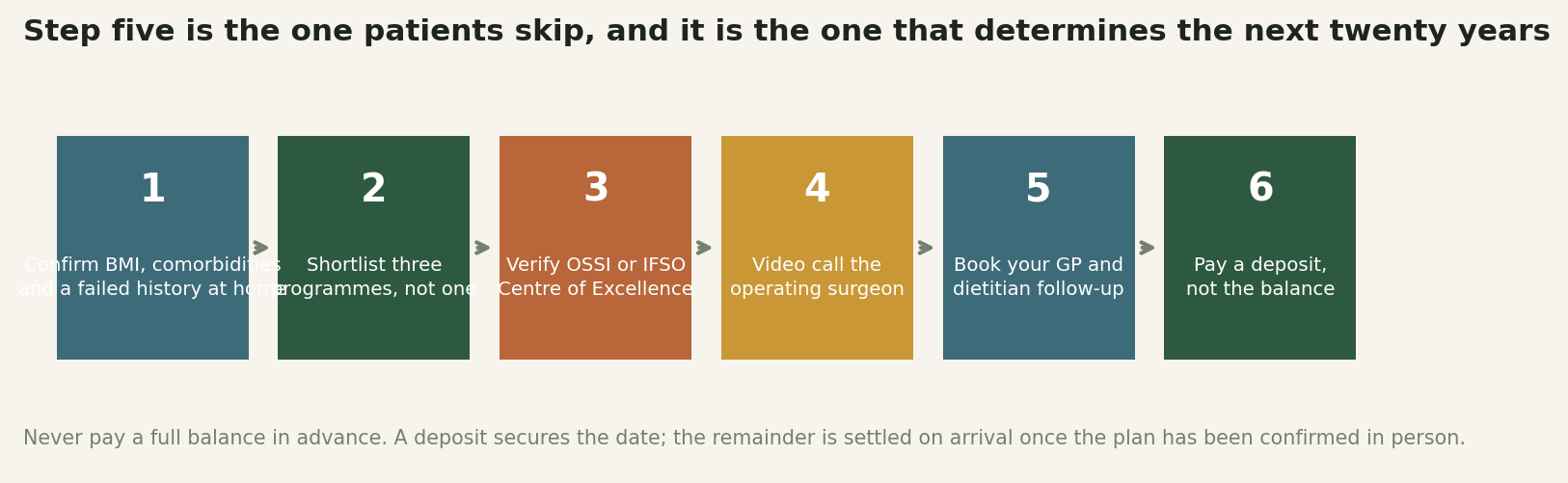
Understand what does not travel with you. Medicare pays nothing for treatment received overseas, your health fund rebate applies to Australian admissions, and standard travel insurance excludes planned surgery and its complications. One rule is not negotiable: pay a deposit to secure the date, never the full balance in advance. The remainder is settled on arrival, once the surgeon has examined you and confirmed the plan in person.
Four Signals that Should Make You Pause
1. No psychologist or dietitian mentioned unprompted. If nobody raises this before you do, the programme is built around the operation, not the outcome.
2. Gastric banding offered as a modern first-line option, without qualification. High-volume centres worldwide have largely moved away from it. Ask why it is being proposed.
3. A price quoted before your BMI, comorbidities and history have been reviewed. Nobody can price bariatric surgery, or judge whether you are even a suitable candidate, without this.
4. No written nutrient monitoring plan. Its absence is the clearest sign that the unit’s attention stops at the airport.
Australia-specific considerations most patients miss
Arrange your GP shared-care plan before you leave, not after. Lifelong nutrient monitoring is the part of bariatric surgery patients most often neglect once the initial excitement passes, and it is also the part most easily managed by an Australian GP if they have the right information from day one. Give them the operative report and the monitoring schedule before your first blood test is due, not after a deficiency has already developed.
Confirm your BMI and comorbidity documentation before you travel. If you may want to claim any available Medicare rebate component on return, or simply want a clean record for your GP, arrange proper documentation of your BMI, prior weight loss attempts and relevant health conditions in Australia first.
Treat the flight as a clinical matter. Allow around two weeks in India for a straightforward laparoscopic procedure, longer for revision surgery, and do not fly until cleared. Venous thromboembolism risk is elevated after bariatric surgery in particular, given the patient population, so ask for a documented thromboprophylaxis plan covering the flight.
Apply for both visas together. Australian passport holders are eligible for India’s electronic medical visa, issued against an invitation letter from the treating hospital, with an e-medical attendant visa for whoever travels with you.
Plan for the psychological side at home too. Rapid weight loss changes relationships, body image and sometimes mental health in ways that surprise people who expected only the physical change. Ask whether your Australian GP can refer you to psychological support if needed, and do not treat this as a lesser priority than the surgery itself.
Ask what happens if you need a revision. A small proportion of bariatric patients require revision surgery over time, whether for inadequate weight loss, weight regain or a mechanical complication. Establish before you travel what the unit does in that situation and whether it involves further cost. Ask an Australian surgeon the parallel question: would they manage a complication or revision from surgery performed overseas? Both answers, taken together, tell you how comfortable this decision should feel.
| The Questions, in the Order You Should Ask Them | |
|---|---|
| Of the surgeon | Of the programme |
| 1. Do you or the unit hold OSSI or IFSO Centre of Excellence status? | 1. What does the follow-up schedule look like for the first two years? |
| 2. Which bariatric fellowship did you complete, and where? | 2. Is a dietitian and psychologist built into the pathway? |
| 3. How many of my exact procedure did you perform last year? | 3. What is my specific supplement and blood-test monitoring plan? |
| 4. Why this procedure rather than another, for my anatomy and history? | 4. Which accreditation do you hold, and when was it last inspected? |
| 5. What is your leak rate, and how do you manage it? | 5. Is post-return dietitian support included or separate? |
| 6. Will you perform the operation yourself? | 6. What does the discharge pack include? |
A closing word
Bariatric surgery can be one of the most transformative decisions in this entire series, and I say that having watched it change lives over 24 years. But it rewards patients who choose a programme, not an operation — verify the accreditation, weight the follow-up plan as heavily as the surgeon, and get the nutrient monitoring schedule in writing before anything else. If you would like a second opinion on whether surgery is the right path for you, or a review of a quote you are already holding, send it to me and I will look at it properly.
Sources
- 🌐 Obesity and Metabolic Surgery Society of India, Centre of Excellence in Metabolic and Bariatric Surgery programme
- 🌐 National Medical Commission, recognised postgraduate medical qualifications in general and minimal access surgery
- 🌐 Australian Government Medicare Benefits Schedule, bariatric surgery item numbers 31569–31581
- 🌐 Australian private health insurance published policy tiers and waiting periods, 2026
- 🌐 Joint Commission International and National Accreditation Board for Hospitals and Healthcare Providers, accreditation registers
- 🌐 High Commission of India, e-Visa categories and eligibility
Frequently Asked Questions by Australians about Bariatric and Weight Loss Surgeons and Hospitals in India
How should Australian patients choose the best bariatric surgeon in India?
Australian patients should look beyond price and verify the surgeon’s bariatric-specific qualifications, fellowship training, experience with the exact procedure being considered, and OSSI or IFSO credentials. The guide also recommends having a video consultation directly with the surgeon who will perform the operation before paying a deposit.
What bariatric procedures are available in India for Australian patients?
The guide discusses sleeve gastrectomy, Roux-en-Y gastric bypass, mini/one-anastomosis bypass, duodenal switch, gastric banding and revision bariatric surgery. The appropriate procedure should be selected according to factors such as anatomy, eating patterns, reflux, BMI, comorbidities and medical history rather than price alone.
How much does bariatric surgery in India cost for Australian patients?
The guide provides an illustrative example of approximately Approximately $9,800 all-in for sleeve gastrectomy in India, including surgery, flights and a two-week stay. Actual costs can vary according to the procedure, BMI, comorbidities, hospital, surgeon and individual treatment requirements.
How long should Australian patients stay in India after bariatric surgery?
The guide recommends allowing approximately two weeks in India for a straightforward laparoscopic bariatric procedure, with a longer stay potentially required for revision surgery. Patients should not fly back to Australia until medically cleared.
What are OSSI and IFSO credentials, and why should Australian patients verify them?
OSSI is the Obesity and Metabolic Surgery Society of India, while IFSO is the International Federation for the Surgery of Obesity and Metabolic Disorders. Their Centre of Excellence programmes provide bariatric-specific credentials that patients can independently verify rather than relying solely on claims made by a hospital or surgeon.
Is gastric sleeve or gastric bypass better for Australian patients travelling to India?
There is no single procedure that is best for every patient. The guide identifies sleeve gastrectomy and Roux-en-Y gastric bypass as established procedures and recommends discussing factors such as anatomy, eating patterns, reflux, BMI and medical history with the bariatric surgeon before deciding.
What follow-up care should Australian patients arrange after bariatric surgery in India?
Patients should receive a structured follow-up plan covering dietary progression, supplements, blood tests and long-term nutrient monitoring. The guide specifically recommends arranging GP shared care in Australia before travelling, so postoperative information can be transferred directly to the patient's Australian doctor.
Will Australian patients need lifelong vitamin monitoring after bariatric surgery?
Yes. The guide stresses that bariatric surgery, particularly bypass procedures, can create a permanent risk of nutritional deficiencies. Patients should receive a written monitoring plan covering nutrients such as vitamin B12, iron, calcium and vitamin D, along with instructions about supplements and blood-test frequency.
What warning signs should Australian patients watch for when selecting a bariatric programme in India?
The guide highlights four important warning signs: no dietitian or psychologist being mentioned, gastric banding being offered as a modern first-line procedure without explanation, receiving a price before BMI and medical history have been reviewed, and the absence of a written lifelong nutrient-monitoring plan.
What documents should Australian patients take home after bariatric surgery in India?
Before returning to Australia, patients should obtain a comprehensive discharge pack containing the operative note, details of the exact procedure performed, supplement and nutrient-monitoring schedule, and dietary staging instructions. These records can help the Australian GP continue appropriate long-term follow-up care.
Page Summary
This guide helps Australian patients evaluate bariatric and weight loss surgeons and programmes in India using a structured set of surgeon- and programme-specific criteria. It explains how to verify OSSI or IFSO credentials, assess bariatric fellowship training and procedure-specific experience, compare procedures such as sleeve gastrectomy and gastric bypass, and identify warning signs before committing to treatment. The guide places particular emphasis on dietitian and psychological support, lifelong vitamin and mineral monitoring, Australian GP shared care, postoperative follow-up and careful planning for the return flight. It also discusses GLP-1 medications as part of the contemporary weight-management landscape and explains why choosing a comprehensive bariatric programme may be more important than choosing an operation based primarily on price.
Citation Block
| Topic | Information |
|---|---|
| Topic Information | Selecting the Best Bariatric and Weight Loss Surgeons and Hospitals in India for Australian Patients |
| Procedure | Bariatric & Metabolic Surgery / Weight Loss Surgery |
| Country | India |
| Intended Audience | Australian Patients |
| Conditions Covered | Obesity, High BMI, Type 2 Diabetes, Sleep Apnoea, Reflux, Weight Regain and Obesity-Related Health Conditions |
| Procedures | Sleeve Gastrectomy, Roux-en-Y Gastric Bypass, Mini/One-Anastomosis Bypass, Duodenal Switch, Gastric Banding and Revision Bariatric Surgery |
| Typical Stay | Around 2 Weeks for a Straightforward Laparoscopic Procedure; Longer for Revision Surgery |
| Hospital Stay | Not Specifically Stated in the Guide |
| Recovery | No Single Full-Recovery Period Specified; Long-Term Nutritional and Clinical Follow-Up Is Required |
| Indicative Cost Example | Approximately $9,800 All-In for Sleeve Gastrectomy in India, Including Surgery, Flights and a Two-Week Stay |
| Author | Dr. Dheeraj Bojwani |
| Experience | 24 Years Guiding International Patients |


Our Mission Statement
Our mission is to place patients at the centre of every healthcare decision by providing trustworthy, evidence-based, and unbiased medical information. We believe that informed patients make better decisions. Backed by personalised guidance from our experienced advisory team, we help patients understand their treatment options, compare them objectively, and confidently choose the path that best suits their medical needs and personal circumstances.
Patient Testimonials from Australia





Ready to Take the First Step?
Share your Medical Reports with our Healthcare Managers Today and Get a FREE CONSULTATION, a Personalized Treatment Plan, and Complete Support from Arrival to Recovery.
Get Your Free ConsultationAreas We Serve
This resource has been thoughtfully prepared for patients from Australia who are considering medical treatment in India. We also welcome patients from the wider region in the countries mentioned below-
We regularly assist patients from:
- Fiji
- Vanuatu
- Samoa
- Tonga
- Kiribati
- Nauru
- Tuvalu
- New Zealand
- Solomon Islands
- Papua New Guinea
Many of the insights, treatment pathways, hospital recommendations, travel guidance, and patient support services described here are equally relevant and may be used as a reference when planning treatment in India.
From Australia to India: Your Complete Patient Support Guide
- Cancer Treatment in India for Australian Patients: PBS Gap & Drug Costs
- Cardiac Surgery in India for Australian Patients: TAVI Access & Costs
- Dental Treatment & Surgery in India for Australian Patients
- Hip Surgery in India for Australian Patients: Costs, Waits & Implant Choice
- Knee Surgery in India for Australian Patients: Costs, Waits & Implants
- Neurosurgery in India for Australian Patients: Volume, Costs & When Not to Travel
- Spine Surgery in India for Australian Patients: Costs, Indications & Second Opinions (2026)
- Best Bariatric & Weight Loss Surgeons in India for Australian Patients
- Best Cancer Surgeons & Hospitals in India for Australian Patients
- Best Cardiac Surgeons & Hospitals in India for Australian Patients
- Best Cosmetic Surgeons & Hospitals in India for Australian Patients
- Best Dental Surgeons & Clinics in India for Australian Patients
- Best Hip Surgeons & Hospitals in India for Australian Patients
- Best Knee Surgeons & Hospitals in India for Australian Patients
- Best Scoliosis Surgeons & Hospitals in India for Australian Patients
- Best Spine Surgeons & Hospitals in India for Australian Patients
- Selecting the Best Urosurgery and Reconstructive Urology Centres in India for Australian Patients
- Selecting the Best Bone Marrow Transplant Centres in India for Australian Patients