Apollo Hospital
 Fortis Hospital
 Artemis Hospital
 Medanta Hospital


 Jaslok Hospital
 Lilavati Hospital

 Global Hospitals
 Jupiter Hospital


Dental Treatment in India at Affordable
Key Takeaways
- Dental treatment in India offers a wide range of procedures, from basic fillings and crowns to advanced root canal therapy, dentures, tooth whitening, and periodontal surgeries.
- The cost of dental care in India is roughly one‑tenth of that in Western countries, with examples such as a dental implant costing about $1,000 in India versus $2,000 in the US.
- International patients receive support services including English‑speaking staff, language translators, transport arrangements, and foreign‑exchange assistance at Indian hospitals and clinics.
- Regular dental check‑ups in India include oral cancer screenings, and early detection of gum disease can prevent serious health issues like heart disease and strokes.
- According to the page, modern root canal therapy in India is performed with technology that makes the procedure as painless as a routine filling.
Overview
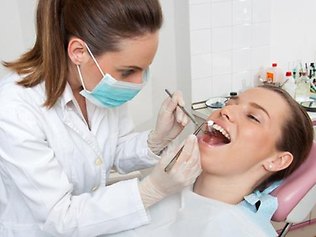 Dental Treatment is a branch of medicine that is involved in the study, diagnosis, prevention, and treatment of diseases, disorders and conditions of the oral cavity, maxillofacial area and the adjacent and associated structures and their impact on the human body. Dentistry is widely considered necessary for complete overall health. Those who practice dentistry are known as dentists. The dentist's supporting team aids in providing oral health services, which includes dental assistants, dental hygienists, dental technicians, and dental therapists.
Dental Treatment in India
Vital Information
Phone :
+91-9371136499
/ Whatsapp :
 Chat
Chat
Types of Dental Treatment:
Millions of people every year fly from USA, and Europe to tourist places in India for a grand holiday and dental care. The cost of dental care is the western countries is approximately 10 times more than that in India. Medical tourism India offers several dental packages. However, these will be based on the requirements of the person and their holiday needs. The various types dental treatments available in India are as follows;
Fillings (Restorations):
- Light Cure composite Resin Restorations (Popularly known as Cosmetic Fillings)
- Glass Ionomer Restorations
- Silver reinforced GIC Restorations
- Silver amalgam Restorations
- Pin retained Restorations
Veneers & Laminates:
- Porcelain
- Composite Resin
Root Canal Therapy:
- Permanent Teeth
- Primary Teeth
Pulpotomy:
- Permanent Teeth
- Primary Teeth
Crown & Bridge Work ( Complete Jacket Crown & Fixed Partial Denture):
 Ceramic fused to Noble Metal Alloy
- Ceramic fused to Base Metal Alloy
- Pure ceramic crowns
- Post & Core Crown work
- Base Metal C&B work
Dentures:
- Complete Acrylic Dentures with Metal Base
- Complete Acrylic Dentures without Metal Base
- Cast Partial Dentures
- Flexible Dentures
- Immediate Dentures
Gum Treatment:
- Scaling
- Root Planning
- Sub gingival Curettage
- Flap Surgery
- Gingivoplasty
- Gingivectomy
Tooth Whitening (Bleaching):
- Extractions and other Dental Surgeries:
 Simple tooth extractions
- Impacted tooth extractions
- Apicoectomy
- Cyst enucleation
- Reduction of fractured jaws
- Replantation
- Orthodontics Treatment:
- Fixed Orthodontics
- Removable Orthodontics
5 Common Dental Treatment Procedures:
- Fillings (Restorations): A filling is a material that your dentist uses to fill a cavity after he or she removes any tooth decay. Dental restorations can be divided into two broad types: direct restorations and indirect restorations. All dental restorations can be further classified by their location and size. A root canal filling is a restorative technique used to fill the space where the dental pulp normally resides. A filling repairs the tooth and stops tooth decay. Over a long period of time, you may need to replace a worn-out filling.
- Crown & Bridge Work: Both crowns and most bridges are fixed prosthetic devices. Unlike removable devices such as dentures, which you can take out and clean daily, crowns and bridges are cemented onto existing teeth or implants, and can only be removed by a dentist. Crowns become necessary when there is insufficient tooth structure to support a filling. Teeth that are severely broken down from decay or fracture can be fully restored to proper appearance and function with a crown restoration.
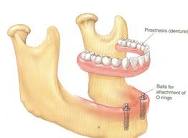 Dentures: Dentures (more commonly known as (false teeth) or more rarely known as (fake teeth)) are prosthetic devices constructed to replace missing teeth, and which are supported by surrounding soft and hard tissues of the oral cavity. Conventional dentures are removable, however there are many different denture designs, some which rely on bonding or clasping onto teeth or dental implants. There are two main categories of dentures, depending on whether they are used to replace missing teeth on the mandibular arch or the maxillary arch.
- Tooth Whitening: Dental bleaching, also known as tooth whitening, is a common procedure in general dentistry but most especially in the field of cosmetic dentistry. With a variety of tooth whitening methods available, whitening your teeth has never been more accessible.
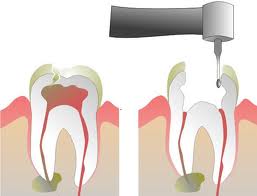 Root Canal Therapy: A root canal is the space within the root of a tooth. It is part of a naturally occurring space within a tooth that consists of the pulp chamber (within the coronal part of the tooth), the main canal(s) and more intricate anatomical branches that may connect the root canals to each other or to the surface of the root. Root canal therapy is almost always preformed because a tooth is causing pain from an irreversible condition. Pulpitis an infected pulp, broken teeth or a slowly dying nerve are all common reasons for root canal therapy.
Go to the Enquiry Form
Phone Numbers Reach Us
India & International : +91-9860755000 / +91-9371136499
UK : +44-2081332571
Canada & USA : +1-4155992537
Top 10 Facts of Dental Treatment:
- Dental Check Ups Include Oral Cancer Screenings: When you go for your regular dental check up, your dentist and hygienist are also screening you for any signs of oral cancer. This serious dental disease, which pertains to the mouth, lips or throat, is often highly curable if diagnosed and treated in the early stages.
- Gum (Periodontal) Disease Affects Your Overall Health: Gum disease is one of the main causes of tooth loss in adults and has also been linked to heart disease and strokes. If diagnosed in the early stage, gingivitis can be treated and treatment is possible. If treatment is not received, a more serious and advanced stage of gum disease, called Periodontitis, which includes bone loss, may follow.
- Dental Cleanings and Check Ups are Extremely Important: Going to the dentist for regular checkups & cleanings is one of the most important factors in maintaining good oral health. Regular checkups can prevent cavities, root canals, gum disease, oral cancer, and other dental conditions. Don’t wait until you have a problem before you see your dentist, help prevent problems before they happen.
- Brushing Twice a Day Helps to Keep the Cavities Away: When you brush your teeth properly, at least twice a day, you are removing the plaque that causes cavities. Plaque is the soft and sticky substance that accumulates on the teeth from food debris and bacteria. Flossing daily will remove the plaque from in between the teeth that the toothbrush cannot reach. Removing plaque from your teeth also helps to prevent gum disease.
- Bad Breath Could be the Result of a Dental Problem: About 85% of people with persistent bad breath have a dental condition that is to blame. If bad breath is the cause of a dental condition, mouthwash will only mask the odor and not cure it. Don’t be embarrassed to talk to your dentist, they are there to help you. Flossing daily and brushing your teeth & tongue twice a day can greatly reduce and possibly eliminate bad breath.
- Proper Nutrition is Important for Good Dental Health: The sugars from soft drinks and non-nutritional foods combine with the bacteria in our mouths which produces acids that attack tooth enamel. This can lead to cavities and gum disease. Limiting the amount of beverages and foods that are high in sugar can greatly help to maintain good dental health.
- Dental Problems Do Not Get Better or Go Away Without Treatment: If your dentist gives you a treatment plan for dental work that you need to have done, you should focus on getting your teeth fixed as soon as possible. Even cavities continue to get bigger. If they get big enough to reach the nerve in your tooth, your only options would be to have a root canal or have the tooth extracted.
- A Root Canal is Usually Not Painful: With today’s technology, root canals are nothing like most people think. A root canal is as painless as having a filling.
- Change Your Toothbrush: Manual toothbrushes become worn out after about 3 months and are not as effective as they once were. If you have gum disease, you should change your toothbrush every 4 - 6 weeks because bacteria can harbor in the bristles. You should always rinse your toothbrush out with hot water after every use and change it after you have been sick.
- Maintaining Good Dental Health is Easy: Some people think that having good dental health takes too much effort. Seeing your dentist for regular dental checkups and cleanings, brushing twice a day, flossing daily and eating a nutritional diet are the key factors in having healthy teeth and gums.
5 Reasons to Travel to India for Your Dental Treatment:
Medical tourism in India is new buzzword among the foreign patients for various Dental treatments in India. The following are the five reasons for having your Dental treatments in India:
- Price: This is the main reason most foreign patients initially cite for their decision to go overseas for their Dental treatments in India. This sole factor has made India to emerge as one of the lowest priced places for any medical treatment.
- Service: Besides the costs, many people appreciate the superior service found in Indian hospitals, for various Dental treatments. With best English speaking staff always for you at a single call, alleviates the language barrier from the foreign patients, thus making things easy for them.
- Quality: Indian hospitals ensure that the foreign patients get eminent and very experienced dentists effectively the best that country has to offer. Quality is never compromised when it comes to dental treatment in India.
- Availability: Medical tourists also have greater access to different treatment types than those who choose not to travel. Dental treatments in India or any medical treatment or surgeries are easily available with almost no wait list of patients unlike the trend seen in developed nations like UK or US or any European country. Here the idea of medical treatment work on priority basis, the urgent comes in the first row, while the rest follow.
- Tourism: Medical tourism is often as much about the tourism as the medicine. For those undergoing Dental treatments in India, there is no better place to recover than a bungalow with a view of the beach while receiving your physical therapy (or massage). Similarly, for family accompanying a patient a week at the beach or a shopping spree can clear up a lot of stress following a surgery.
Go to the Enquiry Form
Phone Numbers Reach Us
India & International : +91-9860755000 / +91-9371136499
UK : +44-2081332571
Canada & USA : +1-4155992537
Affordable Cost Dental Treatment in India:
Dental treatment India is inexpensive as compared to the western countries. We have state to the art equipments and well trained experienced doctors and clinics to match the best of international standards.
Here's a Brief Cost Comparison Dental Treatment in India and USA
| Dental Treatment | Cost in US ($) | Cost in India ($) |
| Dental Implants | 2000 | 1000* |
| Porcelain-Metal Crown/Bridge | 3000 | 500* |
| Root canal Treatment | 6000 | 1500* |
| Tooth colored composite fillings | 1500 | 250* |
| Dental Fillings | 4000 | 800* |
| Dental Braces | 3000 | 600* |
| Removable Dentures | 2500 | 850 |
| Crown / Bridge | 12000 | 2500* |
Dental treatment in India however does not mean lower quality and treatments compare with any in the world and are world class. One reason why dental treatments in India have become so popular is the fact that many Indian dentists practice in the West. This builds confidence for patients thinking of taking medical tourism packages to India, as they know the professionalism and expertise already, but also see the advantages of travelling to India for the substantial reductions in cost.
 The reason India is able to offer such competitive prices is due to the fact that infrastructure costs area a fraction of what they are in the West, as Indian dentists simply have a lower overhead which is passed on as a cost saving to patients. Dental treatment in India can offer you all dental treatments you require. If you are looking for cosmetic dentistry or restorative dentistry India can provide for your needs at vast cost savings.
You also get the chance to spend time in one of the most beautiful countries in the world and can enjoy such sites as the mighty Himalayas and Taj Mahal, or Relax on the beaches of Goa. You can also enjoy world class fishing, trekking, white water rafting and much more. India has something for everyone.
Dental Treatment in India:
To most people, Dental Treatment in India means teeth, which off course it is, but in turn do not forget about the fact that they are attached to the mouth, which in turn is a part of human body. Although, the Dental Treatment in India especially in rural & some part of urban may not be a priority in the great scheme of things, the health & appearance of teeth can greatly influence people’s lives.
 Apart from helping us to eat our food, our teeth & our smile can greatly influence other people’s judgment of us, whilst extreme tooth ache can be extremely debilitating for the patient. Innovative Dental Treatment in India can do a lot more than just the extractions or fillings. Dentistry is going leaps & bounces in India. Dental treatment with many branches like Conservative Dentistry, Prosthodontics, Dental implants, Cosmetic dentistry, Periodontics, Orthodontics & Pedodontics provides specialist dental care to the patients.
Dental Treatment in India is rapidly changing profession & there is a continual need for the dentist to keep updated with the latest dental materials, techniques, technologies etc. Dentist In India must also be coordinated & good in their acumen & clinical hands to provide the best possible care to their patients.
The various dental treatments in India are available at dental hospitals and clinics in the following cities with latest amenities and state-of-art-facilities.
| Mumbai | Hyderabad | Kerala |
| Delhi | Pune | Goa |
| Bangalore | Nagpur | Jaipur |
| Chennai | Gurgaon | Chandigarh |
Plan Your Dental Treatment India with Tour2india4health Consultants:
Tour2India4Health Group has been instrumental in providing various surgery and treatments to many international patients and the patients are very happy with the result. Our firm is a recognized medical tourism company working in India providing various treatment and surgery under nationally recognized physicians and hospitals that uses latest technology and are clinically advanced in providing health care treatment in the country.
Features that make Tour2India4Health the best among other healthcare providers in India are;
- Timely Execution of your treatment plan
- To and Fro Transport Facilities
- Surgery Executed Highly Qualified Doctors
- Facility of Top Class Hospitals and Clinics
- Affordable Prices
- Language Translators Facility
- Foreign Exchange Facility
- Quick Visa Letter etc
Go to the Enquiry Form
Phone Numbers Reach Us
India & International : +91-9860755000 / +91-9371136499
UK : +44-2081332571
Canada & USA : +1-4155992537
Some of the common countries from which patients travel to India for surgery are:
| USA | UK | Canada |
| Australia | New Zealand | Nigeria |
| Kenya | Ethiopia | Uganda |
| Tanzania | Zambia | Congo |
| Sri Lanka | Bangladesh | Pakistan |
| Afghanistan | Nepal | Uzbekistan |
Frequently Asked Questions
Below are the downloadable links that will help you to plan your medical trip to India in a more organized and better way. Attached word and pdf files gives information that will help you to know India more and make your trip to India easy and memorable one.
Click icon to Download Document
| About India |

|

|
Destinations in India |
|
|
|
| Indian Embassy List |
|
|
Medical Tourism FAQ |
|
|
|
| Visa For India |
|
|
Related Articles
Our objective is to empower patients with accurate, evidence-based, and patient-centric information, enabling them to make informed healthcare decisions with confidence. We combine reliable medical knowledge with personalized guidance and compassionate support, helping every patient choose the treatment that best serves their health and long-term well-being.
Quick Facts
Dental treatment in India covers diagnosis, prevention, and treatment of oral diseases, including restorative, cosmetic, and surgical procedures.
Common procedures include fillings, crowns, bridges, dentures, root canal therapy, tooth whitening, and periodontal surgeries such as flap surgery and gingivectomy.
Cost comparison shows significant savings; for example, a dental implant costs approximately $1,000 in India versus $2,000 in the US, and a porcelain-metal crown costs $500 versus $3,000.
Services for international patients include English-speaking staff, language translators, transport facilities, and foreign exchange assistance at affiliated hospitals and clinics.
Last updated: May 2026