Special Surgery Packages for Canada Patients In India
International-Standard Healthcare in India for Canadian Patients "Affordable Knee Replacement, Hip Surgery, Spine, Neurosurgery and Cardiac Surgery"
Tour2India4Health Consultants helps patients from Canada access advanced, affordable, and high-quality medical treatment in India through a trusted network of leading hospitals and experienced specialists. We provide personalized healthcare solutions for patients seeking complex surgeries, specialized procedures, second medical opinions, and cost-effective treatment options
From hospital selection and treatment planning to medical visa guidance, travel coordination, accommodation, and post-treatment follow-up, our team supports Canadian patients at every step. Our goal is to make your medical journey to India safe, smooth, transparent, and focused on your recovery.
Canadian patients increasingly consider India for medical treatment when they are looking for shorter waiting times, advanced specialist care, and more affordable options for selected procedures.
Orthopedic surgery, knee replacement, hip replacement, cardiac procedures, cancer treatment, spine surgery, IVF, dental care, cosmetic surgery, and advanced health check-ups are among the common treatments Canadian patients seek in India.
India welcomes more than 600,000 international medical travellers annually, making it one of the world's major destinations for affordable and specialized healthcare.
Many procedures in India can cost 50–80% less than in Canada, especially for self-paying patients seeking elective surgery, dental care, fertility treatment, or complex specialist consultations.
Canadian patients often choose India for access to robotic-assisted surgery, minimally invasive procedures, advanced imaging, cancer care, joint replacement programs, and personalized rehabilitation support.
Flights from Toronto, Vancouver, Montreal, Calgary, and other Canadian cities connect patients to major Indian healthcare hubs such as New Delhi, Mumbai, Chennai, Bengaluru, Hyderabad, and Gurugram.
Most Indian hospitals allow Canadian patients to share medical reports online before travelling, helping specialists provide preliminary opinions, expected treatment timelines, and approximate cost estimates in advance.
Indian Medical Visa provisions generally allow eligible international patients to travel with accompanying attendants, helping family members support the patient during treatment and recovery.
Leading Indian hospitals offer advanced technologies such as robotic surgery, PET-CT, 3T MRI, minimally invasive cardiac care, precision oncology, proton therapy, and advanced rehabilitation facilities.
Experienced doctors, internationally accredited hospitals, lower out-of-pocket costs for selected treatments, shorter waiting periods, and structured international patient services make India a practical option for Canadian patients.
Patient Testimonials from Canada
Over the years, Tour2India4Health Consultants has assisted numerous patients from Canada in accessing advanced, affordable, and high-quality medical treatment in India. From complex surgeries to specialized procedures, our patients have trusted us for honest guidance, personalized care, and seamless medical travel support.
Read the experiences of Canadian patients and their families who chose India for treatment and successfully completed their healthcare journey with confidence, comfort, and peace of mind. Their stories reflect our commitment to delivering compassionate support and helping patients receive the right treatment at the right hospital.
Mr. Noah Johnson
Cervical Disc Replacement Surgery in India
Canada
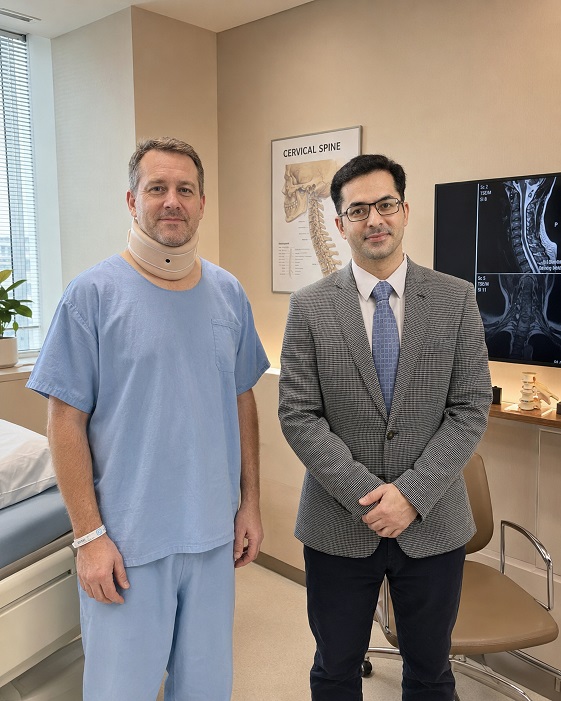
Living with persistent neck pain and arm numbness, Mr. Noah Johnson, 45, travelled from Canada to India for a Cervical Disc Replacement Surgery with Tour2India4Health Consultants. Closely guided through surgery and recovery, he returned home with renewed mobility. “My neck moves more naturally than I expected this soon,” he shared
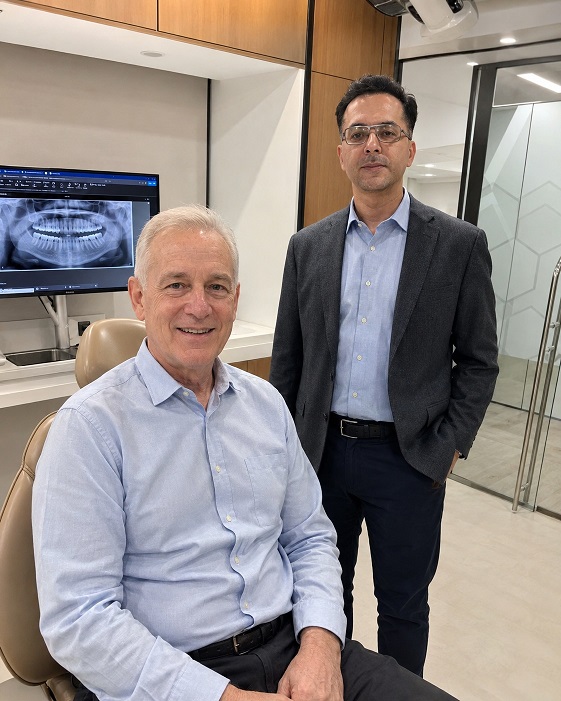
After years of struggling with failing teeth, Mr. Ethan Martin, 62, travelled from Canada to India for a Full Mouth Restoration Dental Implant with Tour2India4Health Consultants. Supported through every stage of his treatment, he returned home with a renewed smile and confidence. I can eat, smile
Minimally Invasive Heart Valve Replacement in India
Canada
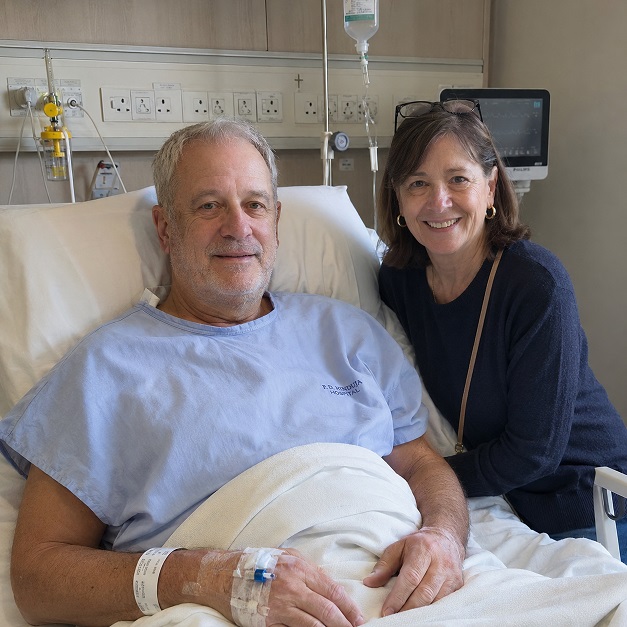
Breathlessness traced to a failing heart valve brought Mr. Benjamin Roy, 60, from Canada to Tour2India4Health Consultants. His Minimally Invasive Heart Valve Replacement in India came with honest guidance and a recovery that surprised him. “I came home breathing properly for the first time in longer than I'd realised,” he shared.
Seeking a refreshed, natural look, Ms. Sophie Tremblay, 48, travelled from Canada to India for a Facelift Surgery with Tour2India4Health Consultants. Guided closely through recovery, she returned home renewed and confident. “I never once felt alone in the process,” she shared, grateful for the support throughout her journey.
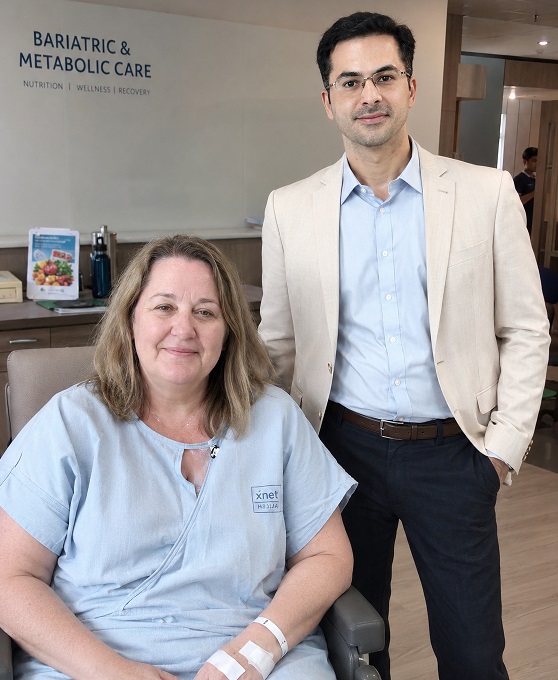
After years of unsuccessful diets, Ms. Linda Tremblay, 53, travelled from Canada to India for a Gastric Band Surgery with Tour2India4Health Consultants. Guided closely through surgery and recovery, she returned home with a sustainable plan for the future. “I actually feel like I have a sustainable plan,” she shared.
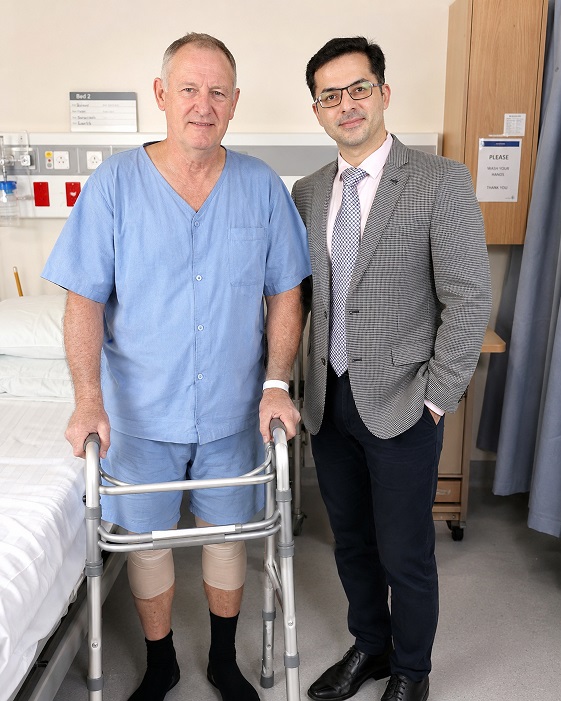
Living with worsening knee pain, Mr. Sam Robinson, 67, travelled from Canada to India for a Robotic Knee Replacement Surgery with Tour2India4Health Consultants. Closely supported through surgery and recovery, he returned home with renewed mobility. “I'm back to walking my dog most days now,” he shared.
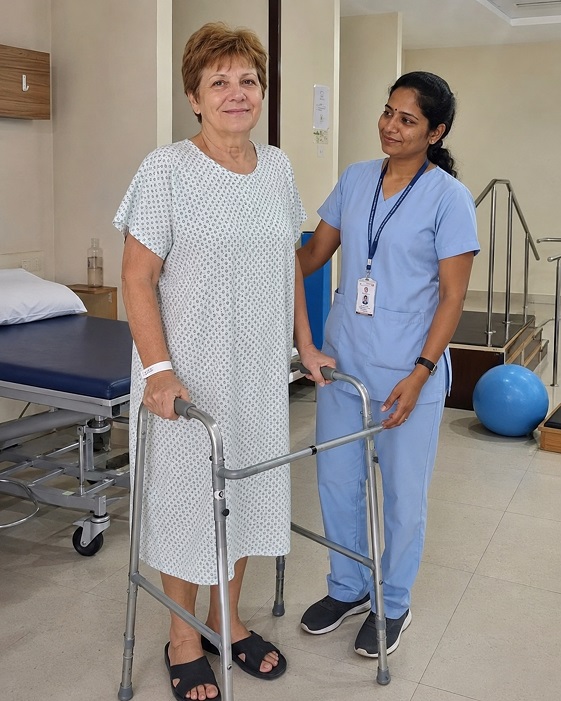
After years of worsening hip pain, Ms. Sophia Wilson, 61, travelled from Canada to India for a Total Hip Replacement with Tour2India4Health Consultants. With close support through surgery and recovery, she returned home moving with renewed ease. “I can move around so much more easily than before,” she shared gratefully.
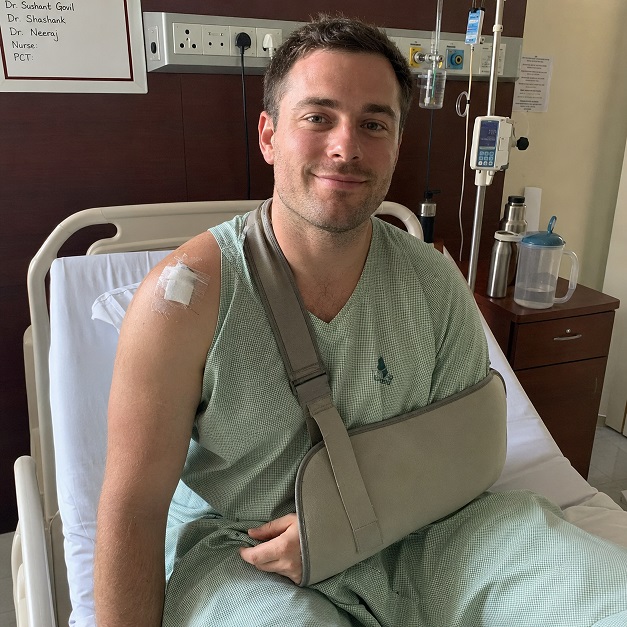
A shoulder that had been quietly limiting him for months finally got the attention it needed. Mr. Lucas Gagnon, 35, travelled from Canada to India for a Shoulder Arthroscopy Surgery with Tour2India4Health Consultants and came back to full function. “I only regret not doing this sooner,” he shared.
Facing an advanced lung cancer diagnosis, Ms. Olivia Cote, 48, sought Proton Therapy for Lung Cancer in India through Tour2India4Health Consultants. Honesty, steady support, and coordinated care defined every stage. “I know the treatment I received was the best I could have accessed, and that matters,” she shared.
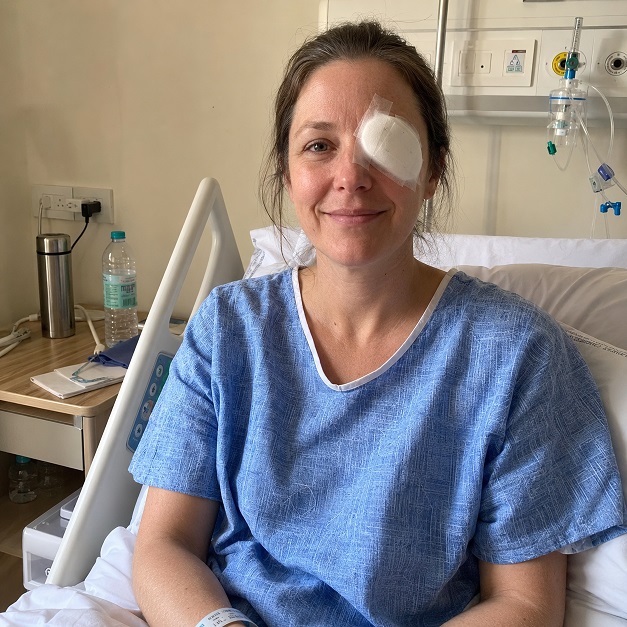
Cataracts at 40 wasn't what Ms. Amelia Gauthier had planned for, but her Cataract Eye Surgery in India with Tour2India4Health Consultants changed her vision almost immediately. Thorough assessment and attentive aftercare made the decision easy to stand by. “I'd make the same choice again without hesitation,” she shared.
Choosing medical treatment is never just about finding the lowest cost—it is about finding the right balance between quality, safety, expertise, and affordability. For many patients from Canada, travelling abroad for treatment is a significant decision, and having the right guidance can make all the difference.
At Tour2India4Health Consultants, we have been helping international patients access trusted medical care in India for more than two decades. As one of India's first Government-registered medical travel facilitation groups,
our mission is simple—to make quality healthcare in India accessible, transparent, and stress-free for patients from around the world. We work closely with some of India's most respected hospitals and experienced medical specialists across a wide range of specialties. Whether you need heart surgery, cancer treatment, orthopedic care, neurosurgery, organ transplantation, fertility treatment, or another specialized procedure, we help you identify the hospital and doctor best suited to your medical condition, treatment goals, and budget.
Our support goes far beyond recommending a hospital. From reviewing your medical reports and arranging specialist consultations to assisting with medical visas, travel planning, accommodation, airport transfers, and post-treatment follow-up, we coordinate every step of your healthcare journey. This allows you and your family to focus on what matters most—your treatment and recovery.
With a trusted network of hospitals across more than 15 cities in India and access to over 5,000 experienced healthcare professionals, we are committed to helping every patient receive safe, timely, and personalized care. Our ISO QMS-certified administrative processes ensure smooth coordination and a high standard of service throughout your medical journey.
This page has been specially created for patients from Canada who are considering medical treatment in India. Here, you'll find everything you need to make an informed decision—from treatment options and hospital information to medical visa guidance, travel support, estimated costs, and practical advice for planning your healthcare journey with confidence.
Why Thousands of International Patients Choose Tour2India4Health Consultants
Canada is known for its excellent healthcare system, but many patients still experience challenges when they need specialized or non-emergency treatment. Long waiting times for consultations, diagnostic tests, and elective surgeries, along with increasing healthcare costs for certain procedures, often lead patients to explore treatment options outside Canada.
India has emerged as one of the world's most trusted destinations for medical travel, offering internationally accredited hospitals, highly experienced specialists, advanced medical technology, and significantly lower treatment costs. Every year, patients from Canada choose India to receive timely, high-quality healthcare without compromising on safety or clinical excellence.
At Tour2India4Health Consultants, we understand that travelling abroad for medical treatment is a major decision. That's why we focus on making the entire process simple, transparent, and worry-free. From your first enquiry until you return home, our team is committed to supporting you every step of the way.
Why Canadian Patients Trust Us
Personalized treatment planning based on your medical condition and budget.
Free expert medical second opinions from leading specialists in India.
Access to internationally accredited hospitals and experienced doctors.
Fast specialist consultations with minimal waiting times.
Transparent treatment costs with no hidden charges.
Assistance with medical visas, travel arrangements, accommodation, and airport transfers.
Dedicated patient coordinators available before, during, and after treatment.
High standards of patient safety and internationally accepted clinical protocols.
Access to advanced diagnostics, modern surgical techniques, and cutting-edge medical technology.
Continuous support throughout your treatment and recovery journey.
Compassionate, patient-first guidance designed to make your healthcare experience smooth, safe, and stress-free.
At Tour2India4Health Consultants, our goal is not just to help you receive treatment in India—it is to give you the confidence, clarity, and support you need to make informed healthcare decisions for yourself and your family.
About India
India is a country where centuries-old heritage meets modern innovation. Known for its rich culture, warm hospitality, and remarkable diversity, India is also recognized today as one of the world's leading destinations for advanced medical care. Every year, millions of international visitors travel to India for tourism, business, education, and increasingly, high-quality healthcare.
As the world's largest democracy and one of the fastest-growing economies, India has built a globally respected healthcare ecosystem. The country is home to internationally accredited hospitals, highly experienced specialists, cutting-edge medical technology, and comprehensive treatment facilities across virtually every medical specialty.
As the renowned author Mark Twain beautifully wrote:
"India is the cradle of the human race, the birthplace of human speech, the mother of history, the grandmother of legend, and the great-grandmother of tradition."
Whether you travel to India for medical treatment or to experience its vibrant culture, you will discover a country known for excellence, compassion, and hospitality—qualities that continue to make India one of the world's most trusted destinations for international healthcare.
About Canada
Canada is widely recognized for its high-quality healthcare system and universal access to medical services. However, like many developed nations, it faces increasing pressure from rising patient demand, an ageing population, workforce shortages, and extended waiting times for specialist consultations, diagnostic investigations, and elective surgeries. For many patients, these delays can postpone treatment and affect their overall quality of life.
As a result, an increasing number of Canadians are looking beyond their borders for timely, specialized, and affordable healthcare. Medical tourism has become a practical solution for patients who want quicker access to treatment while maintaining high standards of medical care.
Why More Canadians Are Choosing India for Medical Treatment
India has become one of the world's leading medical tourism destinations, offering Canadian patients access to internationally accredited hospitals, highly experienced specialists, and advanced medical technology across almost every specialty. Whether it is heart surgery, cancer treatment, orthopedic procedures, neurosurgery, organ transplantation, fertility treatment, cosmetic surgery, or minimally invasive robotic surgery, India provides comprehensive healthcare solutions under one roof.
Many Canadians choose India because they can benefit from:
Faster access to specialist consultations and surgical procedures.
Significant cost savings compared to many Western countries.
Internationally accredited hospitals with modern infrastructure.
Highly experienced surgeons and multidisciplinary medical teams.
Advanced medical technology and evidence-based treatment protocols.
English-speaking doctors and healthcare professionals for seamless communication.
Personalized treatment planning with complete medical travel assistance.
End-to-end support including hospital coordination, medical visa guidance, accommodation, airport transfers, and post-treatment follow-up.
For many Canadian patients, travelling to India is not simply about affordability—it is about receiving the right treatment at the right time. Access to experienced specialists, shorter waiting periods, personalized care, and comprehensive support gives patients greater confidence and peace of mind throughout their healthcare journey.
At Tour2India4Health Consultants, we are committed to helping Canadian patients make informed healthcare decisions and ensuring their medical journey to India is safe, transparent, comfortable, and completely patient-focused.
Why Canadian Patients Trust Tour2India4Health Consultants
Seeking medical treatment abroad can feel overwhelming, especially when you're making important decisions about your health. At Tour2India4Health Consultants, we are committed to making your medical journey to India as simple, transparent, and stress-free as possible. From your first enquiry to your return home, our experienced team is with you at every stage.
1. Free Expert Second Opinion
Before you make any treatment decision, we help you obtain a second opinion from experienced specialists at India's leading hospitals. This allows you to better understand your diagnosis, explore available treatment options, and make an informed decision with confidence.
2. Personalized Treatment Planning
No two patients are the same. We carefully review your medical reports and recommend the most suitable hospital, specialist, and treatment plan based on your medical condition, personal preferences, and budget.
3. Transparent & Affordable Treatment Packages
We provide customized treatment plans with clear cost estimates and no hidden charges. Our goal is to help you receive world-class healthcare that fits your medical and financial needs.
4. Language & Patient Coordination
Clear communication is essential for quality healthcare. If required, we can arrange interpreter services and dedicated patient coordinators to ensure smooth communication between you and your medical team throughout your treatment.
5. Continuous Follow-Up Care
Our support does not end when you leave the hospital. Even after you return to Canada, we help coordinate follow-up consultations, medical reports, and ongoing communication with your treating doctors in India.
6. Medical Visa & Travel Assistance
We provide step-by-step assistance with medical visa documentation, hospital invitation letters, travel planning, accommodation, airport transfers, and local transportation, making your journey to India smooth and well organized.
With Tour2India4Health Consultants, you receive more than medical travel assistance—you gain a trusted healthcare partner dedicated to helping you access safe, timely, and high-quality treatment in India with complete peace of mind.
Our Network of Leading Hospitals in India
Choosing the right hospital is one of the most important decisions when planning medical treatment abroad. At Tour2India4Health Consultants, we understand that every patient's medical condition, treatment goals, budget, and travel requirements are unique. That's why we take a personalized approach when recommending hospitals and specialists.
Our trusted network includes leading multi-specialty hospitals, specialty centres, nursing homes, and accredited healthcare facilities across more than 15 major cities in India. After carefully reviewing your medical reports, our experienced medical advisors recommend the hospital and specialist best suited to your diagnosis, treatment complexity, expected length of stay, preferred location, travel convenience from Canada, and financial considerations.
We collaborate with internationally recognized corporate hospitals as well as high-quality specialty centres and cost-effective healthcare institutions, ensuring that patients from every background have access to safe, advanced, and affordable medical care. Whether you require heart surgery, cancer treatment, orthopedic surgery, neurosurgery, organ transplantation, fertility treatment, or another specialized procedure, we help you find the right hospital with confidence.
Beyond hospital selection, our support continues throughout your medical journey. We coordinate specialist appointments, treatment schedules, accommodation, airport transfers, local transportation, and ongoing patient assistance, allowing you and your family to focus entirely on treatment and recovery.
Explore our network of trusted hospitals and discover why patients from Canada rely on Tour2India4Health Consultants for personalized, world-class healthcare in India.
The expertise of your doctor plays a crucial role in the success of your treatment. At Tour2India4Health Consultants, we believe that every patient deserves access to the most experienced specialists for their specific medical condition.
India is home to some of the world's most respected physicians and surgeons, many of whom have received international training and have decades of experience treating complex medical conditions. These specialists combine advanced clinical expertise with modern medical technology to deliver safe, effective, and patient-centered care across every major medical specialty.
Through our extensive network, Canadian patients have access to more than 5,000 experienced doctors and surgeons practicing in leading hospitals across India. Whether you require heart surgery, cancer treatment, orthopedic surgery, neurosurgery, organ transplantation, fertility treatment, cosmetic surgery, ophthalmology, or another specialized procedure, we carefully match you with the right doctor based on your diagnosis, treatment requirements, and personal preferences.
Rather than recommending a hospital alone, we focus on identifying the most suitable specialist for your condition. Every recommendation is made after carefully reviewing your medical reports to ensure you receive personalized care from a doctor with the expertise best suited to your treatment needs. Our goal is simple—to help patients from Canada access world-class medical expertise with complete confidence, supported by trusted guidance throughout their healthcare journey.
Explore the profiles of our leading specialists and discover the expertise behind India's internationally recognized healthcare system.
Medical Visa for Canadian Patients Travelling to India
Canadian citizens planning to travel to India for medical treatment must obtain a valid Indian Medical Visa or E-Medical Visa, depending on the nature and duration of their treatment. At Tour2India4Health Consultants, we guide patients through the entire visa process, making it simple and hassle-free.
Documents Generally Required
To apply for an Indian Medical Visa, you will typically need:
A valid Canadian passport with at least six months' validity and sufficient blank pages.
A completed Medical Visa application form.
Recent passport-sized photographs.
Medical reports and relevant diagnostic records.
A referral letter from your treating physician in Canada (if applicable).
An official appointment confirmation or invitation letter from the treating hospital in India.
Proof of sufficient financial resources to cover treatment and travel expenses.
Any additional documents requested by the Indian authorities during the application process.
Medical Attendant Visa
Patients travelling with a family member or caregiver can have their companion apply for a Medical Attendant Visa, allowing them to accompany and support the patient throughout the treatment journey.
Visa Validity
The validity of a Medical Visa depends on the patient's treatment plan and is determined by the Indian authorities. If additional treatment or follow-up care is required, visa extensions may be available in accordance with applicable Indian immigration regulations.
Our Visa Assistance Services
At Tour2India4Health Consultants, we assist Canadian patients with:
Hospital invitation letters.
Medical appointment confirmations.
Medical Visa documentation guidance.
Travel planning and coordination.
End-to-end support before your departure to India.
Our experienced team ensures that your Medical Visa application process is smooth, efficient, and stress-free, allowing you to focus on your treatment and recovery.
Indian E-Medical Visa for Canadian Patients
Canadian citizens travelling to India for planned medical treatment can apply for an Indian E-Medical Visa, offering a convenient and streamlined way to access specialized healthcare. Depending on the nature of the treatment and the decision of the Indian authorities, the visa may be issued for an appropriate duration with multiple entries where applicable. Patients can also be accompanied by up to two family members or caregivers on an E-Medical Attendant Visa.
Documents Required
To apply for an Indian E-Medical Visa, you will generally need:
A valid Canadian passport with at least six months' validity from the date of arrival and two blank pages.
A recent passport-size digital photograph.
Medical reports and diagnostic records related to your condition.
An official appointment confirmation or invitation letter from the treating hospital in India.
Proof of sufficient financial resources to cover your treatment and travel expenses.
Any additional documents requested during the visa application process.
How to Apply
Applying for an Indian E-Medical Visa is straightforward:
Complete the online application through the official Indian e-Visa portal.
Upload your passport copy, photograph, medical documents, and hospital invitation letter.
Pay the applicable visa fee using the available online payment options.
After approval, you will receive your Electronic Travel Authorization (ETA) by email.
Print the ETA and carry it along with your passport when travelling to India.
Need assistance with your Medical Visa from Canada to India?
At Tour2India4Health Consultants, we make the visa process simple and stress-free by assisting you with:
Our goal is to make your medical journey from Canada to India as comfortable, stress-free, and seamless as possible, giving you and your family complete peace of mind at every stage.
Hospital invitation letters and appointment confirmations.
Medical documentation guidance.
Treatment scheduling with leading hospitals.
Medical Visa and E-Medical Visa assistance.
Travel planning, accommodation, and airport transfers.
From your first enquiry until you arrive in India, our dedicated team is here to ensure your medical journey is smooth, well-organized, and focused entirely on your treatment and recovery.
In-Patient Logistics & Support Services
Travelling to another country for medical treatment can feel overwhelming, but you don't have to manage it alone. At Tour2India4Health Consultants, we take care of every logistical detail so you can focus entirely on your treatment and recovery.
From the moment you arrive in India, our team coordinates priority appointments with your treating specialists, hospital admissions, comfortable accommodation, airport pick-up and drop-off, local transportation, and 24/7 patient support throughout your stay. We also work closely with leading internationally recognized hospitals to ensure a smooth, safe, and well-organized healthcare experience.
Our goal is to make your medical journey from Canada to India as comfortable, stress-free, and seamless as possible, giving you and your family complete peace of mind at every stage.
Areas We Serve
This resource has been thoughtfully prepared for patients from Australia who are considering medical treatment in India. We also welcome patients from the wider region in the countries mentioned below-
We regularly assist patients from:
Canada
United States
Jamaica
Bahamas
Barbados
Belize
Guyana
Saint Lucia
Grenada
Dominica
Trinidad and Tobago
Saint Kitts and Nevis
Antigua and Barbuda
Saint Vincent and the Grenadines
Many of the insights, treatment pathways, hospital recommendations, travel guidance, and patient support services described here are equally relevant and may be used as a reference when planning treatment in India.
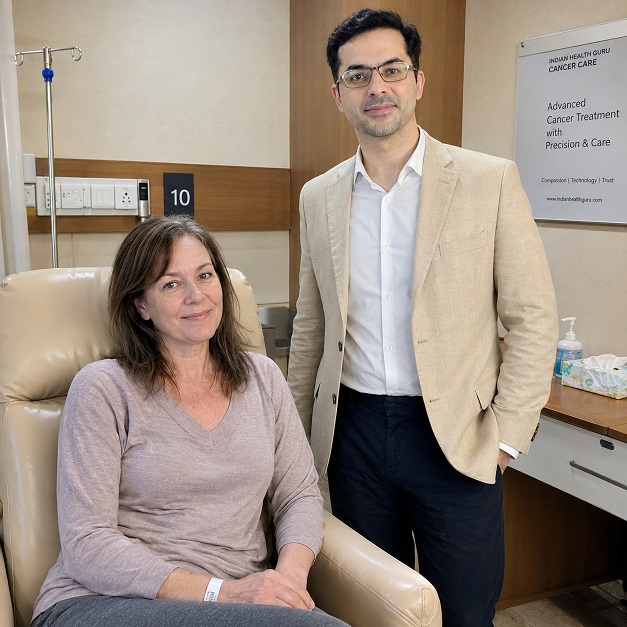
Dr. Dheeraj Bojwani is a Medical Travel Advisor with over 24 years of experience assisting international patients seeking treatment in India. He has helped more than 5,000 patients from Africa, Middle East, Europe, USA, Asia and other regions get treatment in leading hospitals, with specialists, and treatment programs across India. His core work focuses on Patient Education, Medical Second Opinions, Treatment Planning, and Healthcare Travel Coordination.
Our Happy Patient Testimonials from All Over the World
Mrs. Denise Edna Reid, New Zealand
Knee Replacement Surgery in India
Mr. Uchenna, Nigerian
Prosthesis Surgery for Artificial Limbs
Mrs. Marlene Mccanne, Australia
Total Knee Replacement Surgery
Mr. Henry Ume, Nigeria
Hip Replacement Surgery
Page Summary
Tour2India4Health Consultants helps Canadian patients access advanced, affordable, and trusted medical treatment in India through personalized medical travel assistance. The service connects patients with leading hospitals, experienced doctors, and modern healthcare facilities across specialties such as cardiology, oncology, orthopedics, neurosurgery, organ transplantation, fertility treatment, cosmetic surgery, dental care, eye care, and more. Canadian patients benefit from shorter waiting times, expert medical second opinions, customized treatment planning, transparent cost estimates, and complete travel support. Services include hospital selection, specialist appointments, medical visa guidance, accommodation, airport transfers, in-patient logistics, interpreter support when required, and post-treatment follow-up. The goal is to make medical travel from Canada to India safe, affordable, well-coordinated, and stress-free.
Frequently Asked Questions (FAQs)
Canadian patients choose India for shorter waiting times, affordable treatment costs, advanced hospitals, and experienced specialists. India offers high-quality care across many medical specialties.
Patients can access heart surgery, cancer treatment, orthopedic surgery, neurosurgery, organ transplantation, fertility treatment, cosmetic surgery, dental care, eye care, and many other advanced procedures.
Yes. Many treatments in India are significantly more cost-effective than in Canada and other Western countries, while still offering modern hospitals and experienced medical teams.
The team assists with medical report reviews, second opinions, hospital selection, doctor appointments, treatment planning, visa guidance, travel, accommodation, and follow-up care.
Yes. You can share your medical reports and receive an expert second opinion from experienced specialists in India before deciding on treatment.
Your medical reports, diagnosis, treatment needs, budget, preferred location, and expected stay are reviewed before recommending a suitable hospital and specialist.
Yes. Canadian patients travelling for treatment need an Indian Medical Visa or E-Medical Visa, depending on the treatment type and duration.
Yes. Up to two family members or caregivers may accompany the patient by applying for a Medical Attendant Visa, subject to visa rules.
The duration depends on your treatment, recovery, and follow-up requirements. A tentative treatment schedule is usually shared before travel.
Yes. Many leading Indian hospitals have advanced operating rooms, diagnostic facilities, intensive care units, robotic systems, and internationally accepted clinical protocols.
Most doctors and hospital teams communicate in English. Interpreter support can also be arranged if required.
Yes. After reviewing your medical records, you can receive an estimated treatment cost along with suitable hospital and doctor options.
Yes. India is a popular destination for elective procedures such as cosmetic surgery, dental treatment, eye surgery, bariatric surgery, and orthopedic procedures.
Appointments can usually be arranged quickly after medical reports are reviewed, depending on the urgency of the case and doctor availability.
You should share recent medical reports, prescriptions, scans, test results, discharge summaries, biopsy reports if applicable, and previous treatment history.
Yes. Assistance is provided for airport transfers, accommodation, local transportation, hospital admission, and in-patient logistics.
Patient coordinators assist with appointments, admission, communication with hospital teams, logistics, and general support throughout the treatment stay.
Post-treatment support includes follow-up coordination, medical report assistance, communication with treating doctors, and recovery guidance after returning to Canada.
Tour2India4Health Consultants helps compare hospitals, identify suitable specialists, understand costs, arrange logistics, and support patients throughout the full journey.
Share your medical reports and a brief description of your condition. The team will review your case and guide you with treatment options, hospitals, costs, and next steps.
Ready to Take the First Step?
Share your Medical Reports with our Healthcare Managers Today and Get a FREE CONSULTATION, a Personalized Treatment Plan, and Complete Support from Arrival to Recovery.