

Gamma Knife Treatment in India for Canadian Patients
Five machines serve the entire country, and even the busiest ones run just two days a week. For many Canadians, the nearest realistic option is not the domestic one.
A 71-year-old retired teacher in Charlottetown, PEI. A small, benign meningioma, found incidentally, growing slowly enough that her neurosurgeon feels Gamma Knife is the right answer rather than open surgery. There is no Gamma Knife unit anywhere in the Maritimes. Her nearest option is Toronto, roughly seventeen hundred kilometres away, and the unit there runs treatments only two days a week, receiving referrals from across and beyond Ontario. She has already discovered that the shortest realistic path to this treatment may not be the domestic one.
Healing Journeys of Canadian Patients
Key Takeaways
- Canada currently has five Gamma Knife machines nationally, with two in Toronto and others in Quebec, Winnipeg and Alberta. The PDF highlights how geographically limited access remains for patients living outside these centres.
- The page 1 visual notes that even the busiest Canadian units operate only two days per week. Toronto treats approximately 500 patients annually, while Winnipeg treats approximately 250 patients annually.
- Gamma Knife is designed specifically for conditions involving the brain and skull base, including selected benign and malignant brain tumours, certain vascular malformations, trigeminal neuralgia and some movement disorders. It is not intended for tumours elsewhere in the body.
- The PDF distinguishes Gamma Knife from CyberKnife. Gamma Knife is specifically designed for cranial conditions, while CyberKnife can treat tumours in several parts of the body. For selected purely cranial conditions, particularly multiple small metastases, Gamma Knife may be the more established choice.
- Patients may have a traditional frame or frameless mask-based treatment depending on their lesion and treatment plan. The traditional frame is fixed to the skull under local anaesthetic for single-day treatment, while newer ICON systems can use a custom mask without pins or anaesthesia and may allow treatment across several sessions.
- The page 3 cost visual gives an indicative Gamma Knife treatment-package cost of approximately C$7,600 in India, compared with approximately C$58,000 for private treatment in the United States.
- The guide emphasizes that price should not be the first consideration. Patients should confirm that a multidisciplinary team involving neurosurgery, radiation oncology and neuroradiology has reviewed their imaging and agreed that Gamma Knife is appropriate.
Quick Facts
- Treatment
- Gamma Knife Radiosurgery
- Country
- India
- Patients
- Canadian Patients
- Specialty
- Neurosurgery / Radiation Oncology
- Gamma Knife Machines in Canada
- 5 Nationally
- Canadian Locations
- Toronto, Quebec, Winnipeg and Alberta
- Main Treatment Area
- Brain and Skull Base
- Conditions Discussed
- Brain Tumours, Brain Metastases, Vascular Malformations, Trigeminal Neuralgia and Some Movement Disorders
- Traditional Treatment
- Skull Frame With Local Anaesthetic
- Frameless Treatment
- Custom-Fitted Mask Without Pins or Anaesthetic
- Indicative India Cost
- Approximately C$7,600
- Hospital Verification
- Independently Verifiable JCI or NABH Accreditation
- Follow-Up
- Canadian Neurosurgeon / Radiation Oncologist
- Important Principle
- Confirm Gamma Knife Suitability Before Choosing Treatment
In Brief
Gamma Knife can be an important option for selected brain and skull-base conditions, particularly when open surgery may be undesirable or when several small brain metastases require precise treatment. For Canadian patients, the limited national availability of Gamma Knife may make India worth considering in selected circumstances. However, candidacy should first be confirmed by a multidisciplinary neuro-oncology team, with the choice between frame and frameless treatment based on the patient's specific lesion rather than convenience or marketing.
Five machines for the entire country
Canadian neurosurgeons and radiation oncologists working with Gamma Knife are excellent, and in 24 years of guiding international patients into Indian hospitals I have never suggested otherwise. What is worth understanding is exactly how thin this specific technology's footprint is nationally.
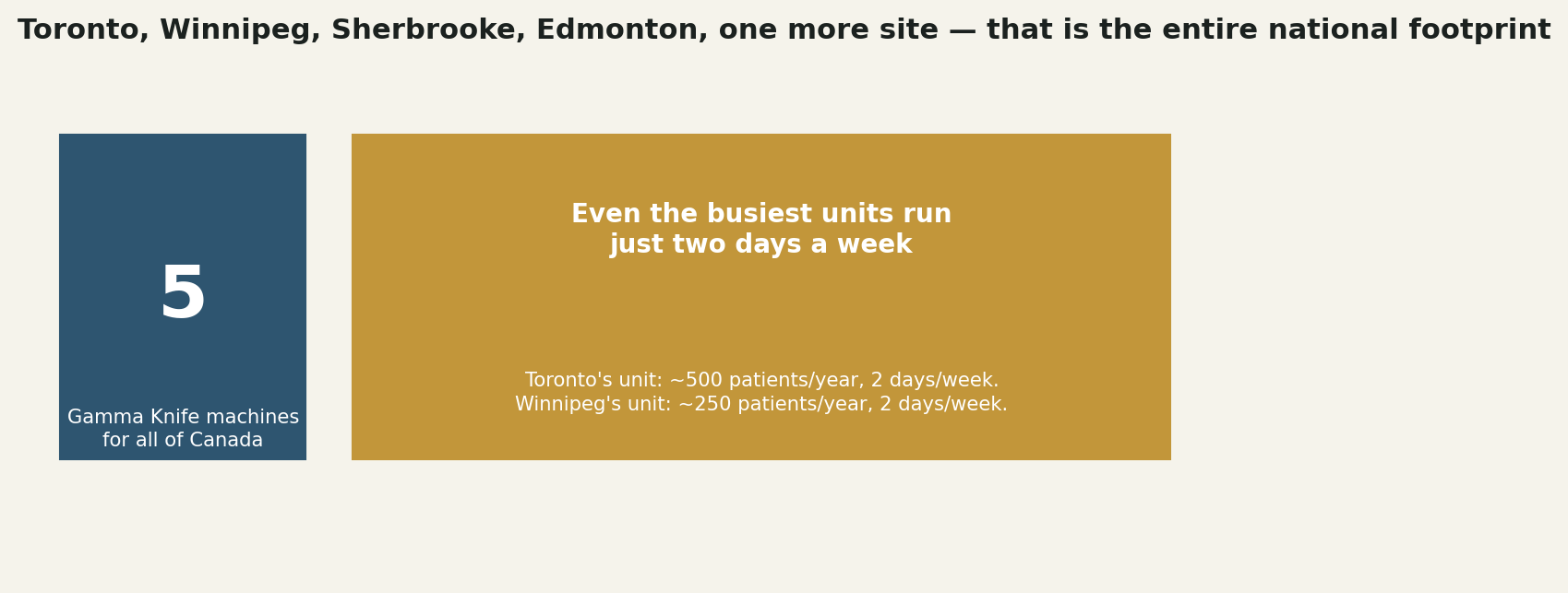
Canada's first Gamma Knife arrived in Winnipeg in 2003, followed by Sherbrooke in 2004 and Toronto in 2005; before that, Canadians needing this treatment had to travel to the United States, which already had over a hundred centres. Today the country has grown to five machines total, split between Toronto (two units), Quebec, Winnipeg and Alberta. Even where the equipment exists, capacity is genuinely limited:
Toronto's unit treats roughly 500 patients a year running two days a week, and receives referrals not only from across Ontario but from other provinces entirely. Winnipeg's unit runs the same two-day schedule for roughly 250 patients annually. Alberta's unit, in Edmonton, was funded largely through a hospital foundation donor campaign, a pattern that recurs across several advanced technologies in this series — access to specific radiosurgery equipment in Canada often depends on local philanthropic success as much as national health planning.
Consider what this means practically for a patient outside the handful of cities that host these machines. A patient in Atlantic Canada, the territories, or much of the Prairies already faces a substantial domestic trip simply to reach a Canadian Gamma Knife unit, before any question of international travel enters the conversation at all. The honest comparison many families should be making is not "Canada versus India" but "a long domestic trip to a two-day-a-week programme versus a comparable or shorter trip to a dedicated, full-time international centre."
Gamma Knife and CyberKnife are not the same choice
If you have researched stereotactic radiosurgery already, you may have encountered both Gamma Knife and CyberKnife and wondered which applies to you. The honest answer is that they are not competing options for the same problem.
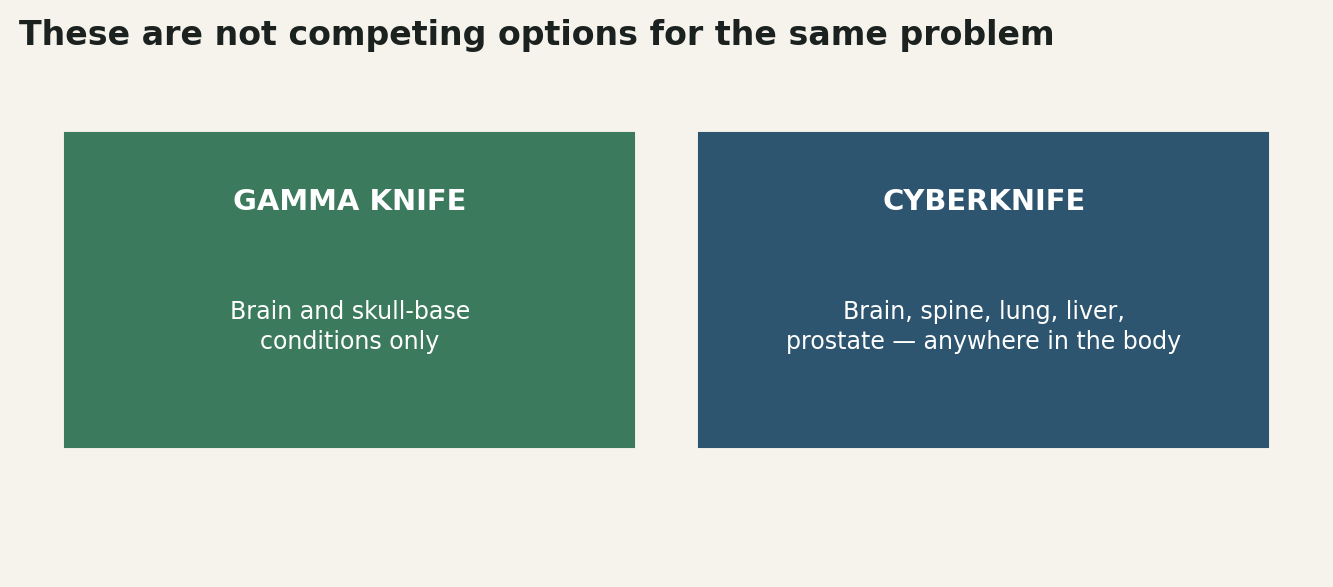
Gamma Knife is designed specifically for conditions within the brain and skull base: benign and malignant brain tumours, certain vascular malformations, trigeminal neuralgia, and some movement disorders. It does not treat tumours elsewhere in the body. CyberKnife, covered in a separate briefing in this series, can address tumours throughout the body, including the brain, but for purely cranial conditions Gamma Knife's design, purpose-built for the head with an extremely stable, high-precision delivery system, is often the more established and specifically validated choice, particularly for treating several small metastases in a single sitting.
Frame or frameless: a genuine choice worth understanding
Traditional Gamma Knife treatment involves fixing a lightweight frame to the skull with pins, under local anaesthetic, for the day of treatment. It sounds more alarming than most patients find it in practice, and it allows extremely precise, single-day treatment.
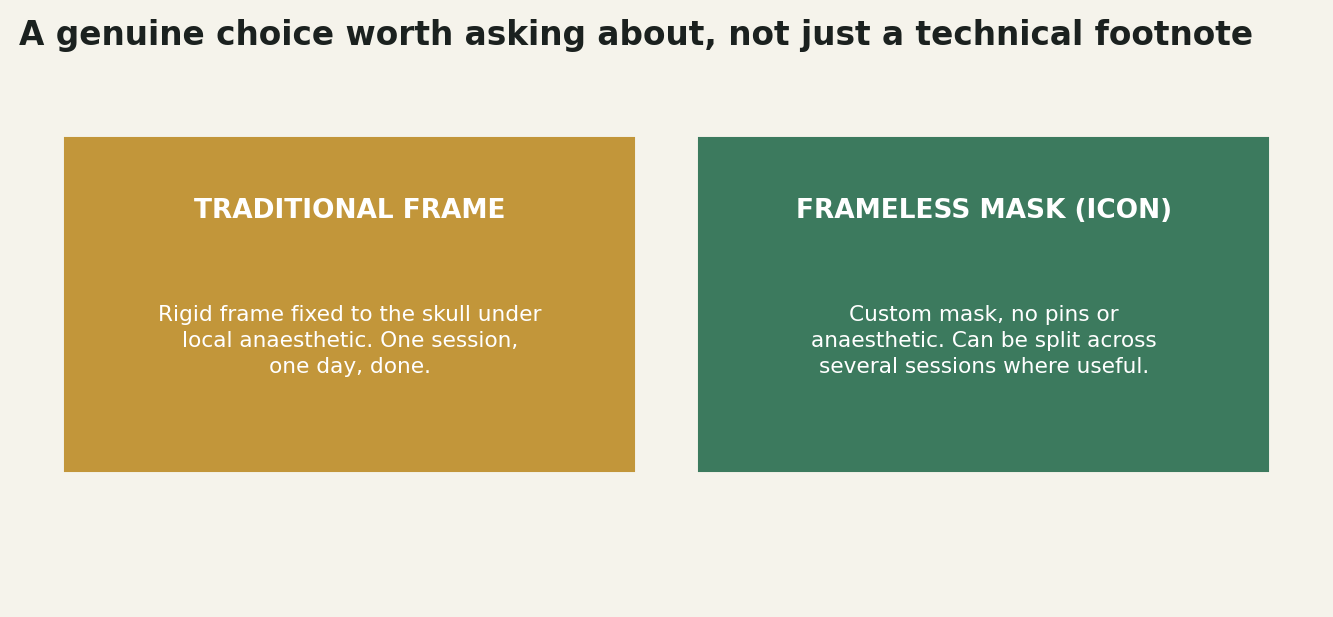
Newer Gamma Knife systems, including the ICON model Canada's own units are built on, offer a frameless alternative using a custom-fitted mask instead, with no pins and no anaesthetic required. This also allows treatment to be split across several sessions where that is clinically preferable, for larger lesions or those close to sensitive structures. Ask directly which approach is proposed for you and why, since this is a genuine clinical decision rather than a simple upgrade.
Neither approach is universally superior; the right choice depends on lesion size, location and how many targets need treating. What matters is that the team proposing your treatment can explain the reasoning specifically, rather than defaulting to whichever technique happens to be their usual practice.
What the money actually looks like
Gamma Knife is not something Canada's small private clinics offer at any price; the equipment is highly specialised and concentrated entirely within a handful of larger hospital-based centres. For a Canadian without practical access to one of the country's five machines, the realistic paid alternative is the United States rather than a domestic private clinic.
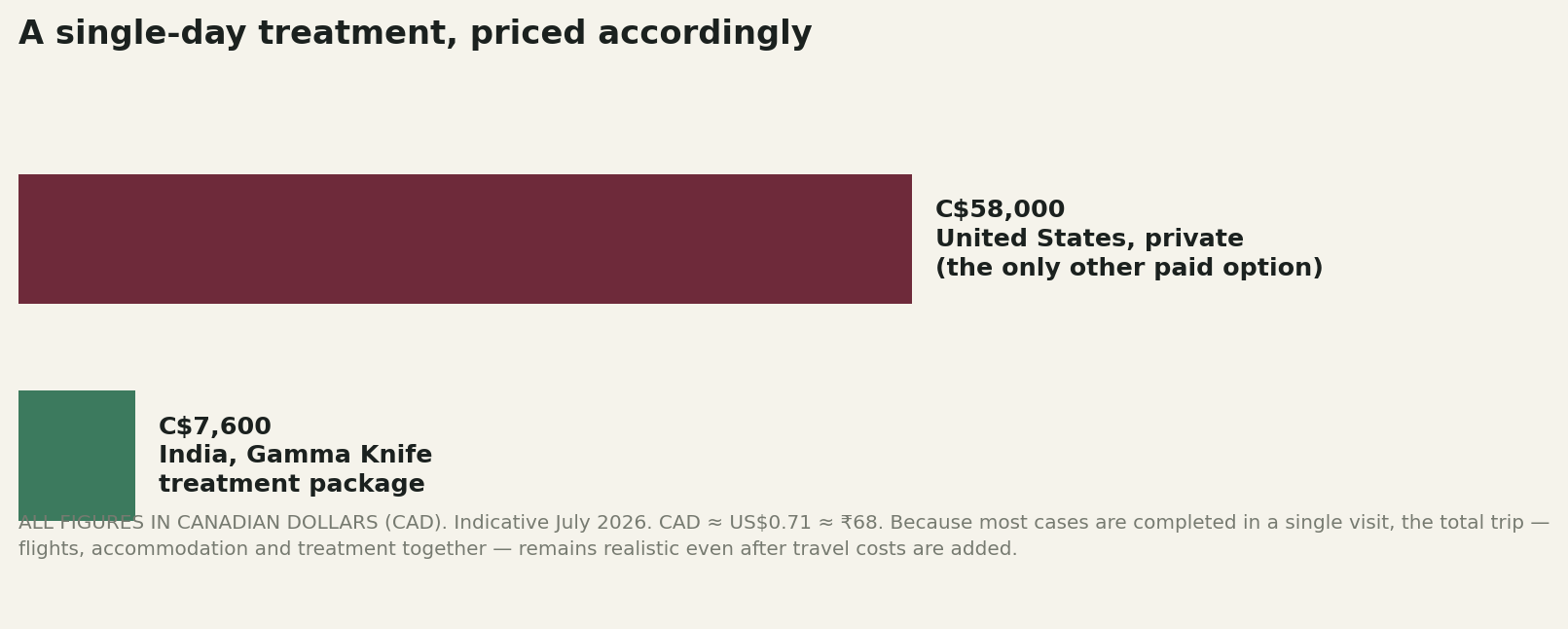
American Gamma Knife treatment, priced for an insurance-backed domestic market, commonly runs into five figures once insurance is not in the picture. India's major neurosurgical centres operate Gamma Knife programmes with the same technology and precision standards, at a fraction of the American price, and because most cases are completed in a single visit, the total trip remains realistic even once travel is added.
In 24 years of guiding patients through this decision, the question that matters most is not the price. It is whether a genuine multidisciplinary neuro-oncology team, not one clinician alone, has confirmed Gamma Knife is the right approach for your specific lesion.
What you are actually getting for it
A genuine multidisciplinary review, including neurosurgery, radiation oncology and neuroradiology together, before treatment is confirmed.
Experience treating multiple metastases in a single sitting, where relevant, which is one of Gamma Knife's particular strengths.
A clear, honest recommendation on frame versus frameless technique for your specific lesion, rather than a default answer.
Accreditation you can verify independently. JCI is the international arm of the body accrediting hospitals across the United States; NABH is India's national equivalent, recognised by the same global standards authority.
A follow-up imaging schedule arranged before you leave, since results develop over months, not days.
Four Things that Should Make You Walk Away Immediately
Any clinic recommending Gamma Knife for a condition elsewhere in the body. This technology treats the brain and skull base only.
A firm treatment plan made without a multidisciplinary team reviewing your imaging. This decision should never rest on one clinician's opinion alone.
Vagueness about experience with your specific lesion type, particularly multiple metastases if that applies to you.
No follow-up imaging plan arranged before you travel home. Results take months to become fully apparent, and someone needs to be watching for them.
Straight answers for Canadian Patients about Gamma Knife Treatment in India
How is Gamma Knife different from CyberKnife?
Gamma Knife treats only conditions within the brain and skull base, while CyberKnife can treat tumours throughout the body. For purely cranial conditions, particularly multiple small metastases treated in one sitting, Gamma Knife is often the more established choice.
Will my provincial plan reimburse treatment performed in India?
Almost never. Out-of-country coverage exceptions require pre-approval showing the treatment is genuinely unavailable in Canada within a medically acceptable time, and given how few Canadian units exist, this is worth raising directly with your provincial ministry of health.
Do I need the traditional frame, or can I have the frameless option?
This depends on your specific lesion and treatment plan. Ask directly which approach is recommended for you and why, since both are genuine, valid options depending on the case.
How long should I plan to stay in India?
Often just a matter of days for a single-session treatment, though this varies if your case is being split across several sessions or requires additional pre-treatment imaging.
Who follows up on my results once I'm home?
Your Canadian neurosurgeon or radiation oncologist, provided they have the full treatment plan and a specific follow-up imaging schedule in writing before you leave.
A closing word
Gamma Knife is a genuinely precise, well-established treatment for the right cranial conditions, and Canada's own footprint for it, five machines nationally, several running only part of the week, means many Canadians never have it properly explained as an accessible option. Confirm a genuine multidisciplinary team has reviewed your case, understand whether frame or frameless technique fits your situation, and treat the price as the last question rather than the first. If you have imaging you would like reviewed, send it to me and I will look at it properly.
Sources
- 🌐 University of Toronto, Radiation Oncology, "Gamma Knife ICON: Enhancing Treatment for Brain Metastasis and Benign Tumours" — radonc.utoronto.ca
- 🌐 "A 'Star Trekky' procedure nobody knows about", The Globe and Mail — theglobeandmail.com
- 🌐 Alberta Health Services, "Gamma Knife suite opens at University of Alberta Hospital" — albertahealthservices.ca
- 🌐 University Health Network, "Gamma Knife Centre in Toronto" — uhn.ca
- 🌐 High Commission of India, e-Visa categories and eligibility — indianvisaonline.gov.in/evisa
Frequently Asked Questions by Canadian Patients about Gamma Knife Treatment in India
What is Gamma Knife treatment?
Gamma Knife is a highly precise form of cranial radiosurgery designed to deliver focused radiation to conditions affecting the brain and skull base. It does not involve conventional open surgery.
Which conditions can Gamma Knife treat?
The PDF discusses selected benign and malignant brain tumours, certain vascular malformations, trigeminal neuralgia and some movement disorders. It is specifically intended for the brain and skull base.
How many Gamma Knife machines are available in Canada?
The guide states that Canada has five Gamma Knife machines, located across Toronto, Quebec, Winnipeg and Alberta.
What is the difference between frame and frameless Gamma Knife?
Traditional treatment uses a lightweight frame fixed to the skull under local anaesthetic. Frameless treatment uses a custom-fitted mask without pins or anaesthetic and may allow treatment over several sessions when clinically appropriate.
How much does Gamma Knife treatment cost in India?
The PDF gives an indicative India treatment-package cost of approximately C$7,600, compared with approximately C$58,000 for private treatment in the United States. Actual costs depend on the individual treatment plan.
How long do Canadian patients need to stay in India?
For a single-session treatment, the guide states that the stay may be only a matter of days. Longer stays may be required when treatment is divided into several sessions or additional imaging is needed.
Who should confirm whether Gamma Knife is appropriate?
The guide recommends a multidisciplinary review involving neurosurgery, radiation oncology and neuroradiology before treatment is confirmed.
Will a Canadian provincial health plan reimburse Gamma Knife treatment in India?
Almost never. The PDF notes that out-of-country coverage generally requires pre-approval showing that the treatment is genuinely unavailable in Canada within a medically acceptable time. Patients should discuss this directly with their provincial health authority.
Who manages follow-up after returning to Canada?
The Canadian neurosurgeon or radiation oncologist should manage follow-up, provided they receive the complete treatment plan and a specific imaging schedule before the patient leaves India.
Page Summary
This guide explains Gamma Knife treatment in India for Canadian patients and focuses on the limited availability of the technology across Canada. It describes the brain and skull-base conditions Gamma Knife may treat, explains how it differs from CyberKnife and outlines the choice between traditional frame-based and newer frameless treatment. The guide gives an indicative India cost of approximately C$7,600 and emphasizes multidisciplinary case review, relevant treatment experience, independently verifiable accreditation and a planned follow-up schedule with the Canadian medical team.
Citation Block
| Topic | Information |
|---|---|
| Topic | Gamma Knife Treatment in India for Canadian Patients |
| Treatment | Gamma Knife Radiosurgery |
| Country | India |
| Intended Audience | Canadian Patients |
| Specialty | Neurosurgery / Radiation Oncology |
| Gamma Knife Machines in Canada | 5 Nationally |
| Canadian Locations | Toronto, Quebec, Winnipeg and Alberta |
| Treatment Area | Brain and Skull Base |
| Conditions | Brain Tumours, Metastases, Vascular Malformations, Trigeminal Neuralgia and Some Movement Disorders |
| Traditional Technique | Skull Frame Under Local Anaesthetic |
| Frameless Technique | Custom-Fitted Mask |
| Key Selection Factor | Multidisciplinary Confirmation of Gamma Knife Suitability |
| Author | Dr. Dheeraj Bojwani |
| Experience | 24+ Years |


Our Mission Statement
Our mission is to place patients at the centre of every healthcare decision by providing trustworthy, evidence-based, and unbiased medical information. We believe that informed patients make better decisions. Backed by personalised guidance from our experienced advisory team, we help patients understand their treatment options, compare them objectively, and confidently choose the path that best suits their medical needs and personal circumstances.
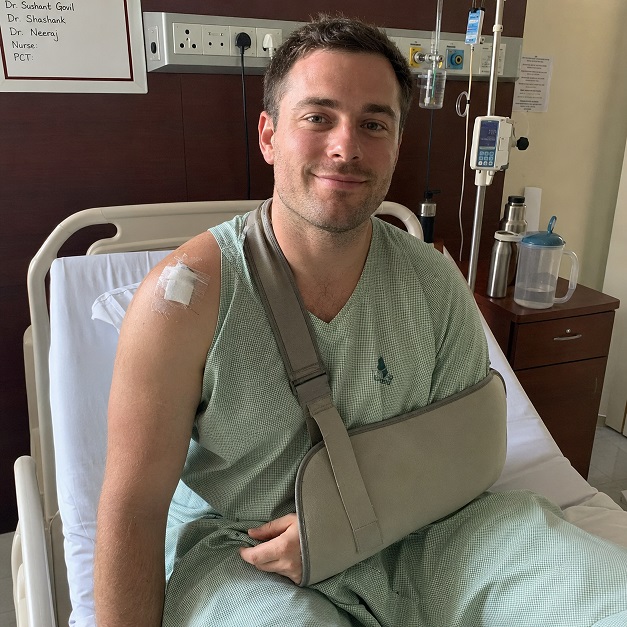
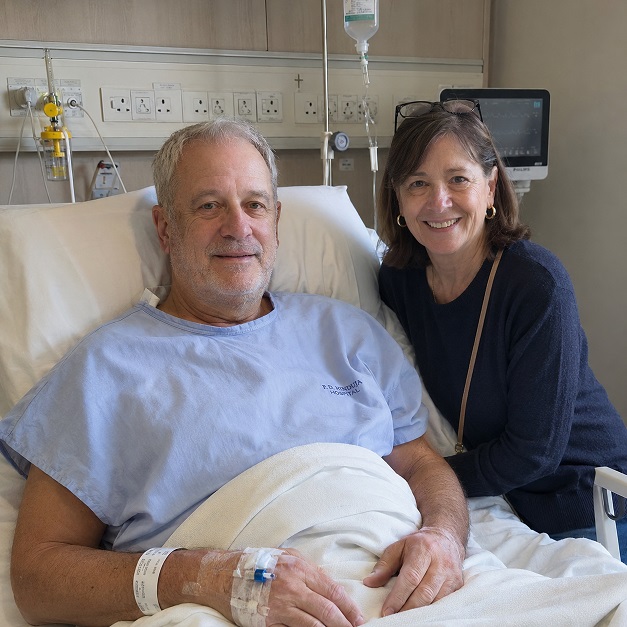
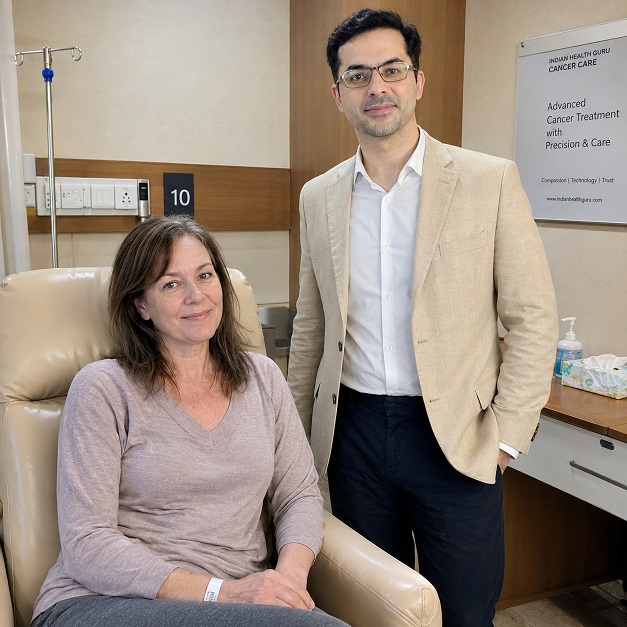
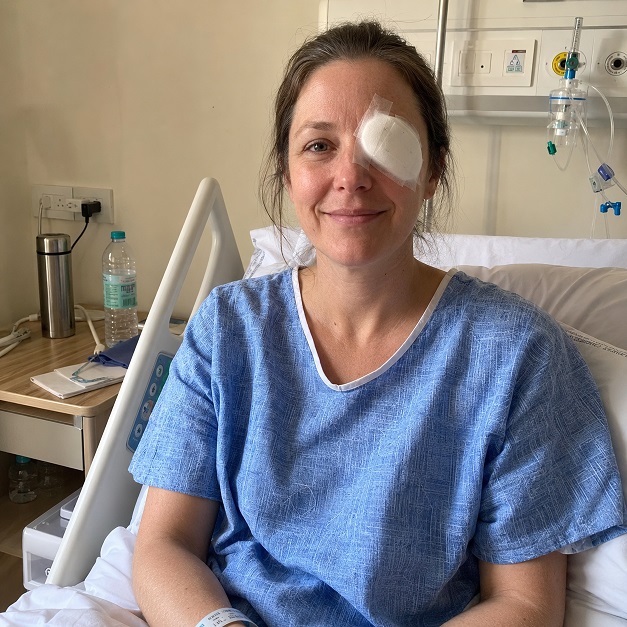
Patient Testimonials from Canada


Ready to Take the First Step?
Share your Medical Reports with our Healthcare Managers Today and Get a FREE CONSULTATION, a Personalized Treatment Plan, and Complete Support from Arrival to Recovery.
Get Your Free ConsultationFrom Canada to India: Your Complete Patient Support Guide
- Weight Loss & Bariatric Surgery in India for Canadian Patients: The Multi-Year Wait, Explained (2026)
- Bone Marrow Transplant in India for Canadian Patients: Complete Guide
- Brain Tumor Surgery in India for Canadian Patients: Complete Guide
- Breast Cancer Treatment and Surgery in India for Canadian Patients
- Cancer Treatment and Surgery in India for Canadian Patients
- Cardiac Surgery in India for Canadian Patients
- Colorectal Cancer Treatment and Surgery in India for Canadian Patients
- Cosmetic and Aesthetic Surgery in India for Canadian Patients
- CyberKnife Treatment in India for Canadian Patients: Complete Guide
- Dental Surgery in India for Canadian Patients | Complete Treatment & Cost Guide
- Gamma Knife Treatment in India for Canadian Patients
- Heart Valve Replacement Surgery in India for Canadian Patients
- Hip Surgery in India for Canadian Patients | Complete Treatment, Cost & Recovery Guide
- HIPEC Surgery in India for Canadian Patients: Complete Guide
- Kidney Transplant in India for Canadian Patients: Complete Guide
- Knee Surgery in India for Canadian Patients: Wait Times & Costs
- Neurosurgery in India for Canadian Patients: Wait Times & Costs
- Paediatric Cardiac Surgery in India for Canadian Patients