

Bone Marrow Transplant in India for Canadian Patients
Canadian Blood Services says it plainly: only 28 per cent of the national registry is ethnically diverse, and about half of all patients never find a match. Haploidentical transplant exists precisely to answer that gap.
A family in Brampton, Ontario. Their nine-year-old daughter has a rare inherited bone marrow failure disorder, curable only with a transplant. Neither parent is a full match, no sibling exists, and the search of Canada's national registry, then the wider international network of over forty million donors, returns nothing close after eighteen months. Their haematologist explains, gently, what Canadian Blood Services itself publishes plainly: patients from ethnically diverse backgrounds are measurably less likely to find a match than white Canadian patients, because the registry that could save her life is still overwhelmingly built from one part of the world's genetics.
Healing Journeys of Canadian Patients
Key Takeaways
- Canadian Blood Services states that only about 50% of Canadians searching for an unrelated donor find a match, while only 28% of Canada's stem cell registry is ethnically diverse. More than 80% of Canadian patients who do find a match receive cells from a donor outside Canada.
- The PDF explains that HLA matching is strongly influenced by ancestry. Patients from ethnically diverse backgrounds may therefore face greater difficulty finding a fully matched unrelated donor.
- A haploidentical transplant offers another possibility because a parent, child or roughly half of siblings can provide a half-matched donor. The chart on page 3 illustrates the much greater availability of potential haploidentical donors compared with fully matched donors.
- Modern protocols using post-transplant cyclophosphamide have improved outcomes with haploidentical transplantation for many diseases, bringing outcomes closer to those of matched transplants in appropriate settings.
- The transplant process includes conditioning, stem-cell infusion and an engraftment period that typically takes around two to four weeks, during which infection risk is particularly high.
- Graft-versus-host disease is one of the major complications after allogeneic transplantation. The PDF emphasizes that careful donor selection, conditioning and post-transplant medication are central to managing this risk.
- The chart on page 4 compares indicative costs in Canadian dollars, showing approximately C$26,500 for autologous, C$34,500 for matched allogeneic and C$38,500 for haploidentical transplantation in India, compared with substantially higher US private-care figures.
- Patients should look for transplant-specific accreditation such as FACT or JACIE-equivalent standards, genuine haploidentical transplant volume, dedicated transplant facilities, infection control and a detailed discharge record for their Canadian haematology team.
Quick Facts
- Treatment
- Bone Marrow / Stem Cell Transplantation
- Country
- India
- Patients
- Canadian Patients
- Main Transplant Types Discussed
- Autologous, Matched Allogeneic and Haploidentical
- Key Challenge
- Difficulty finding a suitable unrelated donor for some patients
- Canadian Registry Diversity
- 28% ethnically diverse
- Unrelated Donor Match Rate
- Approximately 50%
- Matched Patients Receiving Cells From Abroad
- More than 80%
- Haploidentical Donor
- Parent, child or approximately half-matched sibling
- Key Haploidentical Protocol
- Post-Transplant Cyclophosphamide
- Conditioning
- Intensive chemotherapy, sometimes with radiation
- Indicative Stay
- Around Eight Weeks for an Allogeneic Transplant
- Return Travel
- Only after formal clearance from the transplant team
- Long-Term Follow-Up
- Canadian haematology team
In Brief
For Canadian patients who cannot find a suitable fully matched donor, a haploidentical stem cell transplant may provide another route to transplantation when an eligible parent, child or half-matched sibling is available. Modern post-transplant cyclophosphamide protocols have improved the safety and outcomes of this approach for many diseases. Patients should assess the transplant centre's disease-specific outcomes, haploidentical experience, transplant accreditation, infection-control facilities and long-term follow-up arrangements before making a decision.
What Canada's own blood service says about finding a match
Canadian transplant physicians and haematology teams are excellent, and in 24 years of guiding international patients into Indian hospitals I have never suggested otherwise. What is worth understanding, plainly and without euphemism, is how the odds of finding a donor actually work in this country.
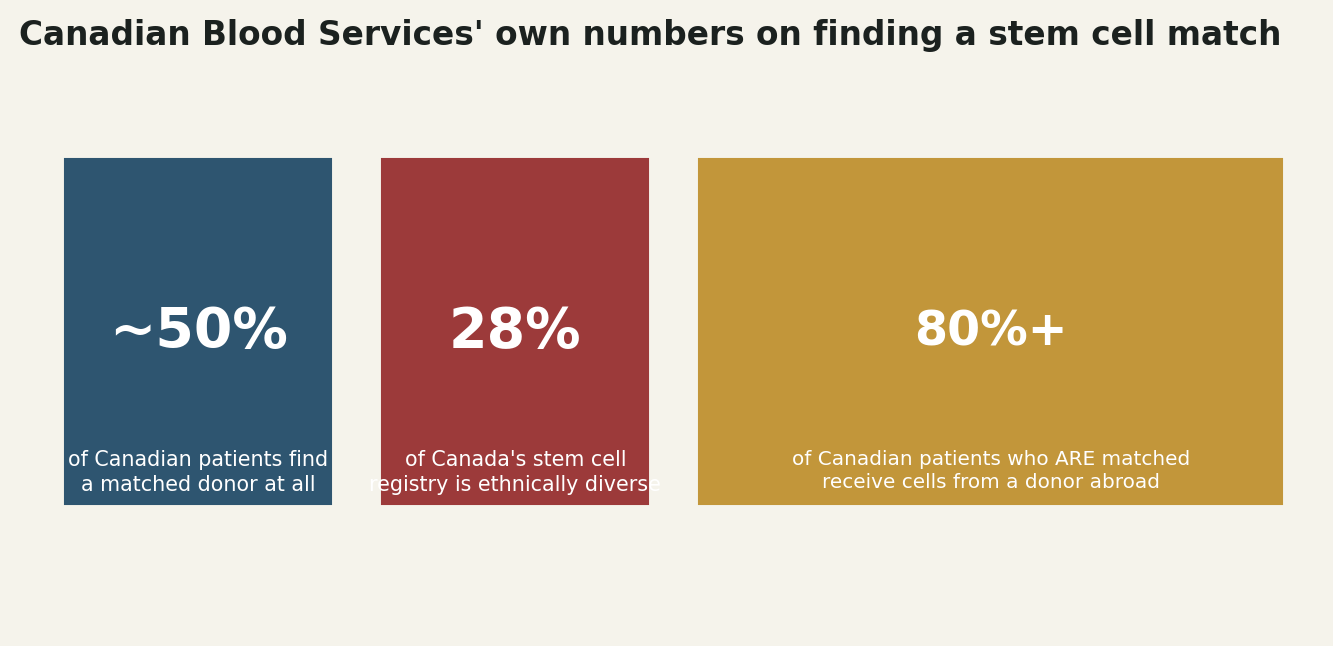
Canadian Blood Services, which operates the national stem cell registry, states directly that only about half of Canadians searching for an unrelated donor find one. It also states that only 28 per cent of that registry is ethnically diverse, and that people of mixed ancestry or backgrounds other than white are far less likely to find a suitable match than white patients searching the same system. Even for patients who are matched, more than 80 per cent receive their cells from a donor in another country, because Canada's own registry, on its own, is not large or diverse enough to serve its own population. At any given time, close to a thousand Canadians are waiting.
Why this happens, and why it isn't going to fix itself quickly
A stem cell match depends on HLA typing, a set of genetic markers inherited from both parents, and the closest matches are overwhelmingly found among people who share recent ancestry. A donor registry built predominantly from one ethnic background will always serve patients of that background best. Canada's registry has grown substantially over the past decade, and recruitment campaigns specifically targeting under-represented communities are real and ongoing, but rebuilding the genetic depth of a registry that has taken decades to reach forty million donors globally is not a problem that resolves on any timeline that helps a patient who needs a transplant this year.
This is worth stating plainly rather than treated as a footnote: nobody involved in running Canada's registry has been careless or indifferent. Canadian Blood Services publishes this gap itself, runs targeted recruitment campaigns, and is transparent about the shortfall precisely because closing it matters to them. The honest reality is simply that fixing a structural, decades-deep gap in global donor diversity is a multi-generational project, and a family with a child needing a transplant this year cannot wait for that project to finish.
The honest alternative most families are never told about early enough
Fewer than 25 per cent of patients find a match within their own family through a full sibling match. But almost everyone, regardless of ethnic background, has something else: a parent, a child, or roughly half of siblings, who are automatically a half-match, known as a haploidentical donor.
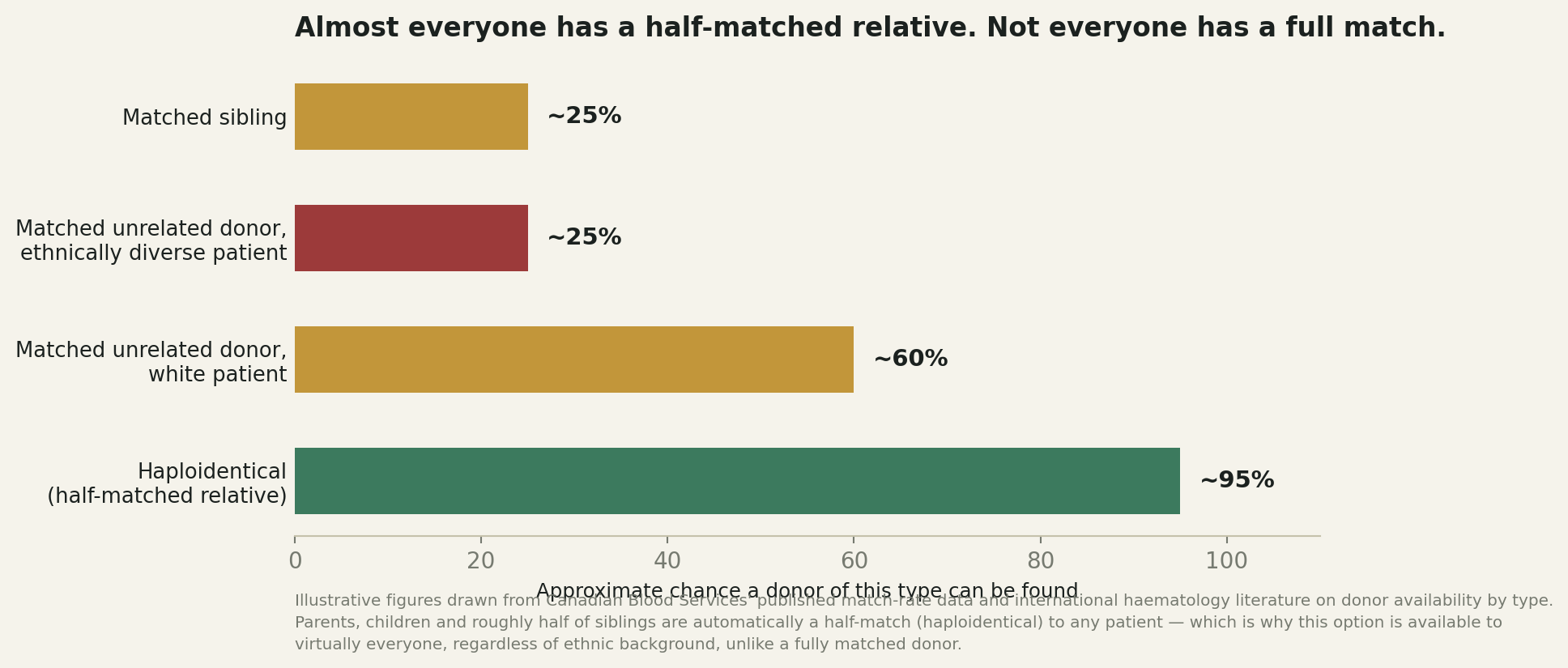
For years, haploidentical transplants carried a much higher risk of graft-versus-host disease and rejection than fully matched transplants, which is why they were historically used only when no better option existed. That has changed. Modern protocols using post-transplant cyclophosphamide, a specific chemotherapy regimen given in the days immediately after transplant to selectively eliminate the most dangerous immune reactions, have brought haploidentical transplant outcomes close to those of matched transplants for many diseases. This is precisely where India has built particular depth and volume, performing large numbers of haploidentical transplants using this protocol, offering a route to transplant for patients whose ethnic background makes a fully matched unrelated donor genuinely unlikely to ever be found.
What actually happens during a transplant, honestly explained
A transplant begins with conditioning: chemotherapy, sometimes combined with radiation, intense enough to destroy the diseased marrow and suppress the immune system so it will not reject the new cells. The new stem cells, whether from a sibling, an unrelated donor or a haploidentical relative, are then infused, much like a blood transfusion. What follows is a waiting period, typically two to four weeks, for those cells to engraft and begin producing healthy blood cells, during which the patient has essentially no immune system and remains extremely vulnerable to infection.
Graft-versus-host disease, where the donor's new immune cells recognise the patient's body as foreign and attack it, is the complication that most defines recovery afterward, ranging from mild skin changes to serious, organ-threatening disease. Managing this risk, through donor selection, the specific conditioning protocol and post-transplant medication, is arguably the single most important thing a transplant programme does, more than any other factor in this decision.
There is a nuance worth understanding here, because it runs against instinct: a small, controlled amount of graft-versus-host activity is not always purely bad. In blood cancers specifically, this immune reaction can also attack residual cancer cells, an effect called graft-versus-leukaemia, which is part of why transplant can cure some blood cancers that chemotherapy alone cannot. The goal of a good transplant programme is not to eliminate this immune activity entirely but to calibrate it, enough graft-versus-leukaemia effect to protect against relapse, without letting it become destructive graft-versus-host disease. This is a genuinely difficult balance, and it is precisely the expertise a high-volume transplant team brings that a less experienced one may not.
What the money actually looks like
Bone marrow transplant is not something Canada's private surgical sector offers at any price; it requires a dedicated transplant unit, specialised nursing, and infrastructure a private clinic simply cannot replicate. For a family exploring options beyond the public wait or a donor search that has stalled, the realistic paid alternative is the United States rather than a domestic clinic.
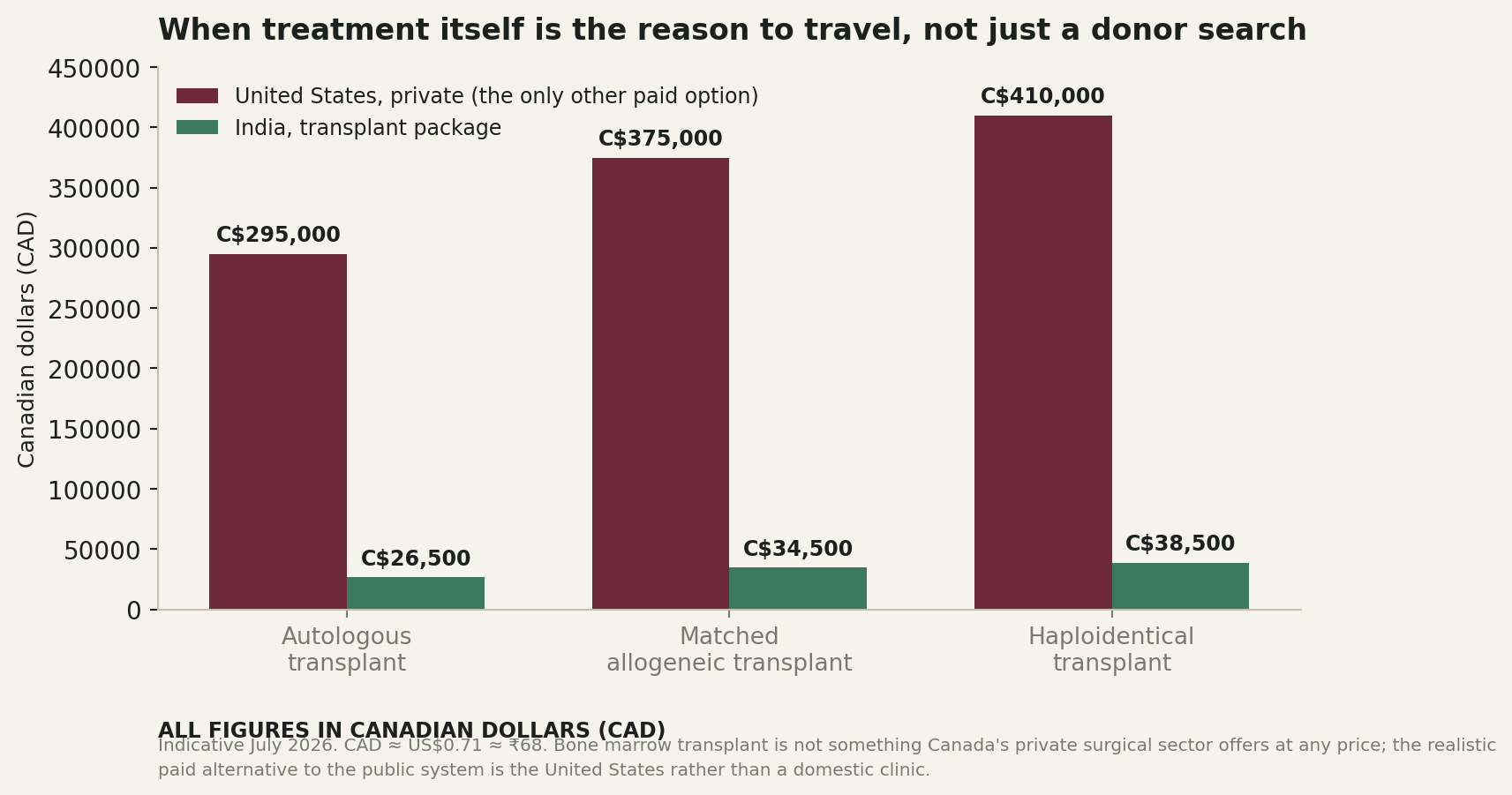
American transplant care, priced for an insurance-backed domestic market, runs into the hundreds of thousands of dollars once insurance is not in the picture. India's major transplant centres perform these procedures at high volume, with the same FACT or JACIE-type accreditation standards recognised internationally, at a fraction of the American price. In 24 years of guiding patients through decisions like this, I have found families searching for a matched donor often don't hear about the haploidentical option until very late. Raising it early, alongside the registry search rather than after it stalls, is worth doing from the beginning.
What you are actually getting for it
Genuine, checkable volume in haploidentical transplant specifically, not transplant volume in general. Ask for the unit's annual haploidentical caseload and its outcomes for your specific disease.
FACT or JACIE-equivalent transplant-specific accreditation. This is distinct from general hospital accreditation and specifically evaluates transplant programme quality, and it is independently checkable.
A dedicated transplant unit with appropriate isolation and infection control, given how vulnerable a patient is during the engraftment window.
Honest graft-versus-host disease management protocols, explained in detail before you commit, not glossed over.
A discharge record built for your Canadian haematology team to use, including donor details, conditioning regimen and a specific long-term surveillance plan.
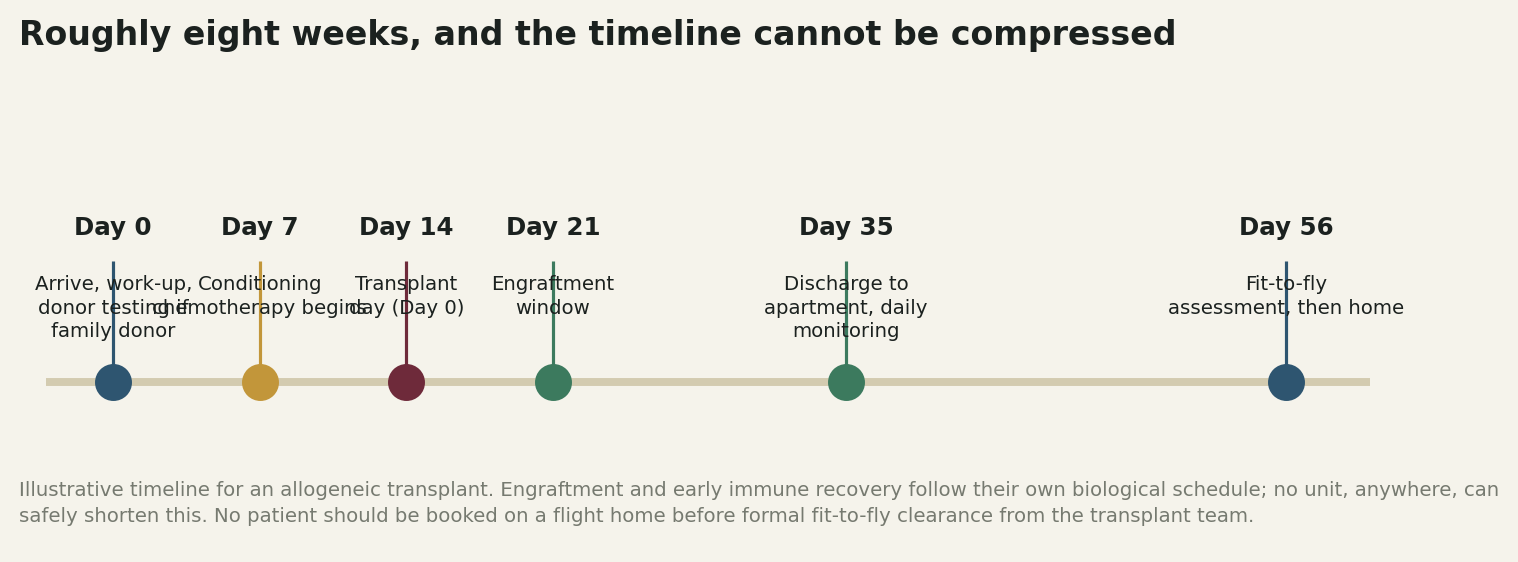
This timeline cannot be safely compressed anywhere in the world; engraftment follows its own biological schedule. No patient should be booked on a flight home before formal clearance from the transplant team.
Four Things Worth Understanding Before You Decide
This is not a low-risk procedure, anywhere. Conditioning chemotherapy, infection risk during engraftment, and graft-versus-host disease carry real, honest risks that any responsible programme will discuss with you directly.
A haploidentical transplant still needs a specific, willing family donor. Confirm who in your family is eligible and willing before assuming this path is open to you.
Long-term follow-up is measured in years, not weeks. Arrange your Canadian haematology team's involvement before you travel, not after.
Vagueness about the unit's transplant-specific accreditation or haploidentical volume. A confident programme provides both immediately.
Straight answers for Canadian Patients about Bone Marrow Transplant in India
We haven't found a match after a long search. Should we give up on transplant?
No. Ask your haematology team specifically about haploidentical transplant using post-transplant cyclophosphamide, which is available to almost any patient with a willing parent, child or half-matched sibling, regardless of what the unrelated donor search has found.
Will our provincial plan reimburse transplant performed in India?
Almost never. Out-of-country coverage exceptions require pre-approval showing the procedure is genuinely unavailable in Canada within a medically acceptable time.
Is a haploidentical transplant as safe as a fully matched one?
With modern post-transplant cyclophosphamide protocols, outcomes for many diseases are now close to those of matched transplants, though this depends on the specific diagnosis and centre experience. Ask directly about outcomes for your exact condition.
How long should we plan to stay in India?
Around eight weeks for an allogeneic transplant, on a changeable ticket, following formal clearance from the transplant team, not a fixed calendar date.
Who manages long-term follow-up once we're home?
Your Canadian haematology team, provided they have the full transplant record, donor details and a specific surveillance plan in writing before you leave.
A closing word
A bone marrow transplant is among the most consequential decisions in this entire series, and it deserves exactly that seriousness. Canada's own registry data is honest about who it currently serves well and who it does not, and haploidentical transplant exists specifically to answer that gap for patients whose ethnic background makes a matched donor unlikely to appear in time. If you are searching for a donor, or already have a diagnosis and would like a second opinion, send me your situation and I will look at it properly.
Sources
- 🌐 Canadian Blood Services, "Importance of ethnic diversity" — blood.ca/en/diversity/blood-products-and-ethnicity
- 🌐 Canadian Blood Services, "Ethnic diversity and stem cell donation" — blood.ca/en/diversity/ethnic-diversity-stem-cell
- 🌐 Canadian Blood Services, "Stem cell donor and patient FAQs" — blood.ca
- 🌐 Canadian Blood Services, "International marrow registries reach 25 million donors" — blood.ca
- 🌐 High Commission of India, e-Visa categories and eligibility — indianvisaonline.gov.in/evisa
Frequently Asked Questions by Canadian Patients about Bone Marrow Transplant in India
What should Canadian patients do if they cannot find a matched donor?
The guide recommends asking the haematology team specifically about haploidentical transplantation. A parent, child or half-matched sibling may be able to serve as a donor even when the unrelated-donor search has failed.
Why can finding a donor be difficult for some Canadian patients?
HLA matching is influenced by inherited genetic markers and recent ancestry. The PDF notes that Canada's registry is not yet sufficiently diverse to provide equal matching opportunities for all ethnic backgrounds.
What is a haploidentical transplant?
It is a stem cell transplant using a donor who is only partially matched, typically a parent, child or approximately half-matched sibling. Modern protocols have improved outcomes for many diseases.
Is haploidentical transplantation as safe as a fully matched transplant?
The PDF states that modern post-transplant cyclophosphamide protocols have brought outcomes close to matched transplantation for many diseases, although results depend on the diagnosis and transplant centre.
What happens during a bone marrow transplant?
Treatment begins with conditioning chemotherapy, sometimes with radiation, followed by infusion of stem cells. The patient then enters an engraftment period, typically lasting two to four weeks, during which infection risk is very high.
What is graft-versus-host disease?
Graft-versus-host disease occurs when donor immune cells recognize the patient's tissues as foreign and attack them. The guide emphasizes careful donor selection, conditioning and post-transplant medication to manage this risk.
How much does a bone marrow transplant cost in India for Canadian patients?
The PDF's indicative figures are approximately C$26,500 for autologous, C$34,500 for matched allogeneic and C$38,500 for haploidentical transplantation in India. Actual costs depend on the patient's disease and treatment requirements.
What should Canadian patients look for in an Indian transplant centre?
Patients should check transplant-specific accreditation, genuine haploidentical transplant volume, a dedicated transplant unit, infection-control facilities, clear graft-versus-host disease protocols and a detailed discharge record for the Canadian haematology team.
How long should Canadian patients plan to stay in India?
The guide recommends planning for approximately eight weeks for an allogeneic transplant. The return journey should remain flexible and should only be booked after formal clearance from the transplant team.
Who manages follow-up after the patient returns to Canada?
The Canadian haematology team should manage long-term follow-up, provided it receives the complete transplant record, donor information and a specific surveillance plan before the patient leaves India.
Page Summary
This guide explains bone marrow and stem cell transplantation in India for Canadian patients, with particular attention to the challenge of finding a suitable donor. It explains how ancestry affects HLA matching and why haploidentical transplantation can provide another option when a fully matched donor is unavailable. The guide covers the transplant process, graft-versus-host disease, treatment costs, transplant-centre standards and long-term follow-up. It also emphasizes the importance of a willing family donor, transplant-specific accreditation and continued involvement of the Canadian haematology team.
Citation Block
| Topic | Information |
|---|---|
| Topic | Bone Marrow Transplant in India for Canadian Patients |
| Treatment | Bone Marrow / Stem Cell Transplantation |
| Country | India |
| Intended Audience | Canadian Patients |
| Main Options | Autologous, Matched Allogeneic and Haploidentical |
| Donor Challenge | Limited unrelated-donor matching for some ethnic backgrounds |
| Canadian Registry Diversity | 28% |
| Unrelated Donor Match Rate | Approximately 50% |
| International Donor Source | More than 80% of matched patients receive cells from abroad |
| Haploidentical Donor | Parent, child or half-matched sibling |
| Key Protocol | Post-Transplant Cyclophosphamide |
| Post-Treatment Care | Long-term follow-up with Canadian haematology team |
| Author | Dr. Dheeraj Bojwani |
| Experience | 24+ Years |


Our Mission Statement
Our mission is to place patients at the centre of every healthcare decision by providing trustworthy, evidence-based, and unbiased medical information. We believe that informed patients make better decisions. Backed by personalised guidance from our experienced advisory team, we help patients understand their treatment options, compare them objectively, and confidently choose the path that best suits their medical needs and personal circumstances.
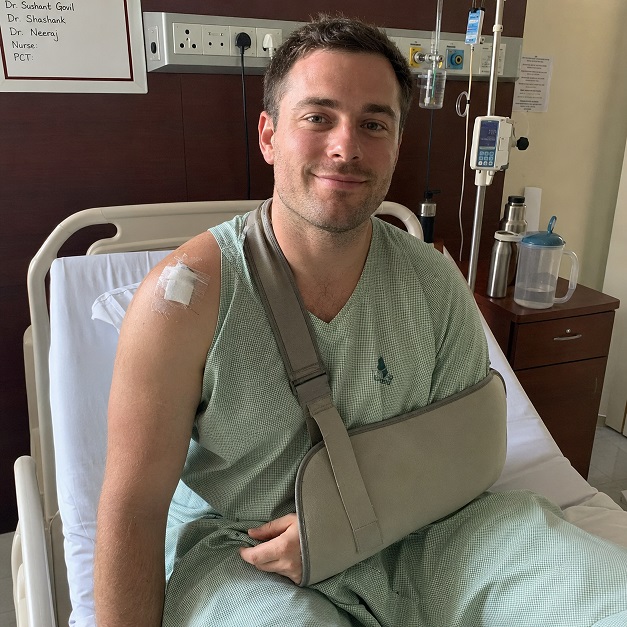
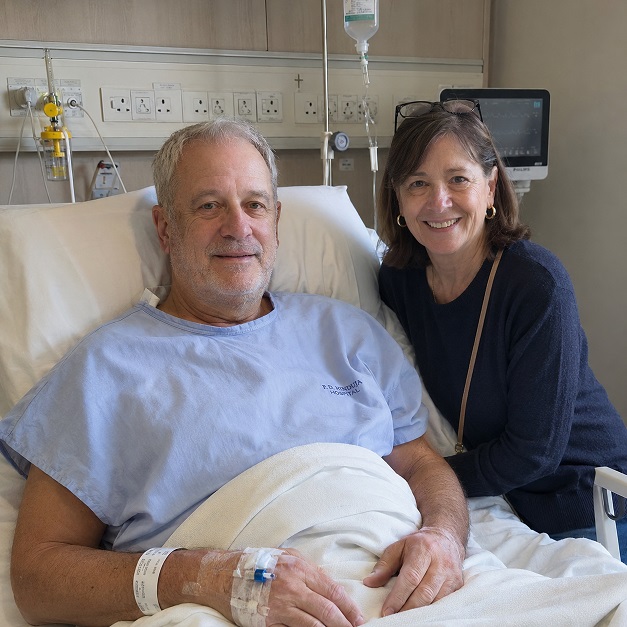
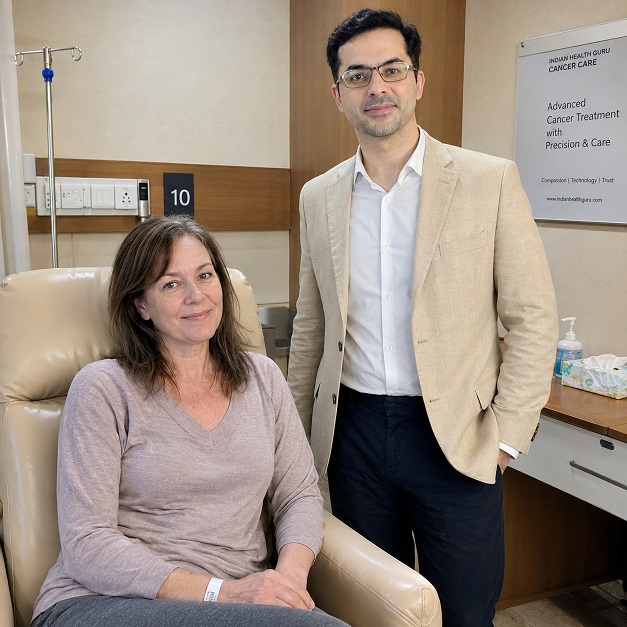
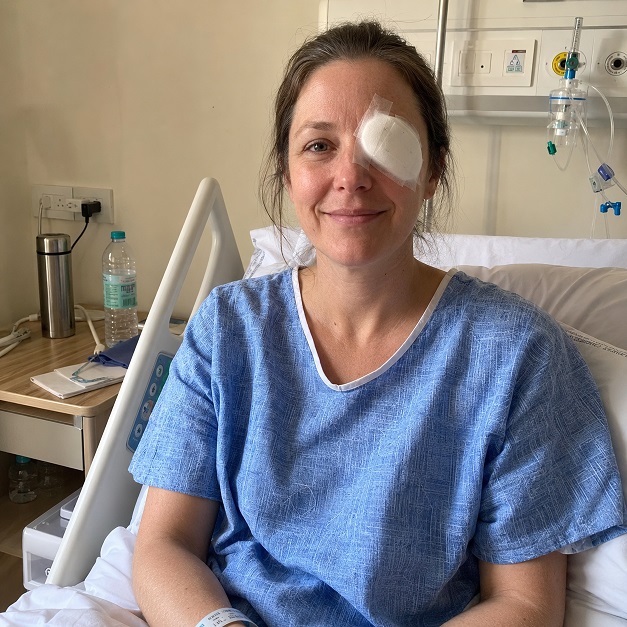
Patient Testimonials from Canada

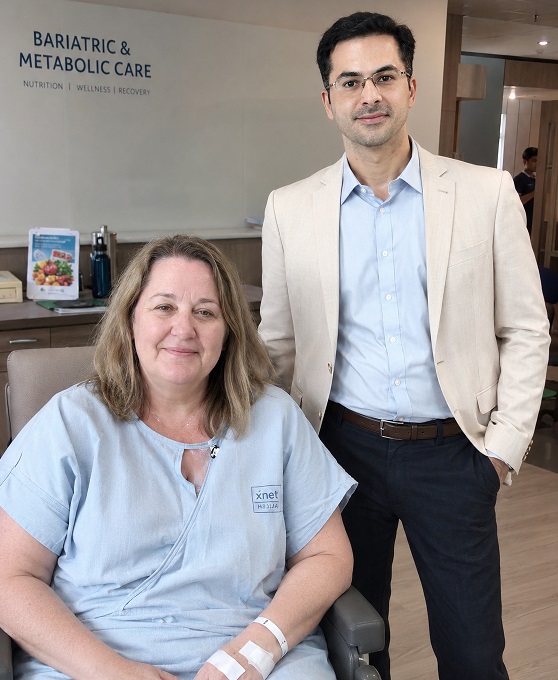
Ready to Take the First Step?
Share your Medical Reports with our Healthcare Managers Today and Get a FREE CONSULTATION, a Personalized Treatment Plan, and Complete Support from Arrival to Recovery.
Get Your Free ConsultationFrom Canada to India: Your Complete Patient Support Guide
- Weight Loss & Bariatric Surgery in India for Canadian Patients: The Multi-Year Wait, Explained (2026)
- Bone Marrow Transplant in India for Canadian Patients: Complete Guide
- Brain Tumor Surgery in India for Canadian Patients: Complete Guide
- Breast Cancer Treatment and Surgery in India for Canadian Patients
- Cancer Treatment and Surgery in India for Canadian Patients
- Cardiac Surgery in India for Canadian Patients
- Colorectal Cancer Treatment and Surgery in India for Canadian Patients
- Cosmetic and Aesthetic Surgery in India for Canadian Patients
- CyberKnife Treatment in India for Canadian Patients: Complete Guide
- Dental Surgery in India for Canadian Patients | Complete Treatment & Cost Guide
- Gamma Knife Treatment in India for Canadian Patients
- Heart Valve Replacement Surgery in India for Canadian Patients
- Hip Surgery in India for Canadian Patients | Complete Treatment, Cost & Recovery Guide
- HIPEC Surgery in India for Canadian Patients: Complete Guide
- Kidney Transplant in India for Canadian Patients: Complete Guide
- Knee Surgery in India for Canadian Patients: Wait Times & Costs
- Neurosurgery in India for Canadian Patients: Wait Times & Costs
- Paediatric Cardiac Surgery in India for Canadian Patients