

CyberKnife Treatment in India for Canadian Patients
This technology has spread across Canada more slowly than almost any other in modern oncology — from a single Quebec centre to, still today, a single site in southern Ontario.
A 67-year-old retired mechanic in Thunder Bay, Ontario. A small, inoperable brain metastasis, in a location surgery would risk permanent damage to reach. His oncologist explains stereotactic radiosurgery is exactly what this lesion needs, then explains the nearest unit is in Hamilton, roughly fourteen hundred kilometres away. He is not being denied treatment. He is discovering that a technology capable of treating his tumour non-invasively, in a handful of visits, has spread across Canada more slowly than almost any other in modern oncology.
Healing Journeys of Canadian Patients
Key Takeaways
- CyberKnife is a non-invasive robotic radiosurgery system that delivers highly precise, high-dose radiation from multiple angles while using real-time imaging to target the tumour. Despite its name, it does not involve cutting or conventional surgery.
- The PDF highlights that CyberKnife availability remains geographically limited in Canada. The page 1 visual shows that it was historically available at only one Quebec cancer centre, while Ontario introduced its first unit in Hamilton in 2019 and the technology remains limited in southern Ontario.
- CyberKnife may be particularly useful for selected brain, spine, lung, liver and prostate tumours that are difficult or risky to treat surgically. However, not every tumour is suitable, and candidacy should be determined by a radiation oncologist after reviewing the patient's actual imaging.
- Small, well-defined brain or spine tumours are generally among the more straightforward candidates. Lung and liver tumours move with breathing, so patients should specifically confirm that the centre provides appropriate real-time motion tracking. Large tumours or widely spread disease are generally not suitable for this approach.
- One of CyberKnife's major advantages for international patients is its short treatment course. Unlike conventional radiotherapy, which may involve four to six weeks of weekday treatment, CyberKnife is typically delivered in one to five sessions, allowing the overall treatment trip to often be completed within approximately one to two weeks.
- The page 4 cost comparison gives an indicative India CyberKnife treatment-package cost of approximately C$8,900, compared with approximately C$68,000 in the United States. The PDF notes that the Indian package figure is indicative as of July 2026.
- Patients should look beyond the machine itself and confirm the involvement of a named medical physicist, patient-specific treatment-plan quality assurance, appropriate motion tracking where required, independently verifiable accreditation and a written follow-up imaging plan.
Quick Facts
- Treatment
- CyberKnife Radiosurgery
- Country
- India
- Patients
- Canadian Patients
- Specialty
- Radiation Oncology / Stereotactic Radiosurgery
- Treatment Type
- Non-Invasive, High-Precision Radiation
- Commonly Considered Tumours
- Brain, Spine, Lung, Liver and Prostate
- Best Candidates
- Small, Well-Defined Tumours in Appropriate Locations
- Treatment Sessions
- One to Five Sessions
- Typical India Stay
- Approximately One to Two Weeks
- Indicative India Cost
- Approximately C$8,900
- US Comparison
- Approximately C$68,000
- Accreditation
- Independently Verifiable JCI or NABH
- Follow-Up
- Canadian Oncologist / Radiation Oncologist
- Important Principle
- Confirm Tumour Suitability Before Choosing CyberKnife
In Brief
CyberKnife can be an attractive option for selected Canadian patients because it provides highly precise, non-invasive radiation in a short treatment course. However, being a CyberKnife candidate is more important than accessing the technology itself. Patients should first obtain an independent radiation-oncology assessment of their imaging and then confirm the centre's medical-physics expertise, motion-tracking capability where relevant and follow-up arrangements with their Canadian oncology team.
A technology that has spread unusually slowly across the country
Canadian radiation oncology is genuinely excellent, and in 24 years of guiding international patients into Indian hospitals I have never suggested otherwise. What is worth understanding about CyberKnife specifically is how thin its footprint still is nationally.
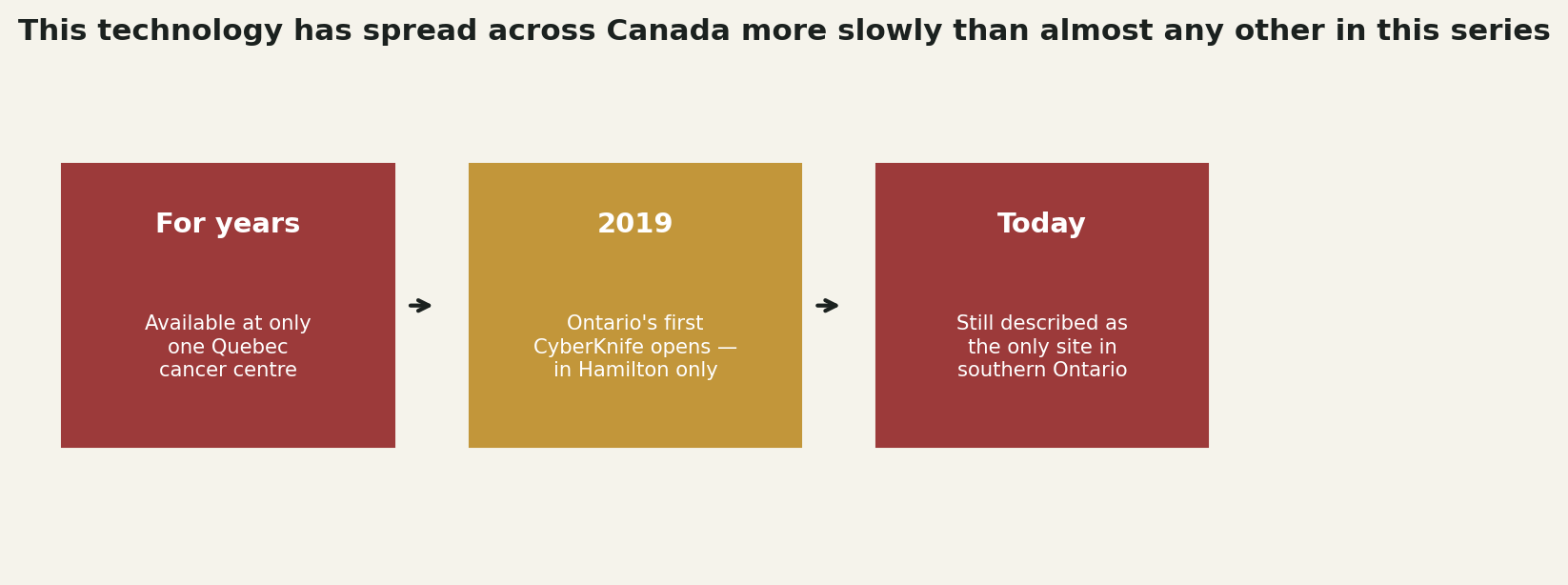
For years, CyberKnife was available in Canada at only a single Quebec cancer centre. When Ontario finally introduced it in 2019, it arrived at exactly one hospital, Juravinski Cancer Centre in Hamilton, and that hospital's own current materials still describe it as the only CyberKnife location in southern Ontario. This is not a criticism of the clinicians who operate it, who are skilled and the technology genuinely valuable. It reflects how expensive and specialised this equipment is, and how slowly capital investment of this kind moves through a large, geographically dispersed healthcare system.
Radiation therapy overall does have a national wait-time benchmark in Canada, twenty-eight days from ready-to-treat, met by 94 per cent of patients in 2024, and that figure is genuinely reassuring for conventional radiotherapy. It says very little about CyberKnife specifically. A benchmark measuring how quickly a patient reaches a linear accelerator says nothing about how far that patient had to travel within Canada to reach one of a handful of robotic radiosurgery units, or whether their specific tumour type and location happened to be served by the one hospital that owns the equipment.
What CyberKnife actually is, in plain terms
CyberKnife is a robotic radiosurgery system that delivers highly precise, high-dose radiation to a tumour from thousands of possible angles, guided continuously by real-time imaging. Despite the name, nothing is cut; it is radiation therapy, not surgery, delivered with sub-millimetre accuracy that allows a high dose to be concentrated on the tumour while sparing the healthy tissue around it. This makes it particularly valuable for tumours that are difficult or dangerous to reach surgically, including certain brain, spine, lung, liver and prostate tumours.
Not every tumour is a candidate, and a responsible team says so
The most important honesty in this entire briefing is that CyberKnife is not a universal answer, and a unit that treats it as one is not one you should trust.
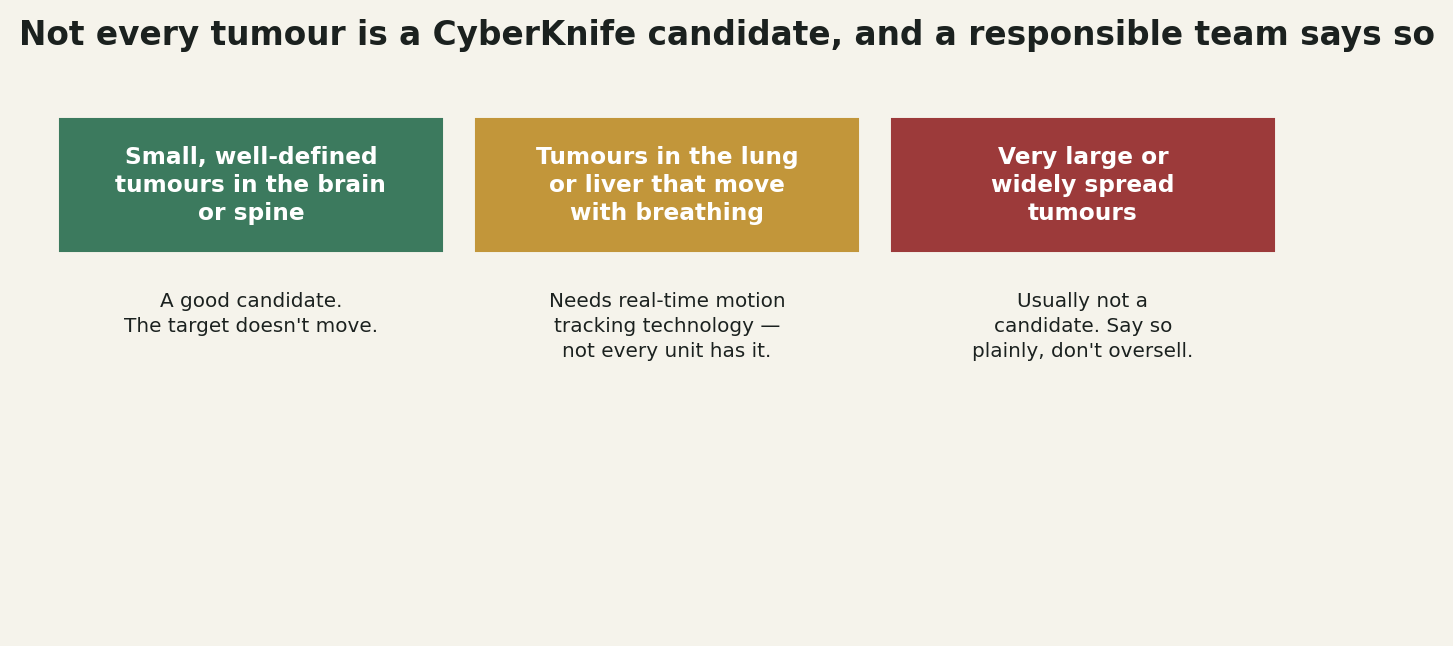
Small, well-defined tumours in the brain or spine, which do not move between breaths, are generally the most straightforward candidates. Tumours in the lung or liver move continuously with respiration, and treating them accurately requires real-time motion-tracking technology, not every CyberKnife unit has this capability to the same standard, so ask specifically whether the system tracks and adjusts for tumour motion during treatment, not just whether the hospital owns a CyberKnife machine. Very large tumours, or disease that has spread widely, are usually not appropriate for this technology at all, and a radiation oncologist, not a sales conversation, should be the one making that determination.
This candidacy question deserves more weight in your decision than the technology itself. A skilled radiation oncologist working with conventional equipment, treating the right tumour with the right approach, will outperform a CyberKnife unit treating the wrong tumour every time. The value of this briefing is not in persuading you that CyberKnife is the answer; it is in helping you ask the right question of whoever is proposing it, wherever you are.
Why this technology changes the shape of the trip completely
Conventional fractionated radiotherapy is typically delivered over four to six weeks, five days a week, which makes travelling abroad for it impractical for most Canadians. CyberKnife is different in a way that matters enormously for medical travel specifically.
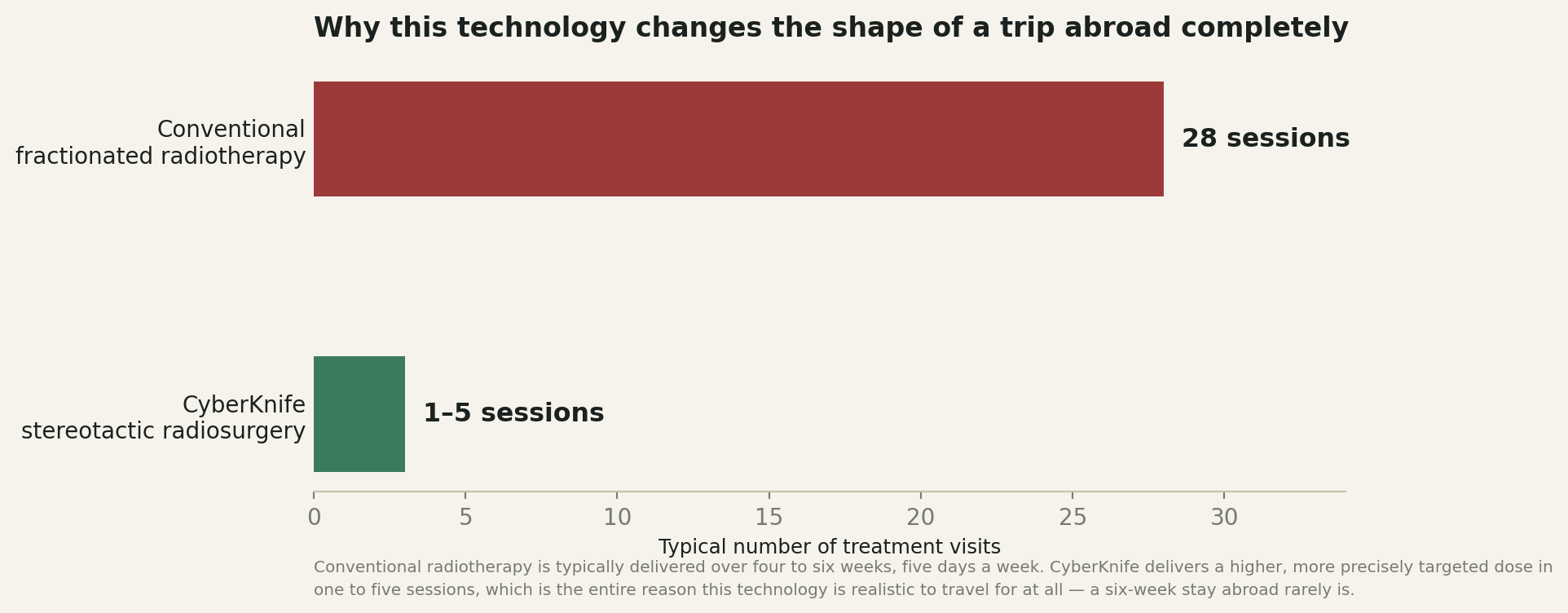
Because the higher, more precisely targeted dose is delivered in one to five sessions rather than dozens, the entire treatment course, including planning and imaging, can often be completed within one to two weeks. This is the specific reason CyberKnife is realistic to travel for when six weeks of daily conventional radiotherapy simply would not be.
What the money actually looks like
CyberKnife is not something Canada's small private clinics offer at all; the equipment itself requires a substantial capital investment and a dedicated medical physics team, infrastructure that exists only within larger cancer centres. For a Canadian without practical access to one of the country's few units, the realistic paid alternative is the United States rather than a domestic private clinic.
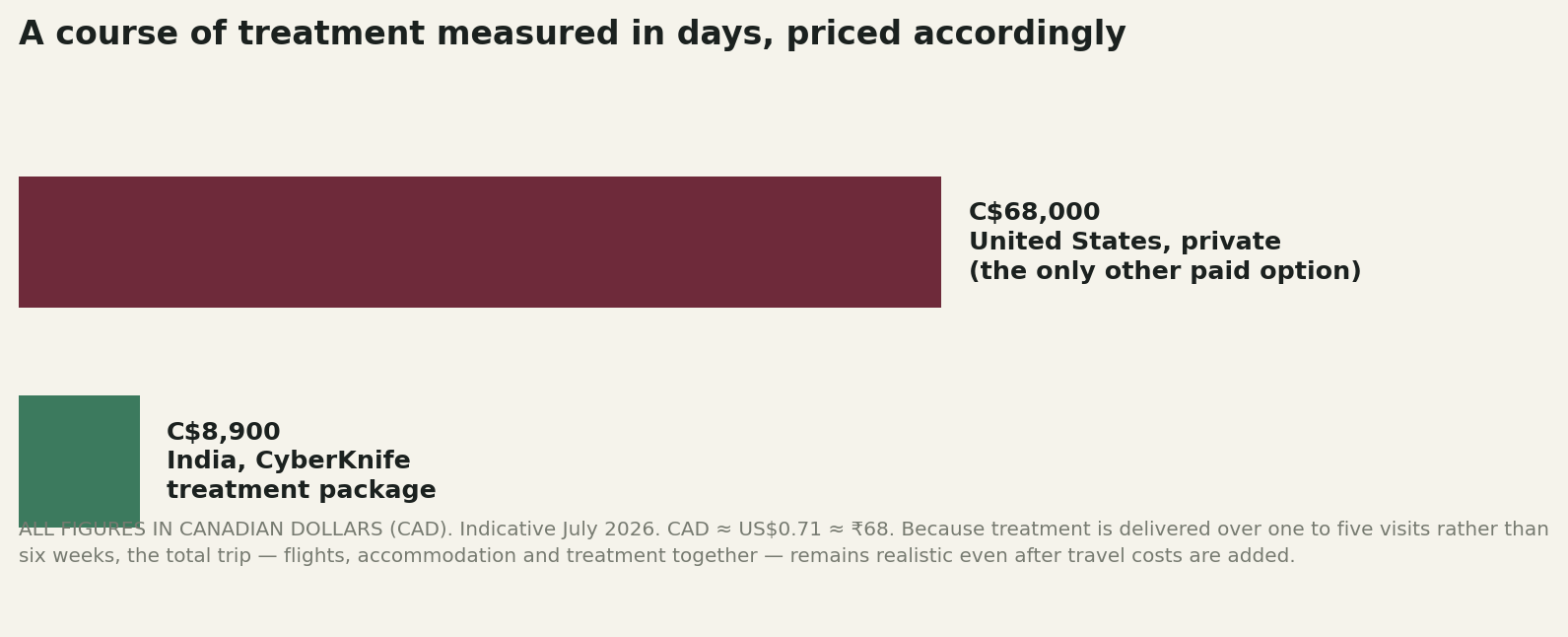
American CyberKnife treatment, priced for an insurance-backed domestic market, commonly runs well into five figures once insurance is not in the picture. India's major cancer centres offer CyberKnife treatment with the same real-time tracking technology and dedicated physics teams described above, at a fraction of the American price, and the one-to-two-week treatment window keeps the whole trip realistic. In 24 years of guiding patients through this decision, the question that matters most is not the price. It is whether the specific tumour, reviewed by a radiation oncologist who has seen your actual imaging, is genuinely a good candidate for this technology at all.
What you are actually getting for it
A named medical physicist, not just a machine. CyberKnife planning is a genuinely technical, physics- driven process; ask who performs the patient-specific quality assurance for your treatment plan.
Confirmed real-time motion tracking if your tumour is in the lung, liver or another location that moves with breathing.
A radiation oncologist willing to say you are not a candidate, if that is the honest answer for your specific tumour.
Accreditation you can verify independently. JCI is the international arm of the body accrediting hospitals across the United States; NABH is India's national equivalent, recognised by the same global standards authority.
A follow-up imaging plan arranged before you leave, since CyberKnife's results take weeks to months to fully assess, unlike surgery.
Four Things that Should Make You Walk Away Immediately
Any clinic recommending CyberKnife for a tumour a radiation oncologist elsewhere has called unsuitable. Get a second, independent radiation oncology opinion before proceeding.
No mention of motion tracking for a lung or liver tumour. This is a specific technical requirement, not an assumption you should make.
Marketing that describes CyberKnife as surgery, or implies zero risk. It is a real medical treatment with real, if generally milder, side effects.
No named medical physicist involved in your treatment plan. This role is central to the technology working safely and accurately.
Straight answers for Canadian Patients about CyberKnife Treatment in India
How do I know if my tumour is actually a good candidate for CyberKnife?
Ask a radiation oncologist to review your specific imaging directly. Small, well-defined tumours in the brain or spine are typically the best candidates; large or widely spread disease usually is not.
Will my provincial plan reimburse treatment performed in India?
Almost never. Out-of-country coverage exceptions require pre-approval showing the treatment is genuinely unavailable in Canada within a medically acceptable time, and given how few Canadian units exist, this may be worth raising directly with your provincial ministry of health.
Is CyberKnife painful?
The treatment itself is described as non-invasive. Patients remain lying still on a treatment table, with individual sessions typically lasting approximately 30 minutes to two hours.
How long should I plan to stay in India?
Around one to two weeks, covering planning, imaging and treatment sessions, though this varies by tumour location and whether fiducial markers are needed.
Who follows up on the results once I'm home?
Your Canadian oncologist or radiation oncologist, provided they have the full treatment plan and a specific follow-up imaging schedule in writing before you leave, since results take weeks to months to become apparent.
A closing word
CyberKnife rewards exactly the same discipline as everything else in this series: confirm you are a genuine candidate before anything else, then choose a team with real physics expertise and, where relevant, genuine motion-tracking capability. Canada's own rollout of this technology has been unusually slow and geographically thin, which is precisely why so many Canadians outside a small number of cities have never had it properly explained as an option. If you have imaging you would like reviewed, send it to me and I will look at it properly.
Sources
- 🌐 "Ontario introduces CyberKnife Robotic Radiosurgery at Juravinski Cancer Centre", Cancer Care Ontario — newswire.ca
- 🌐 Hamilton Health Sciences, Radiation Therapy — CyberKnife — hamiltonhealthsciences.ca
- 🌐 Canadian Institute for Health Information, "Wait times for priority procedures in Canada, 2025" — cihi.ca
- 🌐 High Commission of India, e-Visa categories and eligibility — indianvisaonline.gov.in/evisa
Frequently Asked Questions by Canadian Patients about CyberKnife Treatment in India
What is CyberKnife treatment?
CyberKnife is a robotic radiosurgery system that delivers highly precise radiation to a tumour from multiple angles using continuous image guidance. Despite the name, it does not involve cutting or conventional surgery.
Which tumours can be treated with CyberKnife?
The PDF discusses selected brain, spine, lung, liver and prostate tumours. Suitability depends on the tumour's size, location, movement and overall disease status.
Who is generally a good CyberKnife candidate?
Small, well-defined tumours in the brain or spine are generally among the more straightforward candidates. Large tumours or widely spread disease are usually not appropriate for this treatment.
Why is motion tracking important for lung and liver tumours?
Lung and liver tumours can move as the patient breathes. The guide recommends specifically confirming that the CyberKnife system can track and adjust for this movement during treatment.
How many CyberKnife sessions are usually required?
CyberKnife treatment is generally delivered in one to five sessions, rather than the dozens of sessions that may be required with conventional fractionated radiotherapy.
How long should Canadian patients plan to stay in India?
The guide recommends planning for approximately one to two weeks, including treatment planning, imaging and CyberKnife sessions. The exact duration depends on the tumour location and whether additional procedures, such as fiducial-marker placement, are required.
How much does CyberKnife treatment cost in India?
The PDF gives an indicative India treatment-package cost of approximately C$8,900, compared with approximately C$68,000 in the United States. Actual costs can vary depending on the treatment plan.
What should Canadian patients check before choosing an Indian CyberKnife centre?
They should confirm that a radiation oncologist has reviewed their actual imaging, that a named medical physicist is involved, that appropriate motion tracking is available when required, that accreditation can be independently verified and that a follow-up imaging plan is arranged before leaving India.
Who manages follow-up after returning to Canada?
The Canadian oncologist or radiation oncologist should manage follow-up, provided they receive the complete treatment plan and a specific imaging schedule before the patient leaves India. CyberKnife results may take weeks to months to become fully apparent.
Page Summary
This guide explains CyberKnife treatment in India for Canadian patients, focusing on the technology's limited availability across Canada and its potential suitability for selected tumours. It explains how CyberKnife delivers precise radiation without surgery and why tumour size, location and movement are important when determining eligibility. The guide highlights its short one-to-five-session treatment course, indicative cost of approximately C$8,900 in India and the importance of medical-physics expertise and motion tracking. It also provides warning signs to watch for and emphasizes independent radiation-oncology assessment and continued follow-up with the Canadian oncology team.
Citation Block
| Topic | Information |
|---|---|
| Topic | CyberKnife Treatment in India for Canadian Patients |
| Treatment | CyberKnife Radiosurgery |
| Country | India |
| Intended Audience | Canadian Patients |
| Specialty | Radiation Oncology / Stereotactic Radiosurgery |
| Treatment Type | Non-Invasive, High-Precision Radiation |
| Tumours Discussed | Brain, Spine, Lung, Liver and Prostate |
| Typical Candidates | Small, Well-Defined Tumours |
| Treatment Sessions | One to Five |
| Typical Stay in India | Approximately One to Two Weeks |
| Indicative India Cost | Approximately C$8,900 |
| Key Selection Factor | Confirm Tumour Candidacy Before Treatment |
| Author | Dr. Dheeraj Bojwani |
| Experience | 24+ Years |


Our Mission Statement
Our mission is to place patients at the centre of every healthcare decision by providing trustworthy, evidence-based, and unbiased medical information. We believe that informed patients make better decisions. Backed by personalised guidance from our experienced advisory team, we help patients understand their treatment options, compare them objectively, and confidently choose the path that best suits their medical needs and personal circumstances.
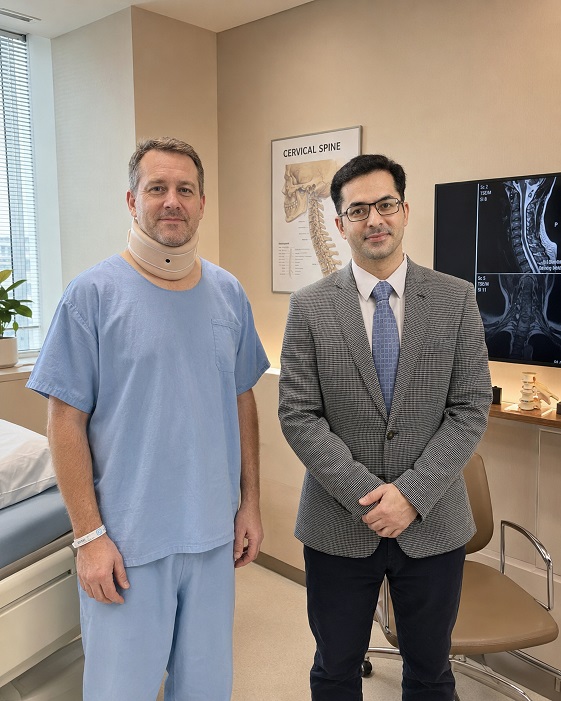
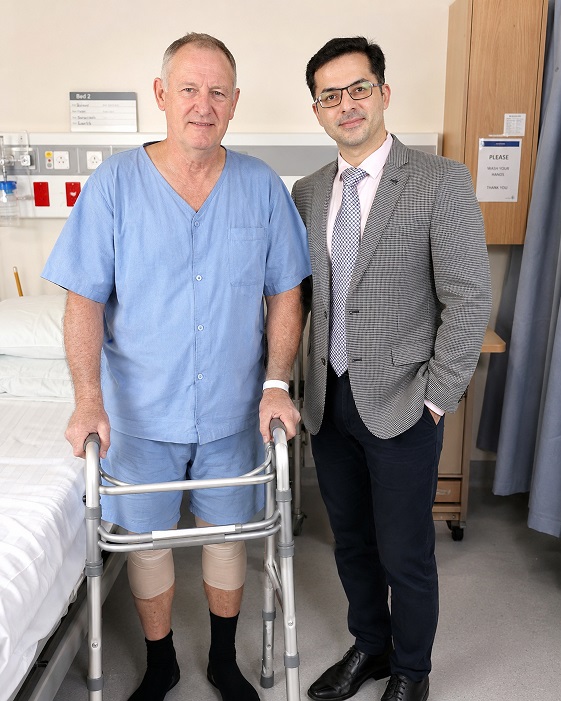
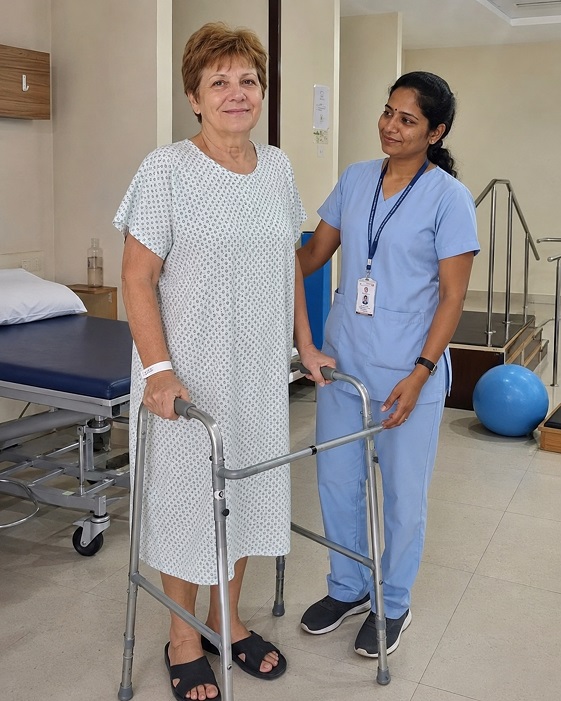
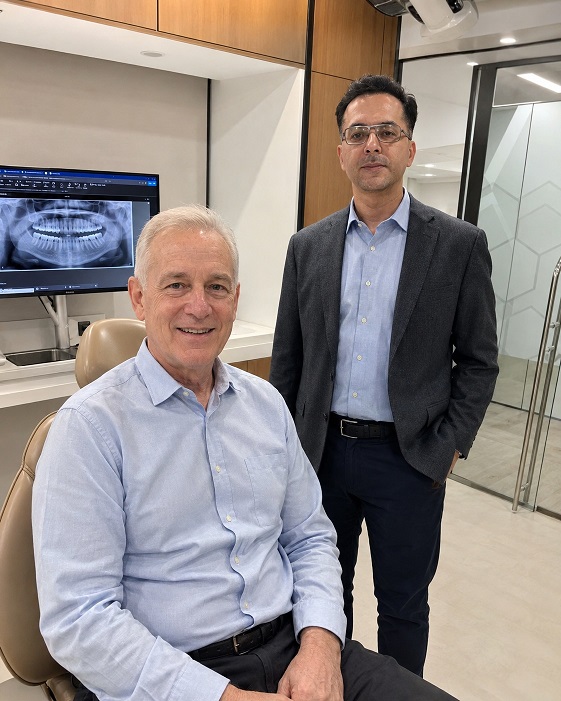
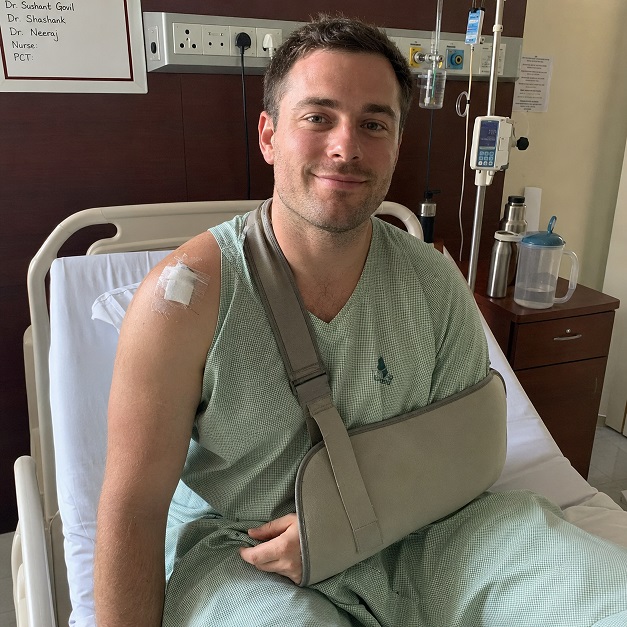
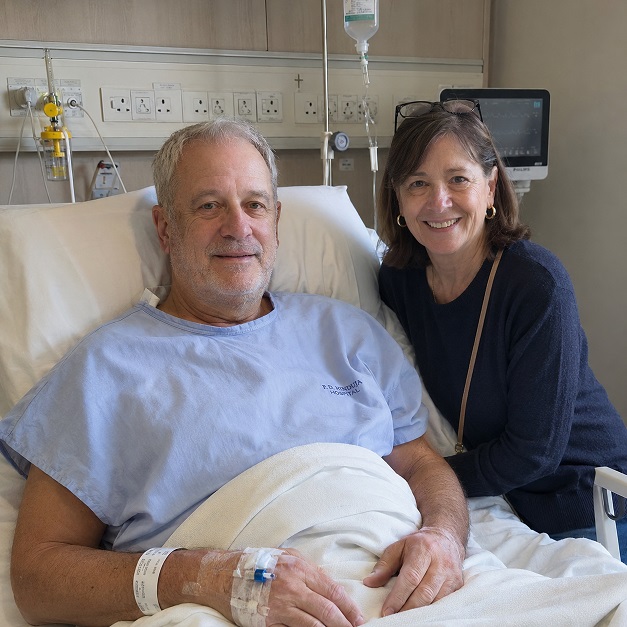
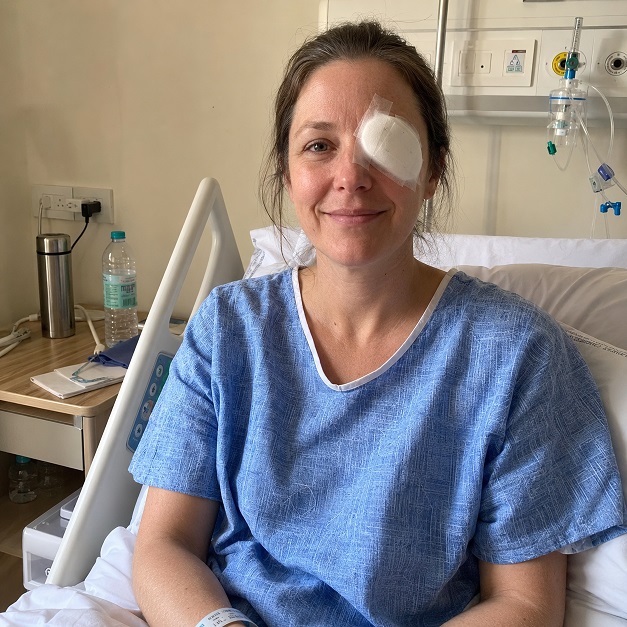
Patient Testimonials from Canada



Ready to Take the First Step?
Share your Medical Reports with our Healthcare Managers Today and Get a FREE CONSULTATION, a Personalized Treatment Plan, and Complete Support from Arrival to Recovery.
Get Your Free ConsultationFrom Canada to India: Your Complete Patient Support Guide
- Weight Loss & Bariatric Surgery in India for Canadian Patients: The Multi-Year Wait, Explained (2026)
- Bone Marrow Transplant in India for Canadian Patients: Complete Guide
- Brain Tumor Surgery in India for Canadian Patients: Complete Guide
- Breast Cancer Treatment and Surgery in India for Canadian Patients
- Cancer Treatment and Surgery in India for Canadian Patients
- Cardiac Surgery in India for Canadian Patients
- Colorectal Cancer Treatment and Surgery in India for Canadian Patients
- Cosmetic and Aesthetic Surgery in India for Canadian Patients
- CyberKnife Treatment in India for Canadian Patients: Complete Guide
- Dental Surgery in India for Canadian Patients | Complete Treatment & Cost Guide
- Gamma Knife Treatment in India for Canadian Patients
- Heart Valve Replacement Surgery in India for Canadian Patients
- Hip Surgery in India for Canadian Patients | Complete Treatment, Cost & Recovery Guide
- HIPEC Surgery in India for Canadian Patients: Complete Guide
- Kidney Transplant in India for Canadian Patients: Complete Guide
- Knee Surgery in India for Canadian Patients: Wait Times & Costs
- Neurosurgery in India for Canadian Patients: Wait Times & Costs
- Paediatric Cardiac Surgery in India for Canadian Patients