

Weight Loss & Bariatric Surgery in India for Canadian Patients
The surgery is fully covered wherever a provincial programme exists. The wait to receive it is not measured in weeks, or even months. In several provinces, it is measured in years.
A 39-year-old paramedic in Saskatoon. BMI 44, type 2 diabetes, sleep apnoea requiring a CPAP machine every night. Her family doctor referred her to the provincial bariatric programme in early 2025. She has just received a letter confirming her referral was accepted — and that the wait for her first appointment, before any assessment or treatment even begins, is expected to exceed thirty-six months. She is not an outlier. She is the median.
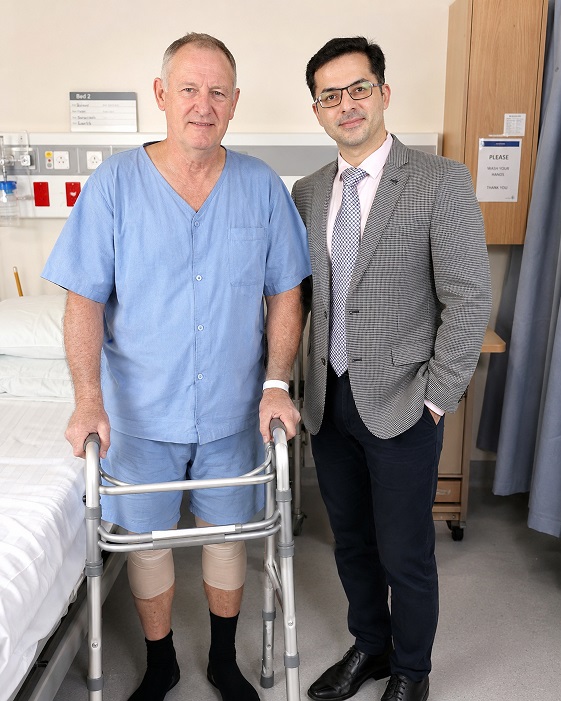
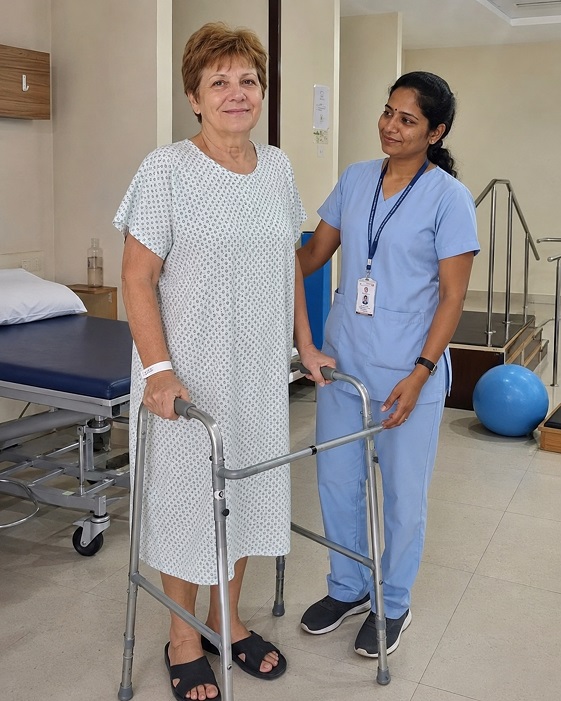
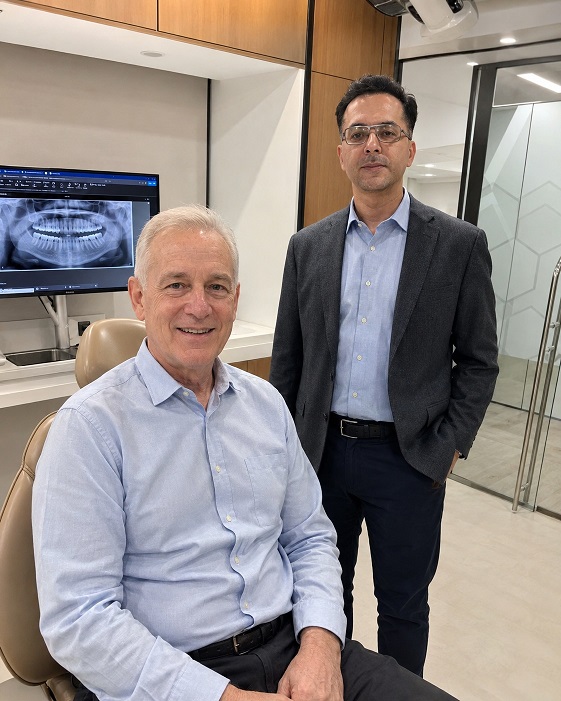
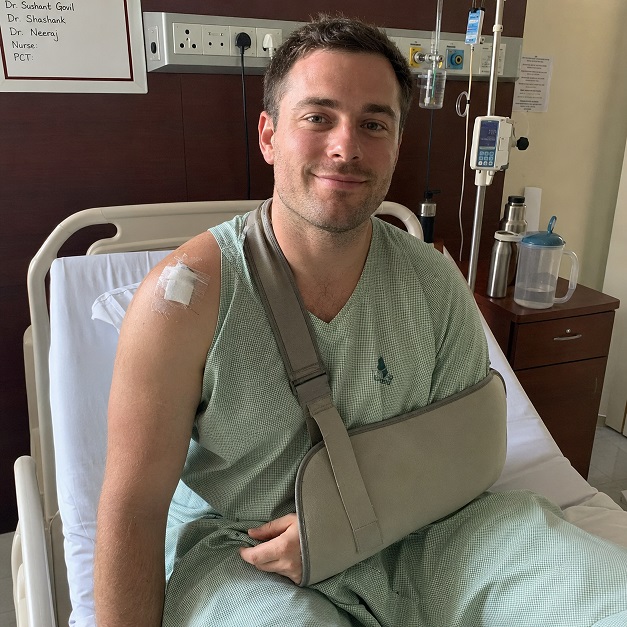
Healing Journeys of Canadian Patients
Key Takeaways
- Bariatric surgery is fully covered wherever a Canadian provincial programme exists. The central issue identified in the briefing is not the quality or coverage of Canadian bariatric care—it is access and capacity.
- The document describes Canadian bariatric programmes as carefully structured multidisciplinary services involving surgeons, dietitians, psychologists and medical optimisation. The concern is that patients may wait years before they can access this process.
- The briefing cites a commonly reported national average wait of approximately five years from referral to bariatric surgery in Canada. Provincial differences are substantial.
- The provincial comparison chart on page 2 shows approximately 1.5 years in Newfoundland and Labrador, around 3 years in British Columbia, approximately 2.5–3 years in Ontario, Quebec and Alberta, 3.5–4 years in Saskatchewan, 6.5 years in Manitoba, 5–8 years in New Brunswick and approximately 9 years in Nova Scotia.
- Prince Edward Island, the Northwest Territories, Yukon and Nunavut are identified as having no established public bariatric surgery programme, meaning patients may need an out-of-province or out-of-territory referral.
- The briefing notes that bariatric surgery was not included among Canada's nationally benchmarked priority procedures established in 2004, so there is no national CIHI bariatric wait-time target.
- Ontario is identified as an exception with a provincially mandated 365-day target, although the document cites research indicating that actual waits can substantially exceed it.
- The pre-surgical phase is not described as wasted time. Canadian programmes appropriately include dietitian consultation, psychological assessment, medically supervised weight management and optimisation of conditions such as type 2 diabetes and sleep apnoea.
- The briefing also addresses GLP-1 medications, specifically semaglutide and tirzepatide. It describes them as capable of producing substantial weight loss and as a reasonable first step for some patients, particularly those with lower BMI ranges without severe comorbidities.
- For patients with higher BMI and significant obesity-related conditions, the document states that bariatric surgery generally produces greater and more durable weight loss and comorbidity improvement than medication alone.
Quick Facts
- Treatment
- Weight Loss and Bariatric Surgery
- Country
- India
- Intended Audience
- Canadian Patients Considering Bariatric Surgery
- Primary Specialty
- Bariatric and Metabolic Surgery
- Main Procedures
- Sleeve Gastrectomy and Roux-en-Y Gastric Bypass
- Canadian Public Coverage
- Fully Covered Where a Provincial Bariatric Programme Exists
- Main Canadian Challenge
- Capacity and Access Rather Than Quality
- Commonly Cited National Wait
- Approximately 5 Years
- Shortest Provincial Wait Mentioned
- Approximately 1.5 Years – Newfoundland and Labrador
- Longest Provincial Wait Mentioned
- Approximately 9 Years – Nova Scotia
- Saskatchewan Wait Mentioned
- Approximately 3.5–4 Years
- Main Decision Principle
- Patients Are Primarily Paying to Avoid a Multi-Year Wait, Not Paying for a Procedure That Is Otherwise Uncovered in Canada
- Author/Advisor
- Dr. Dheeraj Bojwani
- Experience
- 24 Years Guiding International Patients
In Brief
Bariatric surgery in Canada is publicly covered wherever a provincial programme exists, but access can involve waits measured in years rather than months. The briefing cites a commonly reported national average of approximately five years, with indicative provincial waits ranging from about 1.5 years in Newfoundland and Labrador to roughly nine years in Nova Scotia, while PEI, NWT, Yukon and Nunavut are described as having no established public programme. For Canadian patients who have already determined with their physician that surgery is appropriate, India may offer access to sleeve gastrectomy or Roux-en-Y gastric bypass within approximately 1–2 weeks of a confirmed treatment date. The guide emphasises that safe bariatric treatment must remain a multidisciplinary programme involving dietitian support, psychological assessment, lifelong nutrient monitoring, thromboprophylaxis and confirmed Canadian follow-up.
This is not a slow queue. It is one of the longest in Canadian medicine.
Canadian bariatric surgeons work within some of the most carefully structured multidisciplinary programmes in the world — dietitians, psychologists, medical optimisation, all built in deliberately, and in 24 years of guiding international patients into Indian hospitals I have never suggested the clinical model itself is the problem. The problem is capacity, measured in years rather than months, and it varies so widely by province that where you happen to live is close to the single biggest factor in how long you wait.
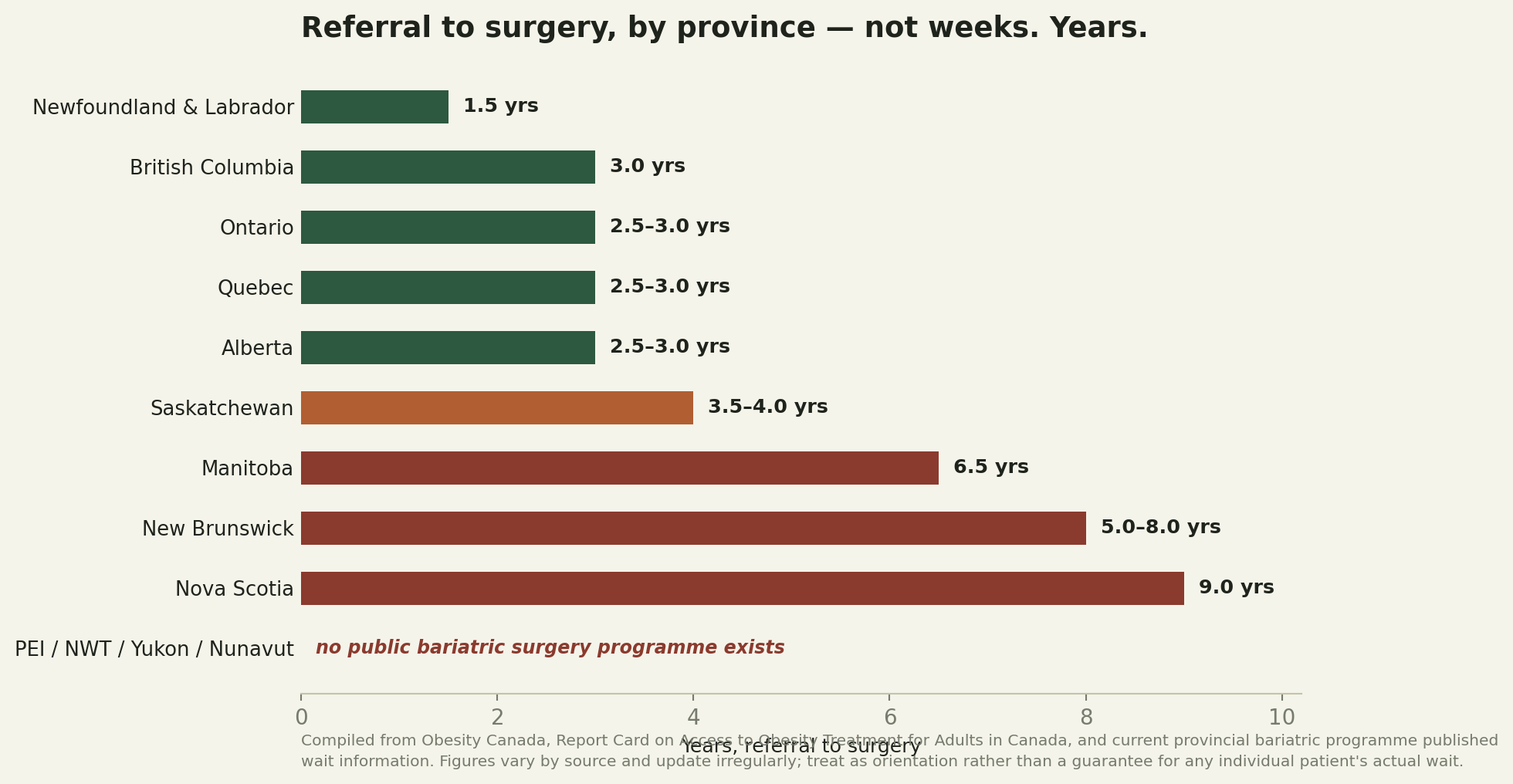
Newfoundland and Labrador sits at the shorter end, around 1.5 years. Nova Scotia, at the other end, has been reported at roughly nine years. Prince Edward Island, the Northwest Territories, Yukon and Nunavut have no established public bariatric surgery programme at all — a patient there is referred out of territory before any wait even begins to count. Bariatric surgery, like spine surgery, was never one of the five procedures Canada’s governments agreed to benchmark nationally in 2004, so no CIHI target exists to hold any province accountable to. Ontario is the exception with a provincially mandated 365-day target — and a Toronto teaching hospital study found actual waits “far exceed” it, with the pre-surgical assessment phase alone averaging close to fifteen months before the surgical wait even begins.
It is worth being precise about what that pre-surgical phase actually involves, because it is not idle time. Canadian bariatric programmes require dietitian consultations, psychological assessment, medically supervised weight management, and optimisation of conditions like diabetes and sleep apnoea before a patient is even placed on the surgical wait list itself — a genuinely thorough process. The problem is not that this work happens. It is that the queue to begin it, and the queue for surgery afterwards, have both grown far beyond what any patient should reasonably be asked to wait through while a treatable condition continues to cause harm.
| ~5 | 4 | 1–2 |
|---|---|---|
| years — the commonly cited national average wait from referral to bariatric surgery in Canada | provinces or territories with no established public bariatric surgery programme at all | weeks in India, from a confirmed date to the operating theatre |
A word on GLP-1 medications, honestly
No bariatric briefing written in 2026 can skip this. Semaglutide and tirzepatide produce genuine, substantial weight loss for many patients and are a reasonable first step for some, particularly at lower BMI ranges without severe comorbidities. They are not broadly covered by provincial drug plans for weight loss alone in most of Canada, which means an indefinite private cost, and the weight commonly returns once the medication stops because, unlike surgery, the anatomy has not changed.
For higher BMI categories with significant comorbidities — exactly the profile most Canadian bariatric programmes are built around — surgery generally produces larger and more durable weight loss and comorbidity resolution than medication alone. The two are not always alternatives; some patients use medication before surgery to reduce risk, or afterwards to manage a plateau. This briefing is written for patients who have already concluded, with their own physician, that surgery is the right path — and are now facing the wait described above.
There is also a category of patient this genuinely helps: someone using a GLP-1 medication as a bridge, aware they cannot afford years of private prescriptions but needing to reduce their surgical risk before an operation. If that describes you, say so plainly to whichever surgeon you consult, in Canada or abroad, because it changes both the timeline and the anaesthetic risk conversation.
This is a programme, not an operation
Before anything else: bariatric surgery is the opening step of a permanent change to your physiology, not a single event, and the criteria that matter most extend well beyond the operating theatre. Whether you pursue it in Canada or elsewhere, insist on a genuine programme — dietitian support before and after, psychological assessment beforehand, and a specific, written plan for lifelong vitamin and mineral monitoring afterwards. Gastric banding has been substantially abandoned by high-volume centres worldwide because of its long-term revision and complication rate; if it is offered to you as a modern first- line option without qualification, ask why. Sleeve gastrectomy and Roux-en-Y bypass remain the most established procedures internationally, with the strongest long-term data.
What the money actually looks like
A small number of Canadian clinics offer bariatric surgery for direct payment, commonly $16,000 to $23,000, as an alternative to the public wait. It exists, but not everywhere, and not with any guaranteed insurance offset.
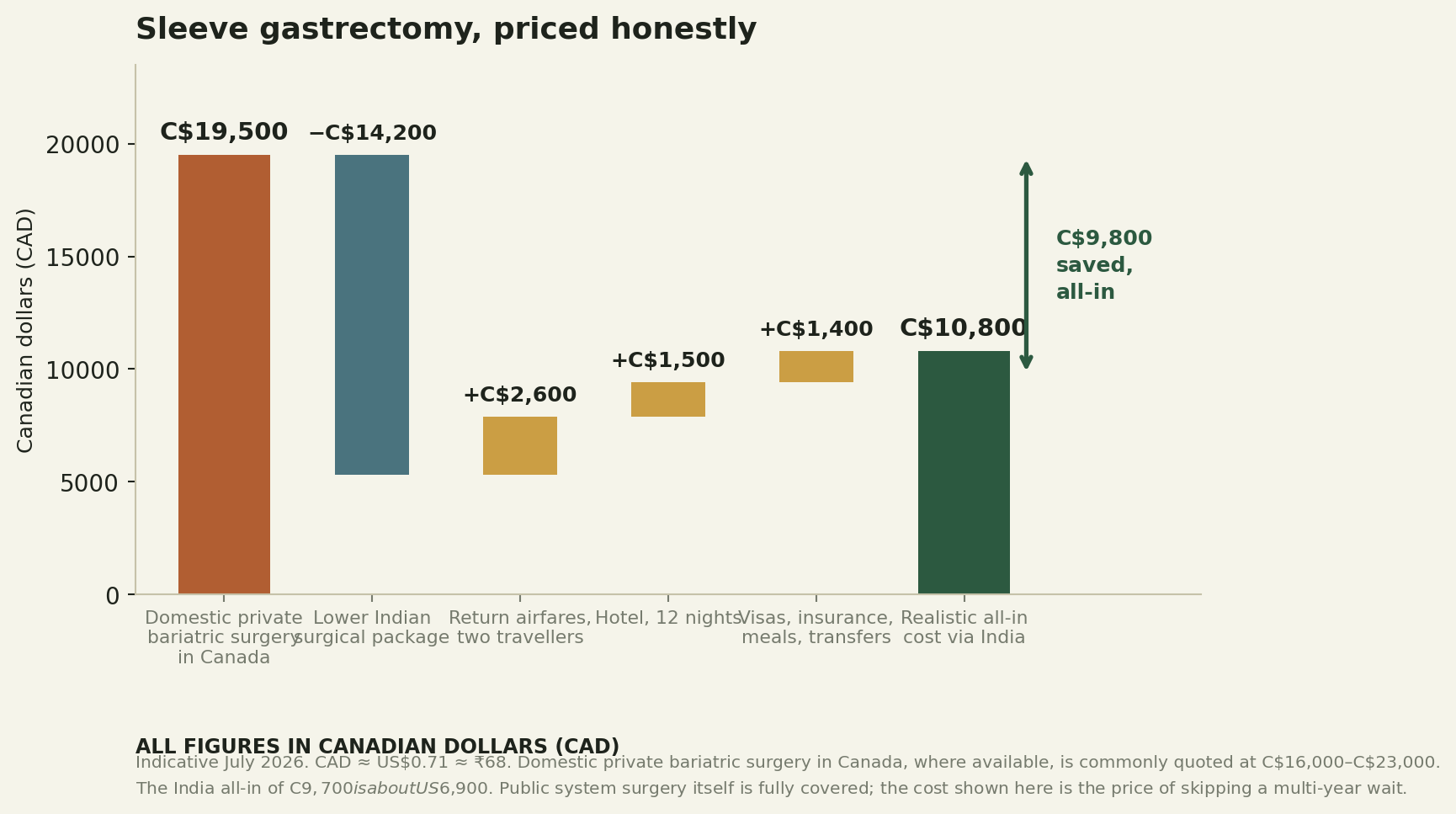
The same operation, performed by a fellowship-trained bariatric surgeon at an accredited Indian hospital, typically costs around half that, all-in. It is worth being precise about what this number actually represents: bariatric surgery itself is fully covered under every provincial health plan that offers the programme. What you are paying for, in either the domestic private or the India option, is not the surgery. It is the multi-year wait.
In 24 years of guiding patients through this process, I have found that disputes almost never concern the quoted price. They concern what the quote silently omitted — a follow-up visit assumed but not included, a supplement regime priced separately. Insist on a written, itemised figure before any deposit moves, and pay a deposit only, never the full balance in advance.
What you are actually getting for it
Genuine programme depth, not a bottleneck. Leading Indian bariatric centres run dedicated multidisciplinary teams — surgeon, dietitian, psychologist, endocrinology support — without the multi- year pre-surgical assessment queue that has become the defining feature of Canadian programmes.
Verifiable accreditation specific to this field. The International Federation for the Surgery of Obesity and Metabolic Disorders accredits both institutions and individual surgeons through Centre of Excellence and Surgeon of Excellence programmes, verifiable independently rather than taken on trust.
Accreditation that means something broader too. JCI is the international arm of the body accrediting hospitals across the United States; NABH is India’s national equivalent, recognised by the same global standards authority.
Rehabilitation that starts immediately. Dietitian-guided diet staging from the first post-operative day, rather than a handout and a follow-up appointment weeks later.
A genuinely sub-specialised surgeon, if you ask the right question. Ask what proportion of the surgeon's practice is bariatric and metabolic work specifically, and how many of the exact procedure proposed for you he performed last year. A confident, specific answer separates a genuine bariatric practice from a general surgeon who does occasional weight-loss cases.
What to say to your family
Give them specifics. Name the hospital and its accreditation. Name the surgeon, his training and his annual volume. Explain the full programme — the psychological assessment, the dietitian involvement, the lifelong monitoring plan — and that you are staying two weeks precisely so nothing is rushed. Families do not object to India; they object to the sense that a relative is skipping the careful process Canadian programmes are known for, rather than replicating it faster.
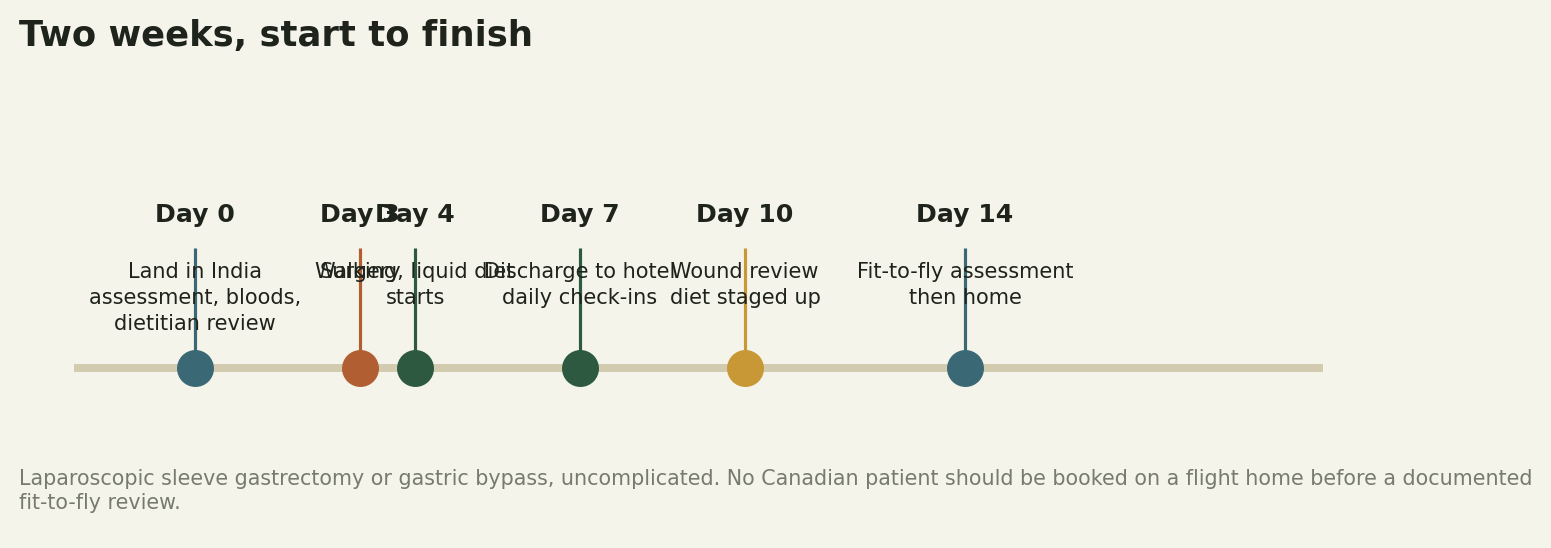
Venous thromboembolism risk is elevated after bariatric surgery specifically, given the patient population. Book a changeable return and do not fly without a documented thromboprophylaxis plan and fit-to-fly assessment.
Six Things to Have in Writing Before You FLY
1. The full programme structure, including pre-operative assessment, dietitian and psychologist involvement, and the follow-up schedule for the first two years.
2. Which procedure, and why, for your specific anatomy and history — and specifically why, if gastric banding is proposed.
3. Your specific nutrient monitoring plan, naming the supplements and blood tests, in writing, to hand to your Canadian doctor.
4. An itemised, all-inclusive price, stating what post-return dietitian support is included, if any.
5. The named operating surgeon, and a video consultation with them before any deposit.
6. Your Canadian follow-up, already booked: a family doctor review and, ideally, a shared-care arrangement for ongoing monitoring.
Practicalities for Canadians
Canadian passport holders are eligible for India’s electronic medical visa, issued against an invitation letter from the treating hospital, with an e-medical attendant visa for whoever travels with you. Before flying home, collect a discharge pack: the operative note naming the exact procedure, your supplement and monitoring schedule, and dietary staging instructions covering the following months. Give this to your family doctor before your first blood test is due, not after.
A closing word
Bariatric surgery can be one of the most transformative decisions in medicine, and Canada’s programmes, where a patient can actually reach them, are genuinely excellent. The problem this briefing addresses is not the quality of that care. It is the years most patients spend waiting to receive it, in a system that never agreed to measure or benchmark that wait in the first place. If you would like a second opinion on whether surgery is the right path for you, or a review of a quote you are already holding, send it to me and I will look at it properly.
Sources
- 🌐 Obesity Canada – Obésité Canada, Report Card on Access to Obesity Treatment for Adults in Canada
- 🌐 Saskatchewan Health Authority, Bariatric Surgical Program referral wait information, 2026
- 🌐 Doumouras et al., “A longitudinal analysis of wait times for bariatric surgery in a publicly funded, regionalized bariatric care system”, Obesity Surgery , 2020
- 🌐 CMAJ Open, patient and operational factors affecting wait times in a Toronto bariatric surgery programme
- 🌐 International Federation for the Surgery of Obesity and Metabolic Disorders, Centre of Excellence and Surgeon of Excellence programmes
- 🌐 High Commission of India, e-Visa categories and eligibility
Frequently Asked Questions by Canadian Patients about Weight Loss & Bariatric Surgery in India
Why would a Canadian patient pay for bariatric surgery in India if surgery is covered in Canada?
Because coverage and access are different. Where provincial programmes exist, surgery is publicly covered, but the briefing cites waits that can extend for several years. Patients considering India are primarily paying to avoid that delay.
How long is the wait for bariatric surgery in Canada?
The briefing cites a commonly reported national average of around five years. Indicative provincial figures range from approximately 1.5 years in Newfoundland and Labrador to roughly nine years in Nova Scotia.
How quickly can Canadian patients access bariatric surgery in India?
The document indicates approximately 1–2 weeks from a confirmed treatment date to the operating theatre, once assessment and treatment planning have been completed.
Is sleeve gastrectomy or gastric bypass better?
Neither procedure is universally better. The appropriate choice depends on BMI, eating pattern, reflux, medical history and other individual factors. The surgeon should explain specifically why one procedure suits the patient's anatomy and health profile.
Are GLP-1 medications an alternative to bariatric surgery?
They can be appropriate for some patients and may produce substantial weight loss. They may also be used as a bridge before surgery or after surgery for a plateau, but the briefing states that surgery generally provides larger and more durable results in higher-BMI patients with significant comorbidities.
How much does private bariatric surgery cost in Canada compared with India?
The briefing quotes Canadian private surgery at approximately C$16,000–23,000. Its page 3 example compares a C$19,500 Canadian private sleeve with an approximately C$10,800 all-in India pathway.
How long should a Canadian patient stay in India after bariatric surgery?
For an uncomplicated laparoscopic sleeve or gastric bypass, the example pathway allows approximately two weeks, ending with a documented fit-to-fly assessment before long-haul travel.
What follow-up is required after bariatric surgery?
Bariatric surgery requires lifelong follow-up, including vitamin and mineral supplementation, blood tests, dietary monitoring and medical review. Canadian follow-up should be organised before travelling.
Will a Canadian provincial health plan reimburse bariatric surgery performed in India?
The briefing states that reimbursement is very unlikely. Out-of-country coverage generally requires advance approval showing that medically necessary care cannot be provided in Canada within an acceptable timeframe.
What should Canadian patients have in writing before travelling?
They should have the programme structure, exact procedure and rationale, nutrient-monitoring plan, itemised all-inclusive price, named operating surgeon and Canadian follow-up arrangement confirmed in writing before departure.
If bariatric surgery is covered by my province, why would I pay to go elsewhere?
Because coverage is not the same as access. The surgery itself costs nothing in the public system; the wait to receive it is what patients are actually solving for, and in several provinces that wait now runs into years, sometimes close to a decade.
Will my provincial plan reimburse the cost of surgery in India?
Almost never. Out-of-country coverage exceptions exist in every province but require pre-approval showing the procedure is genuinely unavailable in Canada within a medically acceptable time — a bar a routine bariatric referral rarely clears, however long the actual wait has been.
Who manages my lifelong follow-up once I'm home?
Your family doctor, provided they have the operative details and a specific monitoring schedule in writing before your first blood test is due. Arrange this before you travel, not after.
Is sleeve or bypass better for me?
That depends on your BMI, your eating pattern, whether reflux is a factor, and your overall health. Ask why a specific procedure is being proposed for your anatomy rather than assuming one is universally superior.
How long before I can fly home?
About two weeks for an uncomplicated laparoscopic sleeve or bypass, on a changeable ticket, following a documented fit-to-fly assessment.
Page Summary
This briefing examines weight loss and bariatric surgery in India for Canadian patients: Canada's programmes provide comprehensive multidisciplinary care, but waits average approximately five years nationally, ranging from about 1.5 years in Newfoundland and Labrador to nine years in Nova Scotia, with four jurisdictions having no public programme at all. GLP-1 medications can help some patients or bridge to surgery, but sleeve gastrectomy and Roux-en-Y bypass remain more durable for higher-BMI patients than gastric banding. A Canadian private sleeve gastrectomy runs approximately C$19,500 against an all-in Indian pathway of around C$10,800 — the core argument being paying to avoid the wait, not cost alone. An uncomplicated procedure typically needs about two weeks in India, ending with fit-to-fly clearance, followed by lifelong dietitian, nutrient and Canadian follow-up care.
Citation Block
| Topic | Information |
|---|---|
| Topic Information | Details |
| Procedure | Bariatric & Metabolic Surgery |
| Country | India |
| Intended Audience | Canadian Patients |
| Conditions Covered | Obesity and Obesity-Related Comorbidities Including Type 2 Diabetes and Sleep Apnoea |
| Procedures | Sleeve Gastrectomy and Roux-en-Y Gastric Bypass |
| Canadian Public Coverage | Fully Covered Where Provincial Programme Exists |
| Commonly Cited Canadian Wait | Approximately 5 Years |
| Provincial Wait Range | Approximately 1.5–9 Years |
| No Established Public Programme | PEI, NWT, Yukon and Nunavut |
| Treatment Access in India | Approximately 1–2 Weeks From Confirmed Date to Operating Theatre |
| Canadian Follow-Up | Family Doctor and Ideally Shared-Care Monitoring |
| Author | Dr. Dheeraj Bojwani |
| Experience | 24 Years as a Medical Travel Advisor |


Our Mission Statement
Our mission is to place patients at the centre of every healthcare decision by providing trustworthy, evidence-based, and unbiased medical information. We believe that informed patients make better decisions. Backed by personalised guidance from our experienced advisory team, we help patients understand their treatment options, compare them objectively, and confidently choose the path that best suits their medical needs and personal circumstances.
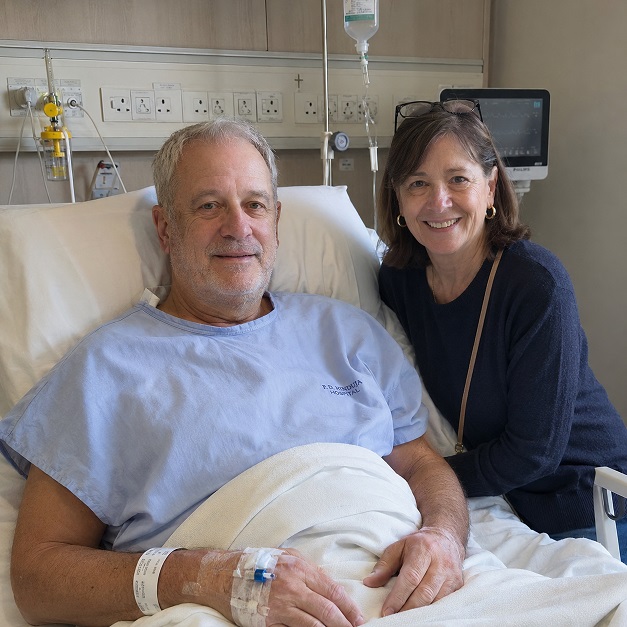
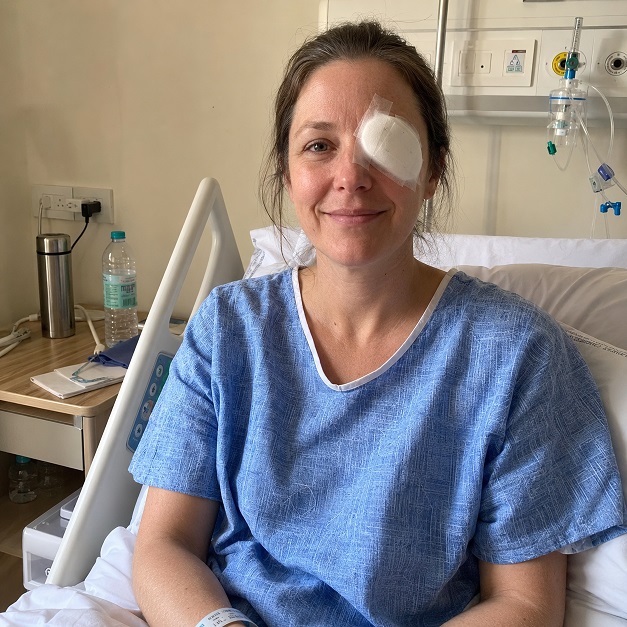
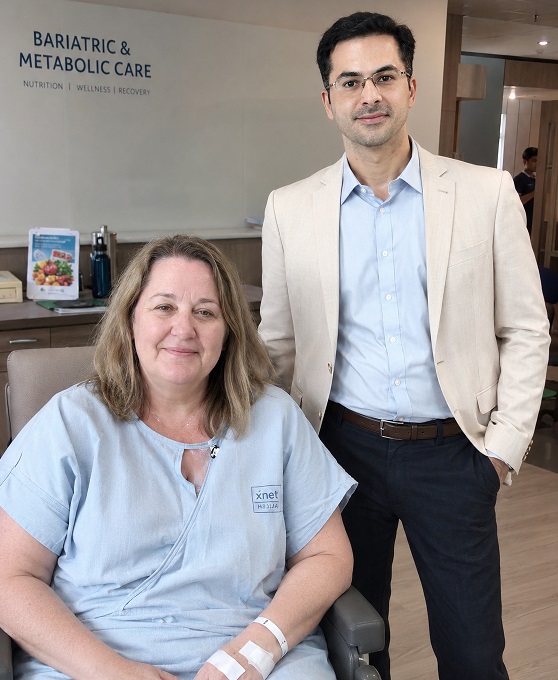
Patient Testimonials from Canada


Ready to Take the First Step?
Share your Medical Reports with our Healthcare Managers Today and Get a FREE CONSULTATION, a Personalized Treatment Plan, and Complete Support from Arrival to Recovery.
Get Your Free ConsultationFrom Canada to India: Your Complete Patient Support Guide
- Weight Loss & Bariatric Surgery in India for Canadian Patients: The Multi-Year Wait, Explained (2026)
- Bone Marrow Transplant in India for Canadian Patients: Complete Guide
- Brain Tumor Surgery in India for Canadian Patients: Complete Guide
- Breast Cancer Treatment and Surgery in India for Canadian Patients
- Cancer Treatment and Surgery in India for Canadian Patients
- Cardiac Surgery in India for Canadian Patients
- Colorectal Cancer Treatment and Surgery in India for Canadian Patients
- Cosmetic and Aesthetic Surgery in India for Canadian Patients
- CyberKnife Treatment in India for Canadian Patients: Complete Guide
- Dental Surgery in India for Canadian Patients | Complete Treatment & Cost Guide
- Gamma Knife Treatment in India for Canadian Patients
- Heart Valve Replacement Surgery in India for Canadian Patients
- Hip Surgery in India for Canadian Patients | Complete Treatment, Cost & Recovery Guide
- HIPEC Surgery in India for Canadian Patients: Complete Guide
- Kidney Transplant in India for Canadian Patients: Complete Guide
- Knee Surgery in India for Canadian Patients: Wait Times & Costs
- Neurosurgery in India for Canadian Patients: Wait Times & Costs
- Paediatric Cardiac Surgery in India for Canadian Patients