

15 Frequently Asked Questions — Neurosurgery in India for Australian Patients
Neurosurgery is a specialised branch of medicine dealing with surgical conditions affecting the brain, spinal cord, spine, peripheral nerves and related structures. Treatment may be required for brain tumours, spinal disorders, aneurysms, hydrocephalus, epilepsy, movement disorders, traumatic brain injuries, spinal cord compression, congenital conditions and other neurological problems. India has developed comprehensive neurosurgical programmes offering conventional microsurgery as well as advanced approaches such as neuronavigation, minimally invasive neurosurgery, endoscopic procedures, stereotactic surgery, intraoperative monitoring, awake craniotomy and selected radiosurgical treatments. Current international-patient sources describe Indian neurosurgical care across brain, spine, vascular and movement-disorder conditions. For Australian patients considering treatment in India, the decision should be based on the exact diagnosis, proposed procedure, surgeon expertise, hospital facilities, expected recovery, total cost and arrangements for follow-up in Australia.
Healing Journeys of Australian Patients


Important: idualised. The appropriate treatment depends on the patient's diagnosis, neurological examination, MRI/CT findings, severity, age, general health, previous treatment and surgical risks. The costs in this guide are indicative planning estimates only and should not be considered fixed hospital quotations. Final costs can vary significantly according to the hospital, surgeon, surgical technique, implants, navigation or monitoring technology, ICU requirements, hospital stay and complications. Patients experiencing sudden weakness, loss of consciousness, severe head injury, new seizures, rapidly worsening neurological symptoms or other emergencies should seek immediate emergency medical care rather than delaying treatment for international travel.
Q1 · What Is Neurosurgery?
Neurosurgery involves the surgical diagnosis and treatment of conditions affecting the:
- Brain
- Spinal cord
- Spine
- Peripheral nerves
- Skull
- Skull base
- Blood vessels of the brain and spinal cord
- Cerebrospinal fluid pathways
Neurosurgical treatment may include:
- Brain tumour surgery
- Spine surgery
- Spinal tumour surgery
- Aneurysm clipping
- Vascular neurosurgery
- Hydrocephalus treatment
- Epilepsy surgery
- Deep Brain Stimulation (DBS)
- Skull-base surgery
- Minimally invasive brain surgery
- Neuroendoscopy
- Stereotactic procedures
- Trauma surgery
- Paediatric neurosurgery
- Complex revision surgery
Modern neurosurgical centres may use neuronavigation, intraoperative imaging, neurophysiological monitoring and other technologies to assist with complex operations.
Q2 · What Is the Cost of Neurosurgery in Australia Compared with India?
For international planning, costs vary greatly according to the diagnosis and procedure. The following is an indicative comparison, not a hospital quotation.
| Treatment / Procedure | Australia – Approx. Cost | India – Approx. Cost | Potential Cost Saving |
|---|---|---|---|
| Neurosurgical Evaluation | A$1,500–3,000 US$990–1,980 |
INR 30,000–60,000 US$315–625 |
30–55% |
| Brain Tumour Surgery | A$25,000–60,000 US$16,500–39,600 |
INR 500,000–1,200,000 US$5,210–12,500 |
40–65% |
| Complex Brain Tumour / Skull-Base Surgery | A$40,000–80,000 US$26,400–52,800 |
INR 800,000–1,800,000 US$8,335–18,750 |
35–60% |
| Spine Decompression / Laminectomy | A$15,000–35,000 US$9,900–23,100 |
INR 250,000–550,000 US$2,605–5,730 |
35–60% |
| Cervical Spine Fusion | A$20,000–45,000 US$13,200–29,700 |
INR 350,000–800,000 US$3,645–8,335 |
35–60% |
| Lumbar Spine Fusion | A$25,000–55,000 US$16,500–36,300 |
INR 400,000–900,000 US$4,165–9,375 |
35–60% |
| Spinal Tumour Surgery | A$35,000–75,000 US$23,100–49,500 |
INR 800,000–1,800,000 US$8,335–18,750 |
30–55% |
| Aneurysm Clipping / Vascular Surgery | A$40,000–90,000 US$26,400–59,400 |
INR 700,000–1,800,000 US$7,290–18,750 |
30–60% |
| Hydrocephalus / Shunt Surgery | A$15,000–35,000 US$9,900–23,100 |
INR 200,000–450,000 US$2,085–4,690 |
35–60% |
| Epilepsy Surgery | A$30,000–70,000 US$19,800–46,200 |
INR 600,000–1,500,000 US$6,250–15,625 |
30–55% |
| Deep Brain Stimulation | A$45,000–90,000 US$29,700–59,400 |
INR 1,000,000–3,000,000 / US$10,420–31,250 | 25–55% |
| Stereotactic Radiosurgery | A$20,000–45,000 US$13,200–29,700 |
INR 500,000–1,200,000 US$5,210–12,500 |
30–55% |
Current 2026 Indian international-patient sources place brain tumour surgery broadly around US$4,800–14,000, depending on the procedure and complexity, while complex skull-base and ICU-intensive cases may cost more. Published planning ranges for spinal tumour surgery are around US$10,000–24,000.
Cost note: Australian private-treatment costs vary considerably depending on insurance status, hospital, surgeon, Medicare/private coverage and procedure.
Therefore, the Australia figures above should be used only as broad planning ranges. The final comparison should always be based on like-for-like quotations.
Q3 · Which Major Indian Cities Can Australian Patients Consider for Neurosurgery?
| City | Why Australian Patients May Consider It |
|---|---|
| Delhi | Major brain, spine, vascular and skull-base neurosurgical services |
| Gurugram | Advanced brain, spine, neuro-oncology and minimally invasive neurosurgery |
| Noida | Neurosurgery, spine and neurotrauma services |
| Chennai | Comprehensive brain, spine and neurological surgery |
| Mumbai | Advanced neuro-oncology, vascular and spine surgery |
| Bengaluru | Brain, spine, vascular and minimally invasive neurosurgery |
| Hyderabad | Comprehensive neurosurgical and spine services |
| Kolkata | Neurosurgery, neurotrauma and spine surgery |
| Pune | Brain and spine neurosurgical services |
| Ahmedabad | Neurosurgery and advanced spine care |
| Kochi | Neurosurgery and neurotrauma services |
| Thiruvananthapuram | Neurosurgery and complex neurological care |
| Goa | Neurosurgical and multispeciality services |
| Nagpur | Neurosurgery, spine and neurotrauma services Indian international-patient programmes currently describe access to brain tumour surgery, spine surgery, aneurysm treatment, DBS and other specialised neurosciences services. |
Q4 · Which Hospitals in India Can Australian Patients Consider?
Delhi Hospitals
- Fortis Escorts Heart Institute, New Delhi
- BLK-Max Super Speciality Hospital, New Delhi
- Max Super Speciality Hospital, Saket
- Indraprastha Apollo Hospitals, New Delhi
- Sir Ganga Ram Hospital
- Max Super Speciality Hospital, Patparganj
- Manipal Hospital, Dwarka
- Fortis Hospital, Vasant Kunj
- Institute of Brain and Spine Hospital (IBS Hospital)
- Dharamshila Narayana Hospital
- Indian Spinal Injuries Centre
- AIIMS New Delhi
Chennai Hospitals
- MGM Healthcare
- MIOT International
- Apollo Hospitals, Greams Road
- Sri Ramachandra Medical Centre
- SIMS Hospital
- Kauvery Hospital
- Gleneagles HealthCity Chennai
- Vijaya Hospital
- Apollo Speciality Hospitals
- Rela Hospital
Mumbai Hospitals
- Bombay Hospital & Medical Research Centre
- Lilavati Hospital & Research Centre
- Jaslok Hospital & Research Centre
- Gleneagles Hospital, Mumbai
- Nanavati Max Super Speciality Hospital
- Kokilaben Dhirubhai Ambani Hospital
- P. D. Hinduja Hospital & Medical Research Centre
- Sir H. N. Reliance Foundation Hospital
- Wockhardt Hospitals, Mumbai
- Apollo Hospitals, Mumbai
Bengaluru Hospitals
- Manipal Hospital, Old Airport Road
- Manipal Hospital, Whitefield
- Manipal Hospital, Yeshwanthpur
- Apollo Hospitals, Bengaluru
- Fortis Hospital, Bannerghatta Road
- Aster CMI Hospital
- Sakra World Hospital
- Narayana Health City
- Sagar Hospitals
- Kauvery Hospital, Bengaluru
Hyderabad Hospitals
- KIMS Hospitals
- Yashoda Hospitals
- Apollo Health City
- CARE Hospitals
- Continental Hospitals
- Gleneagles Hospitals, Hyderabad
- Sunshine Hospitals
- Star Hospitals
Gurugram Hospitals
- Fortis Memorial Research Institute (FMRI)
- Medanta – The Medicity
- Artemis Hospital
- Max Hospital, Gurugram
- CK Birla Hospital, Gurugram
- Manipal Hospital, Gurugram
- Paras Health
- Narayana Superspeciality Hospital
Noida Hospitals
- Fortis Hospital, Noida
- Jaypee Hospital
- Max Super Speciality Hospital, Noida
- Yatharth Hospital
- Kailash Hospital
- Metro Hospital & Heart Institute
- Metro Center for Neurosciences
Kolkata Hospitals
- Apollo Multispeciality Hospitals
- AMRI Hospitals
- Fortis Hospital, Anandapur
- Manipal Hospitals, Salt Lake
- Medica Superspecialty Hospital
- Narayana Superspeciality Hospital
- Ruby General Hospital
Pune Hospitals
- Ruby Hall Clinic
- Jehangir Hospital
- Deenanath Mangeshkar Hospital
- Sahyadri Super Speciality Hospital
- Aditya Birla Memorial Hospital
- Manipal Hospital, Kharadi
- Medicover Hospital, Pune
Ahmedabad Hospitals
- Apollo Hospitals, Ahmedabad
- Zydus Hospitals
- Sterling Hospitals
- Shalby Hospitals
- HCG Hospitals
- SAL Hospital
- CIMS Hospital
Kochi Hospitals
- Aster Medcity
- Amrita Hospital
- VPS Lakeshore Hospital
- Rajagiri Hospital
- Aster MIMS
- Lisie Hospital
- Renai Medicity
Thiruvananthapuram Hospitals
- KIMSHEALTH Hospital
- Ananthapuri Hospitals and Research Institute
- SUT Hospital
- SP Medifort Hospital
- PRS Hospital
- GG Hospital
Goa Hospitals
- Manipal Hospital, Goa
- Healthway Hospital
- Manipal Hospitals, Dona Paula
- Goa Medical College and Hospital
- Apollo Victor Hospital
Nagpur Hospitals
- Wockhardt Hospitals, Nagpur
- MAX Multispeciality Hospital
- CARE Hospitals, Nagpur
- Kingsway Hospitals
- Lata Mangeshkar Hospital
Important: This is the established hospital list for the Australian guide format. Not every hospital listed performs every specialised neurosurgical procedure. The exact hospital and neurosurgeon should be selected according to the patient's diagnosis and required treatment.
Q5 · What Types of Neurosurgery Are Available in India?
Neurosurgical treatment in India may include
Brain Surgery
- Brain tumour surgery
- Craniotomy
- Minimally invasive brain surgery
- Awake craniotomy
- Skull-base surgery
- Endoscopic brain surgery
- Stereotactic biopsy
- Epilepsy surgery
Spine Surgery
- Cervical spine surgery
- Lumbar spine surgery
- Spinal decompression
- Spinal fusion
- Disc surgery
- Spinal deformity surgery
- Spinal tumour surgery
- Minimally invasive spine surgery
Vascular Neurosurgery
- Cerebral aneurysm clipping
- AVM surgery
- Selected vascular malformation procedures
- Stroke-related neurosurgical procedures
Functional Neurosurgery
- Deep Brain Stimulation
- Movement-disorder surgery
- Selected epilepsy procedures
- Stereotactic procedures
Other Neurosurgical Care
- Hydrocephalus treatment
- Neurotrauma
- Paediatric neurosurgery
- Peripheral nerve surgery
- Complex revision neurosurgery
Indian neuroscience programmes currently include brain tumour, complex spine, aneurysm, DBS and other advanced neurosurgical procedures.
Q6 · What Conditions Can Be Treated Through Neurosurgery?
Patients may be evaluated for
- Brain tumours
- Metastatic brain tumours
- Skull-base tumours
- Spinal tumours
- Herniated discs
- Spinal stenosis
- Cervical myelopathy
- Spinal cord compression
- Spinal deformities
- Cerebral aneurysms
- Arteriovenous malformations
- Hydrocephalus
- Epilepsy requiring surgery
- Parkinson's disease and selected movement disorders
- Traumatic brain injury
- Spinal cord injuries
- Nerve compression
- Congenital neurological conditions
- Complex recurrent neurosurgical problems
The treatment depends on the exact diagnosis and imaging findings. For example, spinal tumour surgery may involve decompression, biopsy, stabilisation or tumour removal depending on the tumour and neurological condition.
Q7 · What Advanced Technologies May Be Used in Neurosurgery?
Depending on the hospital and procedure, available technologies may include: Neuronavigation Computer-assisted navigation helps the surgeon identify the planned surgical corridor and anatomical structures.
Intraoperative Imaging
Selected centres use intraoperative MRI or CT to assess surgical progress.
Intraoperative Neuromonitoring
Monitoring of neurological pathways may be used during selected brain and spine procedures.
Awake Craniotomy
For selected tumours near important speech or motor areas, the patient may be awake for part of the operation to help map important functions.
Endoscopic Neurosurgery
Small cameras and specialised instruments may be used for selected brain, skull- base and spinal procedures.
Stereotactic Surgery
Computer-assisted targeting is used for selected lesions and functional procedures.
Radiosurgery Gamma Knife and CyberKnife are non-open surgical radiation techniques used for selected lesions.
Not every patient requires advanced technology. The treating neurosurgical team should determine whether a particular technology is medically appropriate.
Q8 · What Medical Reports Should an Australian Patient Send Before Travelling to India?
The patient should ideally provide:
- Recent neurosurgical consultation
- Neurology reports
- MRI brain/spine
- CT scans
- PET/CT where relevant
- Previous surgery reports
- Histopathology reports
- Biopsy reports
- Angiography reports where applicable
- EEG reports for epilepsy
- Neuropsychological reports where relevant
- EMG/nerve conduction studies where relevant
- Blood investigations
- Current medication list
- Previous radiation or chemotherapy records
- Details of previous complications
Patients should send the actual MRI/CT images or DICOM files, not only the written report, whenever possible.
For international neurosurgical planning, imaging is particularly important because the proposed operation depends heavily on anatomy and disease location. Current international-patient neurosurgery guidance specifically recommends MRI/CT review before travel.
Q9 · What Is the Process for Neurosurgery in India?
Step 1: Medical Record Review
The patient's medical history and imaging are reviewed by the neurosurgical team.
Step 2: Specialist Opinion
The neurosurgeon determines the likely diagnosis and treatment options.
Step 3: Treatment Planning
The team decides whether treatment may involve:
- Surgery
- Minimally invasive surgery
- Radiosurgery
- Medication
- Observation
- Further diagnostic testing
- A multidisciplinary approach
Step 4: Travel Planning
If treatment in India is considered appropriate, the patient arranges medical travel, visa and accommodation.
Step 5: In-Person Assessment
Additional examination and investigations are performed after arrival.
Step 6: Final Surgical Plan
The exact procedure is confirmed after reviewing all findings.
Step 7: Surgery and Monitoring
The patient undergoes the planned procedure followed by neurological monitoring and postoperative care.
Step 8: Rehabilitation
Physiotherapy, occupational therapy, speech therapy or other rehabilitation may be required depending on the condition.
Step 9: Discharge and Follow-Up
The patient receives a discharge summary, medication plan and follow-up instructions.
Current international-patient programmes describe a similar pathway from MRI/case review through treatment planning, surgery, ICU/step-down monitoring and follow- up.
Q10 · Are There Alternatives to Neurosurgery?
Not every neurological condition requires open surgery.
Depending on the diagnosis, alternatives may include:
- Medication
- Physiotherapy
- Rehabilitation
- Pain management
- Observation and periodic imaging
- Radiation therapy
- Stereotactic radiosurgery
- Endovascular treatment
- Image-guided procedures
- Injections
- Lifestyle and risk-factor management
For example, selected brain or skull-base lesions may be treated with stereotactic radiosurgery rather than open surgery, while selected aneurysms may be treated through endovascular techniques rather than open clipping.
The appropriate option depends on the lesion, anatomy, neurological symptoms and overall health.
Q11 · What Should Be Included in a Neurosurgery Treatment Quotation?
Australian patients should request a detailed written quotation covering:
- Neurosurgeon consultation
- Preoperative investigations
- MRI/CT where required
- Anaesthesia
- Operation theatre charges
- Surgical procedure
- Implants
- Surgical navigation where applicable
- Neuromonitoring where applicable
- ICU charges
- Hospital room
- Hospital stay
- Medicines
- Blood products if required
- Histopathology
- Postoperative imaging
- Physiotherapy or rehabilitation
- Follow-up consultation
For spine surgery, the quotation should clearly identify:
- Number of spinal levels
- Screws
- Rods
- Cages
- Bone graft
- Navigation
- Neuromonitoring
For brain tumour surgery, it should clarify whether pathology, neuronavigation, intraoperative imaging and neuro-ICU care are included.
Published 2026 planning sources emphasise that implants, ICU nights, navigation, monitoring and surgical complexity can significantly change the final neurosurgical bill.
Q12 · How Long Does an Australian Patient Need to Stay in India?
The duration depends on the procedure and recovery.
As a broad planning guide:
- Initial consultation and evaluation: 1–3 days
- Brain tumour surgery: approximately 5–10 hospital nights
- Spine surgery: approximately 3–8 hospital nights
- Complex spinal tumour surgery: approximately 5–12 nights
- Aneurysm surgery: approximately 7–14 nights
- DBS surgery: approximately 5–7 nights
- Complex skull-base surgery: approximately 5–12 nights
- Major revision surgery: potentially longer
Current international-patient sources report approximately 5–10 nights for many brain tumour operations and 5–12 nights for spinal tumour surgery, but the actual stay depends on the operation and postoperative course.
Australian patients should allow additional time for postoperative assessment before flying home.
Q13 · What Is Recovery Like After Neurosurgery?
Recovery depends on the diagnosis and operation.
After Brain Surgery
Patients may require
- Neurological monitoring
- Wound care
- Pain management
- Medication review
- Anti-seizure medication where prescribed
- Steroid management where prescribed
- Physiotherapy
- Speech therapy
- Occupational therapy
After Spine Surgery
Recovery may include
- Pain management
- Walking and mobility exercises
- Physiotherapy
- Wound care
- Gradual increase in activity
- Restrictions on lifting and bending
- Follow-up imaging where required
After Major Neurosurgery
Some patients may require inpatient rehabilitation before returning home.
Recovery can continue for weeks or months after discharge, and the timing of air travel should be determined by the treating team based on wound healing, neurological stability, mobility and other clinical factors.
Q14 · What Follow-Up Is Needed After Returning to Australia?
Before leaving India, the patient should receive:
- Final diagnosis
- Operative report
- Discharge summary
- Histopathology report
- Imaging reports
- Medication list
- Wound-care instructions
- Physiotherapy plan
- Rehabilitation recommendations
- Follow-up schedule
- Warning signs requiring urgent medical attention
- Contact information for the treating hospital
Depending on the diagnosis, follow-up may include:
- MRI or CT
- Neurological examination
- Spine X-rays
- Histopathology review
- Oncology follow-up
- Physiotherapy
- Speech therapy
- Occupational therapy
- Seizure monitoring
- Medication adjustment
Australian patients should ideally coordinate follow-up with their GP, neurologist, neurosurgeon, oncologist or rehabilitation team in Australia.
Q15 · Is India an Option for Australian Patients Seeking Neurosurgery?
India can be considered by Australian patients seeking specialist evaluation for complex brain, spine, vascular, functional and neuro-oncology conditions.
Potential treatment areas include:
- Brain tumour surgery
- Skull-base surgery
- Spine surgery
- Spinal tumour surgery
- Cerebral aneurysm treatment
- Hydrocephalus surgery
- Epilepsy surgery
- Deep Brain Stimulation
- Minimally invasive neurosurgery
- Complex revision surgery
The decision to travel should be based on the patient's exact diagnosis and clinical requirements, rather than cost alone.
Before travelling, Australian patients should compare:
- Exact diagnosis
- MRI/CT findings
- Recommended procedure
- Neurosurgeon's subspecialty experience
- Hospital facilities
- Technology required
- ICU and rehabilitation facilities
- Total treatment cost
- Expected hospital stay
- Recovery period
- Air-travel suitability
- Follow-up arrangements in Australia
Obtaining an Indian neurosurgical second opinion based on complete medical records and imaging before travelling can help clarify whether surgery, another treatment or further investigation is appropriate.
Final Australian Patient Pre-Travel Checklist
Before travelling to India for neurosurgery, confirm the following:
Medical Records
- Passport copy
- Recent neurosurgical/neurology consultation
- MRI brain/spine
- CT scans
- PET/CT where applicable
- Previous surgery reports
- Histopathology reports
- Biopsy reports
- Angiography reports where applicable
- EEG reports where applicable
- EMG/nerve studies where applicable
- Blood investigations
- Current medication list
- Previous chemotherapy/radiotherapy records
Treatment Planning
- Indian neurosurgeon's preliminary opinion
- Exact diagnosis confirmed
- Proposed procedure confirmed
- Alternative treatments discussed
- Surgeon subspecialty confirmed
- Hospital facilities reviewed
- Navigation/monitoring requirements clarified
- ICU requirement discussed
- Rehabilitation requirements discussed
- Expected hospital stay confirmed
Hospital & Cost
- Detailed written quotation received
- Surgeon charges confirmed
- Hospital charges confirmed
- Anaesthesia charges confirmed
- ICU charges clarified
- Implants confirmed
- Navigation/monitoring charges clarified
- Histopathology included
- Postoperative imaging clarified
- Rehabilitation charges clarified
- Possible additional costs understood
Travel from Australia
- Medical visa requirements checked
- Flights arranged only after medical clearance
- Accommodation arranged
- Airport/hospital transfer arranged
- Companion arrangements made
- Travel insurance reviewed
- Sufficient postoperative time allowed
- Air-travel restrictions discussed with surgeon
Before Returning to Australia
- Discharge summary collected
- Operative report collected
- Histopathology report collected
- Imaging copies collected
- Medication instructions received
- Wound-care instructions received
- Rehabilitation plan received
- Follow-up schedule received
- Warning signs explained
- Indian hospital contact details retained
- Australian doctor/specialist informed where appropriate
Final Note
Neurosurgery is a highly specialised field, and the correct treatment depends on the individual diagnosis, imaging findings, neurological condition and overall health. For Australian patients considering treatment in India, the most useful first step is usually to obtain a specialist review of the complete medical records and MRI/CT images before making international travel arrangements. India provides a range of neurosurgical services, including brain tumour surgery, complex spine surgery, vascular neurosurgery, DBS, skull-base procedures and minimally invasive techniques. Current 2026 international-patient sources show that costs and hospital stays vary substantially according to the exact procedure, technology, implants and postoperative requirements. The final decision about treatment should be made between the patient and qualified treating specialists after a complete clinical assessment.
Sources
- Australian Government Department of Health — health.gov.au
- Services Australia, Medicare and Overseas Healthcare — servicesaustralia.gov.au
- Smartraveller, Australian Government Travel Advice — smartraveller.gov.au
- National Accreditation Board for Hospitals & Healthcare Providers — nabh.co
- National Medical Commission — nmc.org.in
- Government of India, Indian e-Visa — indianvisaonline.gov.in
Page Summary
This guide answers 15 frequently asked questions about neurosurgery in India for Australian patients. It explains why patients consider India, sets out indicative cost ranges in AUD, USD and INR across Neurosurgical Evaluation, Brain Tumour Surgery, Complex Brain Tumour / Skull-Base Surgery and Spine Decompression / Laminectomy, and lists 109 hospitals to research across 14 Indian cities. It covers the types of treatment available, how to obtain a written quotation and a second opinion from Australia, the technology and records to ask about, travel insurance and Medicare limitations, whether treatment can be completed in one trip, medical visas and flights, expected length of stay, rehabilitation and follow-up after returning home, and how to weigh treatment in Australia against travelling to India. A pre-travel checklist closes the guide.


Our Mission Statement
Our mission is to place patients at the centre of every healthcare decision by providing trustworthy, evidence-based, and unbiased medical information. We believe that informed patients make better decisions. Backed by personalised guidance from our experienced advisory team, we help patients understand their treatment options, compare them objectively, and confidently choose the path that best suits their medical needs and personal circumstances.
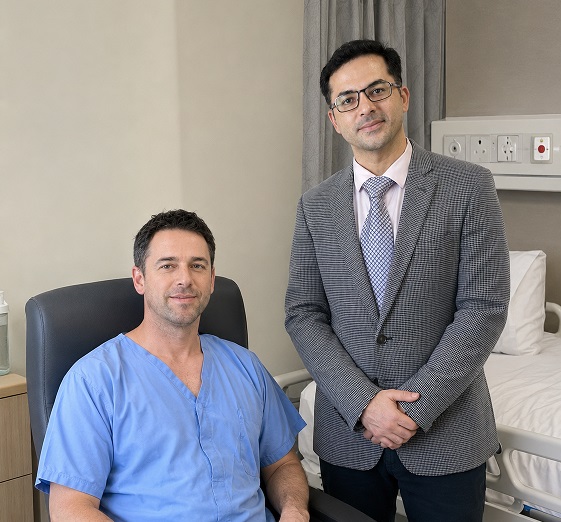
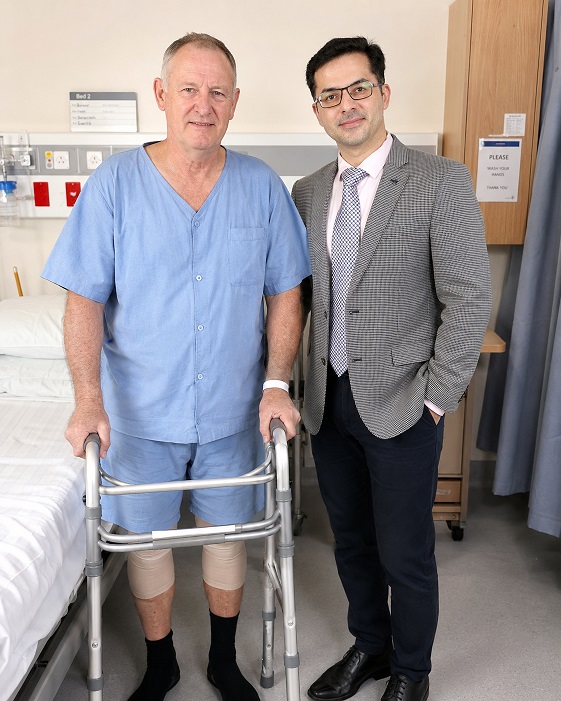
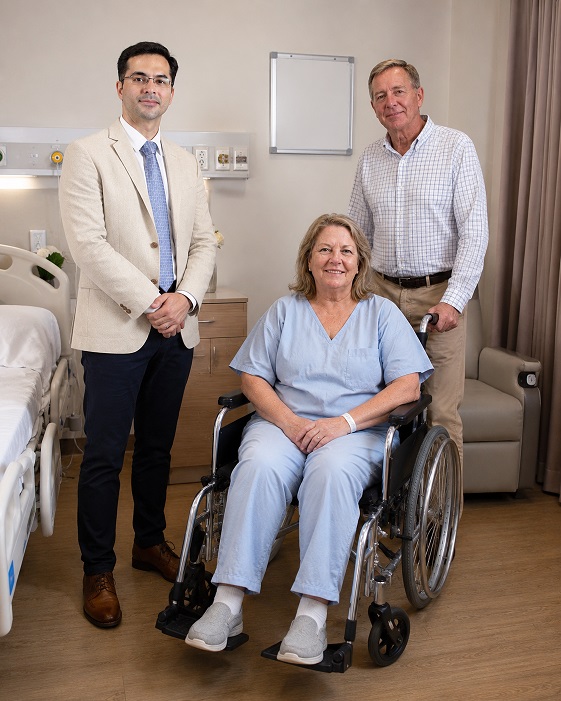
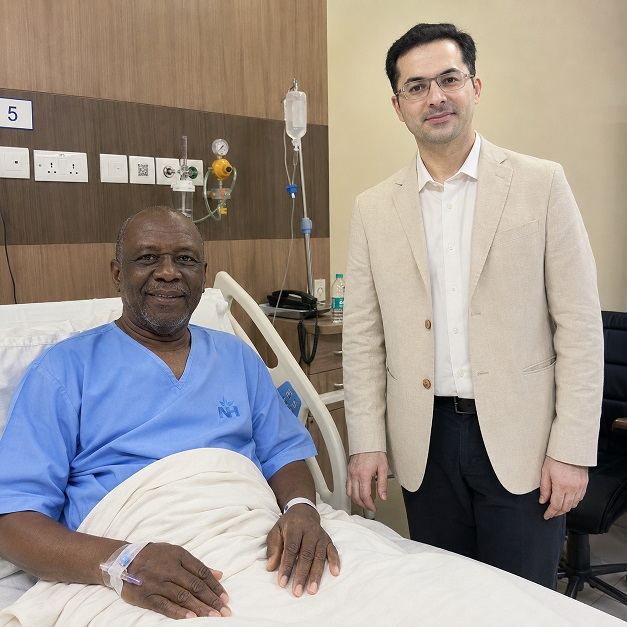
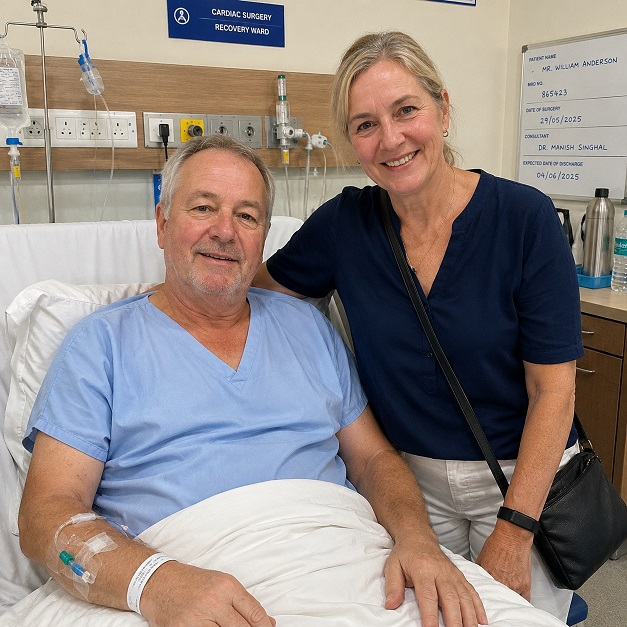
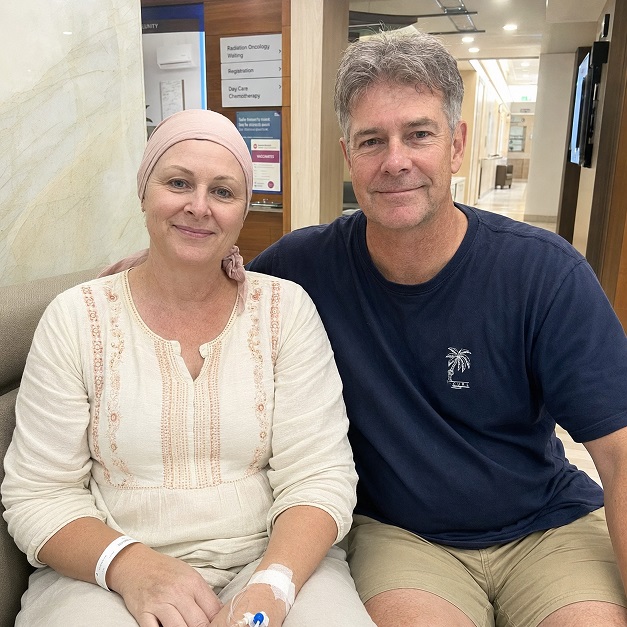
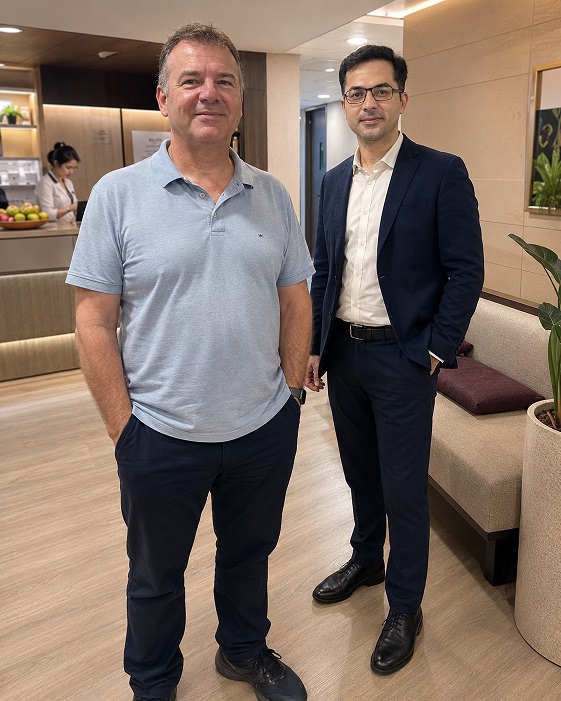
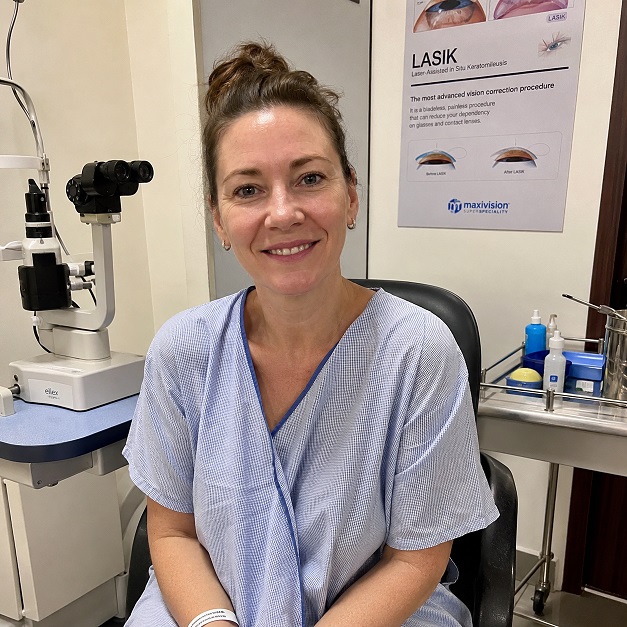
Patient Testimonials from Australia

Ready to Take the First Step?
Share your Medical Reports with our Healthcare Managers Today and Get a FREE CONSULTATION, a Personalized Treatment Plan, and Complete Support from Arrival to Recovery.
Get Your Free ConsultationAreas We Serve
This resource has been thoughtfully prepared for patients from Australia who are considering medical treatment in India. We also welcome patients from the wider region in the countries mentioned below-
We regularly assist patients from:
- Fiji
- Vanuatu
- Samoa
- Tonga
- Kiribati
- Nauru
- Tuvalu
- New Zealand
- Solomon Islands
- Papua New Guinea
Many of the insights, treatment pathways, hospital recommendations, travel guidance, and patient support services described here are equally relevant and may be used as a reference when planning treatment in India.
From Australia to India: Your Complete Patient Support Guide
- Cancer Treatment in India for Australian Patients: PBS Gap & Drug Costs
- Cardiac Surgery in India for Australian Patients: TAVI Access & Costs
- Dental Treatment & Surgery in India for Australian Patients
- Hip Surgery in India for Australian Patients: Costs, Waits & Implant Choice
- Knee Surgery in India for Australian Patients: Costs, Waits & Implants
- 15 Frequently Asked Questions - Neurosurgery in India for Australian Patients: Volume, Costs & When Not to Travel
- Spine Surgery in India for Australian Patients: Costs, Indications & Second Opinions (2026)
- Best Bariatric & Weight Loss Surgeons in India for Australian Patients
- Best Cancer Surgeons & Hospitals in India for Australian Patients
- Best Cardiac Surgeons & Hospitals in India for Australian Patients
- Best Cosmetic Surgeons & Hospitals in India for Australian Patients
- Best Dental Surgeons & Clinics in India for Australian Patients
- Best Hip Surgeons & Hospitals in India for Australian Patients
- Best Knee Surgeons & Hospitals in India for Australian Patients
- Best Scoliosis Surgeons & Hospitals in India for Australian Patients
- Best Spine Surgeons & Hospitals in India for Australian Patients
- Selecting the Best Urosurgery and Reconstructive Urology Centres in India for Australian Patients
- Selecting the Best Bone Marrow Transplant Centres in India for Australian Patients