

Selecting the Best Joint Arthroscopy and Sports Medicine Surgeons in India for Australian Patients
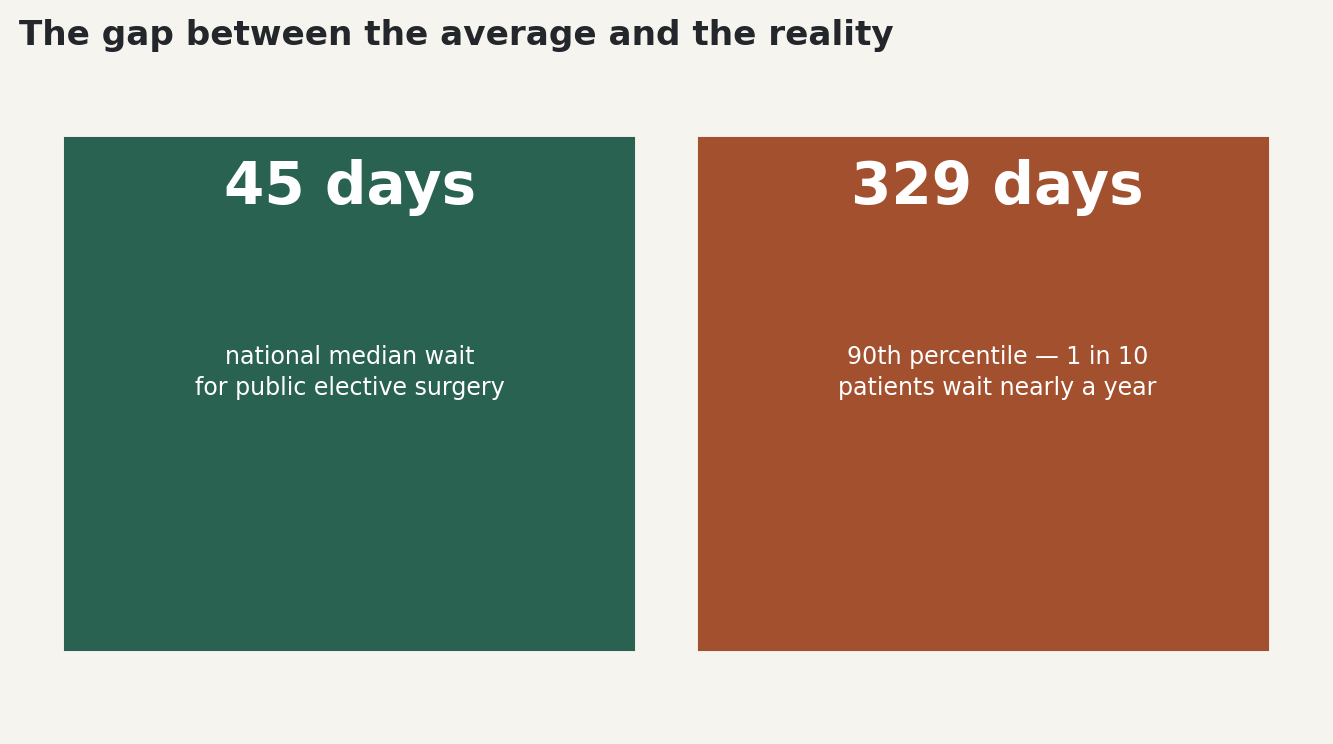
Ten criteria, weighted — but first, the real, published gap between the average wait Australians hear about and what one in ten patients actually experiences.
Most sports and joint injuries are treated well in Australia, and this guide is written for patients weighing a specific, narrower decision: a long public wait, a second opinion, or access to current evidence-based technique. In 24 years of guiding international patients into Indian hospitals, this is one of the clearer, most current gaps in this whole series, drawn directly from the latest 2024-25 national hospital statistics.
Healing Journeys of Australian Patients


Key Takeaways
- The guide explains that most sports and joint injuries are treated well in Australia and is aimed at patients considering a narrower decision such as a long public wait, a second opinion or access to current evidence-based techniques. The wait-time graphic highlights a national median wait of 45 days for public elective surgery, while the 90th percentile reaches 329 days, showing that some patients may experience substantially longer waits.
- The guide highlights a shift in evidence around timing of ACL reconstruction. Older guidance favoured delaying reconstruction, while the current evidence presented in the guide indicates that early reconstruction can be safe with modern techniques and accelerated rehabilitation protocols. Patients are therefore advised to ask what current evidence says for their specific injury rather than accepting a generic recommendation to delay.
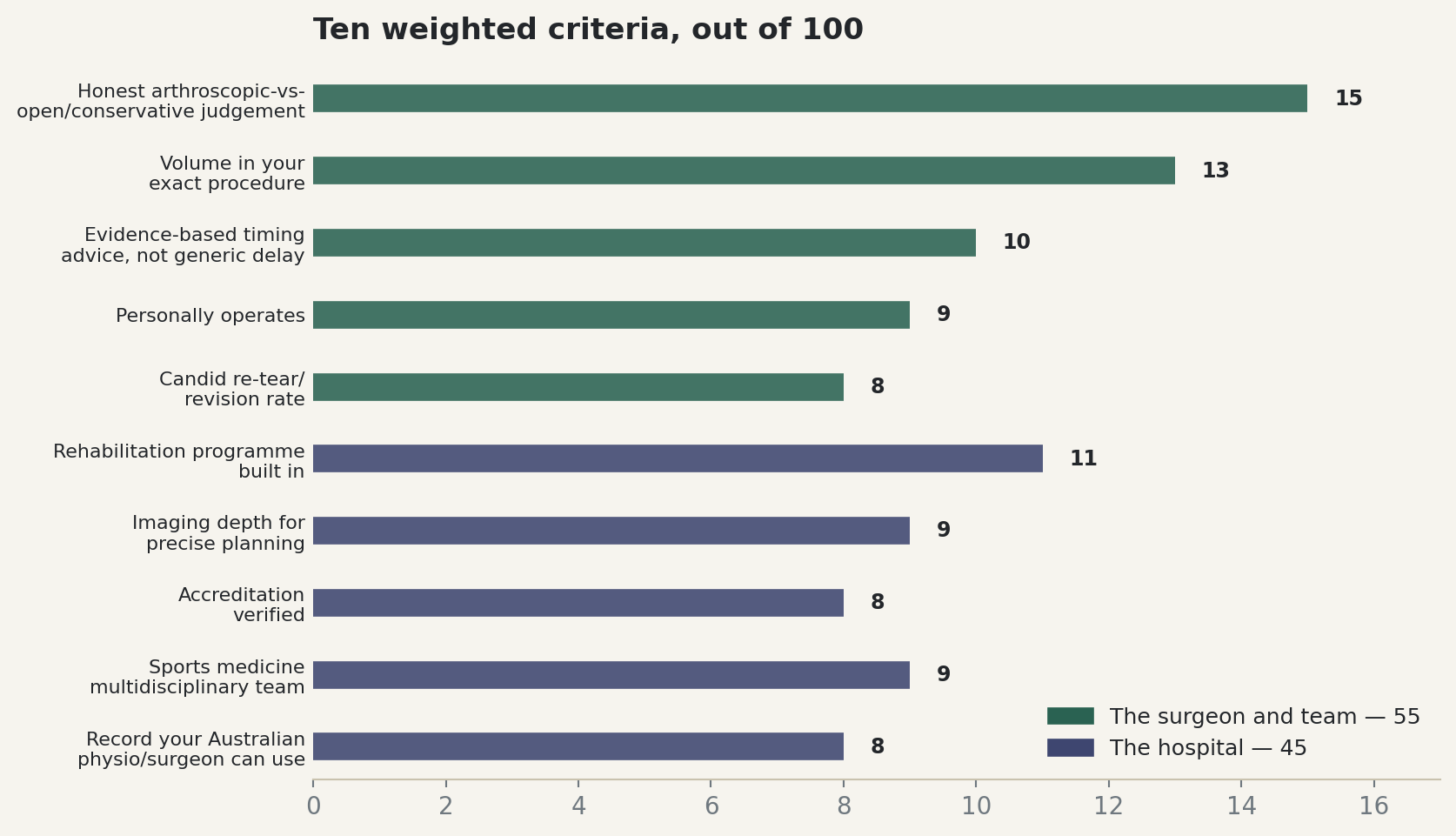
- The most heavily weighted criterion is honest arthroscopic-versus-open/conservative judgement, followed by the surgeon's volume in the exact procedure. The guide recommends asking why a particular approach is appropriate and assessing the surgeon's experience in the exact joint and procedure rather than relying on general orthopaedic experience.
- The surgeon and team account for 55 out of 100 points, while the hospital accounts for 45 points. Other team criteria include evidence-based timing advice, personal surgical involvement and the surgeon's own re-tear or revision rate.
- Hospital assessment focuses strongly on structured rehabilitation, precise MRI-based planning, verifiable accreditation, sports medicine multidisciplinary care and complete records. The guide emphasises that physiotherapy is an important part of the outcome and should be built into the treatment plan rather than treated as an afterthought.
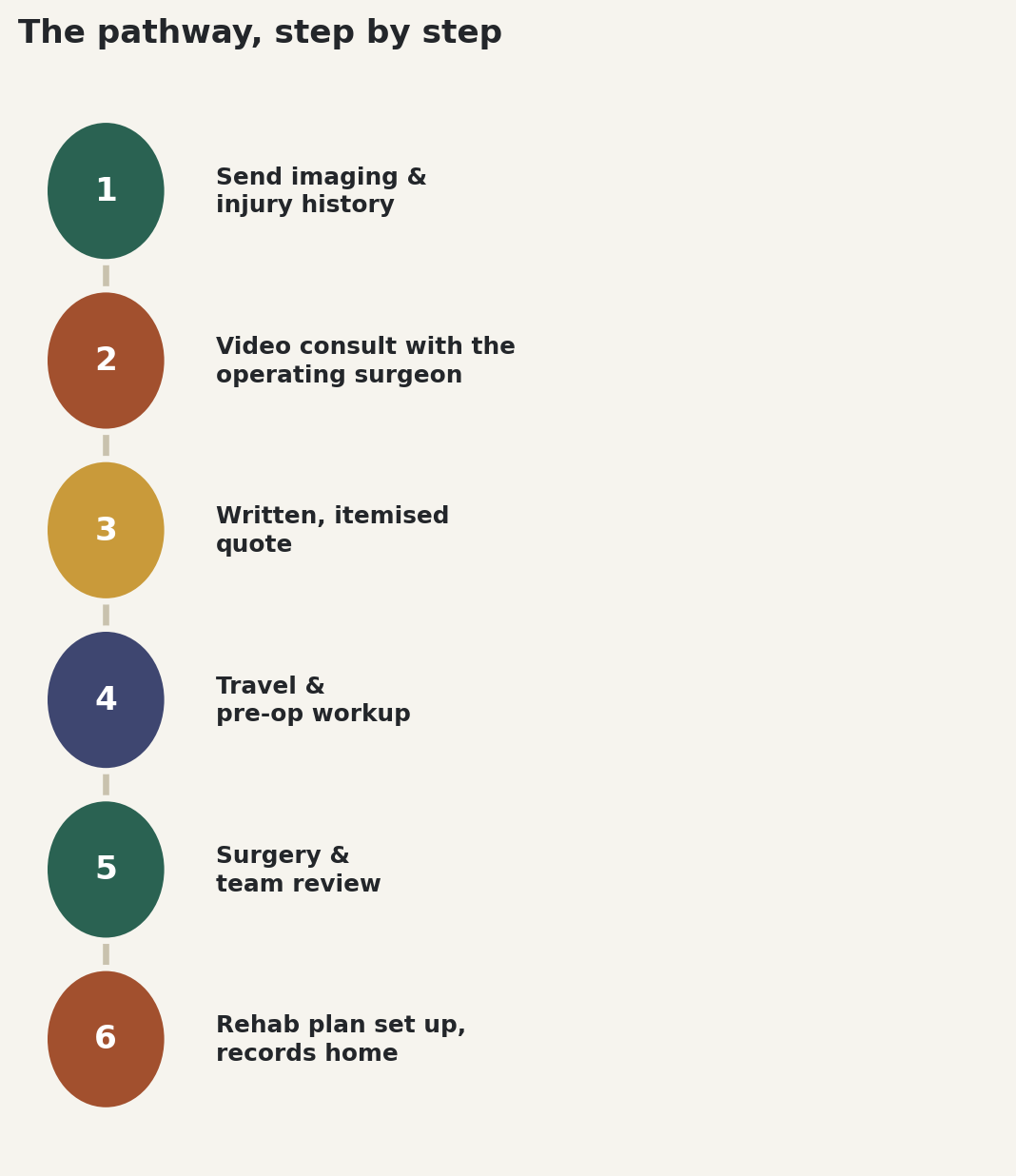
- The guide also identifies four warning signs: a price quoted before MRI review, vague claims about experience in the exact procedure, absence of a structured rehabilitation plan and generic advice to delay surgery without reference to current evidence. Australian patients are advised to involve their Australian surgeon early, arrange physiotherapy before returning home and obtain complete operative and rehabilitation records.
Quick Facts
- Treatment
- Joint Arthroscopy and Sports Medicine
- Country
- India
- Patients
- Australian Patients
- Main Options
- Arthroscopic, Open or Conservative Treatment
- Key Decision
- Technique Selection for the Specific Injury
- Selection Criteria
- 10 Weighted Criteria
- Surgeon & Team Weight
- 55 out of 100
- Hospital Weight
- 45 out of 100
- Key Specialist
- Orthopaedic / Sports Medicine Surgeon
- Important Assessment
- Exact Procedure Experience
- Key Imaging
- MRI
- Important Evidence
- Current Timing Guidance
- Hospital Focus
- Structured Rehabilitation
- Team Approach
- Sports Medicine Multidisciplinary Team
- Key Check
- Re-tear / Revision Rate
- Warning Signs
- Early Pricing or No Rehabilitation Plan
- Follow-Up
- Australian Physiotherapist / Surgeon
- Required Records
- Operative Record & Rehabilitation Handover
- Author
- Dr. Dheeraj Bojwani
- Experience
- 24+ Years
In Brief
For Australian patients considering joint arthroscopy or sports medicine treatment in India, the guide recommends beginning with a full MRI and injury history and then confirming why the proposed technique is appropriate for the specific injury. Patients should evaluate the surgeon's volume in the exact procedure, current evidence on timing, personal involvement and re-tear or revision rates. Hospital assessment should include MRI-based planning, structured rehabilitation, accreditation and integration of physiotherapists and sports physicians. Before travelling home, patients should ensure their Australian physiotherapist or surgeon receives a complete operative record and rehabilitation handover so structured recovery can continue in Australia.
Before you choose anyone: know that the evidence on timing has genuinely shifted
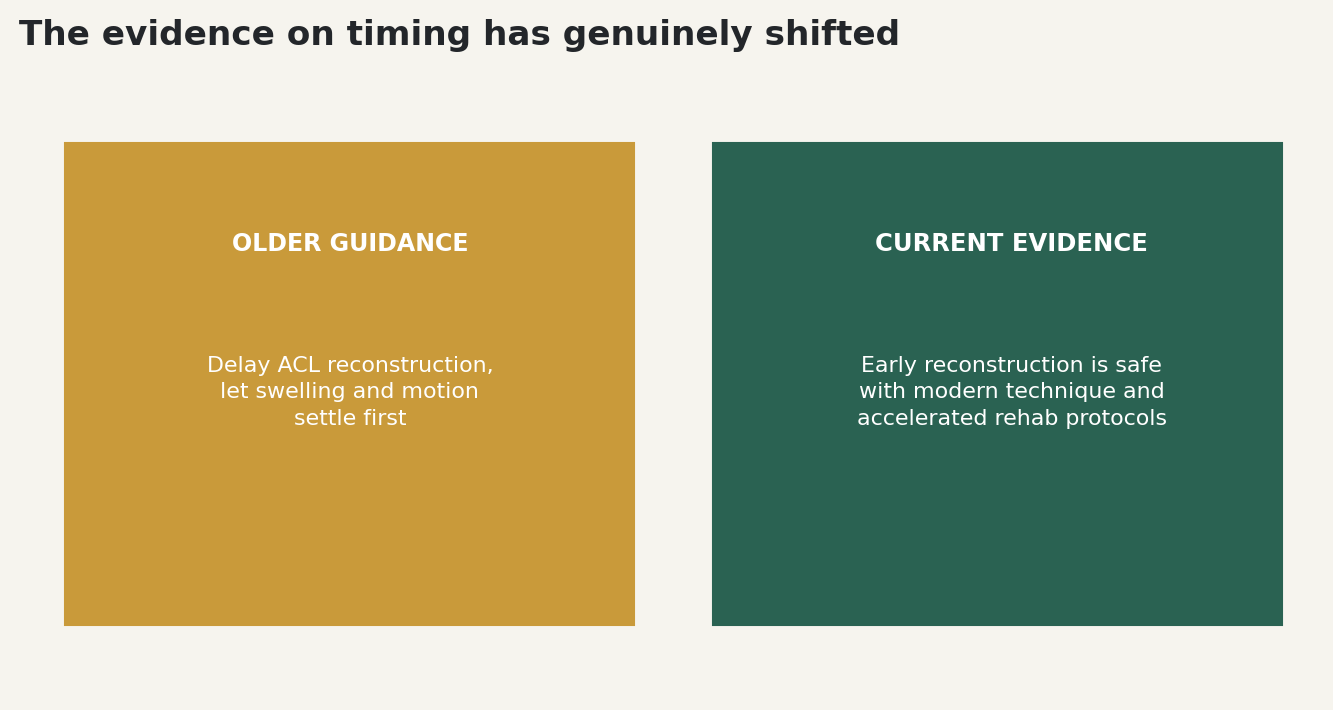
Get your full MRI and injury history together before your first overseas conversation. This shift matters because it changes the calculation on waiting: for many injuries, particularly ACL tears, delay is no longer the automatically safer choice it once was considered to be.
Part one: judging the surgeon and the team
1. Honest arthroscopic-versus-open/conservative judgement. This is the single heaviest criterion in this guide. Ask directly why a specific approach is being recommended for your injury.
| Qualification | Length | What it actually means |
|---|---|---|
| MBBS | 5½ years | The basic medical degree. A licence to practise, not a specialist qualification. |
| MS (Orthopaedics) | 3 years | The base specialist qualification. Completed specialist training in orthopaedic surgery. |
| Fellowship in sports medicine/arthroscopic surgery | 1–2 years, after MS | This is what matters most here. Dedicated further training specifically in this technique. |
2. Volume in your exact procedure. Ask for the surgeon's specific volume in your exact joint and procedure, not general orthopaedic experience.
3. Evidence-based timing advice, not generic delay. Ask what current evidence says about timing for your specific injury.
4. Personally operates. Insist on a video consultation with the surgeon who will actually operate, not a coordinator, before any deposit moves.
5. Candid re-tear and revision rate. Ask for the surgeon's own rate for your specific procedure.
Part two: judging the hospital
6. A rehabilitation programme built into the plan. Ask what structured physiotherapy is included, since the result depends heavily on this phase.
7. Imaging depth for precise planning. Ask whether MRI, not just clinical examination, is used to plan your specific case.
8. Accreditation you can verify yourself. JCI is the international arm of the body accrediting hospitals across the United States; NABH is India's national equivalent, recognised by the same global standards authority.
9. A sports medicine multidisciplinary team. Ask whether physiotherapists and sports physicians are integrated into your care plan.
10. A record your Australian physio or surgeon can use. Before you leave you should hold the full operative record and a specific rehabilitation handover plan.
Four Signals that Should Make You Pause
1. A price quoted before your MRI has been reviewed. Nobody can price this surgery, or confirm the right technique, without seeing your specific imaging.
2. Vagueness about volume in your exact procedure. General reassurance about “extensive orthopaedic experience” is not an answer.
3. No structured rehabilitation plan offered. Given how much the result depends on this phase, its absence is a genuine concern.
4. Generic advice to delay surgery without reference to current evidence. Ask specifically what the current evidence says for your injury.
Australia-specific considerations most patients miss
Tell your Australian surgeon early, not after the fact. Most are more sympathetic to a second opinion than patients expect.
Arrange your ongoing physiotherapy before you leave. Confirm an Australian physiotherapist is briefed and ready to continue your structured rehabilitation plan.
Apply for both visas together. Australian passport holders are eligible for India's electronic medical visa, with an e-medical attendant visa for whoever travels with you.
The Questions, in the Order You Should Ask Them
| Of the surgeon and team | Of the hospital |
|---|---|
| Why is this specific approach right for my injury? | What structured rehabilitation is included, and for how long? |
| How many procedures of my exact type did you perform last year? | Is MRI used to plan my specific case? |
| What does current evidence say about timing for my case? | Which accreditation do you hold, and when was it last inspected? |
| Will you personally operate? | Are physiotherapists integrated into my care plan? |
| What is your re-tear or revision rate? | What does the final operative and rehabilitation record include? |
A closing word
Joint arthroscopy and sports medicine reward current evidence and structured rehabilitation as much as surgical skill. In 24 years of guiding patients through this decision, verifying the technique recommendation and weighting volume in the exact procedure heavily is where I always start. If you would like a second opinion on your imaging, send it and I will look at it properly.
Frequently Asked Questions by Australians about Joint Arthroscopy and Sports Medicine Surgeons in India
Should Australian patients travel to India for joint arthroscopy?
The guide states that most sports and joint injuries are treated well in Australia. Overseas treatment is presented for narrower situations such as long public waits, second opinions or access to specific evidence-based techniques.
What should patients do before speaking with an Indian surgeon?
Patients should gather their full MRI and injury history before the first overseas consultation. This allows the surgeon to assess the actual injury and discuss the appropriate treatment approach.
Has the evidence on ACL surgery timing changed?
The guide presents current evidence as supporting early ACL reconstruction as safe with modern techniques and accelerated rehabilitation protocols, rather than automatically delaying surgery. Timing should still be assessed for the individual injury.
What should patients ask about the surgeon's experience?
Patients should ask how many procedures of their exact type and joint the surgeon performed during the previous year. General claims of extensive orthopaedic experience are not considered sufficient.
Why is rehabilitation important after arthroscopy?
The guide considers structured physiotherapy an important part of the outcome. Patients should confirm what rehabilitation is included and ensure that their Australian physiotherapist can continue the plan after they return home.
Should the operating surgeon personally speak with the patient?
Yes. The guide recommends a video consultation with the surgeon who will actually operate rather than relying on a coordinator before making a deposit.
Why is MRI important for treatment planning?
The guide recommends using MRI to plan the specific case rather than relying only on clinical examination. This helps the team determine the appropriate technique for the individual injury.
What are the main warning signs when choosing a surgeon or hospital?
The guide identifies pricing before MRI review, vague procedure-specific experience, no structured rehabilitation programme and generic advice to delay surgery without reference to current evidence as reasons to pause.
What should Australian patients arrange before returning home?
They should arrange ongoing physiotherapy and ensure the Australian physiotherapist or surgeon receives the operative record and a specific rehabilitation handover plan.
What records should patients take home after surgery?
The guide recommends obtaining the full operative record and specific rehabilitation handover plan so the Australian care team can continue structured recovery.
Sources
- Australian Institute of Health and Welfare, Elective Surgery Waiting Times 2024-25 — aihw.gov.au
- Yamanashi et al., early versus delayed ACL reconstruction outcomes, Medicina, 2024 — pubmed.ncbi.nlm.nih.gov
- National Medical Commission — nmc.org.in
- National Accreditation Board for Hospitals & Healthcare Providers — nabh.co
- High Commission of India, e-Visa — indianvisaonline.gov.in
Page Summary
This guide helps Australian patients evaluate joint arthroscopy and sports medicine surgeons in India while recognising that most sports and joint injuries can be treated effectively in Australia. It highlights the difference between the national median elective-surgery wait and the much longer wait experienced by some patients. The guide uses 10 weighted criteria covering technique selection, exact procedure volume, evidence-based timing, surgeon involvement, re-tear or revision rates, rehabilitation, MRI planning, accreditation and multidisciplinary sports medicine care. It also identifies warning signs and explains how Australian patients should arrange physiotherapy and follow-up before returning home.
Citation Block
| Field | Information |
|---|---|
| Topic | Joint Arthroscopy and Sports Medicine |
| Treatment | Arthroscopic / Sports Medicine Surgery |
| Country | India |
| Patients | Australian Patients |
| Main Options | Arthroscopic, Open & Conservative |
| Key Decision | Technique Selection |
| Selection Criteria | 10 Weighted Criteria |
| Surgeon & Team Weight | 55 out of 100 |
| Hospital Weight | 45 out of 100 |
| Key Specialist | Orthopaedic / Sports Medicine Surgeon |
| Key Assessment | Exact Procedure Volume |
| Important Imaging | MRI |
| Timing Consideration | Current Evidence |
| Hospital Focus | Structured Rehabilitation |
| Team Approach | Sports Medicine Multidisciplinary Team |
| Key Check | Re-tear / Revision Rate |
| Warning Signs | Early Pricing or No Rehab Plan |
| Follow-Up | Australian Physio / Surgeon |


Our Mission Statement
Our mission is to place patients at the centre of every healthcare decision by providing trustworthy, evidence-based, and unbiased medical information. We believe that informed patients make better decisions. Backed by personalised guidance from our experienced advisory team, we help patients understand their treatment options, compare them objectively, and confidently choose the path that best suits their medical needs and personal circumstances.
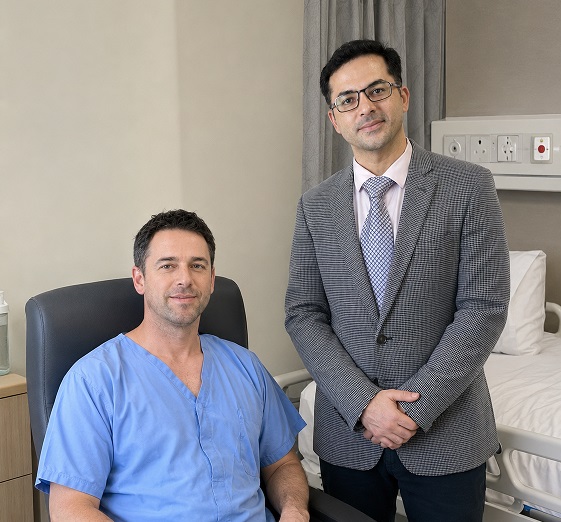
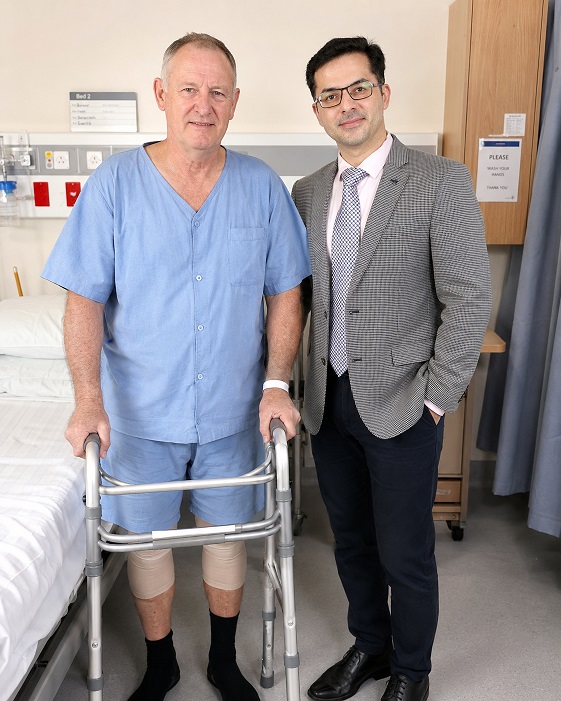
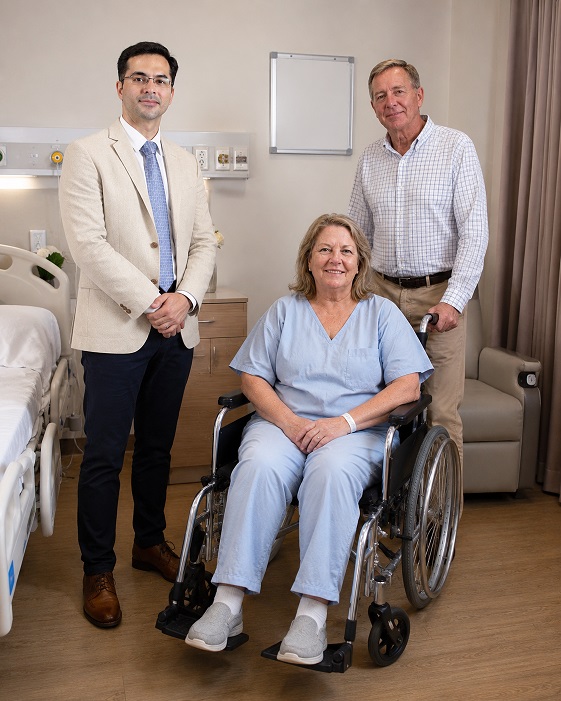
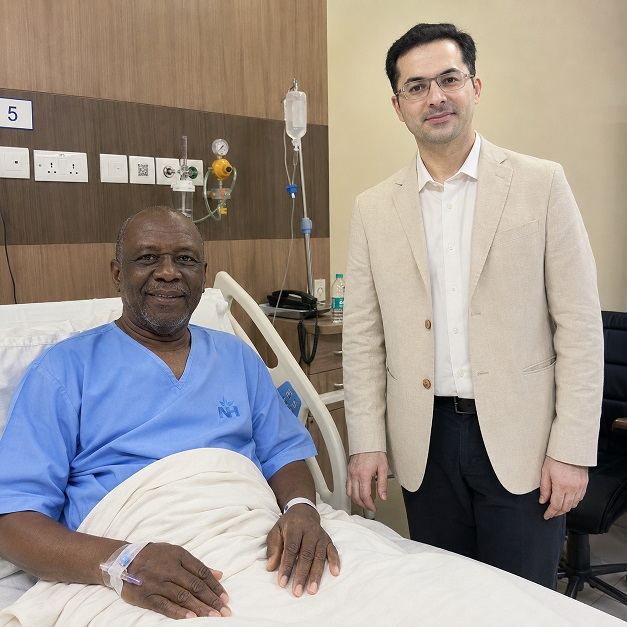
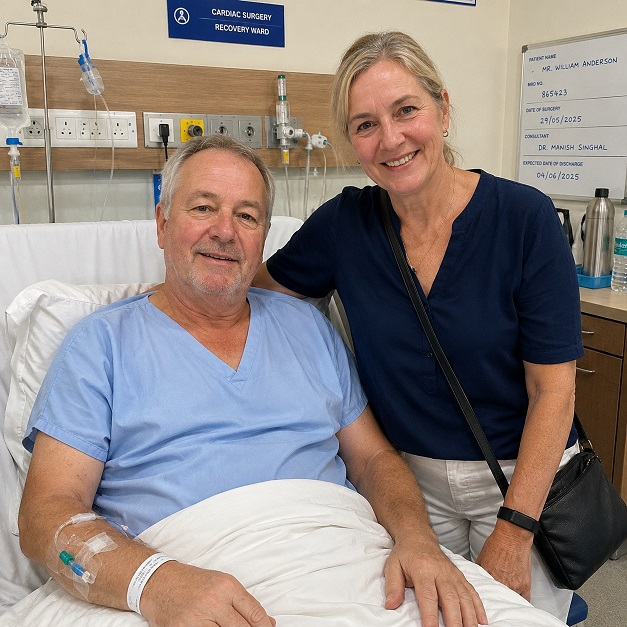
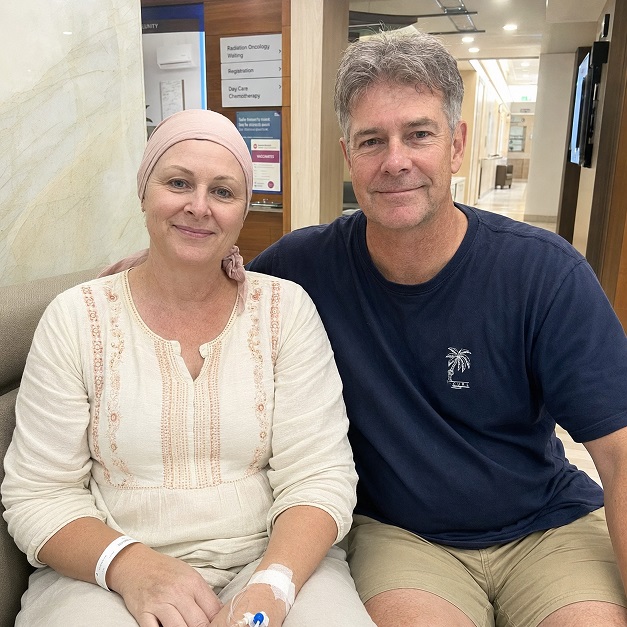
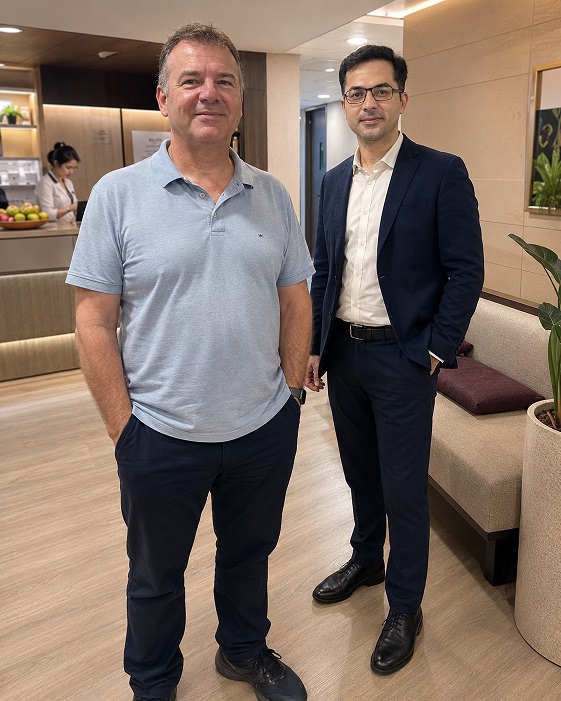
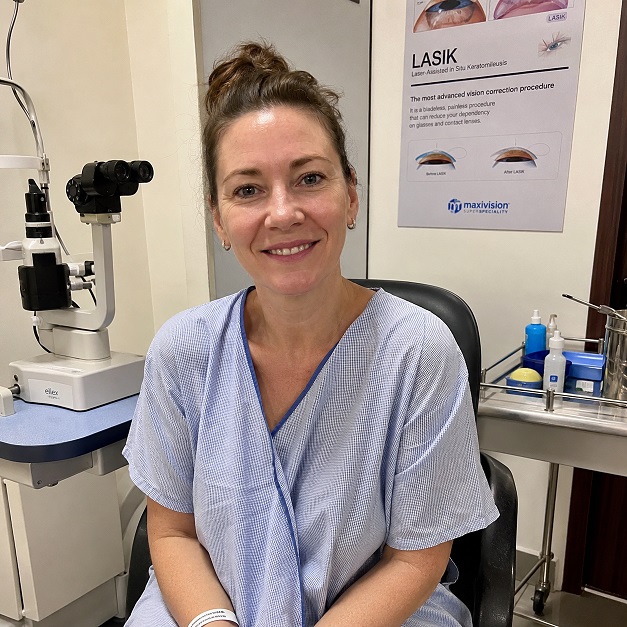
Patient Testimonials from Australia

Ready to Take the First Step?
Share your Medical Reports with our Healthcare Managers Today and Get a FREE CONSULTATION, a Personalized Treatment Plan, and Complete Support from Arrival to Recovery.
Get Your Free ConsultationAreas We Serve
This resource has been thoughtfully prepared for patients from Australia who are considering medical treatment in India. We also welcome patients from the wider region in the countries mentioned below-
We regularly assist patients from:
- Fiji
- Vanuatu
- Samoa
- Tonga
- Kiribati
- Nauru
- Tuvalu
- New Zealand
- Solomon Islands
- Papua New Guinea
Many of the insights, treatment pathways, hospital recommendations, travel guidance, and patient support services described here are equally relevant and may be used as a reference when planning treatment in India.
From Australia to India: Your Complete Patient Support Guide
- Cancer Treatment in India for Australian Patients: PBS Gap & Drug Costs
- Cardiac Surgery in India for Australian Patients: TAVI Access & Costs
- Dental Treatment & Surgery in India for Australian Patients
- Hip Surgery in India for Australian Patients: Costs, Waits & Implant Choice
- Knee Surgery in India for Australian Patients: Costs, Waits & Implants
- Neurosurgery in India for Australian Patients: Volume, Costs & When Not to Travel
- Spine Surgery in India for Australian Patients: Costs, Indications & Second Opinions (2026)
- Best Bariatric & Weight Loss Surgeons in India for Australian Patients
- Best Cancer Surgeons & Hospitals in India for Australian Patients
- Best Cardiac Surgeons & Hospitals in India for Australian Patients
- Best Cosmetic Surgeons & Hospitals in India for Australian Patients
- Best Dental Surgeons & Clinics in India for Australian Patients
- Best Hip Surgeons & Hospitals in India for Australian Patients
- Best Knee Surgeons & Hospitals in India for Australian Patients
- Best Scoliosis Surgeons & Hospitals in India for Australian Patients
- Best Spine Surgeons & Hospitals in India for Australian Patients
- Selecting the Best Urosurgery and Reconstructive Urology Centres in India for Australian Patients
- Selecting the Best Bone Marrow Transplant Centres in India for Australian Patients