

15 Frequently Asked Questions — Bone Marrow Transplant Treatment in India for Australian Patients
Planning Bone Marrow Transplant Treatment in India from Australia involves much more than comparing treatment prices. Australian patients and their families should consider the type of transplant, underlying blood disorder, transplant-team experience, donor availability, stem-cell source, conditioning treatment, hospital facilities, infection-control measures, treatment costs, travel, insurance and long-term follow-up care. This guide provides practical information to help Australian patients understand the complete bone marrow transplant journey, from initial medical assessment in Australia to transplant evaluation and recovery after returning home.
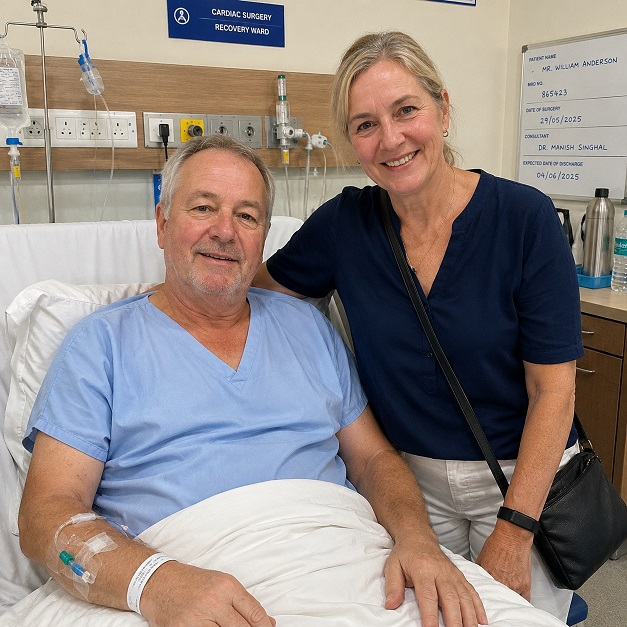
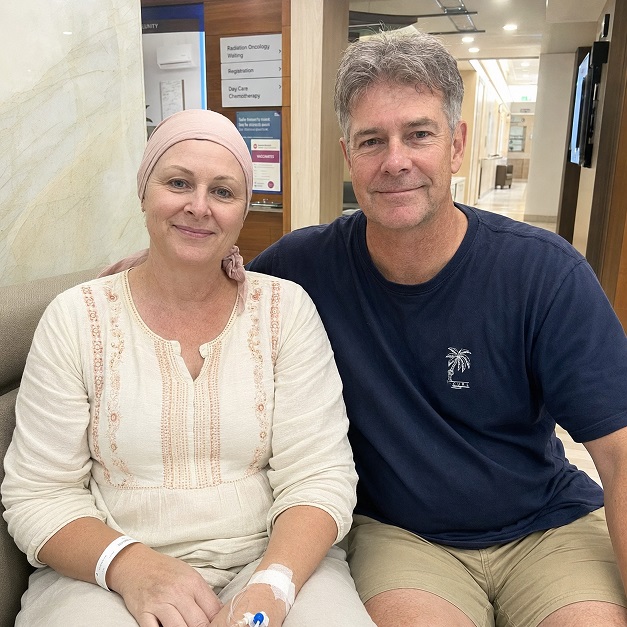
Healing Journeys of Australian Patients


Important: Costs are indicative planning ranges, not guaranteed quotations. Medical suitability, transplant type, donor availability, hospital, transplant team, conditioning regimen, medicines, complications, length of stay, insurance, travel and post-transplant requirements vary by patient. Visa and medical-treatment requirements can change and should be confirmed before travel.
Q1 · Why Do Australian Patients Consider Bone Marrow Transplant Treatment in India?
Australian patients may consider India for bone marrow transplant treatment because of a combination of specialised transplant centres, experienced haematologists, transplant teams, advanced hospital infrastructure and potentially lower private-treatment costs.
Bone marrow transplantation is also commonly referred to as stem cell transplantation or hematopoietic stem cell transplantation (HSCT).
Some reasons patients may consider India include:
- Experienced haematologists and bone marrow transplant specialists
- Dedicated blood-cancer and transplant departments
- Large tertiary and multispecialty hospitals
- Advanced diagnostic and pathology facilities
- Autologous stem cell transplantation
- Allogeneic stem cell transplantation
- Donor and HLA matching evaluation
- Advanced chemotherapy and conditioning protocols
- Blood-bank and transfusion support
- Intensive-care facilities
- Infection-control and isolation facilities
- Management of complex haematological conditions
- International-patient services in major Indian medical cities
- Potentially shorter waiting periods for some planned private treatment pathways
- Potentially lower treatment costs compared with some self-funded private-treatment options
Bone marrow or stem cell transplantation may be considered for selected patients with conditions such as:
- Acute leukaemia
- Chronic leukaemia in selected situations
- Lymphoma
- Multiple myeloma
- Myelodysplastic syndromes
- Aplastic anaemia
- Certain inherited blood disorders
- Selected immune-system disorders
- Other haematological conditions where transplantation is medically appropriate
However, transplantation is a complex treatment and may involve substantial risks. Cost should not be the only factor. Australian patients should carefully evaluate the transplant centre, treatment protocol, donor arrangements, infection-control facilities, expected hospital stay and long-term follow-up before travelling.
Q2 · How Much Does Bone Marrow Transplant Treatment Cost in India for Australian Patients?
The cost of bone marrow transplant treatment varies according to the type of transplant, underlying disease, patient's medical condition, donor requirements, conditioning treatment, transplant team, hospital, medicines, ICU requirements, complications and length of hospital stay.
Australian patients should compare the complete treatment cost rather than looking only at the transplant procedure fee.
For Easy Comparison, Costs are mentioned in US Dollars (USD), Indian Rupees (INR) and Australian Dollar (AUD)
Exchange Rate Used for Planning
A$1 ≈ US$0.65 • US$1 = INR 95
| Treatment / Procedure | Australia – Approx. Cost | India – Approx. Cost | Potential Cost Saving |
|---|---|---|---|
| Autologous Stem Cell Transplant | A$100,000–180,000 US$65,000–117,000 |
INR 10–18 lakh US$10,500–18,900 |
~70–85% |
| Allogeneic Bone Marrow Transplant | A$180,000–300,000 US$117,000–195,000 |
INR 18–30 lakh US$18,900–31,600 |
~70–85% |
| Matched Related Donor Transplant | A$180,000–300,000 US$117,000–195,000 |
INR 18–28 lakh US$18,900–29,500 |
~70–85% |
| Matched Unrelated Donor / Complex Transplant | A$220,000–350,000 US$143,000–227,500 |
INR 22–35 lakh US$23,200–36,800 |
~70–85% |
| Haploidentical / High-Risk Transplant | A$220,000–350,000+ US$143,000–227,500+ |
INR 22–35 lakh+ US$23,200–36,800+ |
~70–85% |
| Transplant with Extended ICU / Complications | A$250,000–400,000+ US$162,500–260,000+ |
INR 25–40 lakh+ US$26,300–42,100+ |
~70–85% |
Important: Australian bone marrow transplant costs are closely connected with public and specialist healthcare programmes, so Australian figures should not be interpreted as a simple standard private hospital price. The figures above are broad planning ranges for medical-tourism comparison and are not guaranteed Australian or Indian hospital quotations.
USD conversions are approximate and exchange rates change regularly. These are planning ranges rather than guaranteed hospital quotations. Indian costs vary according to the hospital, transplant type, disease, donor requirements, conditioning regimen, medicines, ICU requirements, length of stay and package inclusions.
What Should Be Included in the Total Cost?
Ask whether the quotation includes:
- Haematologist and transplant-team fees
- Pre-transplant evaluation
- Donor evaluation where applicable
- HLA typing and compatibility testing
- Stem-cell collection where applicable
- Conditioning chemotherapy
- Bone marrow or stem-cell infusion
- Hospital and operating/procedure-room charges
- Isolation-room charges
- ICU care where required
- Blood and platelet transfusions
- Diagnostic investigations
- Pathology and monitoring
- Medicines and supportive treatment
- Anti-infective medicines
- Immunosuppressive medicines for allogeneic transplant where applicable
- Management of immediate complications
- Follow-up consultations
- Additional hospital days
- Travel and accommodation costs
- Visa and insurance costs
Compare the Complete Treatment Cost
Australia: Transplant Evaluation + Donor Assessment + Conditioning + Stem-Cell Collection/Infusion + Hospital + Medicines + Supportive Care + Follow-up
India: Transplant Evaluation + Donor Assessment + Conditioning + Stem-Cell Collection/Infusion + Hospital + Medicines + Flights + Accommodation + Visa + Insurance + Follow-up
Compare the full planned treatment journey, not only the surgery quotation.
Q3 · Which Indian Cities Are Best for Bone Marrow Transplant Treatment for Australian Patients?
The right city for bone marrow transplant treatment depends on the patient's disease, transplant type, donor requirements, transplant-team experience, hospital facilities, infection-control standards, blood-bank support, ICU facilities and long-term follow-up arrangements.
The lowest price should not automatically determine the choice of city or hospital.
| City | Why Australian Patients May Consider It |
|---|---|
| Delhi | Major tertiary hospitals, experienced haematology and transplant teams, advanced diagnostics and critical-care facilities |
| Chennai | Established cancer and transplant centres with specialised haematology services |
| Mumbai | Major oncology and tertiary hospitals with transplant and critical-care facilities |
| Bengaluru | Advanced hospitals with haematology, oncology and stem-cell transplant services |
| Hyderabad | Large hospitals with haematology, oncology and transplant departments |
| Gurugram | Major private hospitals with cancer, haematology and transplant services |
| Noida | Access to large multispecialty hospitals and oncology facilities |
| Kolkata | Established tertiary hospitals with haematology and oncology services |
| Pune | Multispecialty and cancer-care facilities with haematology services |
| Ahmedabad | Large hospitals providing oncology, haematology and transplant-related services |
| Kochi | Advanced hospitals with cancer and haematology departments |
| Thiruvananthapuram | Tertiary hospitals with oncology and haematology facilities |
| Goa | Selected multispecialty facilities, although complex transplant cases may require referral to larger centres |
| Nagpur | Regional tertiary-care hospitals providing oncology and haematology services |
The final city should be selected according to the patient's diagnosis, transplant type, donor situation and
Q4 · Which Hospitals in India Provide Bone Marrow Transplant Treatment for International Patients?
Australian patients should compare hospitals based on transplant-team experience, number and type of transplant procedures, haematology and oncology support, infection-control facilities, isolation rooms, ICU support, blood-bank facilities, laboratory services and long-term follow-up.
Delhi Hospitals
- Fortis Escorts Heart Institute, New Delhi
- BLK-Max Super Speciality Hospital, New Delhi
- Max Super Speciality Hospital, Saket
- Indraprastha Apollo Hospitals, New Delhi
- Manipal Hospital, Dwarka
- Fortis Hospital, Shalimar Bagh
- Max Super Speciality Hospital, Patparganj
- Sir Ganga Ram Hospital, New Delhi
- Indian Spinal Injuries Centre, New Delhi
Chennai Hospitals
- MGM Healthcare
- MIOT International
- Apollo Hospitals, Greams Road
- Kauvery Hospital
- SIMS Hospital
- Sri Ramachandra Medical Centre
Mumbai Hospitals
- Kokilaben Dhirubhai Ambani Hospital
- Nanavati Max Hospital
- Fortis Hospital, Mulund
- Apollo Hospitals, Mumbai
- Sir H. N. Reliance Foundation Hospital
- Hinduja Hospital
- Wockhardt Hospitals
- SevenHills Hospital
Bengaluru Hospitals
- NIMHANS
- Manipal Hospital, Old Airport Road
- Manipal Hospital, Whitefield
- Narayana Health City
- Fortis Hospital, Bannerghatta Road
- Apollo Hospitals, Bengaluru
- Aster CMI Hospital
- Sakra World Hospital
- Columbia Asia Hospital
Hyderabad Hospitals
- KIMS Hospitals
- Yashoda Hospitals
- Apollo Health City
- CARE Hospitals
- Continental Hospitals
- Sunshine Hospitals
Gurugram Hospitals
- Fortis Memorial Research Institute
- Medanta – The Medicity
- Artemis Hospital
- Max Hospital, Gurugram
- CK Birla Hospital, Gurugram
- Manipal Hospital, Gurugram
Noida Hospitals
- Fortis Hospital, Noida
- Jaypee Hospital
- Max Super Speciality Hospital, Noida
- Kailash Hospital
- Yatharth Hospital
Kolkata Hospitals
- Apollo Multispeciality Hospitals
- AMRI Hospitals
- Fortis Hospital, Anandapur
- Manipal Hospitals, Salt Lake
- Medica Superspecialty Hospital
Pune Hospitals
- Ruby Hall Clinic
- Jehangir Hospital
- Deenanath Mangeshkar Hospital
- Sahyadri Super Speciality Hospital
- Aditya Birla Memorial Hospital
Ahmedabad Hospitals
- Apollo Hospitals, Ahmedabad
- Zydus Hospitals
- Sterling Hospitals
- Shalby Hospitals
- HCG Hospitals
Kochi Hospitals
- Aster Medcity
- Amrita Hospital
- VPS Lakeshore Hospital
- Rajagiri Hospital
- Aster MIMS
Thiruvananthapuram Hospitals
- KIMSHEALTH Hospital
- Ananthapuri Hospitals and Research Institute
- SUT Hospital
- SP Medifort Hospital
- PRS Hospital
Goa Hospitals
- Manipal Hospital, Goa
- Healthway Hospital
- Manipal Hospitals, Dona Paula
- Goa Medical College and Hospital
Nagpur Hospitals
- Wockhardt Hospitals, Nagpur
- MAX Multispeciality Hospital
- CARE Hospitals, Nagpur
- Kingsway Hospitals
Hospital availability and transplant programmes can change. Australian patients should confirm that the selected hospital currently provides the required bone marrow or stem-cell transplant service for their specific diagnosis and transplant type.
Q5 · What Types of Bone Marrow Transplant Treatment Are Available in India?
The type of transplant depends on the patient's diagnosis, disease status, age, overall health, previous treatment and availability of a suitable donor.
Autologous Stem Cell Transplant
The patient's own stem cells are collected, stored and returned after high-dose treatment.
Autologous transplantation may be considered for selected conditions such as:
- Multiple myeloma
- Certain lymphomas
- Other conditions where high-dose treatment followed by autologous stem-cell rescue is appropriate
Allogeneic Stem Cell Transplant
Stem cells are obtained from another person who is medically and immunologically suitable.
The donor may be:
- A matched sibling
- Another related donor
- A matched unrelated donor
- A haploidentical family donor in selected situations
Related Donor Transplant
A family member may be assessed for donor suitability and HLA compatibility.
Unrelated Donor Transplant
A suitable unrelated donor may be considered when an appropriate related donor is unavailable.
Haploidentical Transplant
A partially matched family donor may be used in selected cases.
The final transplant type should be recommended by the treating haematology and transplant team after a complete assessment.
Q6 · How Can I Get a Bone Marrow Transplant Quotation From an Indian Hospital While I Am in Australia?
Australian patients can begin the medical-review process from Australia without travelling to India simply to obtain an initial treatment estimate.
You can provide:
- Haematology reports
- Bone marrow biopsy reports
- Blood-test results
- PET/CT or other imaging reports where relevant
- Pathology reports
- Genetic or molecular test results where available
- Previous chemotherapy records
- Radiotherapy records
- Previous hospital discharge summaries
- Medication list
- Medical history
- Details of previous infections or complications
- HLA or donor-testing information where already available
The Indian transplant team can review the available records and advise whether additional investigations are required.
Once the proposed treatment pathway is established, the hospital can provide a preliminary cost estimate.
Ask for a Written Breakdown Covering
- Haematologist/transplant physician fees
- Transplant-team fees
- Pre-transplant evaluation
- Donor evaluation
- HLA testing
- Stem-cell collection
- Conditioning chemotherapy
- Stem-cell infusion
- Hospitalisation
- Isolation room
- ICU charges
- Blood and platelet support
- Medicines
- Investigations
- Expected hospital stay
- Follow-up
Also Ask About Exclusions
- Additional donor testing
- Additional HLA testing
- Additional chemotherapy
- Extended hospitalisation
- ICU care
- Treatment of infections
- Blood and platelet products
- Treatment of graft-versus-host disease
- Treatment of transplant rejection or graft failure
- Additional medicines
- Additional procedures
- Treatment of unrelated medical conditions
A detailed quotation allows Australian patients to compare hospitals based on the complete treatment pathway rather than simply comparing advertised transplant prices.
Q7 · Should I Get a Second Bone Marrow Transplant Opinion From India Before Travelling From Australia?
A second opinion can be valuable when an Australian patient has been advised to undergo a bone marrow transplant and wants to understand whether transplantation is appropriate and which transplant approach may be considered.
You can provide:
- Bone marrow biopsy reports
- Pathology reports
- Blood-test results
- PET/CT or other imaging
- Genetic and molecular reports
- Previous chemotherapy details
- Previous treatment records
- Medication list
- HLA results where available
- Donor information
A Useful Second Opinion Should Address
- Whether transplantation is appropriate
- Type of transplant recommended
- Autologous versus allogeneic transplantation
- Donor requirements
- HLA compatibility
- Conditioning treatment
- Expected hospital stay
- Infection-control requirements
- Potential complications
- Expected recovery
- Immunosuppressive treatment where applicable
- Follow-up requirements
- Recommended duration of stay in India
An online second opinion is preliminary and does not replace a complete clinical examination and transplant evaluation. The final treatment plan should be confirmed by the treating transplant team.
Q8 · What Stem-Cell, Donor and Medical Records Should an Australian Patient Take Home?
Bone marrow transplantation requires extensive medical documentation because long-term monitoring may continue for many years.
Before leaving India, Australian patients should obtain:
- Complete discharge summary
- Transplant procedure report
- Bone marrow biopsy reports
- Pathology reports
- Genetic/molecular reports
- HLA typing results
- Donor information where appropriate
- Stem-cell collection and infusion details
- Conditioning regimen details
- Blood-test results
- Imaging reports
- Medication list
- Immunosuppressive medication details where applicable
- Infection-prevention medication details
- Transfusion records where relevant
- Follow-up schedule
- Details of complications treated during hospitalisation
- Contact details for the transplant team
Important Information to Record
Ask the transplant centre to document:
- Date of transplant
- Type of transplant
- Stem-cell source
- Donor relationship where applicable
- Donor compatibility information
- Conditioning regimen
- Major complications
- Current medicines
- Recommended monitoring
- Recommended blood tests
- Follow-up schedule
Keep these records permanently with the patient's Australian medical records.
Q9 · Are Advanced Bone Marrow Transplant Technologies and Treatment Approaches Available in India?
Selected Indian transplant centres use advanced diagnostic, laboratory and transplant-support technologies.
Depending on the patient's condition and hospital, treatment may involve:
- Advanced HLA typing
- Molecular and genetic testing
- Flow cytometry
- Bone marrow pathology
- High-resolution imaging
- Advanced conditioning protocols
- Stem-cell collection and processing
- Cryopreservation of stem cells
- Apheresis technology
- Specialised infection monitoring
- Intensive-care support
- Therapeutic drug monitoring
- Bone marrow biopsy and disease monitoring
- Advanced supportive-care protocols
Some centres may also use modern approaches to donor selection and transplant planning.
Australian patients should ask:
- Which technology is being recommended?
- Why is it necessary for this diagnosis?
- Is it routinely used at the centre?
- Does it affect treatment safety or monitoring?
- What additional costs apply?
- What alternatives are available?
Advanced technology should be selected according to the patient's clinical requirements rather than simply because it is newer.
Q10 · Does Australian Medicare or Travel Insurance Cover Bone Marrow Transplant Treatment in India?
Australian patients should carefully review Medicare, private health insurance and travel-insurance arrangements before travelling to India for planned bone marrow transplantation.
Medicare should not be assumed to cover planned overseas transplant treatment.
Travel insurance may also exclude planned medical treatment or complications related to an existing medical condition.
Before travelling, ask the insurer specifically about:
- Planned bone marrow transplant treatment overseas
- Pre-existing medical conditions
- Cancer or haematological conditions
- Donor travel
- Medical complications
- Hospital readmission
- ICU treatment
- Medical evacuation
- Flight changes
- Accommodation extension
- Emergency treatment
- Return travel
- Post-transplant complications
Possible Unexpected Costs
Budget for
- Extended hospitalisation
- ICU treatment
- Additional chemotherapy
- Additional investigations
- Blood and platelet transfusions
- Infection treatment
- Graft-versus-host disease treatment
- Additional medicines
- Treatment of complications
- Additional accommodation
- Flight changes
- Follow-up appointments
Always request written confirmation from the insurer before travelling.
Q11 · Can Bone Marrow Transplant Be Combined With Other Treatment During the Same Trip?
Bone marrow transplantation is a complex treatment pathway and generally requires careful scheduling of chemotherapy, transplant preparation, stem-cell infusion and recovery.
Additional treatment should only be considered when the transplant team believes it is medically appropriate.
Potentially related treatment may include:
- Dental or infection assessment before transplantation
- Treatment of active infections
- Blood transfusion support
- Central venous access procedures
- Nutritional assessment
- Management of diabetes or hypertension
- Treatment of other medical conditions
- Follow-up investigations
Unrelated elective procedures should not normally be added simply to save travel time.
The transplant team should decide whether any additional treatment can safely be performed before, during or after the transplant process.
Q12 · How Do I Plan the Medical Visa, Flights and Hospital Admission for Bone Marrow Transplant in India?
Australian patients should coordinate medical scheduling and travel arrangements carefully because bone marrow transplantation can require a prolonged stay.
Before Travel
Prepare
- Passport
- Appropriate medical visa or applicable visa
- Hospital correspondence
- Medical records
- Pathology reports
- Bone marrow reports
- Imaging
- Medication list
- Insurance documentation
- Travel insurance information
- Accommodation details
- Emergency contact information
- Donor documentation where applicable
Flights If possible, choose flights with:
- Flexible booking options
- Comfortable seating
- Easy access to airport assistance
- Reasonable baggage allowance
- Minimal unnecessary connections
Patients should avoid making non-refundable travel arrangements until the hospital confirms the evaluation and treatment schedule.
Hospital Admission
The treatment journey may include:
- Initial haematology consultation
- Review of previous medical records
- Recipient evaluation
- Donor evaluation where applicable
- HLA and compatibility testing
- Additional diagnostic investigations
- Medical clearance
- Conditioning-treatment planning
- Hospital admission
- Conditioning treatment
- Stem-cell collection where applicable
- Stem-cell infusion
- Isolation and supportive care
- Blood and platelet support where required
- Monitoring for complications
- Discharge planning
- Early follow-up
- Longer-term follow-up
The timing of each stage can change according to the patient's disease status, donor availability, test results and recovery.
Q13 · How Long Should I Stay in India After Bone Marrow Transplant, and When Can I Fly Home?
The required stay varies considerably according to the transplant type, underlying disease, conditioning regimen, recovery, infections and complications.
Bone marrow transplant patients may need to remain in India for several weeks or longer so that the transplant team can monitor early recovery.
The Stay May Include
- Pre-transplant evaluation
- Donor assessment
- Conditioning treatment
- Stem-cell collection where applicable
- Transplant procedure
- Isolation
- Blood and platelet support
- Infection monitoring
- Medication adjustment
- Bone marrow or disease monitoring
- Management of complications
- Discharge planning
- Early outpatient follow-up
Allogeneic transplant patients may require particularly careful early monitoring.
Before Flying Home
The transplant team should confirm that the patient is medically fit to travel.
Consider
- Stable clinical condition
- No uncontrolled infection
- Acceptable blood counts according to the treating team
- Stable medications
- No significant untreated complication
- Appropriate follow-up arrangements
- Adequate supply of medicines
- Complete medical documentation
- Australian haematologist follow-up arranged
There is no single safe number of days that applies to every transplant patient. The treating transplant team should decide when the patient is medically fit to travel.
Q14 · How Do I Continue Bone Marrow Transplant Follow-Up in Australia?
Long-term follow-up is an essential part of bone marrow transplantation.
Australian patients should arrange follow-up with their Australian haematologist and other relevant specialists before or soon after returning home.
Your Australian medical team may need:
- Transplant report
- Discharge summary
- Bone marrow biopsy reports
- Pathology reports
- Genetic and molecular reports
- HLA results
- Conditioning-treatment details
- Stem-cell source information
- Donor information where applicable
- Complete medication list
- Immunosuppressive medication details
- Blood-test results
- Infection history
- Complication history
- Follow-up schedule
- Contact information for the Indian transplant team
Long-Term Follow-Up May Include
- Complete blood counts
- Bone marrow evaluation when indicated
- Disease-monitoring tests
- Infection monitoring
- Immunosuppressive medicine monitoring
- Kidney and liver-function monitoring
- Medication adjustment
- Monitoring for graft-versus-host disease after allogeneic transplant
- Vaccination planning
- Nutritional support
- General health monitoring
- Long-term cancer surveillance where appropriate
Australian patients should know which symptoms require urgent medical attention.
Seek prompt medical advice for symptoms such as:
- Fever
- Chills
- Shortness of breath
- Persistent cough
- Severe diarrhoea
- Persistent vomiting
- New skin rash
- Significant weakness
- Bleeding
- Unusual bruising
- Reduced urine output
- Severe abdominal pain
- Other warning symptoms identified by the transplant team
The Indian transplant team and Australian haematologist should have a clear communication pathway whenever possible.
Q15 · Should an Australian Patient Choose Bone Marrow Transplant Treatment in India?
Bone marrow transplant treatment in India may provide access to experienced haematologists, specialised transplant teams, advanced hospitals and potentially lower treatment costs. However, the decision should be based on the complete transplant pathway, not simply the quoted price.
Consider India When
- The patient's diagnosis has been clearly established
- The patient has been assessed for transplant suitability
- An experienced transplant centre has reviewed the medical records
- The recommended transplant type is clearly explained
- Donor evaluation is feasible where required
- HLA testing and compatibility requirements are understood
- The hospital provides a clear treatment plan
- A detailed written quotation has been received
- Treatment inclusions and exclusions are clear
- Infection-control and isolation facilities are appropriate
- Long-term follow-up can be arranged in Australia
- Insurance and travel arrangements have been reviewed
- The patient and family understand the potential risks and responsibilities of international treatment
Compare Australia and India on
Medical Expertise
Haematologist and transplant-team experience
Transplant Experience
Experience with the specific transplant type and underlying disease
Hospital Infrastructure
Isolation facilities, ICU, laboratory, blood-bank and infection-control capabilities
Donor Evaluation
HLA testing, donor suitability and compatibility assessment
Total Cost
Treatment + hospital + medicines + travel + accommodation + insurance
Long-Term Care
Post-transplant monitoring and communication with the Australian medical team
Travel Practicalities
Visa, flights, accommodation and duration of stay
Patient Safety
Emergency support and management of transplant-related complications Bone marrow transplantation is a complex medical journey requiring specialised treatment and long-term monitoring. The best choice is the transplant centre that provides an appropriate medical plan, experienced specialist care, appropriate donor and recipient evaluation, safe hospital facilities and a practical long-term follow-up pathway.
Australian Patient Pre-Travel Checklist
Before travelling to India for bone marrow transplant treatment, confirm the following:
Before travelling from Australia to India for Bone Marrow Transplant Treatment, confirm the following
Medical
- Recent haematology assessment
- Confirmed diagnosis
- Bone marrow biopsy/report
- Pathology reports
- Genetic/molecular reports where applicable
- Recent blood-test results
- Imaging reports
- Previous chemotherapy records
- Previous radiotherapy records where applicable
- Complete medication list
- Previous hospital records
- HLA results where available
- Donor information where applicable
Hospital
- Transplant centre selected
- Transplant physician/haematologist identified
- Type of transplant confirmed
- Recipient evaluation plan confirmed
- Donor evaluation plan confirmed
- HLA testing requirements confirmed
- Written treatment estimate received
- Package inclusions confirmed
- Package exclusions confirmed
- Isolation arrangements discussed
- Expected hospital stay discussed
- ICU support confirmed
- Follow-up plan discussed
Legal & Travel
- Passport validity checked
- Appropriate visa arranged
- Applicable transplant requirements confirmed
- Flights planned around the medical schedule
- Accommodation arranged
- Airport assistance considered
- Emergency contacts available
- Medical records carried in both printed and digital formats
Insurance & Finance
- Travel insurance reviewed
- Planned medical treatment cover checked
- Pre-existing-condition cover checked
- Complication cover checked
- Medical evacuation cover checked
- Private health-insurance position understood
- Sufficient financial reserve for unexpected expenses
Before Returning to Australia
- Discharge summary collected
- Transplant report collected
- Bone marrow reports collected
- Pathology reports collected
- Genetic/molecular reports collected
- HLA information collected
- Donor information collected where appropriate
- Complete medication list collected
- Immunosuppressive medication instructions received where applicable
- Follow-up schedule confirmed
- Australian haematologist follow-up arranged
- Sufficient medicines available for travel
- Indian transplant team's contact information saved
Final Note
Bone marrow transplantation is a complex medical treatment that requires careful diagnosis, transplant eligibility assessment, donor evaluation where applicable, specialised treatment, infection-control measures, close monitoring and long-term follow-up. Treatment suitability, transplant type, donor availability, conditioning regimen, hospital stay, cost, complications and recovery vary from patient to patient. This guide is intended for general educational and medical-tourism planning purposes only and does not replace advice from a qualified haematologist, bone marrow transplant specialist, transplant physician, Australian healthcare professional or other treating specialist. Australian patients should obtain personalised medical advice in Australia and from the Indian transplant centre before making travel, treatment or financial decisions.
Sources
- Australian Government Department of Health — health.gov.au
- Services Australia, Medicare and Overseas Healthcare — servicesaustralia.gov.au
- Smartraveller, Australian Government Travel Advice — smartraveller.gov.au
- National Accreditation Board for Hospitals & Healthcare Providers — nabh.co
- National Medical Commission — nmc.org.in
- Government of India, Indian e-Visa — indianvisaonline.gov.in
Page Summary
This guide answers 15 frequently asked questions about bone marrow transplant treatment in India for Australian patients. It explains why patients consider India, sets out indicative cost ranges in AUD, USD and INR across Autologous Stem Cell Transplant, Allogeneic Bone Marrow Transplant, Matched Related Donor Transplant and Matched Unrelated Donor / Complex Transplant, and lists 82 hospitals to research across 14 Indian cities. It covers the types of treatment available, how to obtain a written quotation and a second opinion from Australia, the technology and records to ask about, travel insurance and Medicare limitations, whether treatment can be completed in one trip, medical visas and flights, expected length of stay, rehabilitation and follow-up after returning home, and how to weigh treatment in Australia against travelling to India. A pre-travel checklist closes the guide.


Our Mission Statement
Our mission is to place patients at the centre of every healthcare decision by providing trustworthy, evidence-based, and unbiased medical information. We believe that informed patients make better decisions. Backed by personalised guidance from our experienced advisory team, we help patients understand their treatment options, compare them objectively, and confidently choose the path that best suits their medical needs and personal circumstances.
Patient Testimonials from Australia




Ready to Take the First Step?
Share your Medical Reports with our Healthcare Managers Today and Get a FREE CONSULTATION, a Personalized Treatment Plan, and Complete Support from Arrival to Recovery.
Get Your Free ConsultationAreas We Serve
This resource has been thoughtfully prepared for patients from Australia who are considering medical treatment in India. We also welcome patients from the wider region in the countries mentioned below-
We regularly assist patients from:
- Fiji
- Vanuatu
- Samoa
- Tonga
- Kiribati
- Nauru
- Tuvalu
- New Zealand
- Solomon Islands
- Papua New Guinea
Many of the insights, treatment pathways, hospital recommendations, travel guidance, and patient support services described here are equally relevant and may be used as a reference when planning treatment in India.
From Australia to India: Your Complete Patient Support Guide
- Cancer Treatment in India for Australian Patients: PBS Gap & Drug Costs
- Cardiac Surgery in India for Australian Patients: TAVI Access & Costs
- Dental Treatment & Surgery in India for Australian Patients
- Hip Surgery in India for Australian Patients: Costs, Waits & Implant Choice
- Knee Surgery in India for Australian Patients: Costs, Waits & Implants
- Neurosurgery in India for Australian Patients: Volume, Costs & When Not to Travel
- Spine Surgery in India for Australian Patients: Costs, Indications & Second Opinions (2026)
- Best Bariatric & Weight Loss Surgeons in India for Australian Patients
- Best Cancer Surgeons & Hospitals in India for Australian Patients
- Best Cardiac Surgeons & Hospitals in India for Australian Patients
- Best Cosmetic Surgeons & Hospitals in India for Australian Patients
- Best Dental Surgeons & Clinics in India for Australian Patients
- Best Hip Surgeons & Hospitals in India for Australian Patients
- Best Knee Surgeons & Hospitals in India for Australian Patients
- Best Scoliosis Surgeons & Hospitals in India for Australian Patients
- Best Spine Surgeons & Hospitals in India for Australian Patients
- Selecting the Best Urosurgery and Reconstructive Urology Centres in India for Australian Patients
- Selecting the Best Bone Marrow Transplant Centres in India for Australian Patients