

Cardiac Pacemaker Treatments in India: A Decision Briefing for Australian Patients
A genuine, ten-fold gap between the wait Australians hear about and what a meaningful share actually experience, and why India's leading cardiac centres offer a credible, well-evidenced, established path to modern pacemaker technology.
Pacemaker implantation is one of the safest, most established procedures in cardiology, genuinely transforming quality of life for patients with irregular or dangerously slow heart rhythms. This briefing sets out an honest picture of the real wait many Australians face, alongside how new leadless technology genuinely is here, and why India's leading centres are a credible option. It's worth being precise about who this is for. Many Australians receive prompt, excellent pacemaker care, and this briefing isn't written to suggest otherwise. It's written for patients weighing a genuine second opinion, facing the documented wait that a meaningful share of patients experience, or wanting access to established, mainstream leadless technology sooner.
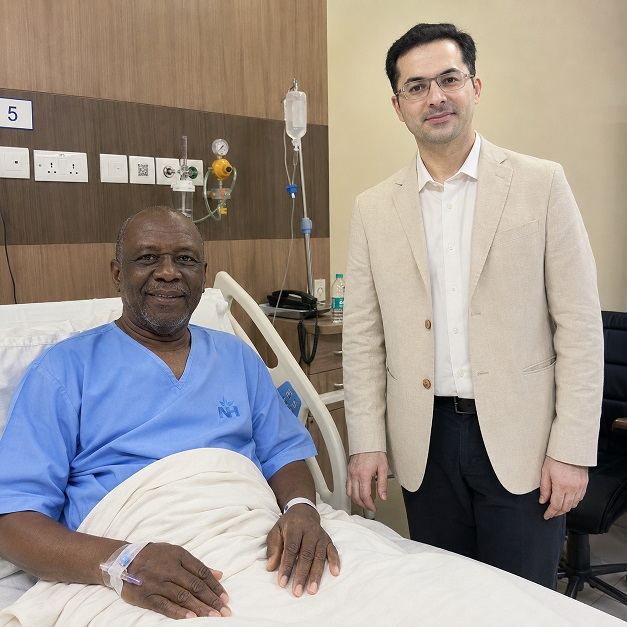
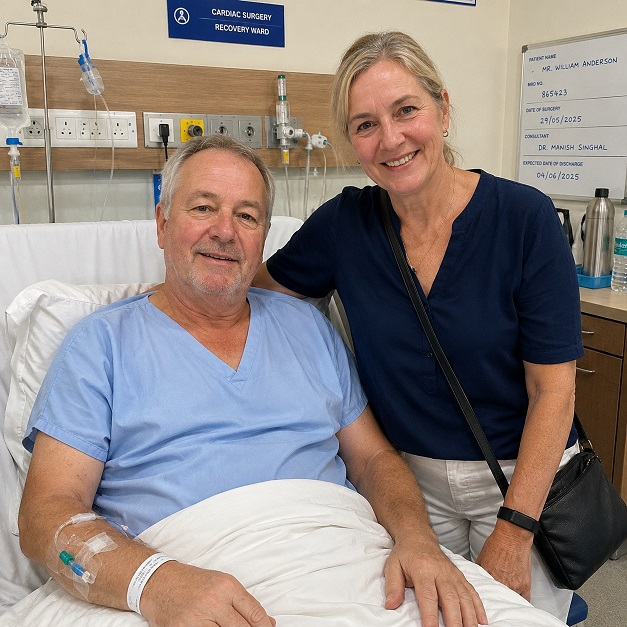
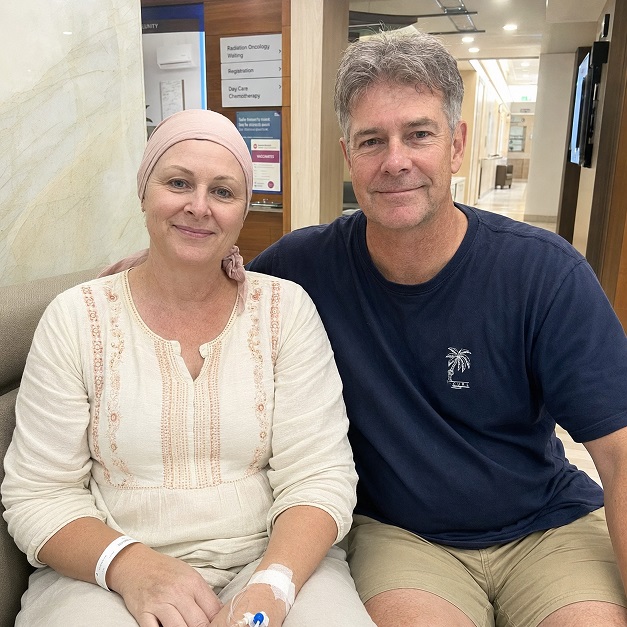
Healing Journeys of Australian Patients


Key Takeaways
- The briefing is intended for Australian patients considering a second opinion, facing a prolonged public waiting period or seeking established leadless pacemaker technology sooner. It acknowledges that many Australians receive prompt care but explains that national waiting-time figures can conceal substantially longer waits for some patients.
- The wait chart shows a 20-day national median, compared with 108 days at the national 90th percentile and 206 days at the Western Australian 90th percentile for public pacemaker implantation, illustrating the gap between the headline median and the experience of patients facing longer waits.
- Leadless pacemakers are highlighted as an important technology option. The device is implanted directly into the heart through a vein in the leg without a chest incision, visible pocket or conventional leads. The briefing notes that Victoria's first lead-free pacemaker implantation occurred only in late 2024.
- Remote monitoring is another major focus. Only 19% of private Australian pacemaker patients use remote monitoring, while 81% do not, despite evidence of earlier detection of problems and fewer hospitalisations.
- India's leading cardiac centres are described as having established pacemaker and leadless-device experience, English-speaking specialists and JCI/NABH-accredited hospital infrastructure. Patients are specifically advised to ask about the team's experience with the exact device type, rather than relying only on general cardiology experience.
- The cost chart gives an illustrative private cost of approximately AUD $6,000 in India versus AUD $25,000 in Australia. Patients are advised to obtain a written quote naming the specific device model, confirm MRI compatibility, arrange remote monitoring and establish Australian cardiac follow-up before returning home.
Quick Facts
- Treatment
- Cardiac Pacemaker Implantation
- Patients
- Australian Patients
- Key Specialist
- Cardiologist / Electrophysiologist
- Device Options
- Traditional or leadless pacemaker
- India Cost
- Approx. AUD $6,000
- Australia Cost
- Approx. AUD $25,000
- National Median Wait
- 20 days
- National 90th Percentile
- 108 days
- WA 90th Percentile
- 206 days
- Remote Monitoring
- 19% of private pacemaker patients
- Key Technology
- Leadless pacemaker
- Quality Check
- Exact device-specific implant volume
- Safety Check
- Confirm MRI compatibility
- Follow-Up
- Australian cardiologist and remote monitoring
- Treatment Timeline
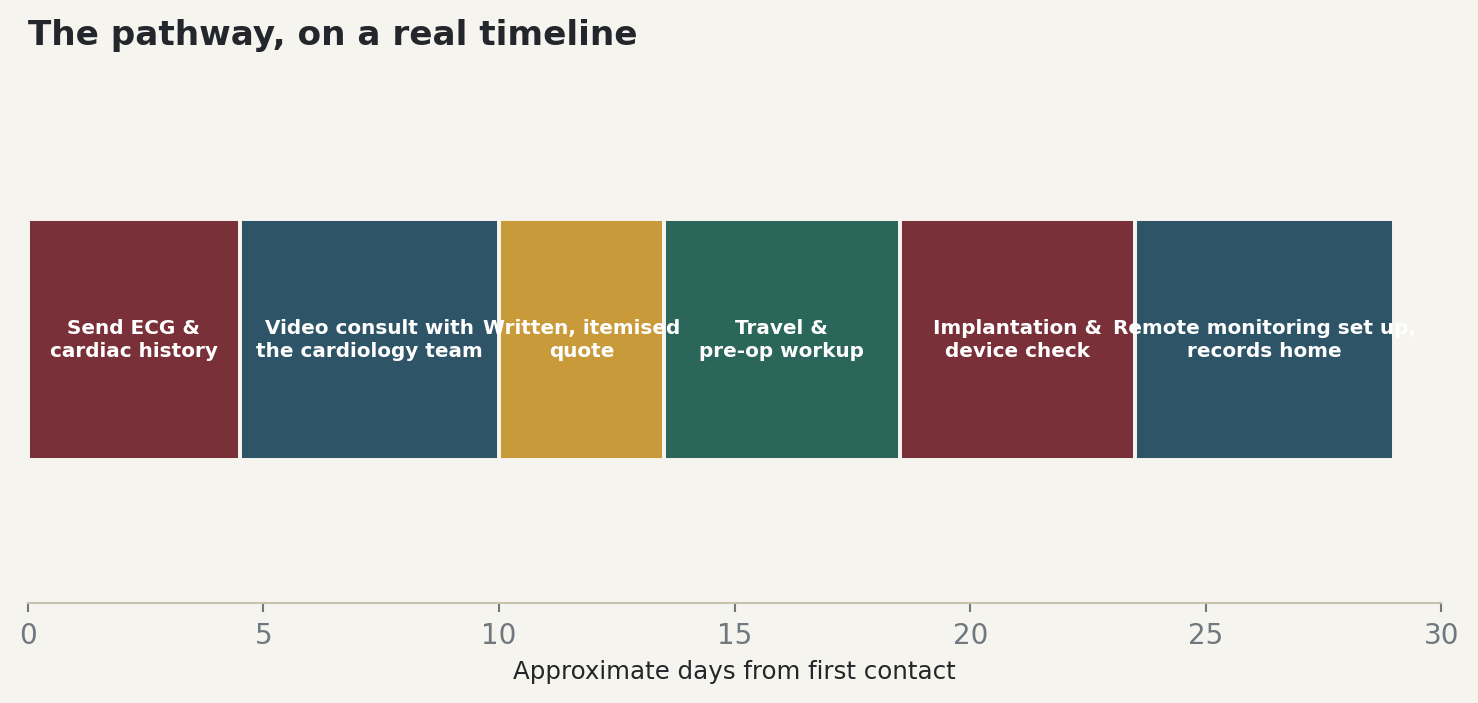
- Typically 2–3 weeks, according to the briefing
- Visa
- Indian e-medical visa and e-medical attendant visa
- Author
- Dr. Dheeraj Bojwani
- Experience
- 24+ Years
In Brief
For Australian patients considering pacemaker treatment in India, the briefing highlights established cardiac centres with experience in traditional and leadless pacemaker technology. It gives an illustrative private cost of approximately AUD $6,000 in India compared with AUD $25,000 in Australia, while noting that actual costs vary by device type. Patients should confirm why a particular device is appropriate, ask about exact device-specific implant volume, verify MRI compatibility, ensure remote monitoring is established and arrange ongoing Australian cardiac follow-up before travelling.
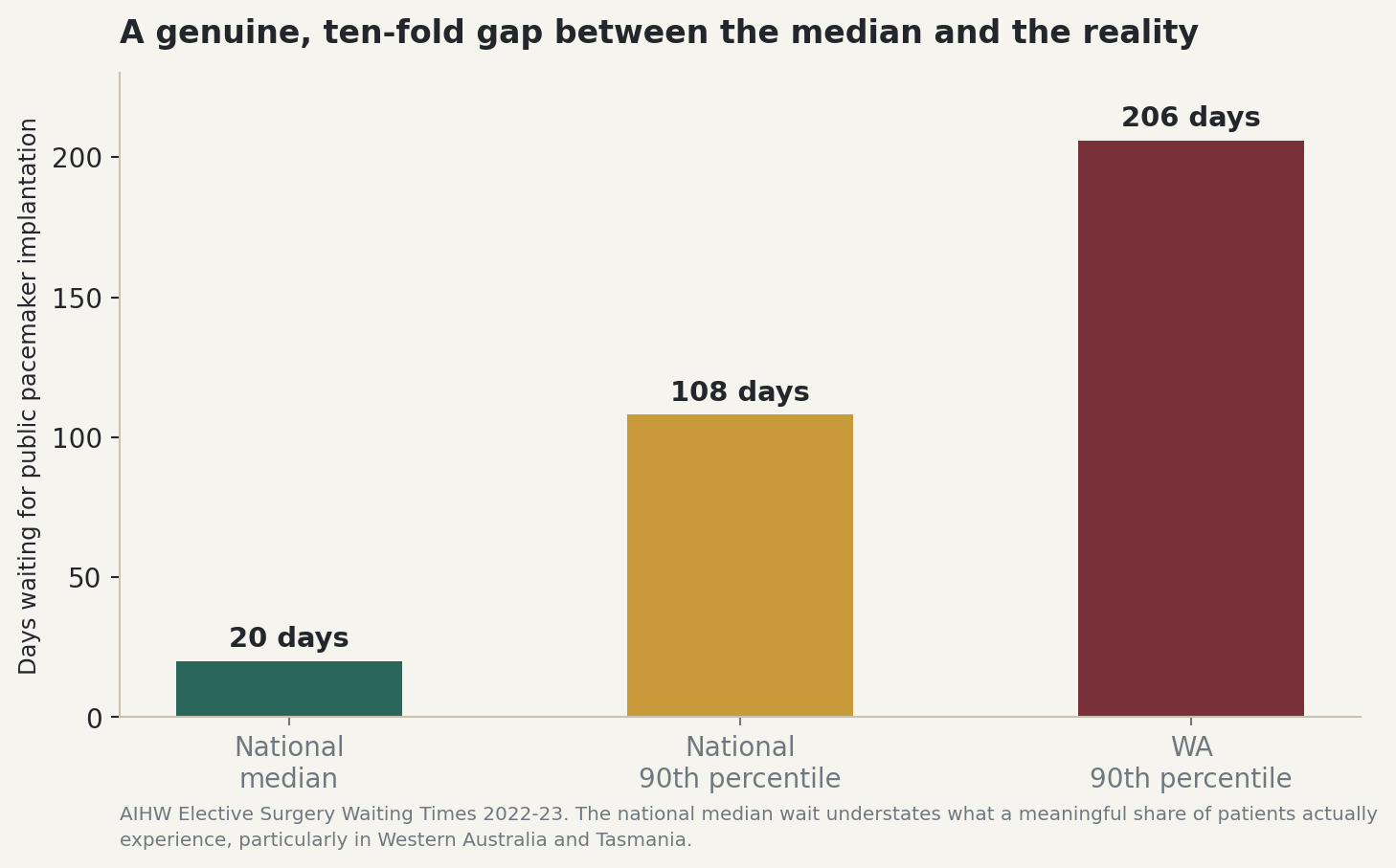
In 24 years of guiding international patients into Indian hospitals, this gap between the headline median and the genuine experience of a meaningful share of patients is exactly the kind of statistic that gets lost in public reporting. A national median of 20 days sounds genuinely reassuring, and for many patients it is accurate. But medians hide distribution, and AIHW's own 2022-23 data confirms that one in ten patients nationally waited well over three months, with Western Australian patients in that same bracket waiting nearly seven months, ten times the reassuring headline figure.
For a condition where the pacemaker exists specifically to prevent dangerously slow heart rhythms, cardiac arrest, and sudden death, a wait measured in months rather than weeks carries genuine, serious weight. This isn't a cosmetic delay; it's a wait for a device whose entire purpose is protecting against a specific, serious cardiac risk.
A single most common thing worth understanding: leadless technology is genuinely new here
Get your recent ECG, echocardiogram and rhythm monitoring history together before your first overseas conversation. A leadless pacemaker does the same fundamental job as a traditional device in a completely different way: a self-contained unit implanted directly into the heart through a vein in the leg, with no chest incision, no leads threaded through blood vessels, and no visible pocket under the collarbone. This matters because leadless technology genuinely reduces specific complication risks associated with traditional leads, including infection, lead fracture, and vessel scarring.
What's less widely appreciated is just how recently this technology reached mainstream Australian practice. Victoria's first lead-free pacemaker implantation happened only in late 2024, at a single hospital, with a handful of patients treated in the following months and modest plans to expand. This isn't a criticism of Australian cardiology; it reflects the genuine, real-world lag between a technology becoming available somewhere in the world and it becoming routine, established practice at scale within any single health system.
A proven technology, genuinely underused even after implantation
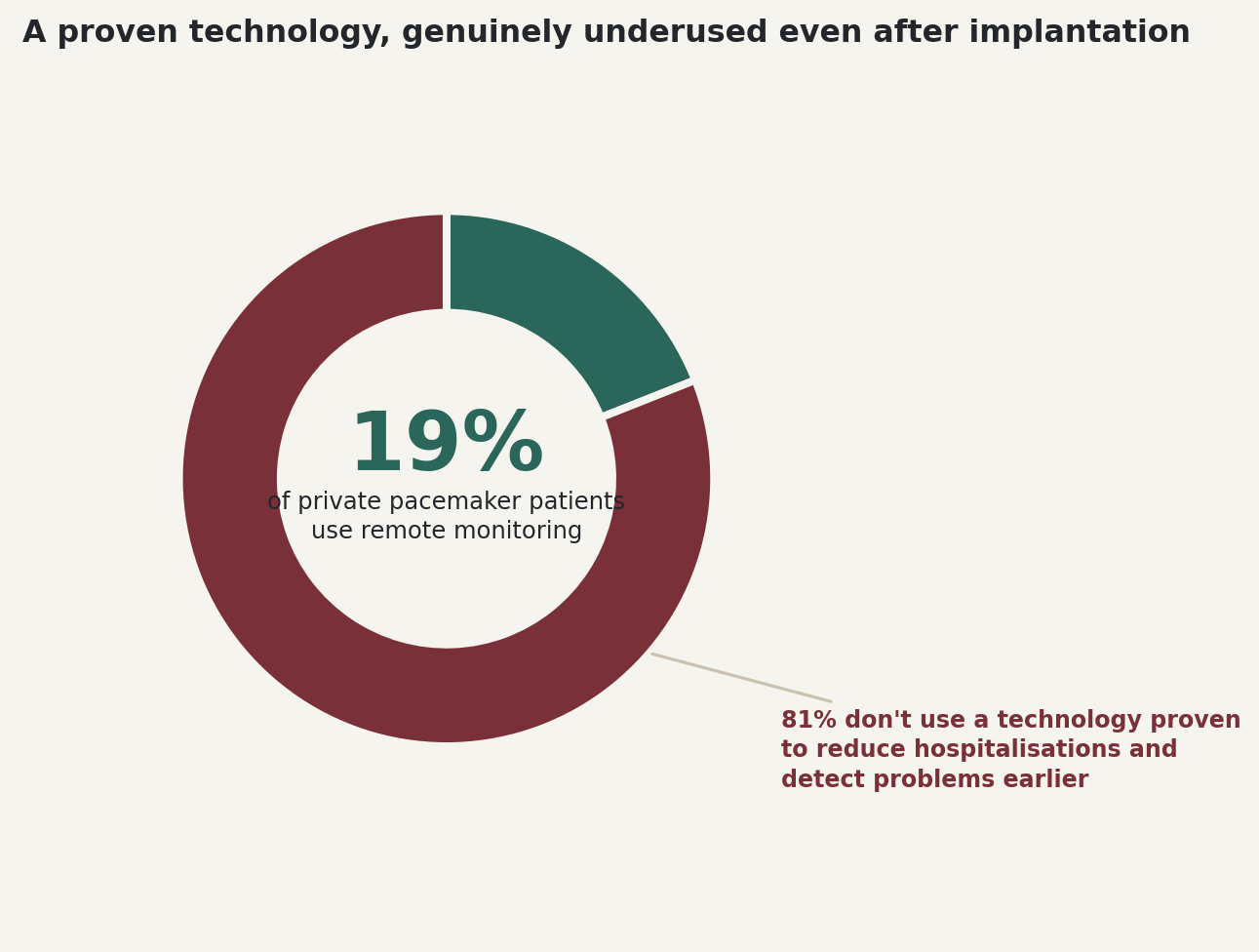
This finding, from research published in early 2026, is worth understanding regardless of where you have your pacemaker implanted. Remote monitoring, introduced in Australia in 2001, has genuinely demonstrated real clinical benefits: fewer hospitalisations, earlier detection and management of problems before they become serious, and reduced stroke risk in patients with atrial fibrillation. Yet fewer than one in five private-sector Australian pacemaker patients actually use it, a genuine gap between what the evidence supports and what typically happens in practice.
This matters directly for your own decision, wherever you have surgery: ask specifically whether remote monitoring will be set up as standard practice for your device, not offered as an afterthought you'd need to request yourself.
Why India specifically, not just overseas
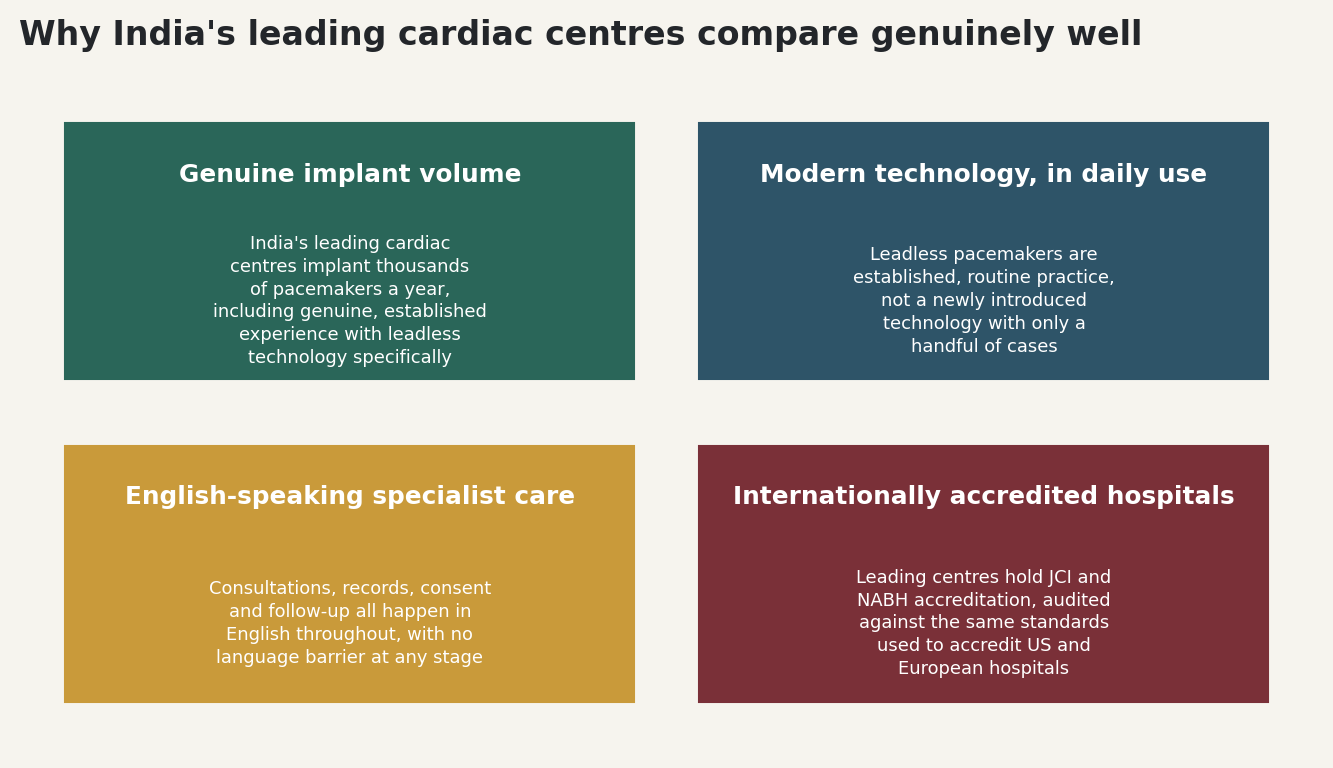
This is worth spelling out plainly. India's leading cardiac centres implant a genuine volume of pacemakers annually, with established, routine experience in leadless technology specifically, not a newly introduced option with only a handful of cases behind it. This is not a compromise reached for cost and speed; for the right case, it is comparable or greater depth of specific device experience, delivered by English-speaking specialists in internationally accredited hospitals, at a fraction of the equivalent Australian private cost.
This depth of established practice matters directly for outcomes. A cardiology team that has implanted leadless devices routinely, week after week, across hundreds of cases, develops a level of procedural familiarity that simply cannot exist yet in a health system where the technology arrived only in the past year or two. Combined with remote monitoring configured as standard practice, not an optional extra, this represents genuinely comprehensive, modern pacemaker care.
Every part of the process, from your first video consultation through device selection, consent discussions, and every follow-up conversation, happens in English, with specialists trained to internationally recognised standards. Combined with JCI and NABH-accredited hospital infrastructure, this represents genuinely comparable cardiac device care, not a lesser alternative reached through necessity.
An honest cost comparison
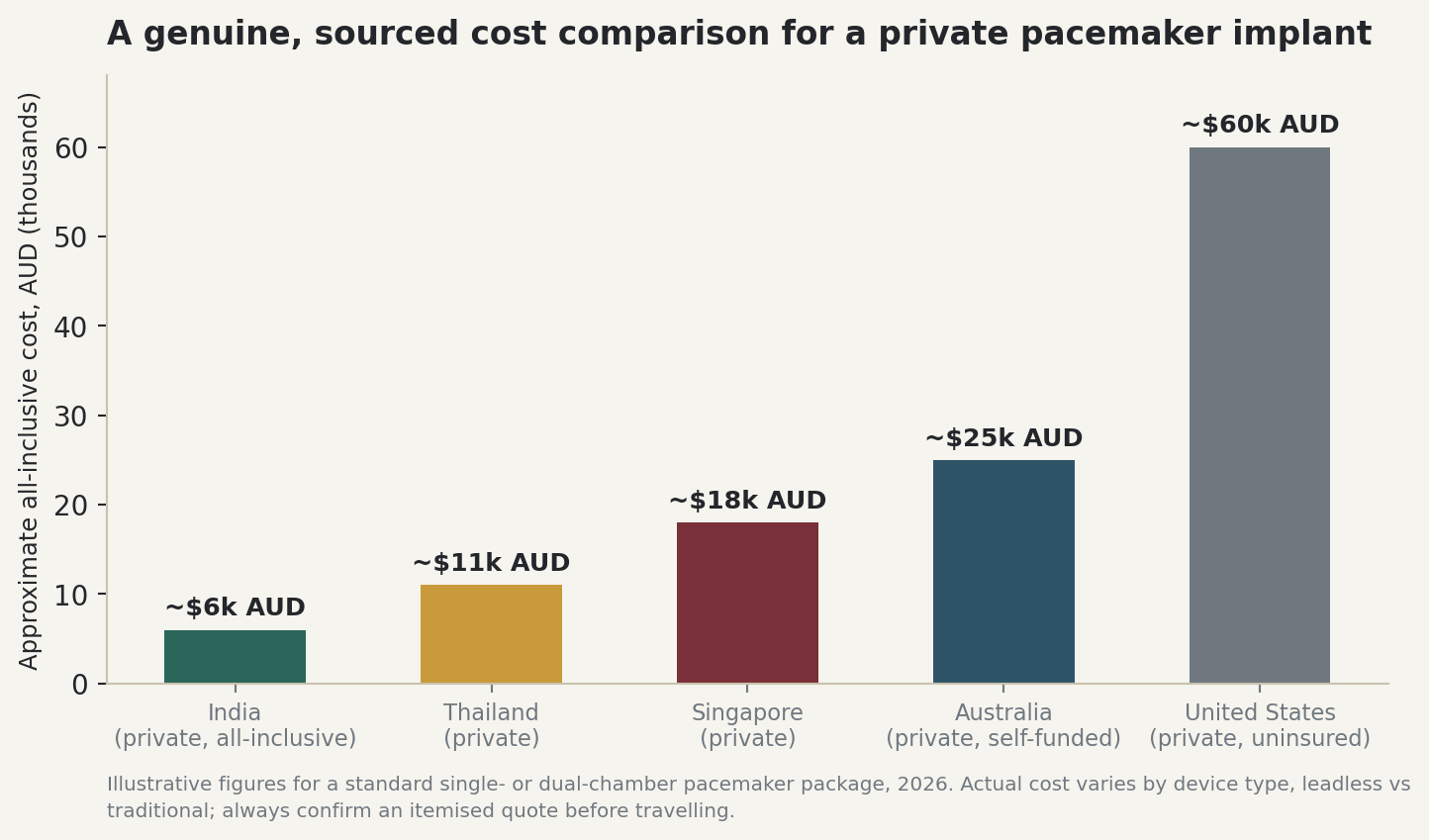
These figures are illustrative and vary by device type, leadless typically costs more than traditional systems, but the pattern holds consistently. Always insist on a written, itemised quote naming the specific device model before making any decision.
What Genuinely Good Pacemaker Care Looks Like, Wherever You Have Treatment
- An honest device-type discussion. Ask directly why leadless, traditional, or a specific hybrid approach is being recommended for your rhythm condition.
- Genuine, established volume with leadless technology. Ask for the team's specific implant volume with this exact device type, not just general cardiology experience.
- Remote monitoring configured as standard, not optional. Confirm this will be set up before you leave, connected back to a team who will actually review the data.
- MRI-compatibility confirmed and explained. Ask directly whether your specific device is safe for full-body MRI scanning, and get this in writing.
- A clear, itemised quote before you travel. Confirm the specific device model and what's included in the price.
Signals worth taking seriously, wherever you're considering treatment
A few patterns are worth watching for, regardless of which country or hospital you're evaluating. Only one device type offered, with no discussion of alternatives, deserves a direct question in return. Vagueness about volume in your specific device type, rather than a confident, specific number, often tells you more than the answer itself. No remote monitoring setup explained proactively is a genuine concern, given how clearly the evidence supports it.
None of this is unique to overseas care; the same questions are worth asking of an Australian private cardiologist too. What changes when evaluating a hospital overseas is that you have fewer easy, informal ways to verify answers, which is exactly why insisting on things in writing matters more than it might at home.
Australia-specific considerations most patients miss
Tell your Australian cardiologist early, not after the fact. Most are more sympathetic to exploring device options than patients expect, and an informed home team is better placed to manage your ongoing monitoring.
Arrange your ongoing cardiac care before you leave. Confirm your Australian cardiologist is willing to manage remote monitoring and follow-up based on overseas implantation.
Send your rhythm history, not just a summary. A genuine device-type recommendation requires the actual monitoring data your Australian team has already collected.
Apply for both visas together. Australian passport holders are eligible for India's electronic medical visa, with an e-medical attendant visa for whoever travels with you.
THE QUESTIONS WORTH ASKING BEFORE YOU DECIDE
- Why is this specific device type right for me?
- How many implants of this exact device did you perform last year?
- Is my specific device confirmed MRI-compatible?
- How will remote monitoring be set up for me?
- What does the itemised quote include, and what device model is specified?
- Who will manage my ongoing remote monitoring once I'm home?
A closing word
Pacemaker implantation is one of the safest, most established procedures in modern medicine, and the genuine gap between Australia's reassuring national median and what a meaningful share of patients actually experience is worth understanding clearly before assuming the local pathway will be fast. For patients facing that documented wait, or wanting genuinely established leadless technology and remote monitoring configured properly from day one, the case for India is a strong one: cardiac teams with deep, current, routine experience in modern device technology, and treatment that can typically begin within two to three weeks, at a fraction of the equivalent Australian private cost. In 24 years of helping patients navigate exactly this decision, the pattern holds firm: those who look closely at what India's leading cardiac centres actually offer, the volume, the established leadless experience, the standard remote monitoring setup, generally come away reassured rather than anxious. Match your specific rhythm condition to the right device with an honest conversation, and the rest follows. If you would like a second opinion on your diagnosis or device options, send it and I will look at it properly.
Frequently Asked Questions by Australian Patients about Cardiac Pacemaker Treatments in India
Why might Australian patients consider pacemaker treatment in India?
Australian patients may consider India when facing a prolonged wait, seeking a second opinion or wanting access to established leadless pacemaker technology. The briefing highlights experienced cardiac centres and modern device care.
How long might Australian patients wait for pacemaker implantation?
The briefing's chart shows a 20-day national median, while the national 90th percentile was 108 days and Western Australia's 90th percentile reached 206 days.
What is a leadless pacemaker?
A leadless pacemaker is a self-contained device implanted directly into the heart through a vein in the leg. It avoids the chest incision, visible pocket and conventional leads used with traditional pacemakers.
Why might an Australian patient consider a leadless pacemaker in India?
The briefing highlights India's established experience with leadless technology compared with its relatively recent introduction into Australian practice. Device suitability must still be assessed for the individual's rhythm condition.
How much does pacemaker implantation cost in India for Australian patients?
The briefing gives an illustrative private cost of approximately AUD $6,000 in India, compared with approximately AUD $25,000 in Australia. Actual costs vary by device type and treatment requirements.
What should Australian patients ask about the pacemaker device?
They should ask why the specific device is recommended, how many implants of that exact device the team has performed and whether the device is confirmed MRI-compatible.
Why is remote monitoring important after pacemaker implantation?
The briefing highlights evidence that remote monitoring can support earlier detection of problems and reduce hospitalisations. Patients should confirm that monitoring will be established before leaving India.
What should Australian patients check when choosing a cardiac centre in India?
They should check the centre's device-specific implant experience, leadless technology volume, specialist qualifications, hospital accreditation and remote-monitoring arrangements.
How should Australian patients arrange follow-up after pacemaker treatment in India?
Patients should inform their Australian cardiologist before travelling and confirm that the Australian team will manage ongoing cardiac care and remote monitoring after implantation.
How quickly can Australian patients potentially receive pacemaker treatment in India?
The briefing indicates that treatment can typically begin within two to three weeks, depending on consultation, device selection, quotation, travel and pre-operative work-up.
Sources
- Australian Institute of Health and Welfare, Elective Surgery Waiting Times 2022-23 — aihw.gov.au
- Utilization and Implementation of Remote Monitoring of Cardiac Implantable Electronic Devices in Australia and New Zealand, Heart Rhythm, 2026 — pmc.ncbi.nlm.nih.gov
- National Medical Commission — nmc.org.in
- National Accreditation Board for Hospitals & Healthcare Providers — nabh.co
- High Commission of India, e-Visa — indianvisaonline.gov.in
Page Summary
This seven-page decision briefing examines cardiac pacemaker treatment in India for Australian patients, focusing on Australian waiting-time differences, leadless pacemaker technology, remote monitoring, specialist experience, hospital accreditation and treatment costs. It includes charts comparing waiting times and remote-monitoring use, an illustrative India-versus-Australia cost comparison, a treatment pathway and practical questions covering device selection, MRI compatibility, implant volume and long-term monitoring.
Citation Block
| Field | Information |
|---|---|
| Topic | Cardiac Pacemaker Treatment in India for Australian Patients |
| Treatment | Pacemaker Implantation |
| Patients | Australian Patients |
| Specialist | Cardiologist / Electrophysiologist |
| Device Options | Traditional or leadless pacemaker |
| India Expertise | Established pacemaker and leadless-device experience |
| Key Technology | Leadless pacemaker |
| India Cost | Approx. AUD $6,000 |
| Australia Cost | Approx. AUD $25,000 |
| Wait Comparison | 20-day median vs 108-day national 90th percentile |
| WA Wait | 206 days at 90th percentile |
| Remote Monitoring | Used by 19% of private pacemaker patients |
| Quality Check | Exact device-specific implant volume |
| Safety Check | Confirm MRI compatibility |
| Quote Requirement | Written quote naming the specific device model |
| Follow-Up | Australian cardiologist and remote monitoring |
| Warning Signs | Only one device offered, unclear volume or no remote-monitoring plan |
| Patient Journey | ECG/history → consultation → quote → pre-op → implantation → monitoring |
| Decision Principle | Match the device to the rhythm condition and verify long-term monitoring |


Our Mission Statement
Our mission is to place patients at the centre of every healthcare decision by providing trustworthy, evidence-based, and unbiased medical information. We believe that informed patients make better decisions. Backed by personalised guidance from our experienced advisory team, we help patients understand their treatment options, compare them objectively, and confidently choose the path that best suits their medical needs and personal circumstances.
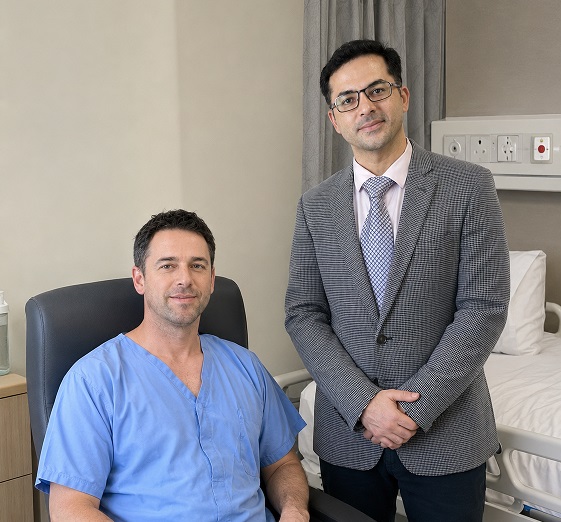
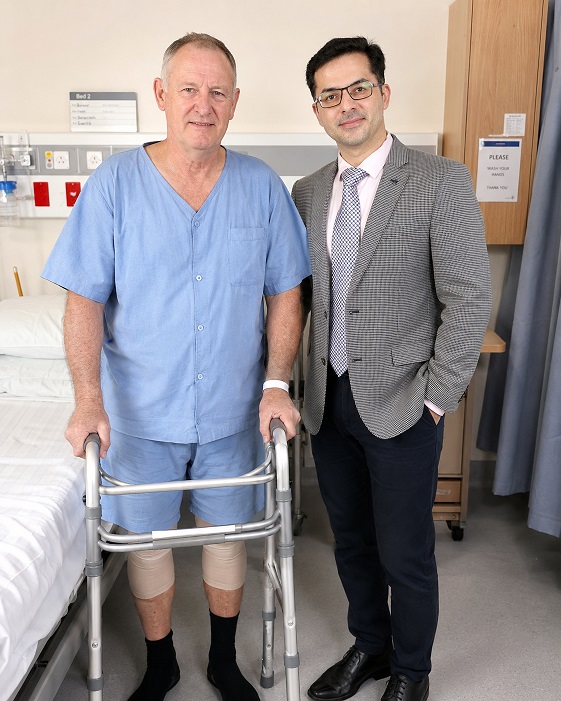
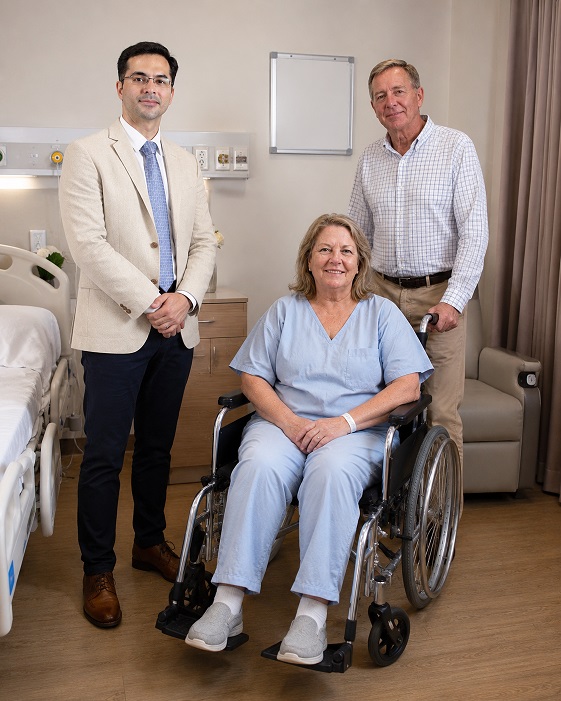
Patient Testimonials from Australia




Ready to Take the First Step?
Share your Medical Reports with our Healthcare Managers Today and Get a FREE CONSULTATION, a Personalized Treatment Plan, and Complete Support from Arrival to Recovery.
Get Your Free ConsultationAreas We Serve
This resource has been thoughtfully prepared for patients from Australia who are considering medical treatment in India. We also welcome patients from the wider region in the countries mentioned below-
We regularly assist patients from:
- Fiji
- Vanuatu
- Samoa
- Tonga
- Kiribati
- Nauru
- Tuvalu
- New Zealand
- Solomon Islands
- Papua New Guinea
Many of the insights, treatment pathways, hospital recommendations, travel guidance, and patient support services described here are equally relevant and may be used as a reference when planning treatment in India.
From Australia to India: Your Complete Patient Support Guide
- Cancer Treatment in India for Australian Patients: PBS Gap & Drug Costs
- Cardiac Surgery in India for Australian Patients: TAVI Access & Costs
- Dental Treatment & Surgery in India for Australian Patients
- Hip Surgery in India for Australian Patients: Costs, Waits & Implant Choice
- Knee Surgery in India for Australian Patients: Costs, Waits & Implants
- Neurosurgery in India for Australian Patients: Volume, Costs & When Not to Travel
- Spine Surgery in India for Australian Patients: Costs, Indications & Second Opinions (2026)
- Best Bariatric & Weight Loss Surgeons in India for Australian Patients
- Best Cancer Surgeons & Hospitals in India for Australian Patients
- Best Cardiac Surgeons & Hospitals in India for Australian Patients
- Best Cosmetic Surgeons & Hospitals in India for Australian Patients
- Best Dental Surgeons & Clinics in India for Australian Patients
- Best Hip Surgeons & Hospitals in India for Australian Patients
- Best Knee Surgeons & Hospitals in India for Australian Patients
- Best Scoliosis Surgeons & Hospitals in India for Australian Patients
- Best Spine Surgeons & Hospitals in India for Australian Patients
- Selecting the Best Urosurgery and Reconstructive Urology Centres in India for Australian Patients
- Selecting the Best Bone Marrow Transplant Centres in India for Australian Patients