

15 Frequently Asked Questions — Laparoscopic and Robotic Myomectomy in India for Australian Patients
Planning laparoscopic or robotic myomectomy in India from Australia involves more than comparing surgery prices. Australian patients should consider the size, number and location of fibroids, the surgical approach, surgeon experience, hospital facilities, fertility goals, treatment costs, travel, insurance, recovery and follow-up care. This guide provides practical information to help Australian patients understand the complete treatment journey from initial gynaecological review in Australia to recovery after returning home.
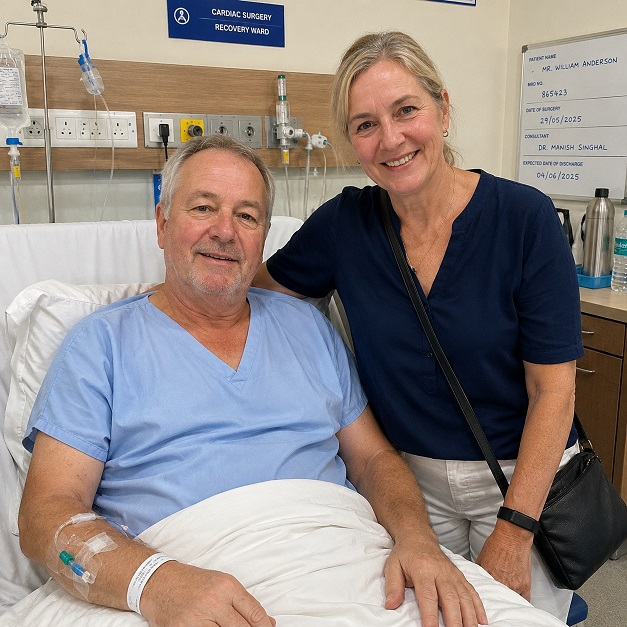
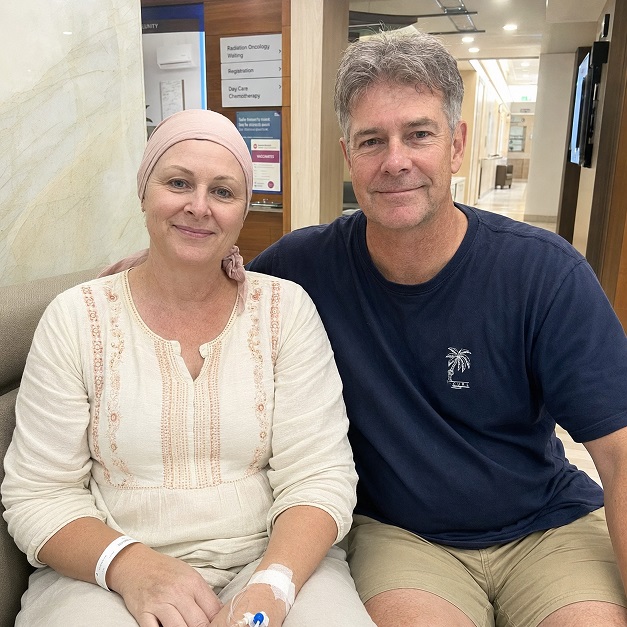
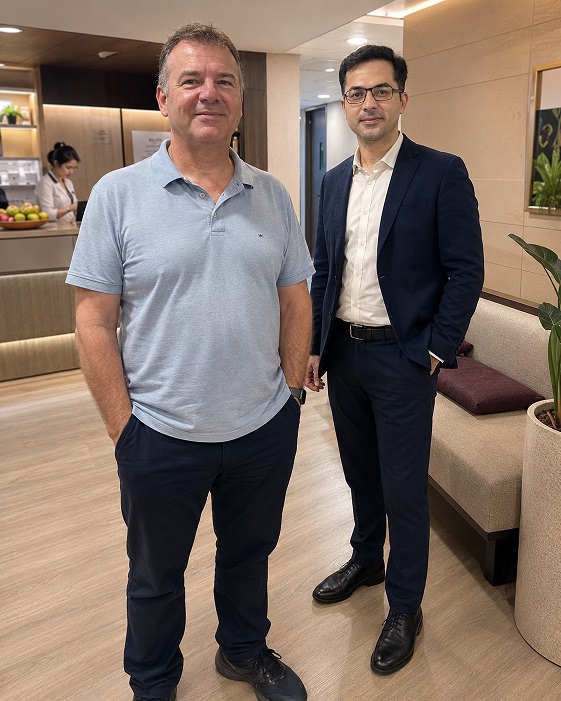
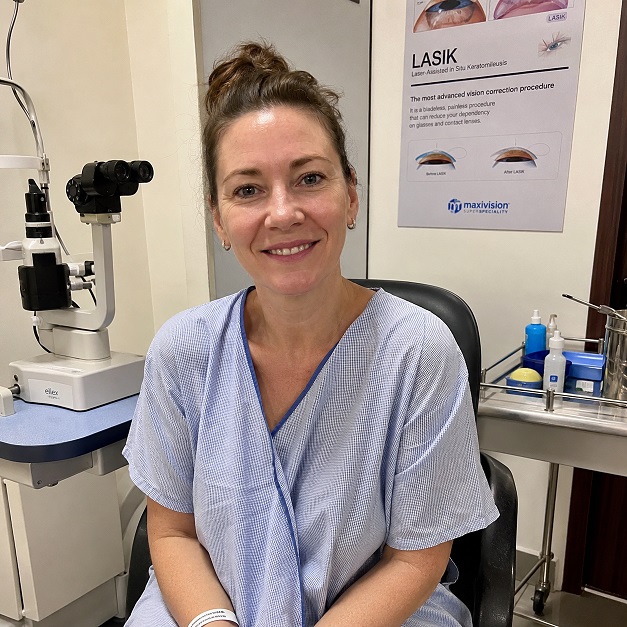
Healing Journeys of Australian Patients


Important: Costs are indicative planning ranges, not guaranteed quotations. Medical suitability, surgical approach, surgeon, hospital, anaesthesia, investigations, insurance, travel and post-operative requirements vary by patient. Visa and insurance rules can change and should be verified before travel.
Q1 · Why Do Australian Patients Consider Laparoscopic and Robotic Myomectomy in India?
Australian patients may consider India for laparoscopic and robotic myomectomy because of a combination of specialist gynaecological expertise, advanced hospitals, minimally invasive surgical facilities and potentially lower private-treatment costs.
Some reasons patients consider India include:
- Experienced gynaecologists and minimally invasive surgeons
- Large multispecialty hospitals
- Advanced laparoscopic and robotic surgical facilities at selected centres
- Treatment options for different types and locations of uterine fibroids
- Availability of minimally invasive approaches for appropriately selected patients
- Potentially shorter waiting periods for planned private treatment
- Competitive treatment costs compared with some private healthcare options
- International-patient services in major Indian medical cities
- Access to fertility-preserving surgery where clinically appropriate
However, cost should not be the only factor. The appropriate surgical approach depends on the number, size and location of fibroids, symptoms, fertility plans, previous surgery and overall health.
Australian patients should carefully research the surgeon, hospital, proposed procedure and postoperative follow-up arrangements before travelling overseas.
Q2 · How Much Does Laparoscopic and Robotic Myomectomy Cost in India for Australian Patients?
The cost of myomectomy varies according to the number, size and location of fibroids, surgical approach, surgeon, hospital, robotic or laparoscopic technology, anaesthesia, investigations, room category, length of stay and the patient's individual medical condition.
Australian patients should compare the complete treatment cost rather than looking only at the surgical fee.
For Easy Comparison, Costs are mentioned in US Dollars (USD), Indian Rupees (INR) and Australian Dollar (AUD)
Exchange Rate Used for Planning
A$1 ≈ US$0.65 • US$1 = INR 95
| Treatment / Procedure | Australia – Approx. Cost | India – Approx. Cost | Potential Cost Saving |
|---|---|---|---|
| Laparoscopic Myomectomy | A$12,000–20,000 US$7,800–13,000 |
INR 1.8–3.5 lakh US$1,900–3,700 |
~50–70% |
| Robotic Myomectomy | A$15,000–25,000 US$9,750–16,250 |
INR 2.5–4.5 lakh US$2,600–4,700 |
~50–70% |
| Multiple Fibroid Myomectomy | A$18,000–30,000 US$11,700–19,500 |
INR 3–5 lakh US$3,200–5,300 |
~50–70% |
| Complex Laparoscopic Myomectomy | A$18,000–30,000 US$11,700–19,500 |
INR 3–5.5 lakh US$3,200–5,800 |
~50–70% |
| Large / Multiple Fibroid Robotic Myomectomy | A$20,000–35,000 US$13,000–22,750 |
INR 3.5–6 lakh US$3,700–6,300 |
~50–70% |
| Complex / High-Risk Myomectomy | A$22,000–40,000+ US$14,300–26,000+ |
INR 4–7 lakh US$4,200–7,400+ |
~50–70% |
| Fertility-Preserving Complex Myomectomy | A$20,000–35,000 US$13,000–22,750 |
INR 3.5–6 lakh US$3,700–6,300 |
~50–70% |
USD conversions are approximate and exchange rates change regularly. These are planning ranges rather than guaranteed hospital quotations. Australian costs vary according to the private hospital, surgeon, insurance arrangements and individual circumstances. Indian costs vary according to the hospital, surgeon, surgical approach, complexity, robotic technology, room category and package inclusions.
What Should Be Included in the Total Cost?
- Surgeon and professional fees
- Hospital and operating-room charges
- Anaesthesia
- Robotic or laparoscopic technology charges where applicable
- Pre-operative investigations
- Imaging and diagnostic tests
- Room category and expected hospital stay
- Medicines
- Pathology examination of removed fibroid tissue
- Post-operative consultations
- Follow-up and possible additional hospital days
- Fertility-related evaluation where included in the treatment plan
- Travel, accommodation, visa and insurance costs when calculating the full medical-tourism budget
Compare the Complete Treatment Cost
Australia: Surgery + Surgeon + Hospital + Anaesthesia + Investigations + Technology + Recovery + Follow-up
India: Surgery + Surgeon + Hospital + Anaesthesia + Investigations + Technology + Flights + Accommodation + Visa + Insurance + Recovery + Follow-up
Compare the full planned treatment journey, not only the surgery quotation.
Q3 · Which Indian Cities Are Best for Laparoscopic and Robotic Myomectomy for Australian Patients?
Australian patients can consider several established Indian healthcare destinations. The right city depends on the surgeon, hospital, surgical approach, robotic or laparoscopic facilities, fertility-related expertise where required, rehabilitation, international-patient support and accessibility, rather than simply the lowest treatment price.
| City | Why Australian Patients May Consider It |
|---|---|
| Delhi | One of India's largest medical hubs, with major hospitals, experienced gynaecologists, minimally invasive surgery services and strong international connectivity. |
| Chennai | Long-established healthcare destination with experienced gynaecological teams and major hospitals offering minimally invasive procedures. |
| Mumbai | Major private healthcare destination with specialist gynaecology departments and excellent international flight connectivity. |
| Bengaluru | Advanced healthcare infrastructure with hospitals offering laparoscopic and robotic-assisted gynaecological procedures. |
| Hyderabad | Strong private healthcare sector with experienced gynaecological specialists and advanced surgical facilities. |
| Gurugram | Close to Delhi airport and home to several large private hospitals and specialist surgical centres. |
| Noida | Well-connected Delhi-NCR healthcare destination with multispecialty hospitals and gynaecological services. |
| Kolkata | Important eastern India medical hub with established multispecialty hospitals and specialist gynaecological services. |
| Pune | Major healthcare centre with gynaecological, minimally invasive and surgical services. |
| Ahmedabad | Growing healthcare destination with major private hospitals and specialist gynaecology departments. |
| Kochi | Well-developed healthcare destination with hospitals experienced in treating patients from overseas. |
| Thiruvananthapuram | Established Kerala healthcare centre with multispecialty hospitals and access to specialist services. |
| Goa | Coastal healthcare destination with private hospitals and recovery-support options. |
| Nagpur | Important central Indian healthcare hub with multispecialty hospitals and specialist surgical services. |
The final city should be selected according to the patient's medical needs and the hospital and surgeon
Q4 · Which Hospitals in India Should Australian Patients Consider for Laparoscopic and Robotic Myomectomy?
Australian patients have a wide range of hospitals to research across India's major medical cities. The following hospitals have established gynaecology, minimally invasive surgery, robotic surgery or multispecialty services.
This is not a ranking. The appropriate hospital should be selected based on the patient's medical condition, surgeon experience, proposed surgical approach, robotic or laparoscopic facilities, anaesthesia services and postoperative support.
Delhi Hospitals
- Fortis Escorts Heart Institute, New Delhi
- BLK-Max Super Speciality Hospital, New Delhi
- Max Super Speciality Hospital, Saket
- Indraprastha Apollo Hospitals, New Delhi
- Manipal Hospital, Dwarka
- Fortis Hospital, Shalimar Bagh
- Max Super Speciality Hospital, Patparganj
- Sir Ganga Ram Hospital, New Delhi
- Indian Spinal Injuries Centre, New Delhi
Chennai Hospitals
- MGM Healthcare
- MIOT International
- Apollo Hospitals, Greams Road
- Kauvery Hospital
- SIMS Hospital
- Sri Ramachandra Medical Centre
Mumbai Hospitals
- Kokilaben Dhirubhai Ambani Hospital
- Nanavati Max Super Speciality Hospital
- Fortis Hospital, Mulund
- Apollo Hospitals, Mumbai
- Sir H. N. Reliance Foundation Hospital
- Hinduja Hospital
- Wockhardt Hospitals, Mumbai
- SevenHills Hospital
Bengaluru Hospitals
- NIMHANS
- Manipal Hospital, Old Airport Road
- Manipal Hospital, Whitefield
- Narayana Health City
- Fortis Hospital, Bannerghatta Road
- Apollo Hospitals, Bengaluru
- Aster CMI Hospital
- Sakra World Hospital
- Columbia Asia Hospital, Bengaluru
- HCG Cancer Centre, Bengaluru
Hyderabad Hospitals
- KIMS Hospitals
- Yashoda Hospitals
- Apollo Health City
- CARE Hospitals
- Continental Hospitals
- Sunshine Hospitals
Gurugram Hospitals
- Fortis Memorial Research Institute (FMRI)
- Medanta – The Medicity
- Artemis Hospital
- Max Hospital, Gurugram
- CK Birla Hospital, Gurugram
- Manipal Hospital, Gurugram
Noida Hospitals
- Fortis Hospital, Noida
- Jaypee Hospital
- Max Super Speciality Hospital, Noida
- Kailash Hospital, Noida
- Yatharth Hospital
Kolkata Hospitals
- Apollo Multispeciality Hospitals
- AMRI Hospitals
- Fortis Hospital, Anandapur
- Manipal Hospitals, Salt Lake
- Medica Superspecialty Hospital
Pune Hospitals
- Ruby Hall Clinic
- Jehangir Hospital
- Deenanath Mangeshkar Hospital
- Sahyadri Super Speciality Hospital
- Aditya Birla Memorial Hospital
Ahmedabad Hospitals
- Apollo Hospitals, Ahmedabad
- Zydus Hospitals
- Sterling Hospitals
- Shalby Hospitals
- HCG Hospitals
Kochi Hospitals
- Aster Medcity
- Amrita Hospital
- VPS Lakeshore Hospital
- Rajagiri Hospital
- Aster MIMS
Thiruvananthapuram Hospitals
- KIMSHEALTH Hospital
- Ananthapuri Hospitals and Research Institute
- SUT Hospital
- SP Medifort Hospital
- PRS Hospital
Goa Hospitals
- Manipal Hospital, Goa
- Healthway Hospital
- Manipal Hospitals, Dona Paula
- Goa Medical College and Hospital
Nagpur Hospitals
- Wockhardt Hospitals, Nagpur
- MAX Multispeciality Hospital
- CARE Hospitals, Nagpur
- Kingsway Hospitals
What Should Australian Patients Check Before Choosing a Hospital?
- Who will perform the myomectomy?
- What is the surgeon's experience with laparoscopic and robotic myomectomy?
- How many fibroids are being treated?
- What are the size and location of the fibroids?
- Is robotic surgery clinically appropriate for my case?
- What technology will be used?
- What is included in the quotation?
- How long is the expected hospital stay?
- What is the expected recovery period?
- How will unexpected bleeding or other complications be managed?
- What postoperative follow-up is available?
- How will medical records be provided for follow-up in Australia?
Q5 · What Types of Myomectomy Are Available in India?
India offers several surgical approaches for removing uterine fibroids while preserving the uterus where myomectomy is considered appropriate.
a. Laparoscopic Myomectomy
Laparoscopic myomectomy uses small abdominal incisions and specialised instruments to remove selected fibroids. It may provide a minimally invasive alternative to open surgery for appropriately selected patients.
b. Robotic Myomectomy
Robotic-assisted myomectomy uses a robotic surgical system controlled by the surgeon. It may support precise surgical movements and visualisation in selected cases.
c. Open / Abdominal Myomectomy
Larger or numerous fibroids, difficult locations or other complex circumstances may require an abdominal approach through a larger incision.
d. Hysteroscopic Myomectomy
Fibroids that project into the uterine cavity may sometimes be treated hysteroscopically through the vagina and cervix without abdominal incisions.
e. Multiple Fibroid Myomectomy
Patients with several fibroids may require removal of multiple fibroids during the same operation when this is considered safe and appropriate.
f. Complex Myomectomy
Large fibroids, multiple fibroids, previous abdominal surgery, difficult anatomical locations or other factors may make the procedure more complex.
g. Fertility-Preserving Myomectomy
For patients wishing to preserve fertility, the surgical plan may focus on removing appropriate fibroids while preserving the uterus. Fertility planning should be discussed with the treating gynaecologist.
The recommended procedure depends on the size, number and location of fibroids, symptoms, age, fertility plans, previous surgery and overall health. The final recommendation should be made after a complete specialist assessment.
Q6 · How Can I Get a Myomectomy Quotation From an Indian Hospital While I Am in Australia?
Australian patients can begin the process from home without travelling to India simply to obtain an initial quotation.
You can submit:
- Pelvic ultrasound reports
- MRI reports and images where available
- CT or other relevant imaging
- Gynaecology consultation reports
- Previous operative records
- Blood-test reports
- Medication list
- Relevant medical history
- Previous fertility treatment information where applicable
- Details of previous abdominal or uterine surgery
The gynaecological team can review the available records and provide a preliminary medical opinion. Once the treatment plan is established, the hospital can provide a cost estimate.
Ask for a Written Breakdown Covering
- Surgeon fee
- Hospital charges
- Operating-room charges
- Anaesthesia
- Laparoscopic or robotic technology charges
- Diagnostic investigations
- Pathology
- Room category
- Medicines
- Expected hospital stay
- Post-operative follow-up
Also ask about exclusions, including:
- Additional procedures
- Unexpected complications
- Additional hospital days
- Blood products if required
- Conversion to open surgery where applicable
- Treatment of unrelated medical conditions
A detailed quotation allows Australian patients to compare hospitals based on total treatment value rather than simply the advertised surgery price.
Q7 · Should I Get a Second Myomectomy Opinion From India Before Travelling From Australia?
A second opinion can be valuable if an Australian patient has already been advised to undergo myomectomy and wants to understand whether surgery is appropriate and which surgical approach may be suitable.
You can send your existing:
- Ultrasound reports
- MRI scans and reports
- Gynaecology reports
- Previous treatment information
- Previous operative records
- Blood-test reports
- Fertility-related information where applicable
A Useful Second Opinion Should Address
- Why myomectomy is recommended
- Whether surgery is appropriate
- Number, size and location of fibroids
- Whether laparoscopic surgery may be suitable
- Whether robotic surgery may be suitable
- Whether open surgery may be more appropriate
- Whether fertility preservation is relevant
- Expected hospital stay
- Rehabilitation and recovery requirements
- Potential complications
- Expected recovery period
- Recommended duration of stay in India
- Follow-up arrangements in Australia
An online opinion is preliminary and does not replace a physical examination. The final surgical plan should be confirmed after the patient is assessed in person.
Q8 · What Medical and Surgical Records Should an Australian Patient Take Home?
Australian patients should obtain complete documentation before leaving India.
Important records may include:
- Final diagnosis
- Operative report
- Details of the number, size and location of removed fibroids
- Pathology report
- Post-operative imaging where applicable
- Discharge summary
- Medication list
- Follow-up instructions
- Histopathology documentation
- Surgical photographs or imaging where provided
- Fertility-related recommendations where applicable
If a future gynaecologist or fertility specialist needs to review the case, these records can help explain the previous surgery and pathology findings.
Keep these records permanently with your Australian medical documents.
Q9 · Is Robotic or Minimally Invasive Myomectomy Worth Considering for an Australian Patient?
Selected Indian hospitals offer laparoscopic and robotic-assisted gynaecological surgery.
Depending on the patient's condition, minimally invasive technology may assist with:
- Surgical visualisation
- Magnified views of pelvic anatomy
- Precise instrument movement
- Surgical planning
- Management of selected fibroid locations
- Minimally invasive access
Australian patients should ask:
- Which robotic system will be used?
- How experienced is the surgeon with robotic myomectomy?
- Is robotic surgery clinically appropriate for my fibroids?
- What additional cost will it involve?
- What advantages are expected in my specific case?
- Is robotic technology included in the quotation?
- What happens if the surgical approach needs to be changed?
Robotic surgery should not automatically be considered better simply because it uses newer technology.
Surgeon experience, appropriate patient selection and the characteristics of the fibroids remain central to the decision.
Q10 · What Should Australian Patients Know About Travel Insurance, Medicare and Unexpected Medical Costs?
This is an important consideration before choosing planned gynaecological surgery overseas.
Australian patients should not assume that Medicare will cover planned medical treatment received overseas.
Travel insurance is equally important because standard policies may exclude planned medical treatment overseas or complications arising from elective surgery.
Before travelling, ask your insurer in writing about coverage for:
- Planned medical treatment
- Surgical complications
- Emergency hospitalisation
- Medical evacuation
- Additional accommodation
- Flight changes
- Companion expenses
- Follow-up treatment
- Treatment related to complications
Australian patients should also ask their private health insurer whether any overseas treatment arrangement exists.
Never assume that an Australian health-insurance policy will automatically cover myomectomy performed in India.
Q11 · Can an Australian Patient Have Other Gynaecological Procedures During the Same Trip to India?
Some patients may have more than one gynaecological procedure planned during the same trip, depending on their medical condition.
Possible additional procedures may include treatment of:
- Endometriosis
- Ovarian cysts
- Pelvic adhesions
- Selected uterine conditions
- Other gynaecological problems identified during assessment However, combining procedures is not suitable for every patient.
The decision depends on factors including:
- Age
- General health
- Cardiovascular condition
- Respiratory condition
- Weight
- Anaesthetic risk
- Previous abdominal surgery
- Number and size of fibroids
- Expected operating time
- Fertility plans
- Overall surgical complexity
For an Australian medical traveller, appropriately planned combined surgery may reduce the need for a second international journey.
However, combining procedures can increase operating time and recovery requirements.
Before Choosing Combined Surgery, Discuss
- Surgical risks
- Total operating time
- Hospital stay
- Recovery requirements
- Duration of stay in India
- Travel restrictions
- Fitness-to-fly requirements
- Fertility considerations
- Follow-up arrangements in Australia
The final decision should be made after assessment by the relevant surgical and anaesthetic teams.
Q12 · How Do Australian Patients Arrange Their Medical Visa, Flights and Hospital Admission for Myomectomy in India?
Australian patients should ideally complete their medical evaluation, hospital selection and treatment planning before booking international flights.
Step 1: Send Your Medical Records
Send ultrasound or MRI reports, gynaecology consultation reports, previous treatment records and relevant medical history to the selected Indian hospital.
Step 2: Obtain the Specialist Opinion
The gynaecology team reviews your records and provides a preliminary treatment recommendation.
Step 3: Receive the Cost Estimate
Request a detailed quotation showing the proposed surgical approach, surgeon, anaesthesia, hospital stay, technology charges, investigations, package inclusions and exclusions.
Step 4: Obtain the Hospital Treatment Letter
After the hospital accepts the case, request the appropriate hospital letter or invitation document required for the medical-visa application.
Step 5: Apply for the Indian Medical Visa
Australian citizens may be eligible to apply for India's e-Medical Visa, subject to current eligibility requirements. Keep ready the documents requested by the official visa system and hospital.
Step 6: Medical Attendant Visa
If a family member or caregiver travels with you, check the current requirements for an e-Medical Attendant Visa.
Step 7: Book Flights
Once the treatment schedule and admission date are confirmed, book flights that provide enough time for consultation, investigations and pre-operative assessment.
Avoid booking the return flight too close to the expected discharge date.
Step 8: Arrange Accommodation and Airport Transfers
Plan accommodation and transportation suitable for your mobility during recovery.
Visa requirements, fees and document requirements can change. Australian patients should always verify the latest requirements before travelling.
Q13 · How Long Should an Australian Patient Stay in India Before Flying Home After Myomectomy?
The required stay varies depending on:
- Surgical approach
- Number, size and location of fibroids
- Complexity of surgery
- General health
- Recovery
- Pain control
- Wound condition
- Mobility
- Bleeding or other postoperative concerns
- Surgeon assessment
- Any postoperative complications
An international patient should plan for more than just the hospitalisation period.
The Complete Journey May Include
Pre-operative consultation → Investigations → Surgery → Hospital recovery → Initial follow-up → Wound review → Post-operative assessment → Fitness-to-fly assessment → Return to Australia
The surgeon should assess your recovery before you undertake a long international flight.
Australian patients should avoid booking a rigid return date immediately after the expected hospital discharge.
Allow some flexibility in case recovery takes longer or additional observation is required.
Your treating team should also advise you about:
- Mobility during the flight
- Blood-clot prevention
- Medication
- Wound care
- Activity restrictions
- Sexual activity restrictions where applicable
- Follow-up timing
- Other travel precautions appropriate to your condition
Q14 · How Should an Australian Patient Plan Follow- Up and Recovery After Returning Home?
Post-operative follow-up should be planned before leaving India.
Before discharge, ask the hospital for a complete set of medical records that can be shared with your Australian healthcare team.
Important Documents Include
- Discharge summary
- Operative report
- Pathology/histopathology report
- Post-operative imaging where applicable
- Medication list
- Wound-care instructions
- Activity restrictions
- Follow-up schedule
- Treating surgeon's contact information
- Fertility-related recommendations where applicable
Before returning to Australia, arrange appropriate GP and gynaecology follow-up where required.
Depending on the procedure, recovery may include:
- Gradual return to normal activity
- Wound monitoring
- Pain management
- Monitoring for abnormal bleeding
- Follow-up imaging where clinically required
- Gynaecological review
- Fertility planning where appropriate
If pregnancy is planned after myomectomy, the treating gynaecologist should provide individual guidance regarding recovery time, uterine healing and future pregnancy planning.
It is also helpful to establish how the treating surgeon can be contacted after you return to Australia.
A clear international-patient pathway should provide continuity between the treating team and Australian healthcare providers.
Q15 · Should I Have Myomectomy in Australia or Travel to India?
There is no single answer that applies to every Australian patient.
The decision should consider:
- Medical suitability
- Fibroid size, number and location
- Surgeon experience
- Hospital quality
- Laparoscopic or robotic expertise
- Total treatment cost
- Waiting time
- Insurance
- Travel requirements
- Recovery
- Fertility plans
- Long-term follow-up
Australia May Be Preferable When
- You have suitable private health insurance
- Your preferred gynaecologist and hospital are available locally
- You want treatment close to your family
- You prefer easier access to Australian postoperative services
- Your insurance substantially reduces your personal expense
- You require extensive fertility or gynaecological follow-up close to home
India May Be Worth Considering When
- You are medically suitable for international travel
- You have carefully researched the surgeon and hospital
- You have received a detailed treatment plan
- The total cost remains attractive after adding travel and accommodation
- You want access to a particular minimally invasive or robotic specialist
- You have a clear recovery and follow-up plan for returning to Australia
Compare the Complete Treatment Cost
Australia: Surgery + Surgeon + Hospital + Anaesthesia + Investigations + Technology + Recovery + Follow-up
India: Surgery + Surgeon + Hospital + Anaesthesia + Investigations + Technology + Flights + Accommodation + Visa + Insurance + Recovery + Follow-up
The decision should therefore not be based on surgery price alone.
Australian Patient Pre-Travel Checklist
Before travelling to India for laparoscopic or robotic myomectomy, confirm the following:
- A clear diagnosis and proposed surgical plan
- Ultrasound/MRI reports and relevant imaging available for specialist review
- A written specialist opinion and detailed cost estimate
- Surgeon qualifications and relevant experience with laparoscopic and robotic myomectomy
- Hospital facilities and surgical infrastructure
- Robotic system information where applicable
- Proposed surgical approach and alternatives
- What the treatment package includes and excludes
- Expected hospital stay and overall duration in India
- Travel insurance that specifically addresses planned treatment, complications and medical evacuation where applicable
- Visa and current entry requirements
- Flexible travel arrangements and appropriate accommodation
- Post-operative gynaecology follow-up arrangements in Australia
- Pathology and operative records to be provided before leaving India
- Fertility-related follow-up plan where applicable
- Copies of all medical records and post-operative documentation before leaving India
Final Note
This guide is for planning and patient education. It does not replace an examination or individual medical advice from a qualified gynaecologist, minimally invasive gynaecological surgeon, robotic surgeon, anaesthetist, Australian doctor or other healthcare professional. Myomectomy can involve risks including bleeding, infection, anaesthetic complications, injury to surrounding organs, scar formation, recurrence of fibroids, conversion from minimally invasive to open surgery, blood clots and the possible need for additional surgery. For patients planning future pregnancy, individual advice is particularly important because the effects of fibroids and myomectomy on fertility and pregnancy depend on the patient's specific condition and surgical findings. Australian patients should obtain an individual medical assessment, understand the expected benefits and risks, confirm the complete treatment quotation and arrange appropriate postoperative and gynaecological follow-up before travelling overseas.
Sources
- Australian Government Department of Health — health.gov.au
- Services Australia, Medicare and Overseas Healthcare — servicesaustralia.gov.au
- Smartraveller, Australian Government Travel Advice — smartraveller.gov.au
- National Accreditation Board for Hospitals & Healthcare Providers — nabh.co
- National Medical Commission — nmc.org.in
- Government of India, Indian e-Visa — indianvisaonline.gov.in
Page Summary
This guide answers 15 frequently asked questions about laparoscopic and robotic myomectomy in India for Australian patients. It explains why patients consider India, sets out indicative cost ranges in AUD, USD and INR across Laparoscopic Myomectomy, Robotic Myomectomy, Multiple Fibroid Myomectomy and Complex Laparoscopic Myomectomy, and lists 83 hospitals to research across 14 Indian cities. It covers the types of treatment available, how to obtain a written quotation and a second opinion from Australia, the technology and records to ask about, travel insurance and Medicare limitations, whether treatment can be completed in one trip, medical visas and flights, expected length of stay, rehabilitation and follow-up after returning home, and how to weigh treatment in Australia against travelling to India. A pre-travel checklist closes the guide.


Our Mission Statement
Our mission is to place patients at the centre of every healthcare decision by providing trustworthy, evidence-based, and unbiased medical information. We believe that informed patients make better decisions. Backed by personalised guidance from our experienced advisory team, we help patients understand their treatment options, compare them objectively, and confidently choose the path that best suits their medical needs and personal circumstances.
Patient Testimonials from Australia

Ready to Take the First Step?
Share your Medical Reports with our Healthcare Managers Today and Get a FREE CONSULTATION, a Personalized Treatment Plan, and Complete Support from Arrival to Recovery.
Get Your Free ConsultationAreas We Serve
This resource has been thoughtfully prepared for patients from Australia who are considering medical treatment in India. We also welcome patients from the wider region in the countries mentioned below-
We regularly assist patients from:
- Fiji
- Vanuatu
- Samoa
- Tonga
- Kiribati
- Nauru
- Tuvalu
- New Zealand
- Solomon Islands
- Papua New Guinea
Many of the insights, treatment pathways, hospital recommendations, travel guidance, and patient support services described here are equally relevant and may be used as a reference when planning treatment in India.
From Australia to India: Your Complete Patient Support Guide
- Cancer Treatment in India for Australian Patients: PBS Gap & Drug Costs
- Cardiac Surgery in India for Australian Patients: TAVI Access & Costs
- Dental Treatment & Surgery in India for Australian Patients
- Hip Surgery in India for Australian Patients: Costs, Waits & Implant Choice
- Knee Surgery in India for Australian Patients: Costs, Waits & Implants
- Neurosurgery in India for Australian Patients: Volume, Costs & When Not to Travel
- Spine Surgery in India for Australian Patients: Costs, Indications & Second Opinions (2026)
- Best Bariatric & Weight Loss Surgeons in India for Australian Patients
- Best Cancer Surgeons & Hospitals in India for Australian Patients
- Best Cardiac Surgeons & Hospitals in India for Australian Patients
- Best Cosmetic Surgeons & Hospitals in India for Australian Patients
- Best Dental Surgeons & Clinics in India for Australian Patients
- Best Hip Surgeons & Hospitals in India for Australian Patients
- Best Knee Surgeons & Hospitals in India for Australian Patients
- Best Scoliosis Surgeons & Hospitals in India for Australian Patients
- Best Spine Surgeons & Hospitals in India for Australian Patients
- Selecting the Best Urosurgery and Reconstructive Urology Centres in India for Australian Patients
- Selecting the Best Bone Marrow Transplant Centres in India for Australian Patients