

Paediatric Orthopaedic Surgery in India: A Decision Briefing for Australian Families
A genuinely thin specialist network covering an enormous geographic area, and why India's leading paediatric orthopaedic centres offer the depth of experience this specific field rewards most.
In 24 years of guiding international patients into Indian hospitals, this concentration is genuinely worth understanding clearly. Just four specialist units serve Victoria's own paediatric orthopaedic needs, and the same handful of centres also cover an entire additional state and part of another, an enormous catchment area for so few dedicated specialist teams. Even South Australia's Women's and Children's Hospital runs outreach clinics as far as Mount Gambier, Darwin and Alice Springs, reflecting the same underlying pattern nationally: genuine specialist paediatric orthopaedic capacity is thin, and it's stretched across vast distances. This pattern repeats itself state by state across the country. Major children's hospitals in Sydney, Adelaide and elsewhere run dedicated Ponseti clinics, scoliosis clinics and hip dysplasia services, but each represents a genuinely small number of specialist surgeons serving an entire state or, as in Victoria's case, multiple jurisdictions at once.
READ THIS BEFORE ANYTHING ELSE IN THIS DOCUMENT
A child with an acute fracture, sudden loss of movement, or signs of infection in a bone or joint needs immediate assessment in Australia. What follows concerns stable, planned paediatric orthopaedic surgery, where there is genuine time to choose the right team carefully.
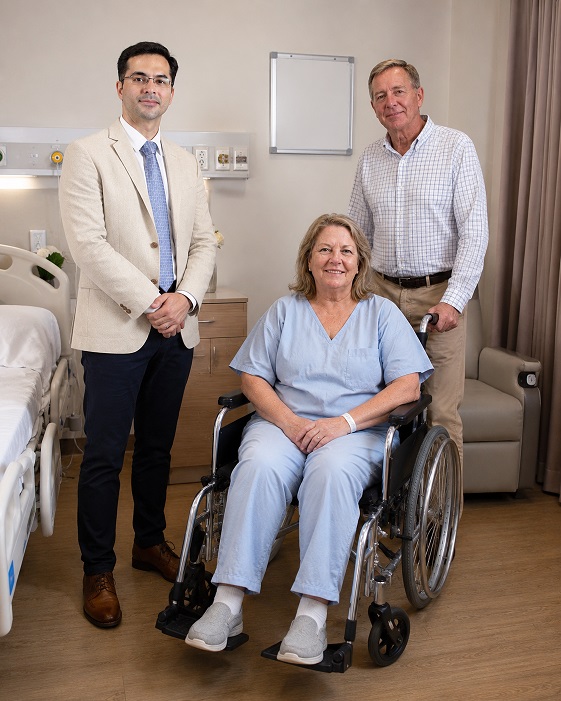
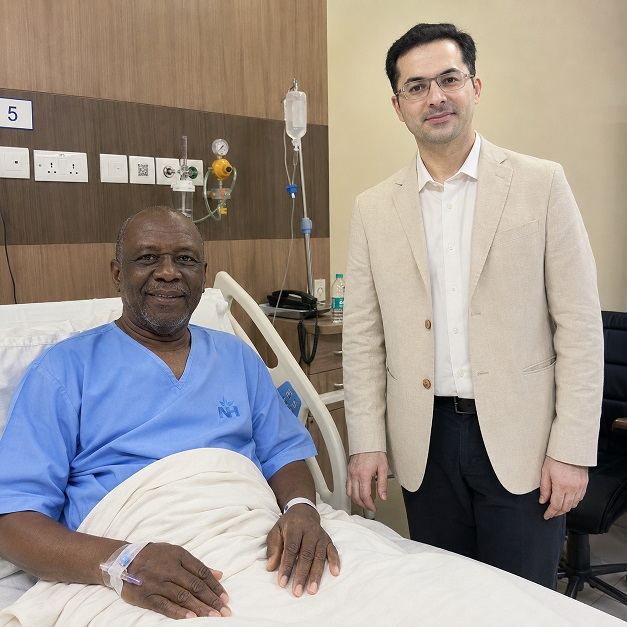
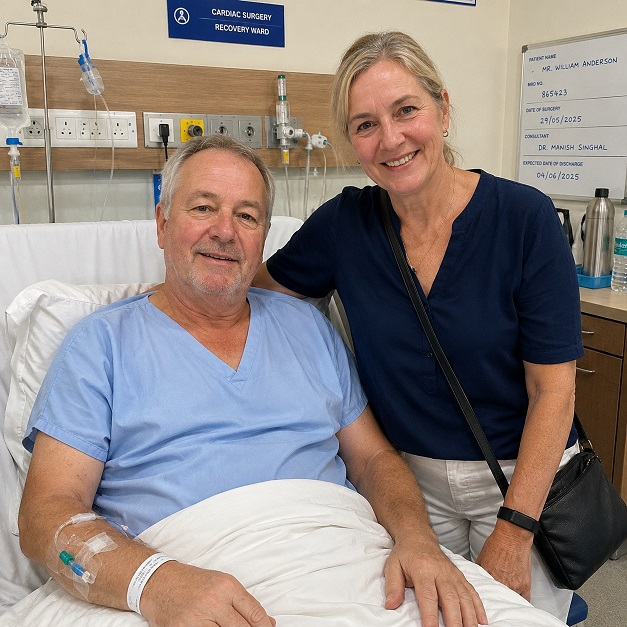
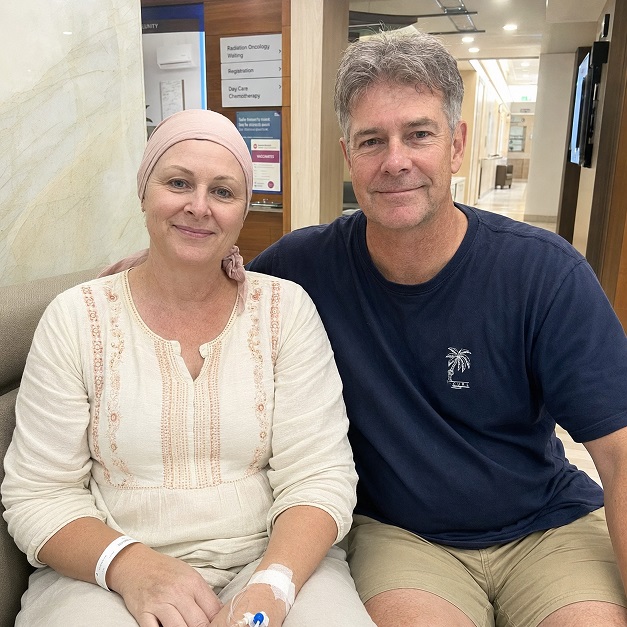
Healing Journeys of Australian Patients


Key Takeaways
- The briefing is intended for Australian families considering planned paediatric orthopaedic surgery, particularly those seeking a second opinion or facing limited specialist availability. It clearly states that a child with an acute fracture, sudden loss of movement or signs of bone or joint infection requires immediate assessment in Australia.
- Australia's specialist paediatric orthopaedic network is described as relatively small and geographically stretched. The page 2 visual shows that just four specialist units serve Victoria, while also covering Tasmania and southern New South Wales, illustrating the large catchment areas managed by a limited number of specialist teams.
- The briefing covers conditions requiring highly specific paediatric expertise, including developmental hip dysplasia, clubfoot, scoliosis and spinal deformity, limb deformity and neuromuscular conditions. It stresses that treatment must account for the child's growing bones, with some conditions requiring staged procedures or growth-friendly implants.
- India's leading paediatric orthopaedic centres are highlighted for high surgical volumes across a broad range of conditions, routine use of the Ponseti method, growth-friendly implant systems and intraoperative imaging. English-speaking specialist care and JCI/NABH-accredited hospitals are also presented as important strengths.
- The page 4 cost chart gives an illustrative private cost of approximately AUD $7,000 in India versus AUD $28,000 in Australia for a standard single-operation paediatric orthopaedic procedure. Actual costs vary considerably according to the child's condition and complexity, so the briefing recommends obtaining a written, itemised quotation before travelling.
- Families should confirm the surgeon's dedicated paediatric orthopaedic training and exact experience with the child's condition, along with a clear plan for monitoring future growth. Dedicated paediatric anaesthesia and post-operative care should also be available, particularly for procedures requiring staged treatment.
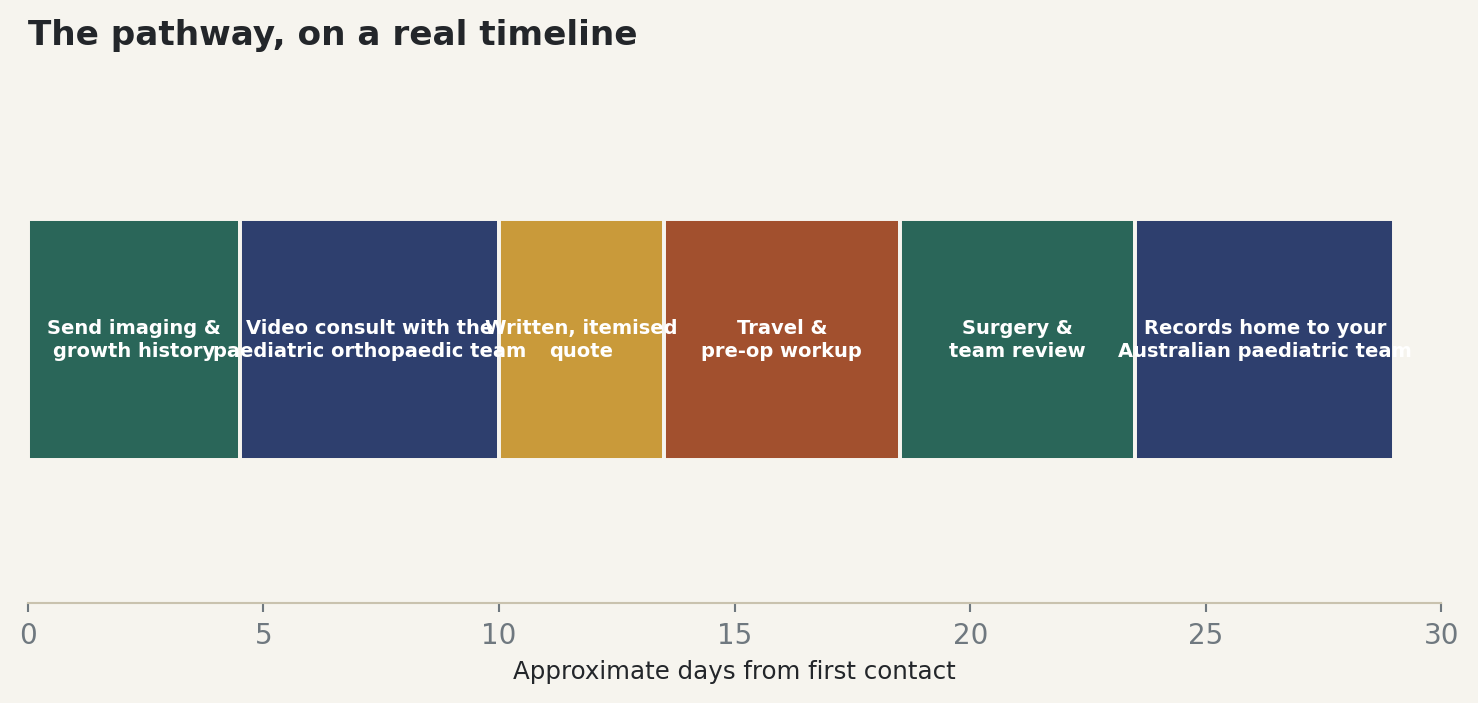
- Australian families should send the actual imaging and full growth history, inform their Australian paediatric orthopaedic team early and arrange ongoing follow-up before travelling. The page 5 pathway shows imaging and consultation followed by an itemised quote, travel and pre-operative work-up, surgery and transfer of records, with treatment potentially beginning within approximately two to three weeks.
Quick Facts
- Treatment
- Paediatric Orthopaedic Surgery
- Patients
- Australian Children and Families
- Key Specialist
- Paediatric Orthopaedic Surgeon
- Australian Capacity
- 4 Specialist Units in Victoria
- Main Conditions
- DDH, Clubfoot, Scoliosis, Limb Deformity
- India Expertise
- High-Volume Paediatric Orthopaedics
- Key Methods
- Ponseti, Growth-Friendly Implants, Intraoperative Imaging
- India Cost
- Approx. AUD $7,000
- Australia Cost
- Approx. AUD $28,000
- Quality Check
- Exact-condition surgical volume
- Growth Check
- Long-term growth monitoring plan
- Care Requirement
- Dedicated paediatric anaesthesia and post-operative care
- Quote Check
- Written, itemised quotation
- Follow-Up
- Australian Paediatric Orthopaedic Team
- Treatment Timeline
- Approximately 2–3 weeks to begin
- Visa
- Indian e-medical and e-medical attendant visas
- Author
- Dr. Dheeraj Bojwani
- Experience
- 24+ Years
In Brief
For Australian families considering planned paediatric orthopaedic surgery, the briefing highlights India's high-volume specialist centres, growth-aware surgical planning, established Ponseti treatment, growth-friendly implants and intraoperative imaging. It gives an illustrative cost of approximately AUD $7,000 in India compared with AUD $28,000 in Australia, while emphasising exact-condition expertise, dedicated paediatric care, proper imaging review, an itemised quotation and Australian follow-up.
Paediatric orthopaedic conditions, from hip dysplasia diagnosed at birth through to adolescent scoliosis, genuinely benefit from surgeons who work with children's growing bones specifically, not adult orthopaedic surgeons treating children as smaller adults. This briefing sets out an honest picture of how concentrated Australia's specialist capacity actually is, and why India's leading centres are a credible, well-evidenced option. It's worth being precise about who this is for. Many paediatric orthopaedic conditions are managed well within Australia's specialist units, and this briefing isn't written to change that. It's written for families weighing a genuine second opinion, or facing a wait shaped by how thin this specialist network genuinely is.
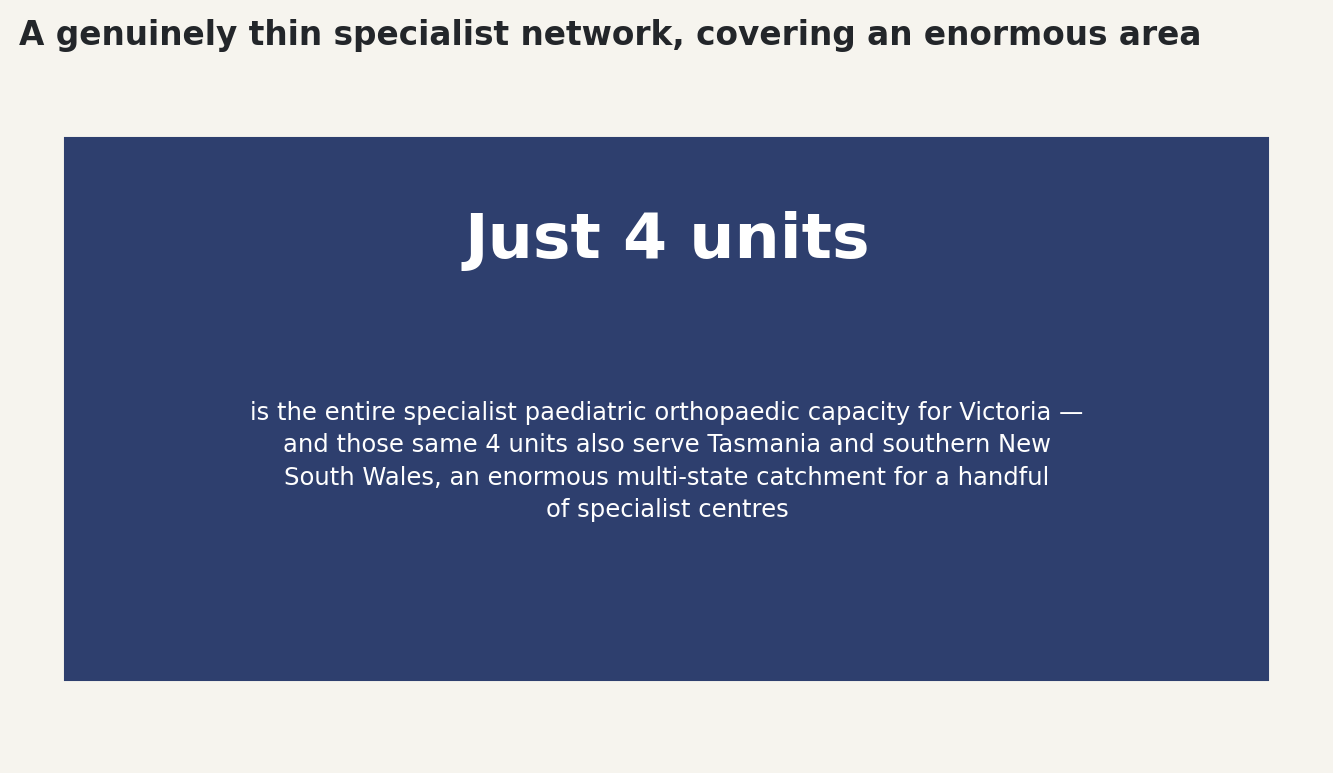
This isn't a criticism of the clinicians involved, who are frequently described by their own hospitals as amongst Australia's leading and most respected practitioners in this field. It reflects the genuine, structural reality of a relatively small national population spread across an enormous geographic area, meaning even excellent specialist care is inevitably concentrated in a small number of centres, each carrying a caseload and catchment far larger than the equivalent unit would face in a more densely populated country.
A genuinely wide range of conditions, each rewarding specific paediatric experience
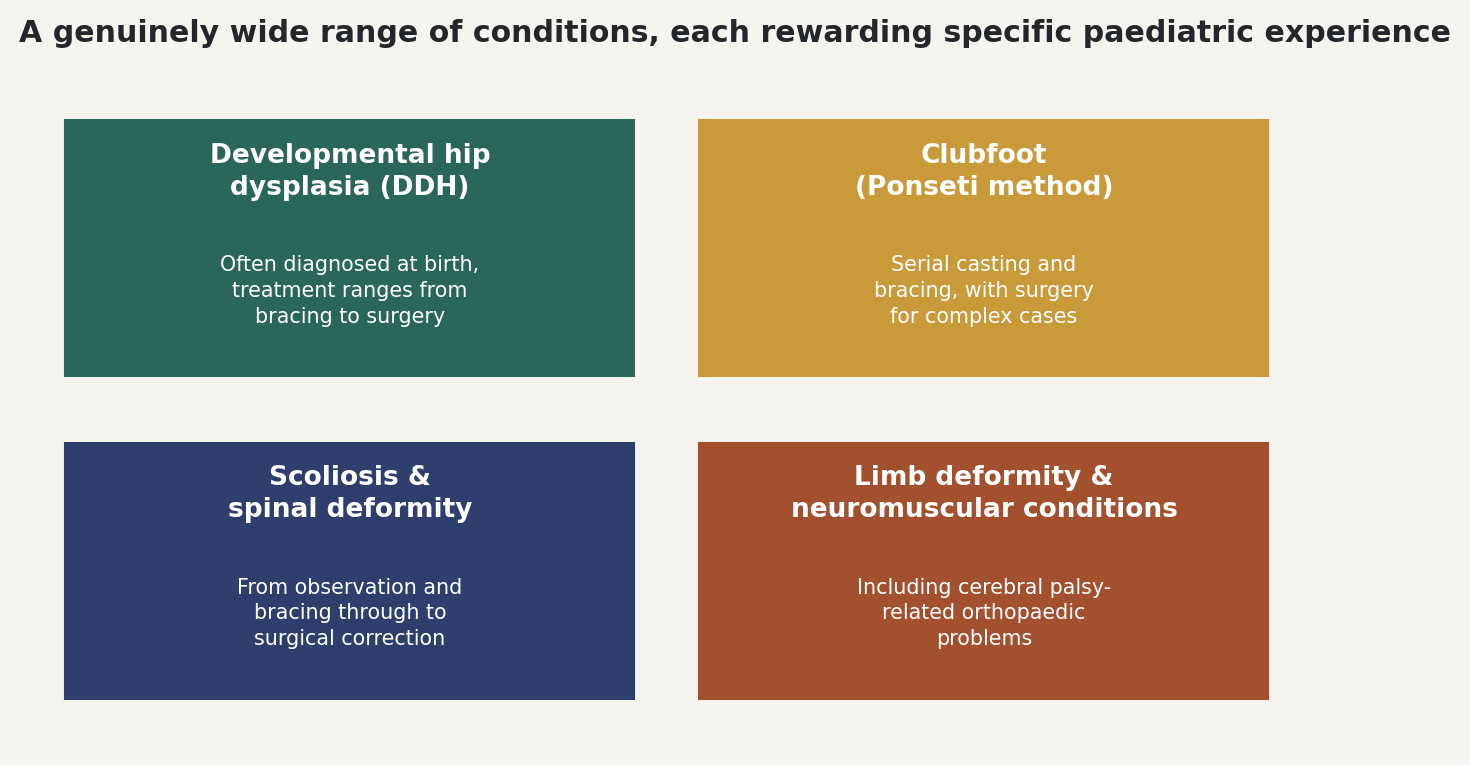
Get your full imaging and growth history together before your first overseas conversation. This breadth matters because each condition genuinely rewards specific, dedicated experience: the Ponseti method for clubfoot requires a particular, hands-on technique refined through repetition; hip dysplasia surgery must account for how the joint will continue developing for years afterward; and growth-friendly implants for younger children need to be revisited and adjusted as the child grows, a genuinely different surgical philosophy from adult orthopaedics. Scoliosis correction in a still-growing child, for instance, is a fundamentally different undertaking to the same procedure in an adult, since the surgical plan must account for years of remaining spinal growth, sometimes requiring specific growth-friendly rod systems that are lengthened periodically rather than a single, definitive fusion performed too early.
Why India specifically, not just overseas
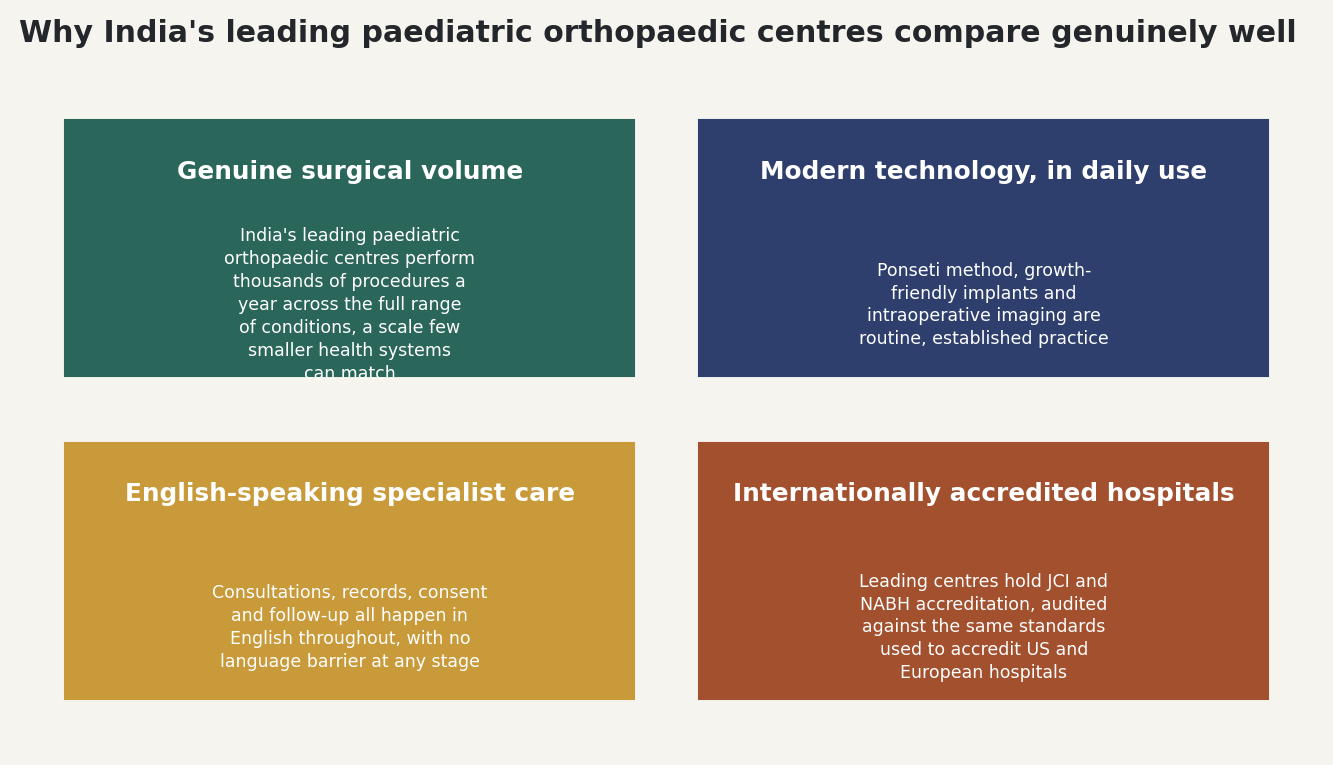
This is worth spelling out plainly. India's leading paediatric orthopaedic centres perform a volume of procedures across the full range of conditions, from routine DDH surgery through to complex limb reconstruction, that reflects the scale of the population these centres serve, a depth of experience genuinely difficult for a four-unit state network to match. This is not a compromise reached for cost and speed; for the right case, it is comparable or greater depth of specific paediatric orthopaedic experience, delivered by English-speaking specialists in internationally accredited hospitals, at a fraction of the equivalent Australian private cost.
The Ponseti method, growth-friendly implant systems, and intraoperative imaging for precise, minimally invasive correction are all established, routine practice at India's leading centres, not occasional capability reserved for the most complex cases. This matters directly for outcomes in a field where technique refined through genuine repetition makes a measurable difference.
Every part of the process, from your first video consultation through detailed treatment planning, consent discussions, and every follow-up conversation, happens in English, with specialists trained to internationally recognised standards. Combined with JCI and NABH-accredited hospital infrastructure, this represents genuinely comparable paediatric orthopaedic care, not a lesser alternative reached through necessity.
An honest cost comparison
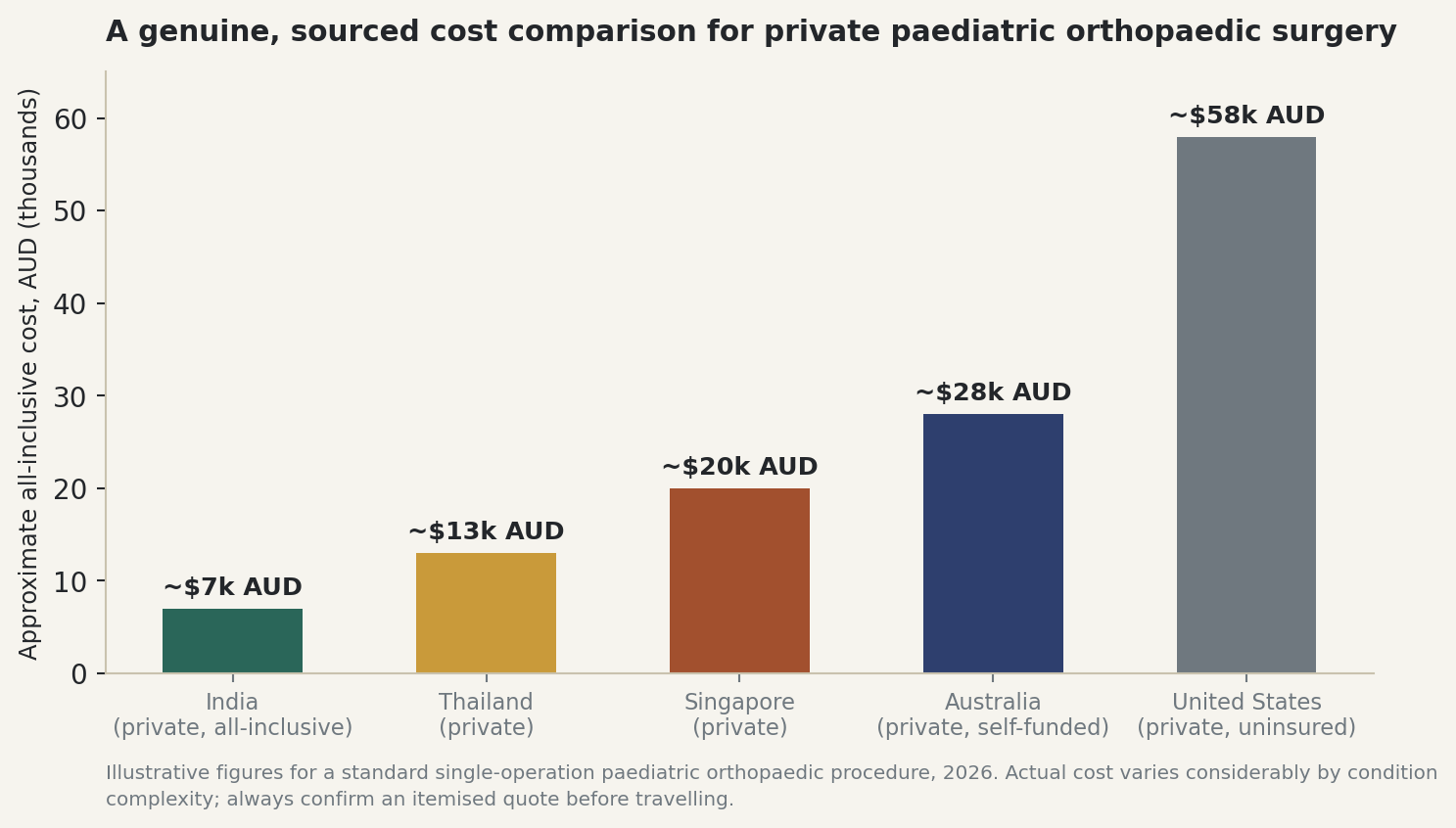
These figures are illustrative and vary considerably by condition complexity. Always insist on a written, itemised quote for your child's specific case before making any decision.
What Genuinely Good Paediatric Orthopaedic Care Looks Like, Wherever You Have Surgery
- A genuinely paediatric-specific surgeon. Confirm the surgeon's dedicated paediatric orthopaedic training, not general orthopaedic experience treating occasional younger patients.
- Volume in your child's specific condition. Ask for the team's exact volume in your child's diagnosis, not general paediatric orthopaedic volume.
- A clear plan for growth over time. For conditions needing staged treatment, ask exactly how future growth will be monitored and managed.
- Dedicated paediatric anaesthesia and post-operative care. Confirm genuinely specialised capability, not adapted general facilities.
- A clear, itemised quote before you travel. Confirm what happens if intraoperative findings change the surgical plan.
Signals worth taking seriously, wherever you're considering treatment
A few patterns are worth watching for, regardless of which country or hospital you're evaluating. A price quoted before your child's imaging has been properly reviewed should give you pause; nobody can meaningfully assess a growing skeleton, let alone price the surgery, without seeing the actual scans. Vagueness about a team's volume in your child's exact condition, rather than a confident, specific number, often tells you more than the answer itself. No clear plan for how future growth will be monitored is a genuine concern for conditions requiring staged treatment.
None of this is unique to overseas care; the same questions are worth asking of an Australian provider too. What changes when evaluating a hospital overseas is that you have fewer easy, informal ways to verify answers, which is exactly why insisting on things in writing, and on a proper video consultation with the surgeon who will actually operate, matters more than it might at home.
Australia-specific considerations most families miss
Tell your Australian paediatric orthopaedic team early, not after the fact. Most are more sympathetic to a second opinion than families expect, and an informed home team is better placed to support your child's ongoing growth monitoring.
Arrange your child's ongoing care before you leave. Confirm your Australian team is willing to manage long-term follow-up based on overseas surgical findings, particularly for conditions requiring monitoring as your child grows.
Send the imaging, not just the report. A second opinion requires the actual scans, not a typed summary.
Apply for both visas together. Australian passport holders are eligible for India's electronic medical visa, with an e-medical attendant visa for the accompanying parent.
THE QUESTIONS WORTH ASKING BEFORE YOU DECIDE
- What is the team's specific volume in my child's exact condition?
- Is the surgeon dedicated paediatric orthopaedic, not general orthopaedic?
- How will future growth be monitored and managed?
- Is dedicated paediatric anaesthesia and post-op care available?
- What does the itemised quote include, and what happens if the plan changes?
- Who will manage my child's ongoing follow-up once we're home?
A closing word
Paediatric orthopaedic conditions genuinely reward surgeons who work with growing bones specifically, and Australia's own specialist network is genuinely thin, with a handful of units covering vast, multi-state catchments. For families facing a genuine second opinion or planned surgery, the case for India is a strong one: paediatric orthopaedic teams with deep, current experience across the full range of conditions, dedicated paediatric infrastructure as standard, and treatment that can typically begin within two to three weeks, at a fraction of the equivalent Australian private cost. In 24 years of helping families navigate exactly this decision, the pattern holds firm: those who look closely at what India's leading paediatric orthopaedic centres actually offer, the volume, the growth-aware planning, the genuinely dedicated teams, generally come away reassured rather than anxious. Confirm the exact diagnosis and volume in your child's specific condition first, insist on genuinely paediatric-specific care, and travel with a written, itemised quote in hand. If you would like a second opinion on your child's imaging, send it and I will look at it properly — including telling you that your child's case should stay in Australia, which is an answer I give when it's true.
Frequently Asked Questions by Australian Patients about Paediatric Orthopaedic Surgery in India
Why might Australian families consider paediatric orthopaedic surgery in India?
Families may consider India when seeking a second opinion or evaluating planned surgery in a setting with high-volume paediatric orthopaedic teams and experience across a wide range of childhood conditions.
Why is paediatric orthopaedic expertise different from adult orthopaedics?
Children's bones are still growing, so treatment must account for future development. The briefing stresses that children should be treated by specialists who work specifically with growing bones.
What conditions are covered by the briefing?
The document covers developmental hip dysplasia, clubfoot, scoliosis and spinal deformity, limb deformity and neuromuscular orthopaedic conditions.
What is the Ponseti method?
The Ponseti method is highlighted as an established treatment for clubfoot involving serial casting and bracing, with surgery considered for more complex cases.
How much does paediatric orthopaedic surgery cost in India?
The page 4 chart gives an illustrative cost of approximately AUD $7,000 in India, compared with approximately AUD $28,000 in Australia for a standard single-operation procedure. Actual costs vary by condition and complexity.
Why is growth planning important for Australian children?
Some conditions require treatment that changes as the child grows. Families should ask how future growth will be monitored and whether implants or additional procedures may be required.
What should Australian families check about the surgeon?
They should confirm dedicated paediatric orthopaedic training and exact experience with the child's diagnosis, rather than relying on general orthopaedic experience.
What warning signs should families watch for?
A price quoted before reviewing the child's actual imaging, vague answers about experience with the exact condition and the absence of a clear future-growth plan are important concerns.
What records should Australian families send before travelling?
Families should provide the child's actual imaging and complete growth history, rather than sending only written reports, so the overseas specialist can properly assess the condition.
How should follow-up be arranged after surgery in India?
Families should inform their Australian paediatric orthopaedic team before travelling and confirm that ongoing growth monitoring and long-term follow-up can continue in Australia using the overseas surgical records.
Sources
- Monash Children's Hospital, Orthopaedics — monashchildrenshospital.org
- Women's and Children's Hospital Adelaide, Bone and Joint Surgery — wch.sa.gov.au
- National Medical Commission — nmc.org.in
- National Accreditation Board for Hospitals & Healthcare Providers — nabh.co
- High Commission of India, e-Visa — indianvisaonline.gov.in
Page Summary
This seven-page decision briefing examines paediatric orthopaedic surgery in India for Australian families, focusing on Australia's geographically concentrated specialist network, the importance of condition-specific paediatric expertise and India's experience across conditions such as hip dysplasia, clubfoot, scoliosis and limb deformity. It includes an illustrative India-versus-Australia cost comparison, quality and growth-monitoring checks, warning signs, Australian follow-up requirements, visa considerations and a practical pathway for planned surgery.
Citation Block
| Field | Information |
|---|---|
| Topic | Paediatric Orthopaedic Surgery in India for Australian Patients |
| Treatment | Paediatric Orthopaedic Surgery |
| Patients | Australian Children and Families |
| Specialist | Paediatric Orthopaedic Surgeon |
| Australian Capacity | 4 specialist units serving Victoria |
| Main Conditions | DDH, Clubfoot, Scoliosis, Limb Deformity and Neuromuscular Conditions |
| India Expertise | High-volume paediatric orthopaedic surgery |
| Key Methods | Ponseti method, growth-friendly implants and intraoperative imaging |
| India Cost | Approx. AUD $7,000 |
| Australia Cost | Approx. AUD $28,000 |
| Quality Check | Exact-condition surgical volume |
| Growth Check | Long-term growth monitoring and management |
| Care Requirement | Dedicated paediatric anaesthesia and post-operative care |
| Quote Requirement | Written, itemised quotation |
| Warning Signs | Pricing before imaging review, vague condition-specific volume or no growth plan |
| Pre-Travel Records | Actual imaging and growth history |
| Follow-Up | Australian paediatric orthopaedic team |
| Patient Journey | Imaging → consultation → quote → travel/pre-op → surgery → records home |
| Decision Principle | Prioritise paediatric-specific expertise, growth-aware planning and exact-condition experience |

Our Mission Statement
Our mission is to place patients at the centre of every healthcare decision by providing trustworthy, evidence-based, and unbiased medical information. We believe that informed patients make better decisions. Backed by personalised guidance from our experienced advisory team, we help patients understand their treatment options, compare them objectively, and confidently choose the path that best suits their medical needs and personal circumstances.
Patient Testimonials from Australia
Ready to Take the First Step?
Share your Medical Reports with our Healthcare Managers Today and Get a FREE CONSULTATION, a Personalized Treatment Plan, and Complete Support from Arrival to Recovery.
Get Your Free ConsultationAreas We Serve
This resource has been thoughtfully prepared for patients from Australia who are considering medical treatment in India. We also welcome patients from the wider region in the countries mentioned below-
We regularly assist patients from:
- Fiji
- Vanuatu
- Samoa
- Tonga
- Kiribati
- Nauru
- Tuvalu
- New Zealand
- Solomon Islands
- Papua New Guinea
Many of the insights, treatment pathways, hospital recommendations, travel guidance, and patient support services described here are equally relevant and may be used as a reference when planning treatment in India.
From Australia to India: Your Complete Patient Support Guide
- Cancer Treatment in India for Australian Patients: PBS Gap & Drug Costs
- Cardiac Surgery in India for Australian Patients: TAVI Access & Costs
- Dental Treatment & Surgery in India for Australian Patients
- Hip Surgery in India for Australian Patients: Costs, Waits & Implant Choice
- Knee Surgery in India for Australian Patients: Costs, Waits & Implants
- Neurosurgery in India for Australian Patients: Volume, Costs & When Not to Travel
- Spine Surgery in India for Australian Patients: Costs, Indications & Second Opinions (2026)
- Best Bariatric & Weight Loss Surgeons in India for Australian Patients
- Best Cancer Surgeons & Hospitals in India for Australian Patients
- Best Cardiac Surgeons & Hospitals in India for Australian Patients
- Best Cosmetic Surgeons & Hospitals in India for Australian Patients
- Best Dental Surgeons & Clinics in India for Australian Patients
- Best Hip Surgeons & Hospitals in India for Australian Patients
- Best Knee Surgeons & Hospitals in India for Australian Patients
- Best Scoliosis Surgeons & Hospitals in India for Australian Patients
- Best Spine Surgeons & Hospitals in India for Australian Patients
- Selecting the Best Urosurgery and Reconstructive Urology Centres in India for Australian Patients
- Selecting the Best Bone Marrow Transplant Centres in India for Australian Patients