

Pancreatic Cancer Surgery in India: A Decision Briefing for Australian Patients
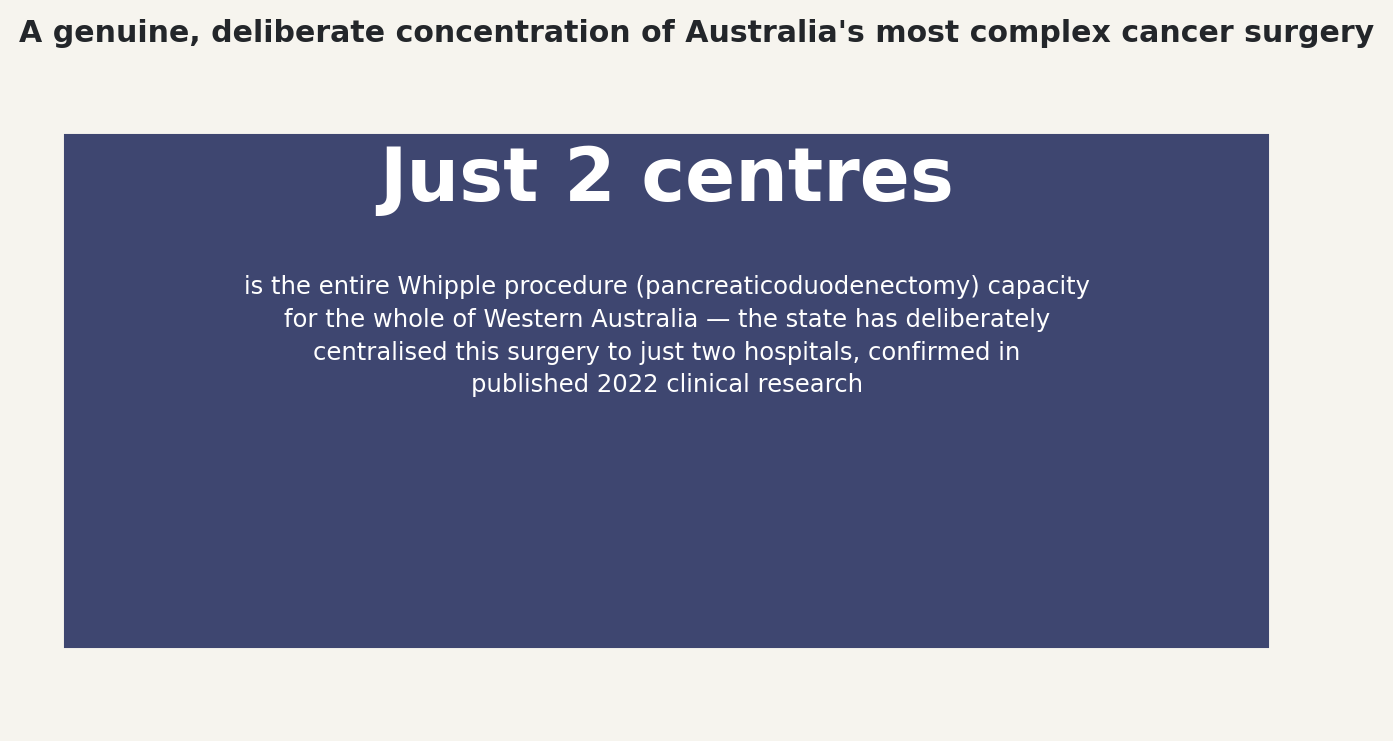
A genuine, deliberate concentration of Australia's most complex cancer surgery, published research linking low surgical volume to under-resection, and why India's leading pancreatic surgery centres offer a credible, well-evidenced alternative.
In 24 years of guiding international patients into Indian hospitals, this deliberate centralisation is genuinely significant. Western Australia didn't concentrate this specific surgery by accident; it did so because decades of international research, referenced directly in the Australian study confirming this centralisation, consistently show lower mortality and better outcomes at high-volume centres for this exact operation. The state's own surgical leadership made a considered decision that concentrated expertise matters more than local convenience for a procedure this complex.
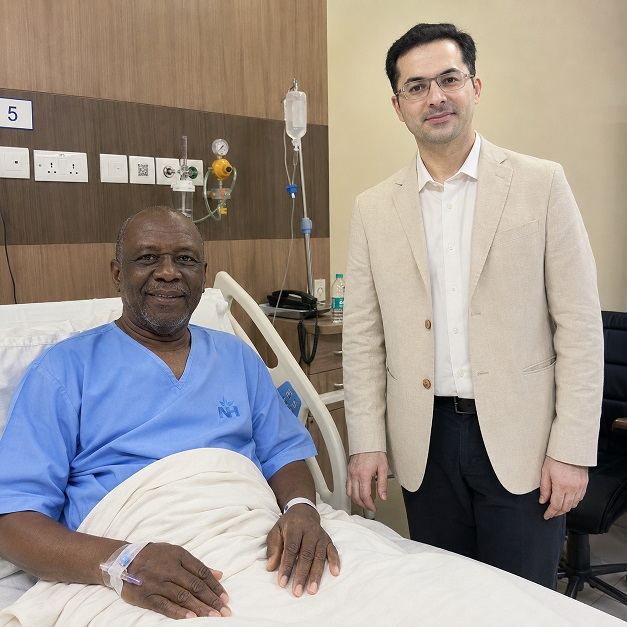
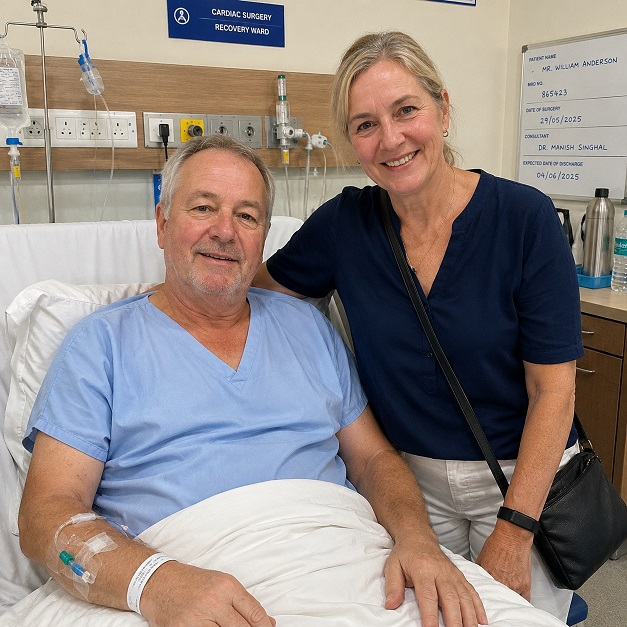
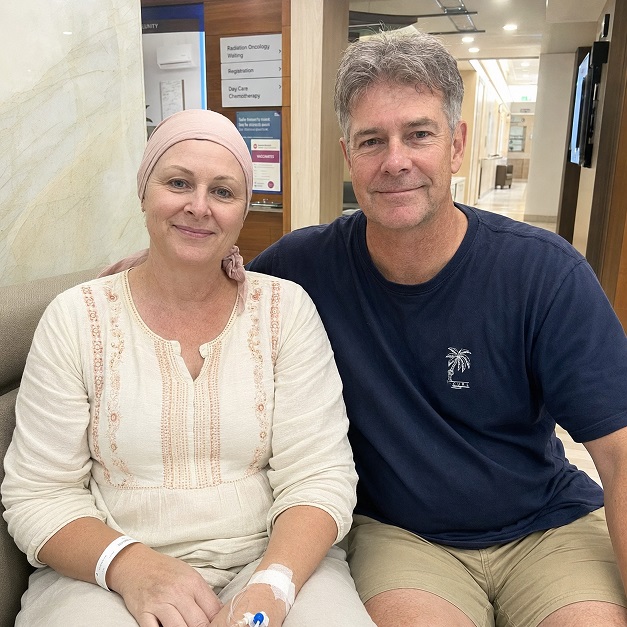
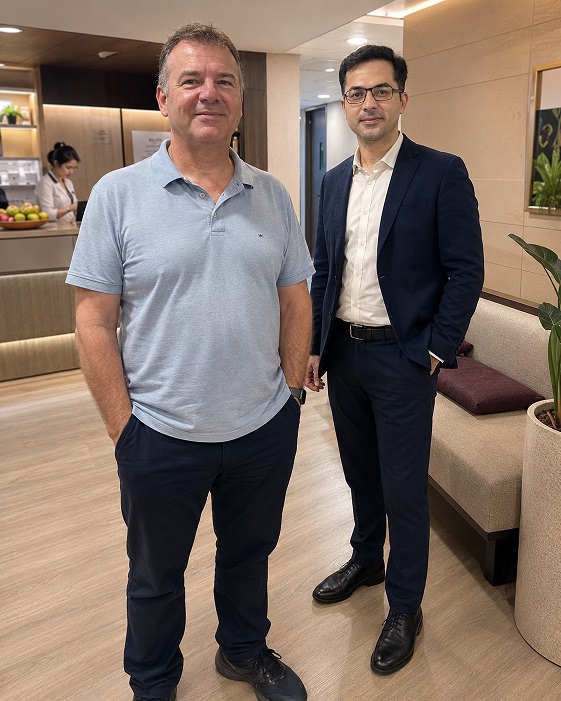
Healing Journeys of Australian Patients


Key Takeaways
- The briefing is intended for Australian patients whose surgical oncologist has confirmed that their pancreatic tumour is resectable or potentially resectable and who are considering where surgery should be performed. It focuses particularly on the Whipple procedure, one of the most technically demanding cancer operations.
- Australia has deliberately concentrated Whipple surgery in specialist centres because published evidence links higher surgical volume with better outcomes. The briefing notes that Western Australia has centralised its entire Whipple capacity to just two hospitals, reflecting the importance placed on concentrated expertise.
- The document also highlights research showing that geography and hospital volume can influence whether potentially suitable patients undergo pancreatic cancer surgery. It describes higher resection rates in high-volume regions and under-resection in lower-volume settings, reinforcing the importance of asking about the treating team's specific Whipple experience.
- India's leading pancreatic and hepatobiliary centres are presented as having high annual Whipple volumes, advanced pancreatic imaging, minimally invasive techniques where appropriate, English-speaking specialists and JCI/NABH-accredited hospital infrastructure. The briefing stresses that surgical volume is more important than technology alone for this complex operation.
- The page 4 cost chart gives an illustrative private cost of approximately AUD $14,000 in India versus AUD $55,000 in Australia for a standard Whipple package. Costs can vary significantly according to disease extent and ICU requirements, so patients should obtain a written, itemised quotation for their individual case.
- Patients should verify the surgeon's specific annual Whipple volume, obtain an honest assessment of tumour resectability based on actual staging imaging and ensure that the case is reviewed by a genuine multidisciplinary tumour board. Dedicated ICU capability and a clear plan for unexpected changes during surgery are also important.
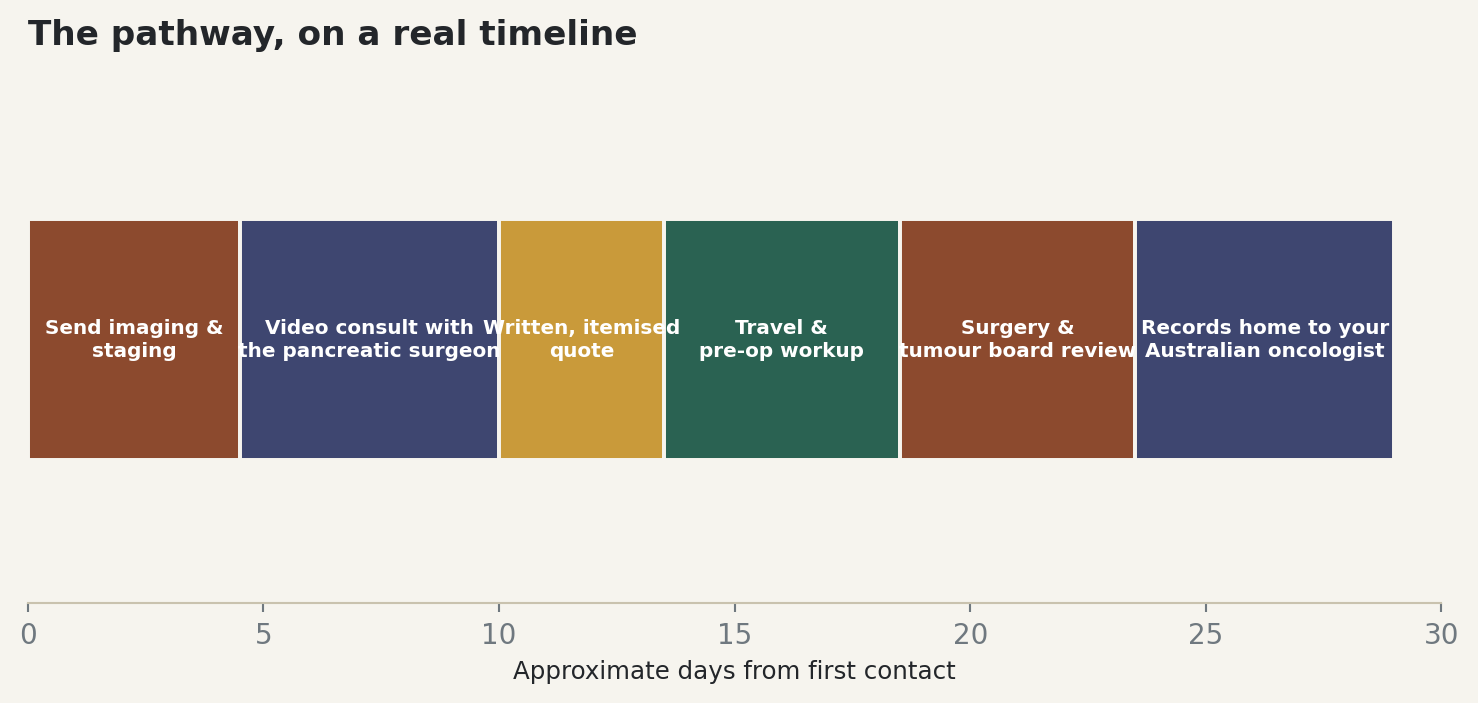
- The page 5 pathway shows a practical sequence from staging and imaging, through video consultation, written quotation, travel and pre-operative work-up, surgery and tumour-board review, to records transferred to the Australian oncology team. The briefing indicates that treatment may typically begin within approximately two to three weeks for suitable planned cases.
Quick Facts
- Treatment
- Pancreatic Cancer Surgery
- Main Procedure
- Whipple Procedure
- Patients
- Australian Patients
- Key Specialist
- Hepatobiliary / Pancreatic Surgeon
- Australian Capacity
- 2 Whipple Centres in Western Australia
- India Expertise
- High-Volume Whipple Surgery
- Assessment
- Tumour Staging and Resectability
- Team Requirement
- Multidisciplinary Tumour Board
- India Cost
- Approx. AUD $14,000
- Australia Cost
- Approx. AUD $55,000
- ICU Requirement
- Dedicated Post-Operative ICU
- Quality Check
- Annual Whipple Volume
- Quote Check
- Written, Itemised Quotation
- Pre-Travel Records
- Staging Imaging and Tumour Markers
- Follow-Up
- Australian Oncology Team
- Timeline
- Approximately 2–3 Weeks to Begin
- Visa
- Indian e-Medical and e-Medical Attendant Visas
- Author
- Dr. Dheeraj Bojwani
- Experience
- 24+ Years
In Brief
For Australian patients with resectable or potentially resectable pancreatic cancer, the briefing highlights India's high-volume pancreatic surgery centres and their experience with Whipple procedures, multidisciplinary assessment and dedicated ICU care. It gives an illustrative cost of approximately AUD $14,000 in India compared with AUD $55,000 in Australia, while emphasising tumour resectability, exact Whipple volume, staging review, written quotations and continued oncology follow-up in Australia.
Pancreatic cancer surgery, particularly the Whipple procedure, is genuinely one of the most technically demanding operations in all of surgery, and Australia's own surgical community has spent decades studying exactly how much surgical volume matters for its outcomes. This briefing sets out an honest picture of what that research has found, and why India's leading centres are a credible, well-evidenced option. It's worth being precise about who this is for. This briefing is written for patients whose surgical oncologist has confirmed their tumour is resectable, or potentially resectable, weighing where that surgery should happen, given what the volume-outcome evidence genuinely shows.
The Whipple procedure itself explains why this matters so much. It involves removing the head of the pancreas, part of the small intestine, the gallbladder, and sometimes part of the stomach, then reconstructing the digestive tract to restore normal function, a single operation combining several genuinely complex surgical steps that typically takes six to eight hours. Complications, including pancreatic leak, delayed gastric emptying, and bleeding, remain genuinely common even at excellent centres, which is precisely why the surgical team's experience in recognising and managing these complications quickly matters as much as the surgery itself.
This is not a uniquely Australian pattern. Studies from the United Kingdom, the Netherlands, Japan and Finland have each found the same underlying relationship between hospital volume and outcomes for this specific operation, a genuinely consistent finding across health systems with very different structures, which is exactly why Australia's own surgical community has taken it seriously enough to act on.
Published research: where you live can genuinely shape whether surgery happens at all
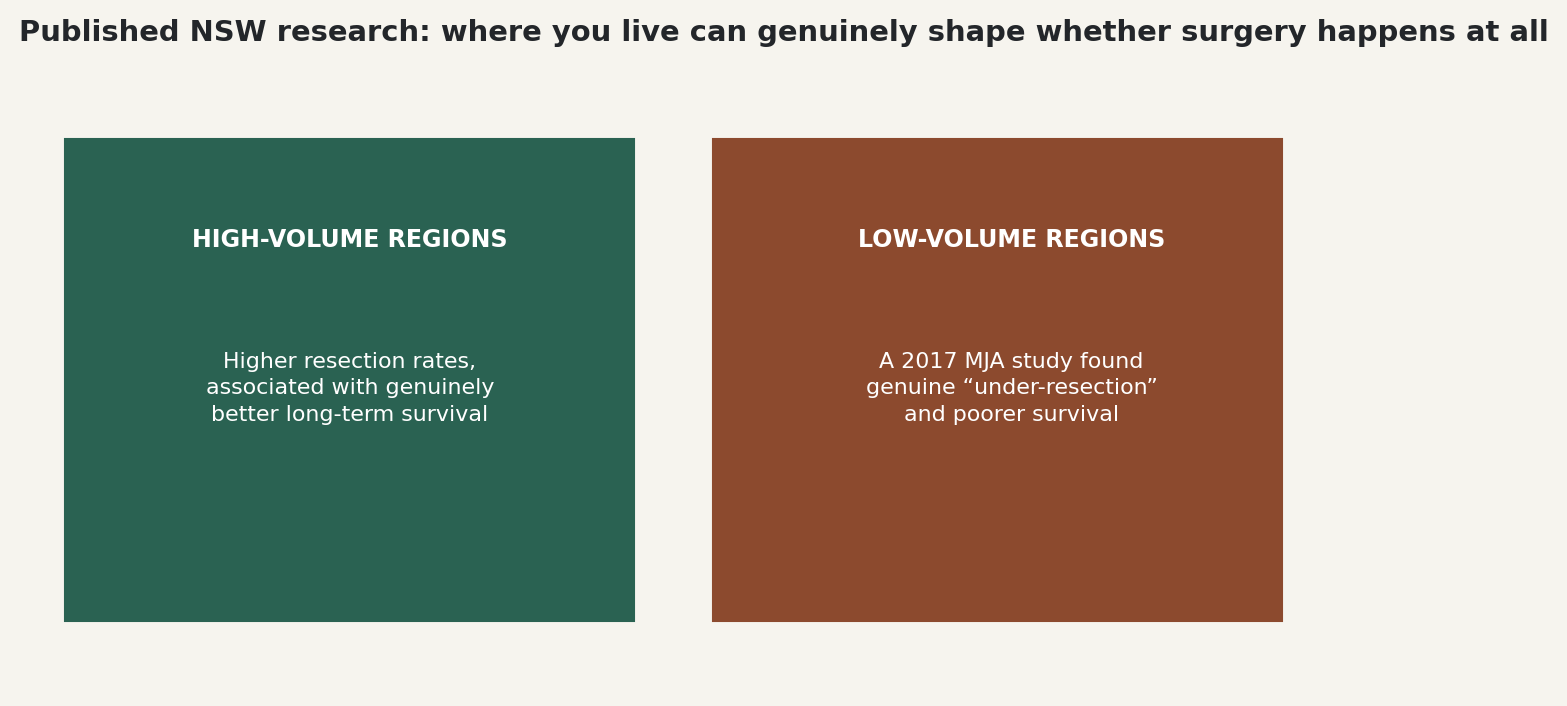
Get your full staging imaging and tumour markers together before your first overseas conversation. This finding, published in the Medical Journal of Australia and referenced again in 2026 research, is genuinely important: it suggests that in lower-volume regions, some patients who could potentially benefit from surgery simply don't receive it, a pattern the researchers describe directly as under-resection. This isn't about surgeons making poor decisions; it reflects how genuinely difficult it is to maintain confident, high-level expertise in a rare, technically demanding operation without sufficient case volume to sustain it.
A separate 2025 study of Queensland patients with unresectable disease found that where a person lived, and which type of facility treated them, genuinely influenced which chemotherapy regimen they received, a further illustration of how much geography and facility type can shape the treatment pathway, beyond clinical factors alone. Neither of these findings should be read as suggesting patients in regional Australia receive poor care; the clinicians treating them are skilled and dedicated. What the research genuinely shows is a structural pattern, playing out consistently across multiple studies and years, where geography and facility volume shape outcomes independently of clinical need, exactly the kind of gap worth understanding clearly before deciding where your own surgery should happen.
Why India specifically, not just overseas
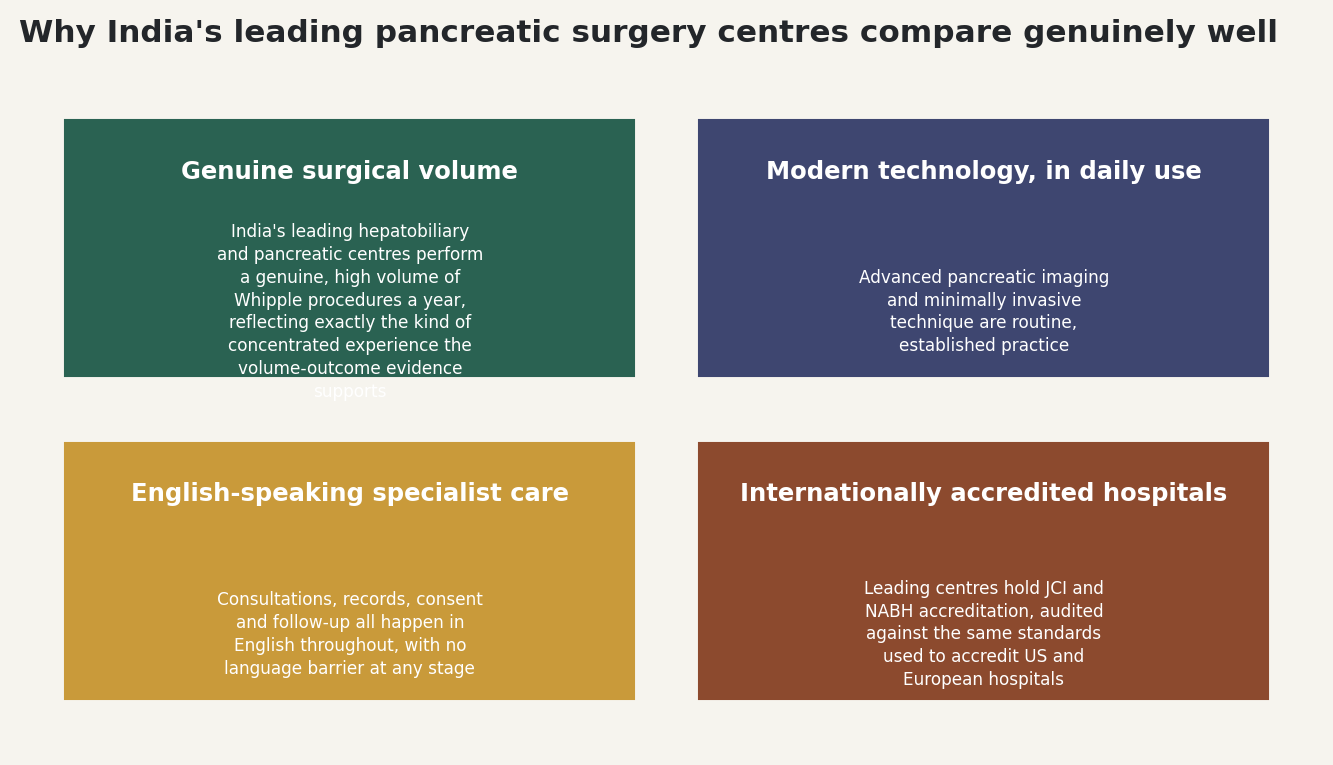
This is worth spelling out plainly. India's leading hepatobiliary and pancreatic surgery centres perform a genuine, high volume of Whipple procedures annually, reflecting exactly the kind of concentrated experience the volume-outcome evidence consistently supports. This is not a compromise reached for cost and speed; for the right case, it is comparable or greater depth of specific surgical experience, delivered by English-speaking specialists in internationally accredited hospitals, at a fraction of the equivalent Australian private cost.
Advanced pancreatic imaging for precise staging, and minimally invasive technique where appropriate, are established, routine practice at India's leading centres. This matters directly for outcomes in a field where the published Australian evidence itself confirms that concentrated, high-volume experience is what drives better results, not simply access to modern equipment alone.
Every part of the process, from your first video consultation through detailed staging review, consent discussions, and every follow-up conversation, happens in English, with specialists trained to internationally recognised standards. Combined with JCI and NABH-accredited hospital infrastructure, this represents genuinely comparable pancreatic surgical care, not a lesser alternative reached through necessity.
An honest cost comparison
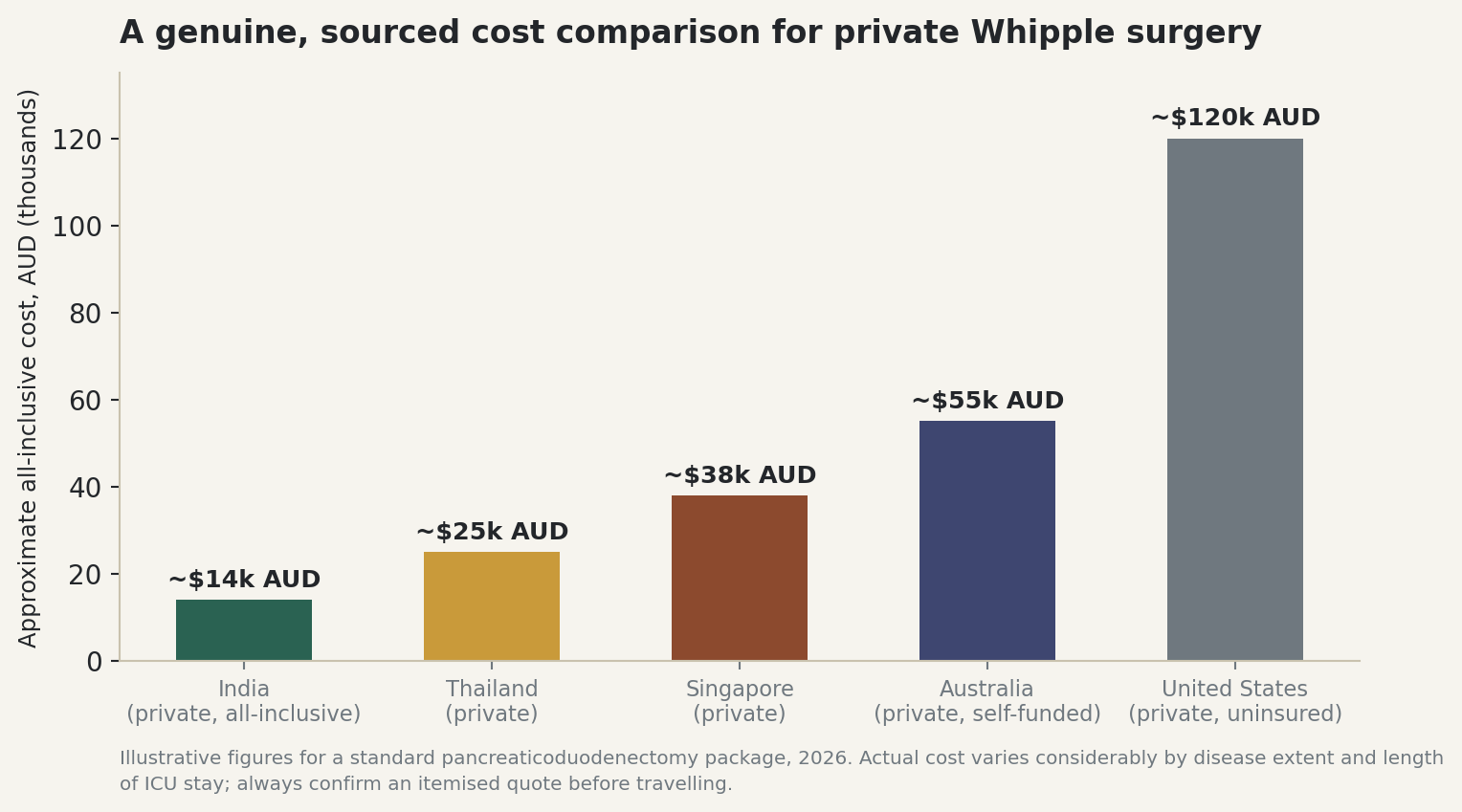
These figures are illustrative and vary considerably by disease extent and length of ICU stay, but the pattern holds consistently. Always insist on a written, itemised quote for your specific case before making any decision.
What Genuinely Good Pancreatic Surgical Care Looks Like, Wherever You Have Surgery
- Genuine, dedicated volume in Whipple procedures specifically. Ask for the surgical team's own annual volume in this exact operation.
- An honest resectability assessment. Ask directly what makes your specific tumour resectable, borderline, or not, based on your actual staging imaging.
- A real multidisciplinary tumour board. Given the complexity and stakes involved, your case should be reviewed by a genuine team, not one surgeon alone.
- Dedicated ICU capability. This is major surgery with a genuinely demanding recovery; confirm specialised post-operative capacity is available.
- A clear, itemised quote before you travel. Confirm what happens if intraoperative findings change the extent of surgery needed.
Signals worth taking seriously, wherever you're considering treatment
A few patterns are worth watching for, regardless of which country or hospital you're evaluating. Vagueness about a team's specific annual Whipple volume, rather than a confident, specific number, often tells you more than the answer itself, particularly given how directly this connects to outcomes in the published research. A firm resectability verdict delivered without a genuine multidisciplinary review deserves a direct question. A price quoted before your full staging imaging has been properly reviewed is another signal worth pausing on.
None of this is unique to overseas care; the same questions are worth asking of an Australian provider too. What changes when evaluating a hospital overseas is that you have fewer easy, informal ways to verify answers, which is exactly why insisting on things in writing, and on a proper video consultation with the surgeon who will actually operate, matters more than it might at home.
Australia-specific considerations most patients miss
Ask directly about your treating hospital's specific Whipple volume. Given the published evidence, this single question is genuinely one of the most important you can ask, wherever you're being treated.
Tell your Australian surgical oncology team early, not after the fact. Most are more sympathetic to a second opinion than patients expect, especially for a procedure this complex.
Arrange your ongoing oncology care before you leave. Confirm your Australian team is willing to continue follow-up based on overseas surgical findings.
Apply for both visas together. Australian passport holders are eligible for India's electronic medical visa, with an e-medical attendant visa for whoever travels with you.
THE QUESTIONS WORTH ASKING BEFORE YOU DECIDE
- What is your team's specific annual volume in Whipple procedures?
- What specifically makes my tumour resectable, based on my staging imaging?
- Will my case go before a genuine multidisciplinary tumour board?
- What dedicated ICU capability supports my recovery?
- What does the itemised quote include, and what happens if the plan changes?
- Who will manage my ongoing oncology follow-up once I'm home?
A closing word
Pancreatic cancer surgery rewards concentrated, high-volume surgical expertise more directly than almost any procedure in this series, and Australia's own published research confirms exactly why the country has moved toward centralising this specific operation. For patients confirmed as genuine candidates for resection, the case for India is a strong one: pancreatic surgical teams with deep, established volume in this exact procedure, dedicated ICU capability as standard, and treatment that can typically begin within two to three weeks, at a fraction of the equivalent Australian private cost. In 24 years of helping patients navigate exactly this decision, the pattern holds firm: those who look closely at what India's leading pancreatic surgery centres actually offer, the volume, the technical precision, the genuinely coordinated multidisciplinary teams, generally come away reassured rather than anxious. Ask about surgical volume first and weight it heavily, given what the evidence consistently shows, and travel with a written, itemised quote in hand. If you would like a second opinion on your staging imaging, send it and I will look at it properly.
Frequently Asked Questions by Australian Patients about Pancreatic Cancer Surgery in India
Why might Australian patients consider pancreatic cancer surgery in India?
Australian patients with resectable or potentially resectable pancreatic cancer may consider India when evaluating high-volume pancreatic surgery centres and seeking another specialist opinion on where surgery should be performed.
Why is surgical volume particularly important for Whipple surgery?
The Whipple procedure is technically complex, and the briefing highlights Australian and international evidence linking higher hospital volume with better outcomes. This makes the team's specific Whipple experience an important selection criterion.
How many Whipple centres are there in Western Australia?
The briefing states that just two hospitals provide the entire Whipple procedure capacity for Western Australia, reflecting deliberate centralisation of this complex surgery.
What should Australian patients know about tumour resectability?
Patients should ask specifically why their tumour is considered resectable, borderline or unresectable, based on their actual staging imaging. The briefing recommends a genuine multidisciplinary review rather than relying on one surgeon's assessment alone.
How much does Whipple surgery cost in India?
The page 4 chart gives an illustrative private cost of approximately AUD $14,000 in India, compared with approximately AUD $55,000 in Australia. Actual costs vary with disease extent and ICU requirements.
What facilities should Australian patients check before choosing an Indian hospital?
Patients should confirm dedicated ICU capability, high-volume pancreatic surgery experience, multidisciplinary tumour-board review and appropriate pancreatic imaging and surgical facilities.
What records should Australian patients provide before an overseas consultation?
Patients should prepare their full staging imaging and tumour markers before the first overseas consultation so that the pancreatic surgeon can properly assess the case.
What warning signs should Australian patients watch for?
Vague answers about the team's annual Whipple volume, a firm resectability decision without multidisciplinary review and a price quoted before full staging imaging has been assessed are important warning signs.
How should follow-up be managed after pancreatic surgery in India?
Patients should arrange ongoing oncology care in Australia before travelling and confirm that their Australian team is willing to continue follow-up using the overseas surgical findings and records.
What questions should Australian patients ask before choosing a Whipple surgeon?
They should ask about the team's annual Whipple volume, the basis for their tumour's resectability assessment, multidisciplinary tumour-board review, ICU capability, the contents of the itemised quotation and who will manage oncology follow-up after returning to Australia.
Sources
- Yau et al., Transitioning to a High Volume Centre for Whipple Pancreaticoduodenectomy in Western Australia, ANZ Journal of Surgery, 2022 — doi.org/10.1111/ans.17367
- Mok et al., Temporal Trends in Pancreatic Cancer in New South Wales, Australia, ANZ Journal of Surgery, 2026 — doi.org/10.1111/ans.70559
- National Medical Commission — nmc.org.in
- National Accreditation Board for Hospitals & Healthcare Providers — nabh.co
- High Commission of India, e-Visa — indianvisaonline.gov.in
Page Summary
This six-page decision briefing examines pancreatic cancer surgery in India for Australian patients whose tumours are confirmed as resectable or potentially resectable. It focuses on the strong volume-outcome evidence surrounding Whipple surgery, Australia's deliberate centralisation of complex pancreatic surgery, India's high-volume pancreatic centres, illustrative treatment costs, multidisciplinary tumour assessment, ICU requirements, warning signs, Australian oncology follow-up and the practical pathway for arranging planned surgery.
Citation Block
| Field | Information |
|---|---|
| Topic | Pancreatic Cancer Surgery in India for Australian Patients |
| Treatment | Pancreatic Cancer Surgery / Whipple Procedure |
| Patients | Australian Patients |
| Specialist | Hepatobiliary / Pancreatic Surgeon |
| Australian Capacity | 2 Whipple centres in Western Australia |
| Main Assessment | Tumour staging and resectability |
| India Expertise | High-volume Whipple surgery |
| Technology | Advanced pancreatic imaging and minimally invasive techniques where appropriate |
| Team Requirement | Multidisciplinary tumour board |
| India Cost | Approx. AUD $14,000 |
| Australia Cost | Approx. AUD $55,000 |
| ICU Requirement | Dedicated post-operative ICU capability |
| Quality Check | Specific annual Whipple volume |
| Warning Signs | Vague surgical volume, firm resectability verdict without multidisciplinary review or pricing before imaging review |
| Quote Requirement | Written, itemised quotation |
| Pre-Travel Records | Full staging imaging and tumour markers |
| Follow-Up | Australian oncology team |
| Patient Journey | Imaging → consultation → quote → travel/pre-op → surgery → records home |
| Decision Principle | Prioritise high-volume Whipple expertise, accurate staging and multidisciplinary care |


Our Mission Statement
Our mission is to place patients at the centre of every healthcare decision by providing trustworthy, evidence-based, and unbiased medical information. We believe that informed patients make better decisions. Backed by personalised guidance from our experienced advisory team, we help patients understand their treatment options, compare them objectively, and confidently choose the path that best suits their medical needs and personal circumstances.
Patient Testimonials from Australia


Ready to Take the First Step?
Share your Medical Reports with our Healthcare Managers Today and Get a FREE CONSULTATION, a Personalized Treatment Plan, and Complete Support from Arrival to Recovery.
Get Your Free ConsultationAreas We Serve
This resource has been thoughtfully prepared for patients from Australia who are considering medical treatment in India. We also welcome patients from the wider region in the countries mentioned below-
We regularly assist patients from:
- Fiji
- Vanuatu
- Samoa
- Tonga
- Kiribati
- Nauru
- Tuvalu
- New Zealand
- Solomon Islands
- Papua New Guinea
Many of the insights, treatment pathways, hospital recommendations, travel guidance, and patient support services described here are equally relevant and may be used as a reference when planning treatment in India.
From Australia to India: Your Complete Patient Support Guide
- Cancer Treatment in India for Australian Patients: PBS Gap & Drug Costs
- Cardiac Surgery in India for Australian Patients: TAVI Access & Costs
- Dental Treatment & Surgery in India for Australian Patients
- Hip Surgery in India for Australian Patients: Costs, Waits & Implant Choice
- Knee Surgery in India for Australian Patients: Costs, Waits & Implants
- Neurosurgery in India for Australian Patients: Volume, Costs & When Not to Travel
- Spine Surgery in India for Australian Patients: Costs, Indications & Second Opinions (2026)
- Best Bariatric & Weight Loss Surgeons in India for Australian Patients
- Best Cancer Surgeons & Hospitals in India for Australian Patients
- Best Cardiac Surgeons & Hospitals in India for Australian Patients
- Best Cosmetic Surgeons & Hospitals in India for Australian Patients
- Best Dental Surgeons & Clinics in India for Australian Patients
- Best Hip Surgeons & Hospitals in India for Australian Patients
- Best Knee Surgeons & Hospitals in India for Australian Patients
- Best Scoliosis Surgeons & Hospitals in India for Australian Patients
- Best Spine Surgeons & Hospitals in India for Australian Patients
- Selecting the Best Urosurgery and Reconstructive Urology Centres in India for Australian Patients
- Selecting the Best Bone Marrow Transplant Centres in India for Australian Patients