

15 Frequently Asked Questions — Parkinson's Treatment and DBS Surgery in India for Australian Patients
Parkinson's disease is a progressive neurological condition that can affect movement, balance, coordination and other functions. Treatment may include medicines, physiotherapy, exercise, lifestyle management and, for selected patients with advanced Parkinson's disease, Deep Brain Stimulation (DBS) surgery. DBS is a form of neuromodulation in which electrodes are implanted into specific areas of the brain and connected to an implanted pulse generator. The system delivers controlled electrical stimulation to help manage selected Parkinson's symptoms. For Australian patients, India may provide access to experienced movement-disorder neurologists, functional neurosurgeons, DBS programming teams and advanced neuromodulation technology. However, DBS is not suitable for every person with Parkinson's disease. Careful assessment is required before deciding whether surgery is appropriate.
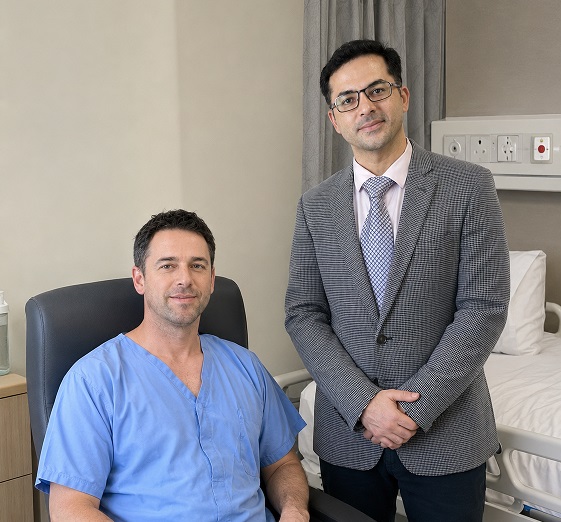
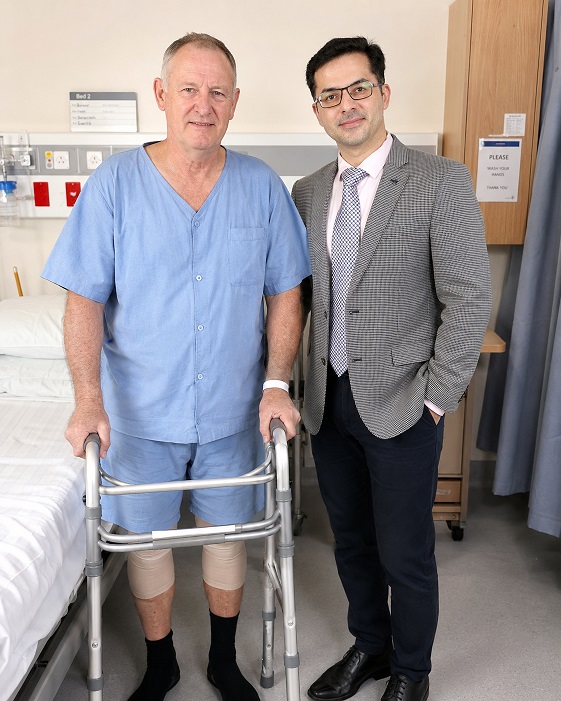
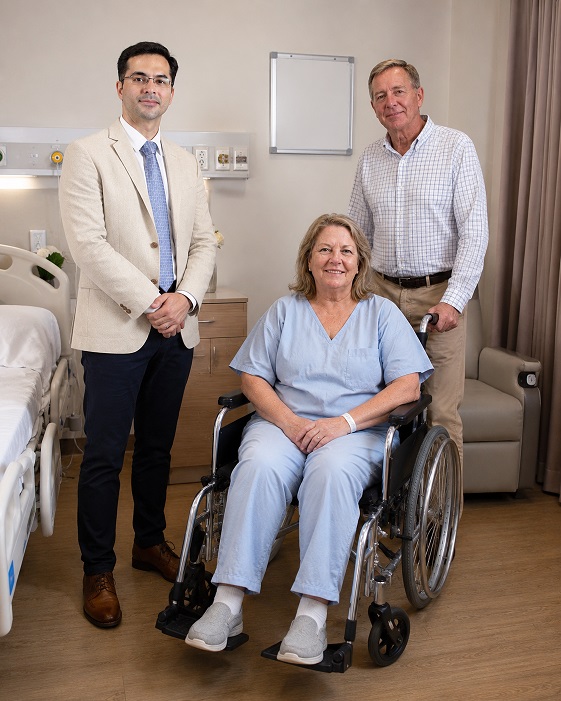
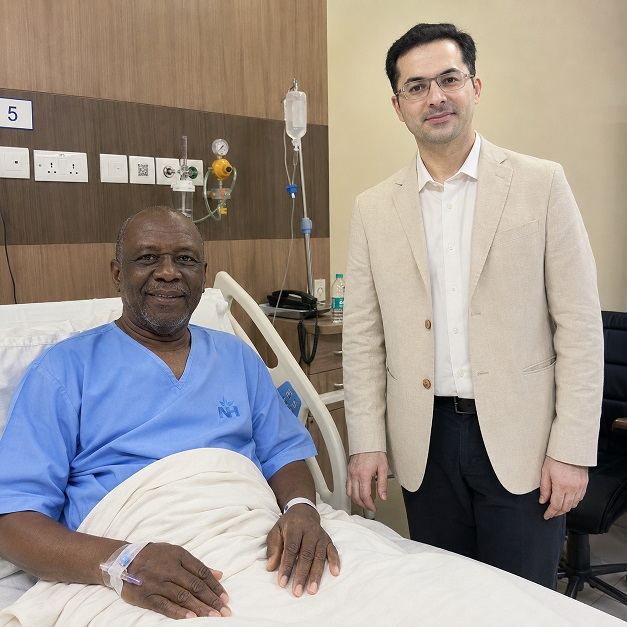
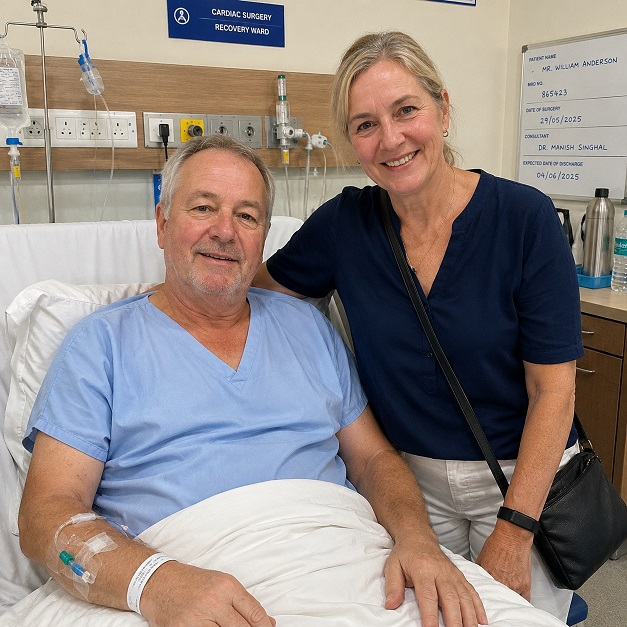
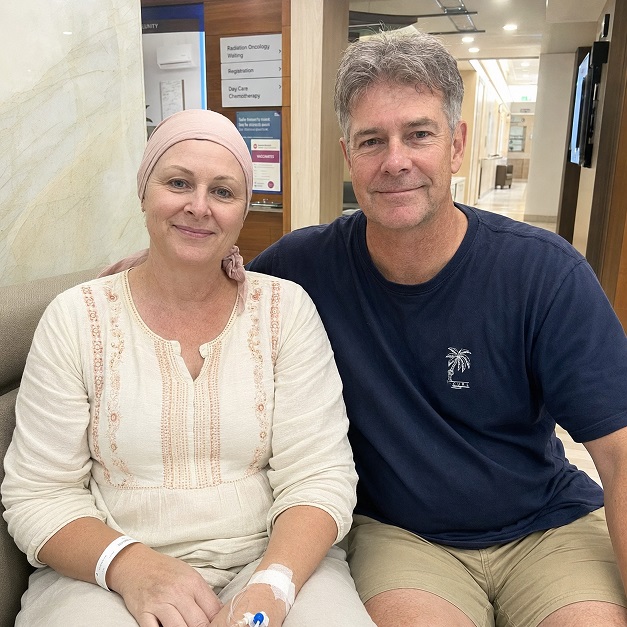
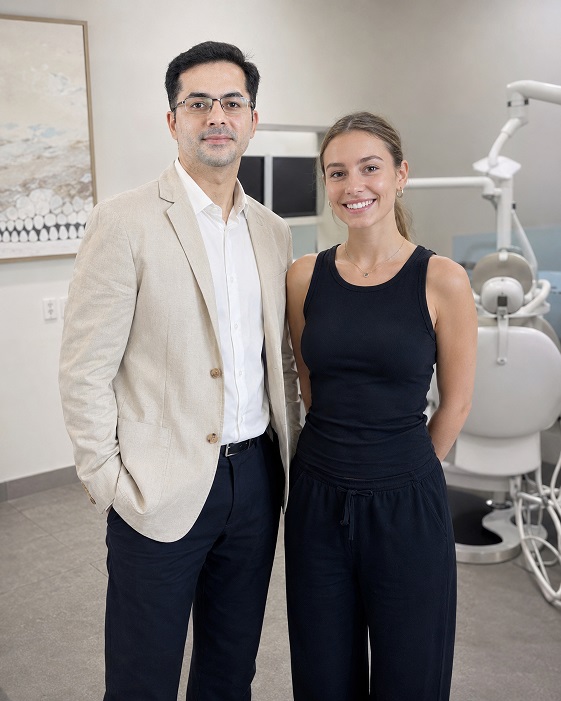
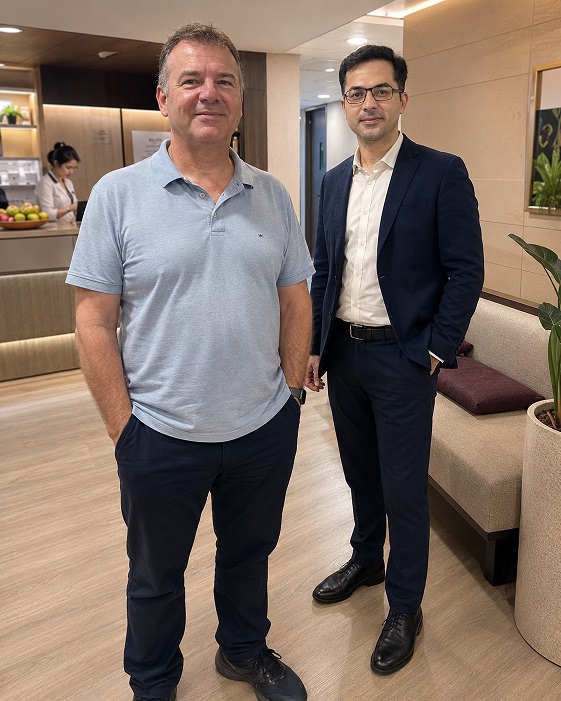
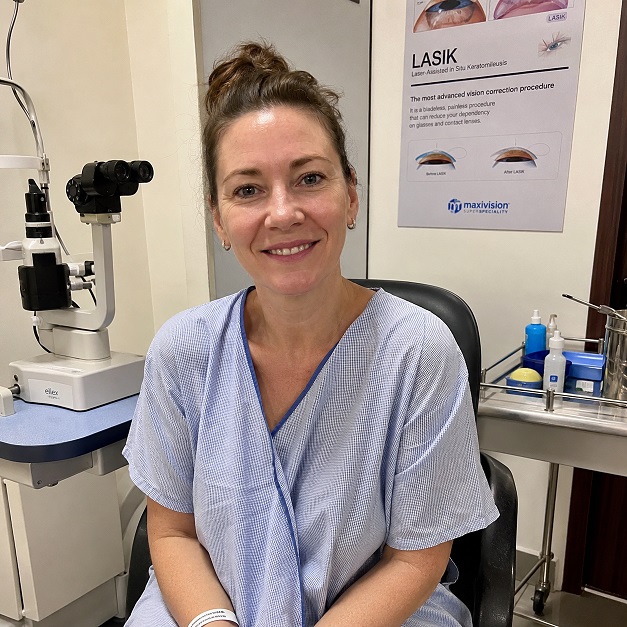
Healing Journeys of Australian Patients


Important: DBS does not cure Parkinson's disease. It is a treatment option for carefully selected patients and is generally considered when medication provides inadequate control or causes significant motor fluctuations, dyskinesia or other complications.
Q1 · Why are Australian patients considering Parkinson's Treatment and DBS Surgery in India?
Australian patients may consider India for Parkinson's treatment and DBS because India has specialised movement-disorder and functional-neurosurgery centres.
Potential reasons include:
- Access to experienced movement-disorder neurologists
- Functional neurosurgery specialists experienced in DBS
- Multidisciplinary Parkinson's treatment teams
- Advanced brain imaging and surgical navigation
- DBS programming and follow-up services
- Different DBS device and battery options
- Potentially lower private treatment costs
- Access to advanced neuromodulation programmes
- Possibility of obtaining a specialist second opinion
India has established DBS programmes in several major medical cities, including Delhi, Mumbai, Bengaluru, Hyderabad and Chennai.
The most important question for an Australian patient should be: “Am I clinically suitable for DBS, and does the treating centre have the expertise and long-term programming support required for my case?”
Q2 · What is the cost of Parkinson's Treatment and DBS Surgery in India compared with Australia?
Australian patients should compare the complete treatment cost rather than looking only at the DBS surgical fee.
For Easy Comparison, Costs are mentioned in US Dollars (USD), Indian Rupees (INR) and Australian Dollar (AUD).
Exchange Rate Used for Planning
A$1 ≈ US$0.65 • US$1 = INR 95
| Treatment / Procedure | Australia – Approx. Cost | India – Approx. Cost | Potential Cost Saving |
|---|---|---|---|
| Parkinson's Medical Treatment & Specialist Evaluation | A$2,000–6,000 US$1,300–3,900 |
INR 50,000–1.5 lakh US$500–1,600 |
~50–75% |
| DBS Evaluation / Pre- Surgical Assessment | A$5,000–12,000 US$3,250–7,800 |
INR 1–2.5 lakh US$1,050–2,600 |
~50–75% |
| DBS Surgery – Single-Sided System | A$25,000–45,000 US$16,250–29,250 |
INR 9–14 lakh US$9,500–14,700 |
~45–70% |
| DBS Surgery – Bilateral System | A$35,000–60,000 US$22,750–39,000 |
INR 12–20 lakh US$12,600–21,000 |
~40–70% |
| Advanced / Rechargeable DBS System | A$40,000–70,000 US$26,000–45,500 |
INR 15–22 lakh US$15,800–23,200 |
~40–70% |
| DBS Battery / IPG Replacement | A$15,000–30,000 US$9,750–19,500 |
INR 4–8 lakh US$4,200–8,400 |
~50–75% |
These are planning ranges rather than guaranteed hospital quotations. DBS costs vary substantially according to the type of device, rechargeable or non-rechargeable battery, one or two electrodes, hospital, surgeon, imaging, programming requirements, room category and clinical complexity.
What Should Be Included in the Total Cost?
- Movement-disorder neurologist consultation
- Functional neurosurgeon fees
- Pre-operative neurological assessment
- MRI / CT and other investigations
- DBS surgical procedure
- DBS electrodes
- Implantable pulse generator
- Extension wires
- Anaesthesia
- Operating-room and hospital charges
- Neuro-navigation and surgical technology
- Initial DBS programming
- Medicines and investigations
- Hospital stay
- Post-operative consultation
- Follow-up programming where included
- Travel, accommodation, visa and insurance costs when calculating the full medical-tourism budget
Compare the Complete Treatment Cost
Australia: Specialist Evaluation + DBS Assessment + Surgery + Device + Hospital + Programming + Follow-up
India: Specialist Evaluation + DBS Assessment + Surgery + Device + Hospital + Programming + Flights + Accommodation + Visa + Insurance + Follow-up
Compare the full planned treatment journey, not only the DBS surgery quotation.
Q3 · Which Indian cities can Australian patients consider for Parkinson's Treatment and DBS?
| City | Why Australian Patients May Consider It |
|---|---|
| Delhi / New Delhi | Major movement-disorder, neurology and functional-neurosurgery centres |
| Gurugram | Advanced neurological and DBS services |
| Mumbai | Established Parkinson's and functional-neurosurgery programmes |
| Bengaluru | Major neuroscience and movement-disorder centres |
| Chennai | Advanced neurology and DBS programmes |
| Hyderabad | Established movement-disorder and neurosurgical services |
| Kolkata | Major neurological and movement-disorder centres |
| Pune | Neurology and functional-neurosurgery services |
| Kochi | Advanced tertiary neurological care |
| Thiruvananthapuram | Neurology and neurosurgical services |
| Ahmedabad | Major tertiary neurological hospitals |
| Noida | Access to major NCR neurological centres |
| Nagpur | Regional tertiary neurological services For DBS, patients should select the specialist team and DBS programme first, rather than choosing a city based only on treatment price. |
Q4 · Which hospitals in India can Australian patients consider for Parkinson's Treatment and DBS Surgery?
This is not a ranking. Hospital services, specialists, DBS systems and programming facilities can change. Patients should confirm the current availability of DBS for Parkinson's disease before travelling.
Delhi / New Delhi Hospitals
- Fortis Escorts Heart Institute, New Delhi
- BLK-Max Super Speciality Hospital, New Delhi
- Max Super Speciality Hospital, Saket
- Indraprastha Apollo Hospitals, New Delhi
- AIIMS New Delhi
- Sir Ganga Ram Hospital, New Delhi
- Manipal Hospital, Dwarka
- Fortis Hospital, Vasant Kunj
- Institute of Brain and Spine Hospital
- Dharamshila Narayana Hospital
Gurugram Hospitals
- Fortis Memorial Research Institute
- Medanta – The Medicity
- Artemis Hospital
- Max Hospital, Gurugram
- Manipal Hospital, Gurugram
- CK Birla Hospital, Gurugram
- Paras Health
- Narayana Superspeciality Hospital
Mumbai Hospitals
- Bombay Hospital & Medical Research Centre
- Lilavati Hospital & Research Centre
- Jaslok Hospital & Research Centre
- Gleneagles Hospital, Mumbai
- Nanavati Max Super Speciality Hospital
- Kokilaben Dhirubhai Ambani Hospital
- P. D. Hinduja Hospital & Medical Research Centre
- Sir H. N. Reliance Foundation Hospital
- Wockhardt Hospitals, Mumbai
- Apollo Hospitals, Mumbai
Bengaluru Hospitals
- Manipal Hospital, Old Airport Road
- Manipal Hospital, Whitefield
- Manipal Hospital, Yeshwanthpur
- Apollo Hospitals, Bengaluru
- Fortis Hospital, Bannerghatta Road
- Aster CMI Hospital
- Sakra World Hospital
- Narayana Health City
- Sagar Hospitals
- Kauvery Hospital, Bengaluru
Chennai Hospitals
- Apollo Hospitals, Greams Road
- Apollo Cancer Centre, Chennai
- MGM Healthcare
- MIOT International
- Sri Ramachandra Medical Centre
- SIMS Hospital
- Gleneagles HealthCity Chennai
- Rela Hospital
- Kauvery Hospital
- MGM Newropathy Institute
Hyderabad Hospitals
- Apollo Health City
- KIMS Hospitals
- Yashoda Hospitals
- CARE Hospitals
- Continental Hospitals
- Gleneagles Hospitals, Hyderabad
- Sunshine Hospitals
- Star Hospitals
Kolkata Hospitals
- Apollo Multispeciality Hospitals
- AMRI Hospitals
- Fortis Hospital, Anandapur
- Manipal Hospitals, Salt Lake
- Medica Superspecialty Hospital
- Institute of Neurosciences Kolkata
- Narayana Superspeciality Hospital
Pune Hospitals
- Ruby Hall Clinic
- Jehangir Hospital
- Deenanath Mangeshkar Hospital
- Sahyadri Super Speciality Hospital
- Aditya Birla Memorial Hospital
- Manipal Hospital, Kharadi
- Medicover Hospital, Pune
Q5 · What types of Parkinson's Treatment and DBS procedures are available in India?
Parkinson's treatment is personalised according to symptoms and disease stage.
Medical Treatment
Treatment may include medicines designed to improve:
- Tremor
- Slowness of movement
- Rigidity
- Motor fluctuations
- Dyskinesia
- Other Parkinson's symptoms
Deep Brain Stimulation
DBS may be considered for selected patients experiencing:
- Significant motor fluctuations
- Wearing-off periods
- Medication-related dyskinesia
- Tremor that is difficult to control
- Symptoms that respond to levodopa but are not adequately controlled throughout the day
DBS Targets
Depending on the patient's condition, specialists may consider targets such as:
- Subthalamic nucleus (STN)
- Globus pallidus internus (GPi)
- Other selected targets for particular movement disorders
DBS Systems
Patients may be offered
- Rechargeable DBS systems
- Non-rechargeable DBS systems
- Bilateral DBS
- Directional or advanced stimulation systems
- Newer adaptive DBS technologies in selected centres
The most appropriate system depends on the patient's clinical requirements and the treating team's assessment.
Q6 · How can an Australian patient get a Parkinson's Treatment or DBS quotation from India?
Australian patients can begin the assessment process from Australia.
Step 1: Collect Medical Records
Prepare
- Parkinson's diagnosis
- Neurologist reports
- Medication history
- Current medication doses
- Previous treatment history
- MRI / CT scans
- Neurological examination reports
- Blood-test reports
- Previous hospital records
- Details of motor fluctuations
- Details of dyskinesia
- Medication response history
Step 2: DBS Evaluation
The Indian movement-disorder team should determine:
- Whether the patient is suitable for DBS
- Whether symptoms respond adequately to medication
- Which DBS target may be appropriate
- Whether unilateral or bilateral DBS is recommended
- Which device may be appropriate
- Whether additional tests are required
Step 3: Request a Written Quotation
Ask the hospital to clearly specify:
- Specialist fees
- Pre-operative evaluation
- Imaging
- DBS electrodes
- Pulse generator
- Extension leads
- Surgery
- Anaesthesia
- Hospital stay
- Initial programming
- Follow-up programming
- Possible additional costs
Step 4: Plan the Journey
Confirm
- Expected date of surgery
- Expected hospital stay
- Expected local stay after discharge
- Programming schedule
- Fitness to fly
- Follow-up arrangements in Australia
Q7 · Can an Australian patient obtain a second opinion before choosing DBS Surgery in India?
Yes. A second opinion is strongly recommended before DBS surgery.
The patient may seek opinions from:
- Australian movement-disorder neurologists
- Australian functional neurosurgeons
- Indian movement-disorder neurologists
- Indian functional neurosurgeons
- Multidisciplinary DBS teams
The second opinion should address:
- Is the diagnosis definitely Parkinson's disease?
- Is the patient suitable for DBS?
- Are symptoms adequately responsive to levodopa?
- Is surgery preferable to continued medical treatment?
- Which DBS target is recommended?
- Is unilateral or bilateral DBS appropriate?
- Which device is recommended?
- What improvement can realistically be expected?
- What are the risks?
DBS should not be chosen simply because Parkinson's symptoms have become difficult.
Patient selection is one of the most important parts of successful DBS treatment.
Q8 · What technology, DBS devices and medical records should Australian patients ask about?
Before travelling, patients should ask which DBS technology and device will be used.
Ask about:
- DBS manufacturer
- Device model
- Rechargeable or non-rechargeable battery
- Battery expected life
- Electrode configuration
- Directional stimulation capability
- MRI compatibility
- Programming technology
- Remote monitoring or programming capabilities
- Follow-up programming arrangements
Patients should receive copies of:
- Operative report
- DBS device details
- Device serial number
- Implant card
- Electrode information
- Pulse-generator information
- Programming settings
- Post-operative imaging
- Discharge summary
- Medication plan
This information is especially important because DBS is a long-term treatment requiring ongoing programming and follow-up.
Q9 · What advanced DBS technology is available for Parkinson's patients?
Modern DBS technology is becoming increasingly personalised.
Depending on the centre and device, patients may have access to:
Directional DBS
Allows stimulation to be shaped more precisely around the intended brain target.
Rechargeable DBS
Rechargeable pulse generators may reduce the frequency of battery-replacement procedures.
Adaptive DBS
Adaptive systems can adjust stimulation based on detected brain signals or patient-related information. In 2026, an Indian centre reported the country's first clinical activation of adaptive DBS, highlighting the increasing availability of personalised neuromodulation technology in India.
Image-Guided DBS
Advanced imaging and surgical navigation can help specialists accurately plan electrode placement.
Advanced Programming
Post-operative programming is essential to balance:
- Symptom control
- Medication requirements
- Side effects
- Stimulation intensity
Advanced technology does not automatically mean that it is the best choice for every patient. The device should be selected according to clinical requirements, long-term follow- up and the patient's individual condition.
Q10 · Does Australian Medicare or travel insurance cover Parkinson's Treatment or DBS Surgery in India?
Australian patients should not assume that Medicare will cover planned DBS surgery overseas.
Medicare generally does not cover elective medical treatment undertaken overseas.
Travel Insurance
Standard travel insurance may exclude:
- Planned medical treatment
- Pre-existing Parkinson's disease
- DBS surgery
- Surgical complications
- Post-operative treatment
- Medical evacuation
Patients should specifically ask the insurer:
- Is planned DBS surgery covered?
- Is Parkinson's disease covered as a pre-existing condition?
- Are surgical complications covered?
- Is emergency hospitalisation covered?
- Is medical evacuation covered?
- Is return travel to Australia covered?
- Is follow-up treatment covered?
- Are medication-related complications covered?
Unexpected Costs
Patients should keep a financial reserve for:
- Additional investigations
- Additional hospital days
- Device-related expenses
- Complications
- Additional programming
- Medication changes
- Flight changes
- Accommodation extensions
Q11 · Can Parkinson's Treatment and DBS Surgery be completed during the same trip?
In many cases, the surgical component can be planned during one trip, but DBS treatment is not a single-visit treatment.
A typical treatment pathway may include:
Assessment → DBS suitability testing → Surgery → Recovery → Initial programming → Follow-up programming
The patient may need to remain in India for:
- Pre-operative assessment
- Surgery
- Hospital recovery
- Initial DBS programming
- Post-operative review Further programming may be required after returning to Australia.
Patients should ask
“How many days should I remain in India after DBS surgery, and when will my first programming appointment take place?”
Do not book a tight return flight before the treating team confirms the expected recovery period.
Q12 · What about medical visas, flights and hospital admission for DBS Surgery in India?
Australian patients should organise their medical travel around the DBS treatment schedule.
Before Travelling
Prepare
- Passport
- Appropriate Indian medical visa
- Hospital appointment confirmation
- Medical records
- MRI / CT scans
- Medication list
- Previous neurologist reports
- Insurance documents
- Emergency contact information
Flights The treating medical team should advise when the patient is fit to fly following DBS surgery.
Patients should not make flight arrangements based only on the expected surgical date because recovery time can vary.
Hospital Admission
The patient may undergo:
- Neurological assessment
- Blood tests
- MRI / CT
- Anaesthesia assessment
- DBS planning
- Surgical procedure
- Post-operative monitoring
- Device programming
Q13 · How long should an Australian patient stay in India for DBS Surgery?
The exact duration varies according to:
- Patient's health
- DBS system
- Surgical technique
- One-sided or bilateral procedure
- Hospital protocol
- Recovery
- Programming requirements
- Complications, if any A practical planning framework
Before surgery
Specialist consultation + DBS assessment + imaging + pre-operative testing
During treatment
DBS implantation + hospital recovery
After surgery
Initial programming + specialist review + discharge planning Patients should generally allow additional time rather than arranging an immediate return to Australia.
The treating team should confirm:
- When the patient can leave the hospital
- When the patient can travel
- When the first programming session will occur
- When the next follow-up is required
Q14 · How can Australian patients manage DBS programming and follow-up after returning home?
This is one of the most important considerations when travelling overseas for DBS.
DBS surgery is not the end of treatment. The device normally requires programming and adjustment according to the patient's symptoms and response.
Before leaving India, obtain
- DBS implant card
- Device manufacturer and model
- Serial number
- Electrode details
- Initial programming settings
- Medication schedule
- Surgical report
- Post-operative imaging
- Follow-up instructions
- Programming history
Follow-up in Australia may include
- Movement-disorder neurologist
- DBS programming specialist
- Neurologist
- Neurosurgeon where necessary
- Physiotherapist
- Occupational therapist
- Speech therapist
Patients should ideally identify an Australian specialist capable of managing the implanted DBS system before travelling to India.
Q15 · Should an Australian patient choose Parkinson's Treatment and DBS Surgery in Australia or India?
There is no single answer for every patient.
Australia may be preferable when:
- The patient already has an established movement-disorder team
- DBS is available locally
- Long-term programming is easily accessible
- The patient has complex medical needs
- Local follow-up is particularly important
- The overall financial difference is not significant
India may be worth considering when:
- A qualified movement-disorder specialist has reviewed the patient's records
- DBS suitability has been confirmed
- The hospital has an experienced functional-neurosurgery team
- The centre provides DBS programming
- The patient has received a detailed quotation
- The device and long-term follow-up plan are clearly documented
- Australian follow-up has been arranged
The most important comparison is:
DBS suitability → Movement-disorder expertise → Functional neurosurgery → DBS technology → Safety → Total cost → Programming → Long-term follow-up
Cost should be considered, but it should never be the only reason for choosing DBS treatment overseas.
Australian Patient Pre-Travel Checklist
Before travelling to India for Parkinson's treatment and DBS surgery, confirm the following:
Medical Documents
- Parkinson's diagnosis
- Neurologist reports
- Medication history
- Current medication list and doses
- MRI / CT scans
- Blood-test reports
- Previous hospital records
- Previous treatment history
- Details of motor fluctuations
- Details of dyskinesia
- Medication-response history
DBS Planning
- Confirm DBS suitability
- Obtain specialist opinion
- Obtain second opinion
- Confirm DBS target
- Confirm unilateral/bilateral DBS
- Confirm device manufacturer
- Confirm rechargeable/non-rechargeable system
- Ask about programming requirements
- Obtain written quotation
- Confirm inclusions and exclusions
Travel
- Passport
- Appropriate Indian medical visa
- Hospital appointment confirmation
- Medical records
- Flights
- Accommodation
- Local transportation
- Companion arrangements, if required
Insurance
- Planned medical treatment coverage checked
- Parkinson's disease disclosed
- DBS surgery coverage checked
- Complication coverage checked
- Medical evacuation checked
- Emergency hospitalisation checked
- Return-to-Australia coverage checked
- Insurance PDS reviewed
Before Returning to Australia
- Obtain operative report
- Obtain DBS implant card
- Record device manufacturer and model
- Record device serial number
- Obtain electrode information
- Obtain programming settings
- Obtain post-operative imaging
- Obtain discharge summary
- Confirm medication plan
- Arrange Australian DBS follow-up
- Confirm fitness to fly
Final Note
Parkinson's disease is a chronic neurological condition, and Deep Brain Stimulation is a treatment—not a cure. DBS may provide significant improvement in selected patients, particularly when medication-related motor fluctuations, dyskinesia or other symptoms become difficult to manage. Australian patients considering Parkinson's treatment or DBS surgery in India should obtain a detailed assessment from an experienced movement-disorder neurologist and functional neurosurgeon before making travel arrangements. The treatment decision should consider DBS suitability, expected benefits, risks, device selection, surgical expertise, programming support, total cost and long-term follow-up in Australia. This guide is for general educational purposes only and does not constitute medical advice, diagnosis or a treatment recommendation. DBS suitability, surgical approach, device selection, expected outcomes, risks, costs and travel requirements must be confirmed individually by the treating medical team.
Sources
- Australian Government Department of Health — health.gov.au
- Services Australia, Medicare and Overseas Healthcare — servicesaustralia.gov.au
- Smartraveller, Australian Government Travel Advice — smartraveller.gov.au
- National Accreditation Board for Hospitals & Healthcare Providers — nabh.co
- National Medical Commission — nmc.org.in
- Government of India, Indian e-Visa — indianvisaonline.gov.in
Page Summary
This guide answers 15 frequently asked questions about Parkinson's treatment and DBS surgery in India for Australian patients. It explains why patients consider India, sets out indicative cost ranges in AUD, USD and INR across Parkinson's Medical Treatment & Specialist Evaluation, DBS Evaluation / Pre- Surgical Assessment, DBS Surgery – Single-Sided System and DBS Surgery – Bilateral System, and lists 70 hospitals to research across 8 Indian cities. It covers the types of treatment available, how to obtain a written quotation and a second opinion from Australia, the technology and records to ask about, travel insurance and Medicare limitations, whether treatment can be completed in one trip, medical visas and flights, expected length of stay, rehabilitation and follow-up after returning home, and how to weigh treatment in Australia against travelling to India. A pre-travel checklist closes the guide.


Our Mission Statement
Our mission is to place patients at the centre of every healthcare decision by providing trustworthy, evidence-based, and unbiased medical information. We believe that informed patients make better decisions. Backed by personalised guidance from our experienced advisory team, we help patients understand their treatment options, compare them objectively, and confidently choose the path that best suits their medical needs and personal circumstances.
Patient Testimonials from Australia
Ready to Take the First Step?
Share your Medical Reports with our Healthcare Managers Today and Get a FREE CONSULTATION, a Personalized Treatment Plan, and Complete Support from Arrival to Recovery.
Get Your Free ConsultationAreas We Serve
This resource has been thoughtfully prepared for patients from Australia who are considering medical treatment in India. We also welcome patients from the wider region in the countries mentioned below-
We regularly assist patients from:
- Fiji
- Vanuatu
- Samoa
- Tonga
- Kiribati
- Nauru
- Tuvalu
- New Zealand
- Solomon Islands
- Papua New Guinea
Many of the insights, treatment pathways, hospital recommendations, travel guidance, and patient support services described here are equally relevant and may be used as a reference when planning treatment in India.
From Australia to India: Your Complete Patient Support Guide
- Cancer Treatment in India for Australian Patients: PBS Gap & Drug Costs
- Cardiac Surgery in India for Australian Patients: TAVI Access & Costs
- Dental Treatment & Surgery in India for Australian Patients
- Hip Surgery in India for Australian Patients: Costs, Waits & Implant Choice
- Knee Surgery in India for Australian Patients: Costs, Waits & Implants
- Neurosurgery in India for Australian Patients: Volume, Costs & When Not to Travel
- Spine Surgery in India for Australian Patients: Costs, Indications & Second Opinions (2026)
- Best Bariatric & Weight Loss Surgeons in India for Australian Patients
- Best Cancer Surgeons & Hospitals in India for Australian Patients
- Best Cardiac Surgeons & Hospitals in India for Australian Patients
- Best Cosmetic Surgeons & Hospitals in India for Australian Patients
- Best Dental Surgeons & Clinics in India for Australian Patients
- Best Hip Surgeons & Hospitals in India for Australian Patients
- Best Knee Surgeons & Hospitals in India for Australian Patients
- Best Scoliosis Surgeons & Hospitals in India for Australian Patients
- Best Spine Surgeons & Hospitals in India for Australian Patients
- Selecting the Best Urosurgery and Reconstructive Urology Centres in India for Australian Patients
- Selecting the Best Bone Marrow Transplant Centres in India for Australian Patients