

Proton Therapy in India: A Decision Briefing for Australian Patients
A technology genuinely unavailable anywhere in Australia today, and why India's leading proton therapy centres offer a credible, well-evidenced, and already-established path to this treatment.
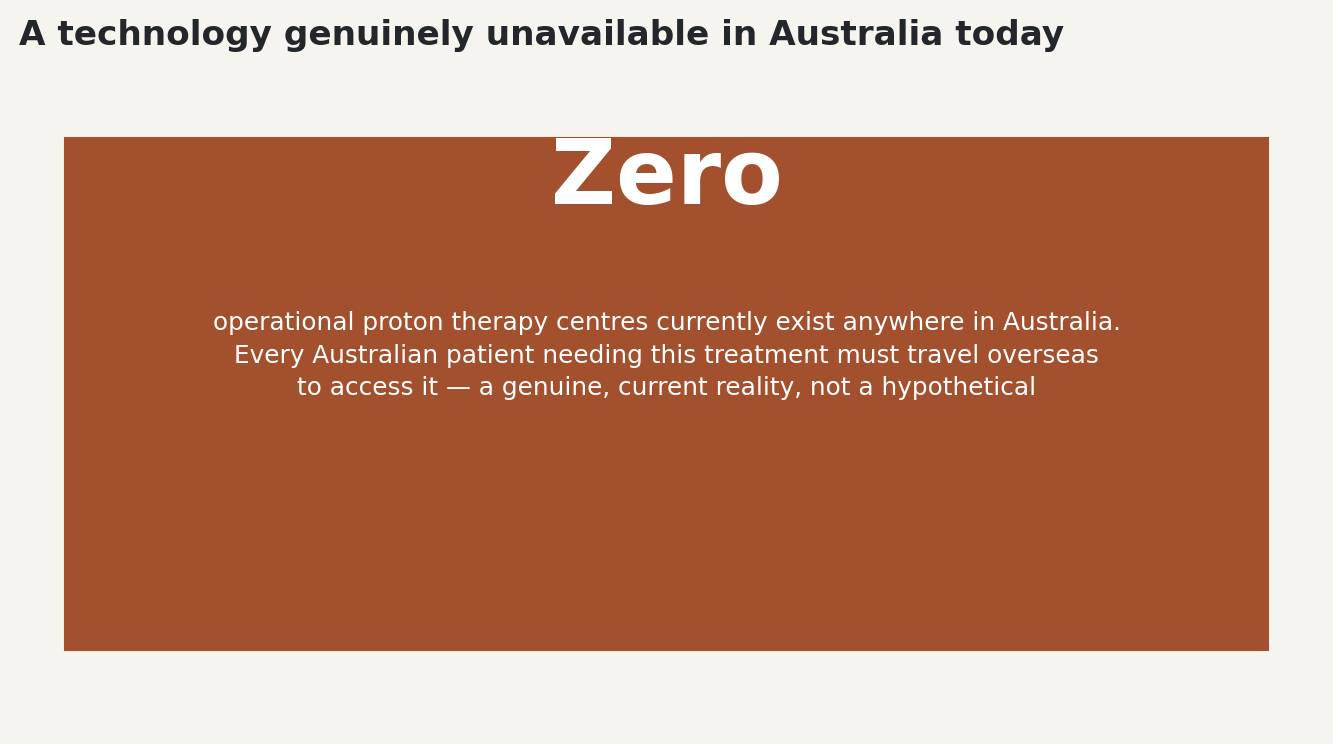
In 24 years of guiding international patients into Indian hospitals, this is one of the clearest, most unambiguous facts in this entire briefing. The Australian Bragg Centre in Adelaide, under construction for years, remains delayed; a private Sydney clinic doesn't expect its first patient until 2029. This isn't a comparison of access speed, it's the current, complete absence of the technology within the country.
Healing Journeys of Australian Patients


Key Takeaways
- The briefing is intended for Australian patients whose radiation oncologist has confirmed that proton therapy is a genuine treatment option for their specific tumour. It explains that proton therapy is particularly relevant for selected tumours near vital structures and for children whose developing tissues may be more sensitive to radiation.
- The central point of the briefing is that operational proton therapy is currently unavailable in Australia. The document notes that the Australian Bragg Centre remains delayed, while a private Sydney facility is not expected to treat its first patient until 2029.
- India is presented as an established overseas option, with leading cancer centres already operating proton therapy, dedicated medical physics teams, modern treatment-planning systems, English-speaking specialists and internationally accredited hospital infrastructure.
- The page 3 cost chart gives an illustrative private proton therapy course cost of approximately AUD $28,000 in India, compared with approximately AUD $45,000 in Thailand, AUD $65,000 in Singapore and AUD $220,000 in the United States. MTOP-funded treatment is shown separately where formally approved. Actual costs depend on tumour location and treatment duration.
- Patients are advised to confirm that their tumour genuinely benefits from proton therapy rather than conventional radiotherapy, identify the medical physicist responsible for treatment planning and quality assurance, verify the centre's established treatment volume and obtain a written, itemised quotation specifying the number of treatment sessions.
- Australian patients should discuss the Medical Treatment Overseas Program (MTOP) with their radiation oncologist early because its comparative planning process takes time. They should also arrange follow-up imaging before leaving Australia and confirm that their Australian team will review treatment results after returning home.
Quick Facts
- Treatment
- Proton Therapy
- Patients
- Australian Patients
- Key Specialist
- Radiation Oncologist
- Technology
- Proton Beam Therapy
- Australian Availability
- No operational centre currently
- India Expertise
- Established Proton Therapy Centres
- Key Requirement
- Genuine Treatment Candidacy
- Medical Physics
- Dedicated Treatment Planning Team
- India Cost
- Approx. AUD $28,000
- Thailand Cost
- Approx. AUD $45,000
- Singapore Cost
- Approx. AUD $65,000
- USA Cost
- Approx. AUD $220,000
- Quality Check
- Established Treatment Volume
- Quote Check
- Written, Itemised Quote
- Follow-Up
- Australian Oncology Team
- Funding Pathway
- MTOP May Apply
- Timeline
- Treatment can typically begin within 2–3 weeks
- Author
- Dr. Dheeraj Bojwani
- Experience
- 24+ Years
In Brief
For Australian patients confirmed as genuine proton therapy candidates, the briefing highlights India's established proton therapy centres, dedicated medical physics teams and routine treatment infrastructure. It gives an illustrative private cost of approximately AUD $28,000 in India, while emphasising proper candidacy assessment, treatment volume, a named medical physicist, an itemised quotation and planned follow-up with the Australian oncology team.
Proton therapy is a precise, established form of radiation treatment used worldwide, particularly valuable for tumours near vital structures and for children whose developing tissue is more vulnerable to radiation damage. This briefing sets out an honest, current picture of access in Australia, and why India's leading centres are a credible, already-operational option. It's worth being precise about who this is for. Proton therapy suits a specific range of tumours, and this briefing is written for patients whose radiation oncologist has confirmed they're a genuine candidate, weighing where that treatment should happen given Australia's current reality.
Why the government's own scheme already anticipates this exact journey
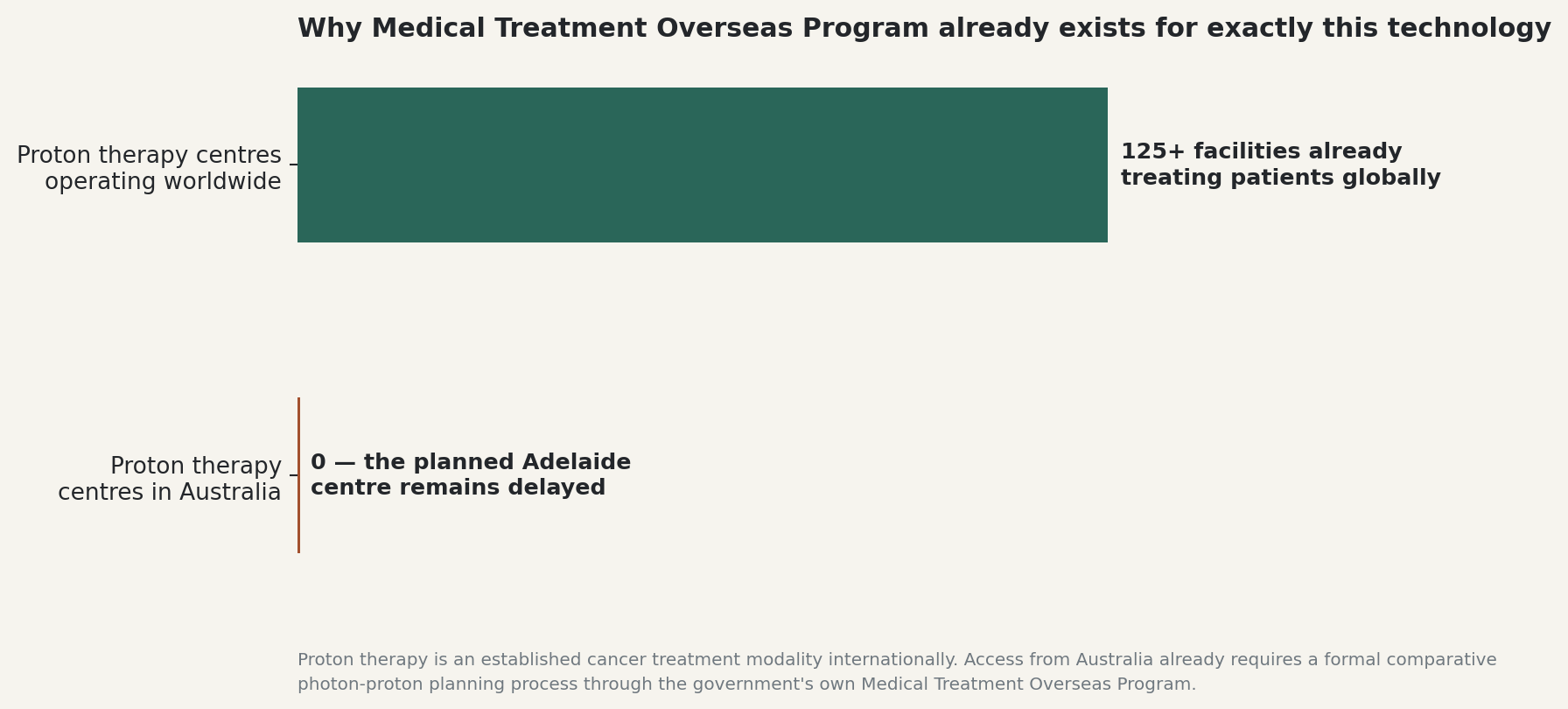
Get your full imaging and pathology together before your first overseas conversation. This matters because the Australian Government has already built a formal pathway, the Medical Treatment Overseas Program, specifically for situations like this: a documented case of Van Ouwens, a six-year-old from Adelaide diagnosed with cancer of the foot, required his family to relocate to the United States for proton therapy on lung metastases, a real, human illustration of exactly what this briefing addresses.
Why India specifically, not just overseas
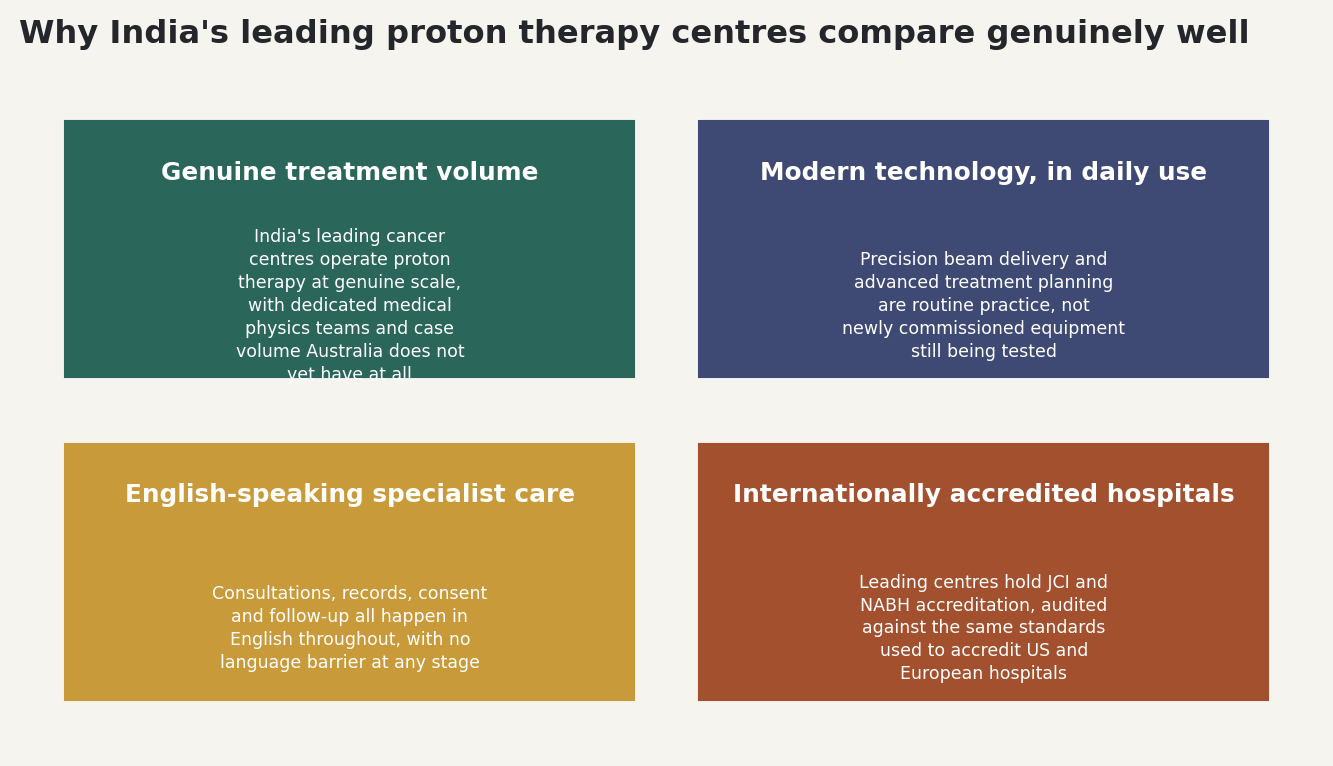
This is worth spelling out plainly. India's leading cancer centres operate proton therapy as established, routine practice, with dedicated medical physics teams and genuine treatment volume that a country with zero operational centres cannot yet offer at any price. This is not a compromise reached for cost and speed; it is currently the only way to access this technology at all, and India offers comparable or greater depth of specific experience, delivered by English-speaking specialists in internationally accredited hospitals, at a fraction of the equivalent cost in comparable countries.
An honest cost comparison
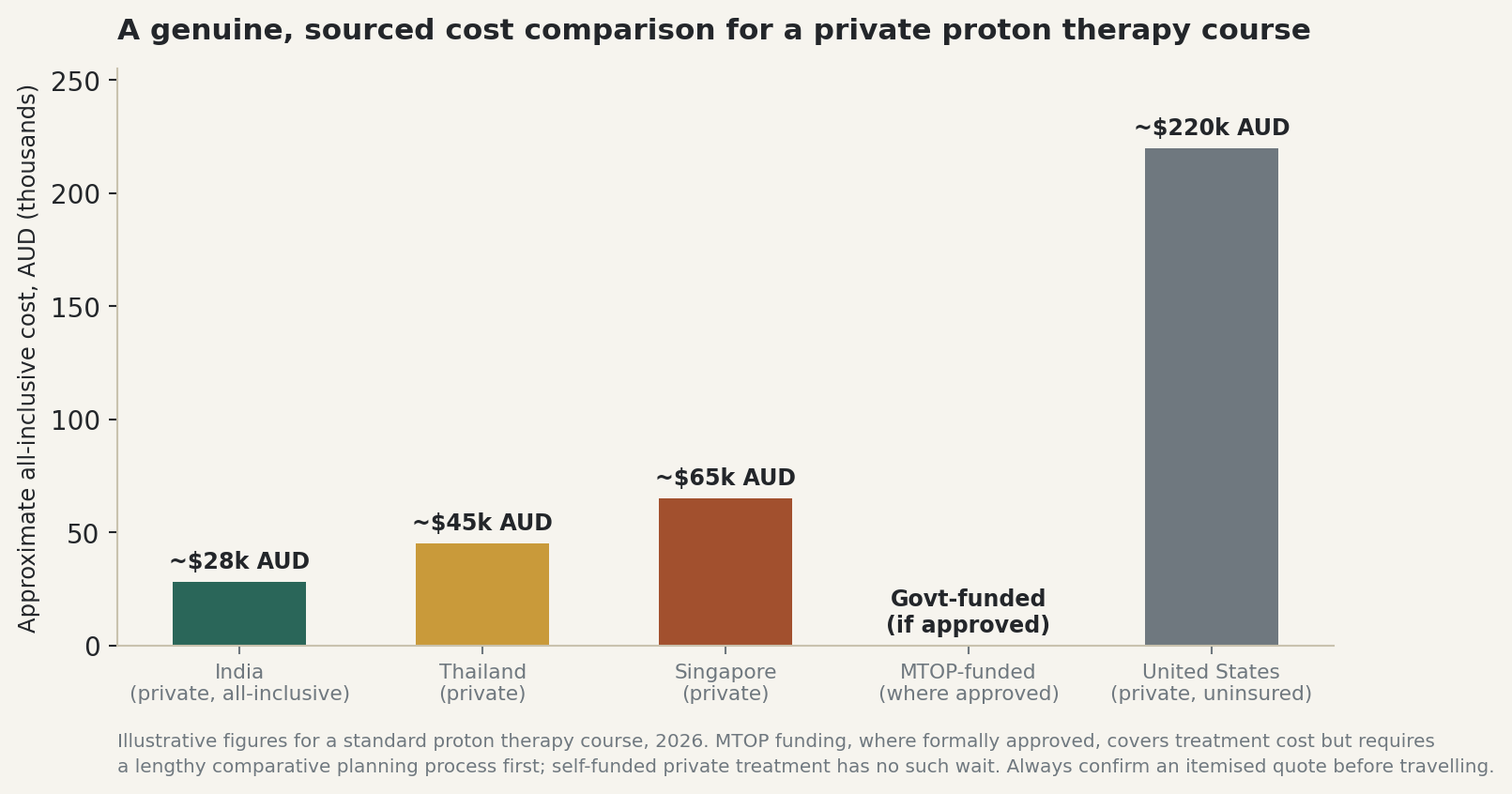
These figures are illustrative and vary by tumour location and treatment course length. MTOP funding, where formally approved, covers cost but requires a lengthy comparative planning process first; self-funded private treatment in India avoids that wait entirely. Always insist on a written, itemised quote for your specific case before making any decision.
What Genuinely Good Proton Therapy Care Looks Like, Wherever You Have Treatment
- An honest candidacy assessment. Not every tumour benefits from proton therapy over conventional radiotherapy; ask directly why this technology suits your specific case.
- A named medical physicist. Ask who is specifically responsible for treatment planning and quality assurance for your case.
- Genuine, established treatment volume. Ask how long the centre has been operating and how many patients it has treated.
- A clear follow-up imaging plan. Confirm how results will be monitored over the following months, and how this connects with your Australian team.
- A clear, itemised quote before you travel. Confirm exactly how many sessions and how much of the course is included in the price.
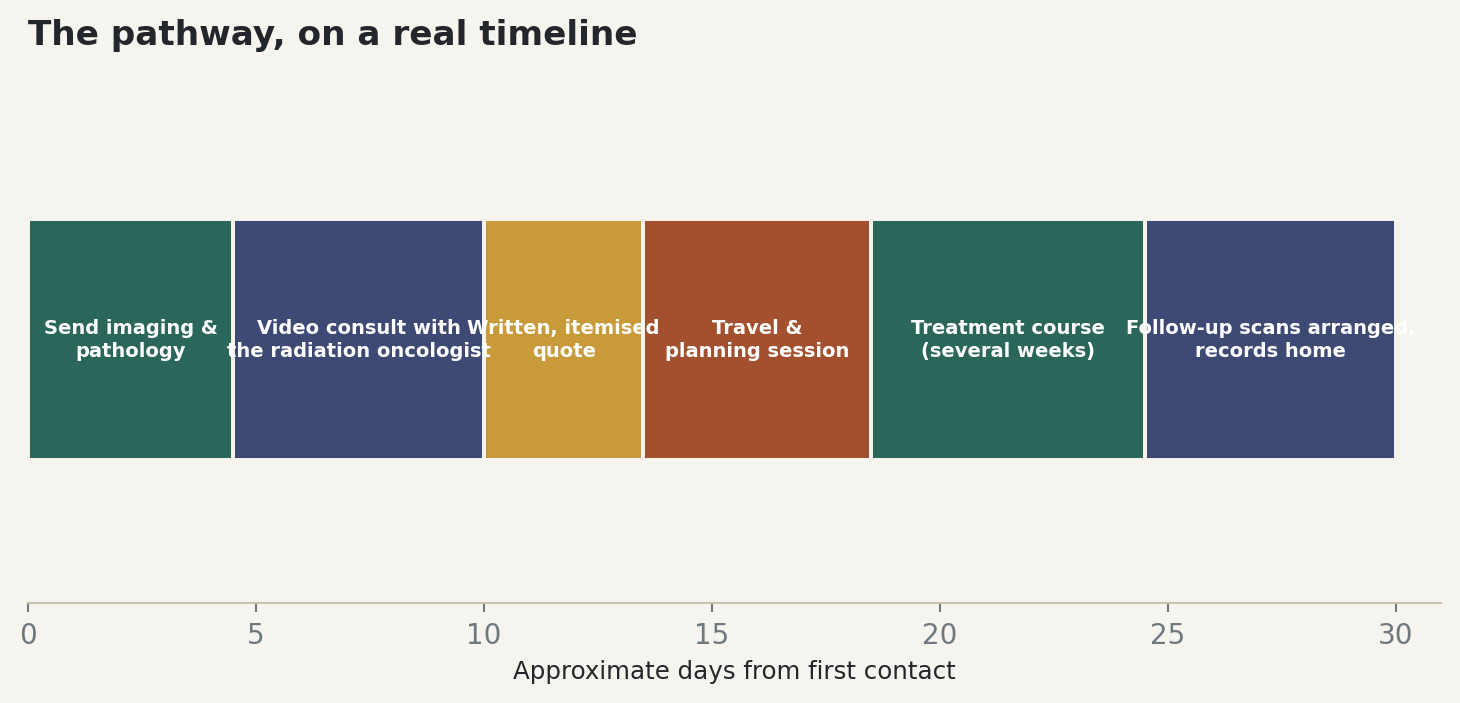
Signals worth taking seriously, wherever you're considering treatment
A few patterns are worth watching for, regardless of which country or hospital you're evaluating. Proton therapy recommended without a genuine discussion of whether your specific tumour actually benefits over conventional radiotherapy deserves a direct question in return. A price quoted before your imaging has been properly reviewed is another signal worth pausing on. Vagueness about the centre's established treatment volume, or no named medical physicist responsible for your specific treatment plan, are both genuine concerns worth taking seriously.
None of this is unique to overseas care generally; it's simply a reminder that insisting on things in writing, and on a proper video consultation with the radiation oncologist who will actually plan your treatment, matters wherever you go, especially for a technology this specialised.
Australia-specific considerations most patients miss
Ask your Australian radiation oncologist about the MTOP pathway early. The comparative planning process it requires takes time, so starting this conversation as soon as possible matters, even if you ultimately choose to self-fund treatment instead.
Arrange your follow-up imaging before you leave. Confirm your Australian team is willing to review results from treatment performed overseas over the following months.
Understand self-funding avoids the MTOP wait entirely. If your case is time-sensitive, weigh the comparative planning delay against simply proceeding privately.
Apply for both visas together. Australian passport holders are eligible for India's electronic medical visa, with an e-medical attendant visa for whoever travels with you.
THE QUESTIONS WORTH ASKING BEFORE YOU DECIDE
- Does my specific tumour genuinely benefit from proton over conventional therapy?
- Who is the named medical physicist responsible for my treatment plan?
- How long has this centre been operating, and how many patients treated?
- How many sessions does my case require, and is that included in the quote?
- What is the follow-up imaging schedule, and who will review it?
- Should I pursue MTOP funding, or is self-funding faster for my situation?
A closing word
Proton therapy remains entirely unavailable within Australia today, a genuine, current fact rather than a matter of degree, and the government's own Medical Treatment Overseas Program already exists specifically because of it. For patients confirmed as genuine candidates, the case for India is a strong one: proton therapy centres with established, genuine treatment volume, technology already in routine daily use rather than still under construction, and treatment that can typically begin within two to three weeks, at a fraction of the cost of comparable options elsewhere. In 24 years of helping patients navigate exactly this decision, the pattern holds: those who look closely at what India's leading proton therapy centres actually offer generally come away reassured rather than anxious. Confirm genuine candidacy first, insist on a named medical physicist and established treatment volume, and travel with a written, itemised quote in hand. If you would like a second opinion on your imaging, send it and I will look at it properly — including telling you if proton therapy isn't the right technology for your case, which is an answer I give when it's true.
Frequently Asked Questions by Australian Patients about Proton Therapy in India
Why might Australian patients consider proton therapy in India?
Australian patients may need to consider overseas treatment because the briefing states that no operational proton therapy centre currently exists in Australia. India offers established centres already providing the technology.
Is proton therapy suitable for every Australian cancer patient?
No. The briefing specifically stresses that patients should establish whether their particular tumour genuinely benefits from proton therapy over conventional radiotherapy before choosing the treatment.
Why is proton therapy particularly relevant for some children?
The briefing explains that children's developing tissues can be more vulnerable to radiation damage, making the precision of proton therapy potentially valuable for selected paediatric tumours.
How much does proton therapy cost in India?
The page 3 chart gives an illustrative private cost of approximately AUD $28,000 in India for a standard proton therapy course. Actual costs vary according to tumour location and treatment duration.
How does India's illustrative cost compare with other countries?
The briefing gives approximately AUD $45,000 for Thailand, AUD $65,000 for Singapore and AUD $220,000 for the United States, compared with approximately AUD $28,000 in India. These are illustrative figures rather than guaranteed quotations.
What should Australian patients ask about the medical physicist?
Patients should ask for the name of the medical physicist responsible for their treatment planning and quality assurance, particularly because proton therapy requires highly specialised planning.
What should Australian patients check about the proton therapy centre?
They should ask how long the centre has operated, how many patients it has treated, who is responsible for treatment planning and how many sessions are required for their specific case.
What is the MTOP pathway for Australian patients?
The briefing explains that Australia's Medical Treatment Overseas Program can provide a formal pathway for eligible overseas treatment, but approval involves a comparative planning process that can take time.
What should Australian patients arrange before travelling to India?
Patients should discuss MTOP early, arrange follow-up imaging and Australian oncology review, and obtain a written, itemised treatment quotation before travelling.
What questions should Australian patients ask before choosing a proton therapy centre?
They should ask whether proton therapy is genuinely better for their tumour, who the responsible medical physicist is, how much treatment experience the centre has, how many sessions are required, what the quotation includes, how follow-up imaging will be managed and whether MTOP or self-funding is more appropriate for their situation.
Sources
- Australian Bragg Centre for Proton Therapy and Research, SAHMRI — protontherapy.sahmri.org.au
- Cancer Australia, Strategy for Proton Beam Therapy for Cancer Patients in Australia — canceraustralia.gov.au
- National Medical Commission — nmc.org.in
- National Accreditation Board for Hospitals & Healthcare Providers — nabh.co
- Atomic Energy Regulatory Board (licensed radiotherapy centres) — aerb.gov.in
- High Commission of India, e-Visa — indianvisaonline.gov.in
Page Summary
This five-page decision briefing explains why Australian patients who are confirmed candidates for proton therapy may need to consider treatment overseas, as Australia currently has no operational proton therapy centre. It presents India as an established option with treatment volume, dedicated medical physics expertise and modern technology, while covering indicative international costs, MTOP considerations, quality checks, warning signs, follow-up planning and questions patients should ask before choosing a centre.
Citation Block
| Field | Information |
|---|---|
| Topic | Proton Therapy in India for Australian Patients |
| Treatment | Proton Beam Therapy |
| Patients | Australian Patients |
| Specialist | Radiation Oncologist |
| Main Assessment | Confirm genuine proton therapy candidacy |
| Australian Availability | No operational centre currently |
| India Expertise | Established proton therapy treatment |
| Key Team | Dedicated medical physics team |
| India Cost | Approx. AUD $28,000 |
| Thailand Cost | Approx. AUD $45,000 |
| Singapore Cost | Approx. AUD $65,000 |
| USA Cost | Approx. AUD $220,000 |
| Quality Check | Established centre treatment volume |
| Medical Physics Check | Named physicist responsible for treatment planning |
| Quote Requirement | Written, itemised quotation |
| Warning Signs | Proton therapy without candidacy discussion, vague volume or no named physicist |
| Funding | MTOP may apply if formally approved |
| Follow-Up | Australian radiation oncology team |
| Patient Journey | Imaging → consultation → quote → travel/planning → treatment → follow-up |
| Decision Principle | Confirm clinical suitability first, then assess centre expertise, planning quality and follow-up |


Our Mission Statement
Our mission is to place patients at the centre of every healthcare decision by providing trustworthy, evidence-based, and unbiased medical information. We believe that informed patients make better decisions. Backed by personalised guidance from our experienced advisory team, we help patients understand their treatment options, compare them objectively, and confidently choose the path that best suits their medical needs and personal circumstances.
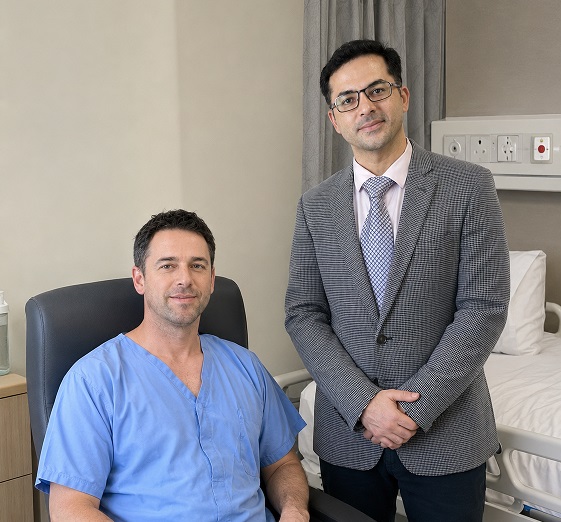
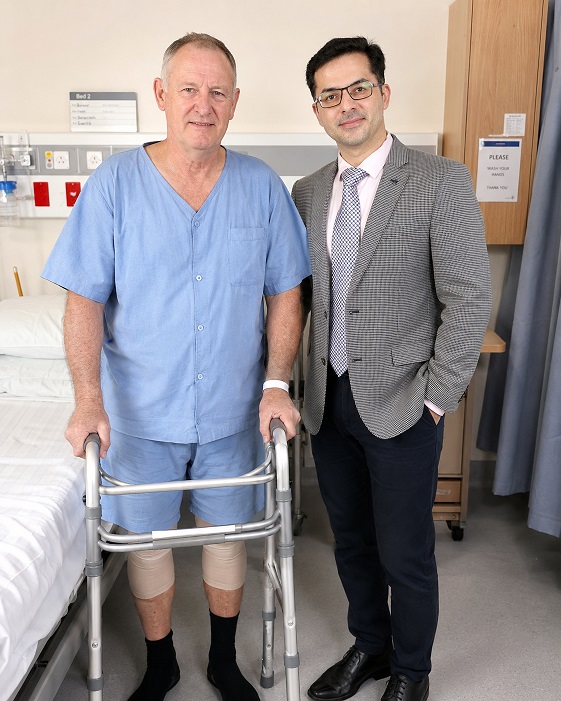
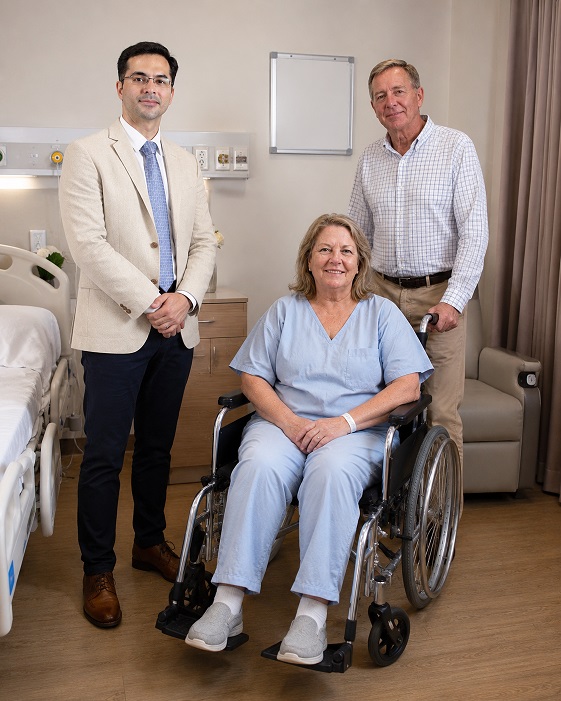
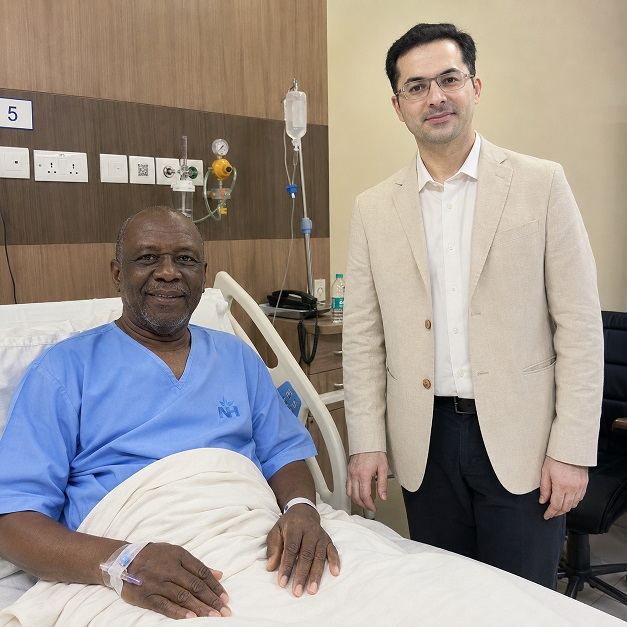
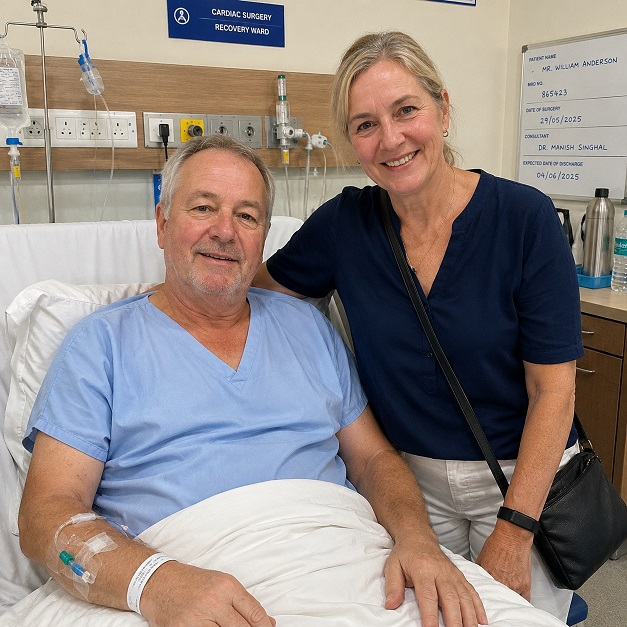
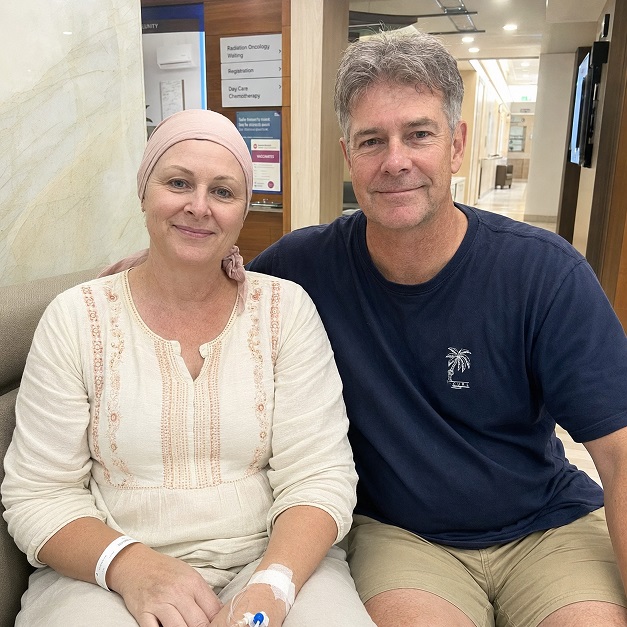
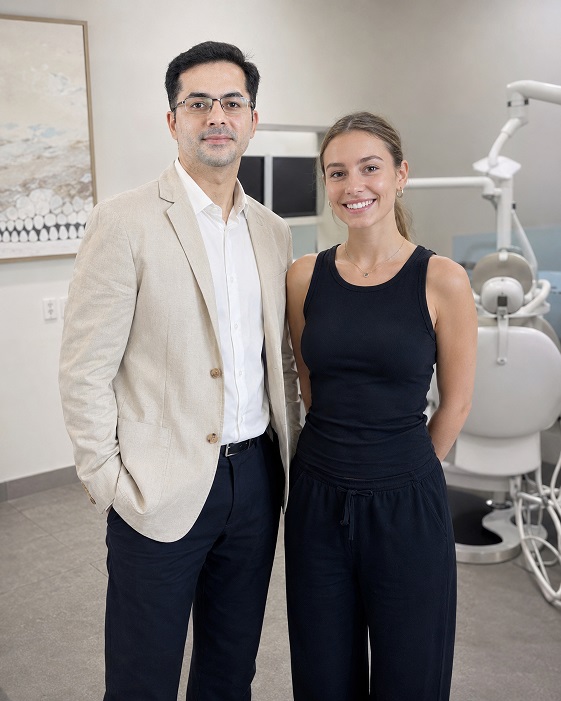
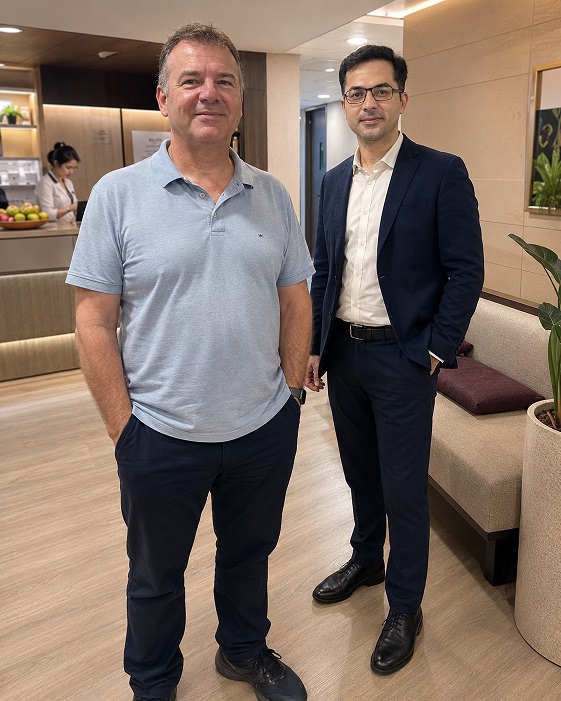
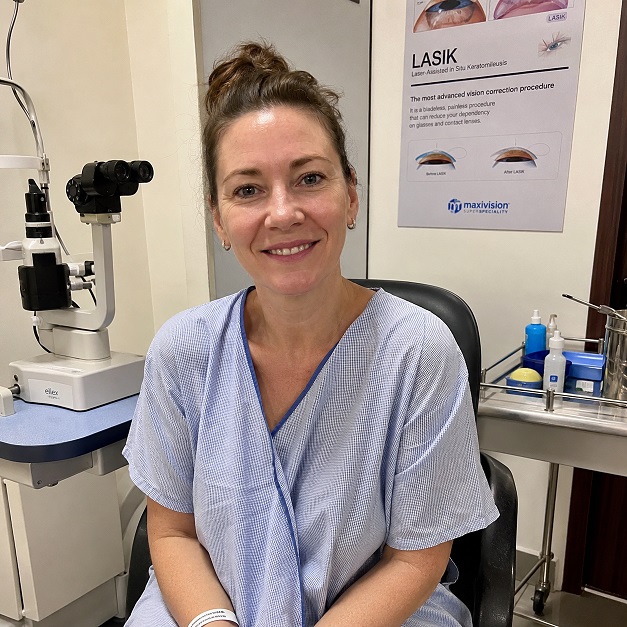
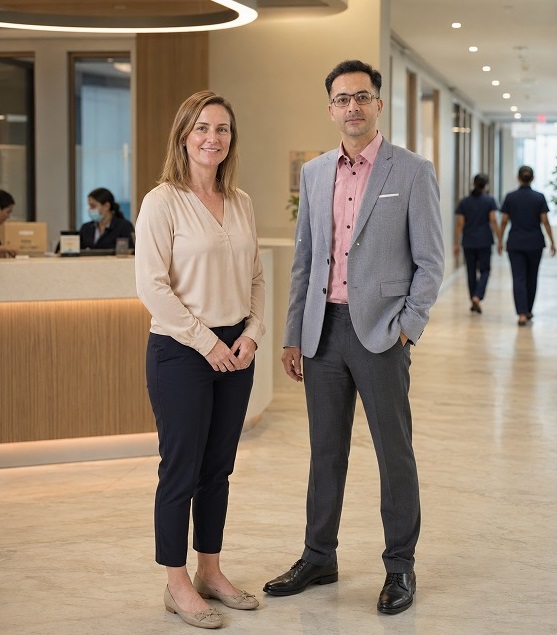
Patient Testimonials from Australia
Ready to Take the First Step?
Share your Medical Reports with our Healthcare Managers Today and Get a FREE CONSULTATION, a Personalized Treatment Plan, and Complete Support from Arrival to Recovery.
Get Your Free ConsultationAreas We Serve
This resource has been thoughtfully prepared for patients from Australia who are considering medical treatment in India. We also welcome patients from the wider region in the countries mentioned below-
We regularly assist patients from:
- Fiji
- Vanuatu
- Samoa
- Tonga
- Kiribati
- Nauru
- Tuvalu
- New Zealand
- Solomon Islands
- Papua New Guinea
Many of the insights, treatment pathways, hospital recommendations, travel guidance, and patient support services described here are equally relevant and may be used as a reference when planning treatment in India.
From Australia to India: Your Complete Patient Support Guide
- Cancer Treatment in India for Australian Patients: PBS Gap & Drug Costs
- Cardiac Surgery in India for Australian Patients: TAVI Access & Costs
- Dental Treatment & Surgery in India for Australian Patients
- Hip Surgery in India for Australian Patients: Costs, Waits & Implant Choice
- Knee Surgery in India for Australian Patients: Costs, Waits & Implants
- Neurosurgery in India for Australian Patients: Volume, Costs & When Not to Travel
- Spine Surgery in India for Australian Patients: Costs, Indications & Second Opinions (2026)
- Best Bariatric & Weight Loss Surgeons in India for Australian Patients
- Best Cancer Surgeons & Hospitals in India for Australian Patients
- Best Cardiac Surgeons & Hospitals in India for Australian Patients
- Best Cosmetic Surgeons & Hospitals in India for Australian Patients
- Best Dental Surgeons & Clinics in India for Australian Patients
- Best Hip Surgeons & Hospitals in India for Australian Patients
- Best Knee Surgeons & Hospitals in India for Australian Patients
- Best Scoliosis Surgeons & Hospitals in India for Australian Patients
- Best Spine Surgeons & Hospitals in India for Australian Patients
- Selecting the Best Urosurgery and Reconstructive Urology Centres in India for Australian Patients
- Selecting the Best Bone Marrow Transplant Centres in India for Australian Patients