

Selecting the Best Dental Surgery Centres in India for Canadian Patients
Ten weighted criteria — but first, Canada's own new national dental plan in its own reported numbers, and why India's leading dental centres offer a genuinely strong, dramatically more affordable path to the same modern standard of care.
In 24 years of guiding international patients into Indian hospitals, this finding, reported directly by the Canadian Dental Association, is genuinely striking for a programme still in its early years of full national rollout. Just over half of pre-authorization requests were denied, a genuinely significant barrier for a plan specifically designed to make dental care more accessible. And the near-universal finding that delays discourage patients from proceeding at all suggests the genuine, practical impact extends well beyond the denial statistic alone.
Healing Journeys of Canadian Patients
Key Takeaways
- The guide highlights early real-world data from Canada's Canadian Dental Care Plan (CDCP). The page 1 graphic reports that 52% of CDCP pre-authorization requests were denied, while 92% of dental offices reported delays discouraging patients from proceeding with necessary treatment.
- The page 2 coverage graphic shows that cleanings and fillings are generally covered, while crowns and oral surgery require pre-authorization. Dental implants are fully excluded, and the guide states that a single implant can cost approximately C$3,000–C$6,100 out of pocket in Canada.
- The guide also explains that even procedures nominally covered by the CDCP can involve balance billing, because the plan pays according to its own fee schedule rather than necessarily covering the dentist's full charge. This can leave patients with an additional out-of-pocket amount.
- India is presented as an alternative because leading dental implant centres have high implant volumes, experience across major implant systems and routine CT-guided digital planning. The guide also highlights English-language consultations, JCI/NABH accreditation and transparent itemised pricing agreed before treatment.
- The selection framework gives 55% weighting to the dentist and 45% to the facility. Dentist assessment focuses on implant-specific volume, implant system experience, CT-guided planning and complication data. Facility assessment includes a named implant brand, digital planning, a clearly explained two-visit timeline and an itemised quotation.
- The page 4 qualification table identifies MDS in Oral & Maxillofacial Surgery or Prosthodontics as dedicated further training relevant to implant placement. The page 4 warning box also highlights four concerns: an unnamed implant brand, no CT-guided planning, an unclear two-visit healing timeline and pressure to commit before receiving an itemised quote.
Quick Facts
- Treatment
- Dental Surgery & Implant Treatment
- Patients
- Canadian Patients
- Key Specialist
- Implant Dentist / Prosthodontist / Oral & Maxillofacial Surgeon
- Selection Weighting
- 55% dentist / 45% facility
- Key Qualification
- MDS Oral & Maxillofacial Surgery or Prosthodontics
- Key Technology
- CT-guided digital planning
- Implant Check
- Specific implant brand should be named
- Treatment Model
- Two-visit implant process
- India Cost
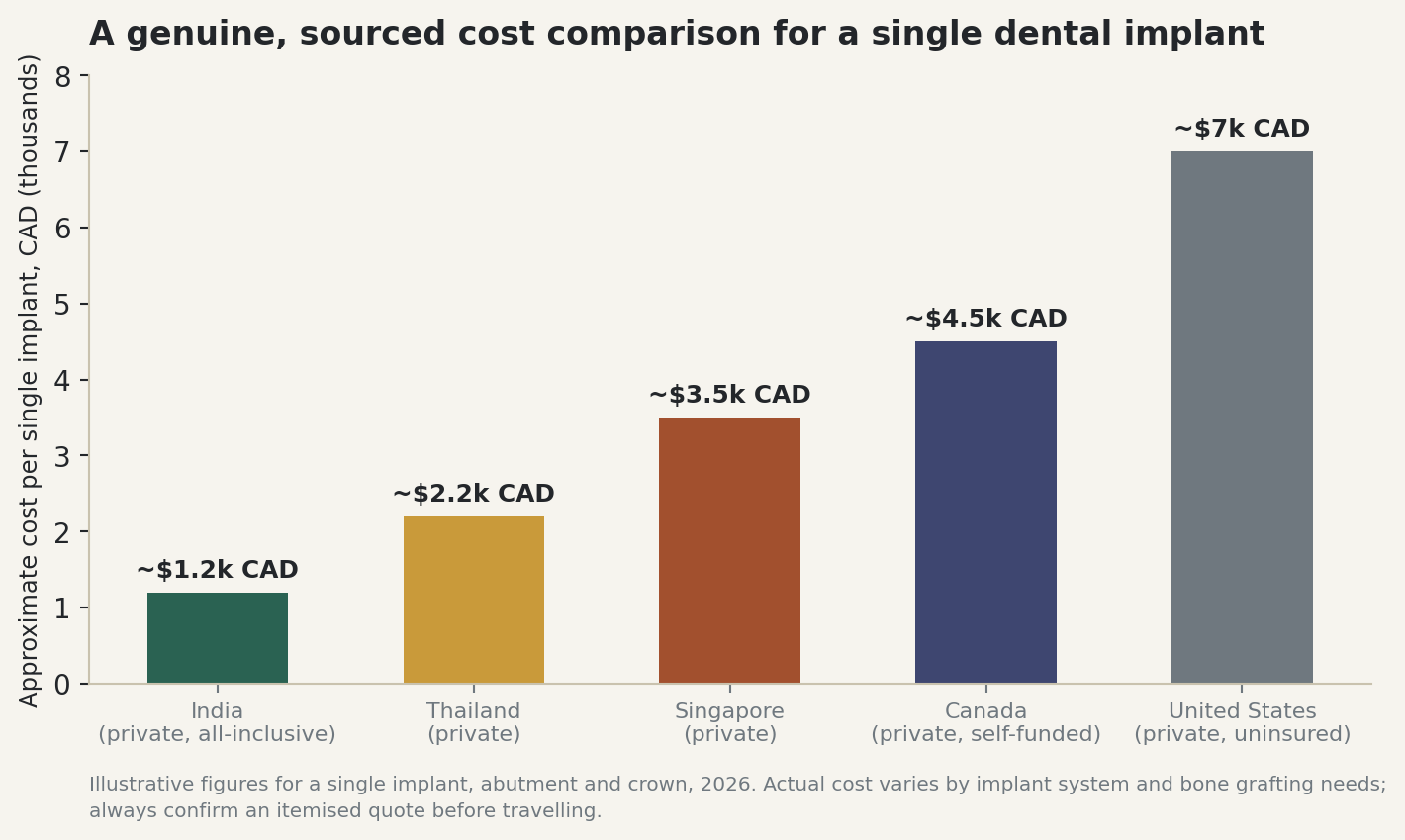
- Approximately C$1,200
- Canada Cost
- Approximately C$4,500
- US Cost
- Approximately C$7,000
- Pre-Travel Records
- Dental X-rays/CT and previous treatment history
- Healing Period
- Approximately 3–6 months
- Follow-Up
- Canadian dentist
- Key Warning
- Avoid centres that do not provide an itemised quote or explain the implant timeline clearly
- Decision Principle
- Prioritise implant expertise, digital planning and transparent treatment planning.
- Author
- Dr. Dheeraj Bojwani
- Experience
- 24+ Years
In Brief
For Canadian patients, the guide's central message is to evaluate the dentist, implant system and treatment process rather than choosing solely on price. Implant-specific qualifications, CT-guided planning, a clearly identified implant brand, transparent pricing and a properly coordinated two-visit treatment plan are key factors to verify before travelling.
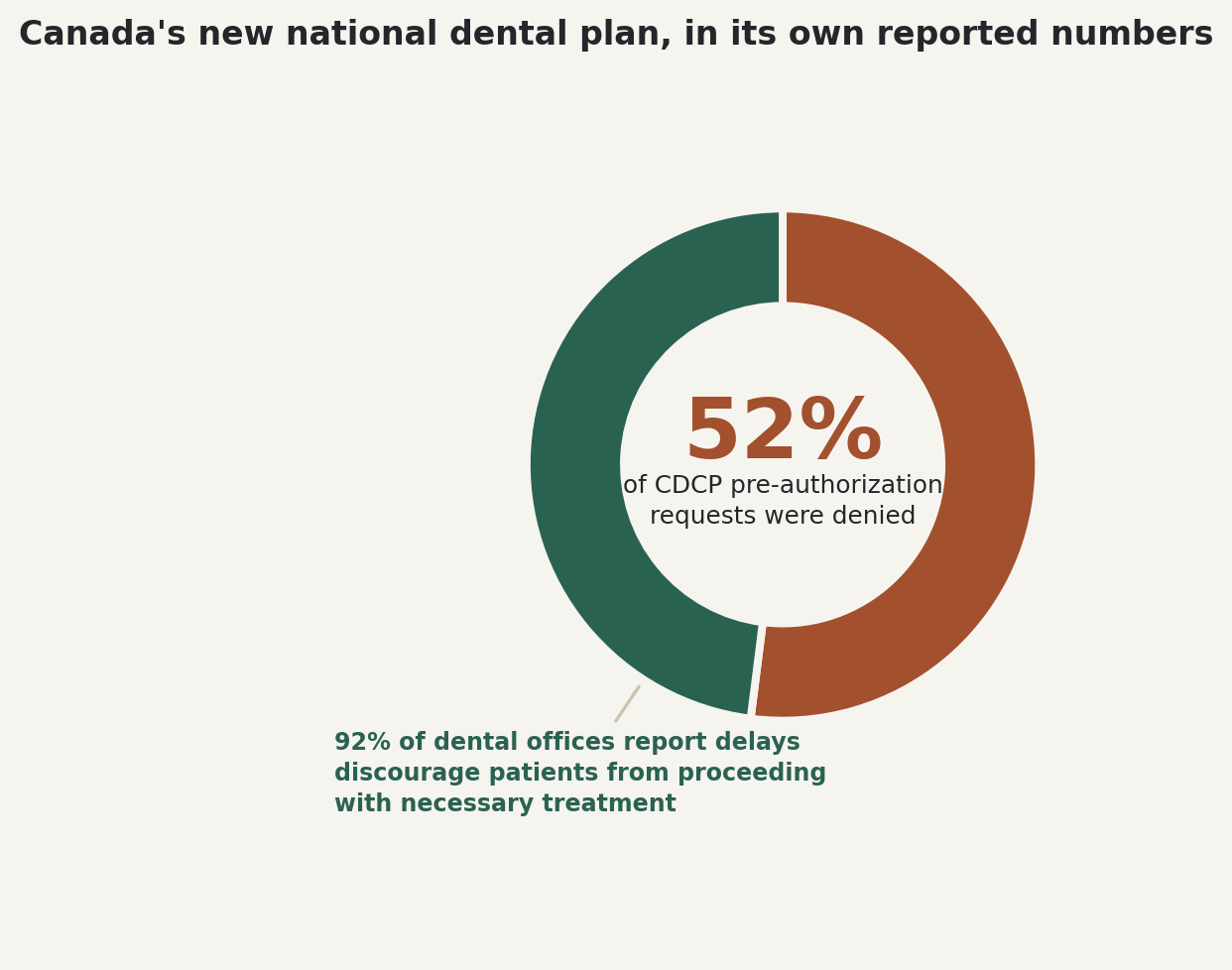
The Canadian Dental Care Plan represents a genuine, meaningful step toward more accessible dental care, and this guide isn't written to dismiss that progress. It exists for patients comparing the genuine, real out-of-pocket Canadian cost against the option of treatment abroad, whether for a single tooth or a full-mouth restoration.
This isn't a minor administrative wrinkle affecting an unlucky few; a denial rate above 50% means the pre-authorization process is, for a genuine majority of applicants, working against the treatment being requested rather than facilitating it. For patients relying on this plan specifically because they cannot afford the full private cost, a denial isn't a paperwork inconvenience; it's often the difference between proceeding with necessary treatment and postponing it indefinitely.
The programme itself is genuinely new, having only recently expanded to full national eligibility without age-based waiting-period restrictions, which likely explains some of this early friction as processes mature. But for a patient facing a genuine dental need today, understanding the current, real-world experience of the programme, not its eventual, hoped-for smooth operation, matters considerably more than its long-term potential.
For patients facing this genuine, current administrative reality, the case for looking seriously at India is a strong one: internationally accredited dental centres with genuinely high implant volume, transparent, itemised pricing with no pre-authorization uncertainty, and treatment that can typically be completed within a single, well-coordinated trip, all at a fraction of the equivalent Canadian out-of-pocket cost. This isn't a fallback option; for patients who understand exactly how the current system works, it's a considered, well-evidenced alternative worth exploring seriously.
What the Canadian Dental Care Plan genuinely covers, by category
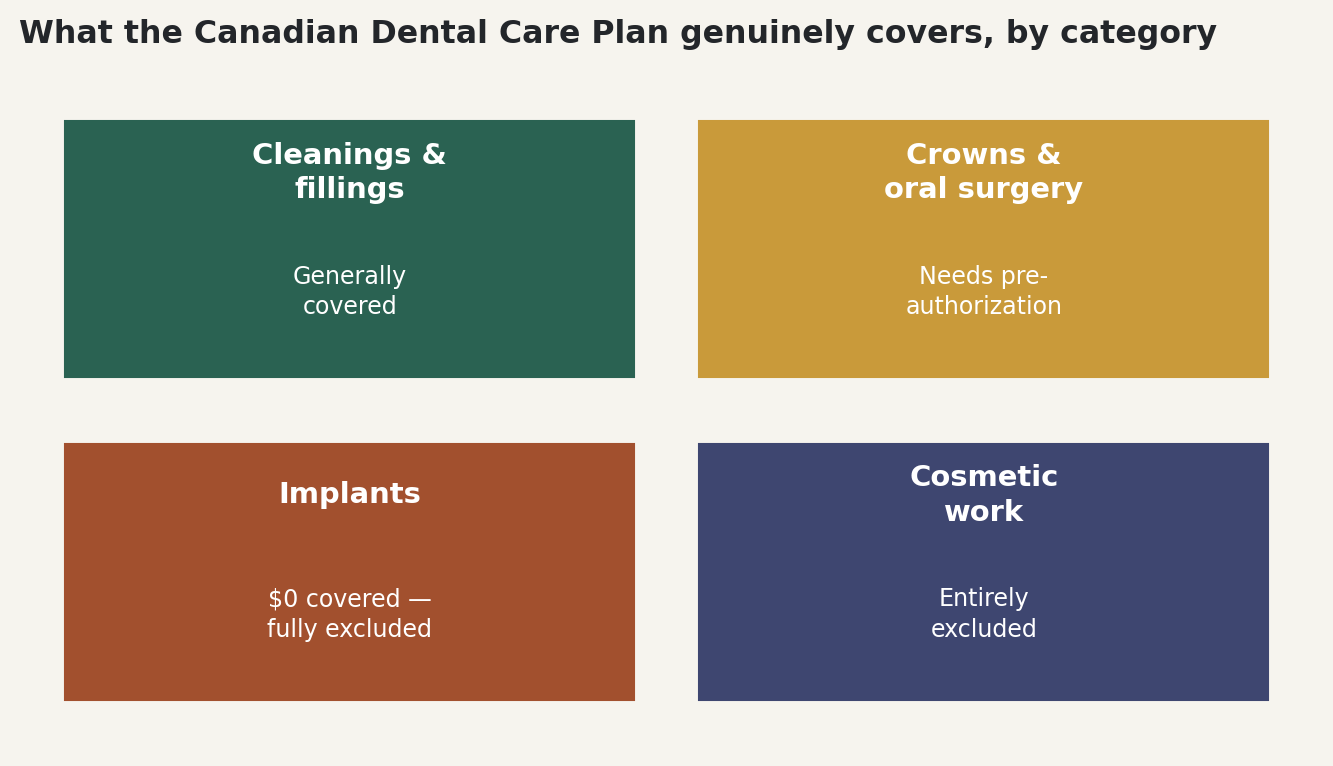
Get your recent dental X-rays or CT scan, along with a summary of prior treatment, together before your first overseas conversation. This category breakdown matters because it shows the CDCP's genuine coverage gap isn't uniform; it's concentrated precisely in the more complex, costly procedures many patients need most. A single implant costs roughly $3,000 to $6,100 CAD out of pocket, and the CDCP covers none of it, regardless of income tier or how carefully a patient has followed the programme's rules.
Even for procedures the plan does nominally cover, “balance billing” means a genuine, additional gap can remain: the CDCP pays its own fixed fee, not a dentist's actual charge, so if your dentist's fees run higher than the federal schedule, which many do, you're responsible for that difference even at the highest coverage tier. Dentists are under no obligation to align their pricing with the federal fee schedule at all; they remain free to set their own rates, meaning the genuine, real-world gap between what CDCP reimburses and what you'll actually be asked to pay varies considerably from one clinic to the next, and is often impossible to know precisely until treatment is already underway.
Why India specifically, not just “overseas”
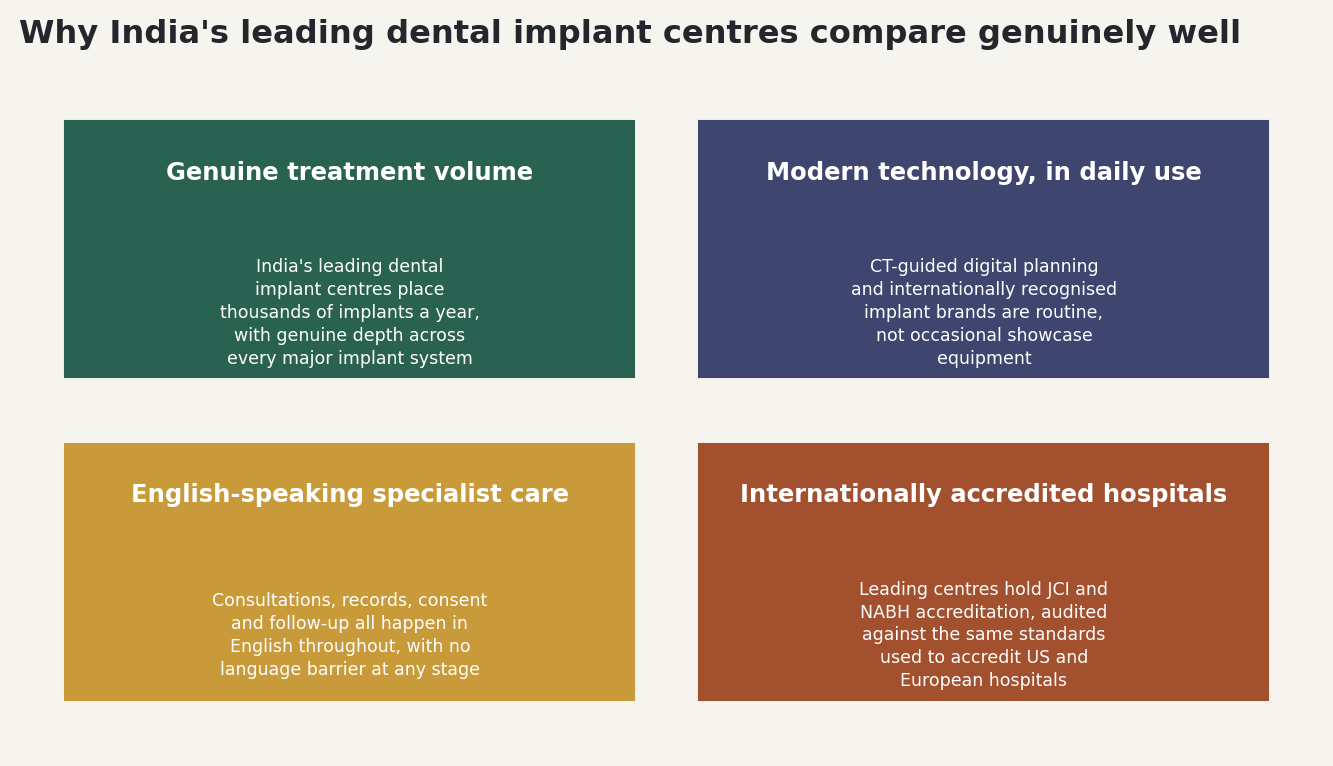
This is worth spelling out plainly, because “medical travel” can sound vague until you see what it actually means in practice. India's leading dental implant centres place a genuine volume of implants annually, with depth across every major internationally recognised implant system, not limited to whatever a Canadian pre-authorization system happens to approve. This is not a compromise reached for cost and speed; for the right case, it is comparable or greater depth of specific implant experience, delivered without the administrative uncertainty many Canadian patients currently face.
CT-guided digital planning, essential for precise implant placement, is standard, routine practice at India's leading centres, not a premium add-on. Every consultation, medical record, consent discussion and follow-up letter happens in English, conducted by specialists trained to internationally recognised standards, and leading hospitals hold Joint Commission International accreditation alongside India's own NABH certification. Put together, this is genuinely comparable dental implant care, with transparent, itemised pricing agreed before treatment begins, at a fraction of the Canadian out-of-pocket cost.
Ten weighted criteria, out of 100
The same weighting that applies across this series applies here: the dentist carries 55 points, the facility 45. Part one, judging the dentist: genuine volume in implant placement specifically, the specific implant brand used, whether CT-guided planning is standard, and candid complication data.
| Qualification | Length | What it actually means |
|---|---|---|
| BDS | 5 years | The basic dental degree. A licence to practise, not a specialist qualification. |
| MDS (Oral & Maxillofacial Surgery or Prosthodontics) | 3 years further | This is what matters most here. Dedicated further training relevant to implant placement. |
Part two, judging the facility: the implant brand is specifically named, not a lesser-known substitute, CT-guided digital planning available, a coordinated two-visit timeline clearly explained, and a clear, itemised quote before you travel.
Four Signals That Should Make You Pause
- The implant brand isn't named, or changes without explanation. This is the single detail most likely to explain a suspiciously low price.
- No CT-guided digital planning offered. This is standard practice at any genuinely capable clinic in 2026.
- The two-visit healing period isn't explained clearly upfront. A responsible clinic walks you through this proactively.
- Pressure to commit before an itemised quote is provided. Insist on this in writing before any deposit moves.
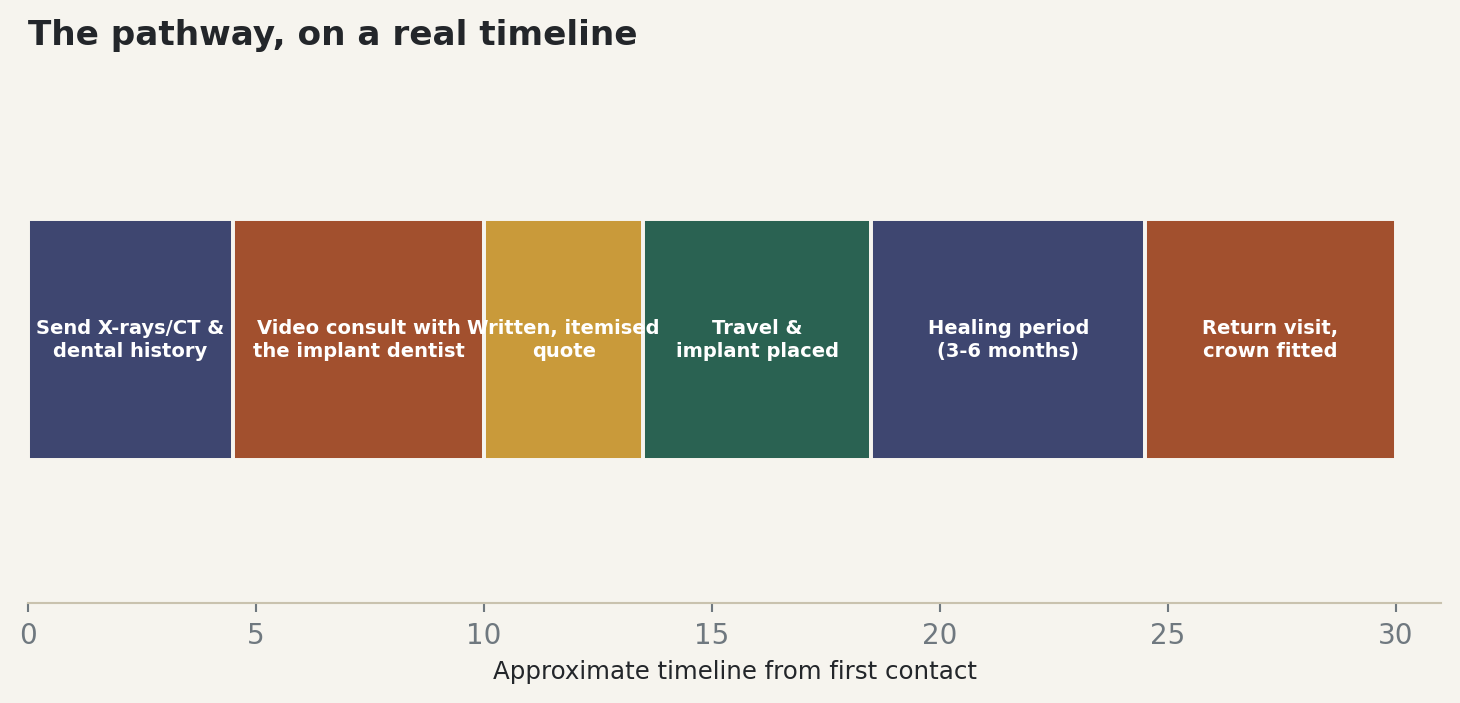
Canada-specific considerations most patients miss
Confirm your dentist's exact fees against the CDCP fee schedule before assuming any rebate. Balance billing means even a nominally covered procedure can carry a genuine out-of-pocket gap.
If pursuing CDCP pre-authorization, apply well ahead of any planned treatment. Given the documented denial rate and delays, building in extra time genuinely matters.
Ask your Canadian dentist to coordinate the two-visit implant process. Many are willing to handle interim check-ups between your placement and crown-fitting trips.
The Questions, in the Order You Should Ask Them
| Of the dentist | Of the facility |
|---|---|
| What are your qualifications specific to implant placement? | How is the two-visit timeline coordinated for international patients? |
| Which implant brand will be used, specifically? | What does the itemised quote include? |
| Is CT-guided digital planning used for my case? | What happens if bone grafting is needed? |
| What is your complication rate? | What does the final documentation include for my Canadian dentist? |
A closing word
Canada's own new national dental plan, genuinely well-intentioned, is reporting real, documented friction in its own early rollout data, with denial rates and delays that discourage many patients from proceeding at all, and implants excluded from coverage entirely regardless of income. For patients weighing this genuine, current reality, the case for India is genuinely strong, not a fallback option: implant centres with deep, established experience across every major system, transparent pricing with no pre-authorization uncertainty, and treatment completed within a single, well-coordinated trip, at a fraction of the Canadian out-of-pocket cost.
In 24 years of guiding patients through exactly this decision, the arithmetic and the administrative reality both point the same direction: verify the implant system and the dentist's specific credentials, understand the genuine two-visit timeline, and the case for exploring this option properly speaks for itself.
If you would like a second opinion on a treatment plan or quote, send it and I will look at it properly.
Frequently Asked Questions by Canadians about Dental Surgery Centres in India
Does the Canadian Dental Care Plan cover dental implants?
The guide's page 2 graphic states that implants are fully excluded from CDCP coverage.
What does the guide report about CDCP pre-authorizations?
The page 1 graphic reports that 52% of CDCP pre-authorization requests were denied.
Why is CT-guided digital planning important?
The guide identifies CT-guided digital planning as a standard technology at capable implant centres and recommends confirming that it is used for your case.
Which qualification should I look for?
The guide highlights MDS in Oral & Maxillofacial Surgery or Prosthodontics as dedicated further training relevant to implant placement.
How much does a single implant cost in India?
The guide gives an illustrative cost of approximately C$1,200 in India, compared with C$4,500 in Canada and C$7,000 in the US.
What should I send before travelling?
Provide your recent dental X-rays or CT scan and a summary of previous dental treatment before the first overseas consultation.
Why should the implant brand be identified?
The guide recommends knowing the specific implant brand before treatment because changing to an unexplained or lesser-known system may affect the quoted price and treatment planning.
How many visits are normally required?
The guide describes a two-visit process: implant placement followed by a return visit for crown fitting after approximately 3–6 months of healing.
What should I ask the dental centre?
Ask about the dentist's implant-specific qualifications, implant brand, CT-guided planning, complication rate, two-visit coordination, bone-grafting costs and final documentation for your Canadian dentist.
What are the main warning signs?
Be cautious if the implant brand is not named, CT-guided planning is unavailable, the healing and return-visit timeline is unclear or the centre pressures you to commit before providing an itemised quotation.
Sources
- PolicyMe, Canadian Dental Care: What's Covered and What's Not, Canadian Dental Association data, 2026 — policyme.com
- RealDentalCosts, Dental Insurance in Canada 2026: CDCP vs Private Plans Compared — realdentalcosts.com
- National Medical Commission — nmc.org.in
- National Accreditation Board for Hospitals & Healthcare Providers — nabh.co
Page Summary
This guide helps Canadian patients compare dental surgery and implant centres in India, focusing on implant expertise, CT-guided planning, implant systems, treatment timelines, cost and follow-up. It highlights CDCP coverage limitations and the exclusion of implants. The illustrative cost for a single implant, abutment and crown is C$1,200 in India, C$4,500 in Canada and C$7,000 in the US.
Citation Block
| Field | Information |
|---|---|
| Topic | Best Dental Surgery Centres in India for Canadian Patients |
| Treatment | Dental Surgery / Implant Treatment |
| Patients | Canadian Patients |
| Specialist | Implant Dentist / Prosthodontist / Oral & Maxillofacial Surgeon |
| Selection Weighting | 55% dentist / 45% facility |
| Key Qualification | MDS Oral & Maxillofacial Surgery or Prosthodontics |
| Implant Check | Specific implant brand |
| Technology Check | CT-guided digital planning |
| Treatment Model | Two-visit implant process |
| India Cost | ~C$1,200 |
| Canada Cost | ~C$4,500 |
| US Cost | ~C$7,000 |
| Records Required | Dental X-rays/CT & treatment history |
| Healing Period | ~3–6 months |
| Follow-Up | Canadian dentist |
| Warning Signs | Unnamed implant brand, no CT planning, unclear timeline, no itemised quote |
| CDCP Implant Coverage | Implants excluded |
| Patient Pathway | X-rays/CT → consultation → quote → implant placement → healing → crown fitting → Canadian follow-up |
| Key Decision | Prioritise implant-specific expertise, technology and transparent planning |


Our Mission Statement
Our mission is to place patients at the centre of every healthcare decision by providing trustworthy, evidence-based, and unbiased medical information. We believe that informed patients make better decisions. Backed by personalised guidance from our experienced advisory team, we help patients understand their treatment options, compare them objectively, and confidently choose the path that best suits their medical needs and personal circumstances.
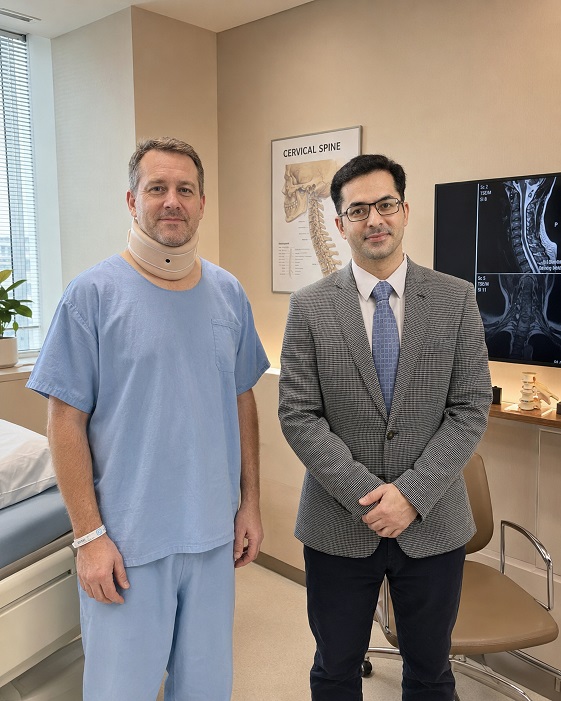
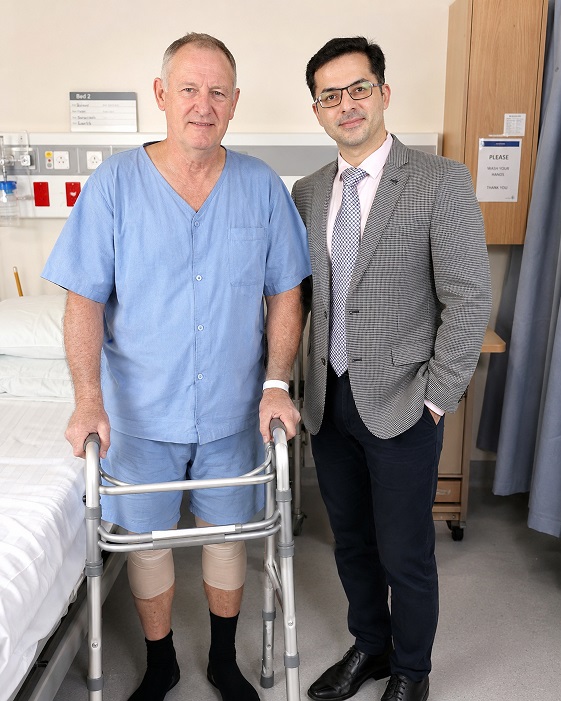
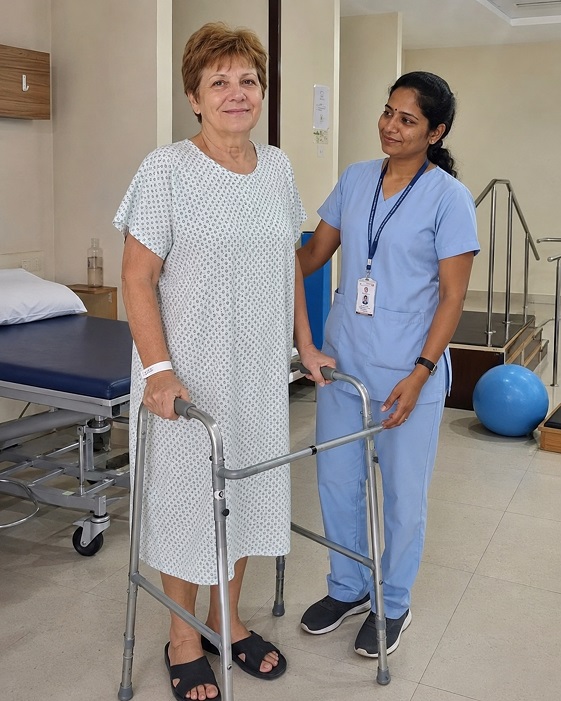
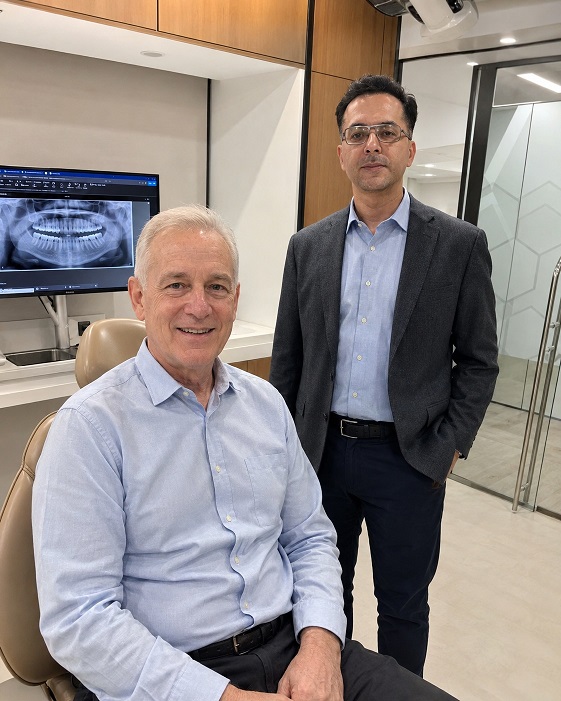
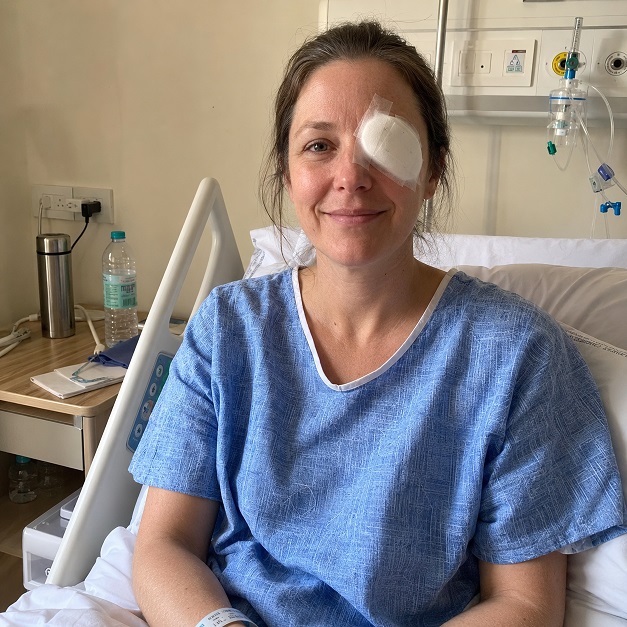
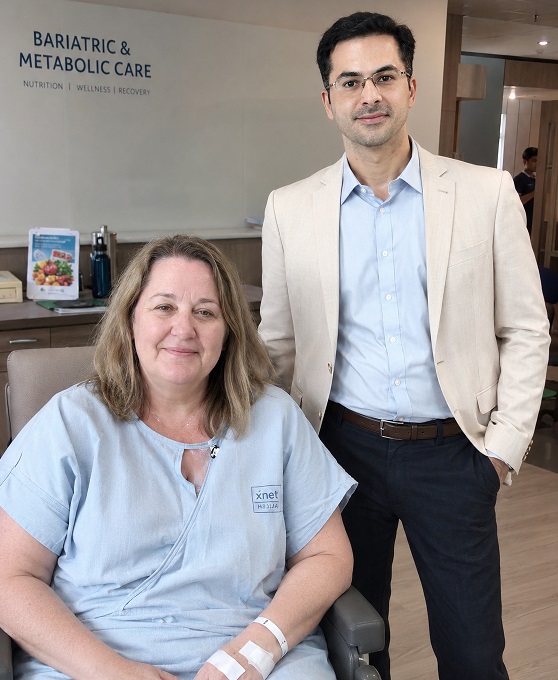
Patient Testimonials from Canada

Ready to Take the First Step?
Share your Medical Reports with our Healthcare Managers Today and Get a FREE CONSULTATION, a Personalized Treatment Plan, and Complete Support from Arrival to Recovery.
Get Your Free ConsultationAreas We Serve
This resource has been thoughtfully prepared for patients from Canada who are considering medical treatment in India. We also welcome patients from the wider region in the countries mentioned below-
We regularly assist patients from:
- Canada
- United States
- Jamaica
- Bahamas
- Barbados
- Belize
- Guyana
- Saint Lucia
- Grenada
- Dominica
- Trinidad and Tobago
- Saint Kitts and Nevis
- Antigua and Barbuda
- Saint Vincent and the Grenadines
Many of the insights, treatment pathways, hospital recommendations, travel guidance, and patient support services described here are equally relevant and may be used as a reference when planning treatment in India.
From Canada to India: Your Complete Patient Support Guide
- Cancer Treatment & Surgery in India for Canadian Patients
- Cardiac Surgery in India for Canadian Patients
- Dental Treatment & Surgery in India for Canadian Patients
- Hip Surgery in India for Canadian Patients
- Knee Surgery in India for Canadian Patients
- Neurosurgery in India for Canadian Patients
- Spine Surgery in India for Canadian Patients
- Weight Loss & Bariatric Surgery in India for Canadian Patients
- Liver Transplant in India for Canadian Patients
- Kidney Transplant in India for Canadian Patients
- Prostate Cancer Treatment & Surgery in India for Canadian Patients
- Robotic Cancer Surgery in India for Canadian Patients
- Bone Marrow Transplant in India for Canadian Patients
- Brain Tumor Surgery in India for Canadian Patients
- Breast Cancer Treatment & Surgery in India for Canadian Patients
- Colorectal Cancer Treatment & Surgery in India for Canadian Patients
- Heart Valve Replacement Surgery in India for Canadian Patients
- Selecting the Best Dental Surgery Centres in India for Canadian Patients