

Selecting the Best Oral and Maxillofacial Surgeons and Hospitals in India for Canadian Patients
Ten weighted criteria — but first, a genuine coverage rule that depends on where your surgery happens, not what it is, and why India's leading OMFS centres offer a considered, transparent alternative.
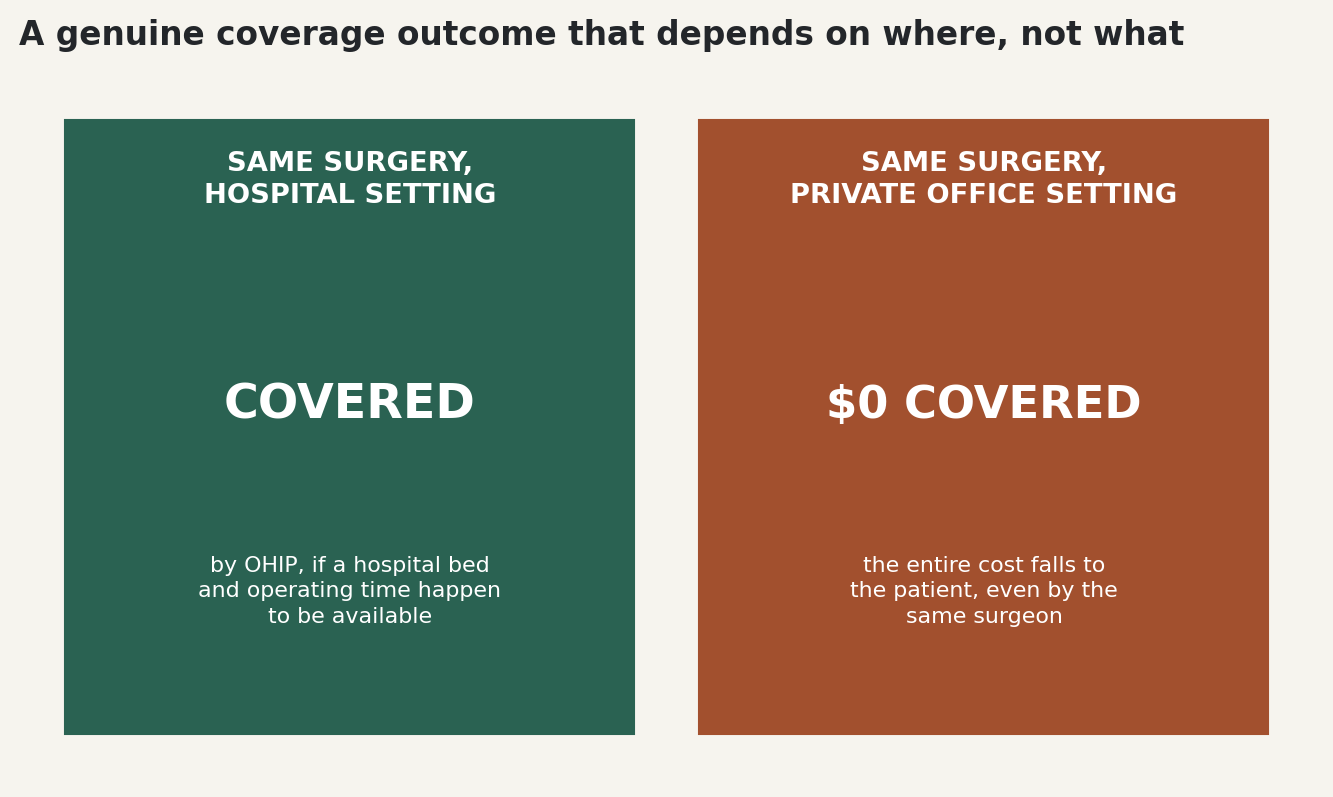
In 24 years of guiding international patients into Indian hospitals, this rule, confirmed directly by the Ontario Society of Oral and Maxillofacial Surgery itself, is genuinely worth understanding clearly before assuming your treatment is covered. Whether the exact same procedure, performed by the exact same surgeon, is covered by public insurance depends entirely on the setting it happens to take place in, not on medical necessity or the nature of the condition itself. The province publishes its list of OHIP-covered services only roughly once a decade, according to the surgeons' own society, meaning the underlying rules governing this coverage genuinely don't keep pace with how modern oral and maxillofacial care has evolved, or with rising costs of delivering it.
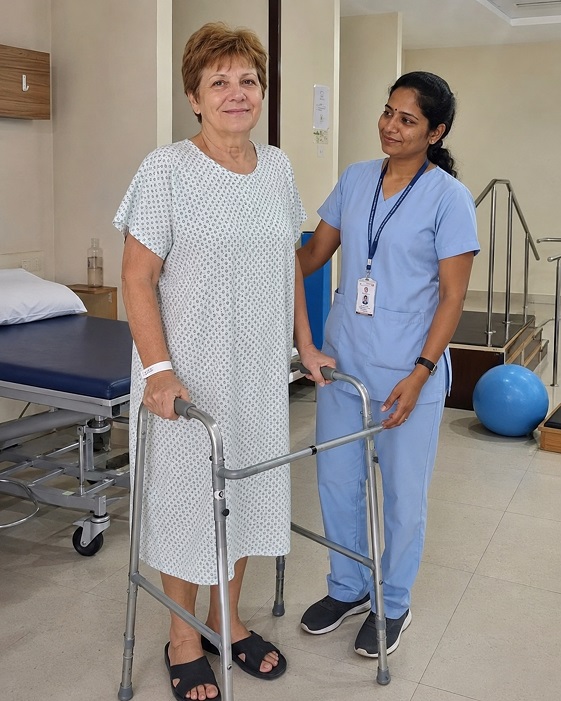
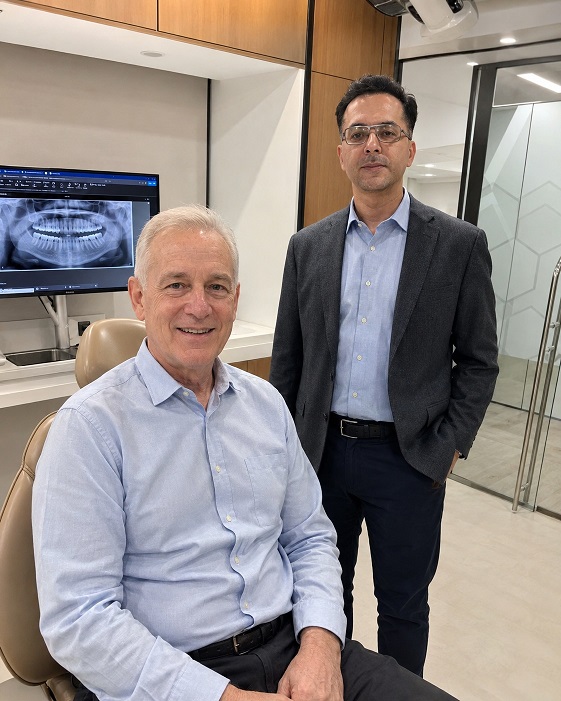
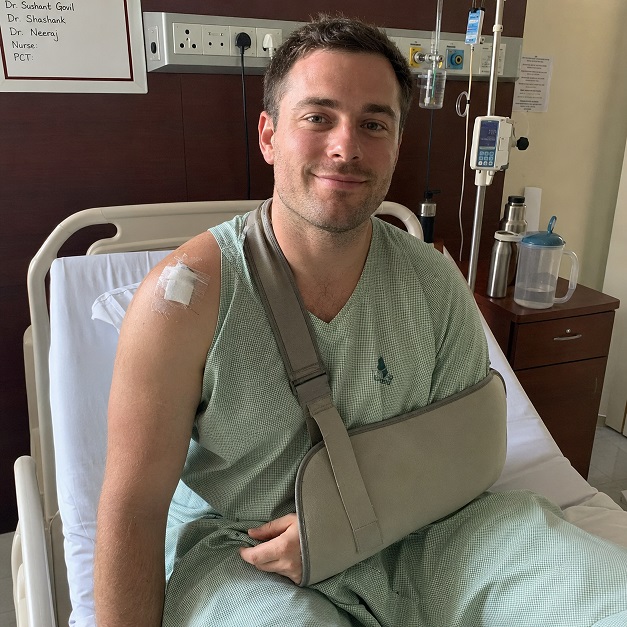
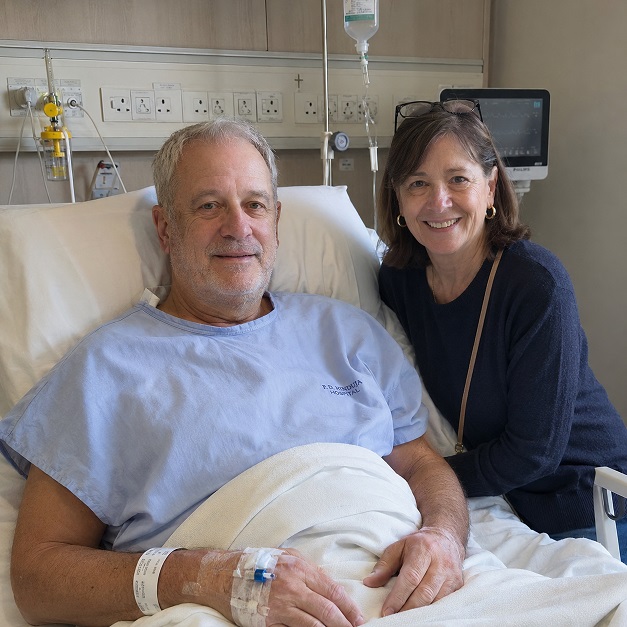
Healing Journeys of Canadian Patients
Key Takeaways
- The guide explains that Canadian coverage for oral and maxillofacial surgery can depend on where the procedure is performed rather than simply what surgery is medically required. In Ontario, the same procedure may be covered when performed in a hospital setting but not when performed in a private office setting.
- The guide also highlights an additional administrative issue for some Ontario patients. Medically necessary dental extractions may require written prior approval from the Ministry of Health, which can add time before treatment is scheduled. Hospital-bed availability and the classification of the procedure can also affect access and planning.
- India is presented as an alternative because leading OMFS centres offer high surgical volumes in orthognathic surgery, facial trauma reconstruction and oral pathology, along with English-language consultations and internationally accredited hospitals. The guide states that treatment can typically begin within approximately two to three weeks of the first consultation, depending on the case.
- The selection framework gives 55% weighting to the surgeon and 45% to the hospital. Surgeon assessment focuses on experience in the exact procedure, specialist training, personal involvement in surgery and complication/revision data. Hospital assessment includes facial imaging capability, accreditation, transparent pricing and complete surgical records for Canadian follow-up.
- The guide identifies MDS/MS in Oral & Maxillofacial Surgery as the relevant specialist qualification after the basic BDS or MBBS degree. It also gives four warning signs: receiving a price before imaging is reviewed, vague claims about procedure-specific experience, lack of complication or revision data, and poor coordination with the orthodontist when orthognathic surgery is involved.
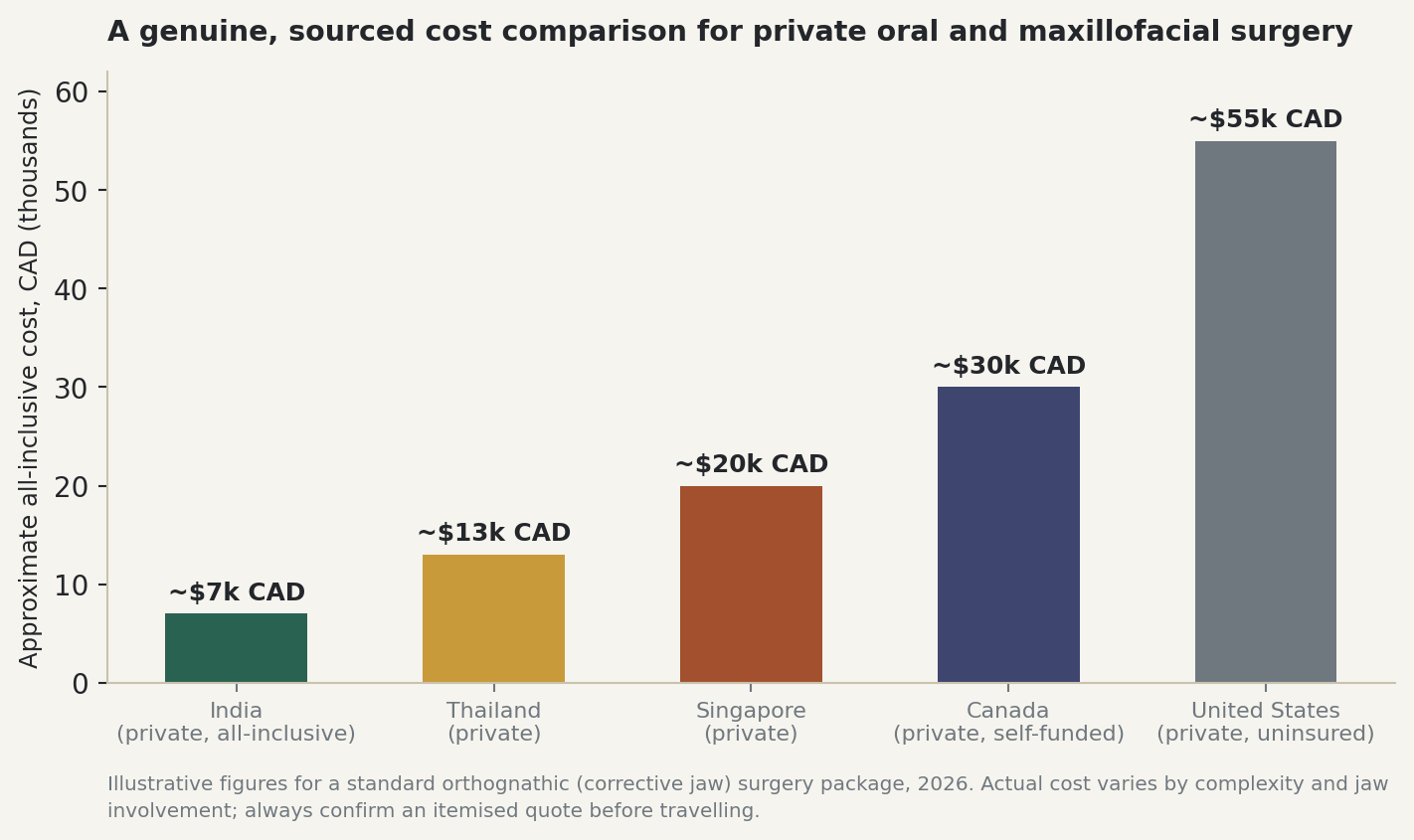
- The page 4 cost chart gives an illustrative standard orthognathic-surgery package of approximately C$7,000 in India, C$13,000 in Thailand, C$20,000 in Singapore, C$30,000 in Canada and C$55,000 in the United States. The guide stresses that actual costs vary with complexity and jaw involvement, so patients should obtain an itemised quote after imaging review.
Quick Facts
- Treatment
- Oral & Maxillofacial Surgery
- Patients
- Canadian Patients
- Key Specialist
- Oral & Maxillofacial Surgeon
- Main Treatments
- Jaw surgery, facial trauma reconstruction, oral pathology and complex reconstruction
- Selection Weighting
- 55% surgeon / 45% hospital
- Key Qualification
- MDS/MS in Oral & Maxillofacial Surgery
- Surgeon Check
- Procedure-specific surgical volume and outcomes
- Hospital Check
- Accreditation and dedicated facial imaging
- India Cost
- Approximately C$7,000 for the cited orthognathic package
- Canada Cost
- Approximately C$30,000
- US Cost
- Approximately C$55,000
- Pre-Travel Records
- Facial imaging, X-rays and treatment history
- Orthognathic Follow-Up
- Coordination with Canadian orthodontist
- Treatment Timeline
- Typically 2–3 weeks from first consultation, subject to the case
- Key Warning
- Do not accept pricing before the patient's imaging has been reviewed
- Decision Principle
- Choose based on exact procedure experience, hospital quality, transparent cost and follow-up planning.
- Author
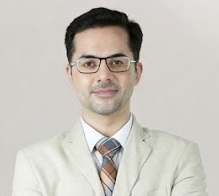
- Dr. Dheeraj Bojwani
- Experience
- 24+ Years
In Brief
For Canadian patients, the guide's main message is to check whether the surgery would be hospital-based or office-based in Canada before assuming it is covered. When considering India, procedure-specific surgeon experience, facial imaging, accreditation, transparent pricing and coordinated Canadian follow-up should be assessed together.
Oral and maxillofacial surgery genuinely covers a wide range of conditions, from corrective jaw surgery and facial trauma to oral pathology and complex reconstruction. This guide exists for patients whose OMFS surgeon has confirmed surgery is the right path, weighing where and how that surgery should happen.
Most oral and maxillofacial surgeons in Ontario genuinely do hold hospital privileges, meaning in principle they could offer either pathway. But hospital operating time and bed availability are finite, shared resources, competing against every other surgical specialty's own genuine needs, meaning even a willing surgeon cannot simply choose the covered pathway on your behalf whenever it happens to be convenient for your own schedule.
For patients facing this genuine, documented rule, the case for looking seriously at India is a strong one: internationally accredited oral and maxillofacial centres with genuinely high surgical volume, one transparent, all-inclusive quote agreed before you travel regardless of which facility performs your surgery, and treatment that can typically begin within two to three weeks of your first consultation, all at a fraction of the equivalent Canadian private cost.
A genuine administrative layer added even for covered cases
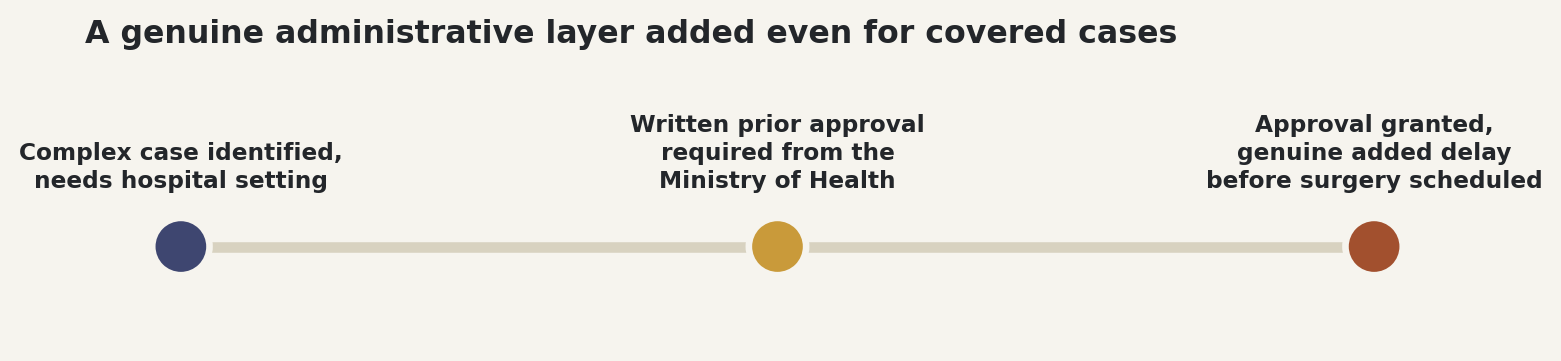
Get your recent facial imaging and treatment history together before your first overseas conversation. This matters because even when a case genuinely qualifies for the hospital-based, OHIP-covered pathway, an additional administrative step can still apply. Cases involving medically necessary dental extraction require special written prior approval from Ontario's Ministry of Health before treatment can proceed, a genuine, documented process the province itself describes as one that "can take some time."
This matters directly for how confidently you can plan your treatment timeline. Coverage isn't simply a yes-or-no question determined the moment your surgeon confirms your diagnosis; it can depend on hospital-bed availability, correct classification of your specific procedure, and, for certain cases, a separate written approval process layered on top. Patients sometimes only discover which category their case falls into partway through the referral process, after imaging and consultation have already happened, which can genuinely disrupt financial and scheduling plans made on the assumption of coverage that ultimately doesn't apply.
Why India specifically, not just “overseas”
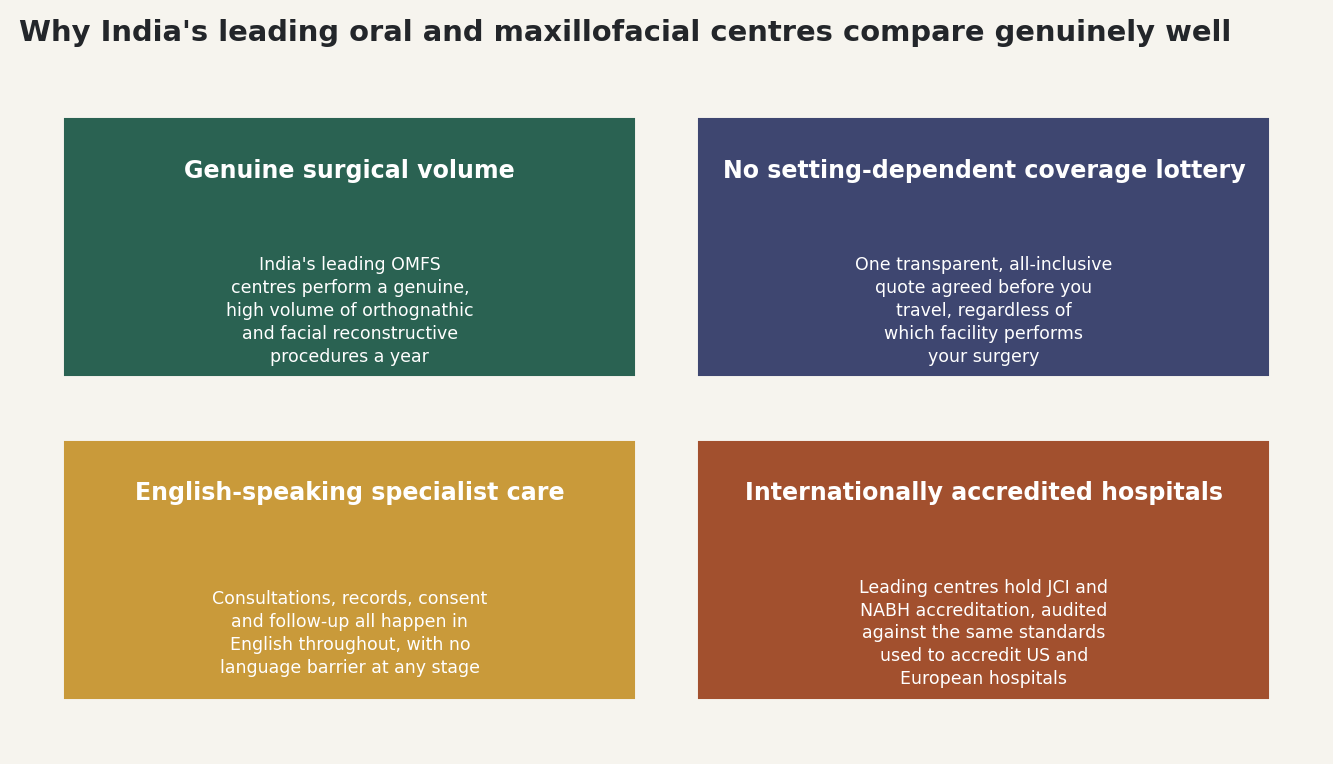
This is worth spelling out plainly, because “medical travel” can sound vague until you see what it actually means in practice. India's leading OMFS centres perform a genuine, high volume of orthognathic surgery, facial trauma reconstruction and oral pathology procedures annually, reflecting the scale of the population they serve, with one clear, transparent quote agreed before you travel, regardless of which specific facility performs the procedure. This is not a compromise reached for cost and speed; it removes entirely the setting-dependent coverage uncertainty Canadian patients currently navigate.
Every consultation, medical record, consent discussion and follow-up letter happens in English, conducted by specialists trained to internationally recognised standards, and leading hospitals hold Joint Commission International accreditation alongside India's own NABH certification. Put together, this is genuinely comparable oral and maxillofacial care, without the location-dependent coverage lottery, at a fraction of the price.
Ten weighted criteria, out of 100
The same weighting that applies across this series applies here: the surgeon carries 55 points, the hospital 45. Part one, judging the surgeon: genuine volume in your specific procedure, fellowship or specialist training in the relevant sub-area, whether the surgeon personally operates, and candid complication and revision data.
| Qualification | Length | What it actually means |
|---|---|---|
| BDS or MBBS | 5–5½ years | The basic dental or medical degree. A licence to practise, not a specialist qualification. |
| MDS/MS (Oral & Maxillofacial Surgery) | 3 years further | This is what matters most here. Dedicated further training specifically in surgery of the face, mouth and jaws. |
Part two, judging the hospital: a genuine, all-inclusive quote regardless of facility type, dedicated facial imaging capability, verified international accreditation, and a complete surgical record your Canadian dentist or physician can use.
Four Signals That Should Make You Pause
- A price quoted before your imaging has been reviewed. Nobody can meaningfully assess or price this surgery without seeing your specific case.
- Vagueness about the surgeon's specific volume in your exact procedure. General reassurance about “extensive OMFS experience” is not an answer.
- No candid complication and revision rate data. A responsible surgeon addresses this directly, not evasively.
- Unclear coordination with your orthodontist, if orthognathic surgery is involved. This coordination genuinely affects your final outcome.
Canada-specific considerations most patients miss
Ask your Canadian OMFS surgeon directly whether your specific procedure would be hospital-based or office-based. Given the documented coverage rule, this single question can reveal a considerably different real cost than assumed.
Tell your Canadian surgical team early, not after the fact. Most are more sympathetic to a second opinion than patients expect. Being upfront about exploring overseas options, rather than treating it as something to hide, generally leads to a more collaborative relationship for your eventual follow-up care.
Arrange your ongoing follow-up before you leave. Confirm your Canadian dentist or physician is willing to continue monitoring based on overseas surgical findings. For orthognathic cases specifically, confirm your Canadian orthodontist remains available to continue post-surgical orthodontic adjustment, since this ongoing care typically continues for many months after the surgery itself.
The Questions, in the Order You Should Ask Them
| Of the surgeon | Of the hospital |
|---|---|
| What is your specific volume in my exact procedure? | Is the quote genuinely all-inclusive? |
| Will you personally operate? | What dedicated facial imaging capability is available? |
| What is your complication and revision rate? | Which accreditation do you hold, and when was it last inspected? |
| How will you coordinate with my orthodontist, if relevant? | What does the final surgical record include? |
A closing word
Ontario's own oral and maxillofacial surgery society confirms a genuine, documented coverage rule: whether your surgery is covered by public insurance depends on where it happens, not what it is, with an additional written approval process for some cases even when hospital-based. For patients facing that reality, the case for India is genuinely strong, not a fallback option: OMFS centres with deep, current surgical volume and one transparent, all-inclusive quote regardless of setting, and treatment that can typically begin within two to three weeks, at a fraction of the equivalent Canadian private cost.
In 24 years of guiding patients through exactly this decision, the pattern is consistent: those who look closely at what India's leading OMFS centres actually offer, rather than assuming distance means compromise, generally come away reassured rather than anxious. Confirm your Canadian coverage setting directly first, weight genuine surgical volume heavily, and travel with a written, itemised quote in hand.
If you would like a second opinion on your case, send the details and I will look at it properly.
Frequently Asked Questions by Canadians about Oral and Maxillofacial Surgeons and Hospitals in India
Is oral and maxillofacial surgery covered by OHIP?
Coverage can depend on where the surgery takes place. The guide explains that a hospital-based procedure may be covered while the same procedure in a private office may not be.
Why should Canadian patients check the treatment setting?
The treatment setting can substantially change the patient's out-of-pocket cost. Patients should ask their Canadian OMFS surgeon whether their specific procedure would be hospital-based or office-based.
What qualification should I look for in an OMFS surgeon?
The guide highlights MDS/MS in Oral & Maxillofacial Surgery as dedicated specialist training in surgery of the face, mouth and jaws.
What procedures are covered by this guide?
It focuses on orthognathic/jaw surgery, facial trauma reconstruction, oral pathology and complex maxillofacial reconstruction.
How much does orthognathic surgery cost in India?
The guide gives an illustrative cost of approximately C$7,000 in India, compared with C$30,000 in Canada and C$55,000 in the US.
What should I check about the surgeon?
Ask for experience with your exact procedure, whether the surgeon personally operates and their complication and revision rates.
Why is imaging important before getting a price?
Complex jaw and facial surgery cannot be meaningfully assessed or priced without reviewing the patient's specific facial imaging and X-rays.
Is orthodontist coordination necessary?
Yes, particularly for orthognathic surgery. The guide stresses that coordination with the Canadian orthodontist can affect the final outcome and may continue for months after surgery.
What should I arrange before returning to Canada?
Arrange a Canadian dentist or physician for follow-up and ensure the Indian hospital provides a complete surgical record. Orthognathic patients should also confirm continued orthodontic care.
What are the main warning signs?
Be cautious if a centre gives a price before reviewing imaging, cannot provide procedure-specific surgical volume, avoids discussing complication/revision rates or does not clearly coordinate with your orthodontist when required.
Sources
- The Ontario Society of Oral and Maxillofacial Surgery, OHIP Coverage — osoms.ca
- Canadian Association of Oral and Maxillofacial Surgeons — caoms.com
- National Medical Commission — nmc.org.in
- National Accreditation Board for Hospitals & Healthcare Providers — nabh.co
Page Summary
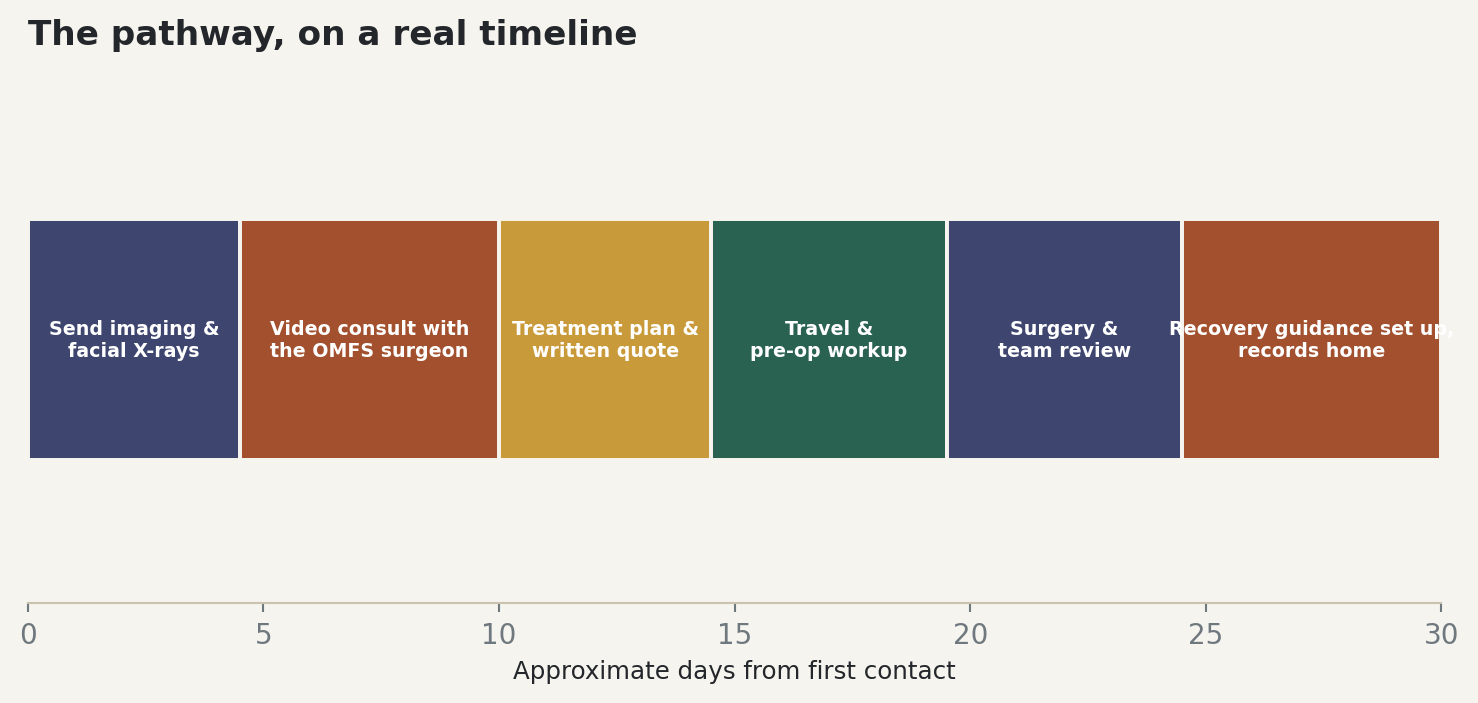
This six-page selection guide explains how Canadian patients can evaluate oral and maxillofacial surgeons and hospitals in India, with particular attention to Ontario's setting-dependent coverage rules. The page 1 graphic shows that the same surgery may be covered in a hospital setting but have $0 covered in a private office setting. Page 2 explains the additional written-approval process that may apply to certain medically necessary dental extractions. Page 3 assigns 55% of the selection weighting to the surgeon and 45% to the hospital, while page 4 compares representative orthognathic-surgery costs of C$7,000 in India, C$30,000 in Canada and C$55,000 in the US. The page 4 pathway shows the process from sending imaging through consultation, treatment planning, travel, surgery and recovery documentation for Canadian follow-up.
Citation Block
| Field | Information |
|---|---|
| Topic | Best Oral & Maxillofacial Surgeons and Hospitals in India for Canadian Patients |
| Treatment | Oral & Maxillofacial Surgery |
| Patients | Canadian Patients |
| Specialist | Oral & Maxillofacial Surgeon |
| Selection Weighting | 55% surgeon / 45% hospital |
| Main Procedures | Orthognathic surgery, facial trauma reconstruction, oral pathology |
| Key Qualification | MDS/MS in Oral & Maxillofacial Surgery |
| Surgeon Check | Exact procedure volume and complication/revision data |
| Hospital Check | Facial imaging, accreditation and surgical records |
| India Cost | ~C$7,000 |
| Canada Cost | ~C$30,000 |
| US Cost | ~C$55,000 |
| Coverage Issue | Ontario coverage can depend on hospital vs office setting |
| Approval Issue | Some medically necessary dental extractions require written prior approval |
| Pre-Travel Records | Facial imaging, X-rays and treatment history |
| Follow-Up | Canadian dentist/physician; orthodontist for jaw-surgery cases |
| Treatment Timeline | Approximately 2–3 weeks from first consultation, subject to case |
| Warning Signs | Early pricing, vague experience, no outcome data, poor orthodontic coordination |
| Patient Pathway | Imaging → consultation → treatment plan → travel → surgery → recovery → Canadian follow-up |
| Key Decision | Prioritise procedure-specific expertise and transparent planning over price alone |

Our Mission Statement
Our mission is to place patients at the centre of every healthcare decision by providing trustworthy, evidence-based, and unbiased medical information. We believe that informed patients make better decisions. Backed by personalised guidance from our experienced advisory team, we help patients understand their treatment options, compare them objectively, and confidently choose the path that best suits their medical needs and personal circumstances.
Patient Testimonials from Canada
Ready to Take the First Step?
Share your Medical Reports with our Healthcare Managers Today and Get a FREE CONSULTATION, a Personalized Treatment Plan, and Complete Support from Arrival to Recovery.
Get Your Free ConsultationAreas We Serve
This resource has been thoughtfully prepared for patients from Canada who are considering medical treatment in India. We also welcome patients from the wider region in the countries mentioned below-
We regularly assist patients from:
- Canada
- United States
- Jamaica
- Bahamas
- Barbados
- Belize
- Guyana
- Saint Lucia
- Grenada
- Dominica
- Trinidad and Tobago
- Saint Kitts and Nevis
- Antigua and Barbuda
- Saint Vincent and the Grenadines
Many of the insights, treatment pathways, hospital recommendations, travel guidance, and patient support services described here are equally relevant and may be used as a reference when planning treatment in India.
From Canada to India: Your Complete Patient Support Guide
- Cancer Treatment & Surgery in India for Canadian Patients
- Cardiac Surgery in India for Canadian Patients
- Dental Treatment & Surgery in India for Canadian Patients
- Hip Surgery in India for Canadian Patients
- Knee Surgery in India for Canadian Patients
- Neurosurgery in India for Canadian Patients
- Spine Surgery in India for Canadian Patients
- Weight Loss & Bariatric Surgery in India for Canadian Patients
- Liver Transplant in India for Canadian Patients
- Kidney Transplant in India for Canadian Patients
- Prostate Cancer Treatment & Surgery in India for Canadian Patients
- Robotic Cancer Surgery in India for Canadian Patients
- Bone Marrow Transplant in India for Canadian Patients
- Brain Tumor Surgery in India for Canadian Patients
- Breast Cancer Treatment & Surgery in India for Canadian Patients
- Colorectal Cancer Treatment & Surgery in India for Canadian Patients
- Heart Valve Replacement Surgery in India for Canadian Patients
- Selecting the Best Oral and Maxillofacial Surgeons and Hospitals in India for Canadian Patients