

Selecting the Best Cardiac Pacemaker Centres in India for Canadian Patients
Ten weighted criteria — but first, a genuine, measurable survival gap tied to follow-up timing that Canada's own national research has documented, and why India's leading cardiac device centres offer a considered, well-coordinated alternative.
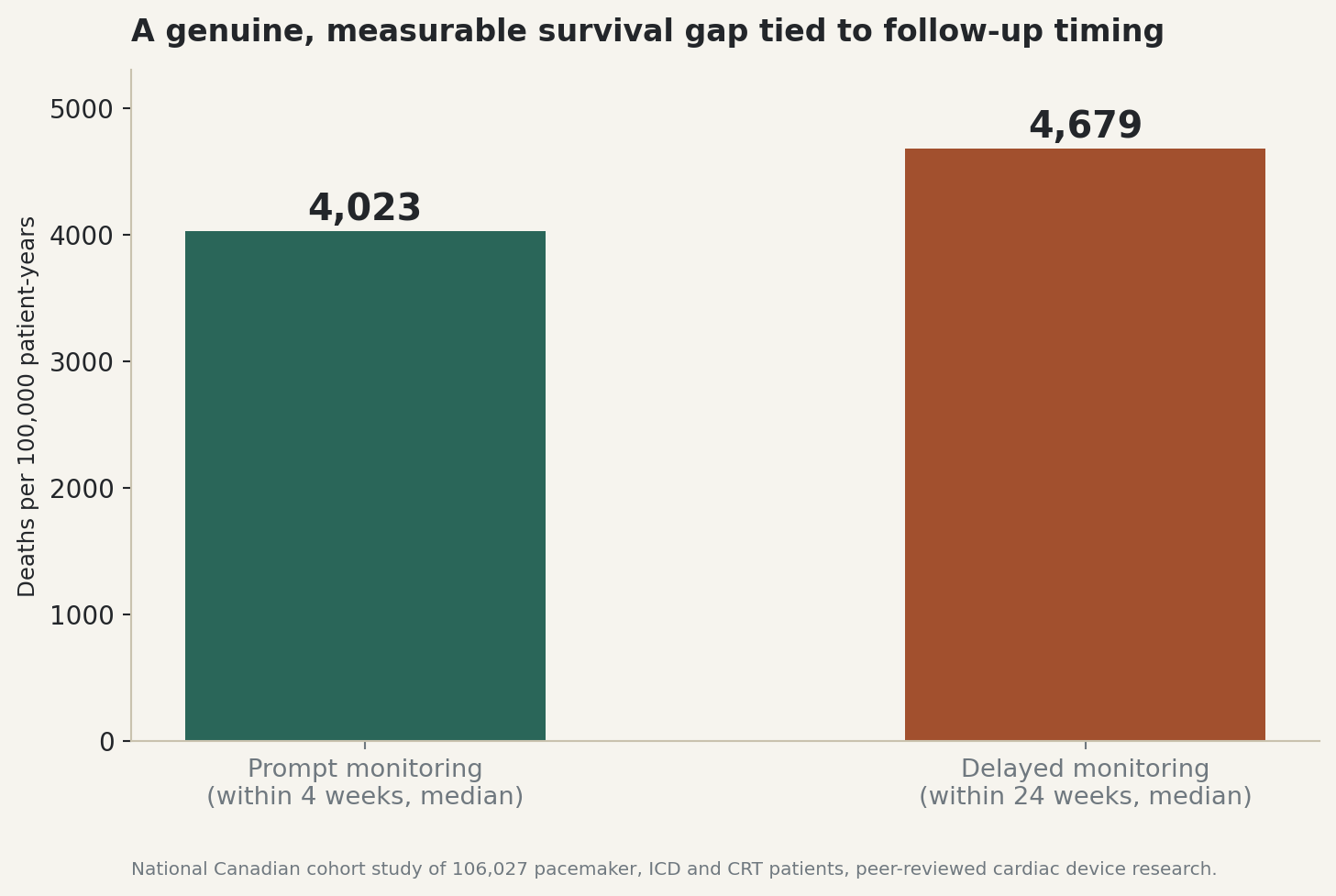
In 24 years of guiding international patients into Indian hospitals, this finding, from a rigorous national cohort study of over 106,000 Canadian and comparable patients, is genuinely important to understand clearly. It confirms that the implant itself is only part of the story; how quickly a patient is connected to ongoing remote monitoring afterward carries a genuine, measurable effect on long-term survival, not just a matter of administrative convenience. The study followed patients for a mean of 2.6 years, tracking outcomes across pacemakers, implantable cardioverter defibrillators and cardiac resynchronisation therapy devices, and found the association held consistently across every device type studied, a genuinely robust, well-controlled finding, not an isolated statistical artefact from a single small sample.
Healing Journeys of Canadian Patients
Key Takeaways
- The guide emphasises that pacemaker implantation is only one part of treatment. The ongoing monitoring after implantation can also influence outcomes, making remote monitoring arrangements an important factor when choosing a centre and planning care after returning to Canada.
- The page 1 chart, based on a national cohort study of 106,027 cardiac-device patients, shows 4,023 deaths per 100,000 patient-years in the prompt-monitoring group compared with 4,679 in the delayed-monitoring group. The study followed patients for a mean of 2.6 years and included pacemakers, ICDs and CRT devices.
- The page 2 graphic shows that 62% of patients in the prompt group reached remote monitoring within a median of 4 weeks, compared with 38% in the delayed group, where the median time was 24 weeks. The guide therefore recommends confirming that remote monitoring is arranged as part of discharge rather than being left as a separate step.
- The guide presents leading Indian cardiac electrophysiology centres as offering high device-implantation volumes, English-language specialist care and remote-monitoring enrolment built into the discharge pathway. It also highlights JCI and NABH accreditation at leading hospitals and states that treatment can typically begin within approximately two to three weeks of the first consultation.
- The selection framework gives 55% weighting to the electrophysiologist and 45% to the hospital. Specialist assessment includes experience with the patient's exact device type, device-selection reasoning, personal involvement in implantation and complication data. Hospital assessment includes remote-monitoring arrangements, a dedicated cardiac catheterisation laboratory, accreditation and a complete device record for the Canadian cardiologist.
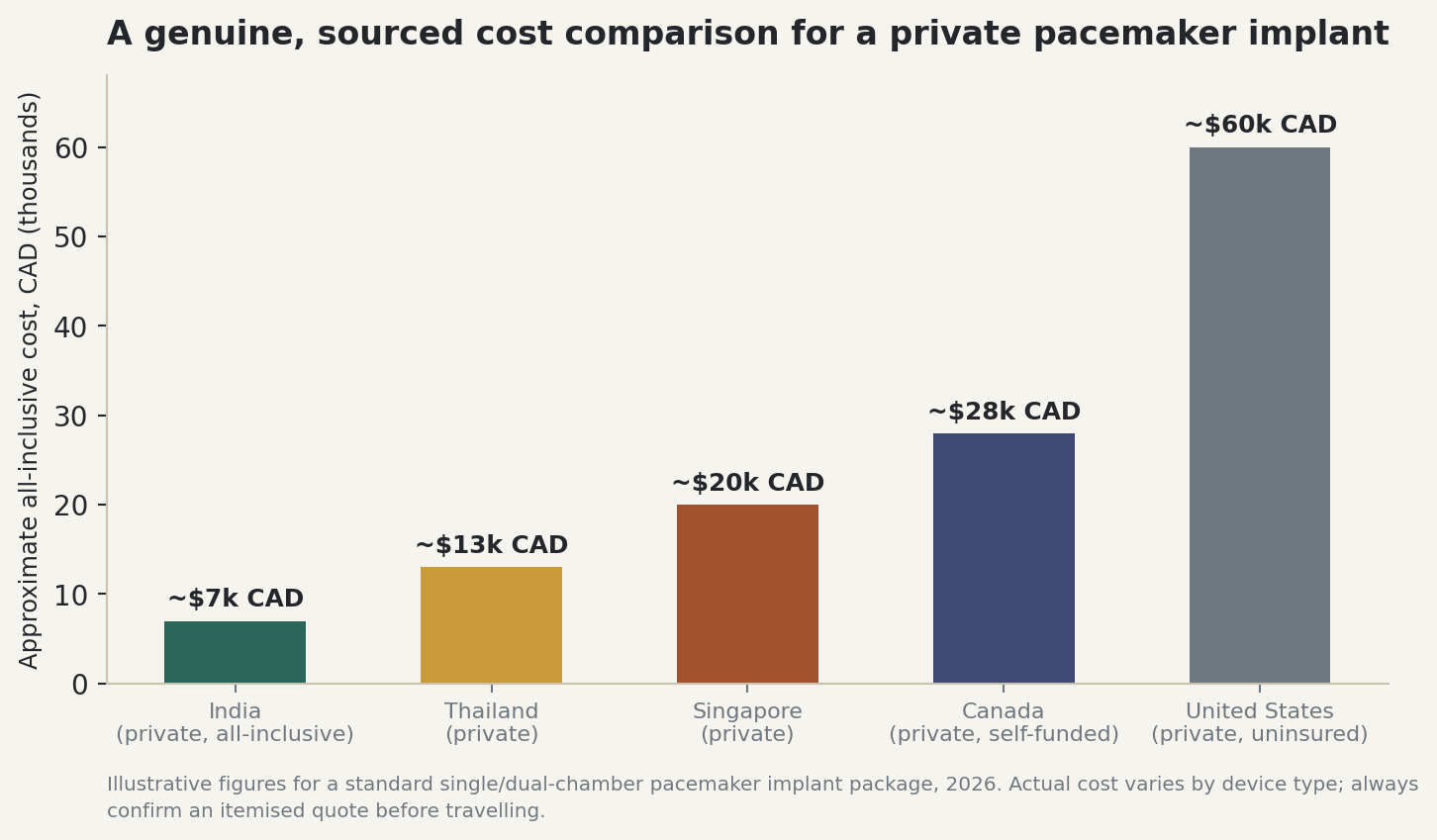
- The page 4 cost chart gives an illustrative private single/dual-chamber pacemaker package of approximately C$7,000 in India, C$13,000 in Thailand, C$20,000 in Singapore, C$28,000 in Canada and C$60,000 in the United States. The guide stresses that actual cost depends on device type and that an itemised quotation should be obtained after reviewing the patient's ECG and cardiac history.
Quick Facts
- Treatment
- Cardiac Pacemaker Implantation
- Patients
- Canadian Patients
- Key Specialist
- Cardiac Electrophysiologist
- Selection Weighting
- 55% specialist / 45% hospital
- Key Specialist Check
- Experience with the exact device type
- Key Qualification
- DM Cardiology with electrophysiology focus
- Monitoring Check
- Remote monitoring arranged before discharge
- Hospital Check
- Dedicated cardiac catheterisation lab and accreditation
- India Cost
- Approximately C$7,000
- Canada Cost
- Approximately C$28,000
- US Cost
- Approximately C$60,000
- Pre-Travel Records
- ECG, Holter reports and cardiac history
- Follow-Up
- Canadian cardiologist receiving device-monitoring data
- Key Warning
- Do not leave hospital without a clear remote-monitoring plan
- Decision Principle
- Evaluate implantation expertise and long-term monitoring together.
- Author
- Dr. Dheeraj Bojwani
- Experience
- 24+ Years
In Brief
For Canadian patients, the guide's main message is that pacemaker selection should include a clear plan for remote monitoring after implantation. Patients should assess the electrophysiologist's experience with their exact device type, confirm monitoring before discharge and arrange Canadian cardiology follow-up before travelling.
Pacemaker implantation itself is a well-established, generally low-risk procedure, and Canada's electrophysiologists include genuinely skilled specialists. This guide exists for patients whose cardiologist has confirmed device implantation is the right path, weighing where that treatment, and the ongoing monitoring it requires, should happen.
This distinction between the procedure and the ongoing care surrounding it deserves particular attention, because it's genuinely easy to focus entirely on the implant itself, the part that feels like “the surgery,” while overlooking the equally important question of what happens in the weeks and months that follow. A technically excellent implant, performed by a skilled specialist, still leaves a patient's long-term outcome partly dependent on how well the follow-up system around that implant actually functions.
For patients facing this genuine, documented reality, the case for looking seriously at India is a strong one: internationally accredited cardiac electrophysiology centres with genuinely high device implantation volume, remote monitoring enrolment built into the standard pathway before you ever leave hospital, and treatment that can typically begin within two to three weeks of your first consultation, all at a fraction of the equivalent Canadian private cost.
More than a third of patients wait six times longer to be connected
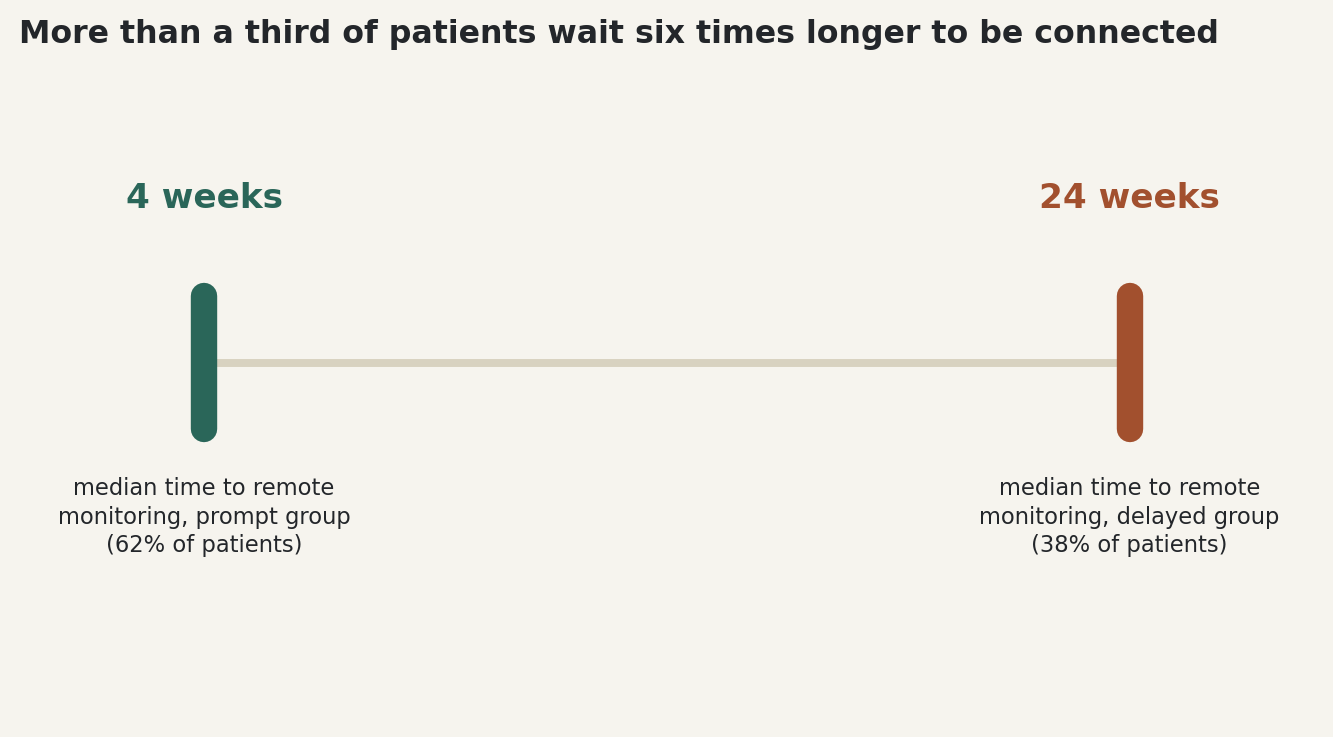
Get your full ECG and cardiac history together before your first overseas conversation. This gap matters because remote monitoring isn't a passive convenience; it allows a care team to detect genuine device or rhythm problems between scheduled in-person visits, sometimes catching issues that would otherwise go unnoticed for months. A patient in the delayed group spends considerably longer without this safety net, precisely the period during which early complications are most likely to emerge.
This pattern reflects a genuine, structural gap in how post-implant care is coordinated across Canada's system, not a failure of any single hospital. Remote monitoring enrolment often depends on a separate administrative step, distinct from the implant procedure itself, and that step can be genuinely easy to delay or overlook amid a busy discharge process. Setting up remote monitoring genuinely requires coordinating several separate pieces, patient education on the equipment, network connectivity at home, and administrative enrolment with the specific device manufacturer's monitoring platform, any one of which can introduce delay if not managed as a deliberate, built-in part of the discharge process rather than an afterthought.
Why India specifically, not just “overseas”
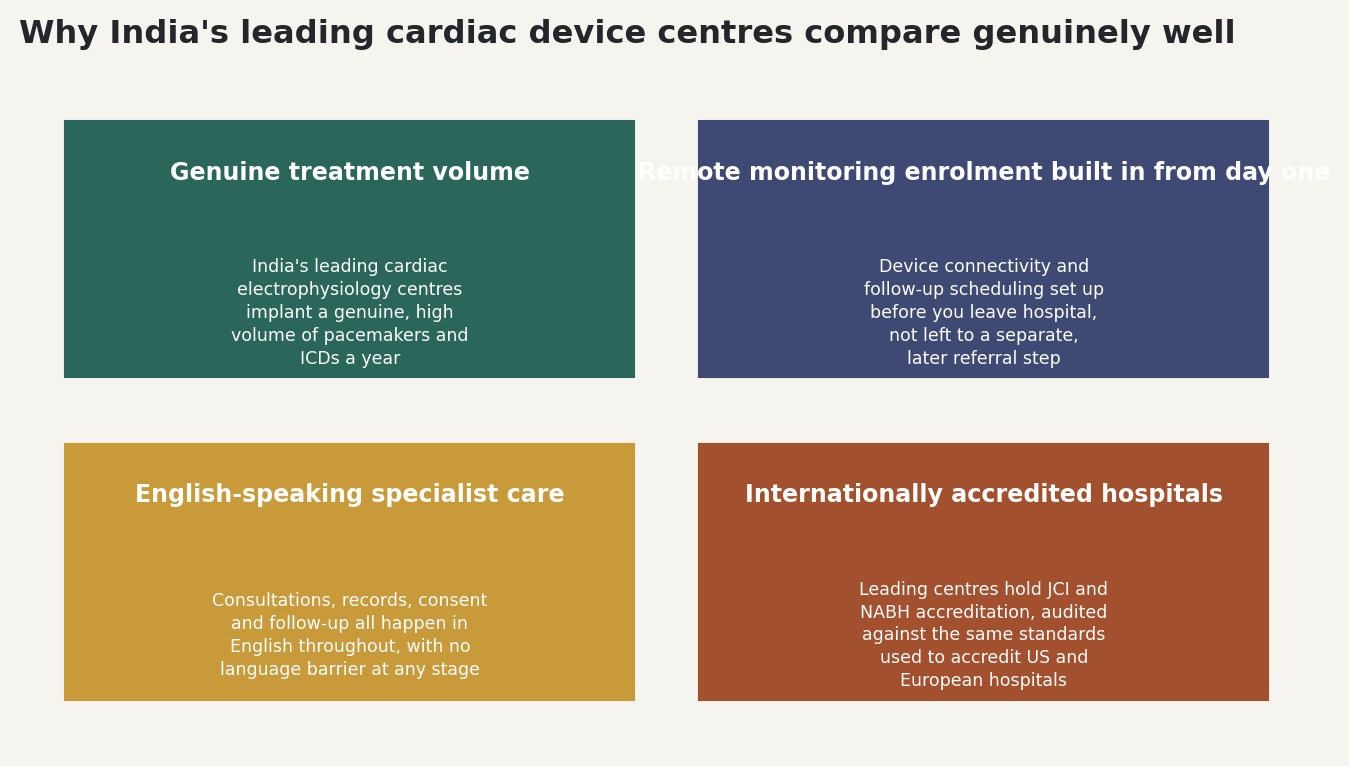
This is worth spelling out plainly, because “medical travel” can sound vague until you see what it actually means in practice. India's leading cardiac electrophysiology centres implant a genuine, high volume of pacemakers, ICDs and CRT devices annually, with remote monitoring enrolment integrated as a standard, built-in step before discharge, precisely addressing the exact coordination gap Canadian research has documented so clearly. This is not a compromise reached for cost and speed; it represents genuine, deliberate attention to the post-implant period that measurably affects outcomes.
Every consultation, medical record, consent discussion and follow-up letter happens in English, conducted by specialists trained to internationally recognised standards, and leading hospitals hold Joint Commission International accreditation alongside India's own NABH certification. Put together, this is genuinely comparable cardiac device care, with a coordinated monitoring pathway built in from the outset, at a fraction of the price.
Ten weighted criteria, out of 100
The same weighting that applies across this series applies here: the electrophysiologist carries 55 points, the hospital 45. Part one, judging the specialist: genuine volume in your specific device type, an honest discussion of device selection, whether the specialist personally performs the implant, and candid complication data.
| Qualification | Length | What it actually means |
|---|---|---|
| MBBS | 5½ years | The basic medical degree. A licence to practise, not a specialist qualification. |
| MD (Medicine) | 3 years | The base specialist qualification in general medicine. |
| DM (Cardiology), electrophysiology focus | 3 years further | This is what matters most here. Dedicated further training specifically in device implantation and rhythm management. |
Part two, judging the hospital: remote monitoring enrolment genuinely built into the discharge process, a dedicated cardiac catheterisation lab, verified international accreditation, and a complete device record your Canadian cardiologist can use.
Four Signals That Should Make You Pause
- No remote monitoring set up before you leave hospital. Confirm this is arranged as a standard part of your discharge, not a separate step you must chase later.
- Vagueness about the specialist's specific device volume. Ask for a confident, specific number, not general cardiology experience.
- A price quoted before your ECG and cardiac history have been reviewed. Nobody can meaningfully assess device type without seeing your specific case.
- No clear plan for ongoing follow-up once you're home. Confirm exactly how your Canadian cardiologist will receive your device data.
Canada-specific considerations most patients miss
Ask your Canadian cardiologist directly when your remote monitoring will actually begin, not just whether it's planned. Given the documented gap, a specific date or timeframe is worth confirming clearly.
Tell your Canadian cardiology team early, not after the fact. Most are more sympathetic to a second opinion than patients expect.
Arrange your ongoing device follow-up before you leave. Confirm your Canadian cardiologist is willing to receive remote monitoring data from a device implanted overseas.
The Questions, in the Order You Should Ask Them
| Of the specialist | Of the hospital |
|---|---|
| What is your specific volume in my exact device type? | Is remote monitoring set up before discharge? |
| Which device suits my case, and why? | Is a dedicated cardiac catheterisation lab available? |
| Will you personally perform the implant? | Which accreditation do you hold, and when was it last inspected? |
| What is your complication rate? | What does the final device record include? |
A closing word
Canada's own national research confirms a genuine, measurable survival gap tied not to the pacemaker implant itself, but to how quickly patients are connected to ongoing remote monitoring afterward, a step more than a third of patients experience with a genuine, substantial delay. For patients facing that reality, the case for India is genuinely strong, not a fallback option: cardiac device centres with deep, current implantation volume and remote monitoring built into the standard pathway from day one, and treatment that can typically begin within two to three weeks, at a fraction of the equivalent Canadian private cost.
In 24 years of guiding patients through exactly this decision, the pattern is consistent: those who look closely at what India's leading cardiac device centres actually offer, rather than assuming distance means compromise, generally come away reassured rather than anxious. Confirm remote monitoring timing explicitly, weight genuine implantation volume heavily, and travel with a written, itemised quote in hand.
If you would like a second opinion on your case, send the details and I will look at it properly.
Frequently Asked Questions by Canadians about Cardiac Pacemaker Centres in India
Is pacemaker implantation generally a low-risk procedure?
The guide describes pacemaker implantation as a well-established procedure, but stresses that post-implant monitoring remains an important part of care.
Why is remote monitoring important?
It allows the care team to receive device information and identify potential device or rhythm problems between scheduled in-person appointments.
How quickly should remote monitoring be arranged?
The guide recommends arranging it before leaving the hospital rather than treating it as a separate later administrative step.
What specialist should perform pacemaker implantation?
Look for a cardiac electrophysiologist with substantial experience in the specific device type required.
What qualification should I check?
The guide highlights DM Cardiology with an electrophysiology focus as dedicated further training in device implantation and rhythm management.
How much does a pacemaker cost in India?
The guide gives an illustrative cost of approximately C$7,000 for a standard single/dual-chamber pacemaker package.
What should I send before travelling?
Send your ECG, Holter reports and complete cardiac history so the electrophysiologist can assess the appropriate device before providing a treatment plan.
Can my Canadian cardiologist monitor a pacemaker implanted in India?
The guide recommends confirming this before travelling and ensuring the Indian centre can provide the necessary device data and records to the Canadian cardiologist.
What are the main warning signs?
Be cautious if the centre cannot arrange remote monitoring before discharge, is vague about device-specific experience, quotes a price before reviewing your records or has no clear Canadian follow-up plan.
What is the most important factor when choosing a pacemaker centre?
The guide's key message is to assess specialist device expertise together with the post-implant monitoring pathway, rather than judging a centre only by implantation cost.
Sources
- Improved Survival in Patients Enrolled Promptly into Remote Monitoring Following Cardiac Implantable Electronic Device Implantation, PMC — ncbi.nlm.nih.gov
- Nova Scotia Wait Time Information, Pacemaker Insertion, 2025-2026 — waittimes.novascotia.ca
- National Medical Commission — nmc.org.in
- National Accreditation Board for Hospitals & Healthcare Providers — nabh.co
Page Summary
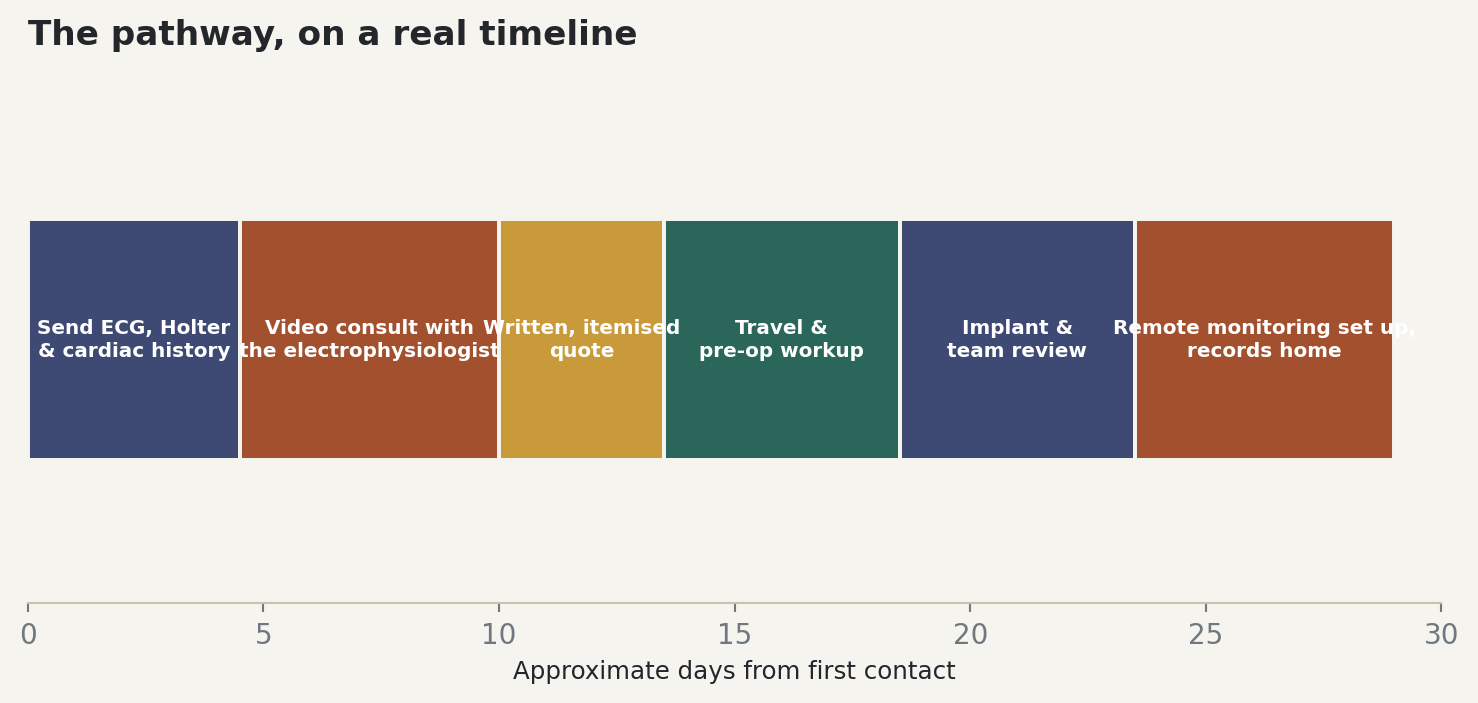
This six-page selection guide explains how Canadian patients can evaluate cardiac pacemaker centres in India, with particular emphasis on the importance of post-implant remote monitoring. The page 1 chart compares 4,023 versus 4,679 deaths per 100,000 patient-years for prompt and delayed monitoring groups. Page 2 shows a median remote-monitoring connection time of 4 weeks versus 24 weeks. Page 3 assigns 55% of the selection weighting to the electrophysiologist and 45% to the hospital, while page 4 compares illustrative private pacemaker costs of C$7,000 in India, C$28,000 in Canada and C$60,000 in the US. The page 5 pathway runs from sending ECG/Holter records through specialist consultation, written quotation, travel and implantation to remote-monitoring setup and Canadian follow-up.
Citation Block
| Field | Information |
|---|---|
| Topic | Best Cardiac Pacemaker Centres in India for Canadian Patients |
| Treatment | Cardiac Pacemaker Implantation |
| Patients | Canadian Patients |
| Specialist | Cardiac Electrophysiologist |
| Selection Weighting | 55% specialist / 45% hospital |
| Key Assessment | Exact device type and clinical suitability |
| Specialist Qualification | DM Cardiology with electrophysiology focus |
| Monitoring Requirement | Remote monitoring before discharge |
| Hospital Requirement | Cardiac catheterisation lab and accreditation |
| India Cost | ~C$7,000 |
| Canada Cost | ~C$28,000 |
| US Cost | ~C$60,000 |
| Monitoring Gap | 4-week vs 24-week median connection time |
| Pre-Travel Records | ECG, Holter and cardiac history |
| Follow-Up | Canadian cardiologist |
| Key Warning | No remote-monitoring plan before discharge |
| Patient Pathway | Records → consultation → quote → pre-op → implant → monitoring → Canadian follow-up |
| Decision Principle | Assess both implantation expertise and long-term monitoring |


Our Mission Statement
Our mission is to place patients at the centre of every healthcare decision by providing trustworthy, evidence-based, and unbiased medical information. We believe that informed patients make better decisions. Backed by personalised guidance from our experienced advisory team, we help patients understand their treatment options, compare them objectively, and confidently choose the path that best suits their medical needs and personal circumstances.
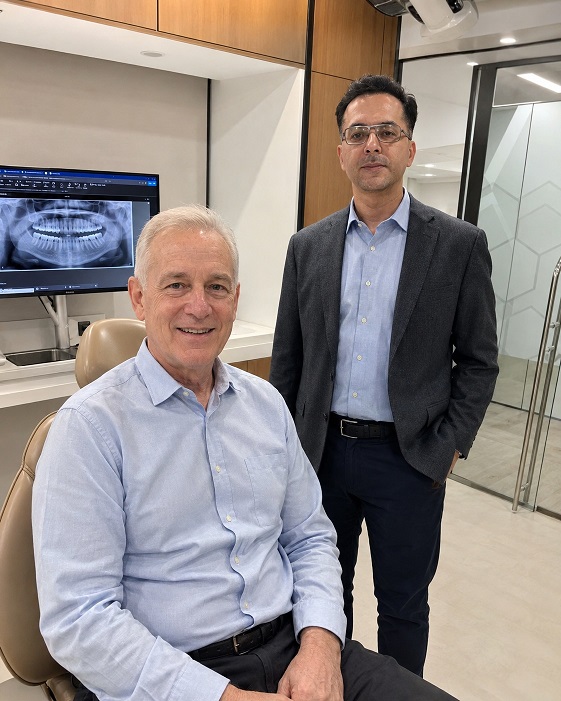
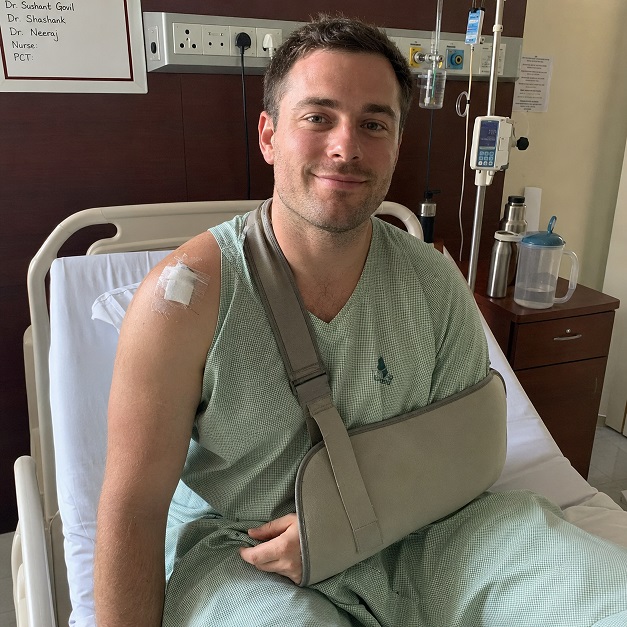
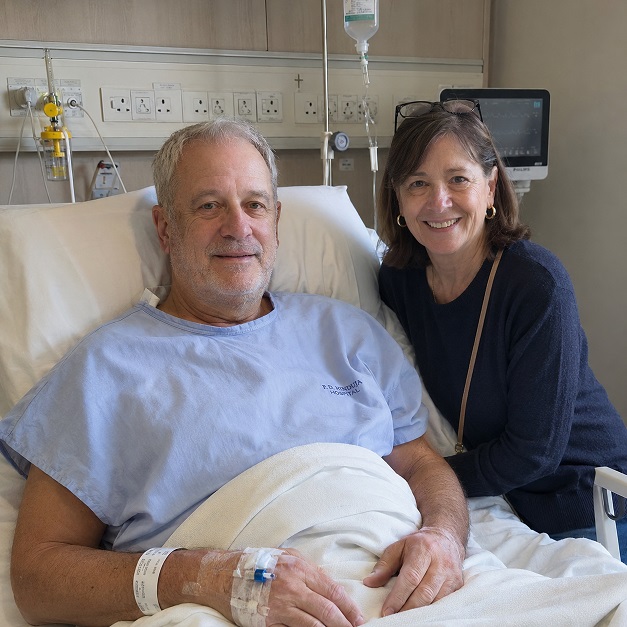
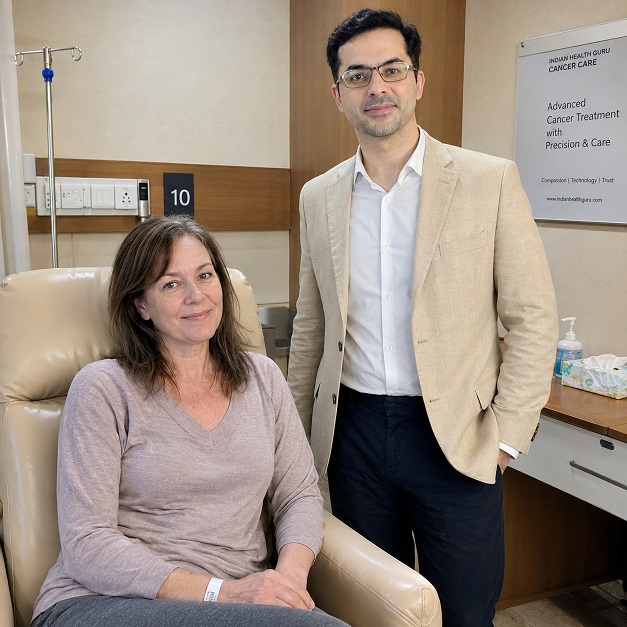
Patient Testimonials from Canada
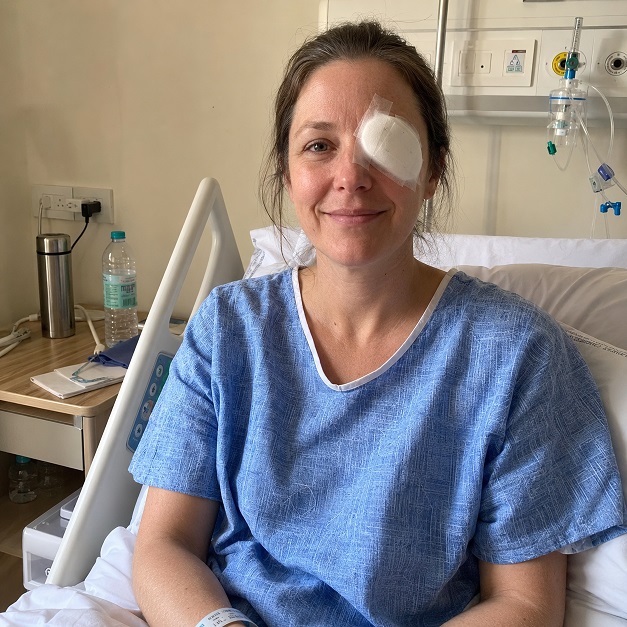

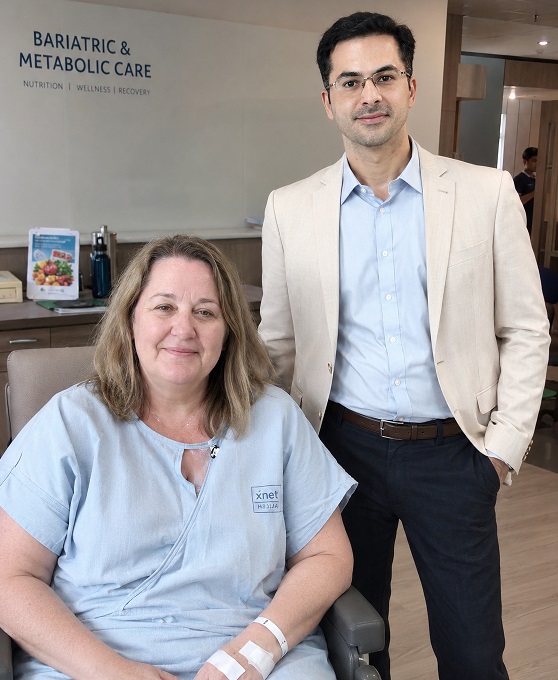
Ready to Take the First Step?
Share your Medical Reports with our Healthcare Managers Today and Get a FREE CONSULTATION, a Personalized Treatment Plan, and Complete Support from Arrival to Recovery.
Get Your Free ConsultationAreas We Serve
This resource has been thoughtfully prepared for patients from Canada who are considering medical treatment in India. We also welcome patients from the wider region in the countries mentioned below-
We regularly assist patients from:
- Canada
- United States
- Jamaica
- Bahamas
- Barbados
- Belize
- Guyana
- Saint Lucia
- Grenada
- Dominica
- Trinidad and Tobago
- Saint Kitts and Nevis
- Antigua and Barbuda
- Saint Vincent and the Grenadines
Many of the insights, treatment pathways, hospital recommendations, travel guidance, and patient support services described here are equally relevant and may be used as a reference when planning treatment in India.
From Canada to India: Your Complete Patient Support Guide
- Cancer Treatment & Surgery in India for Canadian Patients
- Cardiac Surgery in India for Canadian Patients
- Dental Treatment & Surgery in India for Canadian Patients
- Hip Surgery in India for Canadian Patients
- Knee Surgery in India for Canadian Patients
- Neurosurgery in India for Canadian Patients
- Spine Surgery in India for Canadian Patients
- Weight Loss & Bariatric Surgery in India for Canadian Patients
- Liver Transplant in India for Canadian Patients
- Kidney Transplant in India for Canadian Patients
- Prostate Cancer Treatment & Surgery in India for Canadian Patients
- Robotic Cancer Surgery in India for Canadian Patients
- Bone Marrow Transplant in India for Canadian Patients
- Brain Tumor Surgery in India for Canadian Patients
- Breast Cancer Treatment & Surgery in India for Canadian Patients
- Colorectal Cancer Treatment & Surgery in India for Canadian Patients
- Heart Valve Replacement Surgery in India for Canadian Patients
- Selecting the Best Cardiac Pacemaker Centres in India for Canadian Patients