

Heart Failure Treatment and Surgery in India for Canadian Patients
For eligible patients, heart transplantation can raise average life expectancy from about a year to 8.5 years. This guide covers that outlook, and the mechanical support options available at every stage.
A 58-year-old in Winnipeg with advanced heart failure, no longer responding meaningfully to medication. His cardiologist has begun the conversation about what comes next, and it's a more hopeful conversation than he expected: not just a heart transplant waiting list, but a mechanical pump that can support him now, adapt as his situation changes, and in some cases serve as a genuine long-term treatment in its own right.
Read This Before Anything Else in This Document
This briefing is not written for acute cardiogenic shock or a rapidly deteriorating patient requiring emergency stabilisation. Those situations require immediate care in Canada. What follows concerns stable, well-defined advanced heart failure, where there is genuine time to understand the treatment pathway and options carefully.
Healing Journeys of Canadian Patients
Key Takeaways
- Canadian patients with stable, well-defined advanced heart failure may have several treatment pathways, including continued medical therapy, LVAD support and heart transplantation depending on individual eligibility.
- The PDF specifically warns that it is not intended for acute cardiogenic shock or rapidly deteriorating patients, who require immediate emergency care in Canada.
- Published modelling cited in the briefing estimates average life expectancy of approximately 1.1 years with medical therapy alone for transplant-eligible patients with end-stage heart failure, compared with an estimated 8.5 years with heart transplantation.
- An LVAD is a mechanical pump that helps a failing heart pump blood effectively and can serve different roles depending on the patient's situation.
- LVAD therapy can function as a bridge to transplant, bridge to decision, or destination therapy for patients who are not transplant candidates.
- Modern magnetically levitated LVAD systems are smaller than earlier generations, with published trial data showing fewer hospitalisation days.
- Heart transplantation cannot be privately purchased or expedited in Canada, India or elsewhere because donor availability, medical urgency and compatibility determine transplantation.
- The PDF indicates an approximate India cost of C$32,500 for an LVAD implantation package, compared with C$325,000+ in the United States as the other paid option shown in the briefing.
- Canadian patients considering LVAD treatment in India should confirm the specific role of the device in their treatment plan before making travel arrangements.
- Patients should verify hospital accreditation, device technology, the experience of the heart failure team and the long-term monitoring arrangements with their Canadian cardiac team.
Quick Facts
- Treatment
- Advanced Heart Failure Treatment and Surgery
- Country
- India
- Patients
- Canadian Patients
- Primary Condition
- Advanced / End-Stage Heart Failure
- Main Treatment Options
- Medical Therapy, LVAD Support and Heart Transplantation
- Medical Therapy Life Expectancy in Cited Modelling
- Approximately 1.1 years for transplant-eligible end-stage heart failure patients
- Estimated Life Expectancy After Transplant
- Approximately 8.5 years
- Mechanical Support
- Left Ventricular Assist Device (LVAD)
- LVAD Role
- Bridge to Transplant, Bridge to Decision or Destination Therapy
- Modern LVAD Technology
- Magnetically levitated systems are smaller and associated with fewer hospitalisation days than earlier generations
- Indicative India LVAD Cost
- Approximately C$32,500
- U.S. LVAD Cost Shown
- C$325,000+
- Typical India Stay for LVAD
- Approximately 3–4 weeks
- Key Specialists
- Heart Failure Team, Cardiologist, Cardiac Surgeon and Device Management Specialists
- Heart Transplant Availability
- Dependent on donor availability, medical urgency and compatibility
- Hospital Accreditation
- JCI or NABH can be independently verified
- Follow-Up
- Canadian Heart Failure Team
- Required Follow-Up Records
- Complete device record and specific long-term monitoring plan
In Brief
Canadian patients with stable advanced heart failure should understand that treatment is not limited to waiting for a heart transplant. The PDF describes LVAD therapy as a mechanical support option that can serve as a bridge to transplant, bridge to decision or destination therapy for selected patients. Published modelling cited in the briefing estimates average life expectancy at approximately 1.1 years on medical therapy alone for transplant-eligible end-stage heart failure patients, compared with 8.5 years following heart transplantation. Modern magnetically levitated LVAD systems have also become smaller and are associated with fewer hospitalisation days than earlier generations. Canadian patients considering treatment in India should seek assessment from a multidisciplinary heart failure team, confirm the specific device technology and its intended role, verify hospital accreditation and establish a detailed long-term monitoring plan with their Canadian heart failure team.
For eligible patients, the outlook can change almost entirely
Canadian heart failure specialists and cardiac surgeons do genuinely skilled work, and in 24 years of guiding international patients into Indian hospitals I have never suggested otherwise. It's worth opening with how transformative advanced heart failure therapy can be, because the outcome data is genuinely striking.
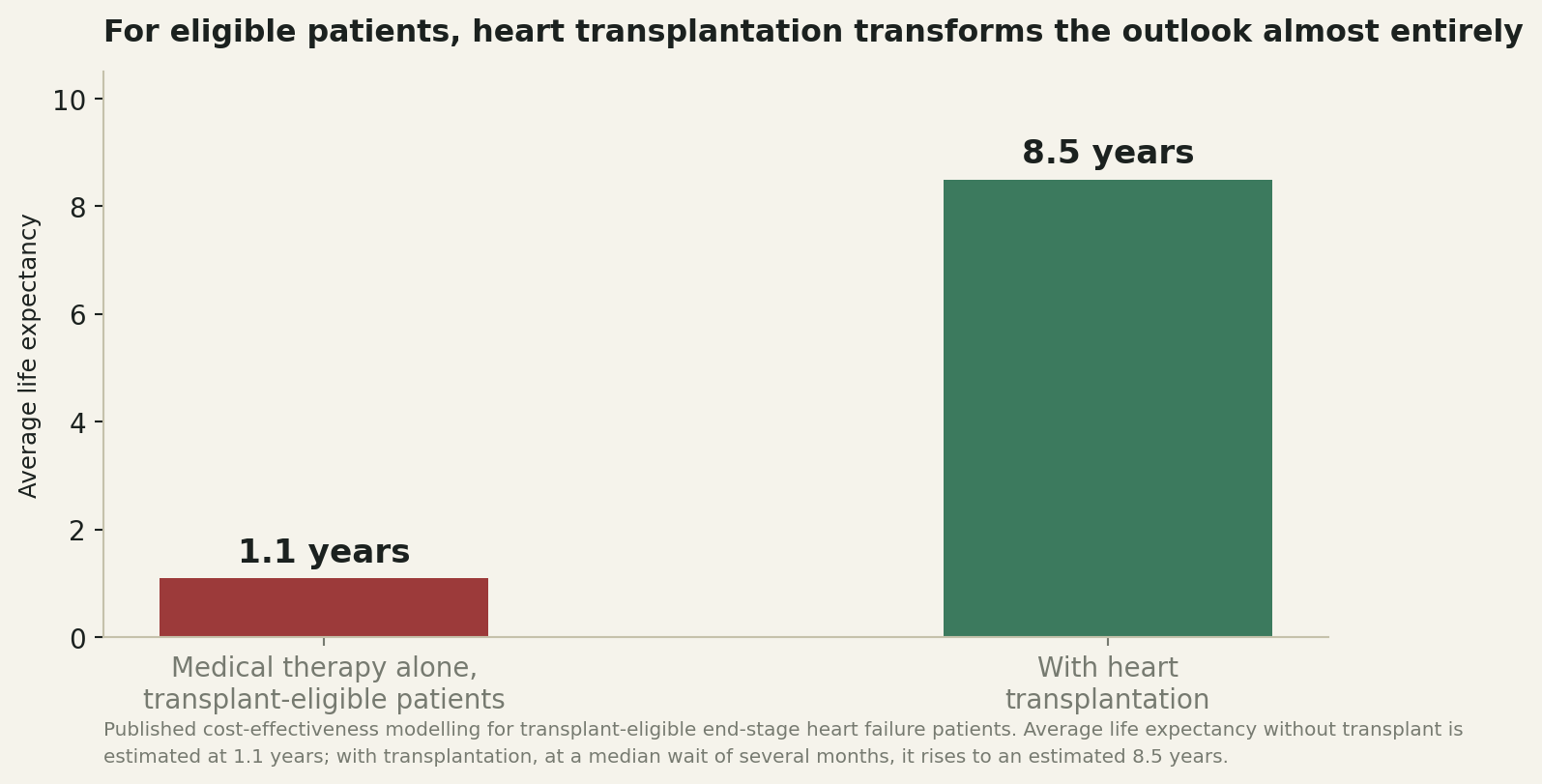
Published modelling for transplant-eligible patients with end-stage heart failure estimates average life expectancy at just 1.1 years on medical therapy alone. With heart transplantation, at a typical wait of several months, that rises to an estimated 8.5 years. This is one of the largest survival benefits of any major intervention in modern medicine, and it's the reason advanced heart failure therapy deserves a genuinely hopeful conversation, not a resigned one.
A mechanical heart pump that adapts to wherever you are in the journey
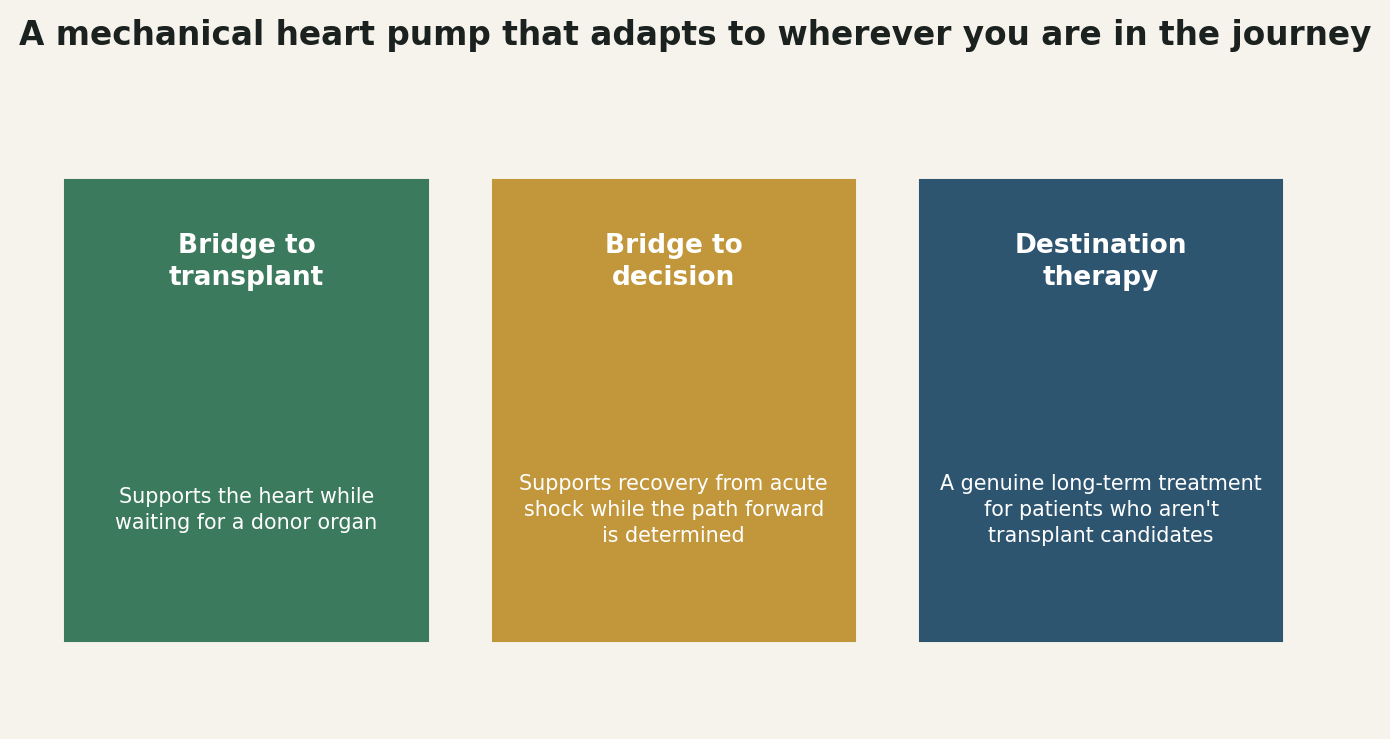
A left ventricular assist device, or LVAD, is a mechanical pump implanted to help a failing heart pump effectively, and it genuinely adapts to a patient's specific situation. As a bridge to transplant, it supports the heart while a donor organ is awaited. As a bridge to decision, it supports recovery from acute shock while the path forward is being determined. And as destination therapy, for patients who aren't transplant candidates due to age or other health conditions, it serves as a genuine, long-term treatment in its own right, not simply a temporary measure. This flexibility is worth understanding early, because it means there is very often a meaningful next step, whatever a patient's specific situation.
The technology has genuinely improved, generation by generation
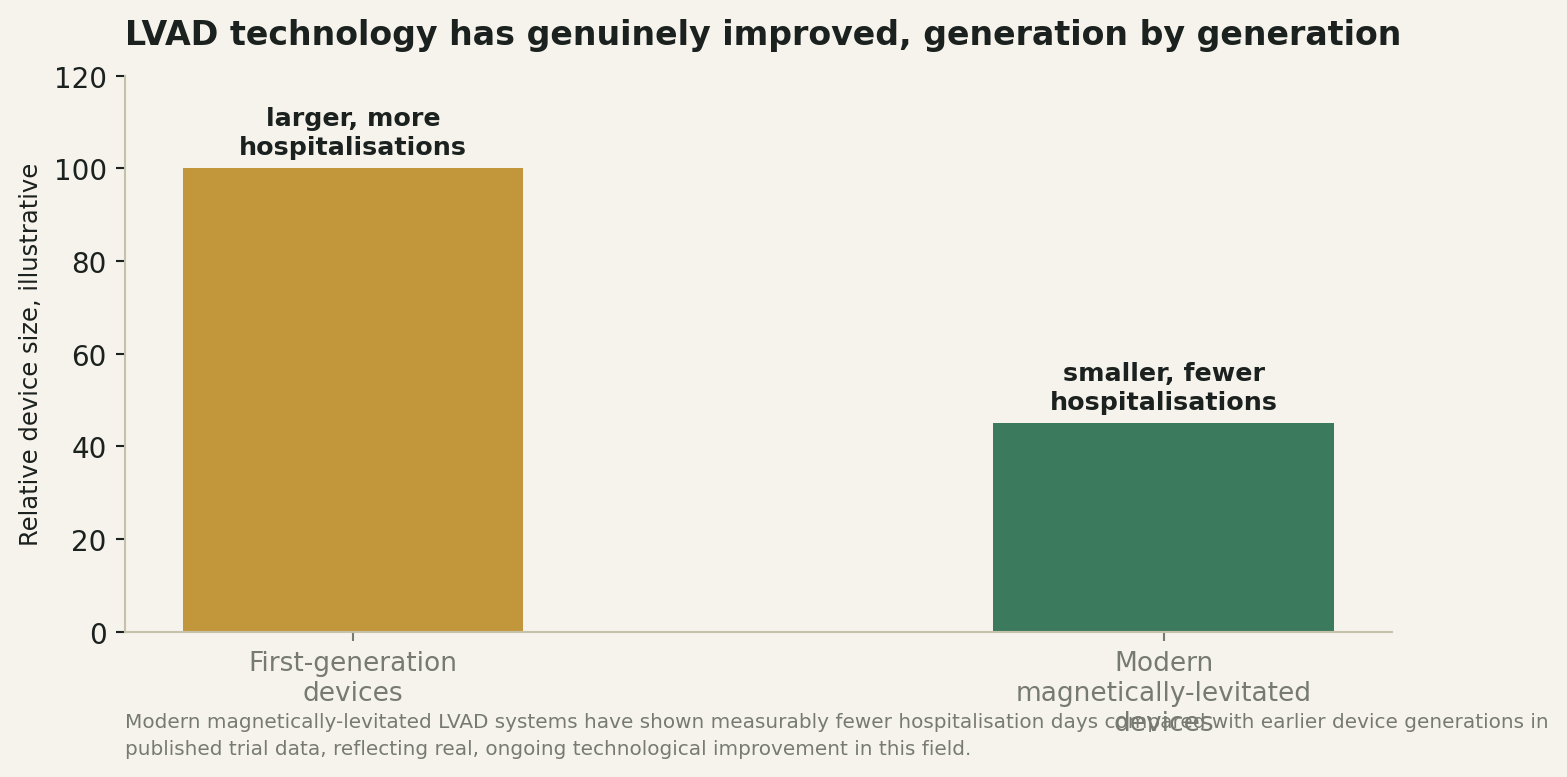
Modern magnetically-levitated LVAD systems are smaller, and published trial data shows measurably fewer hospitalisation days compared with earlier device generations. This is a field that continues to advance meaningfully, and a patient facing this decision today has genuinely better technology available than even a few years ago.
What the money actually looks like
Heart transplantation itself depends on donor organ availability and cannot be purchased or expedited by paying privately, in Canada or anywhere else; it remains governed by medical urgency and compatibility. LVAD implantation, by contrast, can be planned and scheduled, and is not something Canada's private
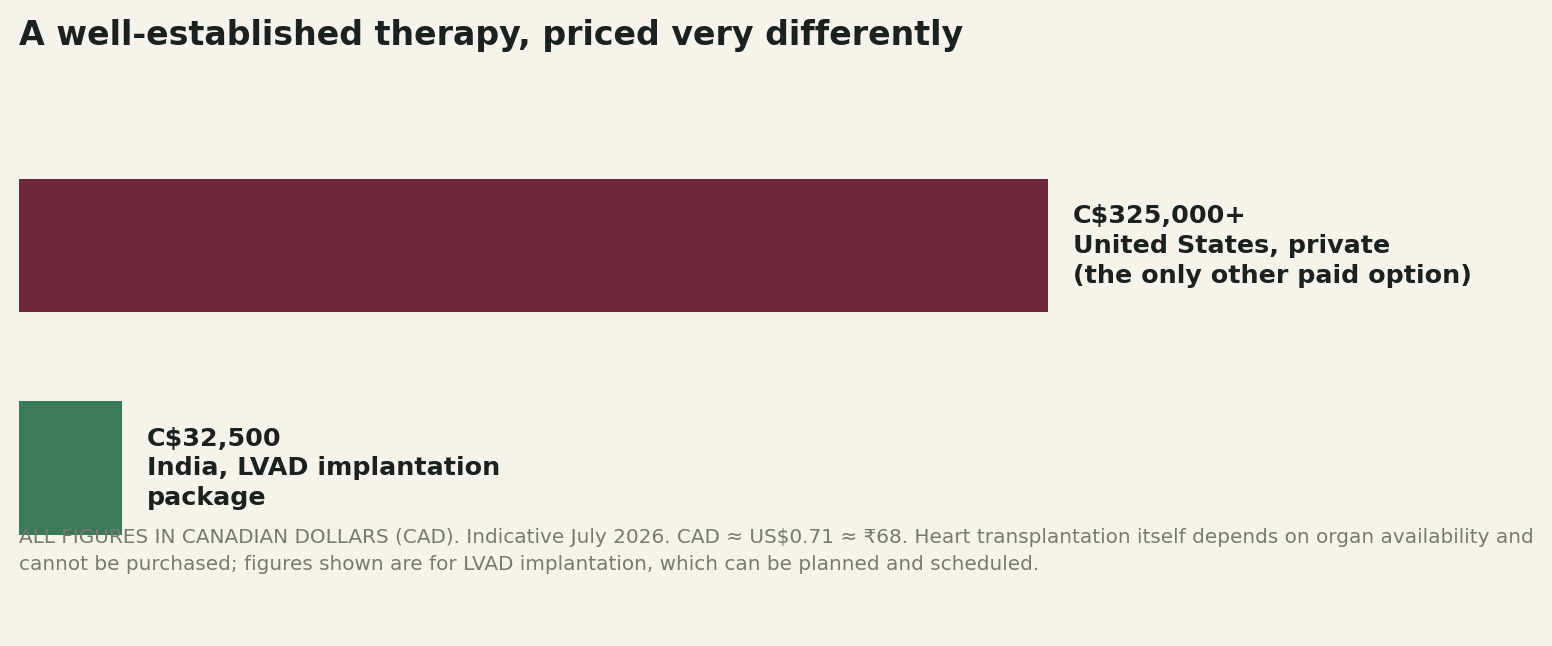
surgical sector generally offers.
American LVAD implantation, priced for an insurance-backed domestic market, commonly runs well into six figures. India's major cardiac centres perform LVAD implantation at high volume, with the same modern device technology, at a fraction of the American price. In 24 years of guiding patients through this decision, the question worth asking first is which specific role the device would serve in your own care plan, since that shapes the entire conversation that follows.
What you are actually getting for it
A genuine heart failure team, including cardiology, cardiac surgery and dedicated device management specialists.
An honest conversation about your specific situation, including whether transplant, LVAD, or continued medical therapy is the right path.
Modern device technology, confirmed specifically rather than assumed.
Accreditation you can verify independently. JCI is the international arm of the body accrediting hospitals across the United States; NABH is India's national equivalent, recognised by the same global standards authority.
A discharge record built for your Canadian cardiology team to use, including full device details and a specific long-term monitoring plan.
Straight answers for Canadian Patients about Heart Failure Treatment and Surgery in India
I'm in acute distress right now. Does this briefing apply to me?
No. Acute cardiogenic shock or rapid deterioration requires immediate emergency care in Canada, not travel planning.
Can I get a heart transplant performed in India?
Heart transplantation depends entirely on donor organ availability and medical urgency, and cannot be purchased or arranged privately, in Canada, India, or anywhere else. LVAD implantation, by contrast, can be planned.
Will my provincial plan reimburse LVAD implantation performed in India?
Almost never. Out-of-country coverage exceptions require pre-approval showing the procedure is genuinely unavailable in Canada within a medically acceptable time.
How long should I plan to stay in India for LVAD implantation?
Typically three to four weeks, including device programming and initial monitoring, following a documented fit-to-fly assessment.
Who manages my long-term device care once I'm home?
Your Canadian heart failure team, provided they have the complete device record and a specific monitoring plan in writing before you leave, since LVAD patients require ongoing, specialised follow- up.
A closing word
Advanced heart failure has genuinely hopeful treatment options, and the survival data for both transplantation and modern LVAD therapy deserves to be understood clearly and early. If you're navigating this decision, send me your situation and I will look at it properly.
Sources
- 🌐 "Comparative Survival and Cost-Effectiveness of Advanced Therapies for End-Stage Heart Failure", Circulation: Heart Failure — ahajournals.org
- 🌐 American College of Cardiology, "Focus on Heart Failure: Clinical Considerations to Unlock the Potential of LVAD Therapy", 2025 — acc.org
- 🌐 High Commission of India, e-Visa categories and eligibility — indianvisaonline.gov.in/evisa
Frequently Asked Questions by Canadian Patients about Heart Failure Treatment and Surgery in India
Can Canadian patients with advanced heart failure receive LVAD treatment in India?
Yes. Canadian patients with appropriate advanced heart failure may be assessed for LVAD implantation in India. The PDF describes LVAD therapy as a planned treatment option that can serve different roles depending on the patient's individual situation.
Can Canadian patients receive a heart transplant in India?
Canadian patients cannot simply purchase or privately arrange a heart transplant in India. The PDF states that transplantation depends on donor organ availability, medical urgency and compatibility rather than private payment or expedited scheduling.
How much does LVAD implantation cost for Canadian patients in India?
The PDF indicates an approximate cost of C$32,500 for an LVAD implantation package in India. Canadian patients should obtain an individual written quotation because the final treatment plan can vary.
Which LVAD treatment pathway may Canadian patients be considered for in India?
Canadian patients may be assessed for LVAD therapy as a bridge to transplant, bridge to decision or destination therapy, depending on their transplant eligibility and overall health situation.
Will Canadian provincial health plans reimburse LVAD implantation performed in India?
Canadian patients should not assume that provincial plans will reimburse LVAD treatment performed in India. The briefing states that out-of-country coverage exceptions require pre-approval showing that the treatment is genuinely unavailable in Canada within a medically acceptable time.
How should Canadian patients choose an LVAD centre in India?
Canadian patients should look for a multidisciplinary heart failure team involving cardiology, cardiac surgery and dedicated device-management specialists. They should also independently verify hospital accreditation and confirm the specific LVAD technology being offered.
How long should Canadian patients stay in India after LVAD implantation?
Canadian patients should typically plan for approximately three to four weeks in India for LVAD implantation, device programming and initial monitoring. Travel home should follow a documented fit-to-fly assessment.
What LVAD records should Canadian patients take back to their Canadian heart failure team?
Canadian patients should return with a complete device record and a specific long-term monitoring plan. The PDF emphasises that this information should be provided to the Canadian heart failure team before the patient leaves India.
How should Canadian patients arrange long-term LVAD follow-up after treatment in India?
Canadian patients should arrange continuing care with their Canadian heart failure team after returning home. The briefing notes that LVAD patients require ongoing specialised follow-up, making a complete device record and monitoring plan particularly important.
Should Canadian patients travel to India if they are experiencing acute heart failure deterioration?
No. Canadian patients experiencing acute cardiogenic shock or rapid deterioration should receive immediate emergency care in Canada, rather than making travel plans. The PDF specifically states that its treatment-planning guidance applies to stable, well-defined advanced heart failure, not emergency situations.
Page Summary
This guide explains advanced heart failure treatment in India for Canadian patients, focusing on the treatment pathways available for stable, well-defined advanced heart failure. It covers heart transplantation, LVAD implantation and the different roles an LVAD can play depending on whether a patient is awaiting transplantation, requires further decision-making or is not eligible for transplantation. The guide also discusses survival modelling, improvements in modern LVAD technology, indicative treatment costs, hospital accreditation, travel duration and long-term follow-up in Canada. The chart on page 2 compares the cited average life expectancy of 1.1 years with medical therapy alone versus 8.5 years with heart transplantation, while the page 3 graphic compares the indicative India and U.S. LVAD costs.
Citation Block
| Topic | Information |
|---|---|
| Topic Information | Heart Failure Treatment and Surgery in India for Canadian Patients |
| Treatment | Advanced Heart Failure Therapy |
| Country | India |
| Intended Audience | Canadian Patients |
| Primary Condition | Advanced / End-Stage Heart Failure |
| Main Treatment Options | Medical Therapy, LVAD and Heart Transplantation |
| Cited Life Expectancy – Medical Therapy | Approximately 1.1 years |
| Cited Life Expectancy – Transplantation | Approximately 8.5 years |
| Mechanical Support Device | Left Ventricular Assist Device (LVAD) |
| LVAD Roles | Bridge to Transplant, Bridge to Decision and Destination Therapy |
| Modern LVAD Technology | Magnetically levitated systems |
| Indicative India LVAD Cost | Approximately C$32,500 |
| U.S. LVAD Cost Shown | C$325,000+ |
| Typical India Stay | Approximately 3–4 weeks |
| Key Specialists | Heart Failure Team, Cardiologist, Cardiac Surgeon and Device Specialists |
| Transplant Eligibility | Determined by medical assessment, donor availability and compatibility |
| Hospital Accreditation | JCI or NABH can be independently verified |
| Device Verification | Modern device technology should be confirmed specifically |
| Follow-Up | Canadian Heart Failure Team |
| Required Records | Complete device record and long-term monitoring plan |
| Author | Dr. Dheeraj Bojwani |
| Experience | 24+ Years |


Our Mission Statement
Our mission is to place patients at the centre of every healthcare decision by providing trustworthy, evidence-based, and unbiased medical information. We believe that informed patients make better decisions. Backed by personalised guidance from our experienced advisory team, we help patients understand their treatment options, compare them objectively, and confidently choose the path that best suits their medical needs and personal circumstances.
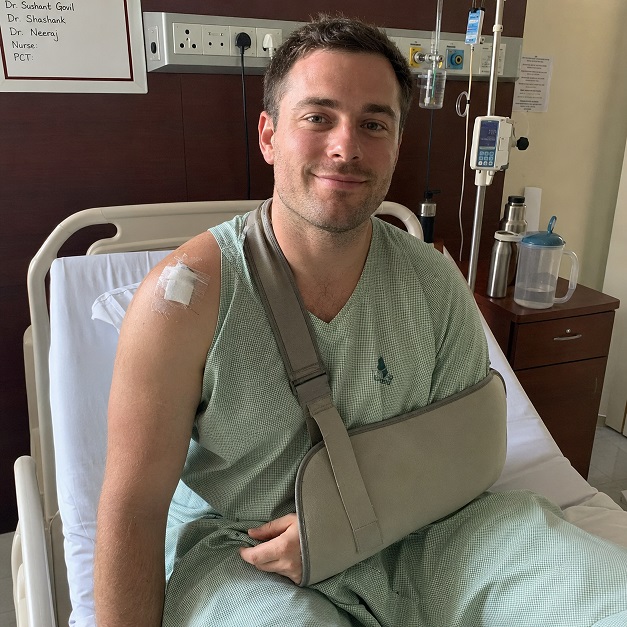
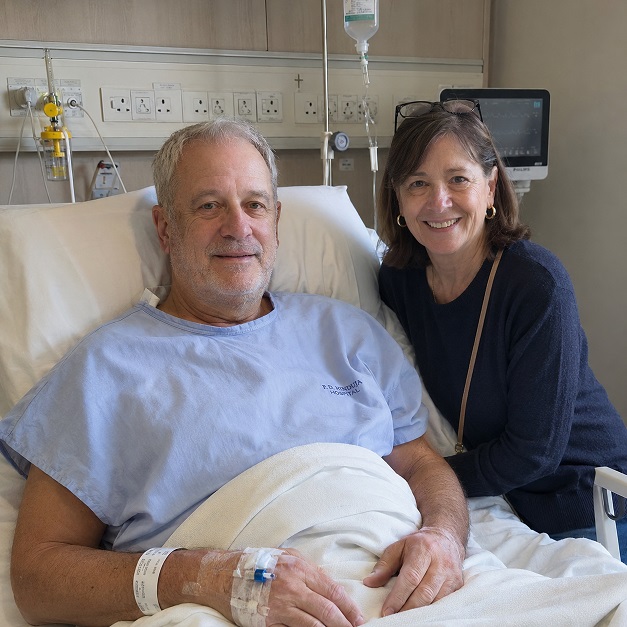
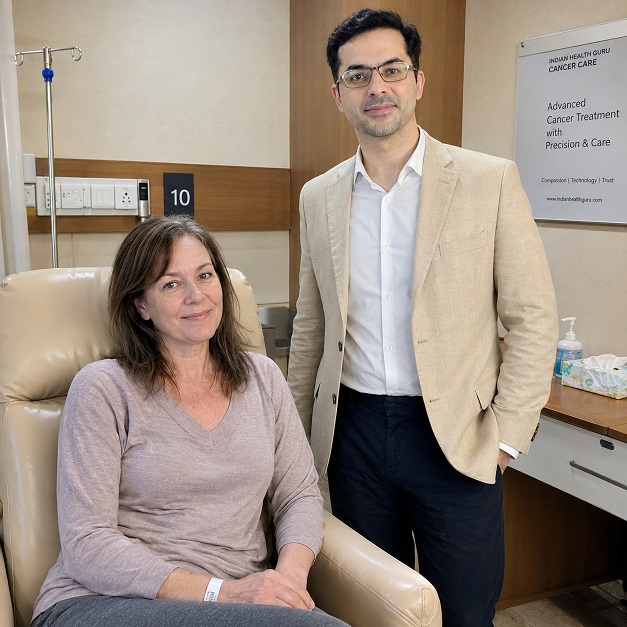
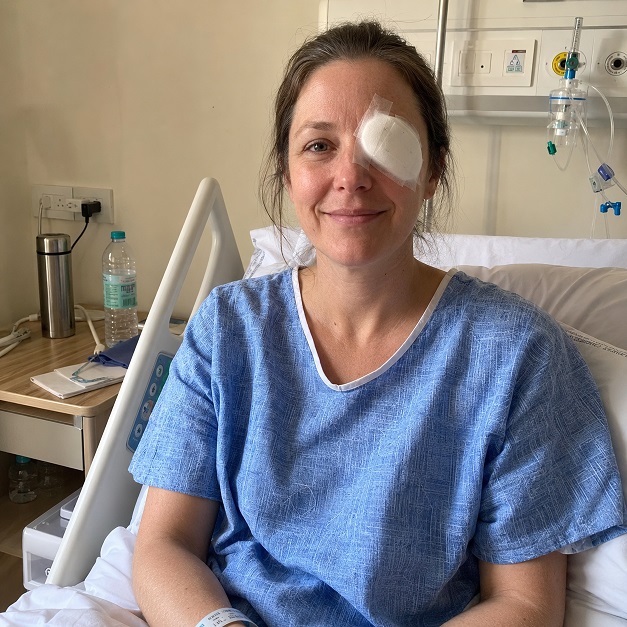
Patient Testimonials from Canada


Ready to Take the First Step?
Share your Medical Reports with our Healthcare Managers Today and Get a FREE CONSULTATION, a Personalized Treatment Plan, and Complete Support from Arrival to Recovery.
Get Your Free ConsultationFrom Canada to India: Your Complete Patient Support Guide
- Weight Loss & Bariatric Surgery in India for Canadian Patients: The Multi-Year Wait, Explained (2026)
- Bone Marrow Transplant in India for Canadian Patients: Complete Guide
- Brain Tumor Surgery in India for Canadian Patients: Complete Guide
- Breast Cancer Treatment and Surgery in India for Canadian Patients
- Cancer Treatment and Surgery in India for Canadian Patients
- Cardiac Surgery in India for Canadian Patients
- Colorectal Cancer Treatment and Surgery in India for Canadian Patients
- Cosmetic and Aesthetic Surgery in India for Canadian Patients
- CyberKnife Treatment in India for Canadian Patients: Complete Guide
- Dental Surgery in India for Canadian Patients | Complete Treatment & Cost Guide
- Gamma Knife Treatment in India for Canadian Patients
- Heart Valve Replacement Surgery in India for Canadian Patients
- Hip Surgery in India for Canadian Patients | Complete Treatment, Cost & Recovery Guide
- HIPEC Surgery in India for Canadian Patients: Complete Guide
- Kidney Transplant in India for Canadian Patients: Complete Guide
- Knee Surgery in India for Canadian Patients: Wait Times & Costs
- Neurosurgery in India for Canadian Patients: Wait Times & Costs
- Paediatric Cardiac Surgery in India for Canadian Patients