

15 Frequently Asked Questions : Liver Transplant in India for Canadian Patients
A liver transplant is a major surgical procedure in which a diseased or failing liver is replaced with a healthy liver or a portion of a healthy liver from a donor. It may be considered for selected patients with advanced or end-stage liver disease, acute liver failure and certain liver cancers or other serious liver conditions. Canadian patients considering liver transplantation in India may explore specialist evaluation, living-donor liver transplantation, deceased-donor transplantation, paediatric transplantation, combined organ transplantation and complex hepatobiliary care. India has specialised liver transplant centres with multidisciplinary teams involving transplant surgeons, hepatologists, anaesthetists, intensivists, radiologists, gastroenterologists and other specialists. The final suitability for transplantation must always be determined after a complete medical and transplant evaluation.
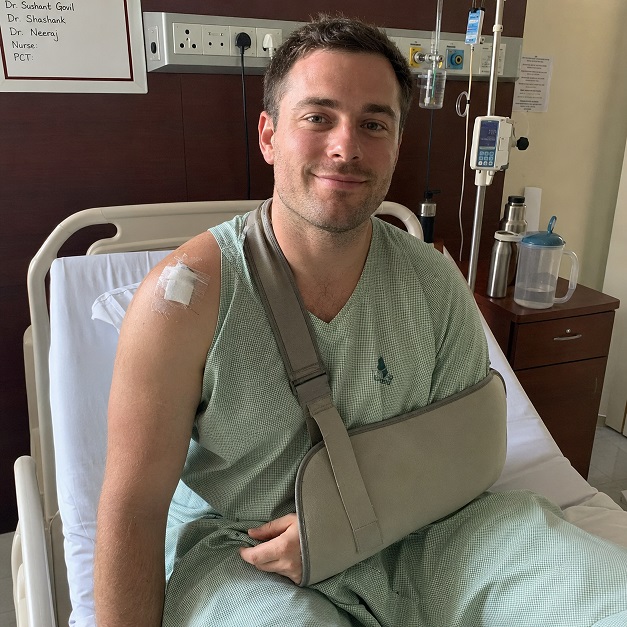
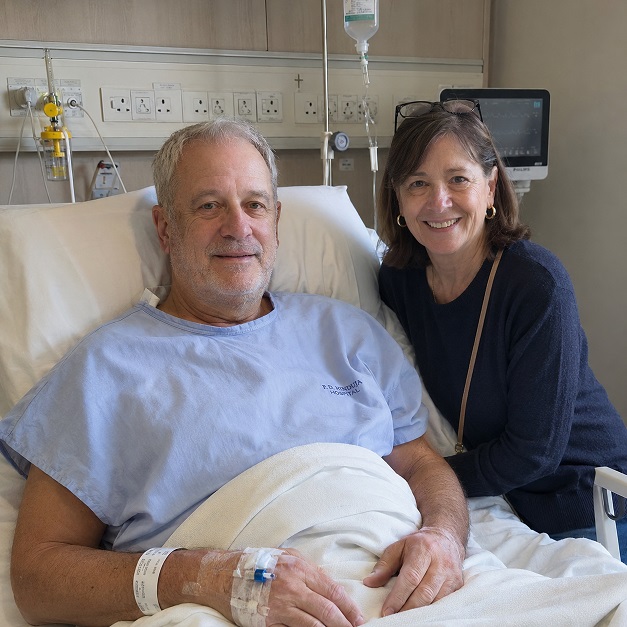
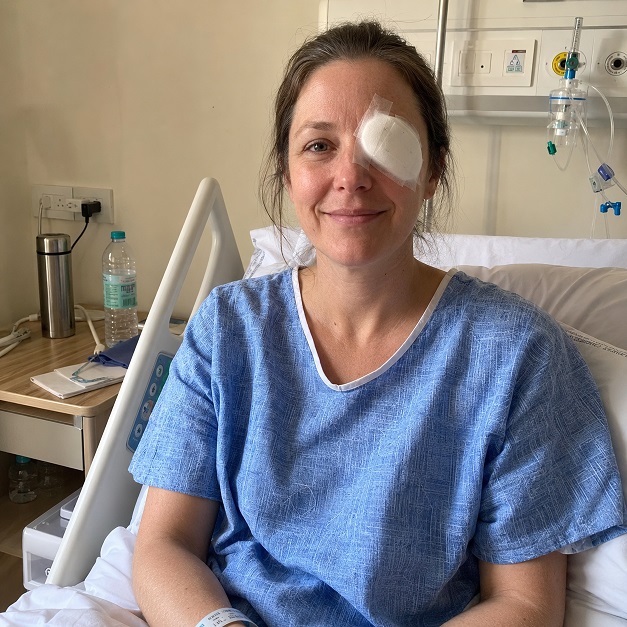
Healing Journeys of Canadian Patients
Important: ucational and medical-tourism planning purposes only. Liver transplantation is a complex and potentially life-saving procedure with significant risks. Eligibility depends on the patient's liver disease, overall health, transplant evaluation, donor suitability where applicable and other medical factors. Patients should obtain a specialist transplant opinion before making travel or treatment decisions.
Q1 · Why Do Canadian Patients Consider Liver Transplant in India?
Canadian patients may consider India for liver transplant evaluation or treatment for several reasons, particularly when they are seeking access to specialised transplant programmes or an additional specialist opinion.
Potential reasons include:
- Access to experienced liver transplant surgeons
- Specialist hepatology and transplant teams
- Living-donor liver transplantation
- Deceased-donor liver transplantation
- Paediatric liver transplantation
- Complex liver and hepatobiliary surgery
- Combined liver and kidney transplantation in selected cases
- Advanced intensive-care facilities
- Multidisciplinary transplant programmes
- Pre-transplant evaluation and donor assessment
- Potentially lower treatment costs than many international self-pay settings
- Access to major transplant centres in several Indian cities
A liver transplant may be considered when severe liver disease is no longer adequately controlled by medical or other treatments. Canadian transplant information describes both living-donor and deceased- donor transplantation as established options, with transplant suitability determined through a comprehensive evaluation.
Canadian patients should not select India solely because of lower cost. The most important factors are medical suitability, transplant expertise, donor safety, hospital infrastructure, critical-care facilities, expected recovery and long-term follow-up.
Q2 · What Is the Cost of Liver Transplant in India Compared with Canada?
Canadian patients should compare the complete treatment cost rather than looking only at the transplant surgery fee.
For Easy Comparison, Costs are mentioned in US Dollars (USD), Indian Rupees (INR) and Canadian Dollar (CAD).
These are planning exchange rates for comparison only. Actual currency conversion may vary.
Important Canadian cost note: Canada has publicly funded provincial and territorial healthcare systems for eligible residents, so there is no single standard Canadian "self-pay liver transplant price" comparable to a private Indian hospital quotation. The Canadian rather than a typical direct patient bill.
Exchange Rate Used for Planning
C$1 ≈ US$0.73 • US$1 = INR 95
| Treatment / Procedure | Australia – Approx. Cost | India – Approx. Cost | Potential Cost Saving |
|---|---|---|---|
| Liver Transplant – Living Donor | C$150,000–C$300,000+ (US$109,500–US$219,000+) |
₹20,00,000–₹35,00,000 (US$21,050–US$36,850) |
Potentially substantial |
| Liver Transplant – Deceased Donor | C$150,000–C$300,000+ (US$109,500–US$219,000+) |
₹20,00,000–₹35,00,000+ (US$21,050–US$36,850+) |
Potentially substantial |
| Paediatric Liver Transplant | C$150,000–C$300,000+ (US$109,500–US$219,000+) |
₹20,00,000–₹40,00,000+ (US$21,050–US$42,100+) |
Case dependent |
| Combined Liver & Kidney Transplant | C$200,000–C$400,000+ (US$146,000–US$292,000+) |
₹30,00,000–₹50,00,000+ (US$31,600–US$52,600+) |
Case dependent |
Current Indian published estimates commonly place liver transplantation in approximately the ₹20–35 lakh range, although costs can rise with complications, ICU requirements, donor evaluation, hospital stay, medicines and complex cases.
These are indicative planning ranges and not fixed quotations. The actual cost should be confirmed directly with the transplant hospital after reviewing the patient's medical records and donor information.
What Should Be Included in the Total Cost?
Canadian patients should ask whether the quotation includes:
- Transplant hepatologist consultation
- Transplant surgeon consultation
- Pre-transplant evaluation
- Blood investigations
- Liver function testing
- Blood-group testing
- HLA or other required testing
- CT/MRI/ultrasound and other imaging
- Cardiac and pulmonary evaluation
- Endoscopy where required
- Donor evaluation
- Donor medical investigations
- Donor surgery, where applicable
- Recipient surgery
- Anaesthesia
- ICU stay
- Hospital room
- Blood and blood products
- Medicines
- Immunosuppressive medicines during initial treatment
- Infection prevention and treatment
- Management of complications
- Post-operative monitoring
- Physiotherapy and rehabilitation where required
- Follow-up consultations
- Accommodation near the hospital
- Flights
- Visa expenses
- Travel insurance
- Additional emergency expenses
Compare the Complete Treatment Cost
Treatment Journey in Canada
Referral → Transplant evaluation → Donor/waiting-list assessment → Transplant surgery → ICU and hospital recovery → Follow-up → Lifelong medication and monitoring
Treatment Journey in India
Medical records review → Transplant specialist consultation → Recipient evaluation → Donor evaluation if applicable → Transplant approval/planning → Liver transplant → ICU/hospital recovery → Follow-up → Return to Canada → Long-term follow-up
The financial comparison should include the complete transplant journey, not simply the operation.
Compare the full planned treatment journey, not only the surgery quotation.
Q3 · Which Indian Cities Are Best for Liver Transplant for Canadian Patients?
The right Indian city depends on the patient's liver condition, transplant eligibility, donor situation, surgeon, hepatology team, ICU facilities, transplant infrastructure, rehabilitation and accessibility—not simply the lowest treatment cost.
| City | Why Australian Patients May Consider It |
|---|---|
| Delhi | Major liver transplant centres, hepatology services, transplant surgery and multidisciplinary tertiary care |
| Chennai | Established liver transplant programmes and extensive hepatology and transplant infrastructure |
| Mumbai | Advanced liver transplant, hepatobiliary surgery and multidisciplinary tertiary-care services |
| Bengaluru | Major multispeciality hospitals with liver transplant and critical-care facilities |
| Hyderabad | Established transplant programmes and specialist hepatology services |
| Gurugram | Major private tertiary hospitals offering transplant and advanced liver care |
| Noida | Access to transplant and hepatobiliary services within the Delhi-NCR region |
| Kolkata | Major tertiary hospitals with liver and organ-transplant services |
| Pune | Specialist gastroenterology, hepatology and tertiary-care services |
| Ahmedabad | Established tertiary hospitals and liver disease treatment services |
| Kochi | Advanced multispeciality hospitals and transplant-related care |
| Thiruvananthapuram | Specialist hepatology and tertiary-care facilities |
| Goa | Selected multispeciality and transplant-related healthcare facilities |
| Nagpur | Growing tertiary-care and transplant infrastructure |
The final city should be selected according to the patient's medical condition and the hospital and
Q4 · Which Hospitals in India Provide Liver Transplant Treatment?
Canadian patients should select a hospital based on its liver transplant programme, transplant-team experience, ICU infrastructure, donor evaluation facilities, surgical expertise and long-term follow-up capabilities.
Delhi Hospitals
- Fortis Escorts Heart Institute, New Delhi
- BLK-Max Super Speciality Hospital, New Delhi
- Max Super Speciality Hospital, Saket
- Indraprastha Apollo Hospitals, New Delhi
- Manipal Hospital, Dwarka
- Fortis Hospital, Shalimar Bagh
- Max Super Speciality Hospital, Patparganj
- Sir Ganga Ram Hospital, New Delhi
- Institute of Liver and Biliary Sciences (ILBS), New Delhi
Chennai Hospitals
- Apollo Hospitals, Greams Road
- MGM Healthcare
- Kauvery Hospital
- MIOT International
- SIMS Hospital
- Sri Ramachandra Medical Centre
Mumbai Hospitals
- Kokilaben Dhirubhai Ambani Hospital
- Nanavati Max Hospital
- Apollo Hospitals, Navi Mumbai
- Sir H. N. Reliance Foundation Hospital
- Hinduja Hospital
- Wockhardt Hospitals
- Fortis Hospital, Mulund
Bengaluru Hospitals
- Manipal Hospital, Old Airport Road
- Manipal Hospital, Whitefield
- Narayana Health City
- Fortis Hospital, Bannerghatta Road
- Apollo Hospitals, Bengaluru
- Aster CMI Hospital
- Sakra World Hospital
Hyderabad Hospitals
- KIMS Hospitals
- Yashoda Hospitals
- Apollo Health City
- CARE Hospitals
- Continental Hospitals
- Sunshine Hospitals
Gurugram Hospitals
- Medanta – The Medicity
- Fortis Memorial Research Institute
- Artemis Hospital
- Max Hospital, Gurugram
- CK Birla Hospital, Gurugram
- Manipal Hospital, Gurugram
Noida Hospitals
- Fortis Hospital, Noida
- Jaypee Hospital
- Max Super Speciality Hospital, Noida
- Yatharth Hospital
- Kailash Hospital
Kolkata Hospitals
- Apollo Multispeciality Hospitals
- AMRI Hospitals
- Fortis Hospital, Anandapur
- Manipal Hospitals, Salt Lake
- Medica Superspecialty Hospital
Pune Hospitals
- Ruby Hall Clinic
- Jehangir Hospital
- Deenanath Mangeshkar Hospital
- Sahyadri Super Speciality Hospital
- Aditya Birla Memorial Hospital
Ahmedabad Hospitals
- Apollo Hospitals, Ahmedabad
- Zydus Hospitals
- Sterling Hospitals
- Shalby Hospitals
- HCG Hospitals
Kochi Hospitals
- Aster Medcity
- Amrita Hospital
- VPS Lakeshore Hospital
- Rajagiri Hospital
- Aster MIMS
Thiruvananthapuram Hospitals
- KIMSHEALTH Hospital
- Ananthapuri Hospitals and Research Institute
- SUT Hospital
- SP Medifort Hospital
- PRS Hospital
Goa Hospitals
- Manipal Hospital, Goa
- Healthway Hospital
- Manipal Hospitals, Dona Paula
- Goa Medical College and Hospital
Nagpur Hospitals
- Wockhardt Hospitals, Nagpur
- MAX Multispeciality Hospital
- CARE Hospitals, Nagpur
- Kingsway Hospitals
Several major Indian centres offer living-donor and deceased-donor transplantation, while selected centres also provide paediatric, split-liver, ABO-incompatible and combined-organ transplantation.
Q5 · What Types of Liver Transplant and Treatment Options Are Available in India?
The appropriate transplant type depends on the patient's liver disease, urgency, donor availability, anatomy and overall health.
Living Donor Liver Transplant
A healthy donor provides a portion of the liver to the recipient.
Because the liver can regenerate, both the donor's remaining liver and the recipient's transplanted liver can grow over time.
A living-donor transplant may allow treatment to be planned without waiting for a deceased donor organ, but the donor must undergo a detailed medical and psychological assessment.
Deceased Donor Liver Transplant
A liver from a deceased organ donor is transplanted into the recipient.
Patients may need to be evaluated and placed on an appropriate transplant waiting system according to applicable medical and regulatory requirements.
Paediatric Liver Transplant
Children with conditions such as biliary atresia, metabolic liver disease, acute liver failure and selected inherited liver disorders may require specialised paediatric transplant care.
Split Liver Transplant
A donated liver may be divided so that suitable portions can be transplanted into two recipients in selected circumstances.
ABO-Incompatible Liver Transplant
Selected specialist centres may perform transplantation between certain incompatible blood groups using specialised protocols.
Combined Liver and Kidney Transplant
Patients with severe liver and kidney disease may be evaluated for combined transplantation when medically appropriate.
Other Complex Transplant Options
Selected centres may offer:
- Multi-organ transplantation
- Auxiliary liver transplantation
- Retransplantation in selected patients
- Complex hepatobiliary surgery
- Liver cancer transplantation pathways
Not every patient is suitable for every transplant type. The transplant team must determine the appropriate option after complete evaluation.
Q6 · How Can Canadian Patients Get a Liver Transplant Quotation From India While Abroad?
Canadian patients can begin the evaluation process before travelling by sending their complete medical records to the transplant centre.
Recommended Medical Documents
- Recent liver function tests
- Complete blood count
- Kidney function tests
- Viral hepatitis reports
- Blood group
- INR/coagulation reports
- Ultrasound reports
- CT/MRI scans
- FibroScan where available
- Endoscopy reports
- Liver biopsy where applicable
- Previous discharge summaries
- Previous surgery records
- Cancer reports where applicable
- MELD score or relevant transplant assessment
- Current medication list
- Previous treatment history
- Doctor's referral letter
- Details of a potential living donor, if applicable
If a Living Donor Is Available
Provide available information about:
- Donor age
- Blood group
- Relationship to recipient
- Medical history
- Previous illnesses
- Current medications
- Basic laboratory reports
The donor still needs to undergo a formal transplant-centre evaluation. Donor suitability cannot be confirmed only through documents.
A transplant quotation should ideally explain:
- Recipient evaluation
- Donor evaluation
- Surgery
- ICU
- Hospital stay
- Medicines
- Blood products
- Complication management
- Follow-up
- Additional expected expenses
Q7 · Can Canadian Patients Get a Second Opinion From an Indian Liver Transplant Specialist?
Yes. A second opinion may be useful when:
- Liver disease has become advanced
- A transplant has been recommended
- The patient has been placed on a transplant waiting list
- The patient is considering living-donor transplantation
- The patient has been told transplantation is not currently appropriate
- The patient has liver cancer
- The patient has acute liver failure
- A combined liver-kidney transplant is being considered
- The patient has previously undergone transplantation
- The patient wants to compare transplant centres
A specialist second opinion should review the complete clinical picture rather than only one laboratory report.
The transplant team may consider:
- Liver function
- MELD or relevant disease-severity assessment
- Kidney function
- Heart and lung function
- Infection status
- Cancer status
- Nutritional condition
- Previous surgeries
- Other medical conditions
- Donor suitability
- Risks associated with transplantation
Canadian patients should not delay urgent treatment or change their existing treatment solely because of a remote second opinion.
Q8 · What Records, Donor Information and Medical Documents Should Canadian Patients Take Home From India?
After liver transplantation, patients should request a complete treatment file for continuity of care in Canada.
Recipient Records
Take copies of
- Final diagnosis
- Pre-transplant evaluation
- Transplant approval documentation
- Operative report
- Anaesthesia record where available
- ICU summary
- Discharge summary
- Blood reports
- Liver-function results
- Imaging reports
- Biopsy/pathology reports
- Medication list
- Immunosuppressive medication schedule
- Infection-treatment records
- Complication records
- Rejection episodes, if any
- Follow-up schedule
- Doctor's recommendations
Transplant-Specific Information
Also request
- Donor type
- Living or deceased donor details as legally appropriate
- Graft information
- Blood-group compatibility information
- Any donor-recipient matching documentation
- Transplant date
- Immunosuppression protocol
- Recommended blood-test schedule
- Vaccination recommendations
- Emergency instructions
For Living Donors
The donor should receive their own:
- Surgical report
- Discharge summary
- Medication instructions
- Follow-up plan
- Laboratory results
- Recovery instructions
- Contact information for transplant follow-up
Q9 · Are Advanced Liver Transplant Techniques and Technologies Available in India?
Selected Indian transplant centres offer advanced approaches depending on patient suitability and available expertise.
These may include
- Living-donor liver transplantation
- Deceased-donor liver transplantation
- Split-liver transplantation
- ABO-incompatible transplantation
- Paediatric transplantation
- Combined liver-kidney transplantation
- Multi-organ transplantation
- Complex hepatobiliary surgery
- Advanced liver ICU care
- Advanced imaging
- Donor and recipient monitoring
- Selected robotic-assisted liver procedures
Some centres also use advanced technologies for donor-liver preservation and complex transplant planning. For example, selected Indian transplant programmes have reported use of machine perfusion technology for donor-liver preservation.
However, technology should not be considered a substitute for transplant-team experience and appropriate patient selection.
Canadian patients should ask:
- Is the technology required for my case?
- Is it routinely used for this procedure?
- Who will perform the procedure?
- How many similar cases are performed?
- What additional costs are involved?
- What are the risks and alternatives?
Q10 · Does Canadian Healthcare or Travel Insurance Cover Liver Transplant Treatment in India?
Canadian patients should not assume that planned liver transplantation in India will be reimbursed by their provincial or territorial healthcare plan.
Canadian healthcare coverage is generally organised through provincial and territorial systems, and rules regarding treatment outside Canada can vary.
Before travelling, patients should ask their provincial/territorial healthcare authority whether any specific out-of-country approval or reimbursement pathway applies to their circumstances.
Travel Insurance
Patients should also carefully check travel insurance because planned medical tourism and pre-existing liver disease may be excluded or restricted.
Ask specifically about:
- Pre-existing liver disease
- Planned transplant treatment
- Post-operative complications
- Emergency hospitalisation
- ICU treatment
- Medical evacuation
- Repatriation
- Flight cancellation
- Extended accommodation
- Companion expenses
Unexpected Costs
Budget separately for
- ICU extension
- Infection treatment
- Additional surgery
- Blood products
- Extended hospital stay
- Treatment of rejection
- Additional investigations
- Medication
- Extended accommodation
- Delayed return travel
Q11 · Can Liver Transplant Treatment Be Combined or Staged During One Trip?
Liver transplantation is generally not a one-visit treatment.
A typical transplant journey may involve:
Medical records review → Specialist consultation → Recipient evaluation → Donor evaluation → Medical clearance → Transplant planning → Surgery → ICU care → Hospital recovery → Early follow-up → Long-term follow-up
For a living-donor transplant, recipient and donor evaluations need to be completed before surgery.
For a deceased-donor transplant, organ availability and applicable allocation processes affect the timing.
A Canadian patient should ask the transplant hospital:
- How long will evaluation take?
- How long must the recipient stay in India?
- Does the donor need to remain in India?
- How long will the donor be monitored?
- How long is ICU care expected?
- How long is hospitalisation expected?
- How long should the patient remain close to the hospital after discharge?
- When can the patient safely return to Canada?
- Can long-term monitoring be transferred to a Canadian transplant team?
Q12 · What About Medical Visa, Flights and Hospital Admission for Liver Transplant in India?
Canadian patients travelling to India for planned liver transplantation should arrange the appropriate medical travel documentation and visa requirements before departure.
Before Travel
Prepare
- Valid passport
- Appropriate medical visa/documentation
- Hospital appointment or treatment confirmation
- Medical reports
- Transplant evaluation documents
- Donor documents where applicable
- Medication list
- Travel insurance information
- Accommodation arrangements
- Emergency contact information
- Copies of important medical records
Flights Patients with advanced liver disease may have increased medical risks during travel.
The treating transplant specialist should advise whether the patient is fit to fly before departure.
Patients should avoid making inflexible return-flight arrangements until the transplant team provides an expected discharge and travel plan.
Hospital Admission
The hospital may arrange:
- Initial transplant consultation
- Diagnostic testing
- Recipient evaluation
- Donor evaluation
- Medical clearance
- Admission
- Transplant surgery
- ICU monitoring
- Post-operative rehabilitation
- Discharge planning
Q13 · How Long Should Canadian Patients Stay in India After Liver Transplant?
The length of stay varies according to the patient's health, transplant type, donor situation and recovery.
A liver transplant requires a substantial period of hospital and post-operative monitoring.
Recipient The patient may require:
- ICU monitoring immediately after surgery
- Inpatient recovery
- Regular blood tests
- Medication adjustment
- Monitoring for infection
- Monitoring for rejection
- Liver-function monitoring
- Nutrition and physiotherapy
- Follow-up consultations
Canadian transplant information indicates that patients commonly spend time in ICU followed by transplant-unit care and may need to remain near the transplant centre for several weeks after discharge for close monitoring. Overall recovery can take several months.
Living Donor
The donor also requires recovery and follow-up. Living liver donation is a major operation and requires its own medical assessment and recovery plan.
Before Flying Back to Canada
The transplant team should confirm:
- Stable liver function
- Stable blood counts
- No uncontrolled infection
- No major unresolved complication
- Medication plan
- Follow-up arrangements
- Fitness to fly
- Airline requirements
- Emergency plan during travel
Q14 · What Rehabilitation and Follow-Up Care Will Canadian Patients Need After Liver Transplant?
Liver transplantation requires lifelong medical follow-up.
Patients generally need long-term monitoring of:
- Liver function
- Kidney function
- Blood pressure
- Blood glucose
- Immunosuppressive medication levels
- Infection risk
- Rejection
- Nutrition
- Weight
- Bone health
- Other medication side effects
Patients must take prescribed anti-rejection medication as directed. Canadian liver-transplant information notes that immunosuppressive medication is generally required long term to help prevent rejection.
Lifestyle and Rehabilitation
Recovery may include
- Gradual physical activity
- Physiotherapy where required
- Nutritional guidance
- Healthy weight management
- Infection-prevention precautions
- Avoiding smoking
- Avoiding alcohol
- Regular medical monitoring
- Routine vaccinations as advised
- Regular specialist appointments
Before returning to Canada, patients should obtain a detailed transplant summary and establish follow-up with an appropriate Canadian liver/transplant specialist.
Q15 · Should Canadian Patients Choose Liver Transplant in Canada or India?
There is no single answer that is appropriate for every patient.
Canada May Be Preferable When
- The patient already has access to a transplant team
- The patient is eligible for transplantation through the Canadian system
- Long-term transplant follow-up is readily available
- The patient's medical condition makes international travel risky
- The required transplant programme is available locally
- The patient has complex long-term medical requirements
India May Be Considered When
- The patient wants an additional transplant opinion
- The patient is exploring living-donor transplantation
- The patient wants to compare transplant centres
- A particular specialist or transplant programme is being considered
- The patient requires complex hepatobiliary or transplant evaluation
- Treatment costs and international options are important considerations
Before Making the Final Decision
Canadian patients should compare:
- Exact liver diagnosis
- Transplant eligibility
- MELD or relevant disease severity
- Living versus deceased donor option
- Donor suitability
- Transplant-team expertise
- Hospital transplant volume
- ICU infrastructure
- Infection-control facilities
- Expected treatment duration
- Total treatment cost
- Insurance and healthcare coverage
- Travel requirements
- Emergency arrangements
- Long-term follow-up in Canada
The best destination is the one that provides an appropriate, safe and medically justified transplant pathway for the individual patient.
Canadian Patient Pre-Travel Checklist
Before travelling to India for liver transplant treatment, Canadian patients should confirm:
Medical Documents
- Recent liver function tests
- Complete blood count
- Kidney function tests
- INR/coagulation reports
- Blood-group report
- Hepatitis B/C and other infection reports
- Ultrasound/CT/MRI reports and images
- Endoscopy reports where applicable
- Liver biopsy/pathology reports where applicable
- Previous hospital discharge summaries
- Previous surgery records
- Current medication list
- MELD or relevant disease-severity information
Transplant Planning
- Indian transplant specialist opinion
- Recipient evaluation plan
- Living-donor evaluation if applicable
- Donor blood group information
- Donor medical history
- Proposed transplant type
- Estimated treatment duration
- Hospital admission requirements
- ICU and hospital stay estimate
- Detailed treatment quotation
- What is included and excluded from the quotation
- Complication and emergency-cost information
Travel Planning
- Valid passport
- Appropriate medical visa/documentation
- Hospital confirmation
- Accommodation near hospital
- Travel insurance review
- Pre-existing-condition coverage check
- Medical evacuation provisions
- Caregiver/companion arrangements
- Flexible return-flight arrangements
Before Returning to Canada
- Final transplant/discharge summary
- Operative report
- Complete medication list
- Immunosuppression schedule
- Recent blood-test results
- Imaging and pathology reports
- Follow-up schedule
- Doctor's fitness-to-fly confirmation
- Canadian specialist follow-up arranged
- Emergency contact information
- Long-term monitoring plan
Final Note
Liver transplantation is a complex treatment requiring careful assessment of the recipient, the liver disease, overall health and, where applicable, the living donor. Canadian patients considering liver transplant in India should obtain a specialist transplant opinion, review the complete treatment and donor-evaluation process, understand the potential risks and costs, and establish a clear plan for long-term follow-up in Canada. This guide is for general educational purposes only and does not replace consultation with a qualified hepatologist, transplant surgeon or other medical professional. Liver transplantation should only be undertaken after a complete transplant evaluation and an individualised medical recommendation.
Sources
- Health Canada — canada.ca/health-canada
- Government of Canada, Canada's Health Care System and Provincial Coverage — canada.ca/health-care-system
- Government of Canada, Travel Advice and Advisories — travel.gc.ca
- National Accreditation Board for Hospitals & Healthcare Providers — nabh.co
- National Medical Commission — nmc.org.in
- Government of India, Indian e-Visa — indianvisaonline.gov.in
Page Summary
This guide answers 15 frequently asked questions about liver transplant in India for Canadian patients. It explains why patients consider India, sets out indicative cost ranges in CAD, USD and INR across Liver Transplant – Living Donor, Liver Transplant – Deceased Donor, Paediatric Liver Transplant and Combined Liver & Kidney Transplant, and lists 79 hospitals to research across 14 Indian cities. It covers the types of treatment available, how to obtain a written quotation and a second opinion from Canada, the technology and records to ask about, travel insurance and provincial health insurance limitations, whether treatment can be completed in one trip, medical visas and flights, expected length of stay, rehabilitation and follow-up after returning home, and how to weigh treatment in Canada against travelling to India. A pre-travel checklist closes the guide.


Our Mission Statement
Our mission is to place patients at the centre of every healthcare decision by providing trustworthy, evidence-based, and unbiased medical information. We believe that informed patients make better decisions. Backed by personalised guidance from our experienced advisory team, we help patients understand their treatment options, compare them objectively, and confidently choose the path that best suits their medical needs and personal circumstances.
Patient Testimonials from Canada



Ready to Take the First Step?
Share your Medical Reports with our Healthcare Managers Today and Get a FREE CONSULTATION, a Personalized Treatment Plan, and Complete Support from Arrival to Recovery.
Get Your Free ConsultationFrom Canada to India: Your Complete Patient Support Guide
- Weight Loss & Bariatric Surgery in India for Canadian Patients: The Multi-Year Wait, Explained (2026)
- Bone Marrow Transplant in India for Canadian Patients: Complete Guide
- Brain Tumor Surgery in India for Canadian Patients: Complete Guide
- Breast Cancer Treatment and Surgery in India for Canadian Patients
- Cancer Treatment and Surgery in India for Canadian Patients
- Cardiac Surgery in India for Canadian Patients
- Colorectal Cancer Treatment and Surgery in India for Canadian Patients
- Cosmetic and Aesthetic Surgery in India for Canadian Patients
- CyberKnife Treatment in India for Canadian Patients: Complete Guide
- Dental Surgery in India for Canadian Patients | Complete Treatment & Cost Guide
- Gamma Knife Treatment in India for Canadian Patients
- Heart Valve Replacement Surgery in India for Canadian Patients
- Hip Surgery in India for Canadian Patients | Complete Treatment, Cost & Recovery Guide
- HIPEC Surgery in India for Canadian Patients: Complete Guide
- Kidney Transplant in India for Canadian Patients: Complete Guide
- Knee Surgery in India for Canadian Patients: Wait Times & Costs
- Neurosurgery in India for Canadian Patients: Wait Times & Costs
- Paediatric Cardiac Surgery in India for Canadian Patients