

Neuronavigation and Advanced Brain Surgery in India for Canadian Patients
Today's advanced brain surgery is as much about the imaging and navigation technology in the room as the surgeon's own hands. This guide covers what that technology actually does, and why it matters.
A 39-year-old teacher in Regina, diagnosed with a deep-seated brain lesion near the region controlling speech. Her neurosurgeon is skilled and experienced. What determines how much of that lesion can be safely removed, and how confidently, depends heavily on the specific imaging and navigation technology available in the operating room itself, not just the surgeon's hands. This briefing is about that technology, what it actually does, and why it's worth asking about directly.
Read This Before Anything Else in This Document
This briefing is not written for an acutely deteriorating patient or a neurosurgical emergency. Those situations require immediate assessment in Canada. What follows concerns stable, well-defined conditions where there is genuine time to choose the right team and technology carefully.
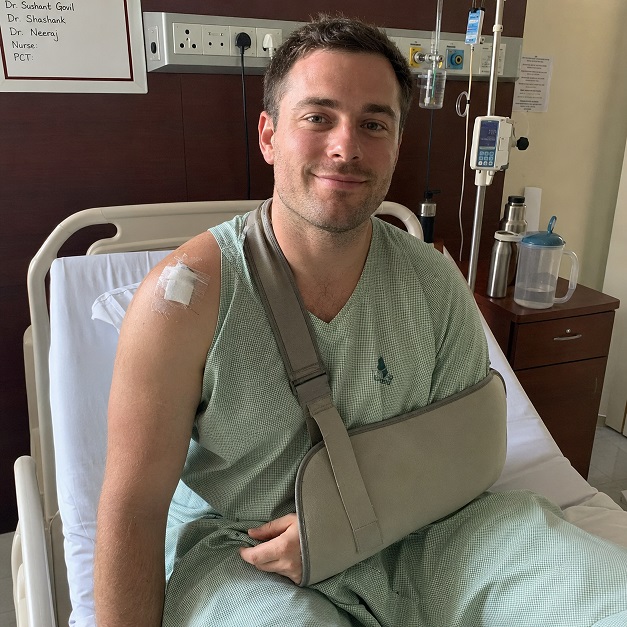
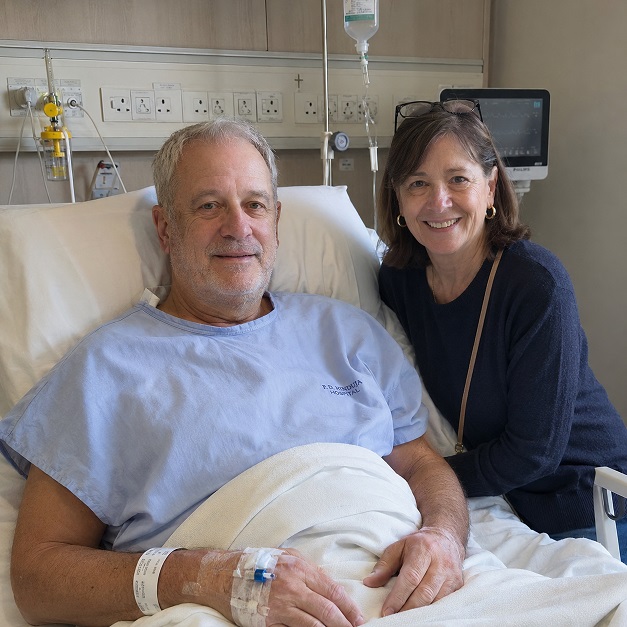
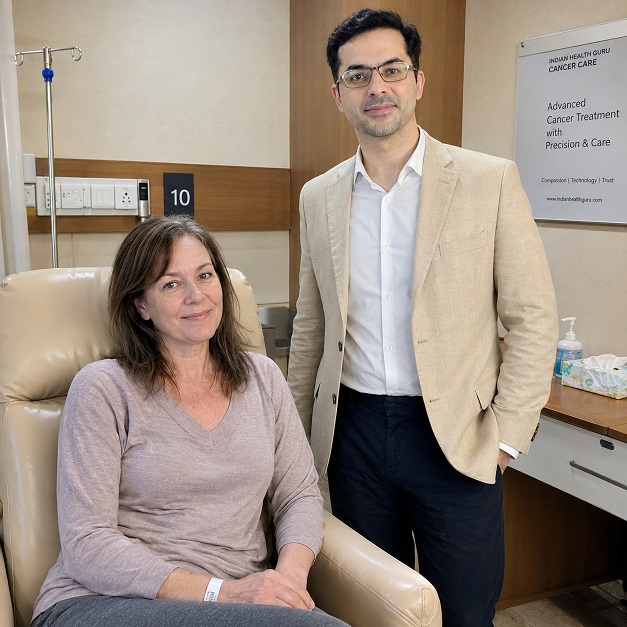
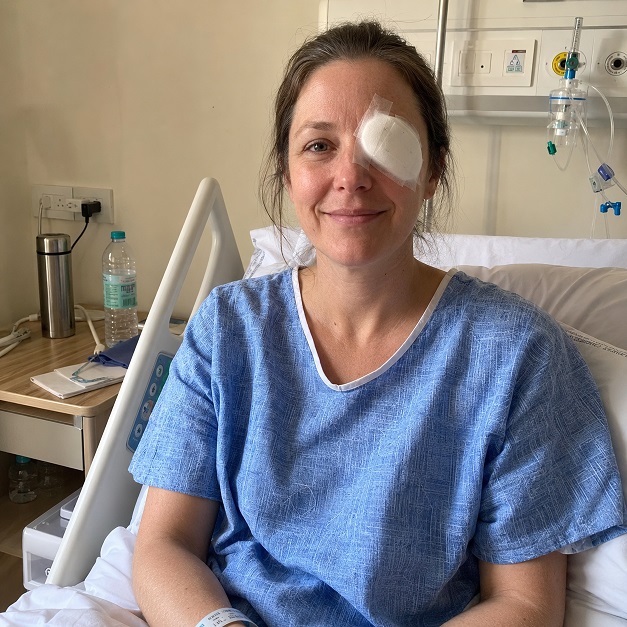
Healing Journeys of Canadian Patients
Key Takeaways
- Canadian patients considering advanced brain surgery should understand that modern neurosurgery increasingly depends on imaging and navigation technology as well as the surgeon's experience.
- Neuronavigation tracks surgical instruments against pre-operative imaging in real time and is described in the PDF as essentially a GPS system for the brain, accurate to a millimetre.
- Intraoperative MRI allows the surgical team to perform a full scan during surgery and confirm what has and has not been removed while the patient remains on the operating table.
- Intraoperative ultrasound provides real-time imaging without requiring the patient to leave the operating table and is described as an increasingly common complement to MRI-based systems.
- AI-assisted surgical planning is an emerging capability that can analyse imaging and functional data together to help map a potentially safer surgical approach.
- The same precision navigation and imaging technologies can support brain tumour surgery, aneurysm surgery, complex spinal procedures and functional neurosurgery for conditions such as Parkinson's disease and epilepsy.
- The indicative India image-guided brain surgery package shown in the PDF is approximately C$18,500, compared with C$235,000 in the United States.
- Canadian patients should verify not only that a hospital owns the relevant technology, but also how many procedures the actual surgical team performs using that technology each year.
- The PDF recommends approximately two to four weeks in India, with travel following a documented fit-to-fly assessment.
- Patients should return to Canada with complete operative records, full imaging and a specific follow-up plan for their Canadian neurosurgery or neurology team.
Quick Facts
- Treatment
- Neuronavigation and Advanced Brain Surgery
- Country
- India
- Patients
- Canadian Patients
- Main Technologies
- Neuronavigation, Intraoperative MRI, Intraoperative Ultrasound and AI-Assisted Surgical Planning
- Neuronavigation Accuracy
- Described as accurate to a millimetre
- Intraoperative MRI
- Full MRI scan performed during surgery
- Intraoperative Ultrasound
- Real-time imaging while the patient remains on the operating table
- AI-Assisted Planning
- Analyses imaging and functional data to help map the surgical approach
- Main Applications
- Brain Tumours, Aneurysms, Complex Spine and Functional Neurosurgery
- Functional Conditions Mentioned
- Parkinson's Disease and Epilepsy
- Indicative India Package
- Approximately C$18,500
- U.S. Cost Shown
- Approximately C$235,000
- Typical India Stay
- Approximately 2–4 weeks
- Key Specialist
- Neurosurgeon with experience in the relevant advanced technology
- Important Experience
- Checkable surgical volume using the specific technology
- Multidisciplinary Team
- Neurosurgery and Neuroradiology, with critical interpretation of AI-assisted planning where used
- Hospital Accreditation
- JCI or NABH can be independently verified
- Follow-Up
- Canadian Neurosurgery or Neurology Team
- Required Records
- Complete operative record, full imaging and specific follow-up plan
- Emergency Limitation
- Rapidly worsening neurological symptoms require immediate assessment in Canada
In Brief
Canadian patients considering advanced brain surgery in India should look beyond the hospital's general reputation and confirm whether the specific imaging and navigation technology required for their condition is available during their operation. The PDF describes neuronavigation, intraoperative MRI, intraoperative ultrasound and emerging AI-assisted surgical planning as important technologies in modern neurosurgery. Intraoperative imaging can allow the team to confirm surgical completeness during the same operation rather than waiting days for postoperative imaging. The technology can support tumour, aneurysm, complex spine and functional neurosurgery. Canadian patients should verify the actual surgical team's procedure volume using the relevant technology, multidisciplinary planning, independent hospital accreditation and a complete discharge record with imaging and follow-up instructions for their Canadian neurology or neurosurgery team.
The technology that has genuinely changed what's possible
Canadian neurosurgeons are skilled specialists, and in 24 years of guiding international patients into Indian hospitals I have never suggested otherwise. It's worth understanding the specific tools that now shape outcomes in advanced brain surgery, because they matter as much as the surgeon's own experience.
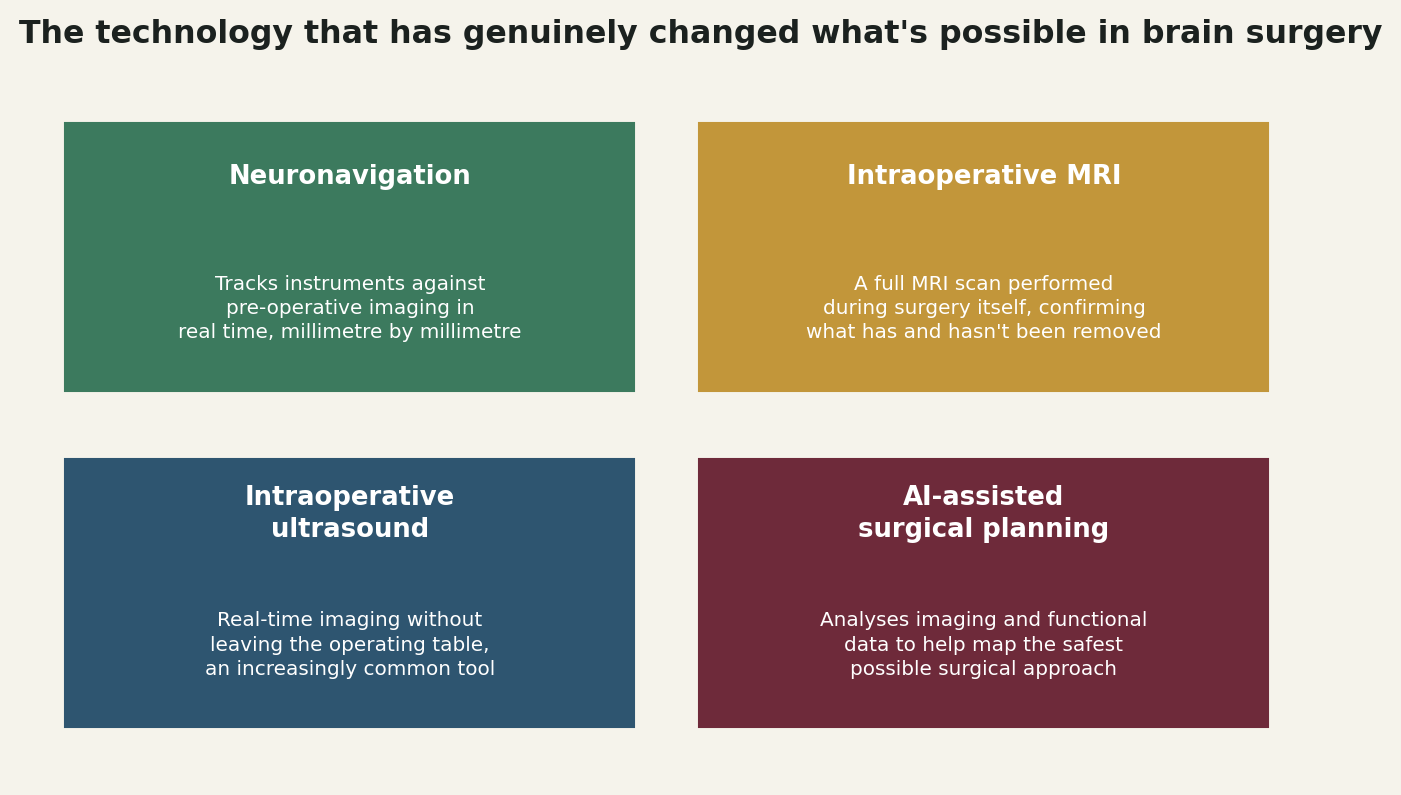
Neuronavigation tracks surgical instruments against pre-operative imaging in real time, essentially a GPS system for the brain, accurate to a millimetre. Intraoperative MRI takes this further, performing a full scan during the operation itself. Intraoperative ultrasound offers real-time imaging without leaving the operating table at all, an increasingly common and more accessible complement to MRI-based systems. And AI- assisted surgical planning, a genuinely emerging capability, analyses imaging and functional data together to help map the safest possible surgical approach before the first incision is made.
Why confirming the result mid-surgery, not days later, genuinely matters
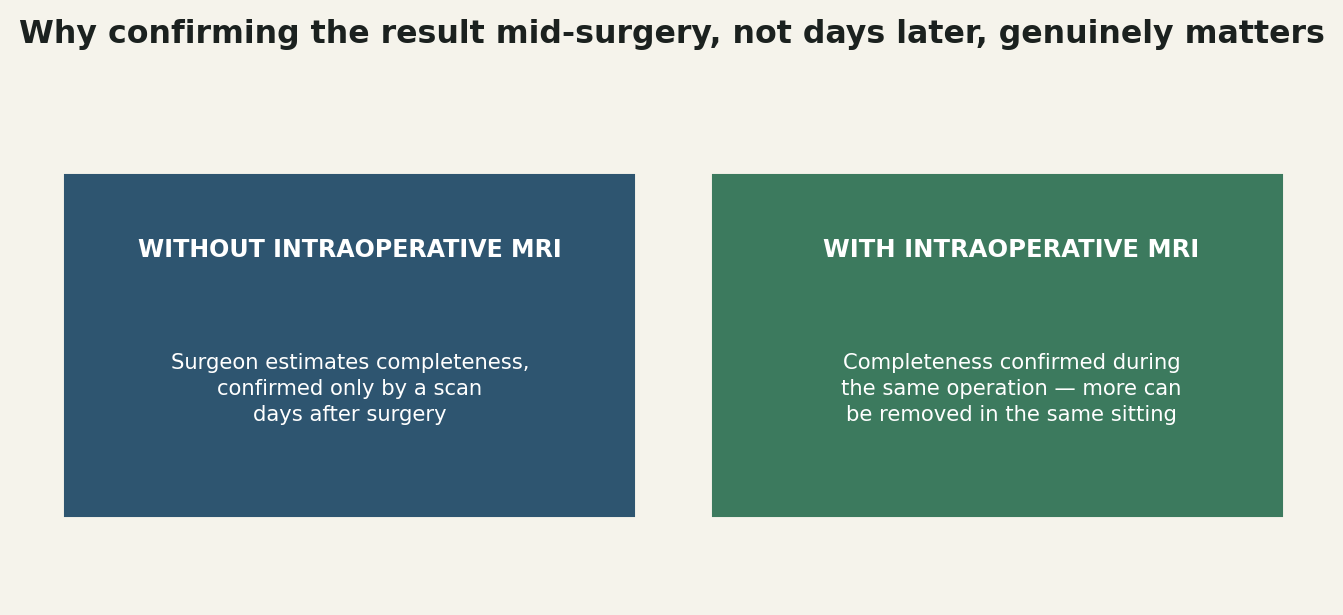
Without intraoperative imaging, a surgeon works from careful estimation during the operation, with the actual result only confirmed by a scan days afterward, by which point a second operation is a much bigger undertaking than continuing the first. With intraoperative MRI or ultrasound, the surgical team can confirm exactly what has and hasn't been removed while the patient is still on the table, and continue the resection in the same sitting if it's safe to do so. This single capability, confirming the result during surgery rather than after it, is one of the most meaningful advances in this field.
Precision navigation now guides far more than tumour surgery alone
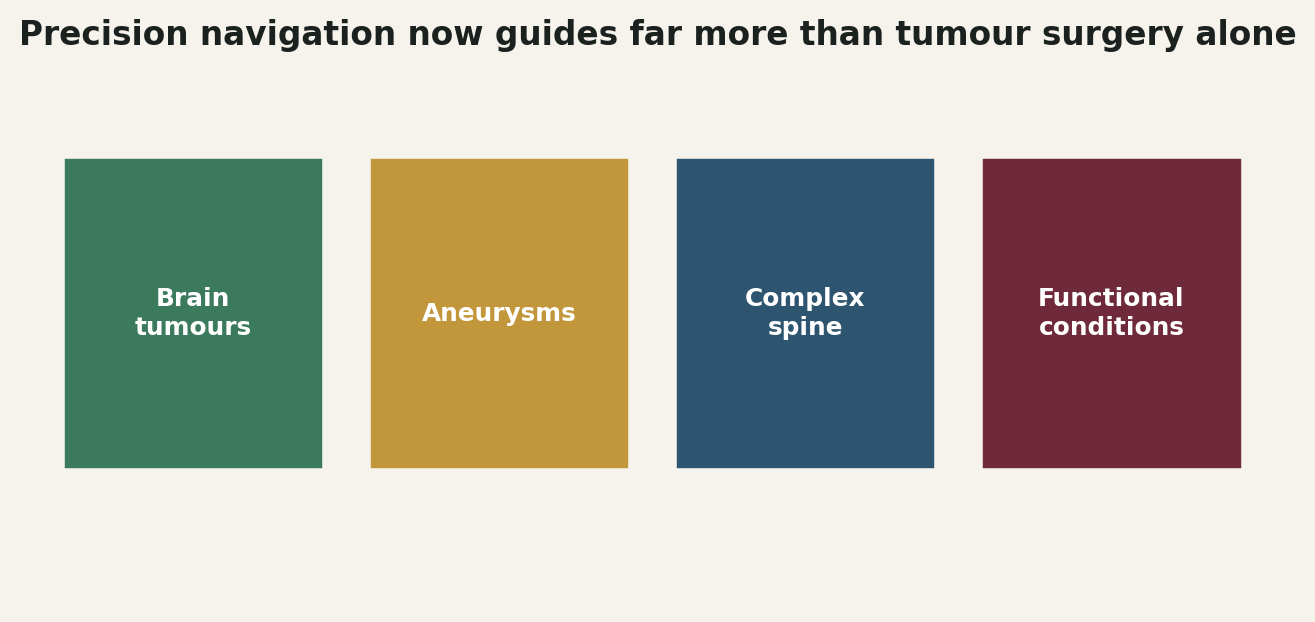
Brain tumour surgery remains the most familiar application, but the same navigation and imaging technology now guides aneurysm surgery, complex spinal procedures, and functional neurosurgery for conditions like Parkinson's disease and epilepsy. Wherever the margin for error is measured in millimetres, this technology has become the standard against which good outcomes are increasingly judged.
What the money actually looks like
A full intraoperative MRI-equipped neurosurgical suite represents a substantial capital investment, and this technology remains concentrated at a relatively small number of major centres, in Canada and internationally alike.
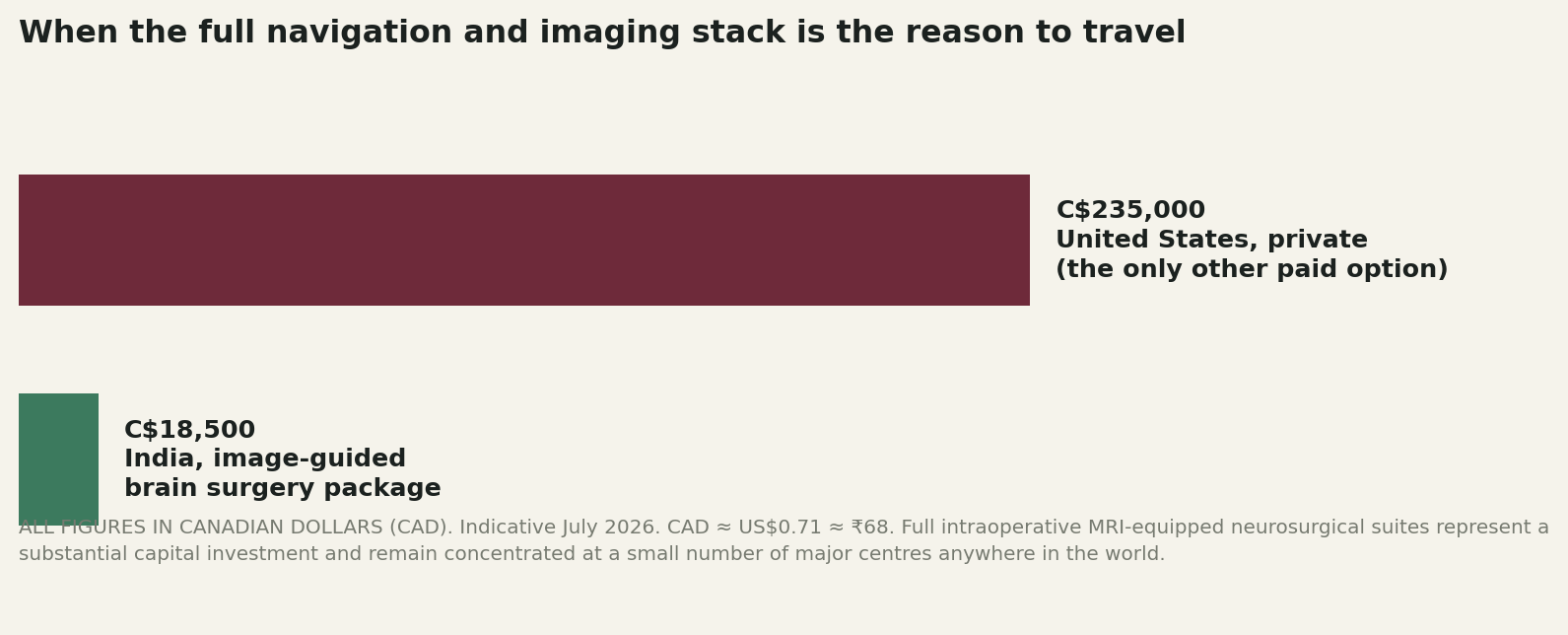
American neurosurgery using this full technology stack, priced for an insurance-backed domestic market, commonly runs into six figures. India's leading neurosurgical centres operate the same intraoperative MRI, neuronavigation and ultrasound systems, with genuinely high surgical volume, at a fraction of the American price. In 24 years of guiding patients through this decision, the specific question worth asking is not simply which hospital has this equipment, but how many procedures the actual surgical team performs using it each year.
What you are actually getting for it
Confirmed access to the specific technology relevant to your condition, not just a hospital that owns the equipment somewhere in the building.
A team with genuine, checkable volume using that technology, since the equipment alone doesn't guarantee the outcome.
Multidisciplinary planning, including neurosurgery, neuroradiology and, where AI-assisted planning is used, the team interpreting its output critically rather than following it blindly.
Accreditation you can verify independently. JCI is the international arm of the body accrediting hospitals across the United States; NABH is India's national equivalent, recognised by the same global standards authority.
A discharge record built for your Canadian neurology team to use, including full imaging and a specific follow-up plan.
Straight answers for Canadian Patients about Neuronavigation and Advanced Brain Surgery in India
My symptoms are worsening quickly. Does this briefing apply to me?
No. Rapidly worsening neurological symptoms require immediate emergency assessment in Canada, not travel planning.
Does every brain surgery need intraoperative MRI?
No. It matters most for tumours near critical, function-defining areas, where confirming completeness during surgery genuinely changes the outcome. Ask your neurosurgeon whether it's relevant to your specific case.
Will my provincial plan reimburse surgery performed in India?
Almost never. Out-of-country coverage exceptions require pre-approval showing the procedure is genuinely unavailable in Canada within a medically acceptable time.
How long should I plan to stay in India?
Around two to four weeks, on a changeable ticket, following a documented fit-to-fly assessment.
Who manages my follow-up once I'm home?
Your Canadian neurosurgery or neurology team, provided they have the complete operative record and imaging in writing before you leave.
A closing word
Advanced brain surgery today is as much about the imaging and navigation technology in the room as it is about the surgeon's own hands, and the two matter together, not separately. Ask directly which specific technology will be used for your condition, and how much experience the team has using it. If you'd like a second opinion on your imaging, send it to me and I will look at it properly.
Sources
- 🌐 "Advances in Preoperative and Intraoperative Technologies for Safe Resection of Gliomas in Cognitive Regions", Cancers , 2025 — mdpi.com
- 🌐 "Bridging the Global Technology Gap in Neurosurgery: Disparities in Access to Advanced Tools for Brain Tumor Resection", Neurosurgery Practice — journals.lww.com
- 🌐 "Anesthesia for Awake Craniotomy for Brain Tumors in an Intraoperative MRI Suite: Challenges and Evidence", University of Manitoba — ncbi.nlm.nih.gov/PMC6246734
- 🌐 High Commission of India, e-Visa categories and eligibility — indianvisaonline.gov.in/evisa
Frequently Asked Questions by Canadian Patients about Neuronavigation and Advanced Brain Surgery in India
Can Canadian patients with a brain tumour consider neuronavigation-assisted surgery in India?
Yes. Canadian patients with stable, well-defined brain tumours may consider advanced image-guided surgery in India. The PDF emphasises that the relevance of neuronavigation and other technologies depends on the specific tumour and surgical plan.
Can Canadian patients request intraoperative MRI for brain tumour surgery in India?
Canadian patients can specifically ask whether intraoperative MRI is appropriate and available for their case. The technology allows the surgical team to confirm what has and has not been removed during the same operation.
How much does advanced image-guided brain surgery cost for Canadian patients in India?
The PDF shows an indicative India package cost of approximately C$18,500, compared with C$235,000 in the United States. Canadian patients should obtain a case-specific quotation before travelling.
Can Canadian patients receive intraoperative ultrasound during brain surgery in India?
Yes, where clinically appropriate and available. The PDF describes intraoperative ultrasound as a real-time imaging tool that can be used without removing the patient from the operating table.
Can Canadian patients with aneurysms benefit from advanced neuronavigation technology in India?
The PDF states that precision navigation and imaging technologies now guide aneurysm surgery as well as brain tumour surgery. Canadian patients should ask whether the specific technology is relevant to their aneurysm procedure.
Can Canadian patients with Parkinson's disease or epilepsy receive technology-assisted functional neurosurgery in India?
The PDF identifies Parkinson's disease and epilepsy among the functional conditions for which advanced navigation and imaging technology can support neurosurgical procedures. Individual suitability requires assessment by a qualified functional neurosurgical team.
Will a Canadian provincial health plan reimburse advanced brain surgery performed in India?
Canadian patients should generally not expect provincial reimbursement for planned surgery in India. The PDF states that out-of-country coverage exceptions require pre-approval showing that the procedure is genuinely unavailable in Canada within a medically acceptable time.
How long should Canadian patients stay in India after advanced brain surgery?
Canadian patients should generally plan for approximately two to four weeks in India, with the return journey arranged around their recovery and a documented fit-to-fly assessment.
How should Canadian patients choose an Indian neurosurgical team for technology-assisted brain surgery?
Canadian patients should confirm access to the specific technology relevant to their condition and ask how many procedures the actual surgical team performs using it each year. The PDF stresses that owning the equipment alone does not guarantee experience or outcomes.
What should Canadian patients take back to their neurosurgeon or neurologist after surgery in India?
Canadian patients should return with the complete operative record, full imaging and a specific follow-up plan prepared for their Canadian neurosurgery or neurology team. This allows appropriate continuation of care after returning home.
Page Summary
This guide explains advanced brain surgery in India for Canadian patients, focusing on modern imaging and navigation technologies. It explains how neuronavigation, intraoperative MRI and ultrasound can support precision during surgery. Page 1 introduces the role of technology alongside surgeon experience. Page 2 compares neuronavigation, MRI, ultrasound and AI-assisted planning and explains the value of confirming results during surgery. Page 3 shows the wider applications and compares India and U.S. costs. Pages 4–5 outline patient checks, follow-up requirements and important safety information.
Citation Block
| Topic | Information |
|---|---|
| Topic Information | Neuronavigation and Advanced Brain Surgery in India for Canadian Patients |
| Treatment | Advanced Image-Guided Brain Surgery |
| Country | India |
| Intended Audience | Canadian Patients |
| Main Technologies | Neuronavigation, Intraoperative MRI, Ultrasound and AI-Assisted Planning |
| Neuronavigation | Real-time instrument tracking against pre-operative imaging |
| Reported Accuracy | Millimetre-level |
| Intraoperative MRI | Full MRI scan during surgery |
| Intraoperative Ultrasound | Real-time imaging during surgery |
| AI-Assisted Planning | Combines imaging and functional data for surgical planning |
| Main Applications | Brain Tumours, Aneurysms, Complex Spine and Functional Neurosurgery |
| Functional Conditions | Parkinson's Disease and Epilepsy |
| Indicative India Cost | Approximately C$18,500 |
| U.S. Cost Shown | Approximately C$235,000 |
| Typical India Stay | Approximately 2–4 weeks |
| Key Specialist | Neurosurgeon |
| Important Experience | Procedure-specific technology volume |
| Multidisciplinary Planning | Neurosurgery and Neuroradiology |
| Hospital Accreditation | JCI or NABH can be independently verified |
| Follow-Up | Canadian Neurosurgery or Neurology Team |
| Required Records | Operative record, full imaging and follow-up plan |
| Emergency Guidance | Rapid neurological deterioration requires immediate assessment in Canada |
| Author | Dr. Dheeraj Bojwani |
| Experience | 24+ Years |


Our Mission Statement
Our mission is to place patients at the centre of every healthcare decision by providing trustworthy, evidence-based, and unbiased medical information. We believe that informed patients make better decisions. Backed by personalised guidance from our experienced advisory team, we help patients understand their treatment options, compare them objectively, and confidently choose the path that best suits their medical needs and personal circumstances.
Patient Testimonials from Canada

Ready to Take the First Step?
Share your Medical Reports with our Healthcare Managers Today and Get a FREE CONSULTATION, a Personalized Treatment Plan, and Complete Support from Arrival to Recovery.
Get Your Free ConsultationFrom Canada to India: Your Complete Patient Support Guide
- Weight Loss & Bariatric Surgery in India for Canadian Patients: The Multi-Year Wait, Explained (2026)
- Bone Marrow Transplant in India for Canadian Patients: Complete Guide
- Brain Tumor Surgery in India for Canadian Patients: Complete Guide
- Breast Cancer Treatment and Surgery in India for Canadian Patients
- Cancer Treatment and Surgery in India for Canadian Patients
- Cardiac Surgery in India for Canadian Patients
- Colorectal Cancer Treatment and Surgery in India for Canadian Patients
- Cosmetic and Aesthetic Surgery in India for Canadian Patients
- CyberKnife Treatment in India for Canadian Patients: Complete Guide
- Dental Surgery in India for Canadian Patients | Complete Treatment & Cost Guide
- Gamma Knife Treatment in India for Canadian Patients
- Heart Valve Replacement Surgery in India for Canadian Patients
- Hip Surgery in India for Canadian Patients | Complete Treatment, Cost & Recovery Guide
- HIPEC Surgery in India for Canadian Patients: Complete Guide
- Kidney Transplant in India for Canadian Patients: Complete Guide
- Knee Surgery in India for Canadian Patients: Wait Times & Costs
- Neurosurgery in India for Canadian Patients: Wait Times & Costs
- Paediatric Cardiac Surgery in India for Canadian Patients