

15 Frequently Asked Questions : Paediatric Neurosurgery in India for Canadian Patients
A Practical 15-FAQ Guide for Children Requiring Neurosurgical Care in India Planning paediatric neurosurgery in India from Canada involves much more than comparing procedure prices. Parents and guardians should consider the child's diagnosis, age, neurological condition, paediatric neurosurgical subspecialty, surgeon experience, paediatric anaesthesia, PICU/neuro-ICU capability, imaging, surgical technology, hospital infection-control standards, travel, insurance, rehabilitation and long- term follow-up. This guide is designed to help Canadian families understand the complete treatment journey when considering paediatric neurosurgery in India.
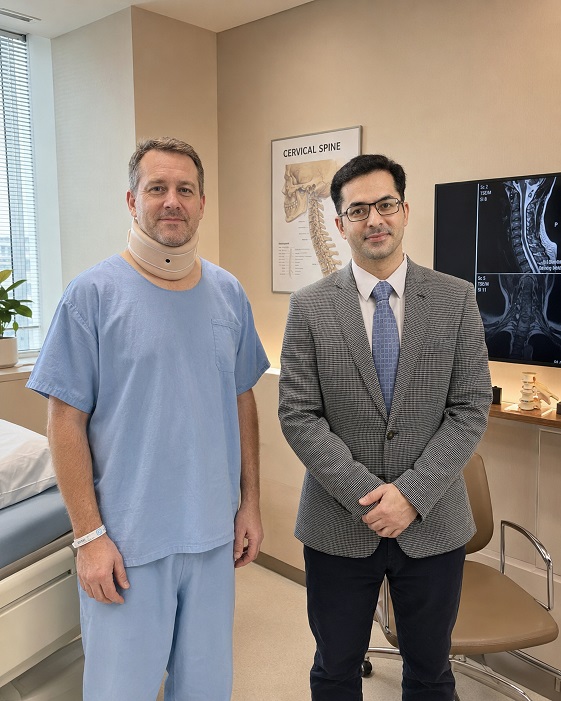
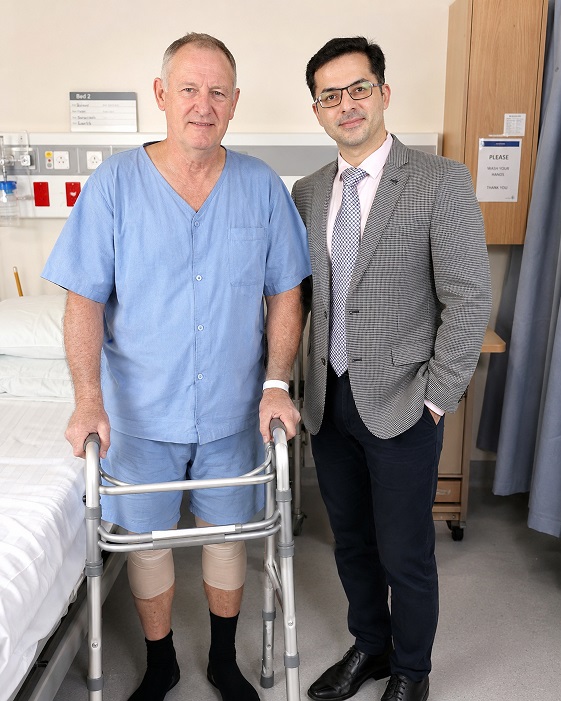
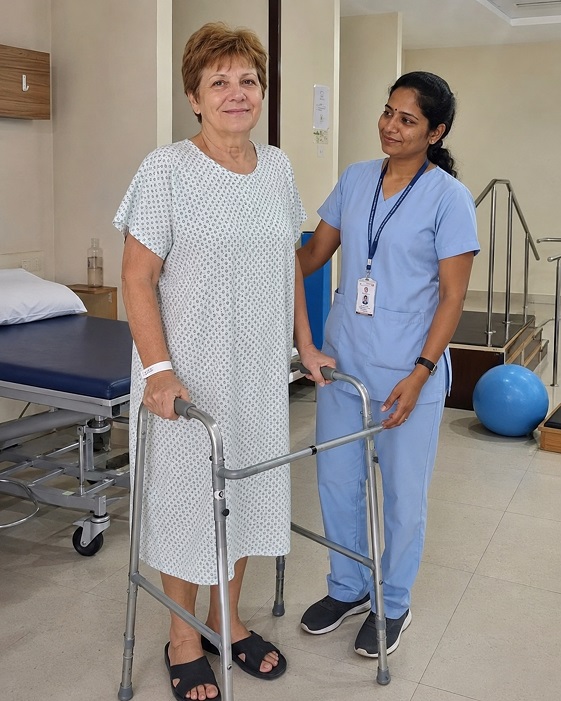
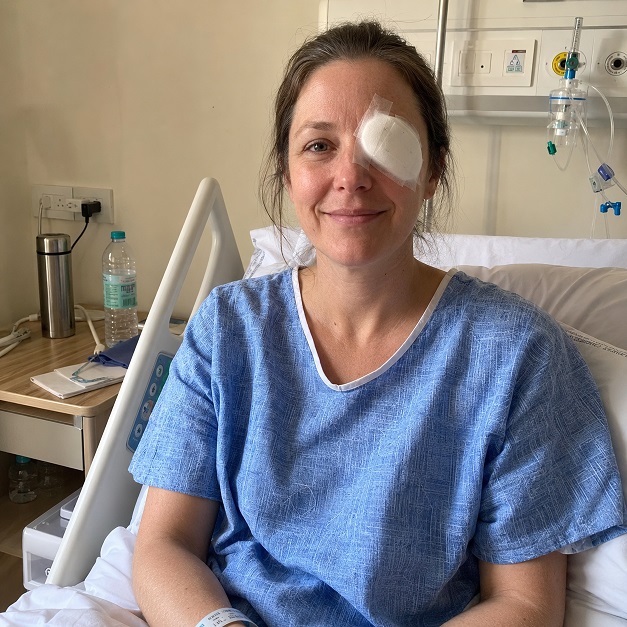
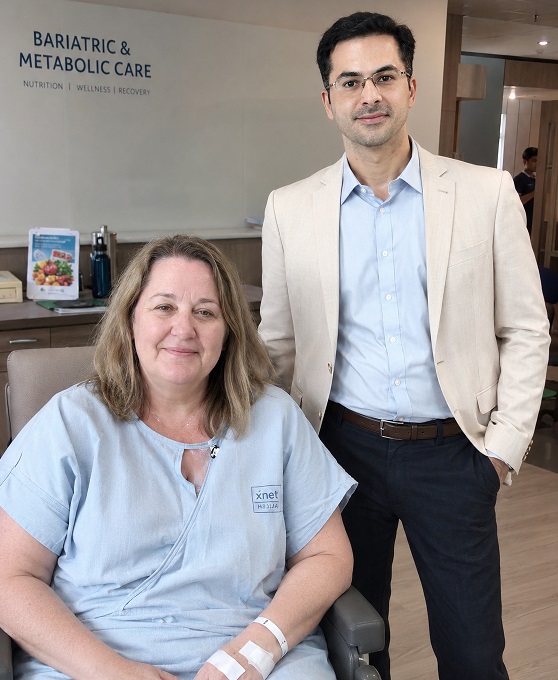
Healing Journeys of Canadian Patients
Important: Paediatric neurosurgery is highly individual and can involve urgent or complex conditions. Treatment decisions should be made by appropriately qualified paediatric neurosurgical specialists. This guide is for planning and education only and does not replace medical advice from the child's Canadian or Indian treating team.
Q1 · Why Do Canadian Families Consider Paediatric Neurosurgery in India?
Families may explore treatment in India when a child requires specialist neurosurgical assessment or surgery and they want to compare specialist availability, hospital capabilities, scheduling or self-pay costs.
India has major tertiary and quaternary hospitals with paediatric neurosurgery, paediatric anaesthesia, intensive-care facilities, advanced imaging and multidisciplinary services.
Canadian families may consider India because of:
- Experienced paediatric neurosurgeons
- Dedicated paediatric neurosurgery and neuroscience departments
- Large tertiary and multispecialty hospitals
- Paediatric anaesthesia services
- PICU and neuro-ICU facilities at selected centres
- Advanced MRI and CT imaging
- Neuroendoscopy and minimally invasive techniques
- Neuronavigation and image-guided surgery where appropriate
- Microsurgical techniques
- Stereotactic procedures
- Complex and revision paediatric neurosurgery
- Rehabilitation and physiotherapy services
- Multidisciplinary paediatric care
- International-patient services in major Indian medical cities
- Potentially lower self-pay treatment costs than private treatment in Canada
For children, the decision should focus on specialist experience and the hospital's ability to manage the child's specific age, diagnosis and peri-operative needs—not price alone.
Canadian parents should discuss overseas treatment with the child's Canadian healthcare team before making travel arrangements.
Q2 · How Much Does Paediatric Neurosurgery Cost in India for Canadian Patients?
Paediatric neurosurgery includes very different procedures, so costs can vary widely. A shunt procedure, brain tumour surgery, epilepsy surgery and complex revision surgery can have very different costs.
The figures below are broad self-pay planning ranges and are not fixed quotations. A final estimate should be prepared only after the child's medical records and imaging have been reviewed by the treating specialist.
For Easy Comparison, Costs are mentioned in US Dollars (USD), Indian Rupees (INR) and Canadian Dollars (CAD)
Exchange Rate Used for Planning
C$1 ≈ US$0.73 • US$1 = INR 95
| Treatment / Procedure | Australia – Approx. Cost | India – Approx. Cost | Potential Cost Saving |
|---|---|---|---|
| Hydrocephalus Surgery / Shunt | C$27,000–62,000 | INR 2.5–5 lakh US$2,600–5,300 |
~55–75% |
| Endoscopic Third Ventriculostomy (ETV) | C$27,000–55,000 | INR 2.5–5 lakh US$2,600–5,300 |
~50–75% |
| Paediatric Brain Tumour Surgery | C$48,000–110,000+ | INR 4.5–10 lakh+ US$4,700–10,500+ |
~55–80% |
| Epilepsy Surgery | C$55,000–110,000+ | INR 5–12 lakh+ US$5,300–12,700+ |
~50–80% |
| Craniosynostosis / Skull Surgery | C$41,000–96,000+ | INR 4–8 lakh+ / US$4,200–8,400+ | ~50–75% |
| Complex / Revision Paediatric Neurosurgery | C$62,000–137,000+ | INR 6–15 lakh+ US$6,300–15,800+ |
~50–80% |
These are planning ranges rather than guaranteed hospital quotations.
Canadian costs may vary according to the private hospital, surgeon, insurance arrangements and individual circumstances. Indian costs vary according to the hospital, surgeon, implant or device requirements, room category, technology and package inclusions.
What Should Be Included in the Total Cost?
Canadian parents should ask whether the quotation includes:
- Paediatric neurosurgeon's professional fee
- Assistant surgeon fee where applicable
- Paediatric anaesthesia
- Hospital charges
- Operating-room/theatre charges
- PICU or neuro-ICU stay where required
- Room category
- Shunt, valve, implant or device costs
- Surgical consumables
- MRI/CT and other investigations
- Laboratory tests
- Blood products where required
- Medicines
- Physiotherapy and rehabilitation
- Expected hospital stay
- Follow-up consultations
- Post-operative imaging where included
Also Ask About Exclusions
- Additional procedures
- Surgical complications
- Extended PICU/ICU stay
- Additional hospital days
- Repeat imaging
- Premium implants or devices
- Additional investigations
- Additional medicines
- Rehabilitation after discharge
- Treatment of unrelated medical conditions
Compare the Complete Treatment Cost
Canadian families should calculate the complete financial commitment, including flights, accommodation, visa expenses, insurance, local transportation and possible additional stay.
Compare the complete treatment journey, not only the surgery quotation.
Compare the Complete Treatment Cost
Canada: Surgery + Implant(s) + Hospital + Surgeon + Flights +
India: Surgery + Implant(s) + Hospital + Accommodation + Visa + Insurance + Rehabilitation + Follow-Surgeon + Rehabilitation + Follow-up up
Q3 · Which Indian Cities Are Best for Paediatric Neurosurgery for Canadian Patients?
The best city for a child's treatment should not be selected only according to price.
Parents should consider the paediatric neurosurgeon's experience, hospital facilities, paediatric anaesthesia, PICU/neuro-ICU capability, imaging, surgical technology, rehabilitation, accommodation and accessibility.
| City | Why Australian Patients May Consider It |
|---|---|
| Delhi | Major tertiary hospitals, paediatric neurosurgical services, advanced imaging and intensive-care facilities |
| Chennai | Strong paediatric and neurosurgical infrastructure with major tertiary hospitals |
| Mumbai | Advanced tertiary-care hospitals and multidisciplinary specialist services |
| Bengaluru | Specialised paediatric, neurological and neurosurgical care |
| Hyderabad | Advanced multidisciplinary treatment and major tertiary hospitals |
| Gurugram | Large tertiary hospitals with specialist and paediatric services |
| Noida | Access to multispecialty and tertiary-care hospitals near Delhi |
| Kolkata | Established tertiary-care and paediatric medical services |
| Pune | Specialist hospital services and rehabilitation options |
| Ahmedabad | Major tertiary-care hospitals and specialist services |
| Kochi | Private healthcare infrastructure and paediatric specialist services |
| Thiruvananthapuram | Neurological, paediatric and specialised tertiary-care centres |
| Goa | Selected medical services and accessibility for families |
| Nagpur | Regional tertiary-care facilities and specialist services |
The final city should be selected according to the child's diagnosis, urgency, specialist expertise, hospital
Q4 · Which Hospitals in India Should Canadian Families Consider?
The following hospitals are examples, not rankings or endorsements. Parents should confirm current paediatric neurosurgical services, surgeon availability, PICU capability, hospital facilities and suitability for the child's specific condition.
Delhi Hospitals
- Fortis Escorts Heart Institute, New Delhi
- BLK-Max Super Speciality Hospital, New Delhi
- Max Super Speciality Hospital, Saket
- Indraprastha Apollo Hospitals, New Delhi
- Sir Ganga Ram Hospital, New Delhi
- Max Super Speciality Hospital, Patparganj
- Manipal Hospital, Dwarka
- Fortis Hospital, Vasant Kunj
- Institute of Brain and Spine Hospital (IBS Hospital)
- Dharamshila Narayana Hospital
- Indian Spinal Injuries Centre
- AIIMS New Delhi
Chennai Hospitals
- MGM Healthcare
- MIOT International
- Apollo Hospitals, Greams Road
- Kauvery Hospital
- SIMS Hospital
- Sri Ramachandra Medical Centre
- Gleneagles HealthCity Chennai
- Rela Hospital
Mumbai Hospitals
- Kokilaben Dhirubhai Ambani Hospital
- Nanavati Max Super Speciality Hospital
- Fortis Hospital, Mulund
- Apollo Hospitals, Mumbai
- Bombay Hospital & Medical Research Centre
- Lilavati Hospital & Research Centre
- Jaslok Hospital & Research Centre
- P. D. Hinduja Hospital & Medical Research Centre
- Sir H. N. Reliance Foundation Hospital
- Wockhardt Hospitals, Mumbai
Bengaluru Hospitals
- NIMHANS
- Manipal Hospital, Old Airport Road
- Manipal Hospital, Whitefield
- Narayana Health City
- Fortis Hospital, Bannerghatta Road
- Apollo Hospitals, Bengaluru
- Aster CMI Hospital
- Sakra World Hospital
- Manipal Hospital, Yeshwanthpur
- Sagar Hospitals
Hyderabad Hospitals
- KIMS Hospitals
- Yashoda Hospitals
- Apollo Health City
- CARE Hospitals
- Continental Hospitals
- Sunshine Hospitals
- Gleneagles Hospitals, Hyderabad
- Star Hospitals
Gurugram Hospitals
- Fortis Memorial Research Institute
- Medanta – The Medicity
- Artemis Hospital
- Max Hospital, Gurugram
- CK Birla Hospital, Gurugram
- Manipal Hospital, Gurugram
- Paras Health
- Narayana Superspeciality Hospital
Noida Hospitals
- Fortis Hospital, Noida
- Jaypee Hospital
- Max Super Speciality Hospital, Noida
- Kailash Hospital
- Yatharth Hospital
- Metro Hospital & Heart Institute
- Metro Center for Neurosciences
Kolkata Hospitals
- Apollo Multispeciality Hospitals
- AMRI Hospitals
- Fortis Hospital, Anandapur
- Manipal Hospitals, Salt Lake
- Medica Superspecialty Hospital
- Narayana Superspeciality Hospital
- Ruby General Hospital
Pune Hospitals
- Ruby Hall Clinic
- Jehangir Hospital
- Deenanath Mangeshkar Hospital
- Sahyadri Super Speciality Hospital
- Aditya Birla Memorial Hospital
- Manipal Hospital, Kharadi
Ahmedabad Hospitals
- Apollo Hospitals, Ahmedabad
- Zydus Hospitals
- Sterling Hospitals
- Shalby Hospitals
- HCG Hospitals
- SAL Hospital
- CIMS Hospital
Kochi Hospitals
- Aster Medcity
- Amrita Hospital
- VPS Lakeshore Hospital
- Rajagiri Hospital
- Aster MIMS
- Lisie Hospital
- Renai Medicity
Thiruvananthapuram Hospitals
- KIMSHEALTH Hospital
- Ananthapuri Hospitals and Research Institute
- SUT Hospital
- SP Medifort Hospital
- PRS Hospital
- GG Hospital
- Sree Chitra Tirunal Institute for Medical Sciences & Technology (SCTIMST)
Goa Hospitals
- Manipal Hospital, Goa
- Healthway Hospital
- Manipal Hospitals, Dona Paula
- Goa Medical College and Hospital
- Apollo Victor Hospital
Nagpur Hospitals
- Wockhardt Hospitals, Nagpur
- MAX Multispeciality Hospital
- CARE Hospitals, Nagpur
- Kingsway Hospitals
- Lata Mangeshkar Hospital
What Should Canadian Parents Check Before Choosing a Hospital?
- Who will perform the child's surgery?
- Is the neurosurgeon experienced in the child's specific condition?
- How much paediatric neurosurgical experience does the team have?
- Is paediatric anaesthesia available?
- Is a PICU available?
- Is neuro-ICU support available where required?
- Is 24/7 emergency support available?
- Are advanced MRI and CT facilities available?
- Is neuroendoscopy available where appropriate?
- Is neuronavigation available?
- Is intraoperative monitoring available where required?
- What is included in the quotation?
- How long is the expected hospital stay?
- What rehabilitation will be required?
- How will postoperative follow-up be managed in Canada?
Q5 · What Types of Paediatric Neurosurgery Are Available in India?
India offers a broad range of paediatric neurosurgical procedures. The appropriate treatment depends on the child's diagnosis, age, symptoms, imaging, neurological condition and specialist assessment.
a. Paediatric Brain Tumour Surgery
Surgery may be considered for selected childhood brain tumours to obtain tissue diagnosis, relieve pressure or remove as much tumour as safely possible.
b. Hydrocephalus and Shunt Surgery
Hydrocephalus may require treatment to control excess cerebrospinal fluid. Depending on the child's condition, treatment may include shunt placement or another procedure.
c. Endoscopic Third Ventriculostomy — ETV
ETV may be considered for selected forms of hydrocephalus. It creates an alternative pathway for cerebrospinal-fluid circulation without placing a conventional shunt in some cases.
d. Craniosynostosis and Skull Surgery
Craniosynostosis surgery may be considered when one or more skull sutures close prematurely and affect skull growth.
e. Epilepsy Surgery
Selected children with drug-resistant epilepsy may undergo specialist evaluation and, in appropriate cases, epilepsy surgery.
f. Spina Bifida / Myelomeningocele Surgery
Paediatric neurosurgical care may be required for selected congenital spinal conditions such as spina bifida and myelomeningocele.
g. Chiari Decompression
Selected children with symptomatic Chiari malformation may require decompression surgery depending on symptoms, imaging and specialist assessment.
h. Tethered Cord Surgery
Tethered cord syndrome may require surgery in selected children when symptoms and imaging indicate that intervention is appropriate.
i. Neuroendoscopic Procedures
Neuroendoscopic techniques may be used for selected ventricular, cystic or other intracranial conditions.
j. Paediatric Spine Neurosurgery
Specialised paediatric spine neurosurgery may address selected congenital, tumour, trauma and complex spinal conditions.
k. Complex / Revision Paediatric Neurosurgery
Some children require reoperation, revision surgery or complex reconstruction after previous treatment.
The recommended procedure depends on the child's diagnosis, age, neurological status, imaging, overall health and specialist assessment.
Q6 · How Can I Get a Paediatric Neurosurgery Quotation From an Indian Hospital While I Am in Canada?
Parents or guardians can begin the process from Canada without travelling to India simply to obtain an initial medical opinion or quotation.
A complete medical file helps the Indian paediatric neurosurgical team understand the child's condition.
Send
- MRI scans and reports
- CT scans and reports
- Previous operative notes
- Previous discharge summaries
- Histopathology/pathology reports
- Neurological reports
- Paediatric reports
- Previous treatment history
- Medication list
- Relevant blood-test reports
- Other relevant investigations
- Details of previous complications where applicable
The specialist team can review the records and provide a preliminary medical opinion.
Once the treatment plan is established, the hospital can provide a cost estimate.
Ask the Quotation to Include
- Paediatric neurosurgeon's fee
- Assistant surgeon fee where applicable
- Paediatric anaesthesia
- Hospital charges
- Operating-room charges
- PICU/neuro-ICU charges
- Room category
- Shunt/valve/implant/device costs
- Imaging
- Laboratory tests
- Medicines
- Blood products where applicable
- Physiotherapy and rehabilitation
- Expected hospital stay
- Follow-up
Also Ask About Exclusions
- Complications
- Additional procedures
- Extended PICU/ICU stay
- Repeat imaging
- Additional hospital days
- Premium devices
- Additional medicines
- Post-discharge rehabilitation
- Treatment of unrelated medical conditions
A detailed written quotation allows Canadian families to compare hospitals based on total treatment value rather than simply the advertised package price.
Q7 · Should My Child Get a Second Paediatric Neurosurgery Opinion From India Before We Travel From Canada?
For many planned cases, a remote specialist opinion can help families understand whether surgery is required, how urgent it may be and what alternatives exist.
For complex or high-risk surgery, comparing specialist opinions can be particularly useful.
Parents can provide
- MRI scans
- CT scans
- Neurological reports
- Paediatric reports
- Neurosurgical reports
- Previous operation records
- Pathology reports
- Medication history
- Previous treatment information
Questions to Ask the Indian Specialist
- Is surgery necessary?
- How urgent is the treatment?
- What are the non-surgical options?
- What are the expected benefits?
- What neurological risks should be considered?
- What happens if treatment is delayed?
- Is another procedure more appropriate?
- What type of anaesthesia will be required?
- What monitoring will be required?
- Will the child need PICU care?
- How long is the expected hospital stay?
- What rehabilitation will be needed?
- What follow-up will be required in Canada?
- How long should the family expect to stay in India?
An online opinion is preliminary and does not replace a physical examination or complete clinical assessment.
The final treatment plan should be confirmed after appropriate assessment by the treating paediatric neurosurgical team.
Q8 · What Shunt, Implant, Device and Surgical- Technology Options Are Available, and What Records Should We Take Home?
Depending on the condition, a child may require a shunt, valve, cranial fixation system, implant, monitoring device or another specialised device.
Complete documentation is particularly important because the child may require future medical care in Canada.
For Shunts and Implants, Request
- Manufacturer
- Model
- Device identification details
- Implant card or stickers
- Serial/lot number where applicable
- Programming information where applicable
- Follow-up requirements
- Operative report
For Cranial Procedures, Request
- Details of fixation materials
- Implanted-device information
- Operative documentation
- Post-operative imaging
Always Take Home
- Discharge summary
- Operative report
- MRI/CT images
- Pathology results where applicable
- Medication list
- Wound-care instructions
- Device/implant information
- Follow-up plan
- Post-operative imaging
- Relevant specialist reports
Keep these records permanently with the child's Canadian medical documents.
Q9 · Is Advanced or Technology-Assisted Paediatric Neurosurgery in India Worth Considering?
Selected Indian centres may use advanced technology to support paediatric neurosurgical procedures.
Depending on the child's condition, this may include:
- Neuronavigation
- Three-dimensional surgical planning
- Neuroendoscopy
- Intraoperative imaging
- Advanced surgical microscopes
- Intraoperative neurophysiological monitoring
- Stereotactic systems
- Image-guided surgery
- Minimally invasive techniques
- Advanced intensive-care monitoring
The value of technology depends on the child's diagnosis and whether the technology is clinically indicated.
Canadian Parents Should Ask
- Is the technology necessary for my child's procedure?
- What specific benefit does it provide?
- Who will operate the technology?
- How experienced is the team?
- Is the technology included in the quotation?
- Is there an additional cost?
- What alternatives are available?
- Will the technology change the surgical approach?
- What additional follow-up will be required?
Technology should support a clearly defined clinical need rather than being selected simply as a marketing feature.
Q10 · What Should Canadian Families Know About Travel Insurance, Provincial Health Coverage and Unexpected Medical Costs?
This is one of the most important considerations when planning paediatric treatment overseas.
Canadian provincial or territorial public health coverage does not automatically cover planned paediatric neurosurgery in India. Coverage rules can vary between provinces and territories.
Parents should check with the child's provincial or territorial health plan before travelling.
Travel insurance is equally important because standard policies may exclude:
- Planned medical treatment overseas
- Medical tourism
- Pre-existing conditions
- Complications arising from planned treatment
- Medical evacuation
- Repatriation
- Extended hospitalisation
Before Travelling, Ask the Insurer in Writing About Coverage For
- Planned paediatric neurosurgery
- Surgical complications
- Emergency hospitalisation
- PICU/ICU treatment
- Medical evacuation
- Repatriation to Canada
- Additional accommodation
- Flight changes
- Parent/guardian accommodation
- Companion expenses
- Follow-up treatment
- Rehabilitation
- Treatment of complications after returning to Canada
Never assume that provincial/territorial health insurance or travel insurance automatically covers planned paediatric neurosurgery in India.
Q11 · Can a Canadian Family Complete Paediatric Neurosurgery During the Same Trip to India?
Some treatment journeys may be completed during one planned trip, while others may require a longer stay, staged procedures or more than one visit.
The duration depends on:
- Child's diagnosis
- Age
- Urgency
- Type of surgery
- Surgical complexity
- Need for PICU care
- Recovery
- Complications
- Rehabilitation
- Need for follow-up imaging
- Requirement for staged procedures
A possible treatment journey may include:
Arrival in India → Specialist consultation → Investigations → Surgical planning → Surgery → PICU/ hospital recovery → Rehabilitation assessment → Follow-up → Medical clearance → Return to Canada
Parents should not book a rigid return flight immediately after the expected surgery date.
Before planning a same-trip treatment journey, discuss:
- Expected hospital stay
- Expected recovery period
- PICU requirements
- Wound-care requirements
- Follow-up imaging
- Rehabilitation
- Possible complications
- Fitness to fly
- Follow-up arrangements in Canada
For complex paediatric neurosurgery, families should allow additional time for unexpected recovery delays.
Q12 · How Do Canadian Parents Arrange the Medical Visa, Flights and Hospital Admission?
Parents should ideally complete medical evaluation and hospital selection before booking international flights.
Step 1: Send the Child's Medical Records
Provide MRI/CT scans, reports, previous surgery records, pathology, medication information and relevant medical history.
Step 2: Obtain a Specialist Opinion
The Indian paediatric neurosurgical team reviews the child's records and provides a preliminary treatment recommendation.
Step 3: Receive a Written Cost Estimate
Request a detailed quotation covering:
- Surgeon
- Paediatric anaesthesia
- Hospital
- PICU/ICU
- Implants/devices
- Investigations
- Medicines
- Expected stay
- Rehabilitation
- Follow-up
Step 4: Obtain Hospital Documentation
Once treatment is accepted, obtain the appropriate hospital treatment/invitation documentation required for the medical-visa process.
Step 5: Apply for the Appropriate Indian Medical Visa
Canadian parents should check the current Indian medical-visa requirements and documentation before travelling.
Step 6: Arrange Parent/Guardian Travel
The parent or legal guardian accompanying the child should check the relevant entry and visa requirements.
Step 7: Book Flexible Flights
Flights should ideally be booked only after the hospital appointment or admission schedule is confirmed.
Step 8: Arrange Accommodation
Choose accommodation that is practical for the child's hospital stay and recovery period.
Step 9: Prepare Important Documents
Carry
- Child's passport
- Parent/guardian passport
- Visa documents
- Hospital appointment/admission documents
- Medical reports
- Imaging
- Previous operative reports
- Medication list
- Insurance documents
- Emergency contacts
Visa and entry requirements can change, so Canadian families should verify the current requirements before travelling.
Q13 · How Long Should a Canadian Child Stay in India and When Is It Safe to Fly Home?
The required stay depends on:
- Child's age
- Diagnosis
- Type of surgery
- Surgical complexity
- PICU requirements
- Recovery
- Wound healing
- Neurological condition
- Complications
- Rehabilitation needs
- Follow-up investigations
- Treating specialist's assessment
The treatment journey may include:
Pre-operative consultation → Investigations → Surgery → PICU/hospital care → Recovery → Follow-up → Medical clearance → Return to Canada
Parents should avoid scheduling a return flight immediately after the anticipated discharge date.
Before flying home, the treating team should assess:
- Neurological stability
- Wound condition
- Medication requirements
- Need for further hospital care
- Follow-up arrangements
- Fitness to travel Parents should also obtain medical clearance where appropriate.
Because children may require ongoing developmental and neurological monitoring, families should allow extra time for unexpected recovery delays.
Q14 · How Should Canadian Parents Plan Rehabilitation and Follow-Up After Returning Home?
Before leaving India, parents should obtain a complete discharge and follow-up package that can be shared with the child's Canadian healthcare team.
Continuity of care is particularly important for children because development, neurological function and physical function may require longer-term monitoring.
Before Leaving India, Obtain
- Operative report
- Discharge summary
- MRI/CT and other relevant imaging
- Pathology reports
- Medication list
- Device/implant information
- Wound-care plan
- Follow-up instructions
- Recommended follow-up imaging
- Rehabilitation recommendations
- Treating specialist's contact information
Depending on the child's needs, follow-up in Canada may involve:
- Family physician
- Paediatrician
- Paediatric neurosurgeon
- Neurologist
- Rehabilitation physician
- Physiotherapist
- Occupational therapist
- Speech pathologist
- Other relevant specialists
Developmental and functional follow-up may be particularly important after paediatric neurosurgery.
Parents should arrange Canadian follow-up before or soon after returning home.
Q15 · Should My Child Have Paediatric Neurosurgery in Canada or Travel to India?
The decision should be based on the whole treatment pathway rather than cost alone.
Canadian families should compare:
- Specialist paediatric neurosurgical expertise
- Hospital capability
- Paediatric anaesthesia
- PICU/neuro-ICU facilities
- Treatment plan
- Urgency
- Total cost
- Provincial/territorial coverage
- Private/travel insurance
- Travel burden
- Recovery
- Rehabilitation
- Long-term follow-up
- Emergency access after returning home
Canada May Be Preferable When
- The child's established specialist team already knows the case
- Surgery is available within an acceptable timeframe
- Local family support is important
- The child requires complex long-term follow-up
- Emergency access is particularly important
- The treatment is covered or substantially supported by the child's existing healthcare arrangements
- International travel may create additional medical risks or practical difficulties
India May Be Worth Exploring When
- An appropriately experienced paediatric neurosurgical team has reviewed the case
- The hospital has suitable paediatric critical-care facilities
- The treatment plan is clear
- The child's condition is suitable for planned international treatment
- Total costs are manageable
- Appropriate parent/guardian arrangements are in place
- A safe follow-up pathway in Canada has been arranged
Compare the Complete Treatment Cost
Compare the complete pathway:
Diagnosis → Paediatric Neurosurgeon → Hospital → Paediatric Anaesthesia/PICU → Treatment → Total Cost → Insurance → Travel → Hospital Stay → Rehabilitation → Canadian Follow-up → Contingency Planning
Compare the Complete Treatment Cost
Canada: Surgery + Implant(s) + Hospital + Surgeon + Flights +
India: Surgery + Implant(s) + Hospital + Accommodation + Visa + Insurance + Rehabilitation + Follow-Surgeon + Rehabilitation + Follow-up up
The decision should therefore not be based on surgery price alone.
Canadian Patient Pre-Travel Checklist
Before travelling to India for paediatric neurosurgery, Canadian parents or guardians should confirm:
- Confirm the child's diagnosis and urgency with the Canadian treating team
- Obtain specialist paediatric neurosurgical review before travelling
- Confirm paediatric anaesthesia capability
- Confirm PICU/neuro-ICU capability
- Obtain a clear diagnosis and proposed treatment plan
- Obtain a written specialist opinion
- Obtain a detailed cost estimate
- Confirm surgeon qualifications and relevant experience
- Confirm hospital facilities and capabilities
- Ask what the treatment package includes and excludes
- Ask about possible additional procedures and complications
- Confirm provincial/territorial health coverage
- Check travel insurance for planned treatment
- Check coverage for complications
- Check medical evacuation and repatriation coverage
- Confirm current Indian visa and entry requirements
- Arrange flexible flights
- Arrange suitable accommodation
- Prepare parent/guardian documents
- Carry all medical reports
- Carry MRI/CT copies
- Carry operative and pathology reports
- Carry medication and allergy information
- Confirm the hospital appointment/admission
- Obtain emergency contact information
- Arrange Canadian paediatric follow-up
- Arrange rehabilitation/physiotherapy where required
- Obtain implant/device information
- Obtain post-operative imaging before leaving India
- Obtain the complete discharge and follow-up documentation
- Arrange Canadian follow-up before or soon after returning
Final Note
This guide is for general planning and patient education only. Paediatric neurosurgery requires individual assessment by a qualified paediatric neurosurgeon and the appropriate multidisciplinary medical team. Costs, hospital stay, recovery time, rehabilitation requirements, travel requirements and treatment suitability vary significantly between children and procedures. Parents and guardians should discuss any proposed overseas treatment with the child's Canadian healthcare team before travelling and should obtain a personalised medical opinion and written treatment quotation from the selected Indian hospital. Do not delay urgent or medically necessary paediatric neurosurgical treatment solely to arrange overseas travel.
Sources
- Health Canada — canada.ca/health-canada
- Government of Canada, Canada's Health Care System and Provincial Coverage — canada.ca/health-care-system
- Government of Canada, Travel Advice and Advisories — travel.gc.ca
- National Accreditation Board for Hospitals & Healthcare Providers — nabh.co
- National Medical Commission — nmc.org.in
- Government of India, Indian e-Visa — indianvisaonline.gov.in
Page Summary
This guide answers 15 frequently asked questions about paediatric neurosurgery in India for Canadian patients. It explains why patients consider India, sets out indicative cost ranges in CAD, USD and INR across Hydrocephalus Surgery / Shunt, Endoscopic Third Ventriculostomy (ETV), Paediatric Brain Tumour Surgery and Epilepsy Surgery, and lists 107 hospitals to research across 14 Indian cities. It covers the types of treatment available, how to obtain a written quotation and a second opinion from Canada, the technology and records to ask about, travel insurance and provincial health insurance limitations, whether treatment can be completed in one trip, medical visas and flights, expected length of stay, rehabilitation and follow-up after returning home, and how to weigh treatment in Canada against travelling to India. A pre-travel checklist closes the guide.

Our Mission Statement
Our mission is to place patients at the centre of every healthcare decision by providing trustworthy, evidence-based, and unbiased medical information. We believe that informed patients make better decisions. Backed by personalised guidance from our experienced advisory team, we help patients understand their treatment options, compare them objectively, and confidently choose the path that best suits their medical needs and personal circumstances.
Patient Testimonials from Canada

Ready to Take the First Step?
Share your Medical Reports with our Healthcare Managers Today and Get a FREE CONSULTATION, a Personalized Treatment Plan, and Complete Support from Arrival to Recovery.
Get Your Free ConsultationFrom Canada to India: Your Complete Patient Support Guide
- Weight Loss & Bariatric Surgery in India for Canadian Patients: The Multi-Year Wait, Explained (2026)
- Bone Marrow Transplant in India for Canadian Patients: Complete Guide
- Brain Tumor Surgery in India for Canadian Patients: Complete Guide
- Breast Cancer Treatment and Surgery in India for Canadian Patients
- Cancer Treatment and Surgery in India for Canadian Patients
- Cardiac Surgery in India for Canadian Patients
- Colorectal Cancer Treatment and Surgery in India for Canadian Patients
- Cosmetic and Aesthetic Surgery in India for Canadian Patients
- CyberKnife Treatment in India for Canadian Patients: Complete Guide
- Dental Surgery in India for Canadian Patients | Complete Treatment & Cost Guide
- Gamma Knife Treatment in India for Canadian Patients
- Heart Valve Replacement Surgery in India for Canadian Patients
- Hip Surgery in India for Canadian Patients | Complete Treatment, Cost & Recovery Guide
- HIPEC Surgery in India for Canadian Patients: Complete Guide
- Kidney Transplant in India for Canadian Patients: Complete Guide
- Knee Surgery in India for Canadian Patients: Wait Times & Costs
- Neurosurgery in India for Canadian Patients: Wait Times & Costs
- Paediatric Cardiac Surgery in India for Canadian Patients