

Pancreatic Cancer Treatment and Surgery in India for Canadian Patients
Pancreatic cancer surgery isn't one of the five cancer surgeries Canada tracks nationally. What the evidence does show is stark: the gap between a well-chosen and a poorly-chosen surgical team, for the same diagnosis, is one of the largest in general surgery.
A 61-year-old farmer near Lethbridge, Alberta. New jaundice, weight loss, a CT showing a mass in the head of the pancreas. His local hospital can see him for surgery in three weeks. The regional hepato-pancreatico-biliary centre four hours away, which does this operation many times a week, has a longer wait. Nobody has explained to him that this is not really a choice between fast and slow. It is a choice between two different operations wearing the same name.
Healing Journeys of Canadian Patients
Key Takeaways
- Pancreatic cancer surgery is not included among the five cancer surgeries currently tracked nationally by Canada's CIHI wait-time tool. The guide highlights that this leaves patients without a public national benchmark for pancreatic surgery waiting times.
- The Whipple procedure, or pancreaticoduodenectomy, is one of the most technically demanding operations in general surgery. The page 2 chart shows a major difference in 90-day mortality between lower-volume and high-volume centres, approximately 10.5% versus 3.9%.
- The guide defines high-volume centres as those performing at least nine Whipple procedures per hospital per year, with surgeons performing at least five per year. It emphasizes that procedure-specific volume should be checked separately for both the hospital and surgeon.
- Only approximately 15–20% of pancreatic tumours are technically resectable at diagnosis. For this reason, the time between diagnosis and surgery can matter, particularly when a tumour could progress from resectable to unresectable while waiting.
- The page 3 visual compares illustrative diagnosis-to-surgery intervals of approximately 22 days at a nearby lower-volume Canadian centre, 58 days at a regional high-volume Canadian centre and 18 days at a high-volume HPB centre in India. The PDF notes that these are illustrative figures rather than guarantees for individual patients.
- For a borderline-resectable tumour, resectability may change after neoadjuvant chemotherapy. The guide recommends multidisciplinary review and emphasizes that a second opinion should involve review of the patient's actual imaging rather than relying only on the written report.
- The page 4 cost chart gives indicative India package costs of approximately C$17,500 for a Whipple procedure, C$13,200 for distal pancreatectomy, C$19,800 for total pancreatectomy and C$7,600 for palliative biliary bypass/stenting.
- The guide strongly emphasizes that pancreatic surgery should not be chosen primarily on price. Patients should first verify pancreaticoduodenectomy volume, multidisciplinary tumour-board review, HPB-specific infrastructure, accreditation, discharge documentation and post-operative nutritional and pancreatic-enzyme support.
Quick Facts
- Treatment
- Pancreatic Cancer Treatment and Surgery
- Country
- India
- Patients
- Canadian Patients
- Specialty
- Hepato-Pancreato-Biliary (HPB) / Surgical Oncology
- Key Surgery
- Whipple Procedure / Pancreaticoduodenectomy
- Other Procedures
- Distal Pancreatectomy, Total Pancreatectomy and Palliative Biliary Bypass/Stenting
- Resectable at Diagnosis
- Approximately 15–20%
- High-Volume Centre Definition
- 9+ Whipple Cases Per Hospital Per Year
- High-Volume Surgeon Definition
- 5+ Whipple Cases Per Surgeon Per Year
- 90-Day Mortality
- Approximately 3.9% at High-Volume vs 10.5% at Lower-Volume Centres
- Indicative Whipple Cost in India
- Approximately C$17,500
- Surgeon Selection
- Procedure-Specific HPB Volume and Outcomes
- Follow-Up
- Canadian Oncologist
- Important Principle
- Confirm Volume and Resectability Before Choosing Surgery
In Brief
For Canadian patients considering pancreatic cancer surgery abroad, the central question is not simply “How quickly can I have surgery?” but “Which experienced team can assess my tumour correctly and perform the appropriate operation safely without unnecessary delay?” The guide places particular emphasis on procedure-specific volume, multidisciplinary resectability assessment and timely access to a high-volume HPB team.
The cancer surgery Canada doesn't even report on
Canadian hepato-pancreatico-biliary surgeons are excellent, and in 24 years of guiding international patients into Indian hospitals I have never suggested otherwise. What is worth knowing is where pancreatic cancer surgery sits, or rather does not sit, in how Canada measures its own cancer care.
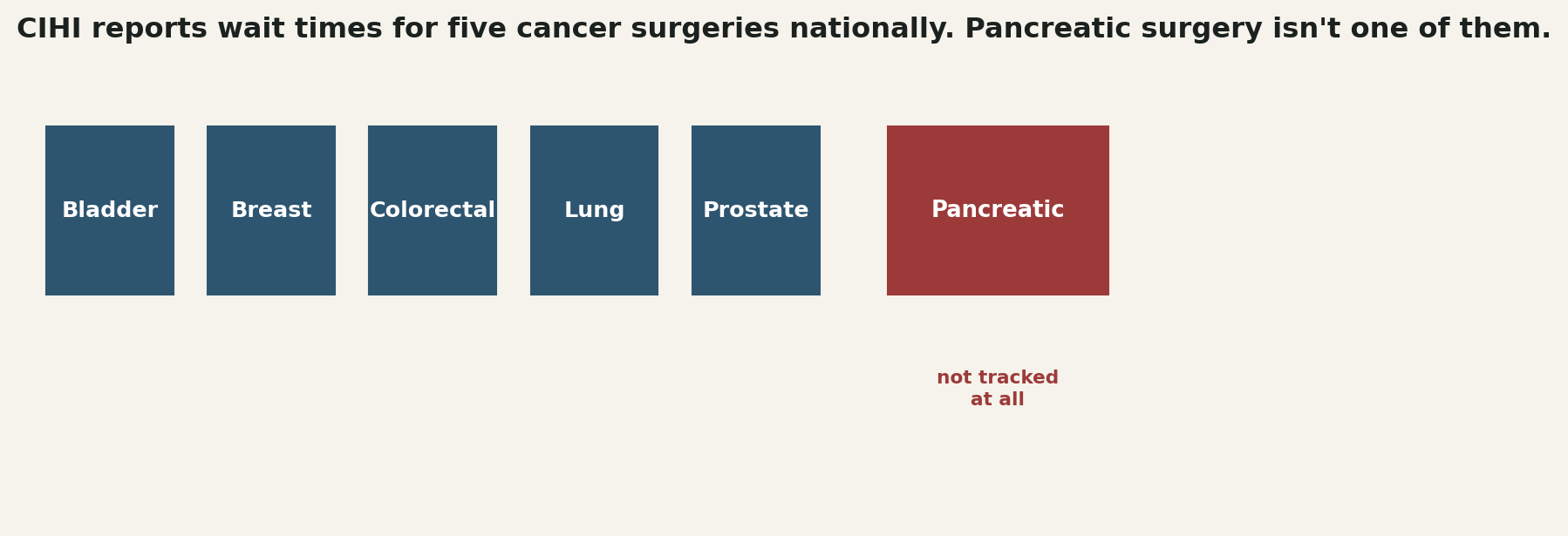
CIHI's national wait-time tool reports on five specific cancer surgeries: bladder, breast, colorectal, lung and prostate. Pancreatic cancer surgery is not among them. It is not benchmarked, the way radiation therapy is. It is not even tracked and reported without a benchmark, the way the five surgeries above are. For a cancer where speed and surgeon choice both matter enormously, there is no public national data at all describing how long Canadians actually wait for it.
This matters more here than for almost any other cancer in this series. Pancreatic cancer is relatively uncommon compared with breast, colorectal or lung cancer, which is precisely why national tracking has never been built around it — but rarity at the population level does not make the individual decision any less consequential. If anything, the absence of a public benchmark means the burden of asking the right questions about volume, timing and centre selection falls entirely on the patient and family, at exactly the moment they are least equipped to carry it.
The number that should decide where this happens, not how fast it happens
Pancreaticoduodenectomy, the Whipple procedure, is one of the most technically demanding operations in general surgery, and it is also one of the most extensively studied from a volume-outcomes perspective. The relationship between how often a hospital and a surgeon perform this operation and whether a patient survives it is not subtle.
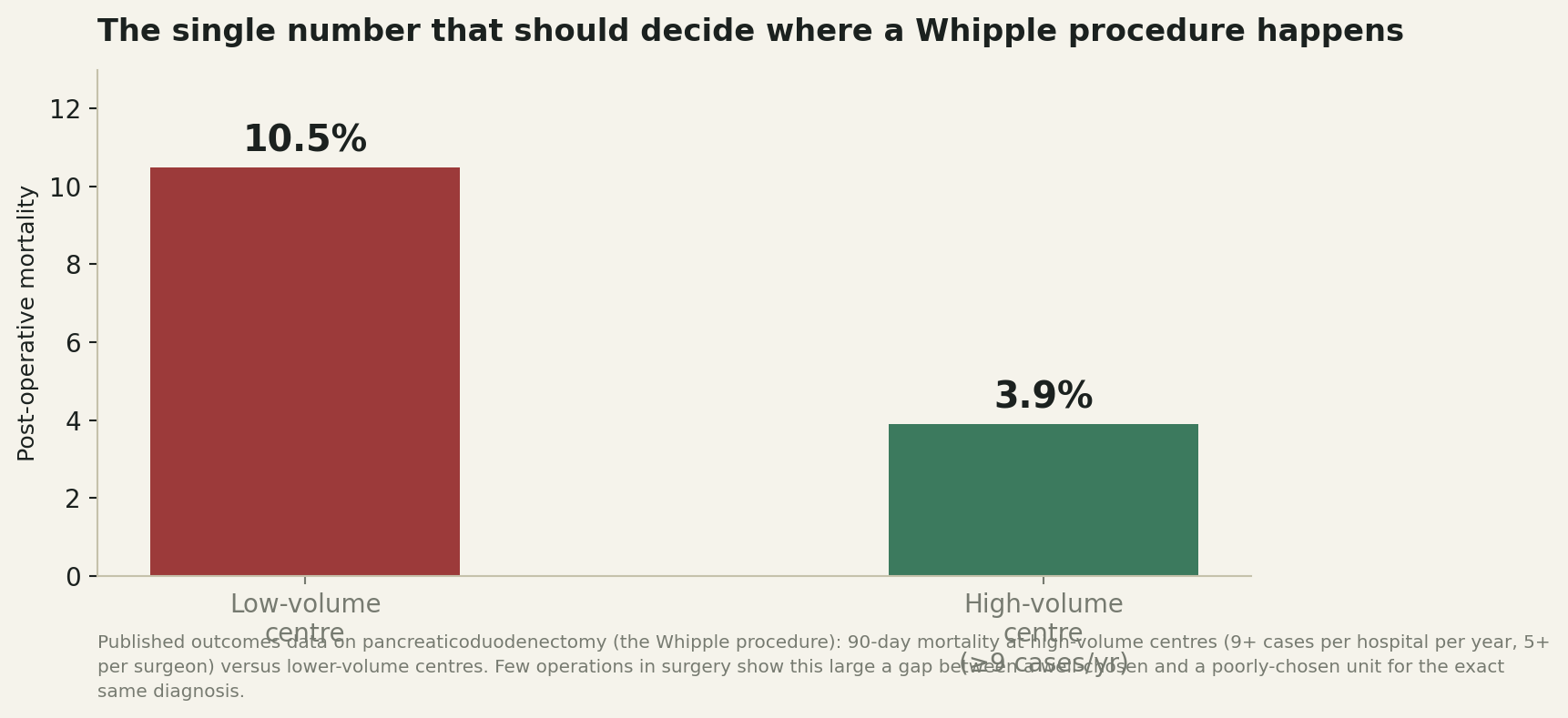
Published data comparing high-volume centres, defined as nine or more cases a year per hospital and five or more per surgeon, against lower-volume centres found 90-day mortality of roughly 4 per cent against roughly 10 to 11 per cent for the same operation. A Canadian study of hepato-pancreatico-biliary cancer surgery in Ontario reached the same conclusion domestically: outcomes are measurably better at designated, higher-volume centres, and this is precisely why Canadian practice has been shifting toward centralising this specific operation, even though a formal, Canada-wide practice standard is still, by HPB surgeons' own published account, inconsistent between provinces.
The trade-off nobody explains to patients: it is not actually speed versus quality
This is the part of the decision most patients never get to see stated plainly. A nearby, lower-volume hospital can often operate sooner. A regional referral centre, doing this operation properly and often, frequently has a longer wait, precisely because it is where more patients are appropriately being sent. Patients and families, reasonably frightened by a cancer diagnosis and told their tumour is growing, often choose speed, without being told what that choice trades away.
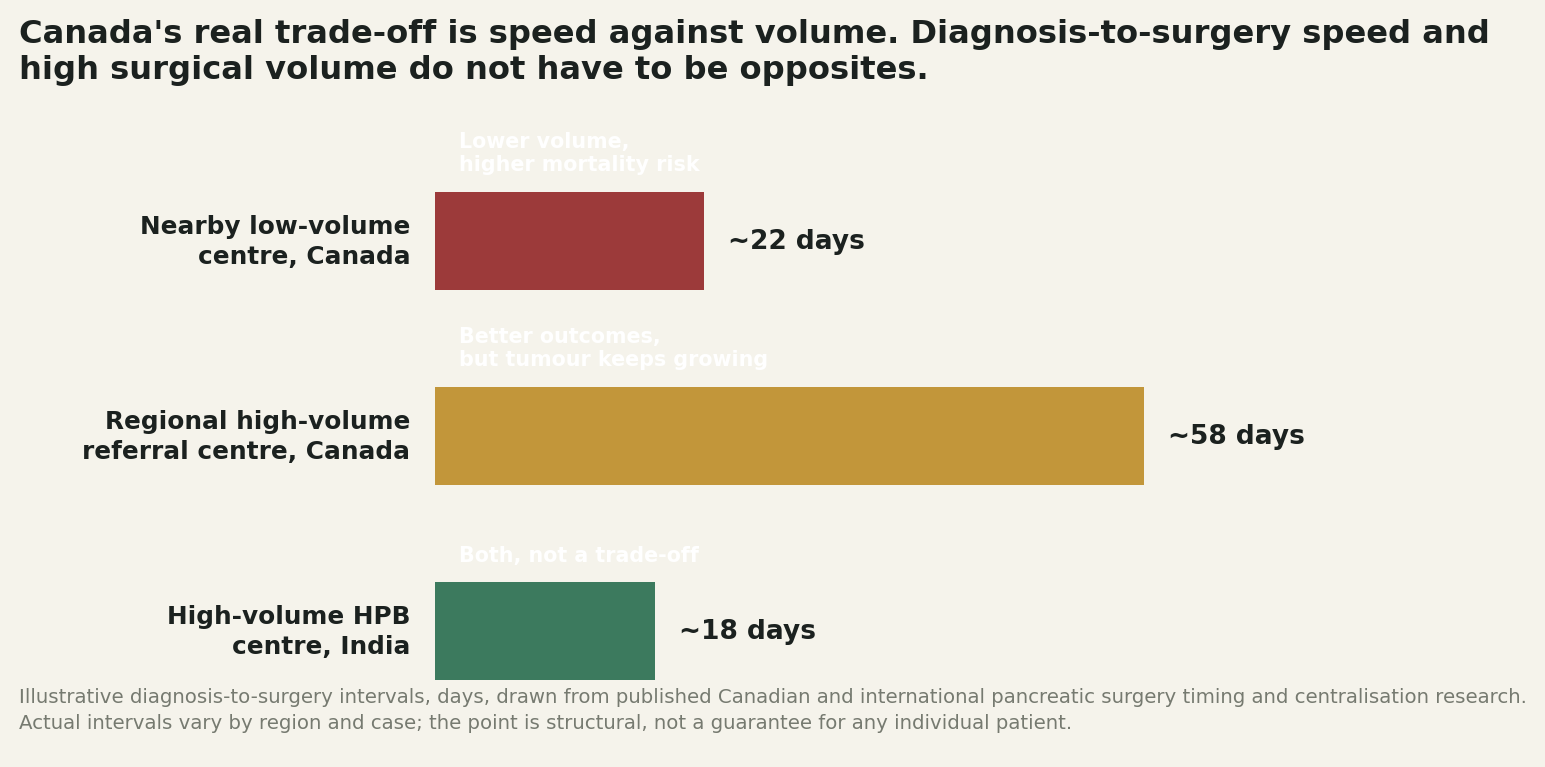
Only fifteen to twenty per cent of pancreatic tumours are technically resectable at diagnosis, because the disease is so often found late, and the interval between diagnosis and surgery matters precisely because the tumour continues to progress during it — a resectable cancer can become unresectable while a patient waits for a slot at the right centre. This is genuinely difficult, and it is exactly the dilemma a well-chosen high-volume international centre is built to resolve: it does not force a choice between operating soon and operating well.
There is a further layer worth understanding if your tumour has been called borderline resectable, meaning it sits close to major blood vessels and a clean removal is genuinely uncertain. This determination is not fixed; it is a judgement made by a specific team looking at specific imaging on a specific day, and it commonly changes with neoadjuvant chemotherapy, which can shrink a tumour enough to convert a borderline case into a resectable one. A second opinion from a high-volume pancreatic surgical team, reviewing your actual imaging rather than a written report, is one of the few genuinely high-value second opinions in the whole of oncology, precisely because the first answer you receive is not always the only correct one.
What the money actually looks like
Pancreatic surgery is not something Canada's small private surgical sector offers; it requires HPB-specific ICU capability, a dedicated pancreatic surgical team, and perioperative management this size of clinic does not carry. For a family exploring a paid alternative, the realistic comparison is not a domestic clinic. It is the United States.
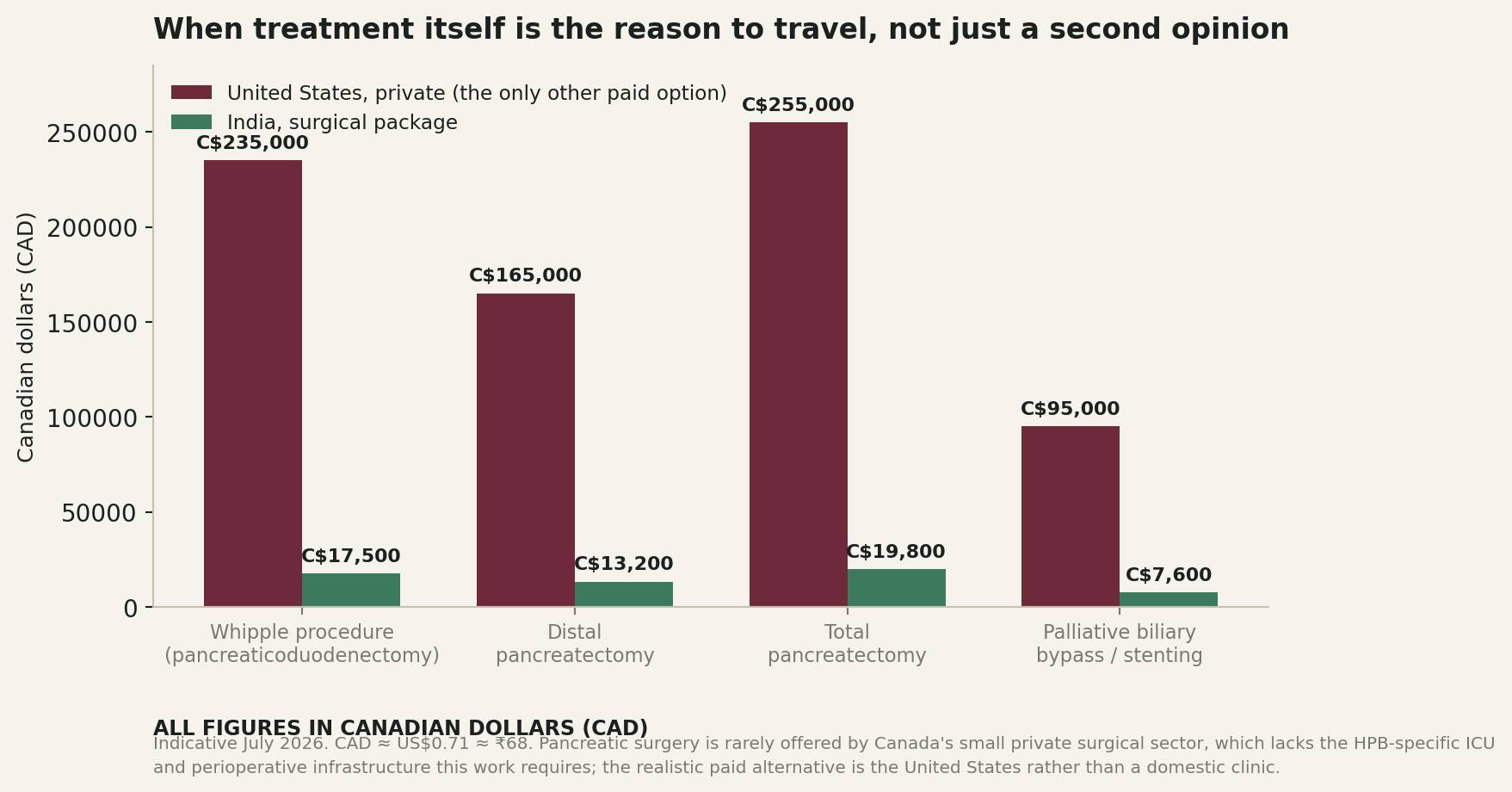
American pancreatic surgery, priced for an insurance-backed domestic market, runs into six figures for the Whipple procedure alone once insurance is not in the picture. India's major HPB centres perform this operation in high volumes, with the same dedicated surgical and perioperative teams described throughout this series, at a fraction of the American price. In 24 years of guiding patients through decisions like this, pancreatic cancer is the one where I am most direct: this is not a case for shopping on price. It is a case for confirming volume first, and treating price as the last question rather than the first.
What you are actually getting for it
Genuine, checkable HPB-specific volume. Ask for the unit's annual pancreaticoduodenectomy volume and the operating surgeon's own volume, separately from general gastrointestinal surgery numbers.
A multidisciplinary tumour board, not one surgeon's opinion. Resectability is a judgement call, not a fixed fact, and it should be made by a team including surgical oncology, medical oncology and radiology together.
Speed matched to volume, not traded against it. A high-volume international centre with dedicated theatre capacity can often offer both a prompt date and a genuinely experienced team, precisely the combination the Canadian trade-off above makes difficult.
Accreditation you can verify independently. JCI is the international arm of the body accrediting hospitals across the United States; NABH is India's national equivalent, recognised by the same global standards authority.
A discharge record built for your Canadian oncologist to use, including the operative note, pathology, margin status and a specific adjuvant chemotherapy plan they can act on immediately.
Genuine post-operative nutritional and enzyme support. The pancreas plays a central role in digestion, and after major pancreatic surgery many patients need enzyme replacement and structured dietary guidance to manage the change properly. Ask what support is built into the package for the weeks after discharge, not just the operation itself.
Four Things that Should Make You Walk Away Immediately
Any clinic promising a cure your Canadian oncologist has not heard of. Pancreatic cancer attracts aggressive, hopeful marketing precisely because prognosis is often difficult. Every legitimate treatment has published trial data with a name you can look up.
A firm resectability verdict given before a multidisciplinary review. This decision should never rest on one surgeon's read of a scan.
Vagueness about annual Whipple volume, for the unit or the surgeon. Given the mortality gap involved, this is the single most important number in the entire decision, and a confident unit will give it to you immediately.
Pressure to decide within days. A genuine second opinion is offered calmly, welcomes your existing oncologist being kept informed, and never rushes a decision this consequential.
Straight answers for Canadian Patients about Pancreatic Cancer Treatment and Surgery in India
My local hospital can operate sooner than the regional referral centre. Should I just go with the faster option?
Ask both centres directly for their annual Whipple volume and mortality outcomes before deciding. A shorter wait at a lower-volume unit is not automatically the safer or better choice for this specific operation.
Will my provincial plan reimburse surgery performed in India?
Almost never. Out-of-country coverage exceptions require pre-approval showing the procedure is genuinely unavailable in Canada within a medically acceptable time, a bar rarely met regardless of the actual wait.
My tumour was called borderline resectable. What does that actually mean?
It means the tumour is close to major blood vessels and resectability is genuinely uncertain, often requiring neoadjuvant chemotherapy first and reassessment afterward. This determination should come from a multidisciplinary tumour board, and a second opinion from a high-volume centre can sometimes change it.
How long should I plan to stay in India?
Around three to four weeks for a Whipple procedure, on a changeable ticket, following a documented fit-to-fly assessment.
Who manages my chemotherapy once I'm home?
Your Canadian oncologist, provided they have the full operative record, pathology and margin status, and a specific adjuvant treatment plan in writing before you leave.
A closing word
Pancreatic cancer surgery rewards exactly one thing above all others: genuine, checkable volume in the specific operation, at a centre that can also move quickly enough not to let a resectable tumour become unresectable while you wait. Canada does not currently measure or report this trade-off nationally, which means the responsibility for asking the right questions sits with you. If you are weighing a fast local option against a slower regional one, or would like a second opinion on your imaging, send it to me and I will look at it properly.
Sources
- 🌐 Canadian Institute for Health Information, "Explore wait times for priority procedures across Canada" — cihi.ca/en/explore-wait-times-for-priority-procedures-across-canada
- 🌐 "Defining Standards for Hepatopancreatobiliary Cancer Surgery in Ontario, Canada: a population-based cohort study of clinical outcomes", PMC — pmc.ncbi.nlm.nih.gov/articles/PMC11896001
- 🌐 "Canadian practice patterns for pancreaticoduodenectomy", PMC — ncbi.nlm.nih.gov/pmc/articles/PMC4373994
- 🌐 "Superior surgical outcomes in high-volume centers despite longer waiting times for curative pancreatic surgery", ScienceDirect — sciencedirect.com
- 🌐 High Commission of India, e-Visa categories and eligibility — indianvisaonline.gov.in/evisa
Frequently Asked Questions by Canadian Patients about Pancreatic Cancer Treatment and Surgery in India
Is pancreatic cancer surgery tracked nationally in Canada?
The guide states that pancreatic cancer surgery is not included among the five cancer surgeries tracked by Canada's CIHI national wait-time tool.
Why is surgical volume important for Whipple surgery?
The Whipple procedure is highly complex, and the guide highlights a substantial difference in 90-day mortality between high-volume and lower-volume centres. Patients should therefore ask for procedure-specific hospital and surgeon volumes.
What qualifies as a high-volume Whipple centre?
The guide uses nine or more Whipple procedures per hospital per year and five or more per surgeon per year as the high-volume definitions used in the cited comparison.
How much does Whipple surgery cost in India?
The PDF gives an indicative India package cost of approximately C$17,500 for a Whipple procedure. Actual costs depend on the patient's treatment plan and clinical requirements.
What does borderline-resectable pancreatic cancer mean?
It means the tumour is close to major blood vessels and complete surgical removal is uncertain. The guide explains that neoadjuvant chemotherapy may sometimes shrink the tumour enough to make surgery possible.
Should I choose the hospital that can operate sooner?
Not automatically. The guide recommends comparing annual Whipple volume and mortality outcomes before choosing between a faster lower-volume centre and a slower high-volume referral centre.
How long should Canadian patients stay in India after Whipple surgery?
The guide recommends planning for approximately three to four weeks, using a changeable ticket and obtaining documented fit-to-fly clearance before returning home.
What should I check before choosing an Indian pancreatic cancer centre?
Check the centre's annual pancreaticoduodenectomy volume, the surgeon's own volume, multidisciplinary tumour-board involvement, HPB-specific infrastructure, accreditation and the post-operative support provided.
What happens after pancreatic surgery?
Patients may require nutritional guidance and pancreatic enzyme replacement. The guide recommends ensuring that these services are available after discharge and that complete operative and pathology records are provided to the Canadian oncologist.
Who manages chemotherapy after returning to Canada?
The Canadian oncologist should manage subsequent treatment when provided with the complete operative record, pathology, margin status and a specific adjuvant treatment plan in writing.
Page Summary
This guide explains pancreatic cancer treatment and surgery in India for Canadian patients, with particular emphasis on the importance of choosing an experienced, high-volume HPB team. It discusses the Whipple procedure, the relationship between surgical volume and mortality, the difference between speed and quality when selecting a centre, and the importance of multidisciplinary assessment for borderline-resectable tumours. It also provides indicative India treatment costs, highlights the need for nutritional and enzyme support after surgery, and recommends approximately three to four weeks in India for a Whipple procedure with planned Canadian follow-up.
Citation Block
| Topic | Information |
|---|---|
| Topic | Pancreatic Cancer Treatment and Surgery in India for Canadian Patients |
| Treatment | Pancreatic Cancer Surgery |
| Country | India |
| Intended Audience | Canadian Patients |
| Specialty | HPB / Surgical Oncology |
| Key Surgery | Whipple Procedure / Pancreaticoduodenectomy |
| Other Procedures | Distal Pancreatectomy, Total Pancreatectomy, Palliative Bypass/Stenting |
| Resectable at Diagnosis | Approximately 15–20% |
| High-Volume Hospital | 9+ Whipple Cases Per Year |
| High-Volume Surgeon | 5+ Whipple Cases Per Year |
| 90-Day Mortality | Approximately 3.9% High-Volume vs 10.5% Lower-Volume |
| Key Selection Factor | Procedure-Specific Volume |
| Author | Dr. Dheeraj Bojwani |
| Experience | 24+ Years |


Our Mission Statement
Our mission is to place patients at the centre of every healthcare decision by providing trustworthy, evidence-based, and unbiased medical information. We believe that informed patients make better decisions. Backed by personalised guidance from our experienced advisory team, we help patients understand their treatment options, compare them objectively, and confidently choose the path that best suits their medical needs and personal circumstances.
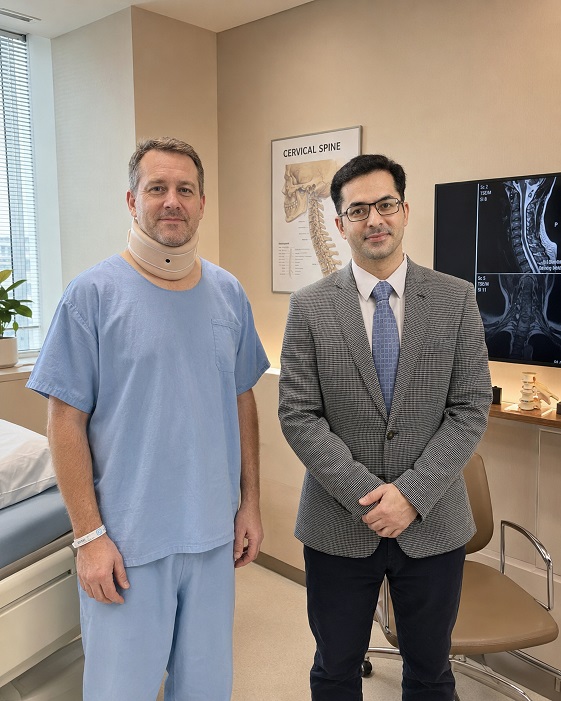
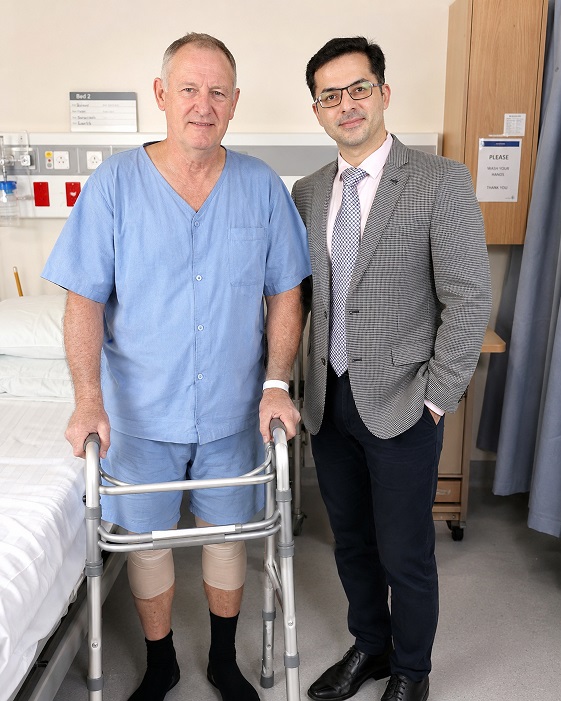
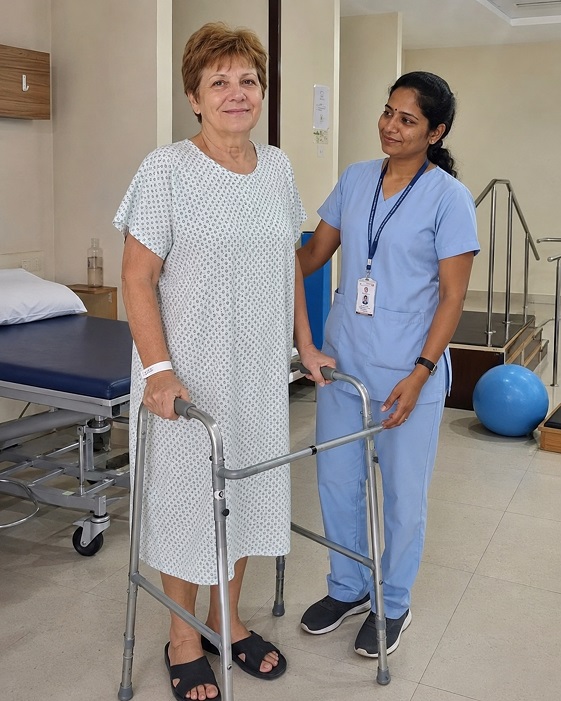
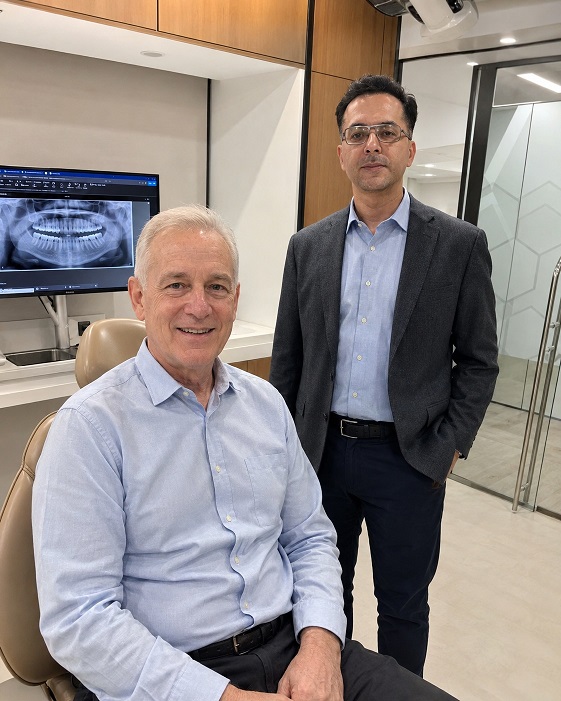
Patient Testimonials from Canada

Ready to Take the First Step?
Share your Medical Reports with our Healthcare Managers Today and Get a FREE CONSULTATION, a Personalized Treatment Plan, and Complete Support from Arrival to Recovery.
Get Your Free ConsultationFrom Canada to India: Your Complete Patient Support Guide
- Weight Loss & Bariatric Surgery in India for Canadian Patients: The Multi-Year Wait, Explained (2026)
- Bone Marrow Transplant in India for Canadian Patients: Complete Guide
- Brain Tumor Surgery in India for Canadian Patients: Complete Guide
- Breast Cancer Treatment and Surgery in India for Canadian Patients
- Cancer Treatment and Surgery in India for Canadian Patients
- Cardiac Surgery in India for Canadian Patients
- Colorectal Cancer Treatment and Surgery in India for Canadian Patients
- Cosmetic and Aesthetic Surgery in India for Canadian Patients
- CyberKnife Treatment in India for Canadian Patients: Complete Guide
- Dental Surgery in India for Canadian Patients | Complete Treatment & Cost Guide
- Gamma Knife Treatment in India for Canadian Patients
- Heart Valve Replacement Surgery in India for Canadian Patients
- Hip Surgery in India for Canadian Patients | Complete Treatment, Cost & Recovery Guide
- HIPEC Surgery in India for Canadian Patients: Complete Guide
- Kidney Transplant in India for Canadian Patients: Complete Guide
- Knee Surgery in India for Canadian Patients: Wait Times & Costs
- Neurosurgery in India for Canadian Patients: Wait Times & Costs
- Paediatric Cardiac Surgery in India for Canadian Patients